
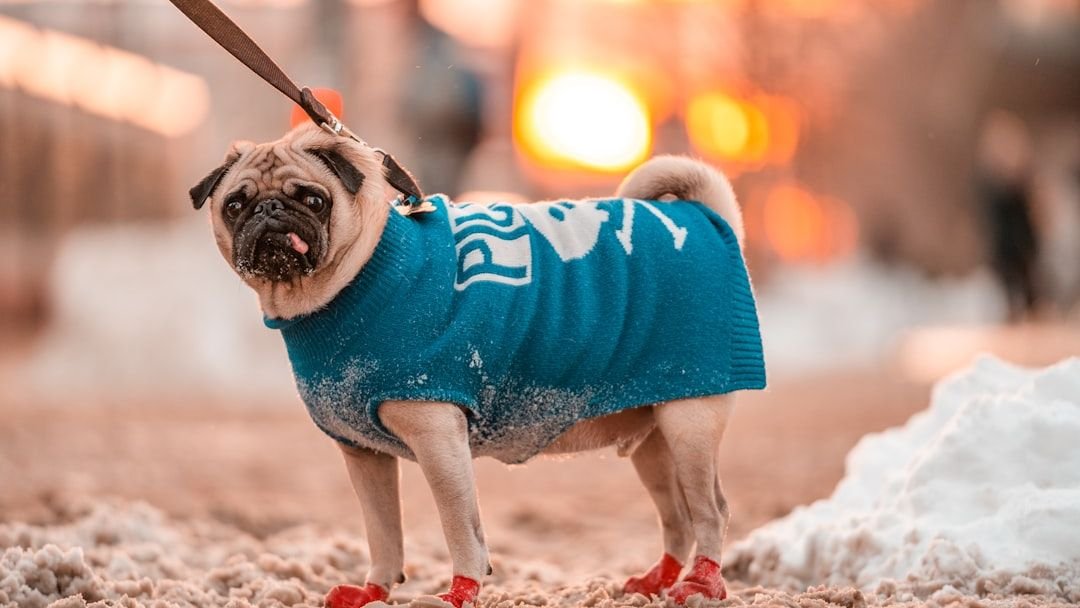
When the first frost appears on the windows and you find yourself reaching for that extra blanket, there’s another member of your family who needs just as much winter preparation. Your dog, whether a tiny Chihuahua or a burly Golden Retriever, faces unique challenges when temperatures drop. Most pet parents understand the basics of winter care, yet many are surprised to learn just how quickly cold weather can become dangerous.
The truth is, your furry friend needs more than just a quick trip outside during winter months. From their paws touching icy pavement to their bodies working overtime to stay warm, dogs require thoughtful care to thrive when Jack Frost arrives. Let’s explore the essential ways to keep your beloved companion safe, comfortable, and happy throughout the coldest season.
Understanding Your Dog’s Cold Tolerance
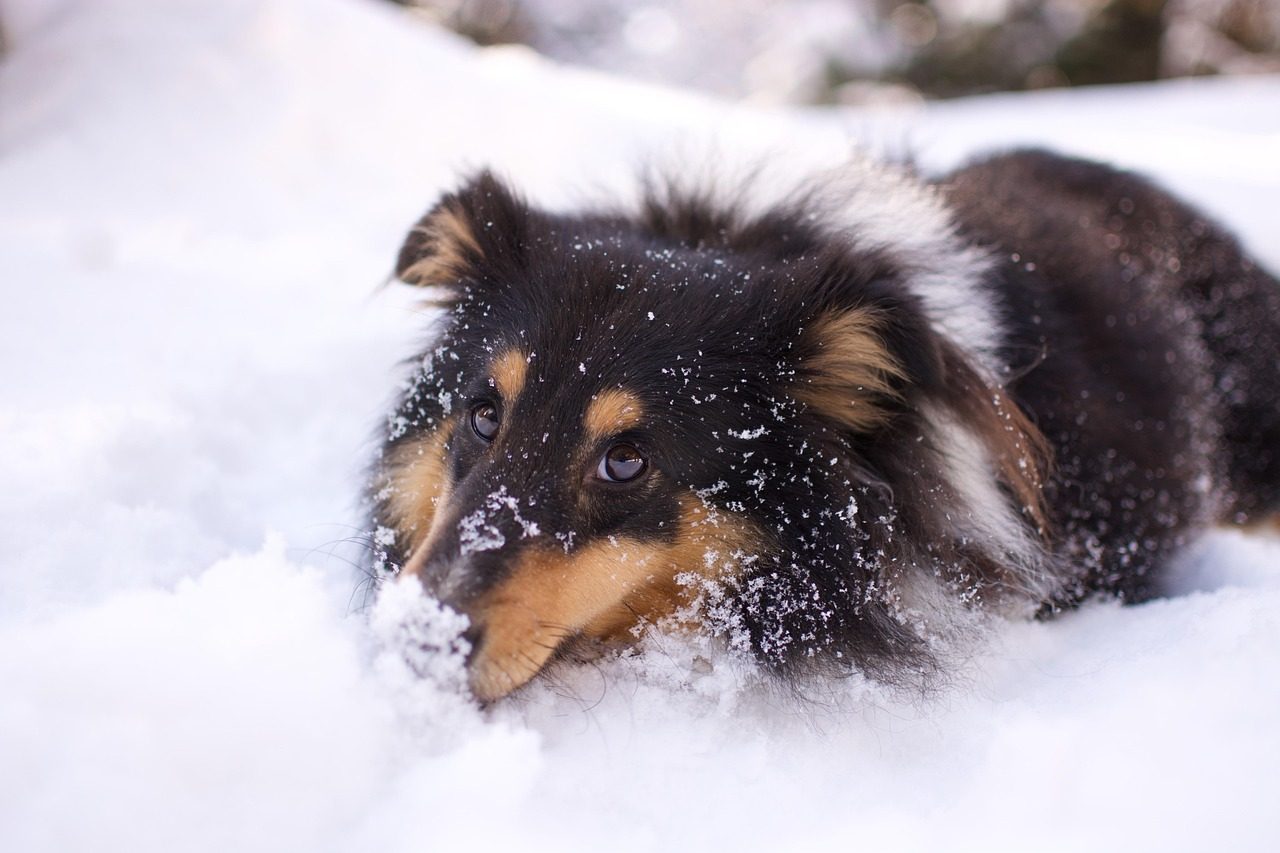
Not all dogs are created equal when it comes to winter weather. Small-sized dogs have a harder time staying warm compared to larger breeds, while puppies cannot properly regulate their body temperature and have very little body fat, making them more susceptible to the cold.
Like humans, very young and very old dogs have a hard time regulating body temperature. As a result, they have more extreme reactions to changes in weather. Your fluffy Husky might love romping in snow drifts, while your sleek Greyhound starts shivering the moment temperatures dip below forty degrees.
Just like people, pets’ cold tolerance can vary from pet to pet based on their coat, body fat stores, activity level, and health. Be aware of your pet’s tolerance for cold weather, and adjust accordingly. Watch your dog carefully during those first cold snaps of the season to understand their personal comfort zone.
Think of it this way: if you’re bundling up in layers, your dog probably needs extra protection too. If it is too cold for you, it is likely too cold for your dog. This simple rule serves as an excellent starting point for winter care decisions.
Recognizing Warning Signs of Cold Weather Stress

Your dog can’t tell you when they’re getting too cold, so becoming fluent in their body language becomes crucial during winter months. Observe your pet for signs of discomfort, like shivering, holding their paws off the ground or reluctance to walk. These early warning signs mean it’s time to head indoors immediately.
Shivering represents your dog’s first line of defense against the cold, but it shouldn’t be ignored. Shivering or trembling: A natural response to cold that can signal early stages of hypothermia. Lethargy: Pets may become sluggish or less responsive. Cold ears, paws, and tail: These extremities are the first areas the cold affects.
More serious signs require immediate action and veterinary attention. Hypothermia: body temperature below 99°F (normal dog temperature is 101-102.5°F). Other signs to watch out for include increased heart rate, followed by a slow heart rate, and rapid breathing, followed by progressively slower and shallower breath.
Pay special attention to their behavior changes. Dogs experiencing cold stress may become withdrawn, seek warm hiding spots, or show reluctance to go outside. Trust your instincts as a pet parent; if something seems off, it probably is.
Protecting Those Precious Paws
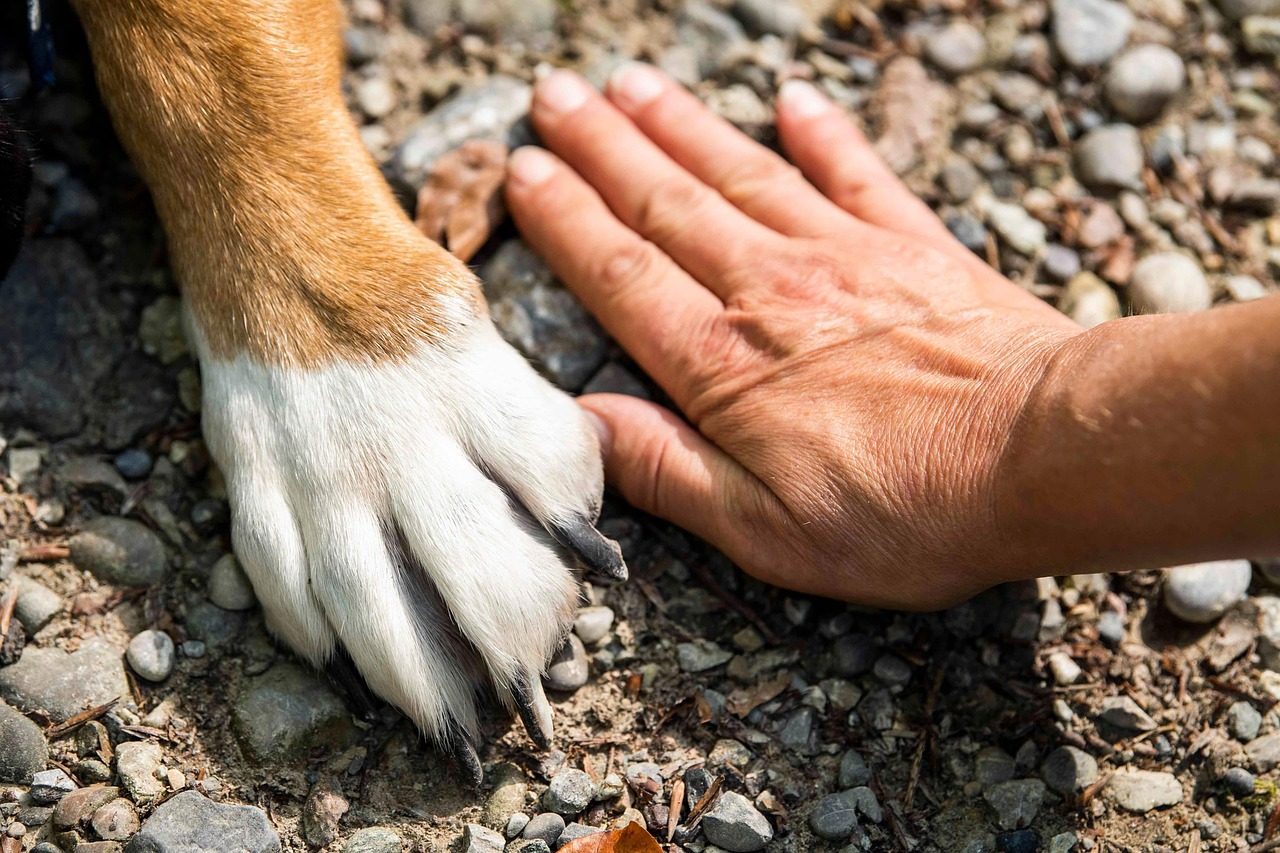
Your dog’s paw pads face a barrage of winter hazards, from ice-cold surfaces to harmful chemicals. Salt and other de-icers used on the roads can irritate paws, and if ingested, cause ulcerations or irritation to the mouth and digestive tract. Think of their paws as bare feet walking across rough terrain all winter long.
Prevention starts with proper protection. Massage petroleum jelly or other vet-approved paw protectants into paw pads before going outside to protect from salt and chemical agents. Booties can provide even more coverage and can also prevent sand and salt from getting lodged between bare toes and causing irritation.
After every winter walk, establish a paw-care routine. Wipe down your dog’s paws, legs and belly after walks in the winter to remove any potential chemicals they may have picked up from walking along the road. This simple step prevents them from licking harmful substances off their feet later.
Watch for signs of paw problems during your daily inspections. Regularly check your pet’s paws for signs of weather-related injuries or damage. Check pads when you bring your pet back inside and wash sensitive areas with warm towels. If paws are cracked and/or bleeding, you may use a moisturizing balm and incorporate this into your daily paw care routine.
Winter Wardrobe Essentials
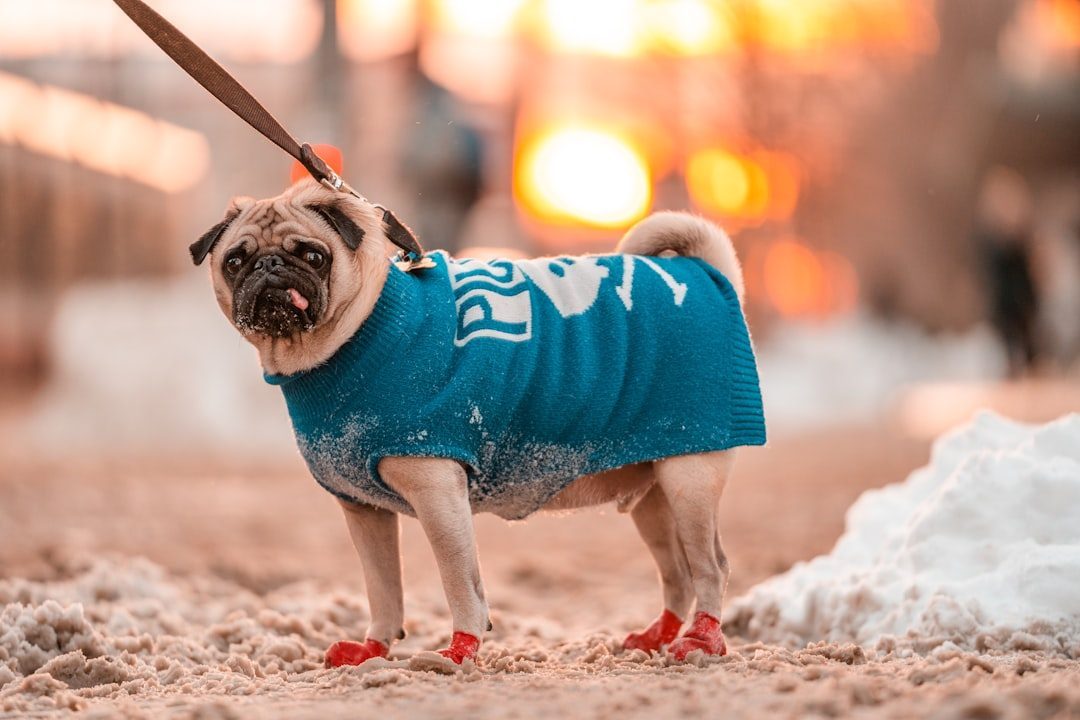
Dog clothing isn’t just about fashion during winter months; it’s about survival and comfort. Short-coated dogs may need a coat or sweater during walks. Breeds like Whippets, Italian Greyhounds, and senior dogs with thinning coats benefit tremendously from that extra layer of warmth.
Pets that are young, old, ill, or thin are particularly susceptible to cold environments. If your pet has a short coat, is in the highly susceptible category, or has a history of intolerance to cold weather, consider a sweater or coat. Choose well-fitting garments that cover their chest and back without restricting movement.
However, wet clothing becomes counterproductive quickly. Keep in mind that wet sweaters and coats can actually make your pet colder. Be sure to dry coats or sweaters after each walk or keep several on hand to switch them out when one becomes damp.
Introduce winter clothing gradually if your dog isn’t used to wearing anything. Not every dog takes to clothing right away, so introduce sweaters or jackets gradually to help them adjust to the idea. Start with short indoor sessions before venturing outside.
Creating a Cozy Indoor Environment

Your dog’s indoor space becomes even more important during winter months when they spend increased time inside. Make sure your companion animal has a warm place to sleep, off the floor and away from all drafts. A cozy dog or cat bed with a warm blanket or pillow is perfect. Elevated beds help prevent heat loss to cold floors.
Consider the heating options carefully throughout your home. Use space heaters with caution around pets, because they can cause burns or they can be knocked over, potentially starting a fire. Check your furnace before the cold weather sets in to make sure it’s working efficiently, and install carbon monoxide detectors to keep your entire family safe from harm.
Humidity levels matter more than many pet parents realize. Keep your home humidified and be sure to towel dry your pet as soon as they come inside. To avoid itchy, flaking skin, the ASPCA recommends keeping your home humidified and towel dry your pet as soon as he or she comes inside.
Create multiple warm spots throughout your home where your dog can retreat when feeling chilly. Yes, heated dog beds are safe! A heated dog bed can be a great option for dogs that tend to get chilly, including senior dogs. These provide consistent, gentle warmth without the risks associated with space heaters.
Adjusting Exercise and Activity Routines
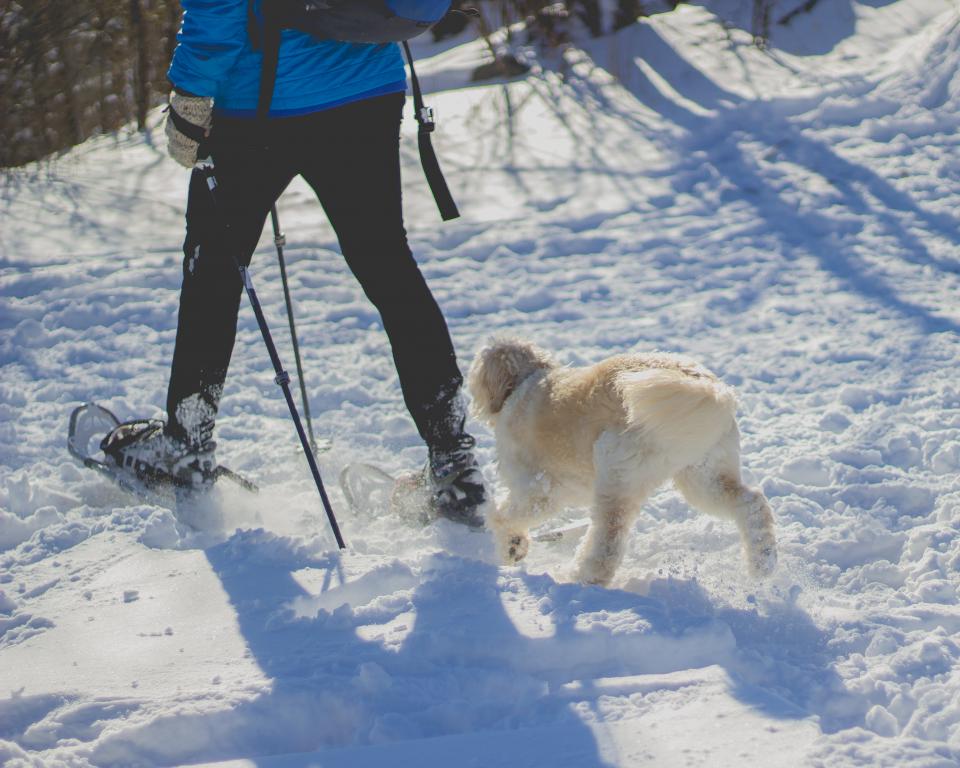
Winter weather doesn’t mean your dog should become a couch potato, but it does require smarter exercise planning. You will probably need to shorten your dog’s walks in very cold weather to protect you both from weather-associated health risks. Multiple short outings often work better than one long adventure.
Consider shortening walks in very cold weather, and if you are unsure of pet’s temperature limits, consult with your veterinarian. You may also want to consider changing their routine and walk your pet during warmer periods of the day; avoiding early mornings and late at night. Midday sunshine can make a significant temperature difference.
Safety becomes paramount during winter walks. Never let your dog off leash on snow or ice, especially during a snowstorm. Dogs can lose their scent in the snow and easily become lost. Dogs can easily become lost during winter weather, so make sure your dog always wears an ID tag.
Indoor activities become your best friend during extreme weather days. Keep indoor activities fun with new indoor games. There are also dozens of indoor, interactive dog toys to give your dog a fun way to get both mental and physical exercise. Puzzle toys, training sessions, and indoor fetch can help burn energy when outdoor time is limited.
Dealing with Winter Emergencies
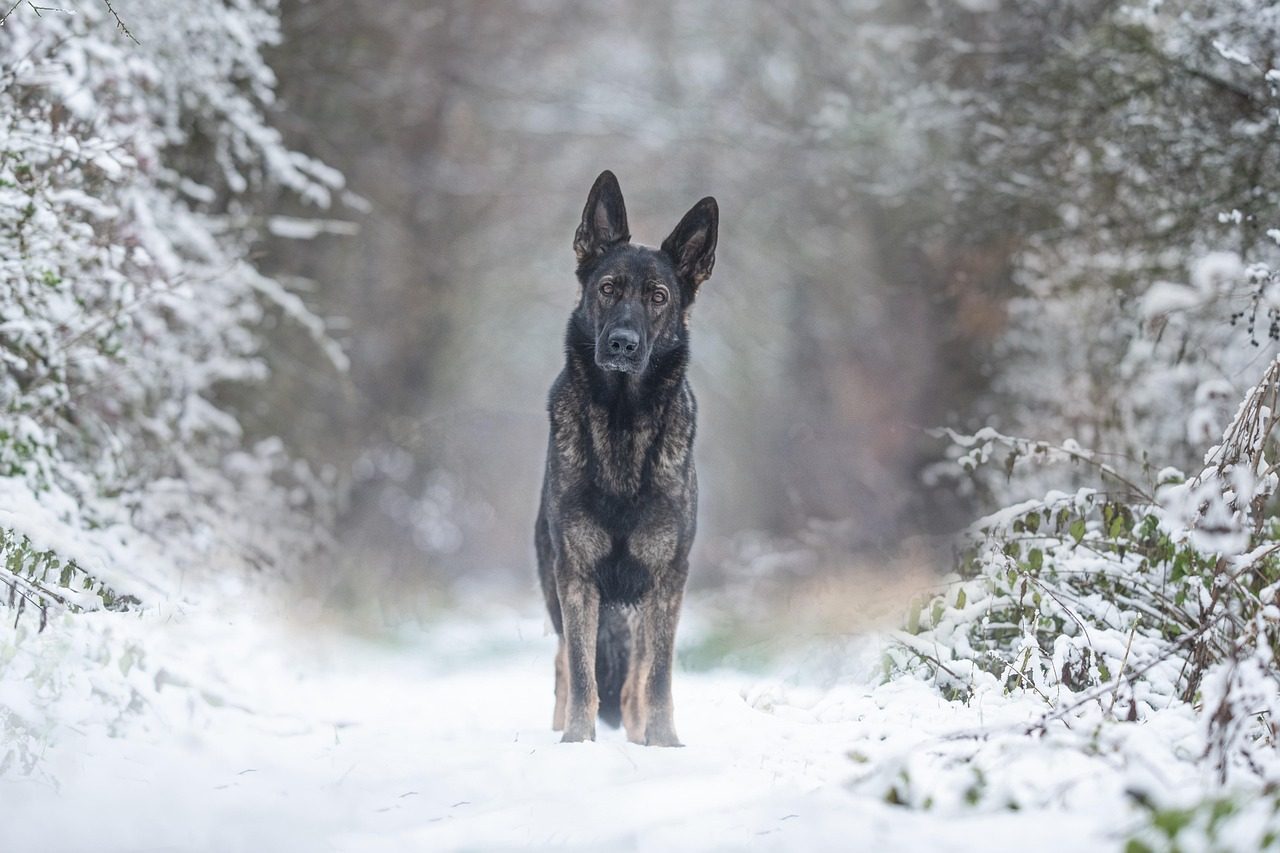
Understanding frostbite and hypothermia can literally save your dog’s life during severe weather. The paws, ears, and tail are the most common tissues to be affected. If a dog is wet or damp, these areas are more vulnerable to frostbite. The clinical signs associated with frostbite include: discoloration of the affected area of skin – often pale, gray or bluish.
For pets – especially short-haired dogs and cats – it can take just 30 minutes in below-freezing (32 degrees Fahrenheit) temperatures for a case of frostbite to develop. A dog can start developing frostbite in as little as 30 minutes. This timeline emphasizes why vigilant monitoring is so crucial.
If you suspect frostbite or hypothermia, act quickly but carefully. Move your dog to a warm, dry area as quickly and safely as possible. If your dog is suffering from hypothermia or low core body temperature, treat the hypothermia first. Do this slowly by wrapping their body in warm dry towels or blankets and placing hot water bottles wrapped in towels near their body.
Do not rub or massage the affected area. Do not use direct dry heat, such as a heating pad or hair dryer, to warm the affected area. These actions can cause additional tissue damage. Always contact your veterinarian immediately when dealing with suspected cold weather injuries.
Winter care for your dog requires attention to detail, but the effort pays off in keeping your furry family member healthy and happy throughout the coldest months. Remember that prevention is always easier than treatment, so start preparing before that first cold snap arrives. Your dog depends on you to recognize their limits and provide the protection they need.
What strategies work best for keeping your dog comfortable during winter? Share your cold weather tips and experiences to help fellow dog parents navigate the season successfully.


