

You know that moment when your pup struggles to stand after a nap, legs stiff and movements cautious? It breaks your heart, honestly. Most of us chalk it up to age or assume it’s just part of life for our dogs. Here’s the thing, though: that discomfort might be traced back to something so simple, it almost feels overlooked. The bed they sleep on every night.
Dogs spend roughly about two thirds of their lives resting or sleeping. That’s a lot of hours on one surface. If that surface doesn’t support their body properly, those hours become a slow assault on their joints. I think we don’t give this enough credit because a bed seems minor compared to diet or exercise. Yet it quietly shapes their comfort and long term mobility in ways that are hard to reverse once damage sets in.
Why Your Dog’s Bed Matters More Than You Think

Most people wouldn’t dream of sleeping on a thin mat on the floor every single night. We’d wake up with aching backs, sore hips, stiff necks. Dogs experience exactly the same thing when forced to rest on inadequate surfaces.
Poor bedding forces their joints into awkward positions all night long, leaving them stiff and sore when they wake up. Picture a large breed dog sprawled on a worn out cushion that’s compressed flat. His hips press directly against the floor beneath. Over time, that constant pressure damages cartilage and worsens inflammation in already vulnerable joints.
Orthopedic beds are designed to alleviate pressure points and provide extra cushioning, which significantly benefits dogs suffering from arthritis or other joint issues. The difference between a quality bed and a cheap one isn’t just comfort. It’s the line between preserving joint function and accelerating degeneration. Dogs with conditions like hip dysplasia or arthritis need beds that work with their bodies, not against them.
Understanding How Joint Problems Develop
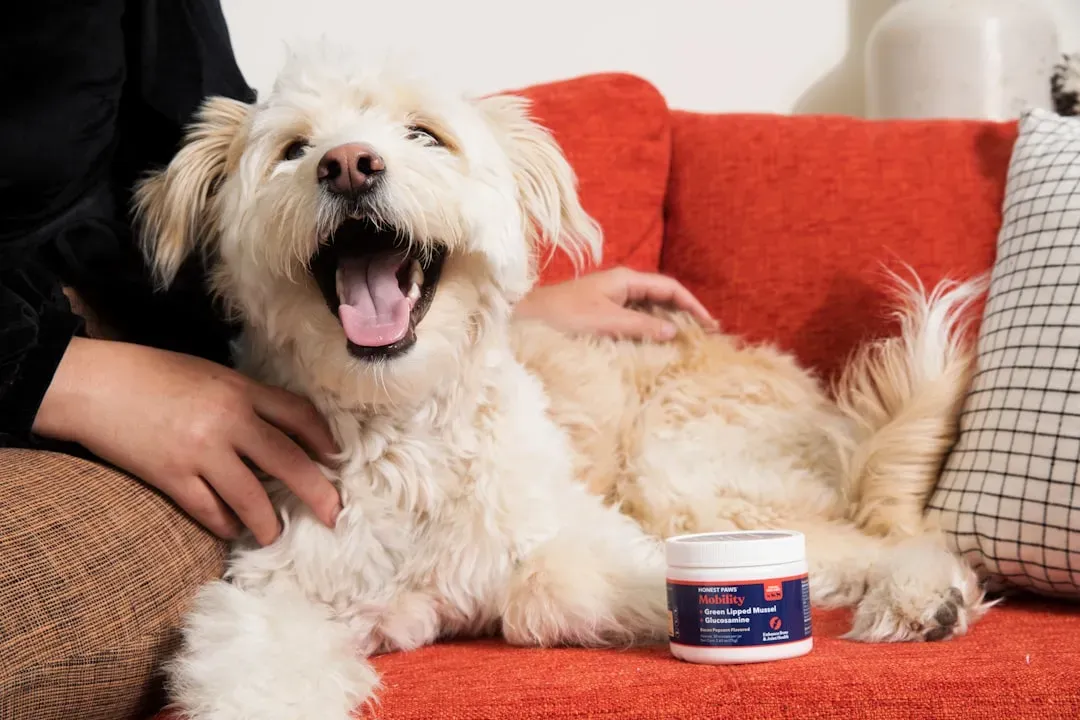
As dogs age, they may develop conditions such as arthritis, hip dysplasia, or other joint-related issues. These problems don’t appear overnight. They build gradually through years of wear on the joints.
Think of a dog’s joint like a door hinge. When properly lubricated and aligned, it swings smoothly. When pressure accumulates unevenly or inflammation sets in, that hinge starts grinding. When joints hurt, dogs move differently; they might avoid stairs, hesitate before jumping, or seem reluctant to play, behaviors that signal real discomfort.
Weight distribution becomes critical here. Orthopedic beds distribute your dog’s weight evenly across the sleeping surface, eliminating pressure points that aggravate sore joints. Without this even distribution, certain areas bear too much load. Hips and elbows, especially in larger dogs, take the brunt of this stress. Over months and years, that imbalance creates lasting damage.
What Makes an Orthopedic Bed Actually Work
Let’s be real, not all beds marketed as orthopedic actually deserve that label. The term isn’t regulated, so companies slap it on anything with a bit of extra padding. What truly matters is the construction.
Orthopedic foam conforms to your dog’s body, delivering targeted support to sore joints and promoting proper spinal alignment. Quality orthopedic beds use high density foam or memory foam that molds to your dog’s unique shape. These beds feature dense foam that conforms to your dog’s body shape; instead of pushing back against their weight, the foam cradles them.
Proper support means maintaining natural alignment throughout the body. When your dog lies down, the spine should remain relatively straight rather than sagging or twisting. This support promotes proper spinal alignment, reducing joint pain. The foam needs enough density to prevent bottoming out. If your large dog sinks through the cushioning until hitting the floor underneath, the bed fails its purpose entirely.
Signs Your Dog Needs Better Sleep Support

Some dogs are stoic about pain. They won’t cry or whine, but their bodies tell the story if you know what to watch for. Difficulty rising after rest is one of the most obvious signals.
Does your dog take a few steps to warm up before moving normally? That morning stiffness indicates joints that aren’t recovering properly during sleep. The energetic and playful fur baby you once knew may become withdrawn, aggressive, irritable, or lethargic, all due to discomfort they’re facing; they may not sleep as well or as soundly.
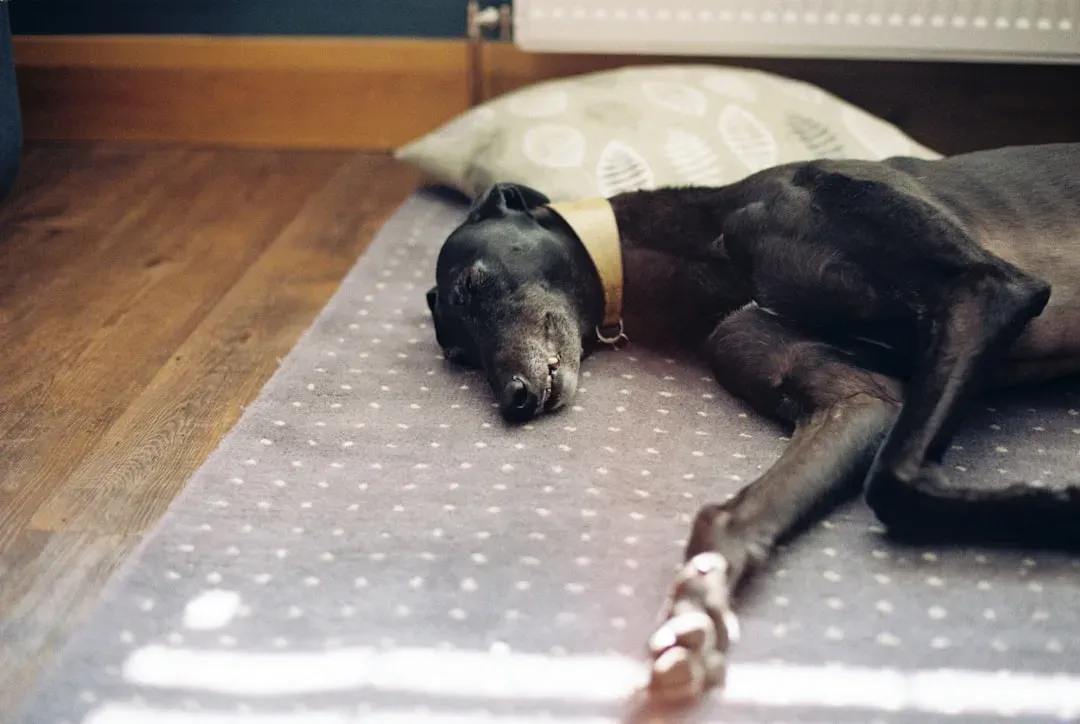
Watch their sleeping positions too. Dogs who constantly shift or can’t seem to settle comfortably might be trying to escape pressure points on an inadequate bed. Orthopedic beds offer contoured support that distributes a pet’s weight evenly, taking pressure off aching joints, muscles, and sensitive bones; this balanced cushioning is helpful for conditions like arthritis and hip dysplasia. Thin breeds like Greyhounds or senior dogs of any breed are particularly vulnerable to developing calluses on elbows and hips from poor bedding.
Prevention Starts Earlier Than You Think

Here’s something most people get wrong: orthopedic beds aren’t just for elderly or arthritic dogs. Orthopedic dog beds are beneficial for dogs of all ages, not just seniors or those with existing health issues; puppies can benefit from the support these beds provide as they grow and develop.
Young dogs, especially large and giant breeds, grow rapidly. Their joints are forming and developing. Providing proper support during these critical growth phases sets the foundation for healthier joints in later years. A soft, supportive orthopedic bed will keep their joints properly aligned throughout the night and help prevent health complications as they age.
I know it sounds crazy, but investing in quality bedding for a six month old puppy makes more sense than waiting until he’s eight years old and struggling with arthritis. Prevention is infinitely easier than trying to reverse damage. By providing an orthopedic bed early in your dog’s life, you can help promote healthy joint development and potentially prevent issues later on. Active dogs who run and play hard also benefit from better recovery during sleep hours.
Choosing the Right Bed for Your Specific Dog

Size matters tremendously when selecting an orthopedic bed. Your dog needs enough space to stretch out completely without limbs hanging off the edges. Measure your dog from nose to tail while he’s lying stretched out, then add several inches.
Memory foam beds conform to your dog’s body, providing tailored support that reduces pressure points and helps ease joint pain; they’re available in a range of thicknesses and styles. Thickness is another consideration. Smaller dogs might be fine with three to four inches of quality foam. Larger, heavier dogs typically need at least five to seven inches to prevent compression through to the floor.
Material choices extend beyond just foam. Some memory foam dog beds also come with cooling gel inserts to regulate body temperature, providing added comfort, especially during warmer months. Washable, removable covers are non negotiable for hygiene. Dogs who run hot benefit from breathable fabrics or elevated designs that promote airflow. Bolstered edges provide a sense of security for dogs who like to curl up or rest their heads on raised surfaces.
Conclusion: Your Dog’s Comfort Depends on This Choice

Joint health isn’t something that announces itself with fanfare. It degrades quietly, one uncomfortable night at a time, until mobility becomes limited and pain becomes constant. The bed your dog sleeps on directly impacts whether their joints stay healthy or deteriorate prematurely.
Proper bedding can help slow the progression of arthritis and contribute to better joint health over time. This isn’t about spoiling your pet with luxury items. It’s about providing basic support that their body genuinely needs. Every hour spent on a quality orthopedic surface is an hour of proper spinal alignment, reduced pressure on vulnerable joints, and genuine recovery rather than cumulative damage.
The dogs who move freely and comfortably into their senior years aren’t just lucky. Their people made choices that protected joint health from the beginning. Is your dog’s bed doing its job, or is it quietly contributing to problems you’ll face years down the road? What would you notice if you paid attention tonight when your dog settles down to sleep?


