
Let’s be real. There’s nothing quite like the excitement of bringing home a new puppy or welcoming a rescue dog into your life. Those first few weeks are filled with snuggles, tiny paws, and pure joy.
Then reality hits. You step in something wet. Or worse, you discover a surprise on your favorite rug. Suddenly, potty training becomes the number one priority, and honestly, it’s hard to say for sure whether you or your dog is more confused about the whole process. The good news is most potty training failures aren’t because your dog is stubborn or untrainable. More often than not, we humans are accidentally sabotaging the whole thing without even realizing it. Here’s the thing: avoiding a few common mistakes can make all the difference between a house-trained companion and months of frustration. So let’s dive in.
Giving Your Dog Too Much Freedom Too Soon
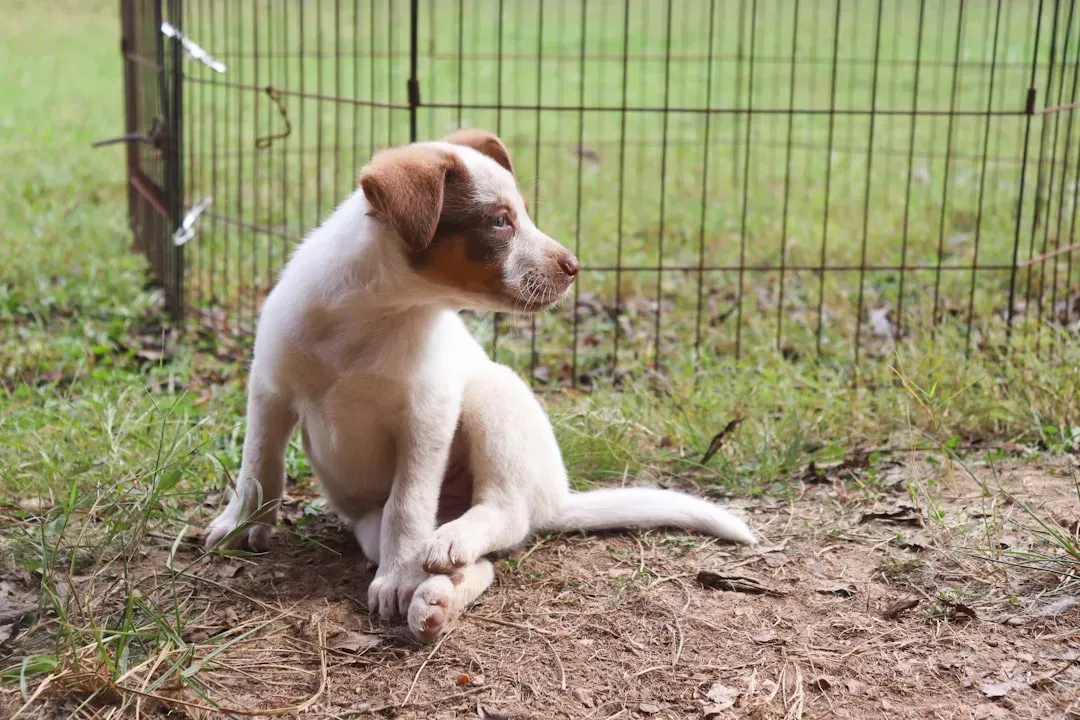
Picture this. You bring your adorable puppy home, set them down in the living room, and let them explore their new kingdom. Sounds reasonable, right? Actually, this is one of the quickest ways to set yourself up for failure.
Giving a puppy too much freedom before he has earned it is the easiest way to set him up for potty failure and you for frustration. Think of it like handing car keys to someone who hasn’t learned to drive yet. Dogs need boundaries and structure, especially during those critical first weeks. When your pup has access to every room in the house, they’re more likely to sneak off and have accidents in places you can’t even see.
The solution is simple but requires commitment. While potty habits are still suspect, your puppy should live in two places: On the leash with you, or in an appropriately sized crate. I know it sounds restrictive, but trust me, your dog will thank you later. Keep them tethered to you or confined to a safe space when you can’t actively watch them. This prevents those sneaky bathroom breaks behind the couch and helps your pup learn that potty time happens outside, not just anywhere they please.
Skipping the Crate or Using It Wrong
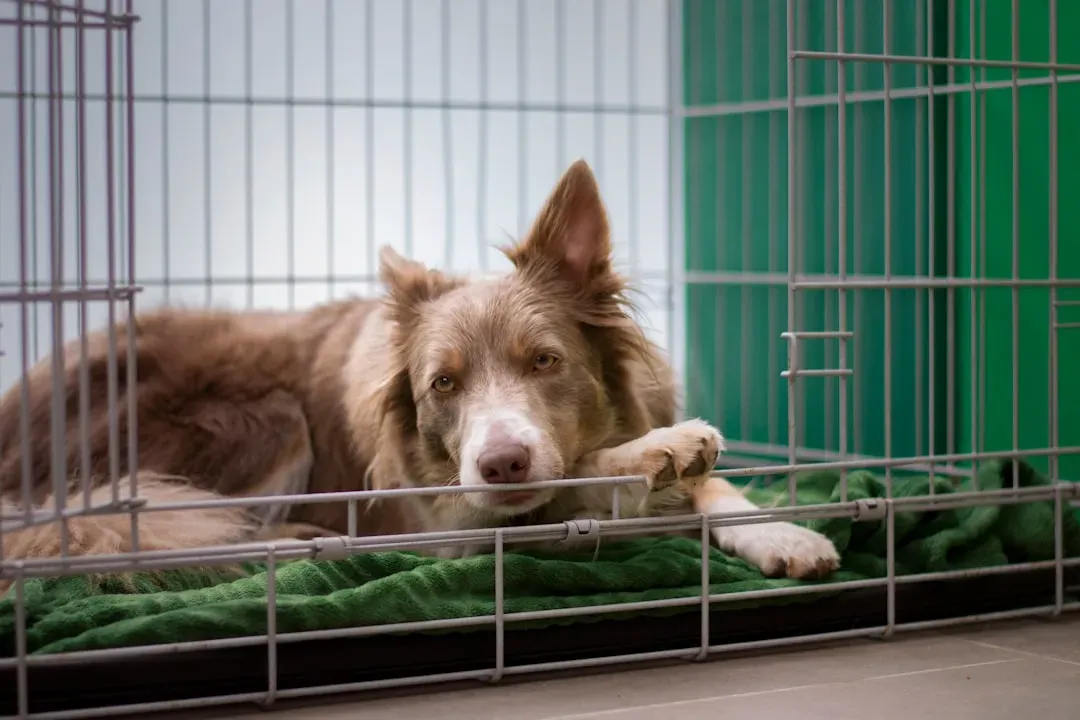
There’s a common misconception that crates are cruel. “I don’t want to put my dog in a crate, that’s mean!” is a very common concern, but it’s much meaner to spend your life frustrated and angry at your pup because he’s making a mess of your home. Honestly, I get it. The idea of confining your beloved fur baby feels wrong at first.
Here’s what many people don’t realize. Dogs are den animals, so while you may not want to be in a crate, the same isn’t necessarily true of your puppy. When introduced properly, a crate becomes their safe haven, a cozy little den where they can relax. More importantly for potty training, dogs naturally avoid soiling their sleeping area. This instinct is your secret weapon.
The catch is the crate must be the right size. If your pup is having accidents in their confinement area (such as a crate or a playpen) it’s too large. Your dog should have enough room to stand up, turn around, and lie down comfortably, but not so much space that they can pee in one corner and sleep in another. It might feel counterintuitive, but a properly sized crate actually speeds up the training process because it taps into your dog’s natural desire to keep their den clean.
Being Inconsistent With Your Schedule
Life gets busy. We all understand that. You might take your puppy out at seven in the morning one day, then sleep until nine the next. Breakfast happens at different times. Potty breaks become whenever you remember. Sound familiar?
Having a schedule is crucial to potty-training success. The more consistent you are with everything from mealtimes to potty breaks, the greater success you and your pup will have. Dogs are creatures of habit. Their bodies actually adjust to predictable routines. When meals happen at the same time each day, potty needs become predictable too. You can literally set your watch to it.
Inconsistency sends mixed signals that confuse your dog. Inconsistency can be confusing for dogs and become a barrier to learning and identifying appropriate places to go potty. One day they’re taken out every two hours, the next day it’s five hours between breaks. How are they supposed to learn what’s expected? The answer is they can’t. Creating and sticking to a routine is probably the single most powerful tool you have in your potty training arsenal. Yes, it requires discipline on your end, but the payoff is enormous.
Punishing Accidents After the Fact
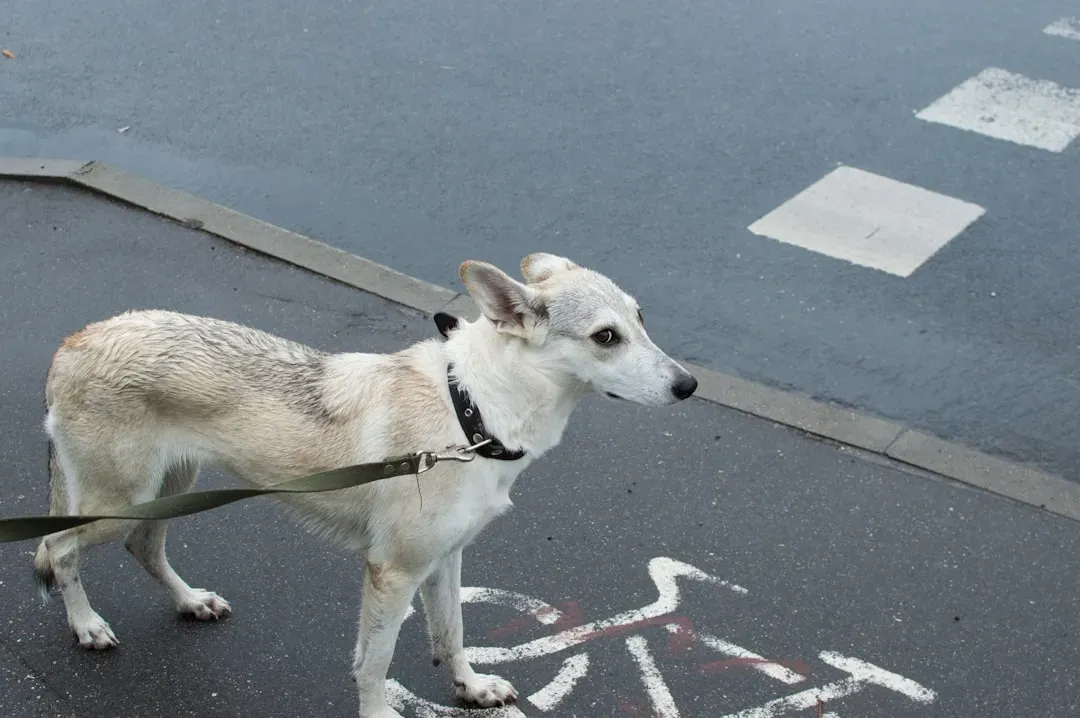
You come home from work and discover a puddle on the kitchen floor. Your first instinct might be to call your dog over and scold them. Maybe you’ve heard about rubbing their nose in it or yelling to teach them a lesson. Let me stop you right there.
Most dogs don’t understand the connection between accidents and punishment, and this approach may only instill fear or anxiety instead of promoting learning. Your dog has no idea why you’re suddenly angry. They peed hours ago and have completely moved on. All they understand in that moment is that you’re upset, which creates fear and confusion. It also creates fear and anxiety that makes them less cooperative and more stressed during house training and may encourage sneaky behaviors such as eliminating hidden spots to avoid scolding.
What should you do instead? If you catch your dog in the act, you can interrupt with a quick sound like a clap or “ah-ah” to get their attention. Then immediately take them outside to finish. If you bring them in time to finish outside, don’t forget to praise or reward them with treats. The key word is “catch.” If the accident already happened and you weren’t there to see it, just clean it up thoroughly and move on. Focus your energy on preventing future accidents through better supervision and scheduling, not dwelling on past mistakes.
Not Paying Attention to Your Dog’s Signals
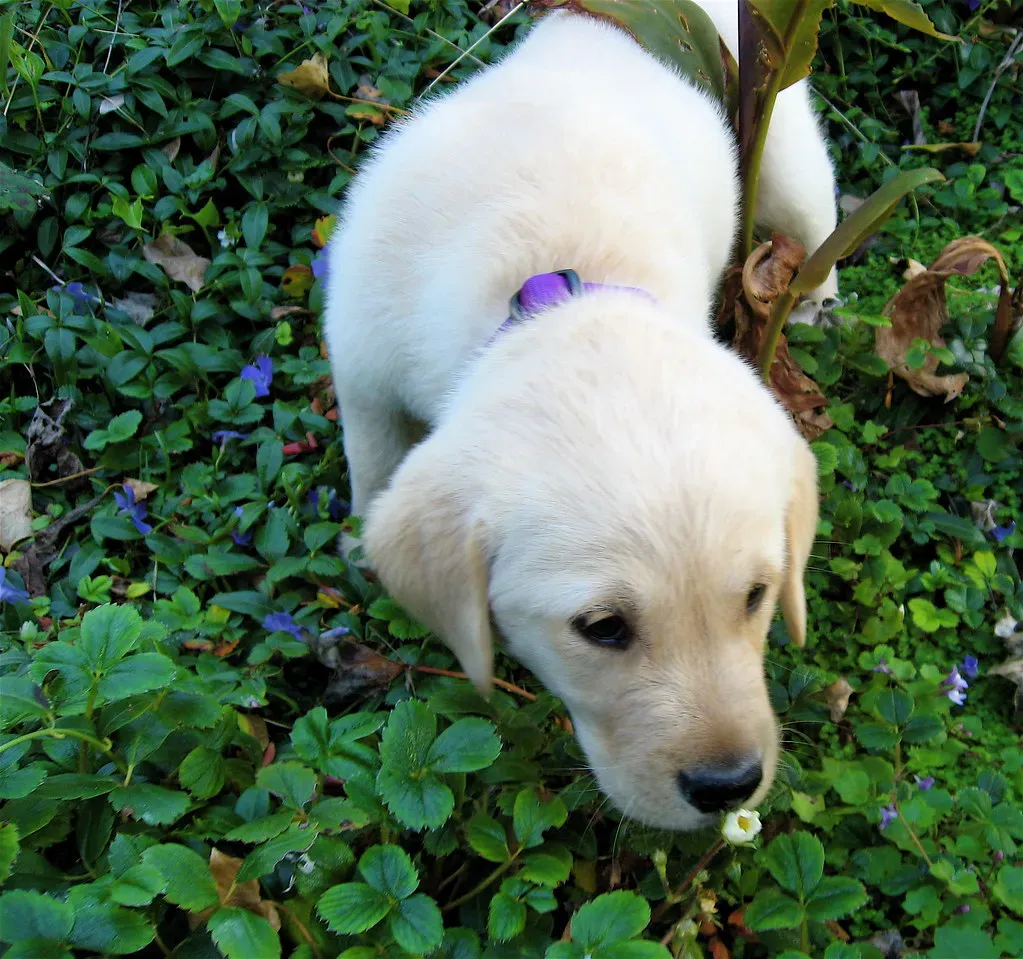
Dogs communicate with us constantly. The problem is we’re often too distracted to notice. Your puppy might start sniffing around in circles, pacing near the door, or suddenly becoming restless during playtime. These aren’t random behaviors. They’re telling you something important.
A distracted puppy, or one that suddenly wants to wander off probably has to go potty. Learning to read these cues is crucial. Some dogs are obvious, whining or scratching at the door. Others are subtle, giving you maybe a five-second warning before they squat. The only way to learn your dog’s specific signals is through constant supervision during the training period.
This is where that “too much freedom” mistake comes back to haunt you. It’s crucial to keep a close eye on them. It only takes a second for your dog to wander off and have an accident in the house. Constant supervision is needed when you’re housebreaking your pup, so don’t take your eyes off them for a minute! Think of yourself as a hawk for the first few weeks. Watch for the signs, respond immediately, and praise generously when your dog does the right thing. Over time, both you and your pup will develop a communication system that works.
Declaring Victory Too Early
Your puppy has been accident-free for three whole days. Success! Time to relax the rules and celebrate, right? Not so fast.
This is a common mistake among dog owners. They see some early signs that the dog is getting the idea, and declare victory too soon. Even when your puppy is consistently doing what you want, keep to the schedule to make sure the good habits are ingrained. I’ve seen this happen countless times. People get excited about a few clean days and immediately give their dog more freedom or stop being vigilant about the schedule.
Then the accidents start again, and everyone is frustrated and confused. It depends on the puppy and the schedule you keep, but if training begins early, a 6-month-old puppy is usually able to be depended on most of the time to eliminate outside. Notice that says “most of the time” and we’re talking about six months, not six days. Potty training is a marathon, not a sprint. Even when things seem perfect, maintain your routine for several more weeks to cement those good habits. The consistency you provide now determines whether your dog becomes reliably house-trained or develops spotty bathroom manners that plague you for years.
Wrapping It All Up
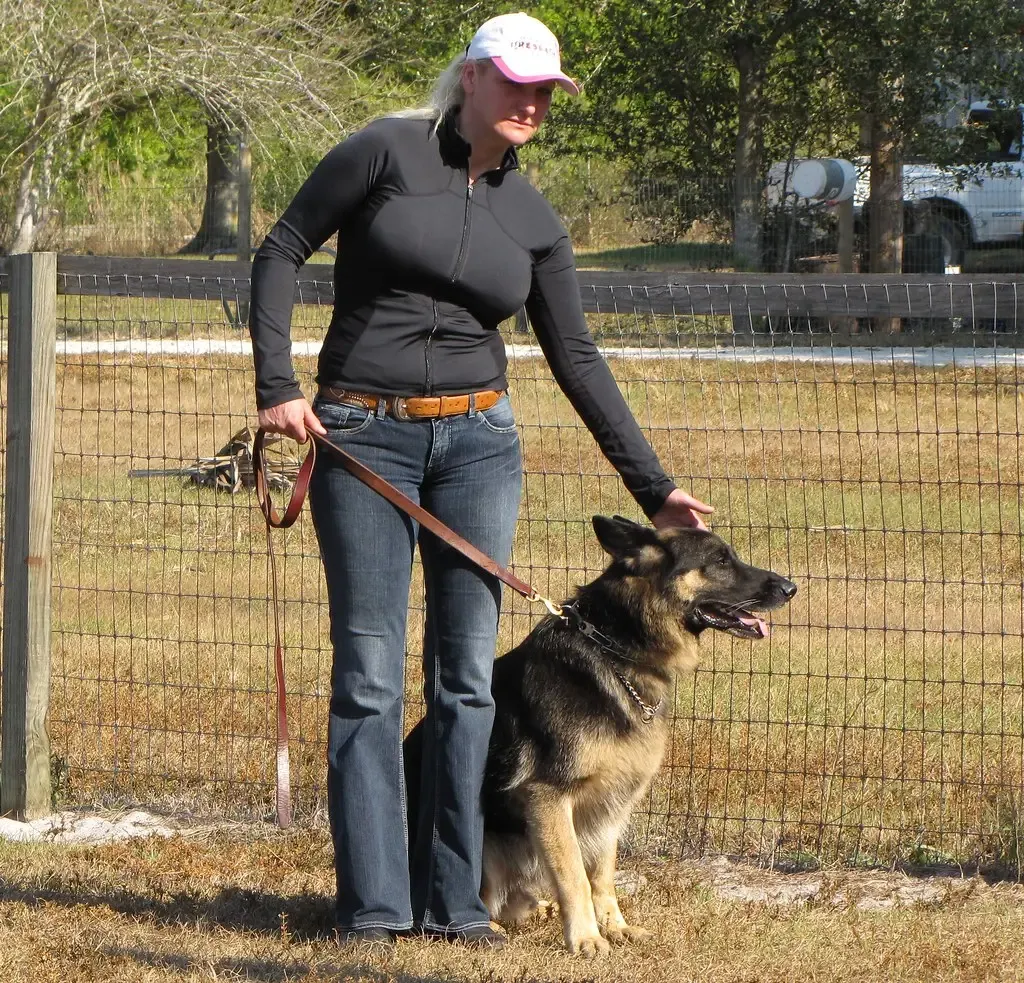
Potty training isn’t rocket science, but it does require patience, consistency, and a willingness to see things from your dog’s perspective. Every time you miss an accident, you’ve just extended the length of time it’s going to take to potty train your dog. The good news is that almost every dog can be successfully house-trained when given proper guidance and structure.
Remember that accidents will happen. Setbacks are normal. What matters is how you respond and whether you’re willing to adjust your approach when something isn’t working. Your dog genuinely wants to please you and learn what’s expected. They’re just waiting for you to communicate clearly and consistently.
So what’s the biggest mistake you’ve been making? Are you ready to make the changes that will finally get your potty training on track? Your dog is counting on you to be the calm, patient leader they need. You’ve got this.


