

Choosing a dog can be one of the most rewarding decisions you’ll ever make. Imagine waking up each morning to a wagging tail or settling into your favorite chair with a warm, furry companion at your feet. The companionship of a dog brings immeasurable joy at any age, particularly during our golden years when loneliness and isolation can creep in.
Still, let’s be real here. Not every dog is the right fit for every stage of life. Some breeds demand hours of vigorous exercise, endless patience with training, or the kind of strength and stamina that can be tough to muster as we get older. Others shed like there’s no tomorrow, require professional grooming every few weeks, or have temperaments that need a firm, experienced hand. Choosing the wrong breed doesn’t just mean frustration. It can genuinely affect your quality of life and even your safety.
I think it’s essential to approach this topic with honesty and compassion. This isn’t about labeling any dog as bad or unlovable. Every breed has unique qualities and deserves a loving home. The question is simply whether their needs align with what you can comfortably provide. So let’s dive in and explore which breeds might be more challenging for seniors, along with a few that can truly enhance your life with comfort and companionship.
Siberian Husky: The Beautiful Runner with Endless Stamina
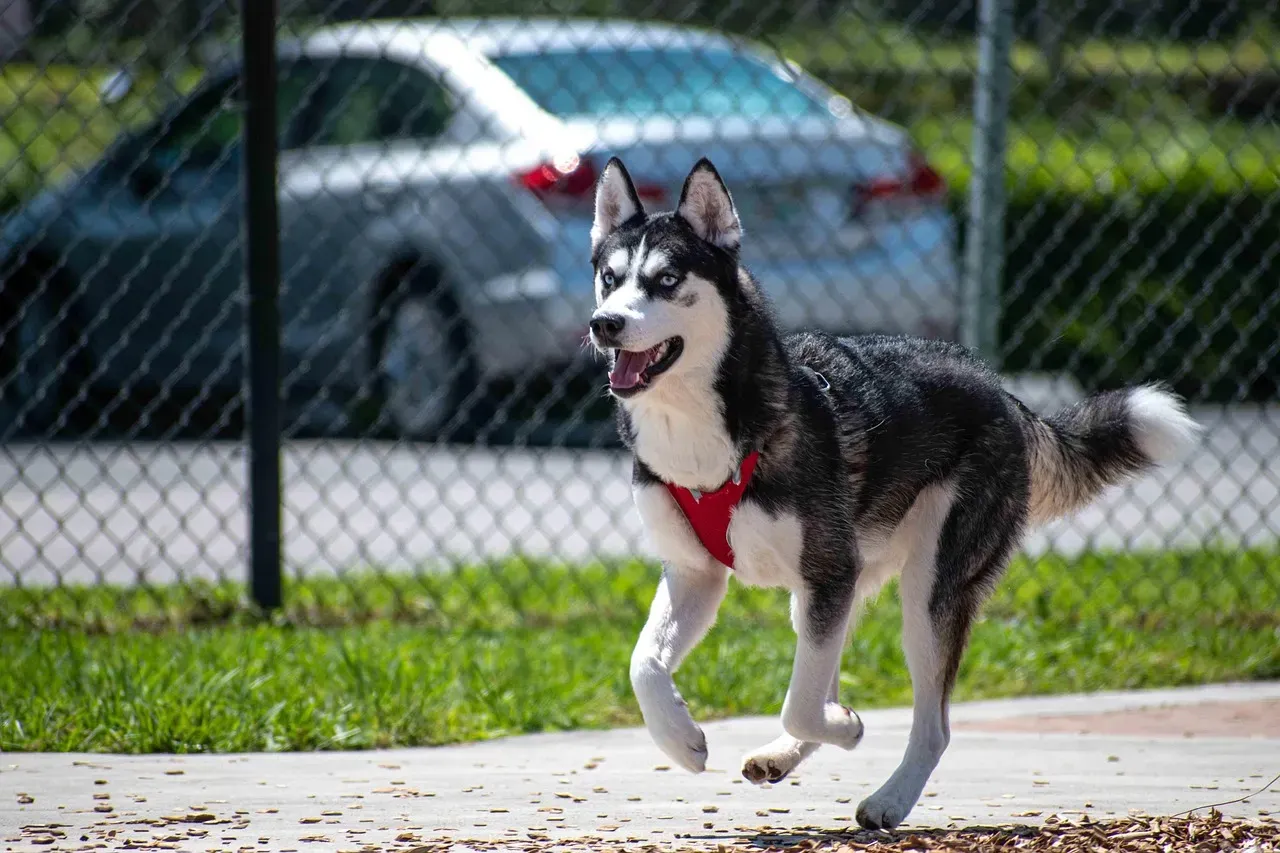
The Siberian Husky is strikingly beautiful with its wolf-like appearance and dense double coat, originally bred by the Chukchi people of Siberia for pulling sleds over long distances. These dogs were designed for endurance, and that legacy shows up every single day. They simply cannot sit still.
Huskies are large, energetic, high-strung dogs requiring mental and physical stimulation every day, and if they don’t get it, bad things happen. I’m talking chewed furniture, escape attempts, and relentless howling. Huskies will chew up things you did not know a dog’s jaws could, and this breed is just all around not suitable for the elderly.
Their grooming needs are equally demanding. They have a beautiful, thick coat that sheds heavily twice a year, and weekly brushing is a must to prevent matting and control loose hair. Honestly, keeping up with a Husky’s exercise and grooming routine is like having a second job.
Border Collie: The Workaholic Who Never Clocks Out
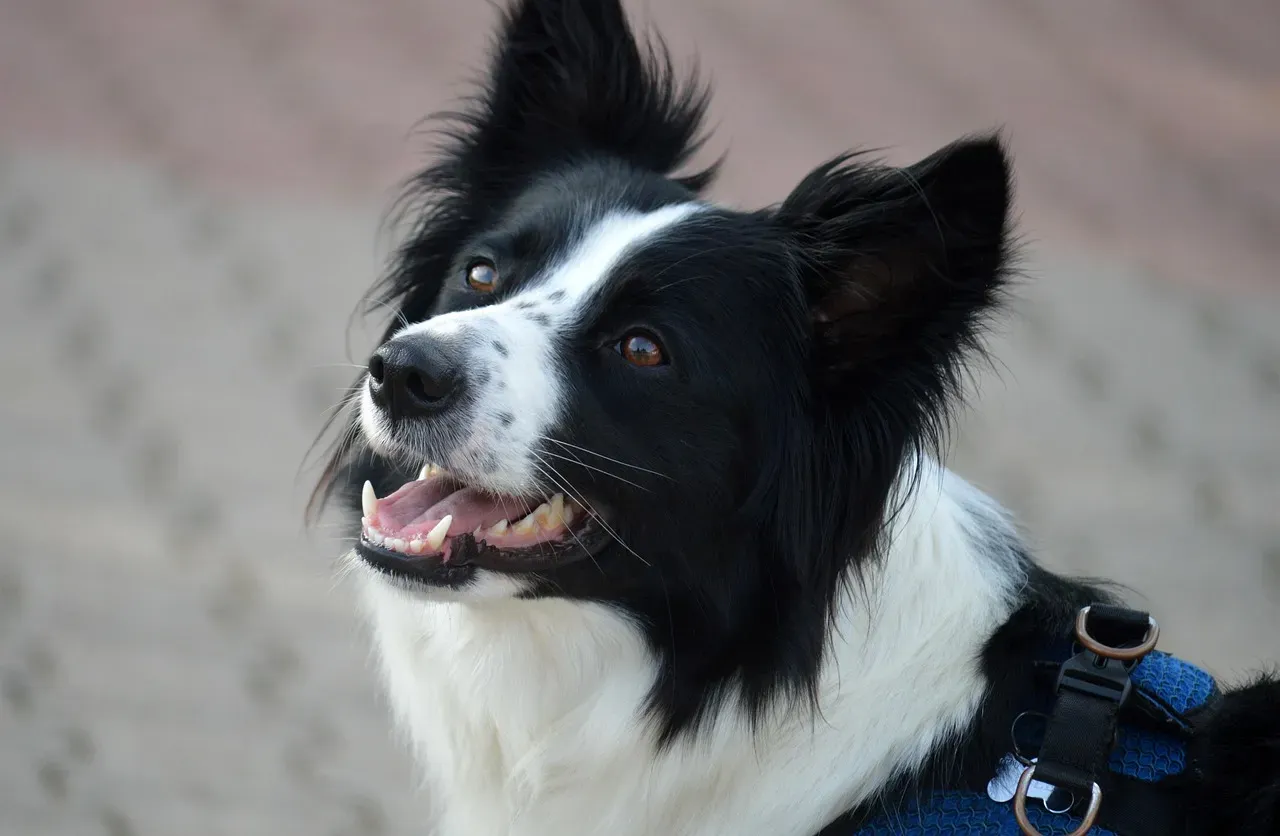
The Border Collie is a medium-sized working breed developed in the border regions between Scotland and England, bred to herd livestock with their sharp minds, boundless energy, and trademark intense stare. They’re brilliant dogs, no question about that. The problem is their intelligence comes with a price tag of constant activity and mental challenges.
Their high energy levels and need for constant activity can make them overwhelming for elderly homeowners, as they thrive on having tasks to complete, and without daily vigorous exercise and mental challenges, they quickly grow restless and can develop destructive behaviors like chewing or excessive barking. Imagine a dog who’s always looking for the next job, the next puzzle, the next challenge.
These aren’t the kind of dogs who are content with a leisurely stroll around the block. They need purpose, structure, and hours of engagement. For someone seeking calm companionship, a Border Collie can feel more like an overwhelming responsibility than a comforting friend.
Jack Russell Terrier: Small Size, Massive Energy
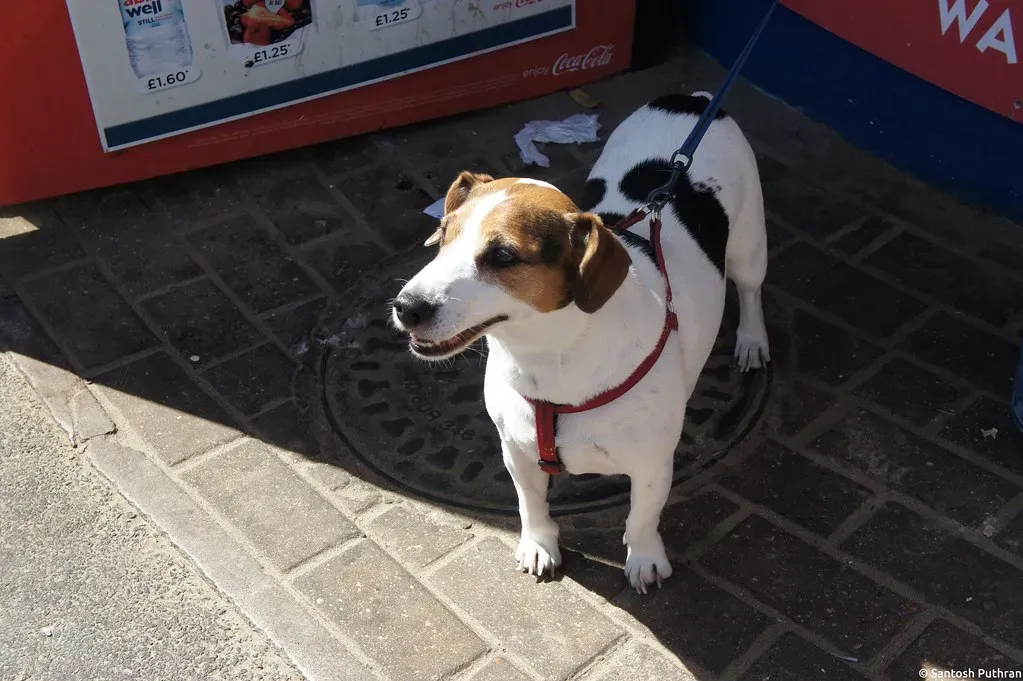
Here’s the thing about Jack Russell Terriers. They’re adorable, feisty little dogs with personalities far bigger than their bodies. Jack Russell Terriers were first bred in the 1800s in England for fox hunting, and they are small in size but big in spirit, fearless and energetic natural hunters with a strong prey drive.
Jack Russell Terriers are incredibly energetic and require a lot of exercise and mental stimulation, and they can be a handful to train and manage, which might be challenging for less active seniors. Terriers, including Jack Russells, are known for their boundless energy levels and can be difficult to train.
These small dogs have boundless energy and need plenty of daily exercise and mental stimulation; without it, they can become bored, restless, and even destructive. They’re the kind of dogs who see a squirrel and absolutely lose their minds. For seniors wanting a more predictable, relaxed companion, this terrier’s unpredictability can be exhausting.
German Shepherd: Loyal Guardian with Intense Needs
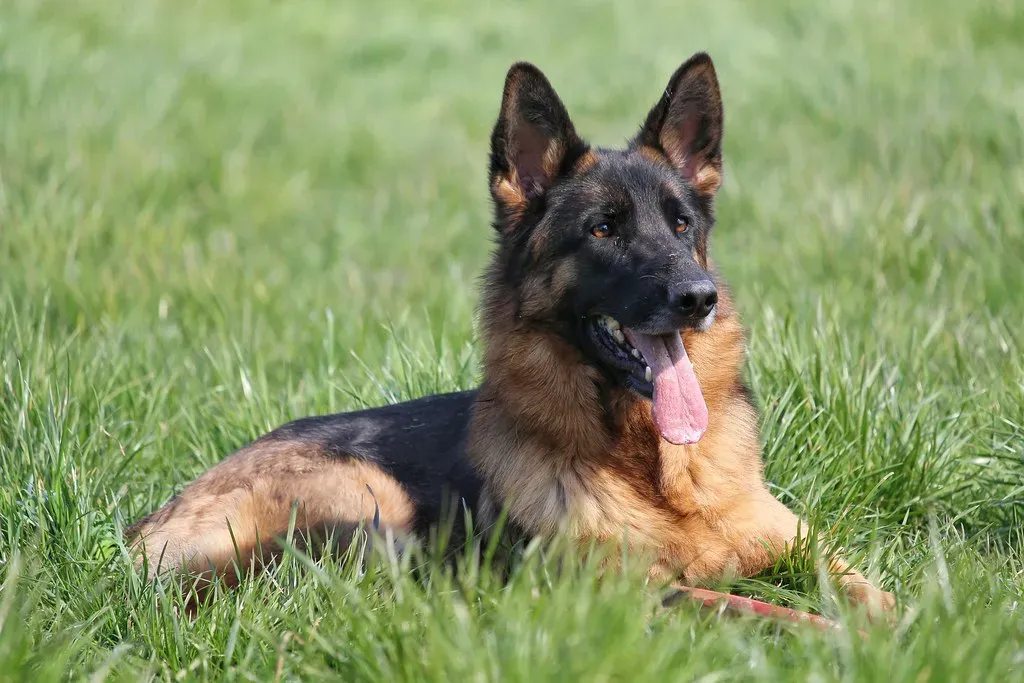
The German Shepherd is a large, muscular herding breed admired for its intelligence and loyalty, often seen in military and police service with a striking double coat and upright ears. They’re magnificent animals, devoted and protective. The challenge is they’re also incredibly demanding.
They shed heavily year-round, requiring daily brushing and constant cleanup to manage hair and dander, and their high energy levels mean they need at least two hours of vigorous exercise every day, far more than a leisurely stroll. This breed is highly active and needs at least two hours of daily exercise, and simple walks are not enough.
German Shepherds shed all year round and have excessive grooming needs, and their constant shedding can lead to extra cleaning and may trigger allergies or breathing issues. For seniors with mobility issues or breathing concerns, managing a German Shepherd can quickly become overwhelming rather than comforting.
Australian Shepherd: The Herding Dynamo
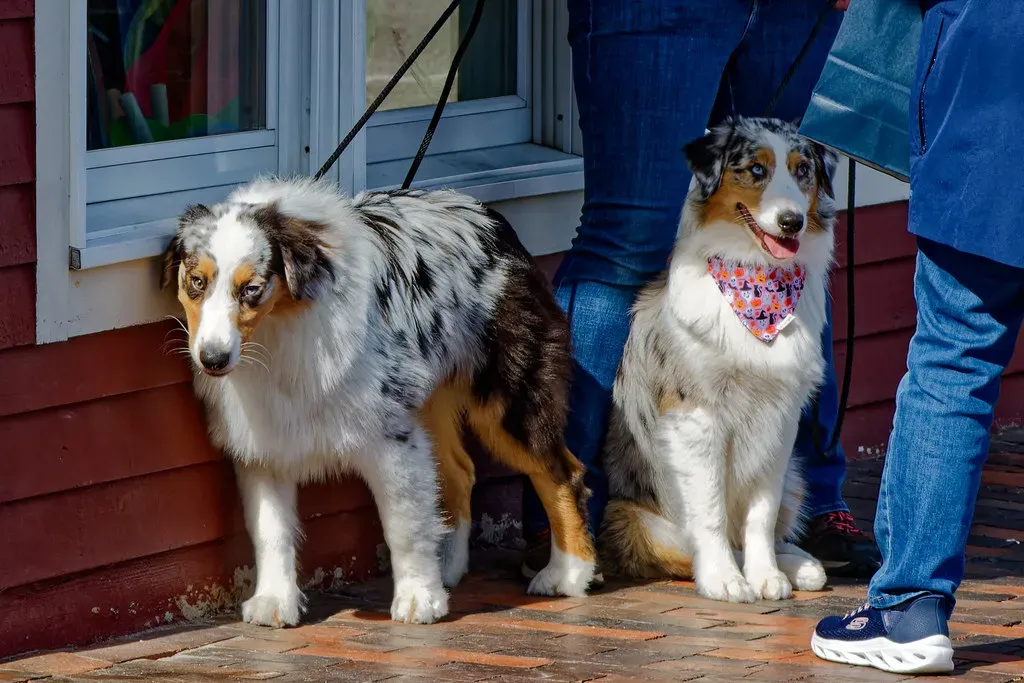
The Australian Shepherd is a medium-sized herding breed originally developed to work alongside ranchers and cowboys, known for their striking merle coats, bright eyes, and agile build, celebrated for their intelligence and athleticism. They’re stunning dogs with remarkable abilities.
For elderly homeowners, their constant drive can be difficult to manage, as Australian Shepherds thrive on daily tasks and structured routines, and their herding instincts often lead to persistent movement and watchfulness, becoming restless, vocal, and disruptive without a job to focus on.
This herding breed is always on the move and needs at least an hour of daily exercise including walks, runs, bike rides, hikes, backyard games, or canine sports; without these activities, they get bored and can become anxious or even destructive, which seniors may find hard to match. Their need for constant mental stimulation isn’t something you can easily fulfill with a slow afternoon walk.
Dalmatian: The Spotted Beauty with Boundless Energy
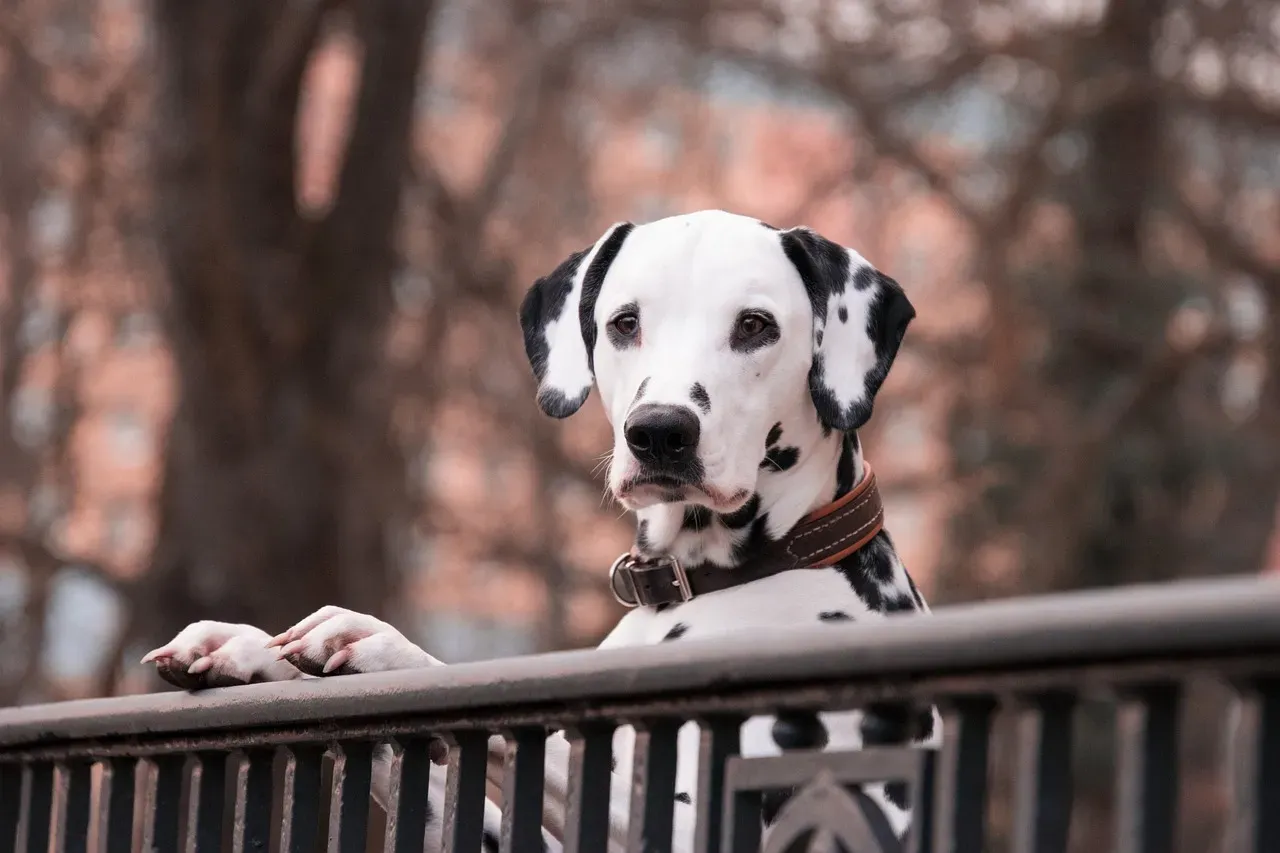
The Dalmatian is a striking breed known for its sleek white coat patterned with black or liver spots, originating in Croatia’s Dalmatia region where they were historically used as carriage guards and stable sentinels. They’re iconic dogs, instantly recognizable and undeniably beautiful.
Modern Dalmatians are muscular, athletic, and highly energetic, requiring around 1.5 to 2 hours of vigorous activity daily from long walks to games of fetch; without consistent outlets for their energy, they can become restless, destructive, and develop behavioral problems that might be difficult for seniors to manage.
Some dogs in this breed may be extremely fearful and overly aggressive, they shed all year round making their maintenance level high for older dog owners, and though Dalmatians are very motivated to please, they can be aggressive and somewhat unpredictable making them a poor choice for seniors. The combination of high energy, shedding, and unpredictable temperament creates real challenges.
Rottweiler: The Powerful Protector
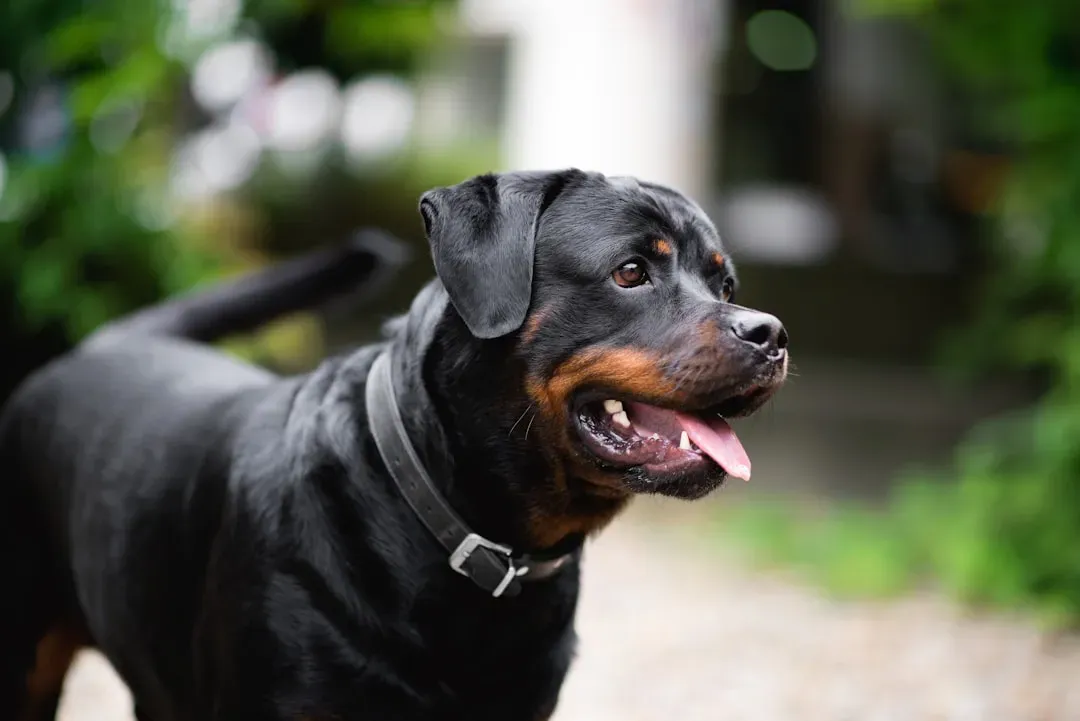
Rottweilers are powerful, imposing dogs originally bred for guarding and protection work. Dog breeds like Rottweilers were often bred for guarding and police work, leading to their higher tendencies for aggression. Their size and strength alone make them challenging for many seniors to handle safely.
Training a Rottweiler is not optional but essential; if they sense any weakness, they may try to take control, which can become unsafe given their size, and this strong-willed nature makes them unsuitable for most senior owners despite their intelligence. They need a confident, experienced handler who can establish clear boundaries and maintain consistent leadership.
The physical strength required to walk and control a Rottweiler, combined with their protective instincts, can be genuinely risky for someone with limited mobility or reduced strength. These dogs deserve respect for what they are: working dogs who need firm guidance and substantial exercise.
Saint Bernard: The Gentle Giant Who Doesn’t Know His Size
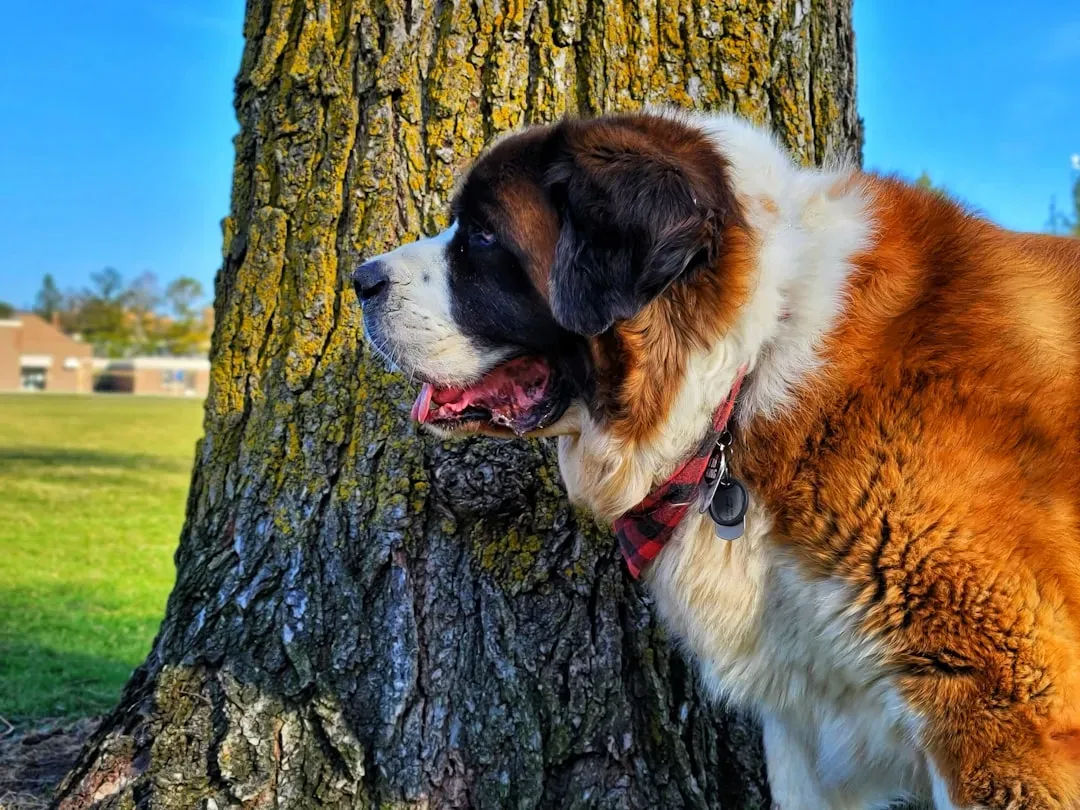
Saint Bernards hold a reputation for being big sweethearts, and this is very true, but they are also massive animals that are slow to mature. Full-grown Danes reach weights of up to 200 pounds, and Saint Bernards are similarly massive.
Saint Bernards are massive animals that are slow to mature and don’t recognize how big they are, so they can easily knock down just about anyone; they’re goofy, always clowning around, but some can be somewhat aloof toward strangers, and because of this tendency, they might be harder for some older people to call off or calm down.
Saint Bernards eat, slobber, and shed a lot, and you have to be prepared to wipe strings of spit and tufts of hair off your furniture, clothes, and bed; upkeep can be complicated and a little too much for some seniors. The sheer physical demands of managing such a large dog, from grooming to cleanup to simple control during walks, can be genuinely exhausting.
Cavalier King Charles Spaniel: The Gentle Lap Dog

The Cavalier King Charles Spaniel was bred to be a comforting, non-aggressive, and gentle pet. The Cavalier King Charles Spaniel is one of the most affectionate dogs, they don’t shed that much and only need to be groomed about once a month, and they’re trainable and can play with other dogs after they’ve been introduced and socialized.
These dogs have the perfect temperament for senior companionship. This breed is highly trainable and more patient than most small breeds, and the Cavalier courteously matches their pet parent’s activity level, content with brisk walks and fun playtime but will also gladly spend the day on the couch. They adapt beautifully to your lifestyle, whether you’re feeling energetic or prefer a quiet day indoors.
Their affectionate nature and manageable size make them ideal for seniors seeking genuine companionship without overwhelming physical demands. They’re content to be near you, offering comfort without asking for more than you can give.
Bichon Frise: The Cheerful, Non-Shedding Companion
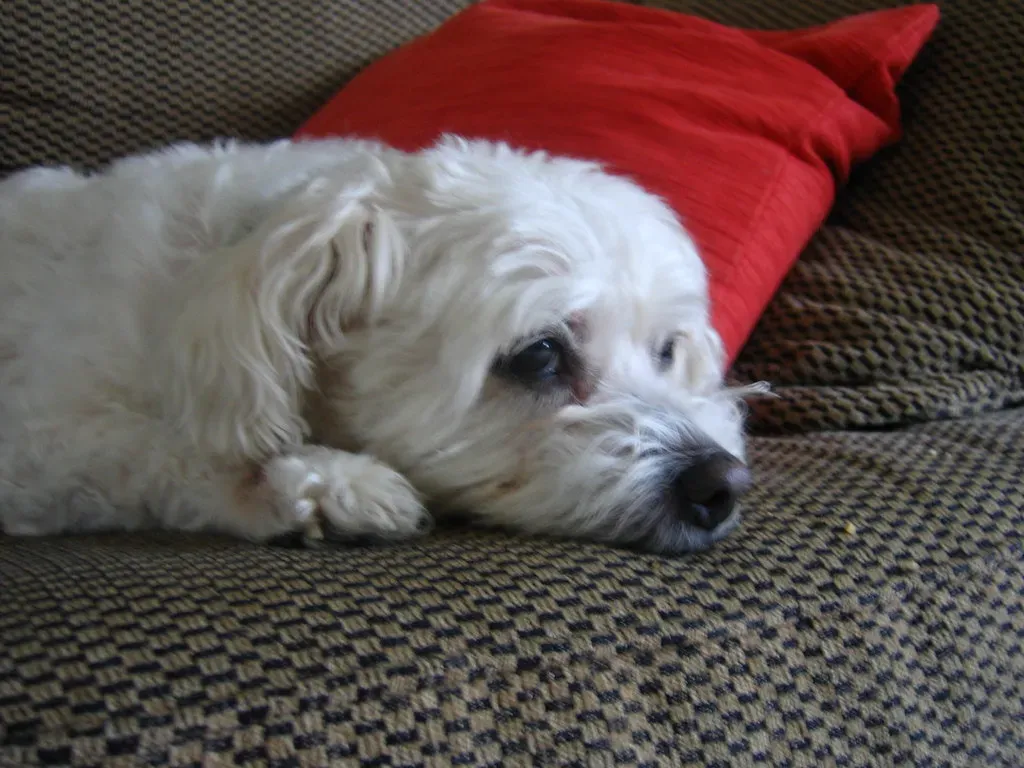
A bichon frise can make an excellent pet for a senior because it doesn’t shed, there is no danger of them jumping all over someone excitedly and hurting them accidentally, and they are really small and lightweight. The non-shedding quality alone is a massive advantage for keeping your home clean and managing allergies.
The Bichon Frise is a friendly, playful breed that thrives on companionship, and these dogs are small and easy to manage, making them a good choice for older individuals. They have a friendly temperament and love to show off and entertain their owners, and a senior will get endless hours of fun and entertainment from their little bichon frise running around the house.
Their cheerful disposition brings lightness and joy into your daily routine. They’re the kind of dogs who genuinely seem happy to be alive, and that energy is infectious without being exhausting.
Shih Tzu: The Devoted Companion
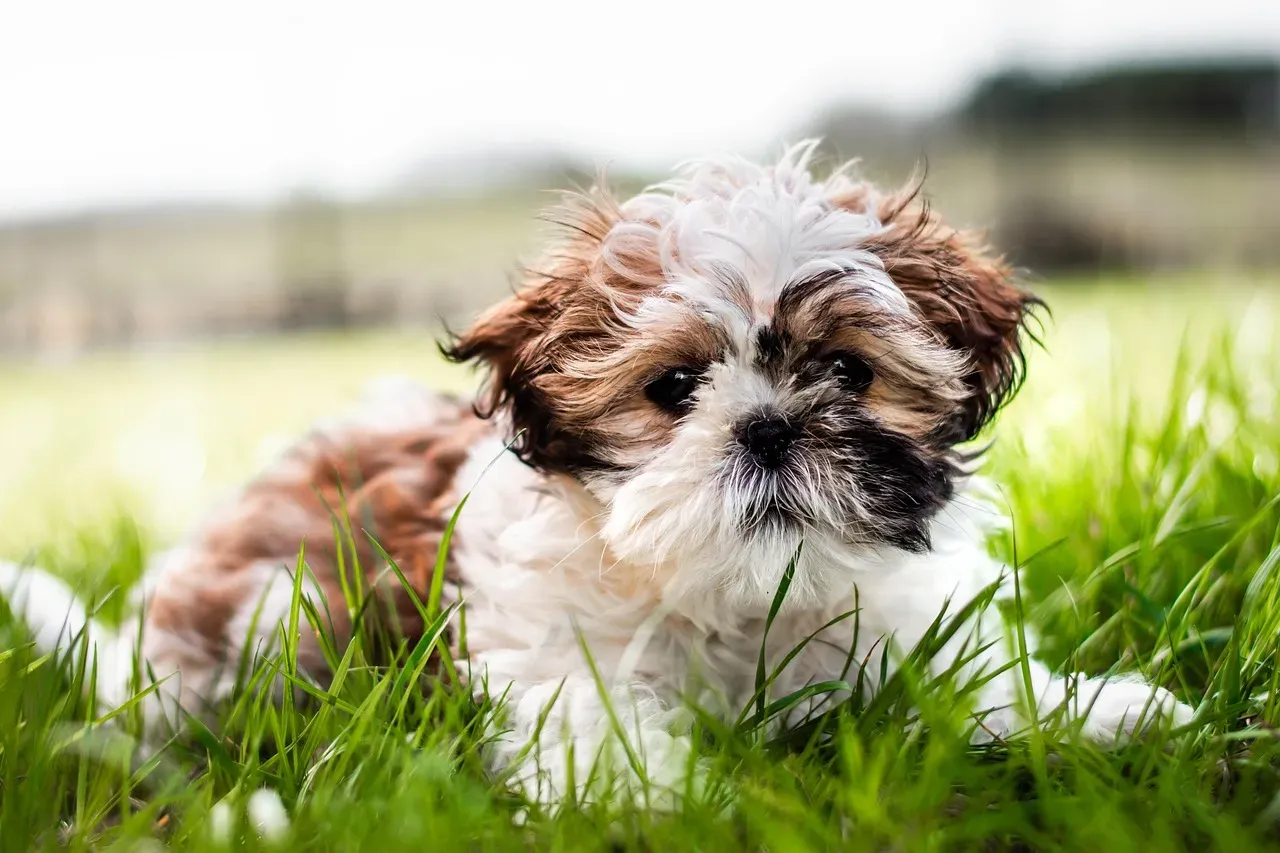
Shih Tzus are renowned for their unwavering devotion and gentle nature, requiring minimal exercise and grooming, making them an excellent choice for seniors seeking a loving companion. A Shih Tzu is happy to spend time with you and play with kids or other dogs, they don’t shed much but will require regular grooming, and these dogs are highly adaptable and can easily handle schedule or environmental changes.
The elegant Shih Tzu prospers with plenty of love and attention and is also great with kids, making them a perfect playtime buddy when the grandchildren visit. Their friendly, easygoing temperament makes them wonderful companions for various living situations.
The Shih Tzu is an affectionate dog who enjoys spending time with their pet parent whether it’s cuddling or accompanying them throughout the house, they are amiable and welcoming to other people and pets, and they are up for a daily walk if its pet parent is but are more than happy to enjoy down time for the rest of the day. They adapt to your energy level beautifully, never demanding more than you’re comfortable giving.
French Bulldog: The Easygoing Charmer
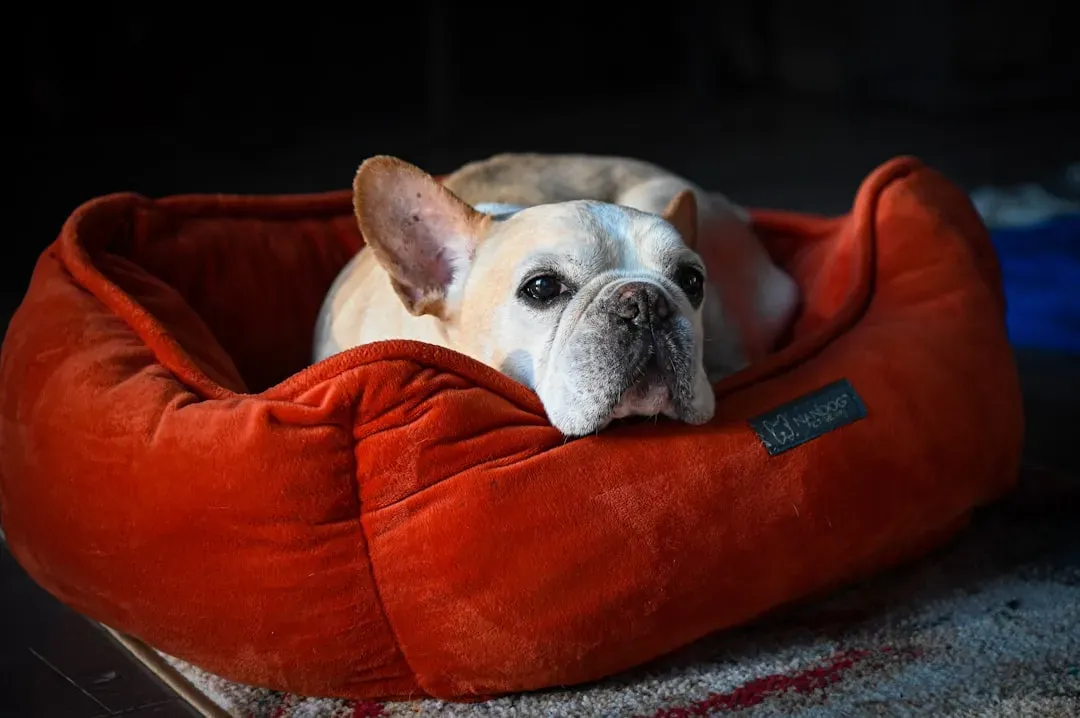
For the past three years, the French Bulldog has scored as the most popular dog breed based on AKC registration statistics, with their big brown eyes and alert ears that are hard to resist, and they are described as well-behaved, adaptable, and comfortable companions with an affectionate nature, generally active, alert, and playful, but not unduly boisterous.
French Bulldogs are compact and require minimal exercise, and their short coat is easy to groom, with their affectionate nature making them wonderful companions for seniors. They’re low-maintenance in the best possible way, giving you all the love and companionship without the overwhelming demands.
They don’t bark a lot, so they can be good apartment dwellers. This makes them particularly well-suited for seniors living in communities or apartments where noise can be a concern. Their calm demeanor and manageable size create the perfect balance of companionship and ease.
Conclusion: Finding Your Perfect Match
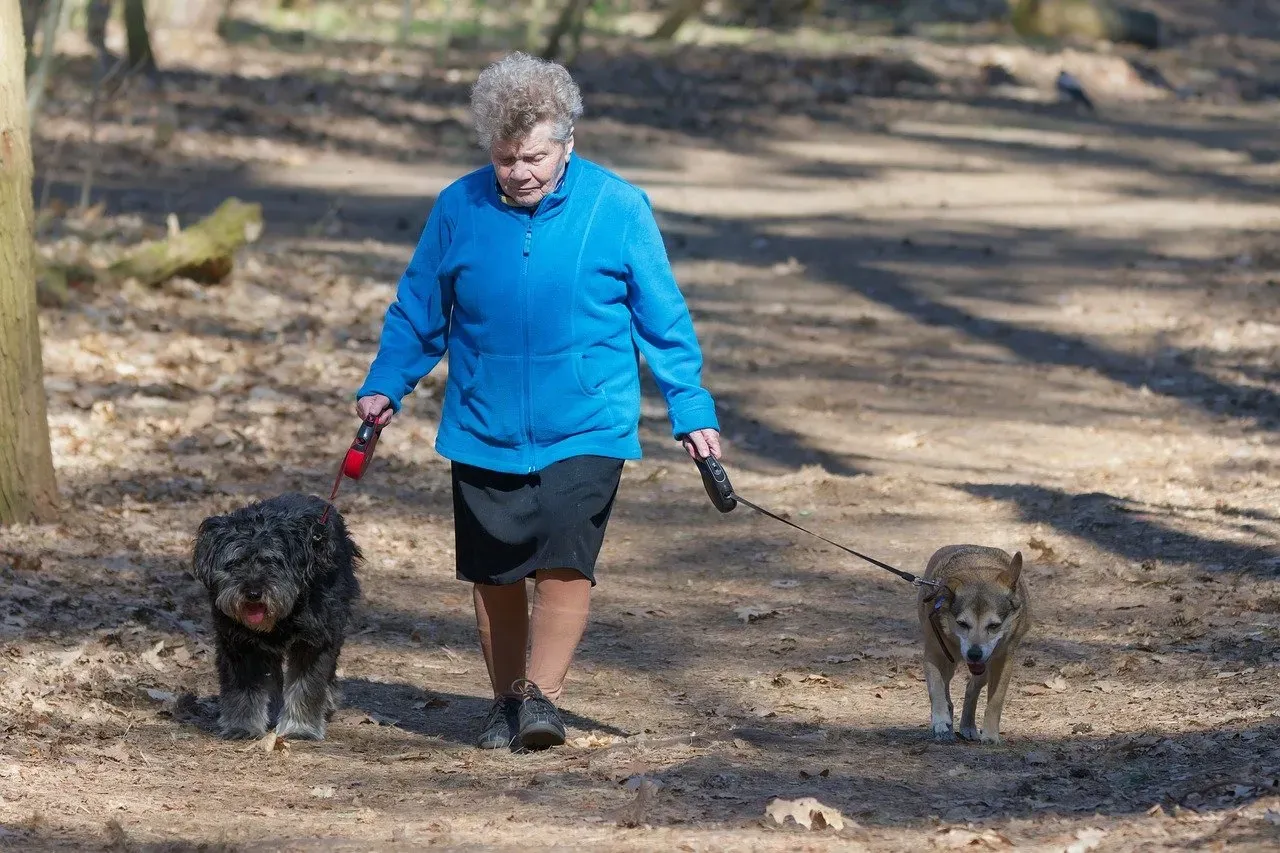
Choosing the right dog for your stage of life isn’t about settling or compromising. It’s about finding genuine compatibility. The breeds we’ve discussed as unsuitable for seniors aren’t bad dogs by any measure. They’re simply dogs with specific needs that can be challenging to meet as we age. High energy, intense grooming, size, and strength all matter when we’re thinking about safety, comfort, and sustainability.
On the flip side, breeds like the Cavalier King Charles Spaniel, Bichon Frise, Shih Tzu, and French Bulldog offer everything seniors need: companionship, affection, adaptability, and manageable care requirements. Senior dog owners walk an average of 22 more minutes per day, and seniors who own pets are 36% less likely to report feeling lonely than their non-pet-owning peers. The right dog truly can transform your quality of life.
It’s hard to say for sure which breed will be perfect for you specifically, because everyone’s circumstances are unique. Maybe you’re still quite active and can handle a moderate-energy dog. Maybe you need something smaller and quieter. The key is being honest with yourself about what you can manage and choosing a companion who fits that reality.
Did this help you think differently about which breed might suit you best? What qualities matter most to you in a canine companion?


