
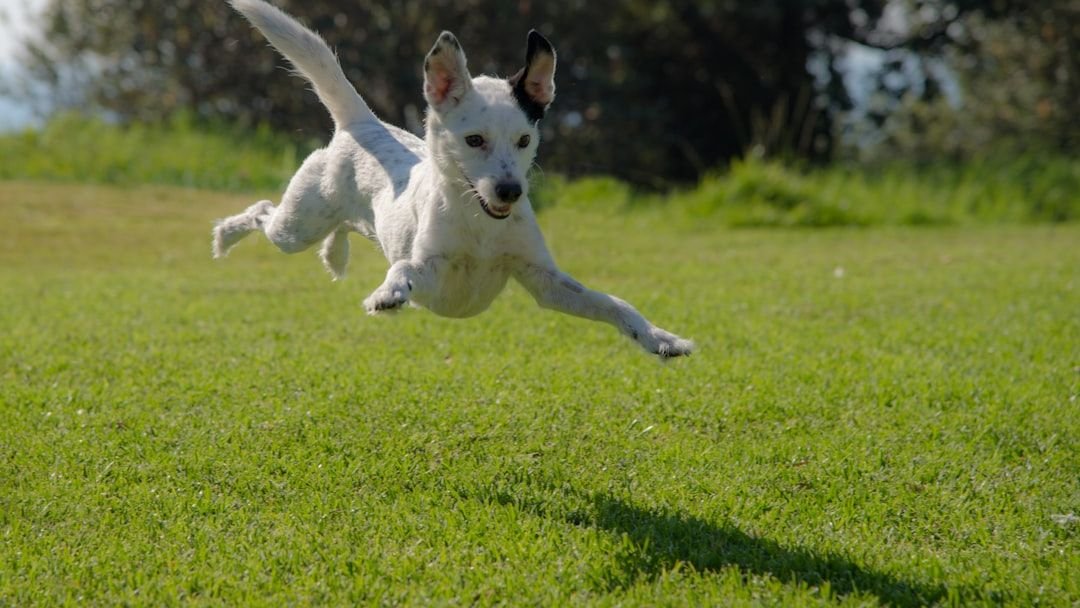
Picture this. You’ve just finished arranging the holiday table, the candles are lit, guests are mingling, and then you hear it. The unmistakable pitter-patter of four paws racing at full speed. Your dog barrels through the living room like a furry tornado, rear end tucked, eyes gleaming with wild delight. Welcome to the zoomies.
If you’ve never experienced this phenomenon, consider yourself lucky or perhaps uninitiated. The official scientific term for this behavior is frenetic random activity periods (FRAPs), though most of us know it simply as the zoomies. These explosive bursts of energy can happen anytime, but during the holidays? They seem to multiply. The excitement, the visitors, the disrupted routines, the rich smells wafting from the kitchen. All of it creates the perfect storm for your pup to lose their mind in the most endearing, chaotic way possible.
Let’s dive into what makes holiday zoomies different, what triggers them, and how you can manage them without losing your sanity or your decorations.
What Exactly Are the Zoomies?
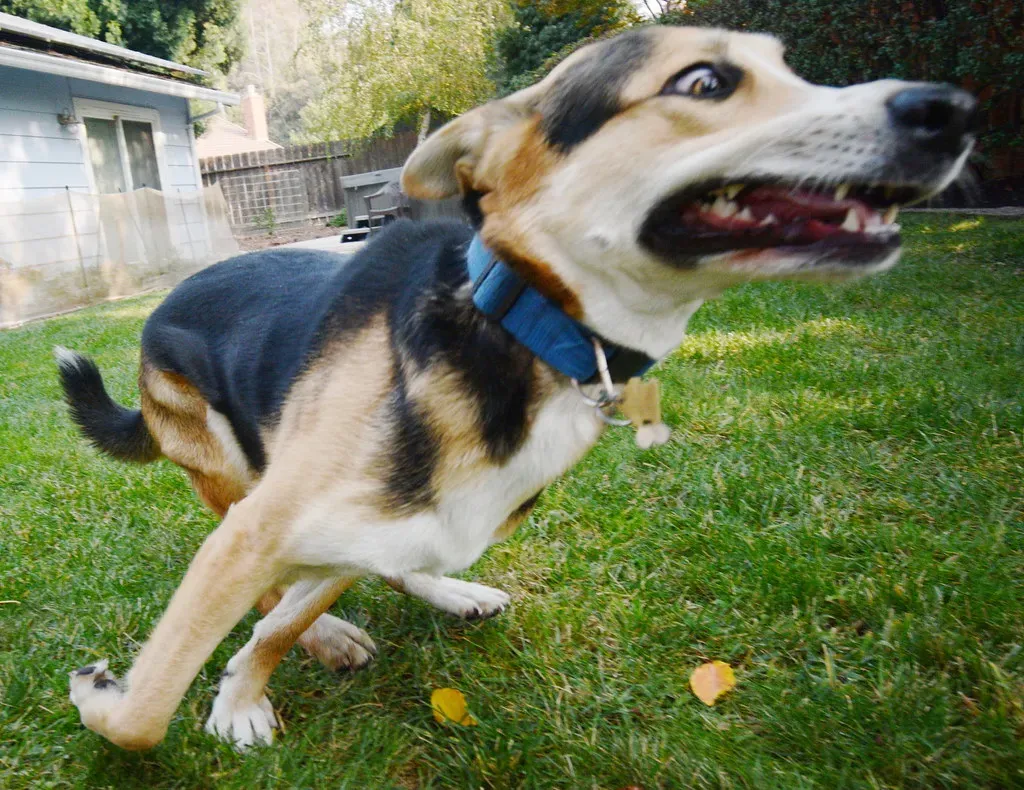
Let’s be real, the first time you see your dog doing laps around the couch at breakneck speed, it’s equal parts hilarious and alarming. A typical happy zooming dog will be loose and even wiggly, bouncing around you when they slow down. Their tongue might flop out, they might do a playful bow, and then they’re off again.
They appear to be a way to release pent-up energy, or perhaps, to alleviate stress. Think of it like your dog’s version of a pressure valve. Energy builds up throughout the day, tension accumulates from new sights and sounds, and suddenly they just need to let it all out. During the holidays, this energy can come from anywhere: the doorbell ringing constantly, unfamiliar voices in the house, or even the scent of roasting turkey.
What makes them so unique is their randomness. One moment your dog is calmly chewing a toy, the next they’re ricocheting off furniture like a pinball. These episodes usually last just a few minutes, but honestly, it can feel much longer when you’re watching chaos unfold in real time.
Why the Holidays Trigger More Zoomies
The holidays are basically zoomie heaven for dogs. Holiday gatherings can be stressful for pets due to noise, visitors, and changes in routine. Your dog thrives on predictability, and December throws that out the window. Their normal walk time gets skipped because you’re prepping food. Their usual nap spot is occupied by your visiting aunt.
Dogs are temporal creatures, which means that the passage of time has a primal impact on them. Many dogs have a “witching hour” between 5–8 p.m., which often coincides with evening gatherings and meal prep. Suddenly you have guests arriving right when your dog’s natural energy peaks. It’s a recipe for zoomies.
Then there’s the excitement factor. FRAPs also can occur whenever a dog becomes very excited (e.g., when an owner returns after a long absence). During the holidays, this happens repeatedly as relatives arrive, children squeal with delight, and the energy in your home shifts dramatically. Even the happiest, most social dogs can get overstimulated and need to blow off steam.
Reading Your Dog’s Body Language During Zoomies
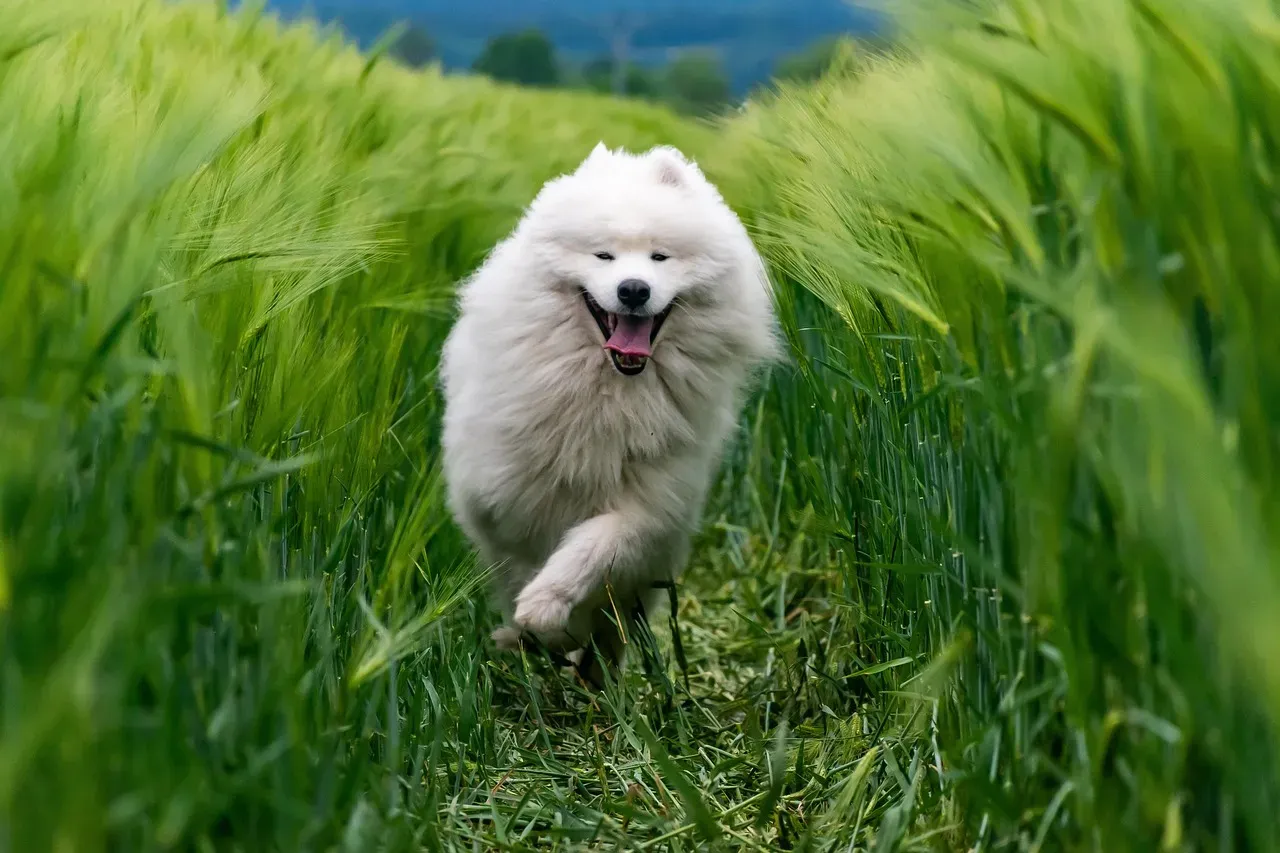
Here’s the thing most people don’t realize: not all zoomies are created equal. A frightened dog will be more tense, with wide eyes and a tightly tucked tail that stays tucked to the belly even when stopping. Their head might be low, ears pinned back. This isn’t playful energy; it’s panic.
Happy zoomies look entirely different. A typical happy zooming dog will be loose and even wiggly, bouncing around you when they slow down. Your dog’s tongue might flap out, and they may play bow. Their whole body communicates joy, not fear. Context matters too. If the zoomies happen right after your dog greets a favorite person or finishes a good play session, you’re probably witnessing pure happiness.
Sometimes, zoomies can be a response to fear, anxiety, or stress. Proceed with the understanding that the dog is either conflicted or uncomfortable. If you notice tense body language or the zoomies happen after something stressful like a loud noise or an overwhelming interaction, give your dog space. Let them retreat to a quiet area where they can decompress safely.
Creating a Safe Zoomie Zone
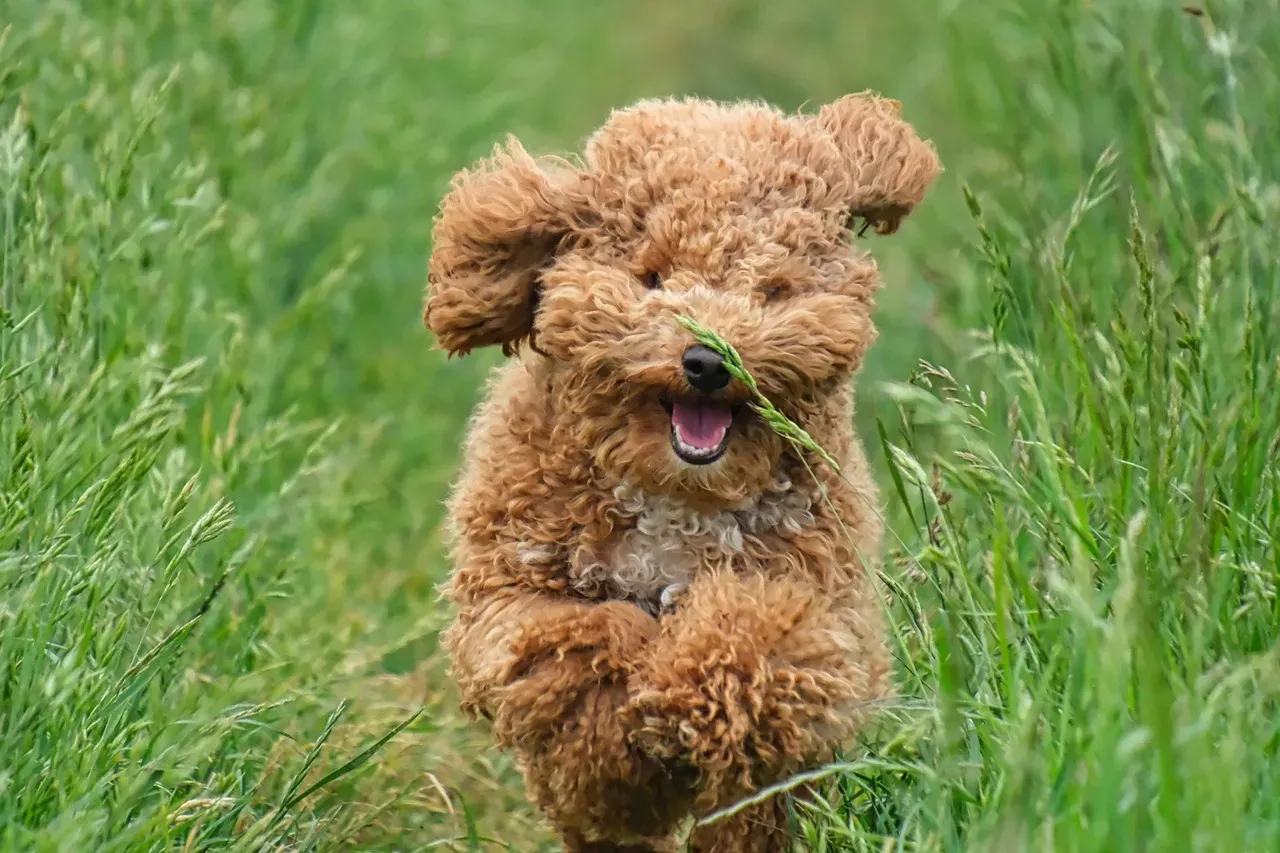
Zoomies themselves won’t hurt your dog, but a dog running around at full speed without a plan sometimes has unfortunate consequences. Although FRAPs are normal, a dog zooming around the house or yard may be in danger of injuring themselves (or breaking something). Hard floors become ice rinks. Sharp table corners become hazards. Your grandmother’s antique vase becomes a casualty.
Owners should keep zooming dogs away from stairs, slippery floors, obstacles and the road. The best footing for hard running is grass, but carpet and packed dirt are also good options. If you know your dog tends to zoom after certain triggers, anticipate it. Maybe direct them to a carpeted room or take them outside to a fenced yard before the energy reaches critical mass.
During holiday gatherings, this becomes even more important. Make sure your dog is secured behind a gate or on a leash when welcoming guests into your home. Give your dog a safe and comfortable space somewhere quiet, like his crate with a doggy bed, so he can escape the hubbub. Creating a designated safe zone helps prevent your dog from bolting out an open door mid-zoomie or knocking over a toddler in their excitement.
Managing Energy Before Gatherings
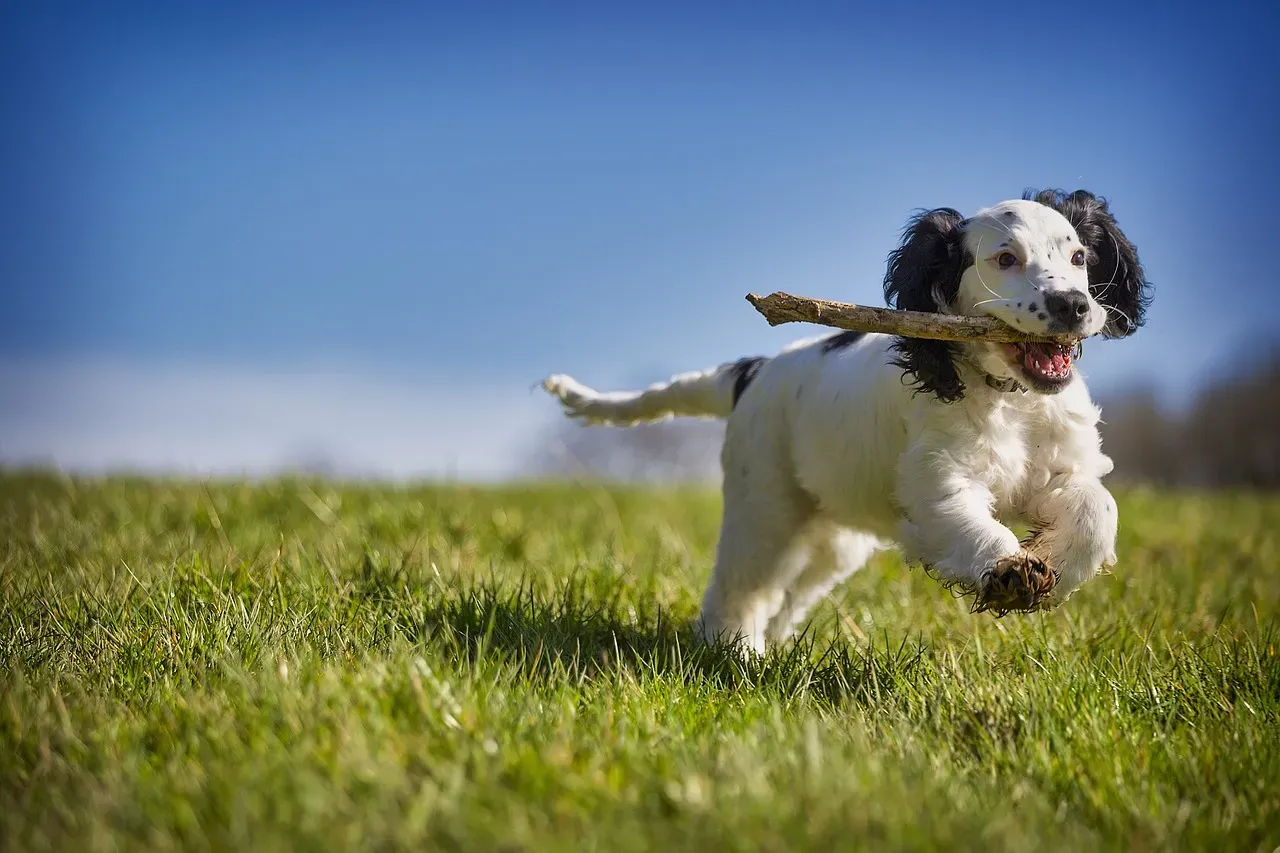
Prevention is honestly your best friend here. Exercise your pooch for 30 minutes or more prior to any festivities to make them more relaxed or likely to take a nap. A tired dog is a calmer dog, and a calmer dog is far less likely to zoom through your dinner party like a canine tornado.
If your dog exhibits zoomies frequently or at inopportune times (such as when you are asleep), they may be telling you that they need more exercise and mental stimulation. Otherwise, enjoy the adorable antics while they last! Mental stimulation matters just as much as physical exercise. Puzzle toys, scent games, or a good training session can tire out your dog’s brain and reduce pent-up energy.
Honestly, I think we sometimes forget that our dogs are processing so much during the holidays. New people, new smells, disrupted schedules. All of that takes mental energy. When you combine under-stimulation with overstimulation, you get zoomies. Give your dog outlets throughout the day, not just one big walk in the morning, and you’ll likely see fewer frantic episodes.
When Zoomies Become a Concern
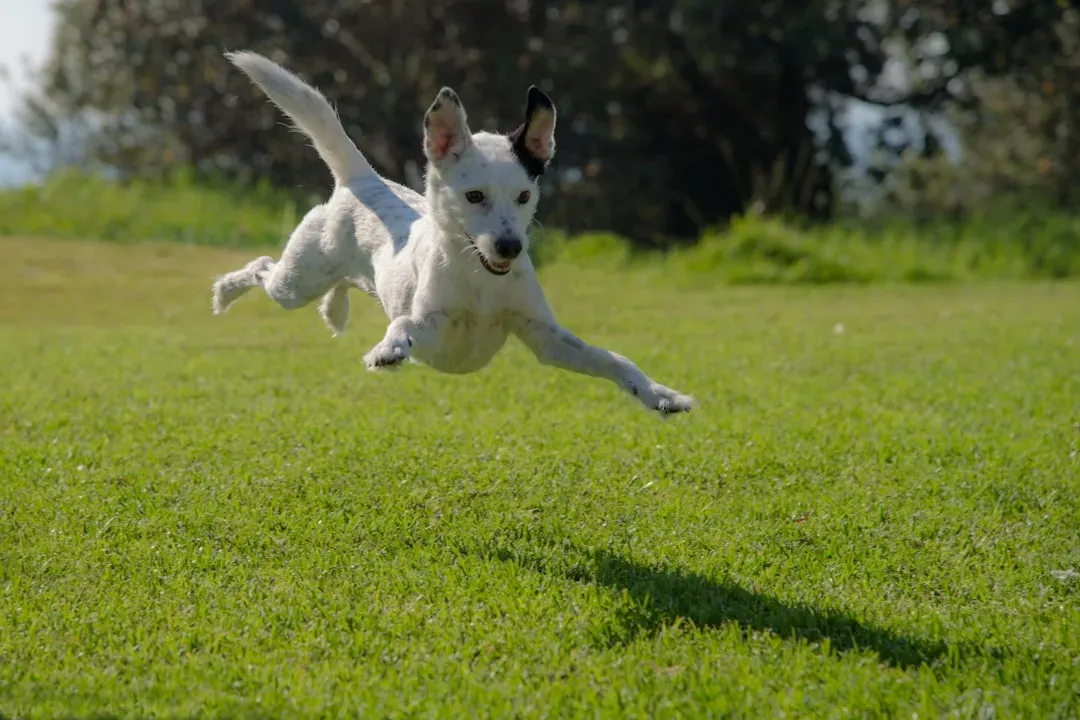
Most of the time, zoomies are totally harmless and even a sign your dog is happy and healthy. However, if a dog zooming around the house or yard appears in pain, frightened or anxious, then the owner should investigate what caused the distress by seeking veterinary help. Sharp, sudden pain from something like a bee sting or an injury can also trigger frantic running.
Zoomies are generally harmless and a good way of relieving stress and releasing pent up energy, constant zoomies might be a cause of concern. If your dog is zooming multiple times a day or the behavior is accompanied by other signs like excessive panting, drooling, or destructive behavior, it might be time to consult with your vet or a professional dog trainer. Sometimes frequent zoomies signal anxiety or inadequate outlets for energy.
During the holidays especially, watch for patterns. If the zoomies always happen right after a certain guest arrives or in response to a specific sound, your dog might be telling you something. They might need more breaks, a quieter space, or simply less exposure to the chaos. Trust your instincts. You know your dog better than anyone.
Conclusion
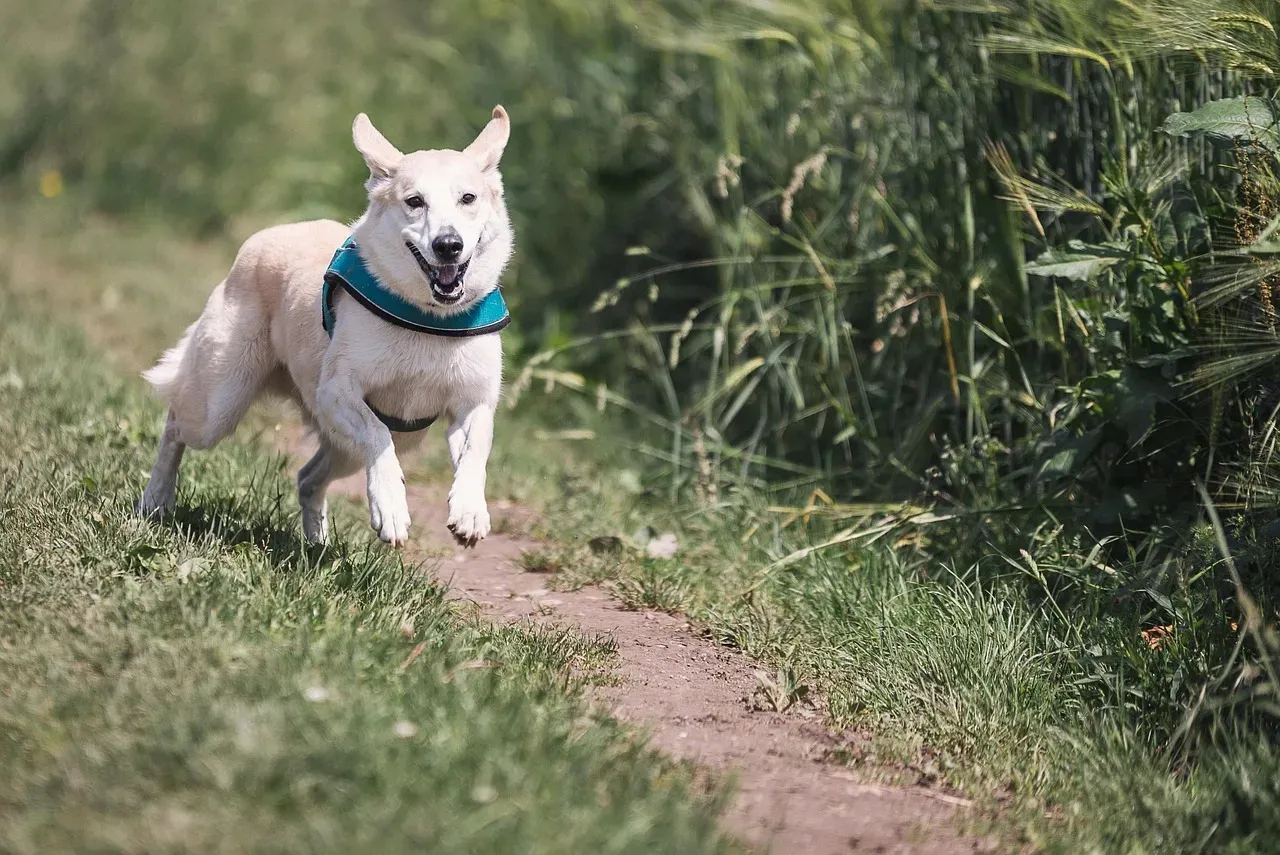
The holidays bring so much joy, but they also bring unpredictability, especially for our dogs. Those wild, delightful bursts of energy we call zoomies are often just your pup’s way of processing all the excitement and releasing tension. They’re a reminder that even though we’ve domesticated dogs, they still have wild, beautiful energy that sometimes just needs an outlet.
Creating a safe space, providing adequate exercise, and reading your dog’s body language will help you navigate the season with fewer broken ornaments and more peace of mind. Remember that zoomies are usually a sign of a happy, healthy dog who simply has feelings they need to express in the only way they know how: running like their tail is on fire.
So this holiday season, embrace the chaos just a little. Laugh when your dog does the wall of death around your furniture. Appreciate their joy. What’s your game plan for handling your dog’s holiday energy? Will you be ready when those zoomies strike?


