
You’ve probably heard it a thousand times before. Someone points to their Beagle, head down, nose glued to an interesting trail, completely ignoring their fifteenth recall command, and they sigh, “Oh, she’s just so stubborn.” Or maybe you’ve watched a Husky owner wrestle with their determined pup at the park, the dog pulling toward adventure while the human pulls toward home, and thought, “That’s one stubborn dog.” Here’s the thing, though: what we call stubborn is rarely stubbornness at all. It’s often something far more interesting and, honestly, far more solvable.
Dogs don’t wake up and decide to be difficult just for the sake of it. They’re not plotting against us. Instead, what we’re seeing are dogs responding to their own motivations, their breeding history, their unique personalities, and sometimes, our own unclear communication. When we start to understand what’s really driving our dogs, the whole picture shifts. Training becomes easier, frustration melts away, and our bond deepens in ways we didn’t expect.
The Intelligence Trap: Why ‘Dumb’ Often Means ‘Different’
Let’s be real. When trainers started ranking dogs by obedience, they created a system that valued one thing above all else: how quickly a dog responds to human commands. Stanley Coren’s influential work defined working and obedience intelligence as a dog’s ability to learn from humans, and his rankings focused specifically on this type of intelligence. The result? Breeds like Afghan Hounds and Basenjis landed at the bottom of those lists, labeled as less intelligent.
Here’s what those rankings miss: ease of training is not always an accurate measure of intelligence. Think about it. An Afghan Hound was bred to hunt independently across vast terrain, making split-second decisions without human guidance. They simply prefer to think for themselves and do things on their own terms. That’s not stupidity. That’s a different kind of brilliance, one that doesn’t fit neatly into our obedience-focused tests.
If a dog finds learning difficult or is slow to pick up on a person’s cues, it doesn’t necessarily mean she’s not smart; instead, she might learn in a different way from what you expect or need a different environment to learn in. Some dogs are problem solvers. Others are scent specialists. Some excel at reading human emotions, while others thrive on independence.
The truth is, intelligence comes in many forms. When we stop judging every dog by the same narrow standard, we start seeing their actual gifts.
Breeding Built Them This Way

Your dog’s breed history isn’t just trivia. It’s a roadmap to understanding why they do what they do. Much of what is observed in dog behavior is breed specific and will persist, even in the absence of training or motivation, with behaviors like herding, pointing, and tracking likely controlled, at least in part, at the genetic level.
Take scenthounds, for example. Beagles, Basset Hounds, and Bloodhounds were specifically developed to follow scent trails with intense focus. When your Beagle ignores your call because they’ve caught a whiff of something fascinating, they’re not being defiant. Scenthounds might have trouble ignoring the amazing scents around them long enough to concentrate on learning. Their nose is doing exactly what centuries of selective breeding designed it to do.
Or consider the Siberian Husky. Huskies are famous for their stubborn behavior, bred to pull sleds in harsh climates as independent thinkers who love to run and explore, often ignoring commands, especially if off-leash. When a Husky makes a break for it at the dog park, they’re following an instinct honed over generations of Arctic survival.
Understanding your dog’s original purpose changes everything. It transforms frustration into empathy and helps you work with their nature instead of fighting against it.
Motivation Matters More Than Obedience
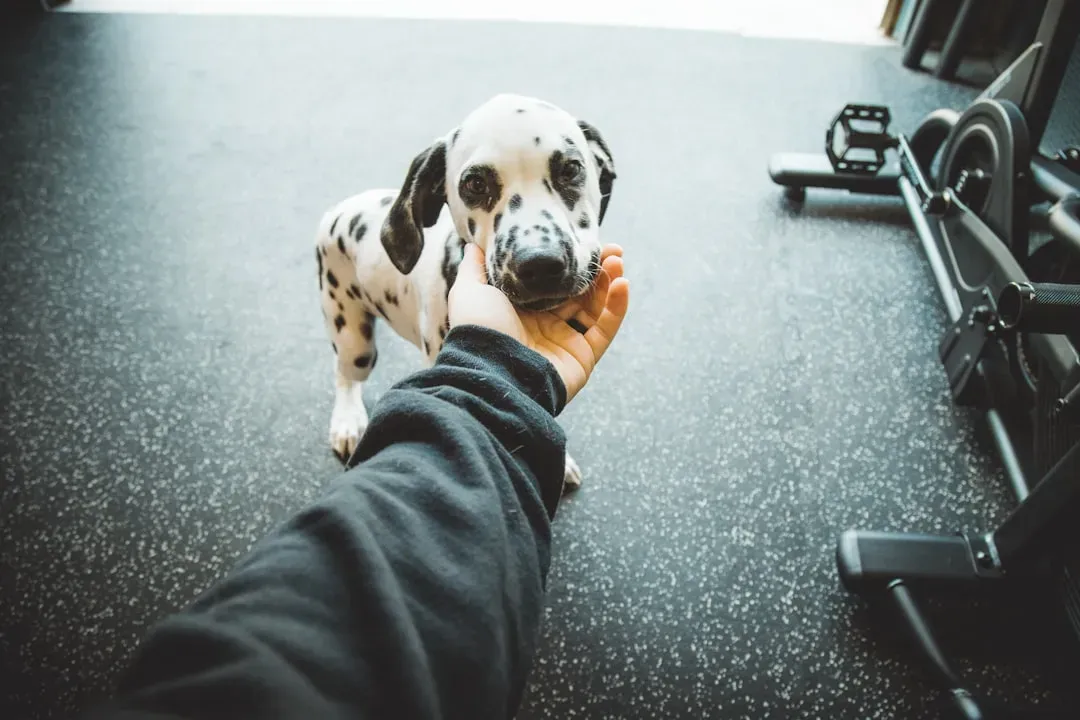
Dogs don’t operate on our value system. They operate on theirs, and understanding what motivates your individual dog is the key to successful training. Individual dogs display varying degrees of responsiveness for specific rewards such as food and ball/toys, which can impact their reward pursuing behaviour, motivation to engage in learning tasks, and subsequently influence their performance.
Some dogs would do backflips for a piece of chicken. Others couldn’t care less about treats but will work tirelessly for a tennis ball or a game of tug. Still others are most motivated by praise, physical affection, or simply the opportunity to sniff something interesting. The dogs we label as stubborn are often just dogs whose currency we haven’t figured out yet.
Frustration can change motivation, which may occur when a reward for expected behavior is missing, delayed, or when the dog cannot achieve the goal. If you’re offering cheese to a dog who’s more interested in play, you’re speaking the wrong language. They’re not being stubborn; you’re just not offering what they actually want.
Watch your dog carefully. What makes their eyes light up? What do they naturally gravitate toward when given free choice? Once you identify their personal motivation, training becomes a conversation instead of a battle.
Context Is Everything: When ‘Stubborn’ Is Actually Smart
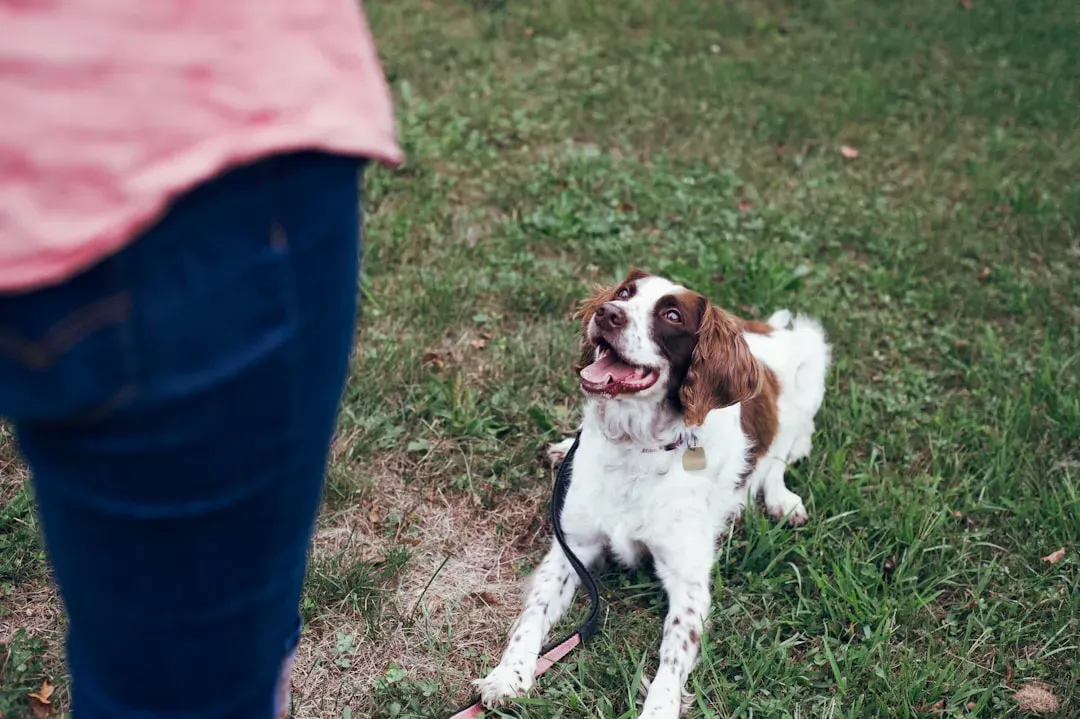
Sometimes what looks like stubbornness is actually a dog making a perfectly logical decision based on their current circumstances. Some dogs’ responses can be context specific, meaning they respond to situations in the same way they’ve been trained in similar contexts, which can interfere with their ability to complete tasks rather than demonstrating a lack of self-control.
Picture this: You’re at a noisy dog park, your German Shepherd is watching another dog across the field, and you call them to come. They don’t. Are they being stubborn? Maybe not. Their arousal level is high, their attention is divided, and the competing stimulation is overwhelming your cue. Higher levels of arousal typically have negative impacts on performance, and increased arousal when an animal is already in a higher arousal state is likely to result in poorer cognitive performance.
This is why dogs who are “perfectly trained” at home suddenly act like they’ve never heard their name at the vet’s office or in a new environment. It’s not selective hearing. It’s their cognitive load maxing out. Many factors influence cognitive performance in dogs, including breed, temperament, rearing history, and training, and this variation between individual dogs can lead to many different factors affecting performance on tasks.
Smart training accounts for context. It builds skills gradually, in increasingly challenging environments, rather than expecting perfection everywhere all at once.
Communication Breakdowns: The Human Factor
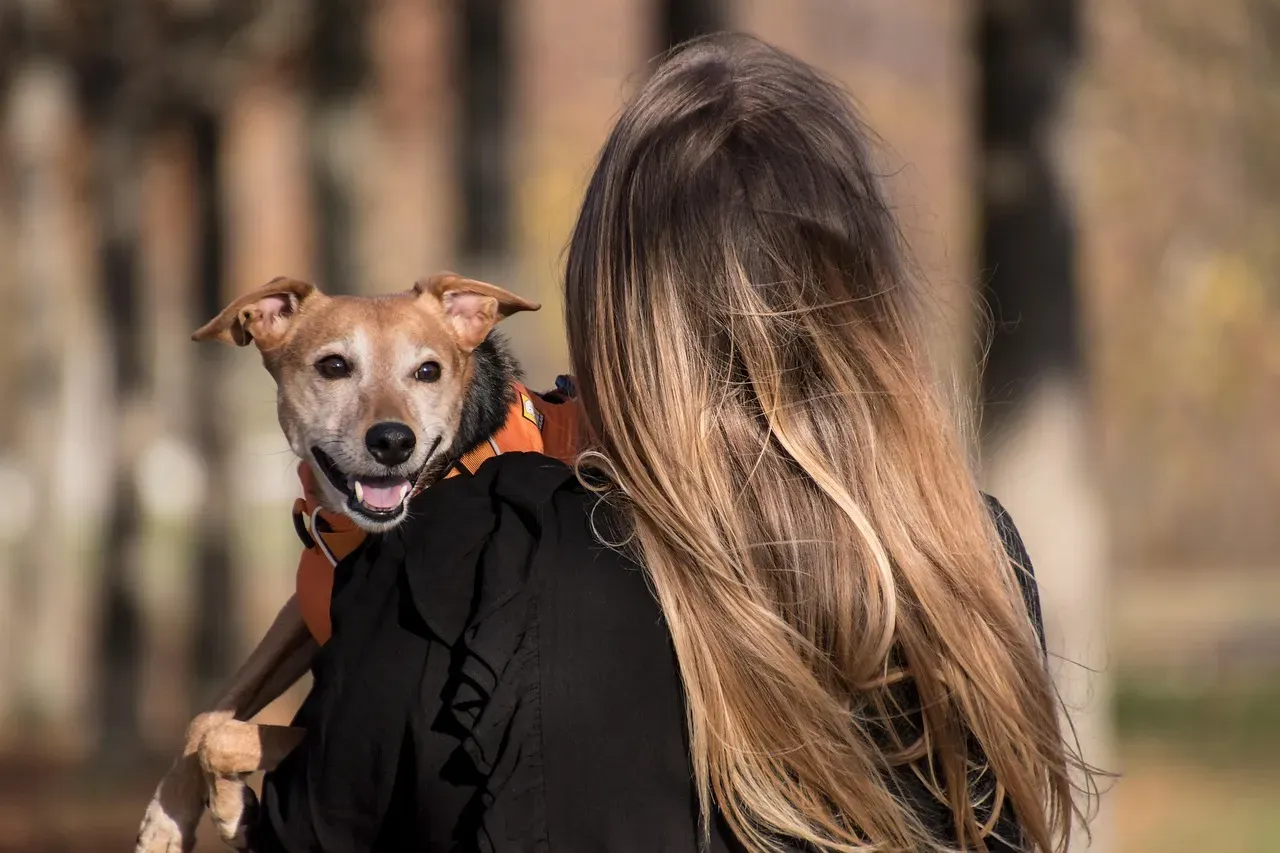
Let’s talk about something most trainers won’t tell you upfront: sometimes the problem isn’t the dog. It’s us. We’re unclear, inconsistent, or we’re asking for something the dog genuinely doesn’t understand yet. Dogs are incredible at reading human body language and social cues, but they’re not mind readers.
One of the most interesting behavioral characteristics of the modern domestic dog is its predisposition to attend and respond to human social gestures and cues. Dogs have evolved to be remarkably attuned to us. However, that doesn’t mean they automatically understand every word we say or every complex chain of behaviors we expect.
Consider this: you’ve taught your dog to sit beautifully in the kitchen. Then you try it in the backyard and they stare at you blankly. That’s not defiance. That’s a lack of generalization. Dogs don’t automatically understand that “sit” means the same thing in every location until we teach them that.
Or maybe you’re asking your dog to “stay” while you’re leaning forward, making excited eye contact, and your body language is screaming “come here!” Your verbal cue says one thing, but your body says another. Honestly, which one do you think your dog is going to believe? They’re reading the whole picture, not just listening to your words.
Clear, consistent communication transforms training. When we get better at being understood, our dogs get better at responding.
Real Solutions for Independent Thinkers
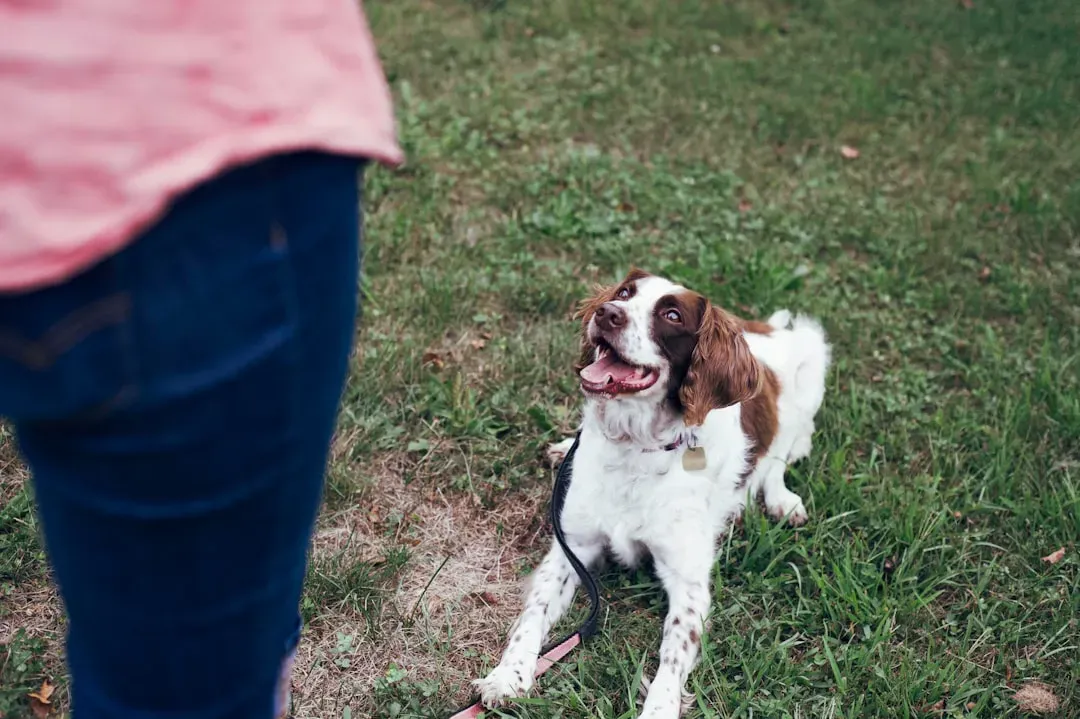
So what do you actually do with a dog who marches to their own drummer? First, celebrate it. Dogs with independent streaks are often creative problem solvers, adaptable thinkers, and deeply interesting companions. They challenge us to become better trainers and more thoughtful guardians.
Start by identifying what truly motivates your dog and use it generously. For some dogs, interaction with their human partner can act as an alternative source of reinforcement, leading to greater motivation to persist in responding and figuring out task criteria. Match your training rewards to what your individual dog actually values.
Keep training sessions short and engaging. Training independent breeds can be an exercise in patience, and they seem to do best with frequent, short training sessions rather than hour-long classes. Five minutes of focused, fun work beats thirty minutes of frustration any day.
Be patient with generalization. Practice new behaviors in multiple locations, at different times of day, with varying levels of distraction. What feels like stubbornness is often just a dog who hasn’t yet learned that “come” means the same thing in the living room, the backyard, and the dog park.
Finally, consider professional help without shame. If you’re struggling, a professional trainer can help bridge the gap between stubbornness and success. Working with someone who understands dog behavior and motivation can shortcut months of frustration and build a training foundation that actually works.
Conclusion
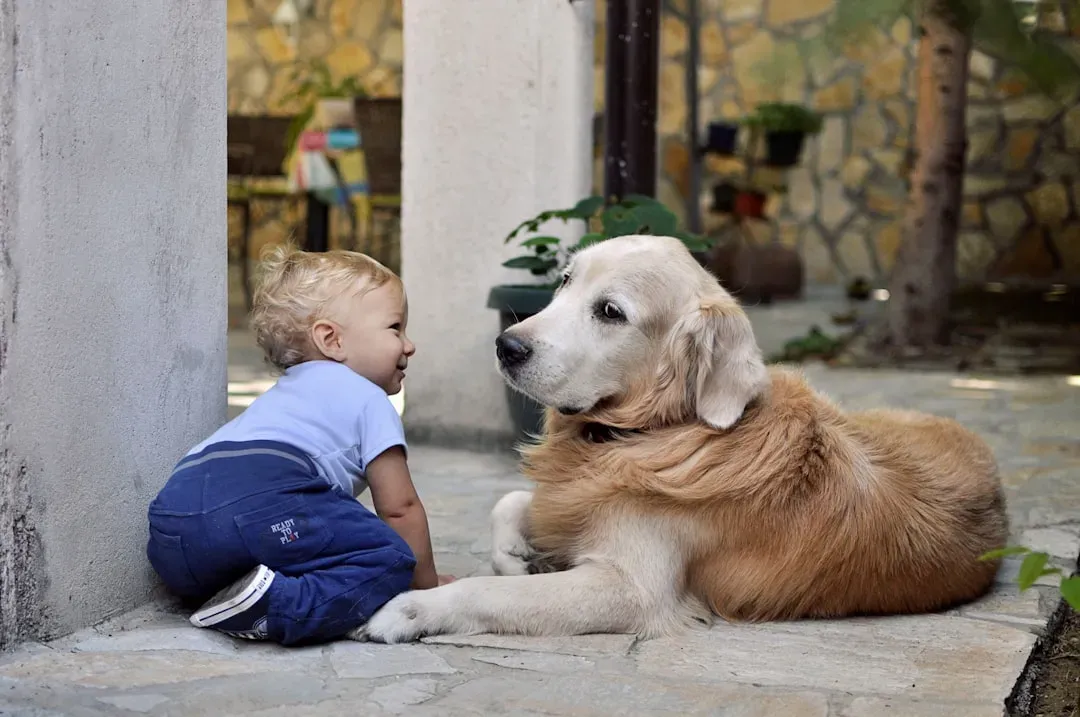
The stubborn dog is a myth we need to retire. What we’ve been calling stubbornness is usually independence, strong instincts, different motivations, or our own communication gaps. When we let go of that label and start looking at what’s really happening, everything changes. We stop fighting our dogs and start understanding them.
Your Basset Hound isn’t being difficult when they follow their nose. Your Husky isn’t disrespecting you when they want to explore. Your Afghan Hound isn’t stupid; they’re just wired differently. These aren’t flaws. They’re features, shaped by generations of purpose and breeding.
The most rewarding relationships happen when we meet our dogs where they are, appreciate their unique perspectives, and train with patience and creativity. It takes more effort than following a cookie-cutter obedience plan, sure. Yet the payoff is a deeper bond, better communication, and a dog who trusts you enough to actually want to work with you.
What kind of “stubborn” behavior has your dog shown you lately? Maybe it’s time to look at it through fresh eyes and ask what they’re really trying to tell you.


