
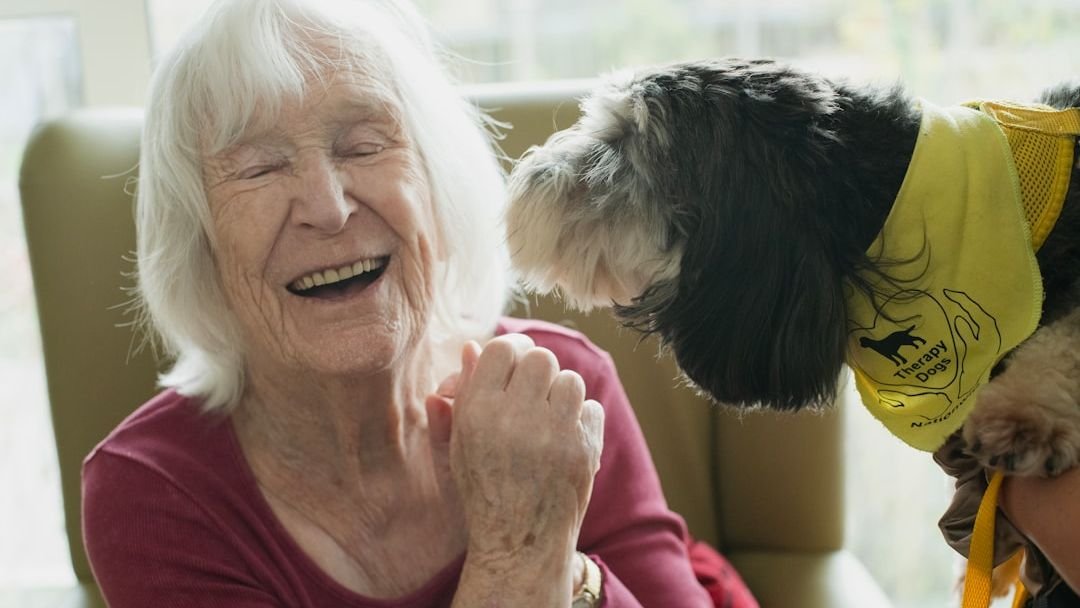
We’ve all heard the whispers at the dog park. That moment when someone asks how old your pup is, and suddenly you feel like you need to apologize for the grey muzzle or the slower pace. Here’s the thing, though. Age isn’t some expiration date stamped on your dog’s forehead. Those silvery whiskers? They’re badges of honor, proof of a life well lived.
Your dog doesn’t wake up thinking about being old. They wake up thinking about breakfast and that squeaky toy under the couch. So why should we treat their senior years like some sort of decline we just have to endure? The truth is, this stage can be one of the most rewarding phases of your relationship. Sure, things change. Bodies slow down, naps get longer, and those wild zoomies become more like gentle trots. Yet with a little knowledge and a whole lot of love, you can help your best friend thrive in ways that matter most. Let’s dive into what makes these golden years truly golden.
When Does Your Dog Actually Become a Senior
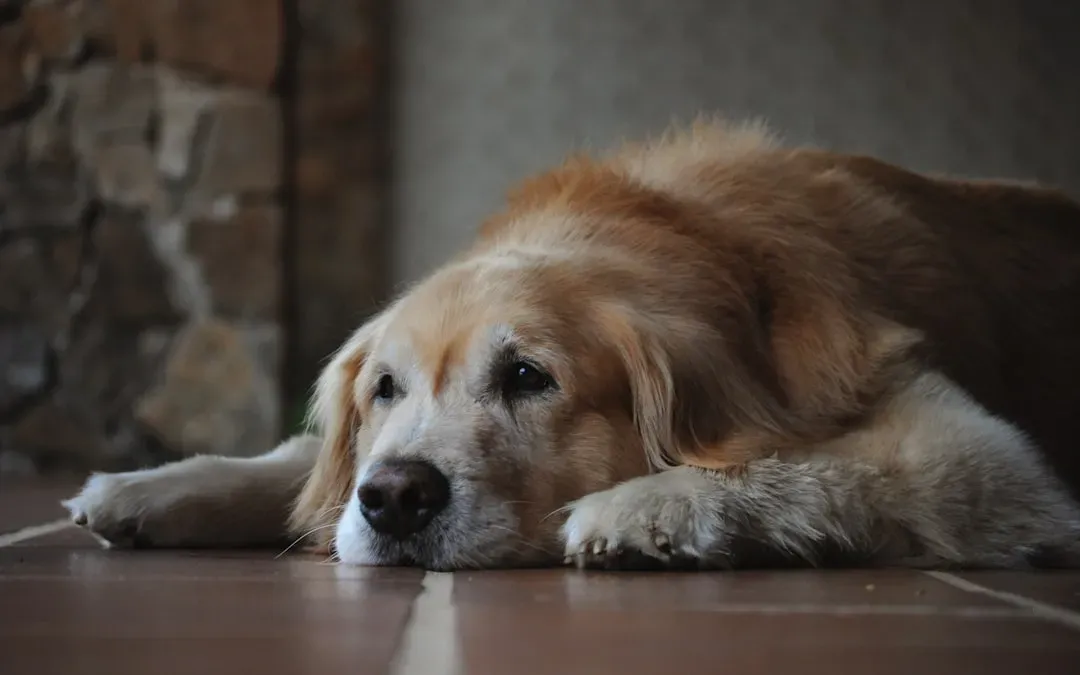
This question trips up more people than you’d think. Because of breed and size differences, larger dogs reach their golden years sooner than small breeds. A large dog like a Great Dane may be considered a senior at 6 years old, while a small dog like a Dachshund might not reach senior age until they’re 10.
Dogs don’t have a universal age of seniority because of their wider variety in size. Larger breed dogs tend to have shorter life spans than smaller breeds. For this and other reasons, experts suggest that dogs be considered “senior” when they reach the last 25 percent of the estimated life span for their breed. It’s a little heartbreaking when you think about it that way, honestly. Generally, a dog is considered a senior once they reach the age of seven, or six in larger breed dogs. Around this age, there’s a change in brain activity and structure.
The point is, don’t get too hung up on the number. Watch your dog. They’ll tell you when things are shifting.
Reading the Signs Your Dog Is Aging
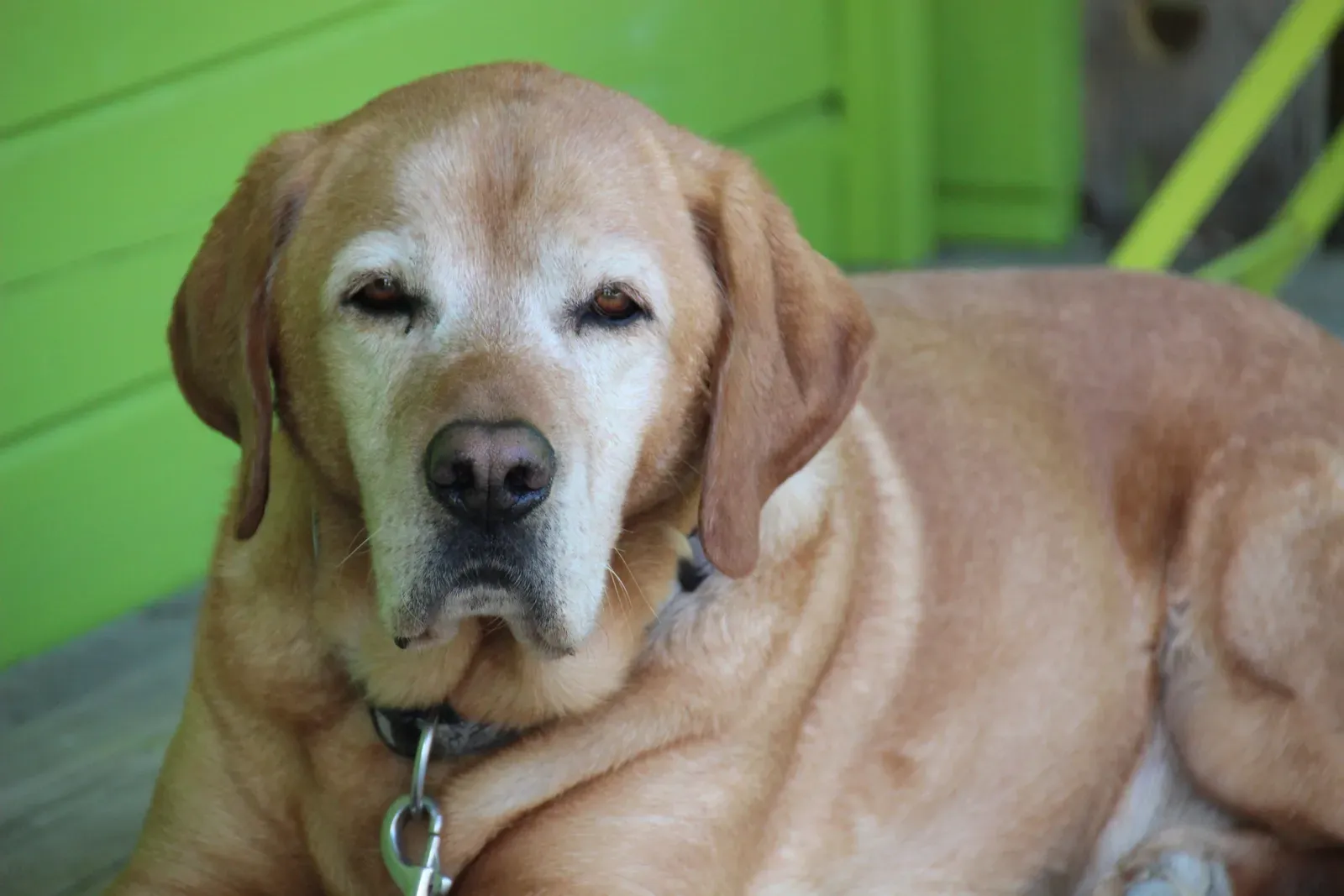
One of the most obvious signs of your dog aging is a distinguished, silvery muzzle. It’s normal for a dog’s fur to turn grey or white as they get older, particularly around the face. Greying typically begins around 5 years of age, but you may notice the odd grey hair from even one or two years old. That first silver hair can feel like a punch to the gut, but let’s be real, it’s also kind of adorable.
It’s normal for your dog to slow down a little as they age. They will typically have less stamina, and won’t be able to exercise for as long as they did when they were younger. You might notice your furry friend hesitating at stairs they once bounded up without a second thought. An older dog may have trouble with stairs, jumping into the car, or just getting up after a nap. You might notice weakness in their back legs. While we all slow down as we age, your dog’s mobility issues could be caused by canine arthritis or another degenerative disease.
Behavioral changes may be one of the first signs of aging you notice. Dogs may become more irritable or reluctant to engage in their old favorite activities if they’re struggling with pain or discomfort due to arthritis or another condition. Sometimes they’ll sleep more or seem confused about routines they’ve known for years. Pay attention to these subtle shifts. They’re your dog’s way of communicating.
Nutrition That Fuels Their Senior Body
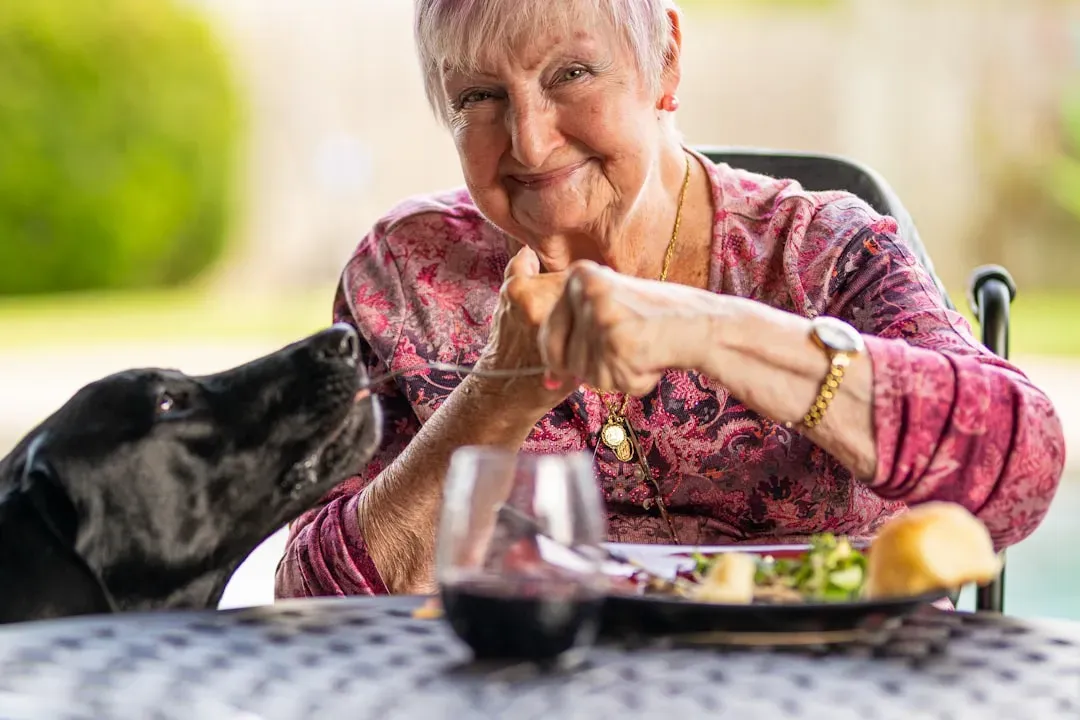
Many interrelated metabolic changes occur as dogs age, and their daily energy requirements may decrease by 12 to 13 percent. That means feeding them the same portions they ate at three years old might lead to weight gain. Obesity in senior dogs isn’t just about aesthetics. It puts pressure on already aging joints and can shorten their lives.
A healthy senior dog requires higher quality protein levels in his food than a younger adult dog. For various reasons such as dental disease and other medical reasons, seniors may also have less ability to digest and absorb nutrients from food, while at the same time needing less energy from their diet. Quality matters more than quantity at this stage. Typically, we like to see slightly higher protein diets in seniors; however, many of the senior diets on the market are lower protein. We like to see more long chain omega-3 fatty acids using marine oils, but in the end, this increases fat, so we have to be careful of the fats we use.
Omega-3 fatty acids have been shown to have noticeable anti-inflammatory properties. It is for this reason, among other benefits, that they are routinely included at supplemental levels in senior dog diets. A good source of omega-3 fatty acids in dog foods include fish oils and other fish sources, especially salmon and herring, as well as flaxseed. Consider adding joint supplements too. Your veterinarian may prescribe supplements to improve joint health. Supplements containing chondroitin, glucosamine, and MSM reduce joint inflammation and support healthy cartilage. Joint supplements work best when started before arthritis develops, but they are beneficial even in dogs who have already developed this condition since they slow the progression of disease.
Exercise Without the Exhaustion
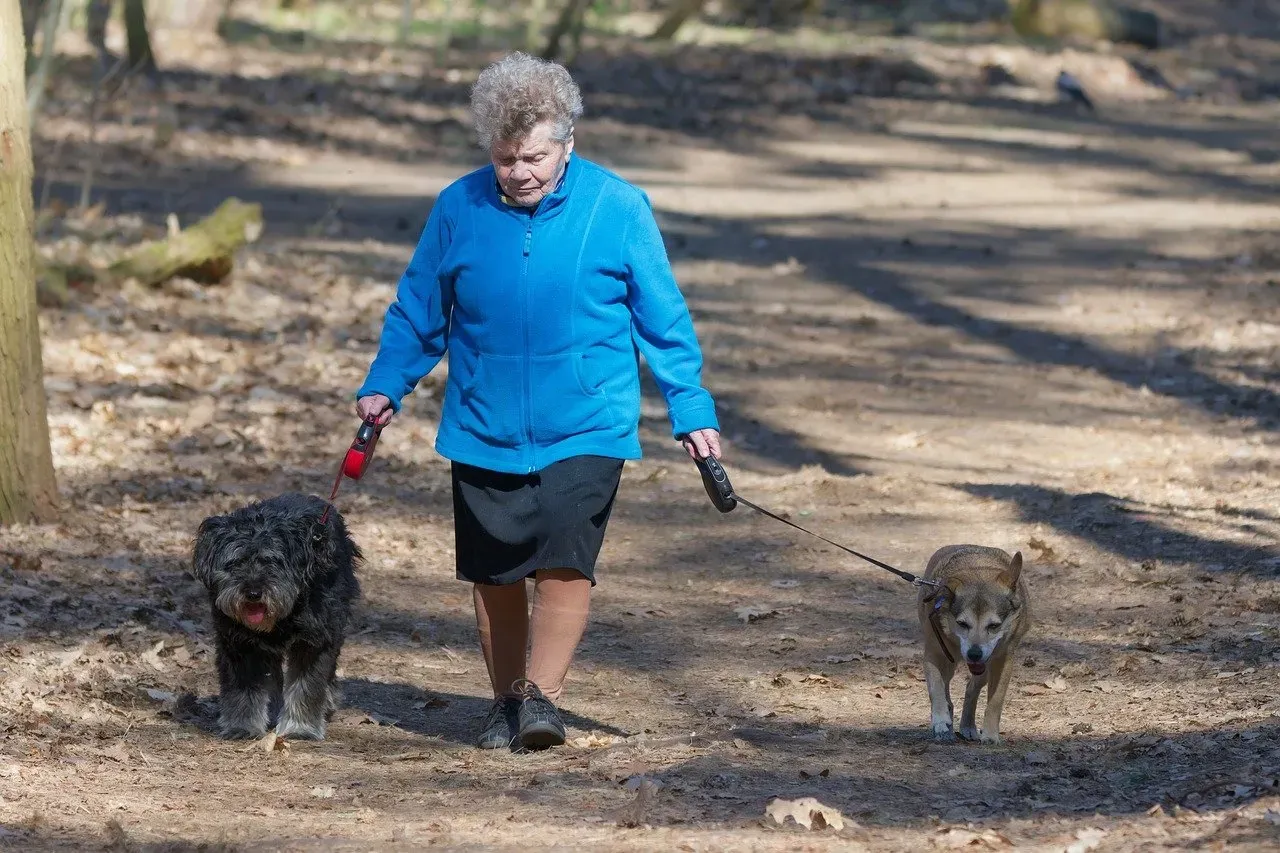
Controlled, regular physical exercise is one of the core treatments for canine osteoarthritis, along with weight control, physical rehabilitation, and pain management. Exercise increases circulation to the muscles and joints, decreases stiffness in the joint capsule and soft tissues, reduces pain, maintains strength, and benefits the cardiovascular system. I know it sounds crazy, but keeping them moving actually helps.
It’s generally recommended that senior dogs get at least 30 to 60 minutes of exercise daily. The trick is breaking it up. Shorter, but more frequent, exercises over a long exercise duration work better for most senior dogs. For example, a 10 to 15 minute walk in the morning, a 10 minute walk in the afternoon, and a 20 to 30 minute walk in the evening. The focus of exercising a senior dog is to keep them moving and mobile, not to tire them out.
Swimming is an excellent total-body exercise for your senior pup. It’s also the lowest impact exercise with almost no implications if your senior dog has arthritis or other mobility issues. Hydrotherapy includes exercise on an underwater treadmill, as well as swimming, and is particularly helpful. It has many benefits for all dogs, but can have an especially dramatic effect on senior dogs, providing a painless, fun means of exercise and movement. The water provides buoyancy, which diminishes the stress on the joints, allowing the dog to move without pain. If swimming isn’t an option, even gentle walks on softer surfaces like grass can make a world of difference. Avoid hard pavement when you can.
Veterinary Care Becomes Non Negotiable
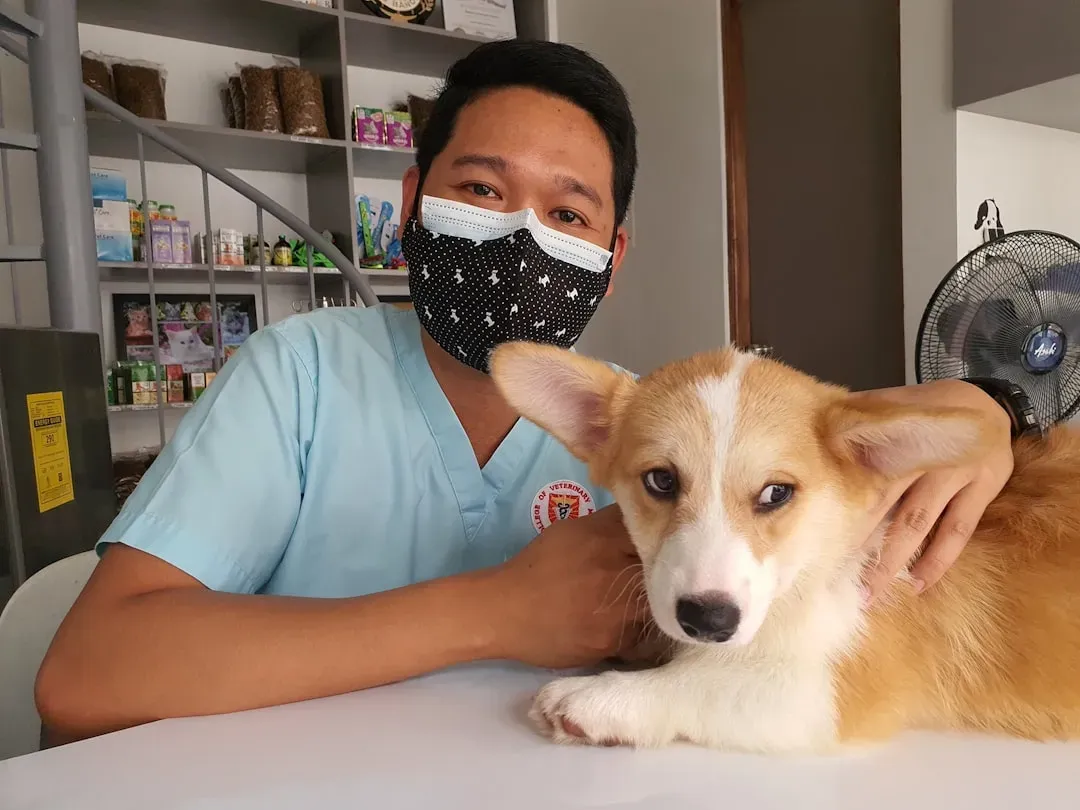
For healthy senior dogs, we recommend wellness visits at least once every six months with yearly lab work. Dogs with health conditions and geriatric dogs may need more frequent check-ups and bloodwork. This isn’t being overprotective. Senior dogs can develop health issues rapidly, and catching something early makes all the difference.
Have blood and urine tests evaluated at least once a year. Early detection of chronic diseases such as kidney disease, thyroid disease, and diabetes is the key to successful treatment and preservation of quality of life. These tests give your vet a baseline to work from. As dogs age, they are at risk for various health conditions. To diagnose these conditions, your veterinarian must conduct a full physical exam and bloodwork. Additional diagnostic testing may be recommended, based on these initial results and any symptoms your pet may be experiencing.
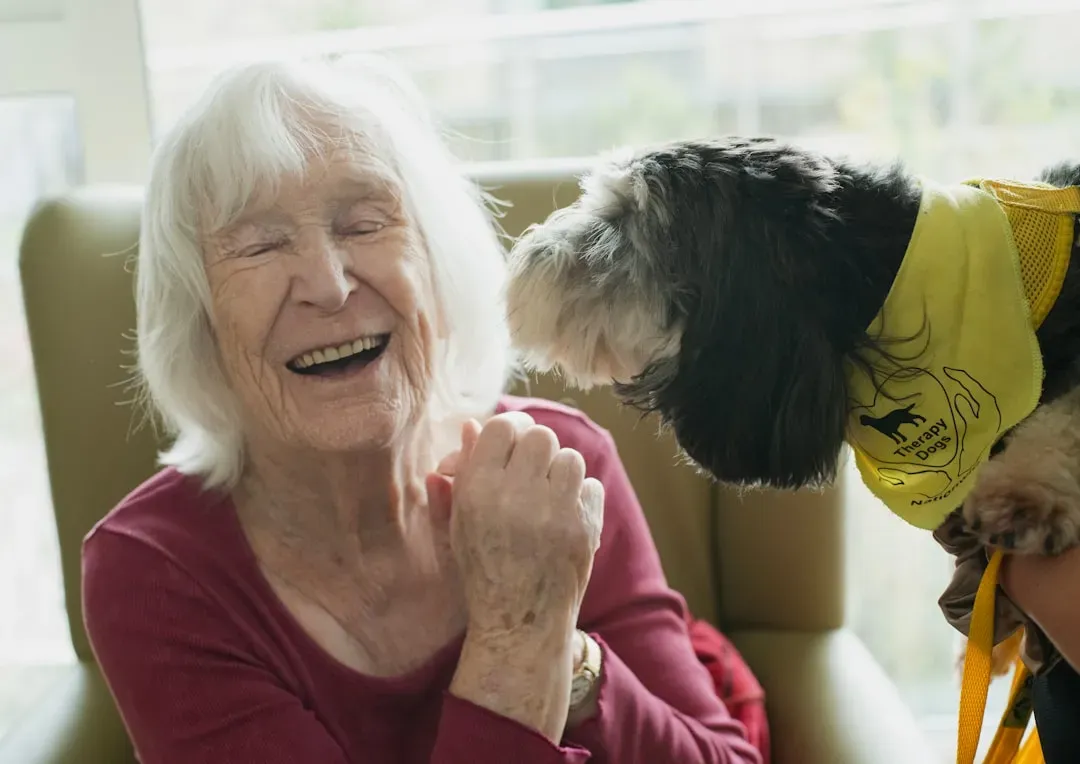
Undoubtedly the greatest need when caring for a senior dog is patience. As your dog ages, he may not see as well or hear as well. But old dogs are especially attuned to their masters, treasuring their presence and touch. Even when your old dog doesn’t respond physically to your touch, voice or presence, he needs your companionship and attention for mental health and emotional well-being. Your presence matters more than you realize.
Making Home Life Comfortable and Safe
As our dogs age and their bodies change, they become more sensitive to outside conditions. Senior dogs, regardless of breed, are more susceptible to hot and cold weather, so make sure you’re able to keep them cool during summer and warm during winter. Add extra blankets to their bed in winter, and don’t hesitate to keep a coat on them indoors if it’s chilly.
Providing an orthopedic dog bed for your senior pet is a great idea to promote comfort. Since older pets tend to spend more time lying down, these beds provide additional support for their joints and prevent pressure sores on their elbows and legs. Hardwood floors can become treacherous for a dog with shaky legs. Consider adding non slip rugs or yoga mats in key areas. Seniors, particularly those with arthritis, may find it difficult or painful to climb stairs. Installing ramps can give them back their independence.
Think about how your home looks from their perspective. Can they reach their water bowl easily? Is their food at a comfortable height? Pets with poor eyesight or even blindness can still get around well as long as they are familiar with their surroundings. If your pet’s eyesight is failing, avoid rearranging or adding furniture or other items that could become obstacles. Small adjustments make a massive impact on their daily comfort and confidence.
Conclusion: Celebrate Every Moment
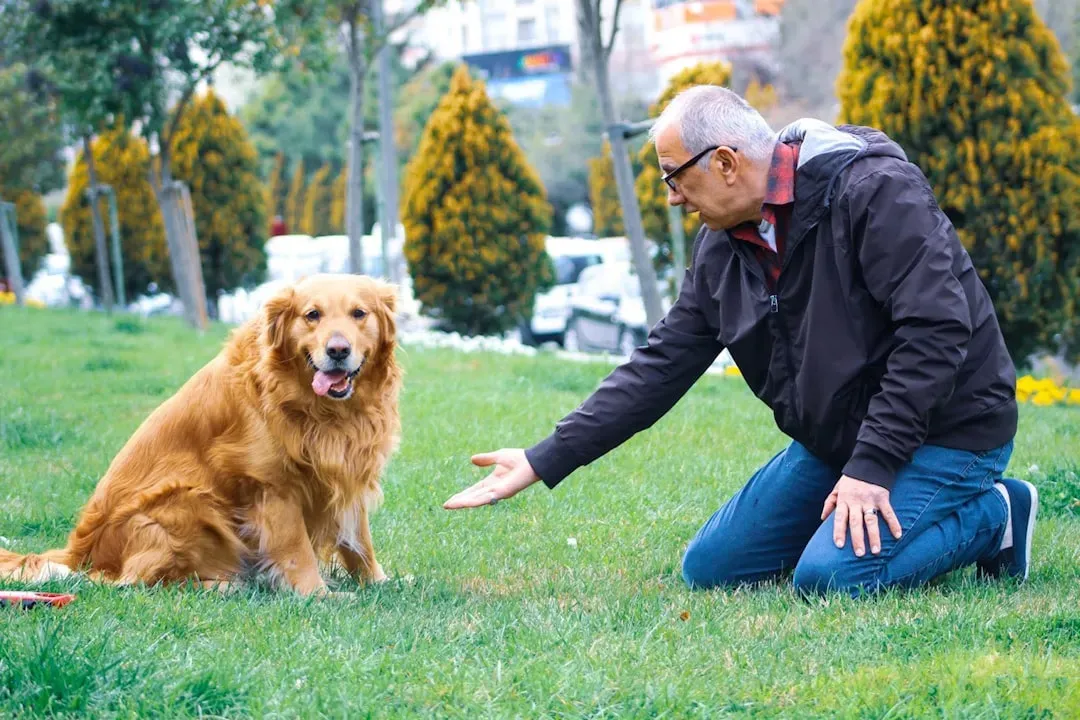
The years may add up, but they don’t define your dog’s spirit. Those grey whiskers tell stories of adventures shared, games played, and unconditional love given freely. This phase of life isn’t about loss. It’s about adaptation, about finding new rhythms that honor where your dog is now.
It’s important to remember that age is not a disease. Although senior pets may develop age-related problems, you can help your pet live a happy, healthy, and active life in their senior years by providing for their physical, mental, and health care needs. With proper nutrition, gentle exercise, regular vet visits, and a home environment that supports their changing needs, your dog can enjoy quality years ahead.
These golden years can be some of the sweetest times you’ll share together. Slower walks mean more time to notice the world around you. Quieter evenings mean deeper companionship. Your dog has spent their whole life loving you. Now it’s your turn to show them that love evolves but never fades. What will you change today to make their tomorrow brighter?


