
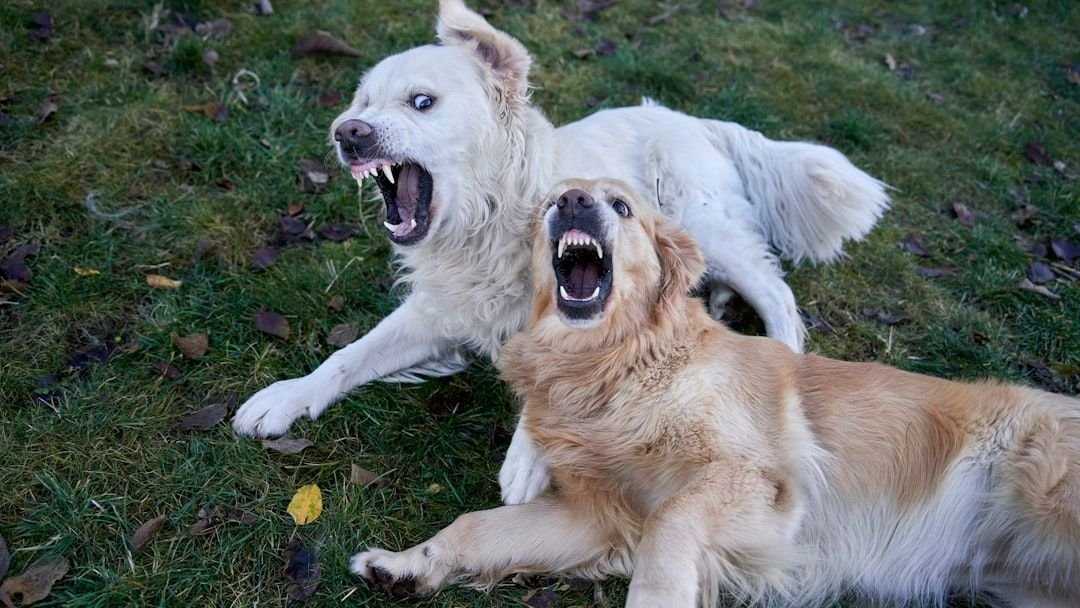
You’ve probably witnessed it before. A stranger leans down to greet your dog and suddenly there’s a sharp bark, maybe a lunge, and everyone takes a step back. The stranger pulls away looking hurt, your dog seems wound up, and you’re left standing there wondering what went wrong.
Here’s the thing: what we often mistake for aggression in our dogs might actually be something entirely different. That bark might not be saying “I want to hurt you,” but rather “I’m scared, please back off.” Fear or anxiety-related aggression is perhaps the most common form of aggression in dogs. Understanding this distinction changes everything about how we respond to our dogs and help them feel safer in the world.
When Fear Wears an Aggressive Mask
Let’s be real, the line between fear and aggression can blur so easily that even experienced dog lovers get confused.
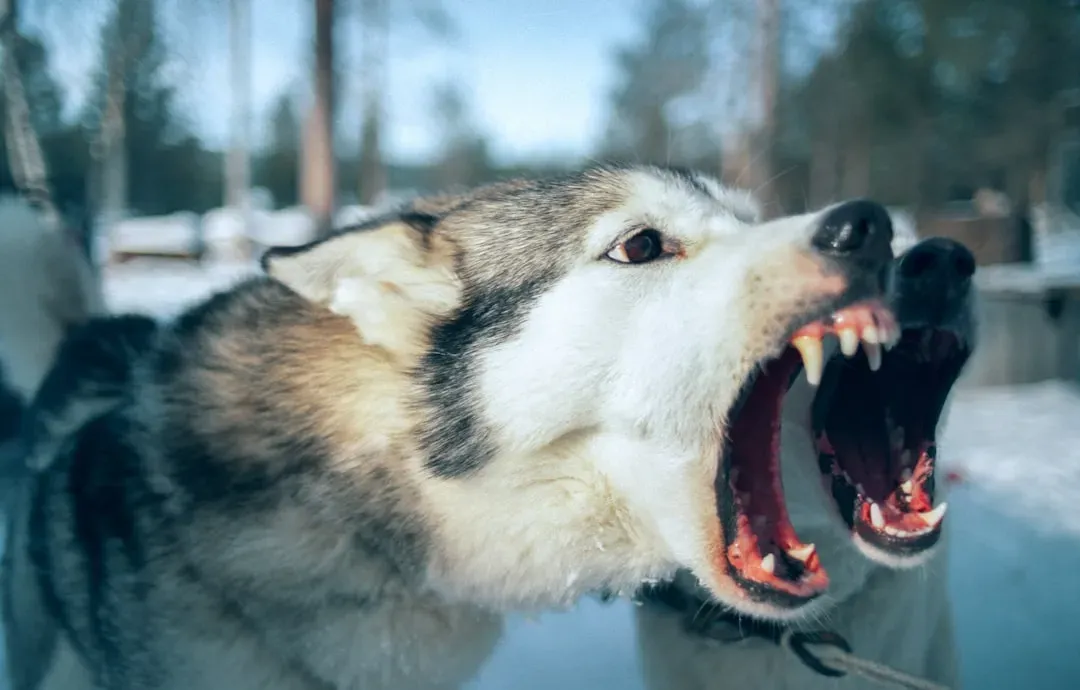
Fear aggression in dogs occurs when a dog is exposed to a perceived or true threat. Think of it as your pup’s version of fight-or-flight kicking in. When your dog encounters something scary and feels they can’t escape, their brain shifts to defensive mode. Fearful dogs often initially exhibit defensive postures, such as barking while backing away or crouching, with signals intended to create a space or distance from the perceived threat.
What’s fascinating is how this behavior can evolve. If fearful dogs are scolded for their attempts to communicate their fear, the dog may become confused and more frightened, and instead of refraining from barking, may lunge forward. We’re accidentally teaching them that subtle warnings don’t work, so they skip straight to the scary stuff.
Reading Your Dog’s Secret Language
Your dog is constantly broadcasting how they feel, but honestly, most of us miss the memo until things escalate.
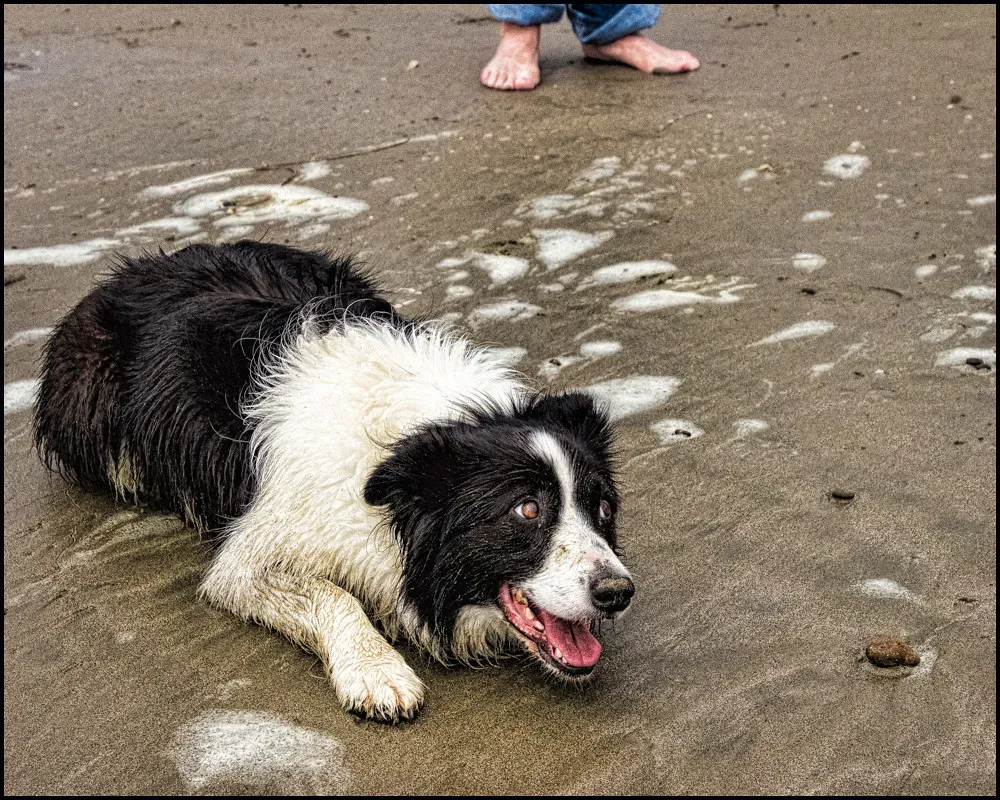
Subtle body language cues can include a lowered or tucked tail, ears pulled back, wide eyes with large pupils, wrinkled brow, tense face or body, a low, slow wagging tail, or crouched positioning. These are your dog’s quiet pleas for help before they feel forced to shout. I think one of the saddest things is watching dogs give these signals over and over, only to have them ignored.
A staggering nine in ten dog owners do not know that yawning could be an early warning sign of anxiety or fear. Same goes for lip-licking when there’s no food around. Subtle displacement behaviors like sniffing or yawning are frequently ignored or misinterpreted by handlers. Your dog might seem totally fine to you while they’re actually screaming on the inside.
The Moment Everything Changes
There’s a crucial threshold we need to understand, and recognizing it could prevent so many heartbreaking incidents.
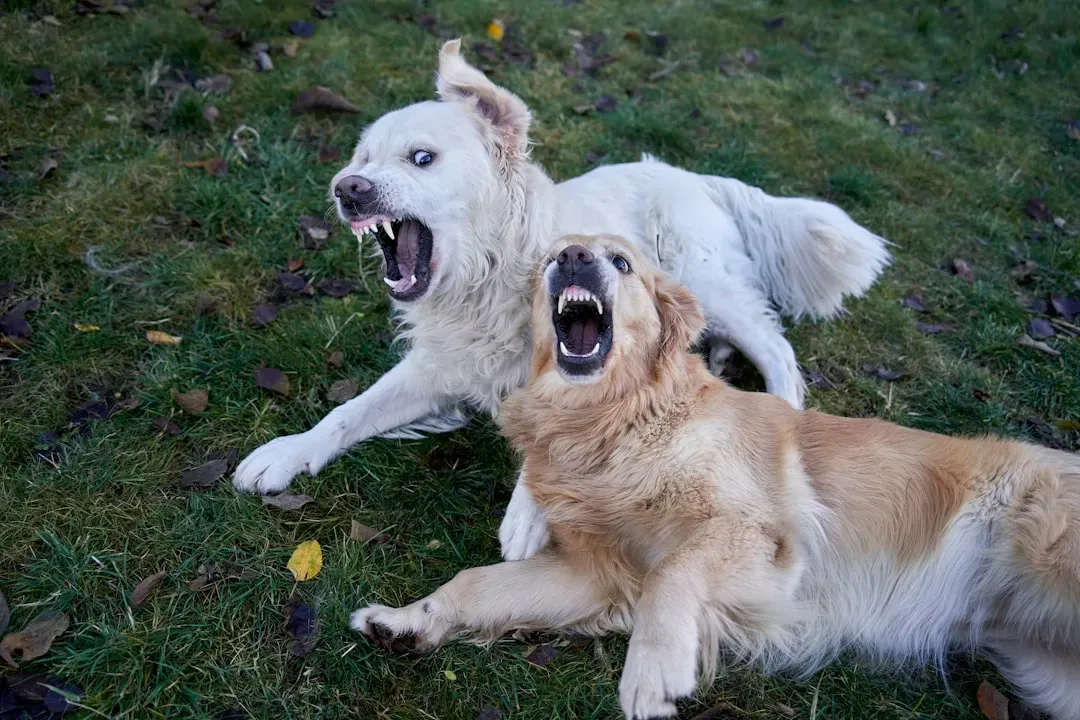
If a dog is barking aggressively, snarling, growling, snapping, or lunging, it means that it has already reached its limit, commonly referred to as threshold. At this point, your dog has exhausted their subtle communication toolkit. They’ve likely tried looking away, stiffening up, maybe a low growl, and none of it worked.
Punishing or reprimanding dogs when they growl can suppress early warning signs and increase the risk of more severe aggression without the warning growl. So when your dog growls, they’re actually doing you a favor by giving fair warning. Take it seriously. If your dog growls, listen and walk away or move them away from the cause, and take note of what was occurring before the growl.
What’s Really Triggering Your Dog?
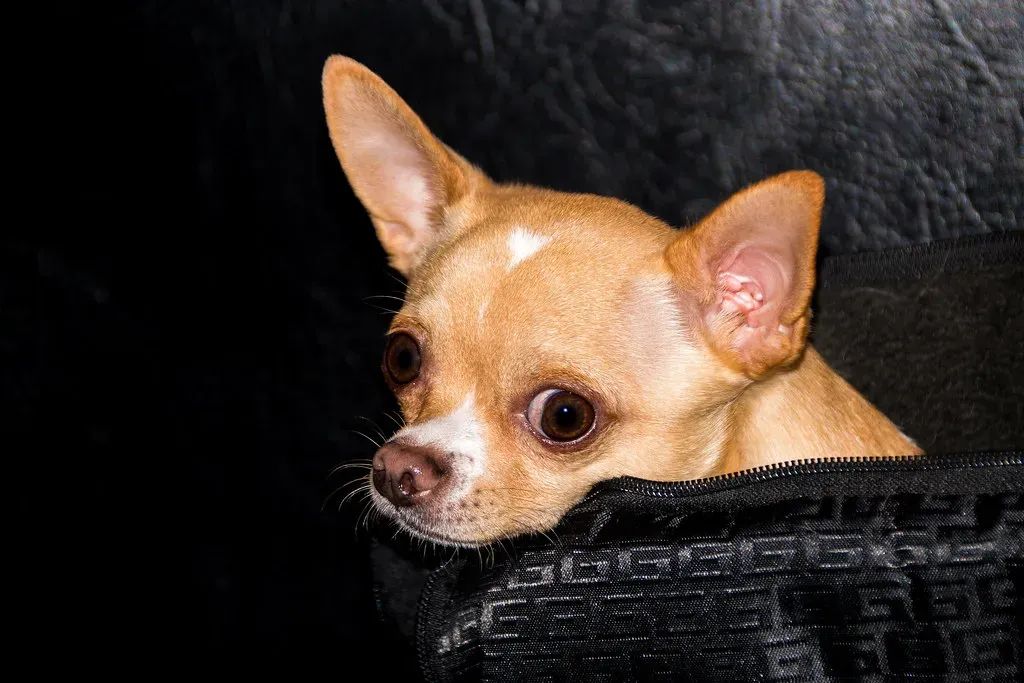
Understanding what sets off your dog’s fear response is half the battle, though it’s not always obvious at first glance.
Previous traumatic experiences may establish negative associations, such as if a dog was attacked by another dog on a walk, they may start to bark aggressively at all dogs seen on walks. Sometimes it’s not even about a specific dog anymore, it’s about what that dog represents in your pup’s memory.
Space matters too, more than most people realize. Actions such as bending over the dog, reaching toward it, hugging or petting it can make the dog feel trapped and uncomfortable. Even when it’s someone they know and love, if a dog feels cornered, fear can override everything else. Dogs may feel constrained and experience fear when approached in areas such as under a bed or table, in a crate, or in narrow spaces like hallways or enclosed footpaths.
Why Punishment Makes Everything Worse

This is probably the most important thing I can tell you: punishing fear will backfire spectacularly.
The use of punitive techniques can inhibit the dog’s behavior in your presence and even teach him to not exhibit warning signals, while using punitive techniques can increase fear and anxiety. You might think you’re correcting bad behavior, but what you’re really doing is making your dog more afraid. Punishing a dog for showing fear-aggressive behavior or forcing them to submit to the experience will often make the dog’s fear aggression worse.
Dogs that display aggression are not mean or bad dogs; they are simply afraid/fearful and anxious/nervous about a perceived or anticipated threat or unpleasant outcome. They need our compassion and understanding, not correction.
Building Confidence, One Step at a Time
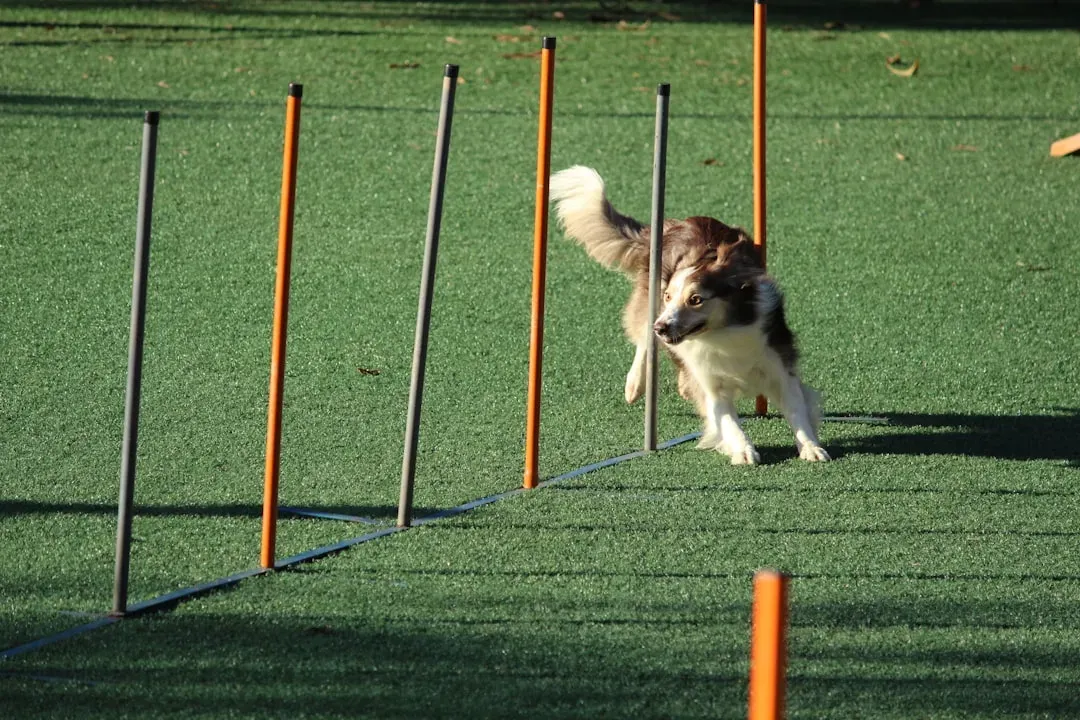
The good news? With patience and the right approach, you absolutely can help your dog feel safer and more confident.
The best way to stop fear aggression is to alleviate the dog’s fear in that situation. Sometimes that means avoiding certain triggers entirely while you work on building positive associations. If you cannot avoid stressful situations, create a positive association with the situation by pairing it with something your dog enjoys such as treats, toys or play.
Pet parents should seek professional assistance, such as from a veterinary behaviorist, certified applied animal behaviorist, or certified trainer, as soon as their dog exhibits signs of fearful and/or aggressive behavior, and these professionals will recommend training and behavior modification exercises to help reduce the dog’s fear and increase his confidence and tolerance. There’s no shame in asking for help. In fact, it’s one of the most responsible things you can do.
Conclusion
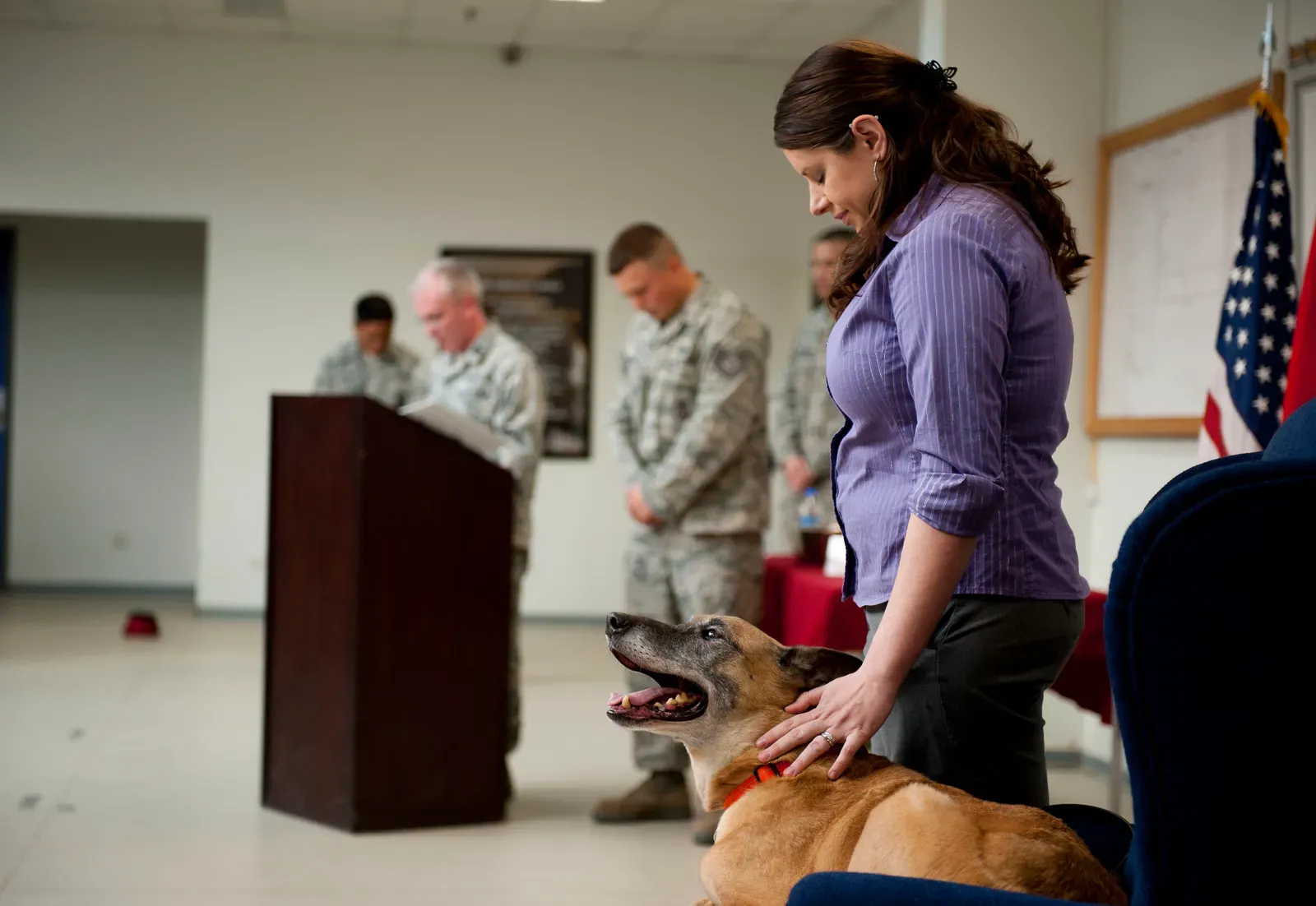
That growl, that bark, that stiff body language, they’re not signs your dog is bad or broken. They’re communication. Your dog is trying to tell you they’re overwhelmed, scared, or need space. Learning to listen to these signals before they escalate can transform your relationship and help your dog navigate the world with more confidence.
The journey from fearful reactive dog to a more relaxed companion takes time, consistency, and heaps of patience. Some dogs may never love crowded dog parks or enthusiastic strangers, and that’s perfectly okay. What matters is that we meet them where they are, respect their boundaries, and advocate for them when they need us most.
What do you think? Have you noticed fear-based behaviors in your own dog that you might have misread as aggression? Share your experiences in the comments below.


