
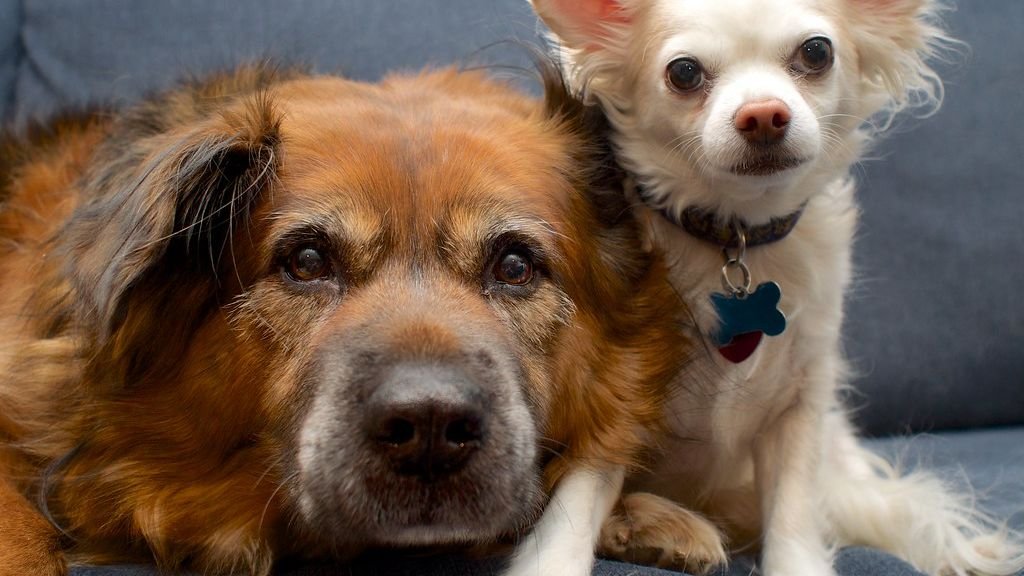
Ever wonder why your dog seems to know exactly how to make you melt? Why one look from those soulful eyes has you reaching for treats, opening doors, or giving up your spot on the couch? Here’s the thing. Dogs aren’t just adorable companions. They’re strategic thinkers who have spent thousands of years figuring out how we humans work.
Dogs have spent thousands of years evolving alongside humans, learning exactly how to communicate to get what they want. They’ve become masters at reading our emotions, predicting our reactions, and pushing exactly the right buttons to get their way. It’s not malicious or mean spirited. It’s actually quite brilliant. They’ve learned our language better than we’ve learned theirs, and honestly, we’ve been wrapped around their paws from the very beginning.
The Power of Those Puppy Dog Eyes

You know that look. The one where your dog tilts their head slightly, widens their eyes, and stares at you with an expression that seems to say they’ve never been fed or loved in their entire life. Well, there’s actual science behind why this works so incredibly well on us.
Research has shown that people naturally prefer “baby-like” facial features, and dogs have perfected this advantage with a unique eyebrow-raising muscle that makes their eyes appear bigger and more expressive. Wolves don’t have this muscle. Dogs literally evolved it to communicate with us. This signature “puppy-dog eyes” expression doesn’t just melt hearts – it actually triggers nurturing instincts in humans and has even been proven to help shelter dogs get adopted more quickly.
Of the duos that had spent the greatest amount of time looking into each other’s eyes, both male and female dogs experienced a 130% rise in oxytocin levels, and both male and female owners a 300% increase. That’s the bonding hormone, the same one that floods a new mother’s brain when she looks at her baby. Your dog isn’t just looking cute. They’re biochemically hijacking your attachment system.
The Strategic Use of Whining
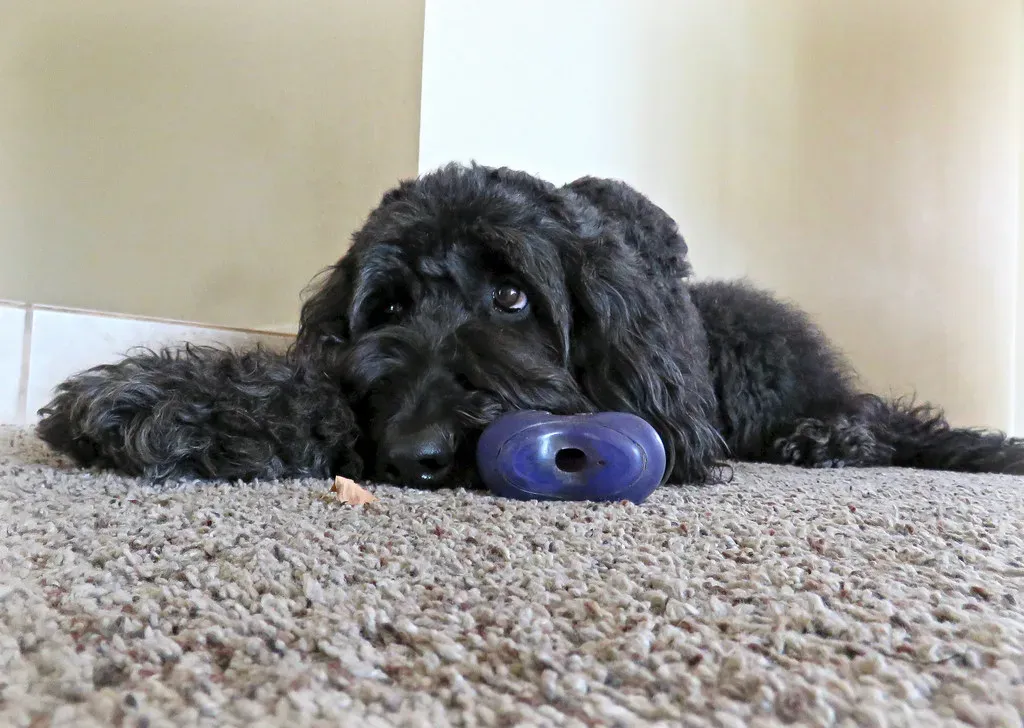
That high pitched whimper when you’re eating dinner or about to leave the house isn’t random. Dogs have fine tuned their whining to hit frequencies that humans find nearly impossible to ignore. It’s uncomfortable on purpose.
Whining started as a survival tool but became an important social strategy later. “It’s not emotional manipulation as we would think, but a fine-tuned form of communication – and it works!” Think about it. Puppies whine to get their mother’s attention when they’re hungry, cold, or separated. Adult dogs simply adapted this tool for use on us.
They know which pitch gets the fastest response. They know that doing it when you’re on the phone or focused on something else is particularly effective. Because honestly, who can concentrate on anything else when a dog is whining right next to them?
The Paw on Your Leg
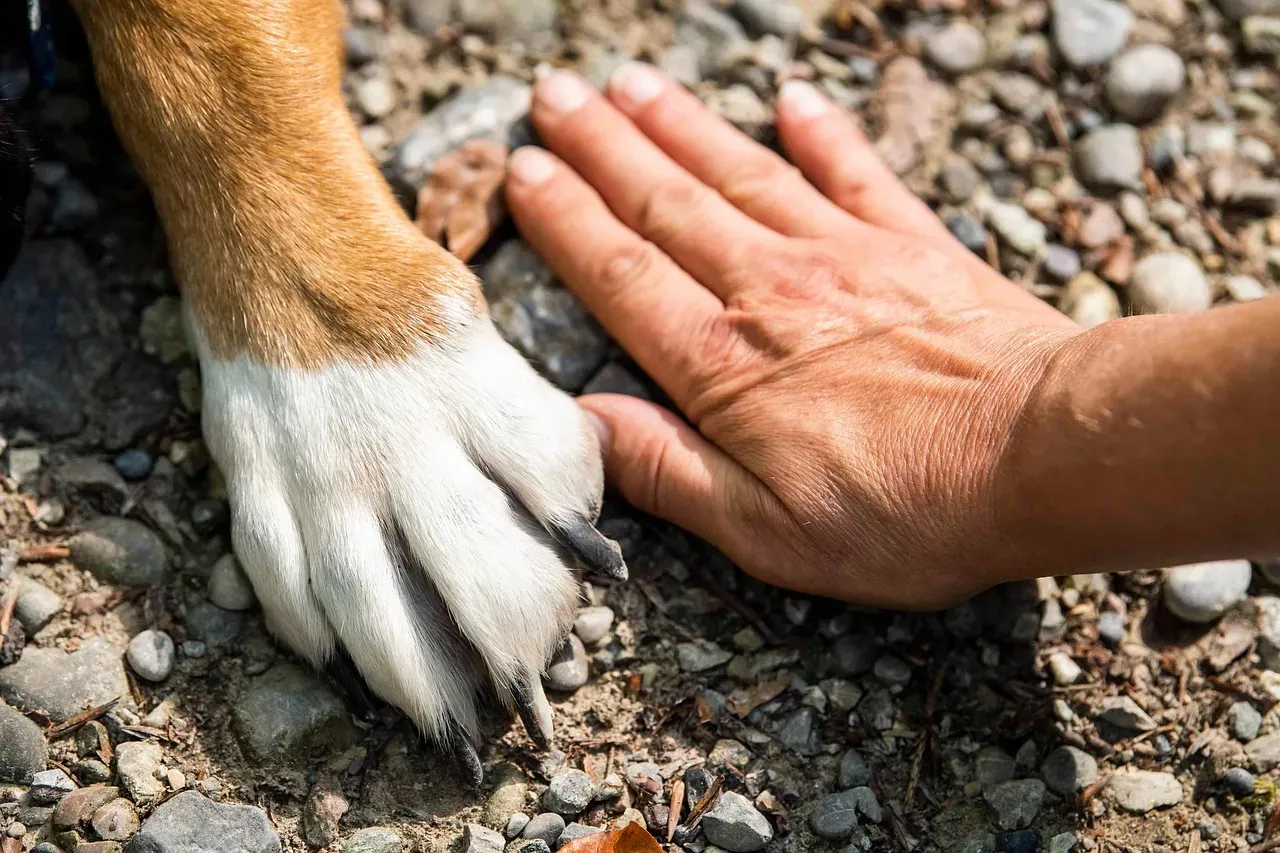
Such a simple gesture. A single paw resting on your knee or hand. Yet it works almost every single time to get your attention. This isn’t accidental touching.
When a dog paws at you, it’s not just a cute habit – it’s a calculated move to demand your focus. Whether they’re asking for treats, playtime, or belly rubs, this tactic works because it’s hard to resist that physical connection. The physical touch breaks through whatever else you’re doing. You can ignore a stare, maybe even a quiet whine. You can’t ignore a paw repeatedly tapping you.
Some dogs escalate this beautifully. One gentle paw doesn’t work? They add a second paw. Still no response? Time to add some weight, maybe climb into your lap entirely. They read your responses and adjust their strategy accordingly.
Selective Hearing at Its Finest
Your dog somehow can’t hear you calling them to come inside. Yet the moment you quietly open a treat bag three rooms away, they materialize instantly at your feet. Coincidence? Not even close.
Ever notice how your dog suddenly forgets their own name when you call them inside from the yard, but miraculously hears a treat bad crinkle from three rooms away? Definitely not a coincidence. Our pets have an impressive ability to selectively tune into sounds that benefit them while ignoring commands that don’t.
They’ve learned what’s worth responding to and what they can ignore without real consequences. If you eventually give up calling and walk over to them anyway, or if ignoring you means they get five more minutes of outdoor time, they’ve won. They’re not being disobedient. They’re being strategic about which requests actually matter.
The Guilt Trip Performance
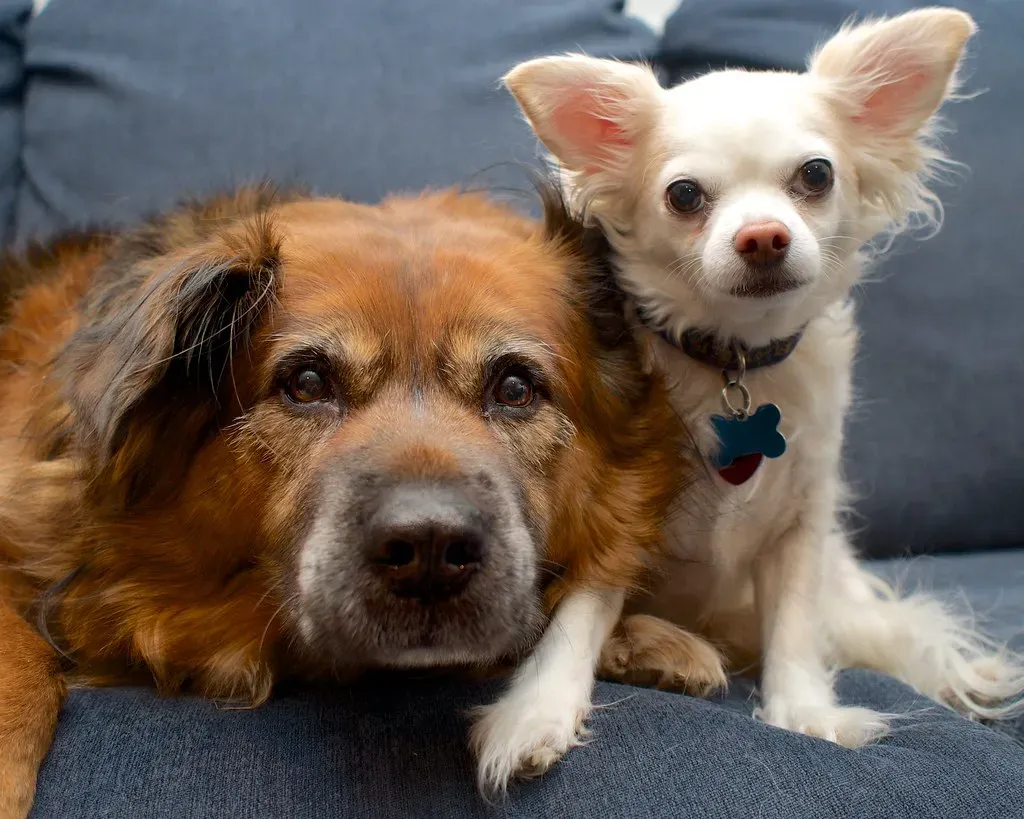
You come home to find the trash scattered across the kitchen. Your dog immediately goes into full guilty mode. Ears back, eyes averted, body lowered, maybe even rolling over to show their belly. They clearly know what they did wrong, right? Actually, probably not.
Often, submissive or appeasement signals are misinterpreted by owners to be indicative of “guilt” following an undesirable behavior. In truth, dogs that display submissive postures towards their owners are likely responding to discernible human body language or past association with punishment and are attempting to defuse the situation. They’re reading your anger or frustration, not reflecting on their trash diving adventure.
Studies show that dogs often display “guilt” simply because they know it defuses the situation. In other words, they know that sad puppy = doting, forgiving parents. It works because it’s nearly impossible to stay angry at a dog who looks that sorry, even if they’re probably just responding to your tone and body language rather than actually feeling remorse.
Strategic Positioning Near Food
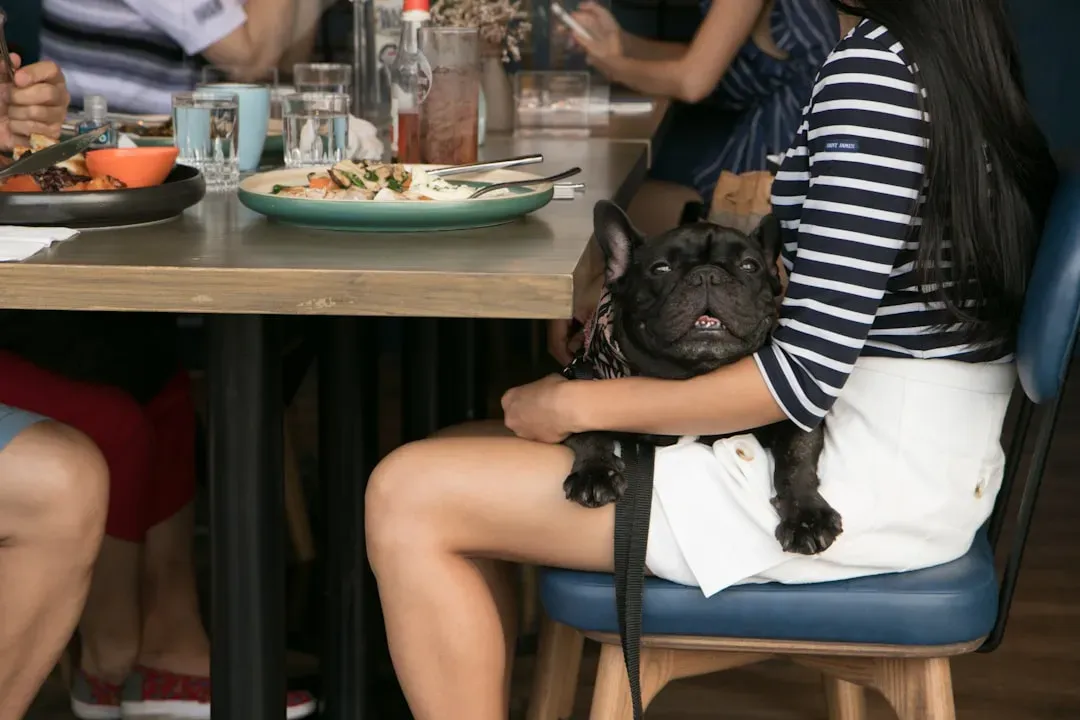
Your dog doesn’t accidentally happen to be sitting right beside you when you eat. That’s prime real estate, carefully selected for maximum effectiveness. They know exactly where to sit to be in your peripheral vision without being too obvious.
Your puppy is a creature of habit and will adjust their posture based on what has worked well before. That hopeful, patient sit by the treat cupboard is a learned performance, only reinforced by every biscuit you give them. They’ve mapped out the food traffic patterns in your house better than you have.
Watch them closely sometime. They position themselves where you’ll trip over them or have to acknowledge them. They sit with perfect posture, making direct eye contact, possibly adding a tiny whimper or tail wag. It’s a full production designed to make you feel like sharing that last bite of sandwich.
The Head Tilt of Irresistible Curiosity

Few things are more endearing than when your dog tilts their head while you’re talking to them. It makes them look thoughtful, engaged, like they’re really trying to understand your words. Turns out, they might actually be doing exactly that while simultaneously knowing how cute it looks.
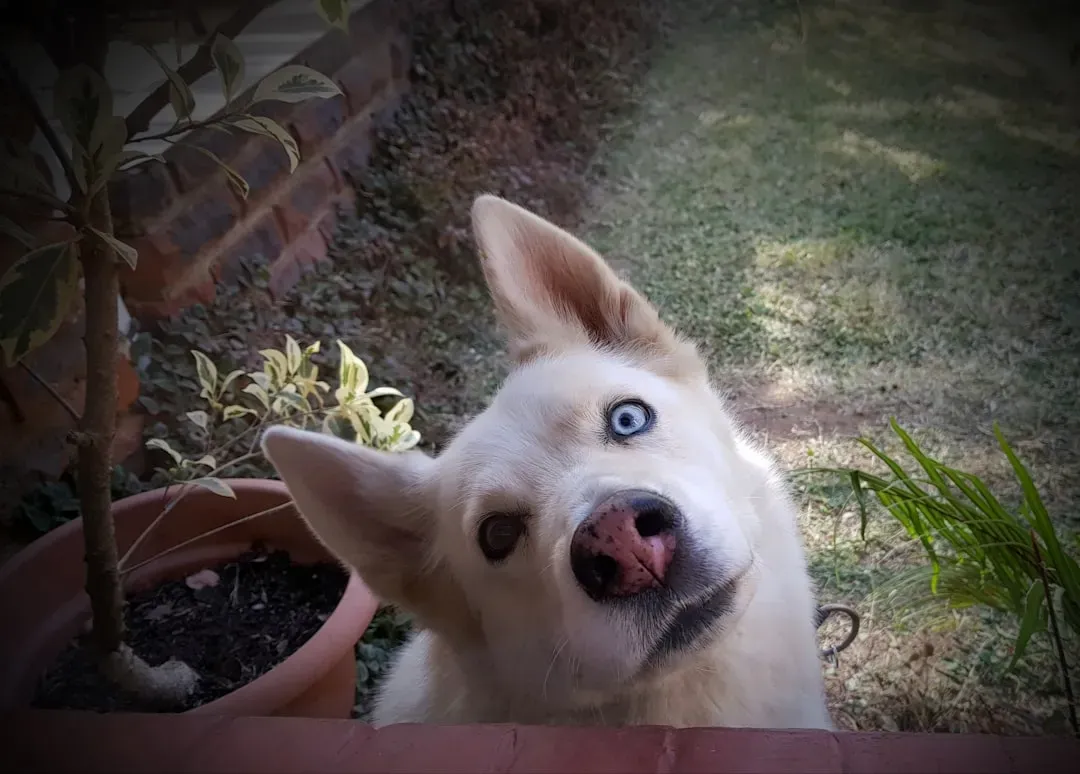
“There are no coincidences with your pet; a dog’s body language speaks a thousand words. They are master observers.” That head tilt helps them locate the source of a sound and better read your facial expressions. Yet dogs also seem to do it more frequently with humans than with other dogs.
They’ve learned that this particular gesture gets positive responses from us. We smile, we talk more, we engage. So they do it more often, especially when they want something. It’s functional and manipulative in the best possible way.
Bringing You Toys as Bribes
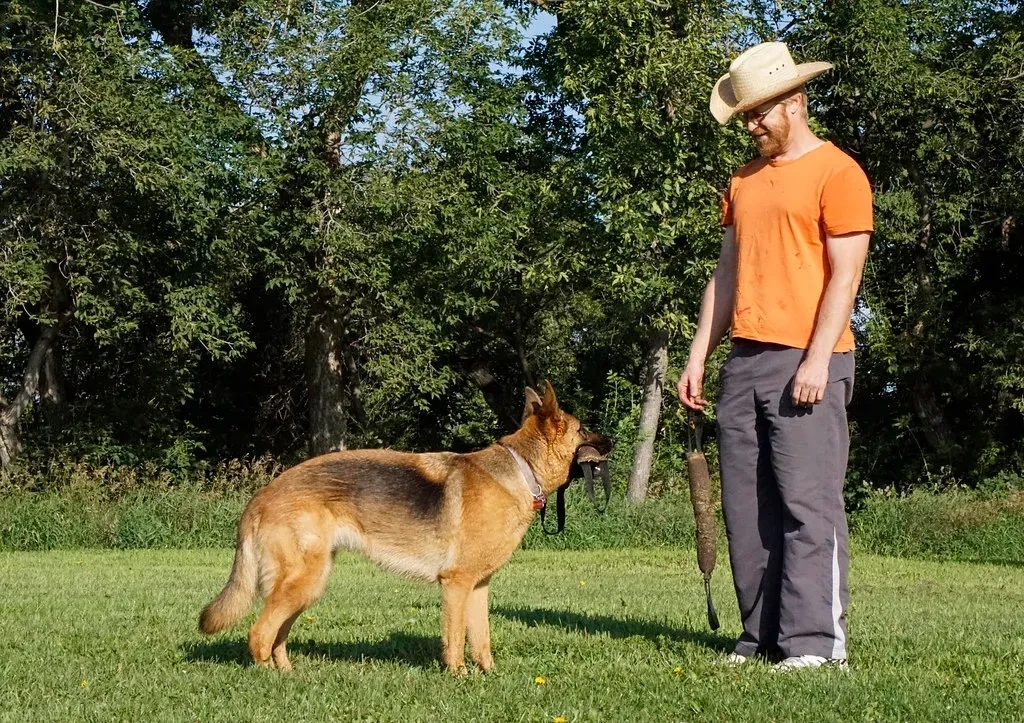
Your dog parades their favorite toy in front of you, maybe even drops it in your lap. How sweet, they want to share! Or do they? This is often less about generosity and more about negotiation.
Dogs will often parade their favorite toys in front of you, not because they’re feeling generous, but because they want something in return – like a play session or your undivided attention. This tactic is all about drawing you into their world on their terms. It’s an invitation you’re meant to accept.
Some dogs get incredibly sophisticated with this. They learn which toys get the biggest response from you. They know that bringing you the squeaky toy when you’re trying to relax means you’ll probably engage just to stop the squeaking. They’re not just playing. They’re negotiating the terms of your interaction.
Sudden “Helplessness” When Convenient
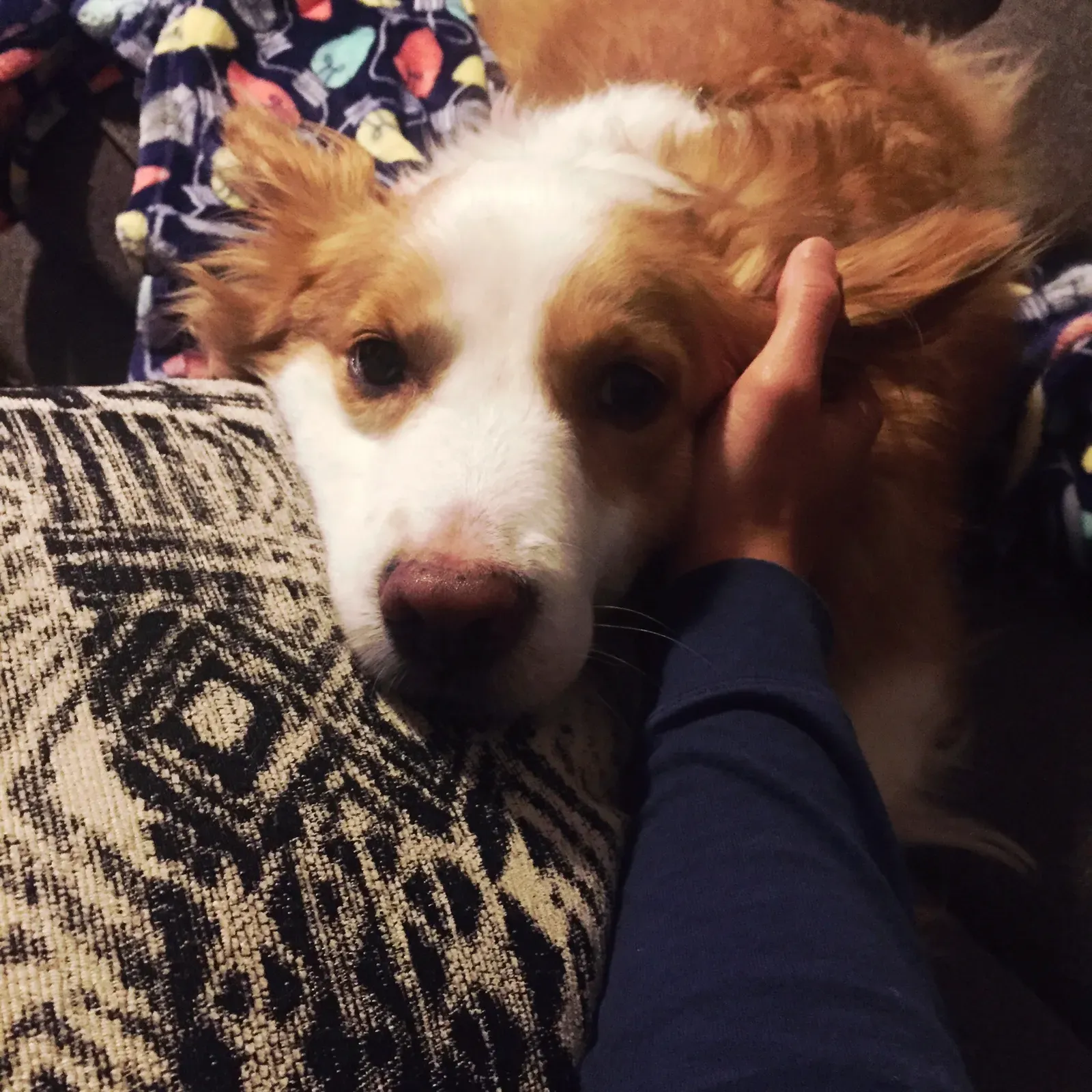
Your dog has jumped on the couch thousands of times without issue. Yet suddenly, when it’s bedtime and they want to sleep in your bed, they stand beside it looking helpless, as if they’ve forgotten how their legs work.
Some dogs take manipulating you to the next level by pretending they need extra help when they really don’t. Ever seen your dog refuse to jump onto the couch even though they’ve done it a hundred times before? Or pretend they can’tmove unless you carry them? They’re not struggling. Your dog has learned that if they act like they need help, you’ll dote on them more.
It’s honestly kind of genius. Why expend the energy when you’ll lift them up yourself? Why walk when you might get carried? They’ve figured out that learned helplessness gets them extra attention and physical affection. Can you really blame them?
The Double Dinner Scam
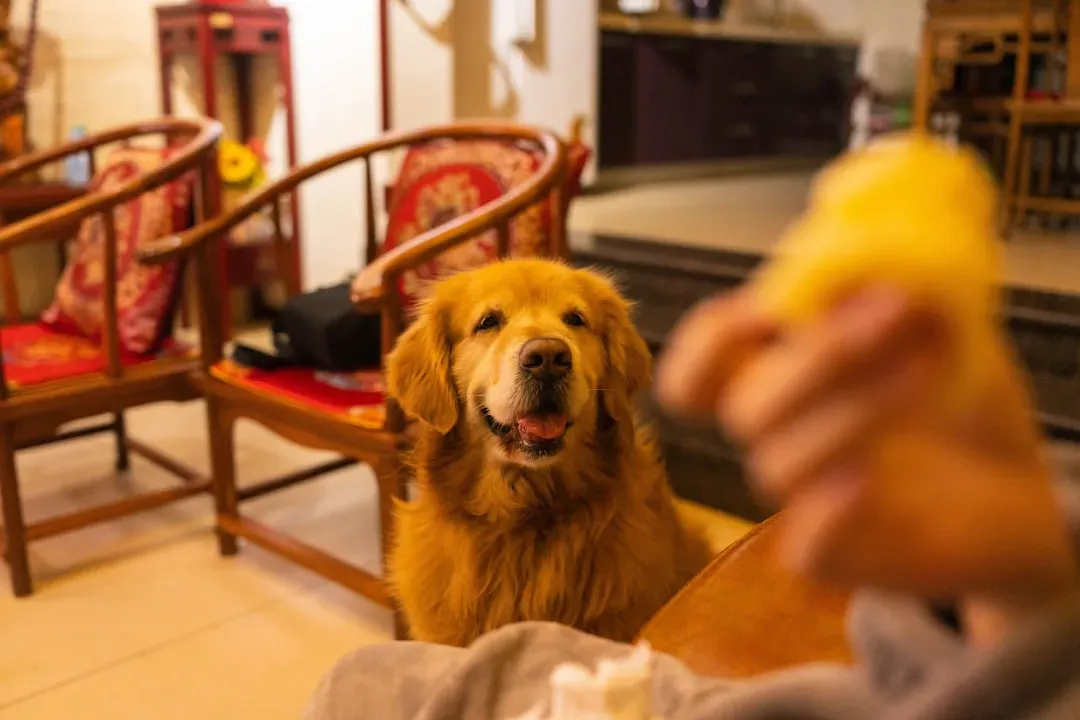
If you live in a multi person household, your dog might be running the most successful con of all. They convince each person, separately, that they haven’t been fed yet. Those sad eyes, that empty bowl performance, it works on everyone.
Your dog acts like they’re absolutely starving, sits by their bowl with that heartbreaking expression, and doesn’t let on that they already ate an hour ago when your partner fed them. Your dog knows exactly how to work the system. They understand that different people in the house don’t always communicate about who fed the dog.
Smart dogs learn the schedule and optimize it. They know that if they beg right before someone usually arrives home, they might get a second dinner. They’re not being greedy. Well, maybe they are. They’re being opportunistic, which is a survival skill we’ve just given them the perfect environment to practice.
The Dramatic Sigh
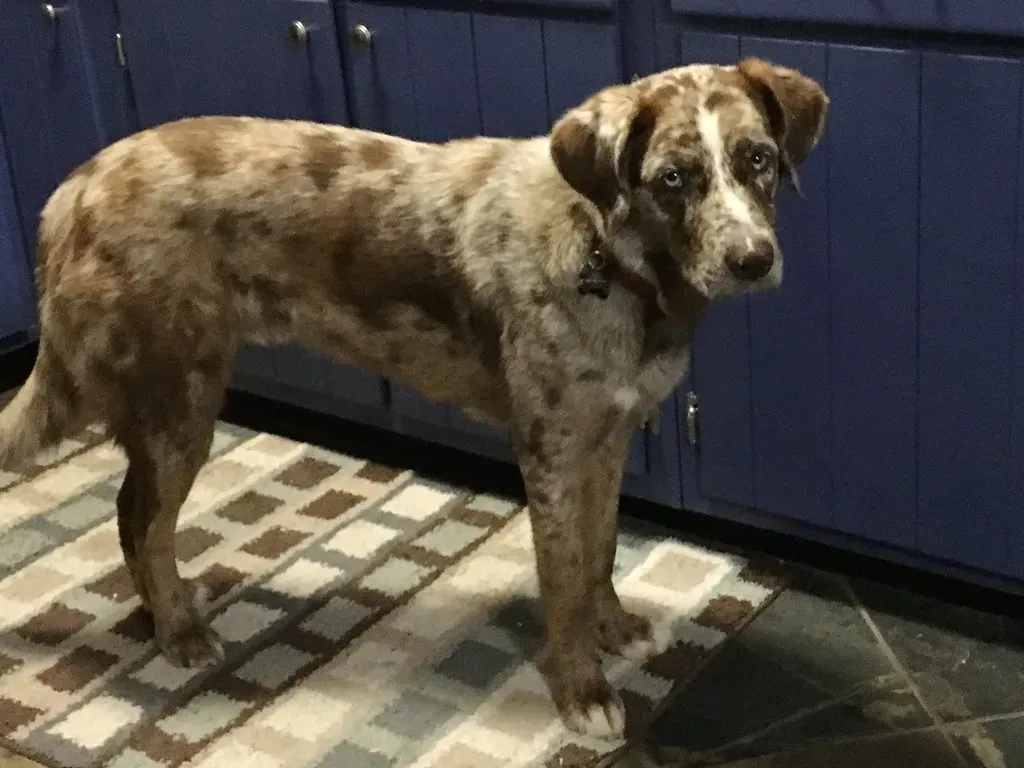
Your dog lets out a deep, heavy sigh while lying near you. It sounds almost human in its exasperation or contentment. You might not realize this seemingly innocent behavior is actually a form of communication designed to get a reaction.
That deep sigh might seem innocent, but it’s often a signal that your dog wants you to relax or stay put. They’re commenting on the situation, trying to settle you down or draw your attention to their presence. Sometimes it’s contentment, sure. Other times it’s a gentle reminder that they exist and would like some acknowledgment.
Dogs watch our reactions to their sighs. If sighing gets you to reach down and pet them, they’ll remember that. If it makes you laugh or talk to them, even better. It’s a low effort, high reward behavior that many dogs perfect over time.
Sudden Perfectly Timed Good Behavior
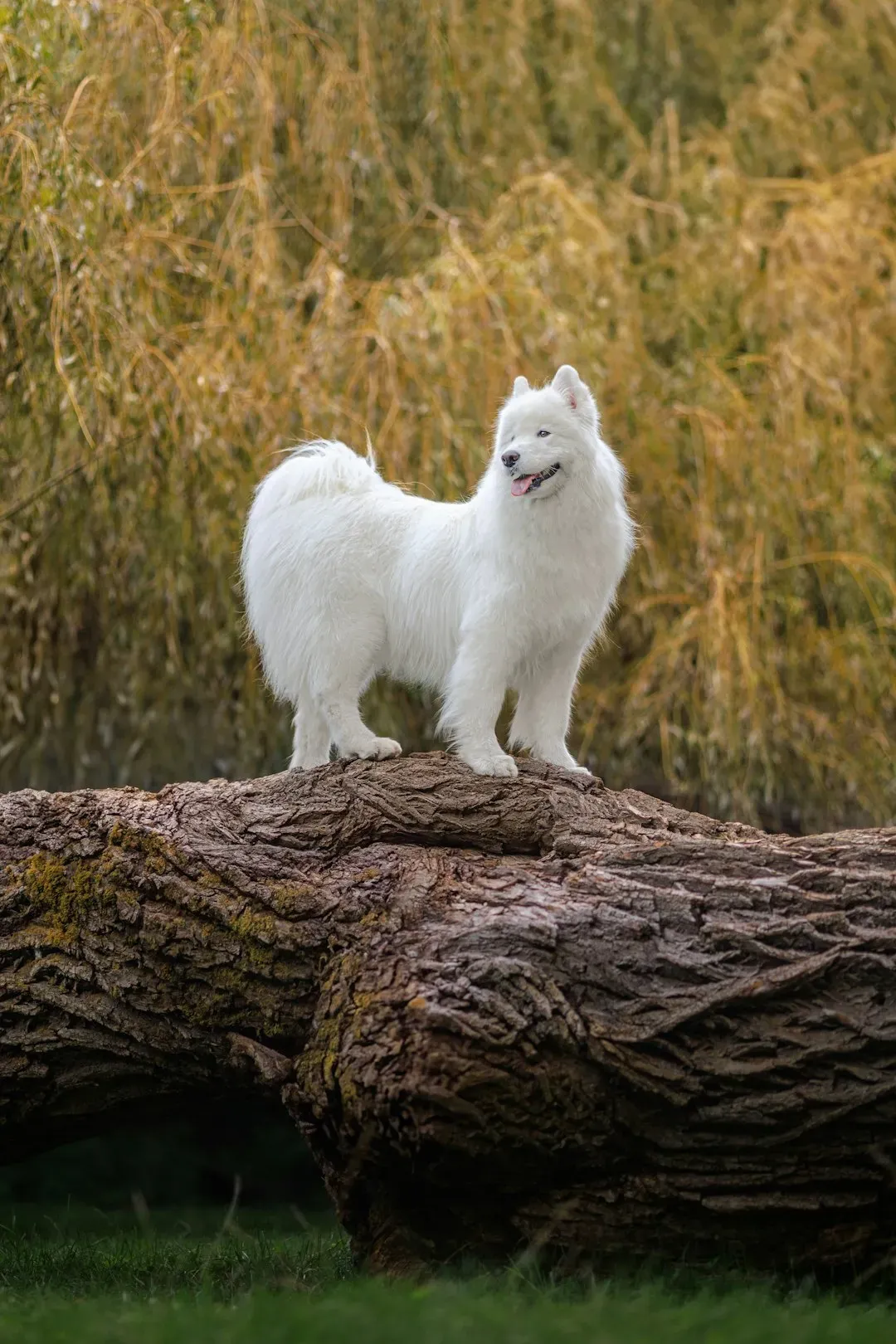
Your dog has been ignoring you all day, doing their own thing. Then suddenly, right when you’re about to give them a treat or right after they’ve done something they shouldn’t have, they become the most obedient dog in the world.
Dogs know when they’ve pushed boundaries. When they suddenly “behave” after ignoring you all day, it’s often a strategic move to get back in your good graces – or to score a treat. This shift in behavior is as calculated as it is adorable.
They sit perfectly. They make eye contact. They might even perform tricks you didn’t ask for, just to remind you how good they can be. It’s damage control or opportunism, depending on the situation. Either way, they’re reading the room and adjusting their behavior to maximize their chances of getting what they want.
Being Absolutely Adorable

Sometimes the most effective trick is the simplest one. Your dog doesn’t need to do anything specific. They just need to be themselves. Cute, loyal, affectionate, and completely devoted to you.
The most effective manipulation technique is simply being the best dog ever. Your pup showers you with love, obeys commands (when they want to), and knows exactly how to brighten your day. This is the foundation all their other strategies rest on. They’ve built such a strong bond with you that you want to make them happy.
“Canines are emotionally intelligent, just like us. Our pups can read our tone, body language and expressions far better than we read theirs.” They know us intimately. They know what makes us laugh, what makes us soften, what makes us give in. They use all of that knowledge, wrapped up in genuine affection, .
Conclusion
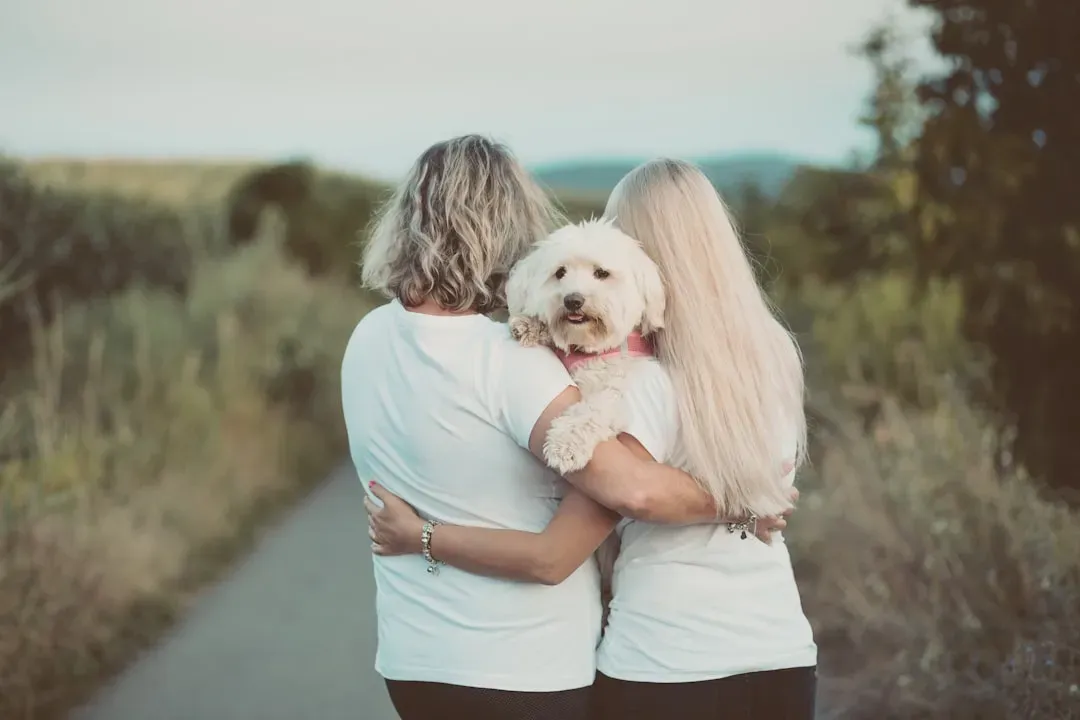
Let’s be real. We’re not actually upset that our dogs have figured out how to manipulate us. If anything, it makes us love them more. Their ability to communicate their needs, to read our emotions, to form these incredibly deep bonds with us is exactly why they’ve been our companions for thousands of years.
“They really have the capacity from the cognitive aspect to use such a strategy to have a benefit in their lives.” Dogs are smart, emotionally intelligent creatures who have learned to thrive in our world by understanding us better than we sometimes understand ourselves. Every pawing, whining, sighing, eye making moment is part of the beautiful, complex relationship we share with them.
So the next time your dog gives you those puppy eyes or sighs dramatically by your feet, just know what’s happening. They’re using thousands of years of evolutionary refinement to get that treat or belly rub. Will you give in? Probably. Because honestly, being wrapped around their paw is exactly where most of us want to be.


