
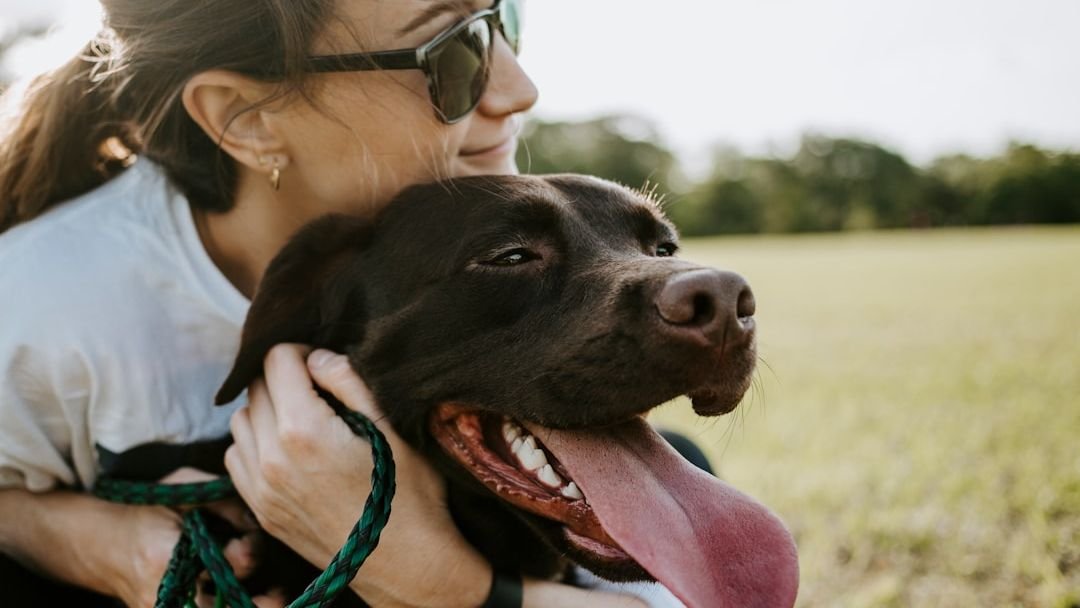
You’re heading to the kitchen for a snack. Your dog trails behind you. You walk to the bedroom to grab your phone. There they are again, padding softly at your heels. Even a trip to the bathroom isn’t solo anymore because your furry companion has decided that personal space is entirely optional. If this sounds familiar, you’re not alone. Millions of dog owners share their lives with these devoted shadows who seem magnetically drawn to their every move.
It’s both endearing and occasionally baffling, isn’t it? Why does your dog act like you might vanish if they let you out of their sight for even a moment? The reasons are actually more fascinating than you might think, rooted in everything from ancient survival instincts to the deep emotional bonds we share with our canine friends. Let’s explore what’s really going on in that furry head of yours.
They’re Wired to Stick Together
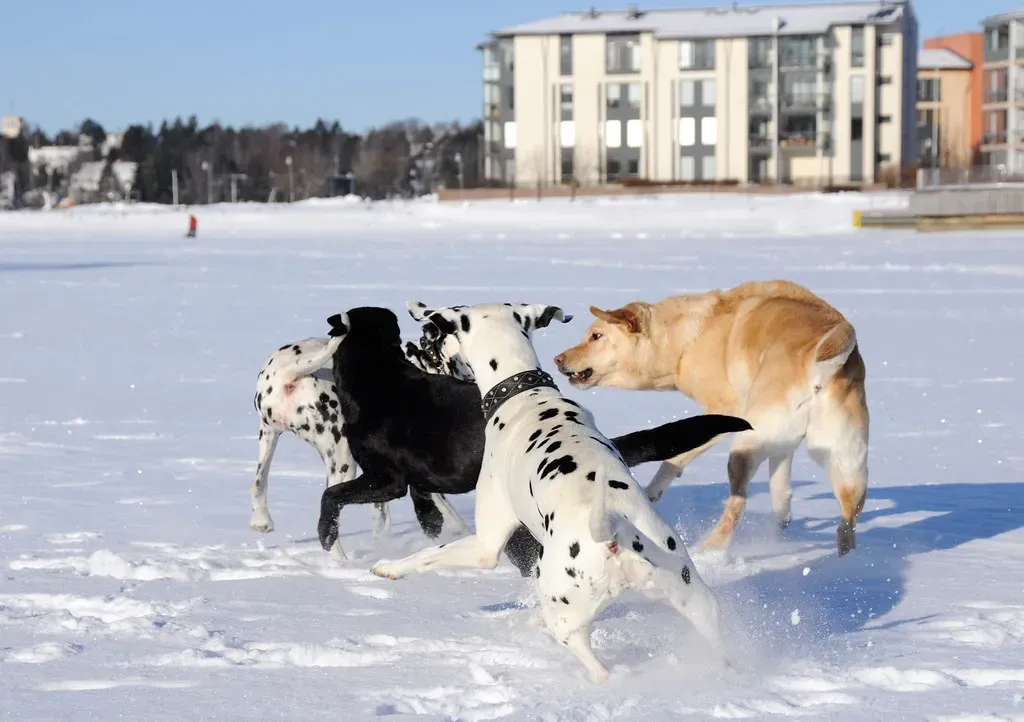
Dogs are descended from wolves, and these ancient relatives lived in tight family groups where sticking close to the pack was essential for survival. Think about it from an evolutionary perspective. Wolves that wandered off alone were vulnerable to predators, starvation, and all sorts of dangers. Those who stayed near their pack thrived.
Thanks to thousands of years of domestication, dogs’ attachment has shifted from other dogs to humans. You’ve essentially become their pack now. When your dog follows you, they’re showing that they enjoy your company and feel secure with you. It’s hardwired into their DNA to seek out their family members and maintain that connection.
This isn’t about dominance or trying to be the boss. You are your dog’s whole world and being with you is a big part of their life. They’re simply doing what comes naturally, following the being they trust most in this world.
Love, Pure and Simple
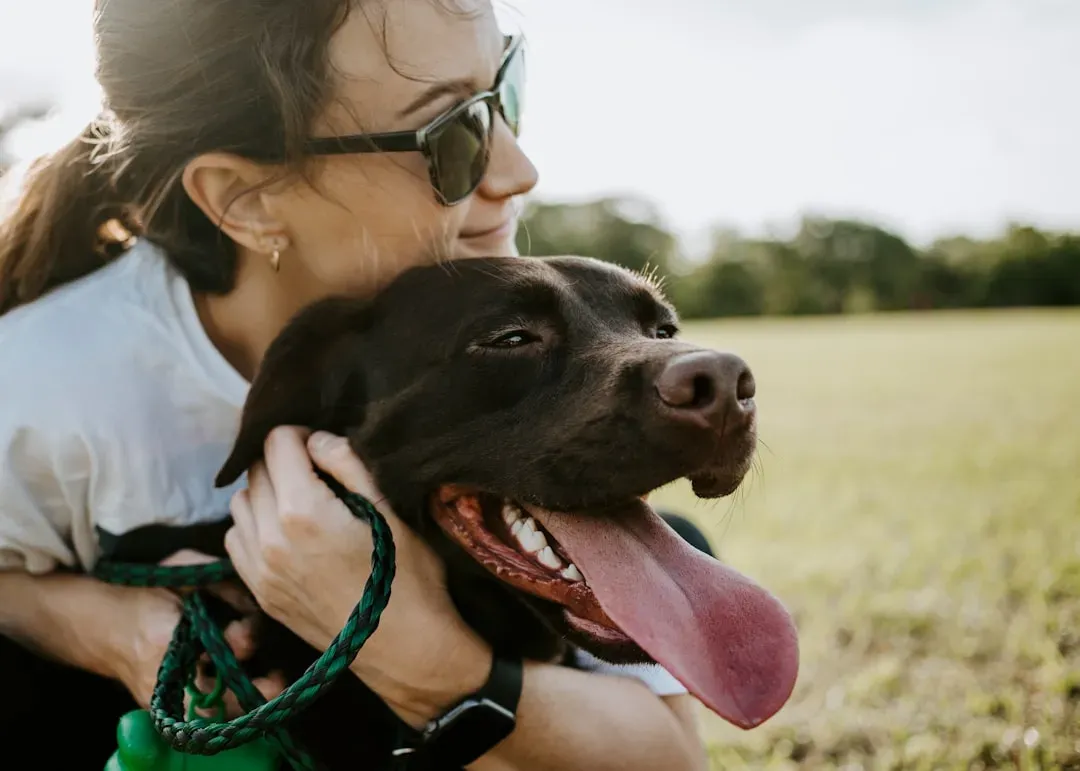
When dogs interact with someone they like, the hormone oxytocin is released, often referred to as the ‘love hormone’. Yes, the same chemical that makes humans feel all warm and fuzzy is coursing through your dog’s system when they’re near you. Science backs up what we’ve always suspected: our dogs genuinely adore us.
When your dog follows you, they’re showing that they enjoy your company and feel secure with you. They’re not plotting world domination or trying to manipulate you. Dogs are social animals, and simply being with you usually makes them happy, whether you’re just folding laundry, going to the bathroom, or doing the dishes.
It’s honestly kind of beautiful when you think about it. Your dog has chosen you as their favorite person, their source of comfort and joy. Every step they take behind you is a tiny declaration of love. They’re saying, without words, that being near you is exactly where they want to be.
You’re the Treat Dispenser
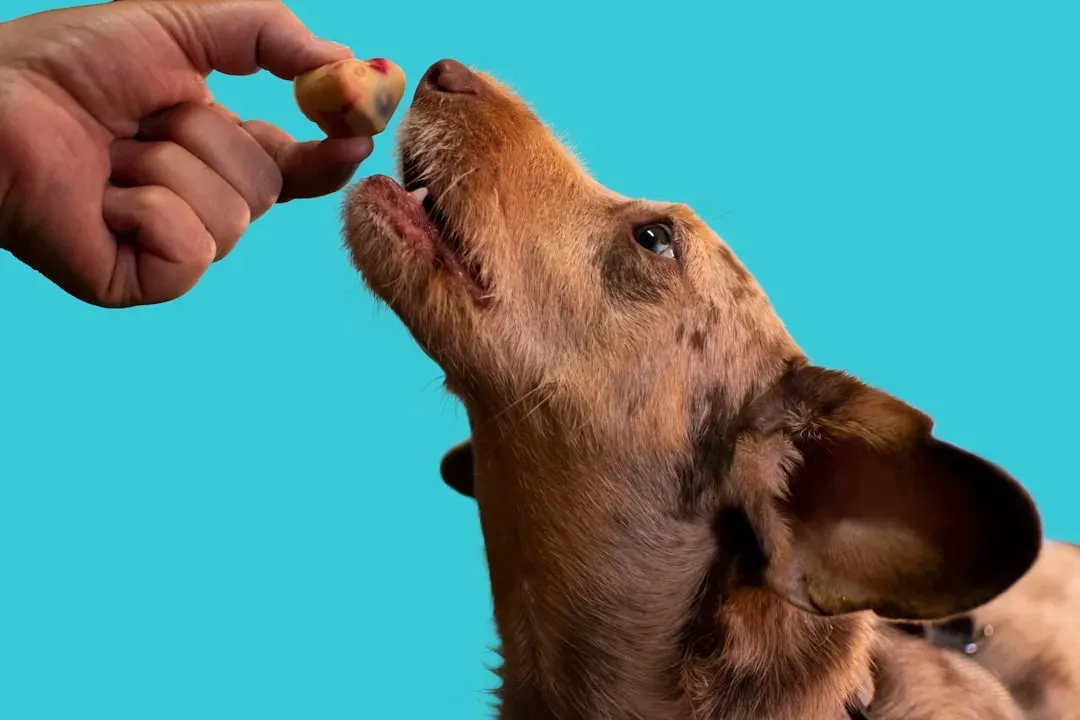
Let’s be real here. Your dog has figured out that following you often leads to good things. Lots of pets learn to clue in on daily routines, like the fact that they are fed or walked at certain times. They know that when you head toward the kitchen, food might appear. When you pick up the leash, an adventure awaits.
Dogs are quick learners, so if being near you leads to treats, affection, or praise, they’ll repeat the behavior. You might not even realize you’re reinforcing this pattern. That absent minded head scratch when they follow you to the couch? That little piece of cheese you drop when opening the fridge? Your dog notices all of it.
This doesn’t mean their affection is fake or conditional. They genuinely love you. The treats and attention are just wonderful bonuses that make following you even more appealing. Smart creatures, aren’t they?
When Following Becomes a Problem
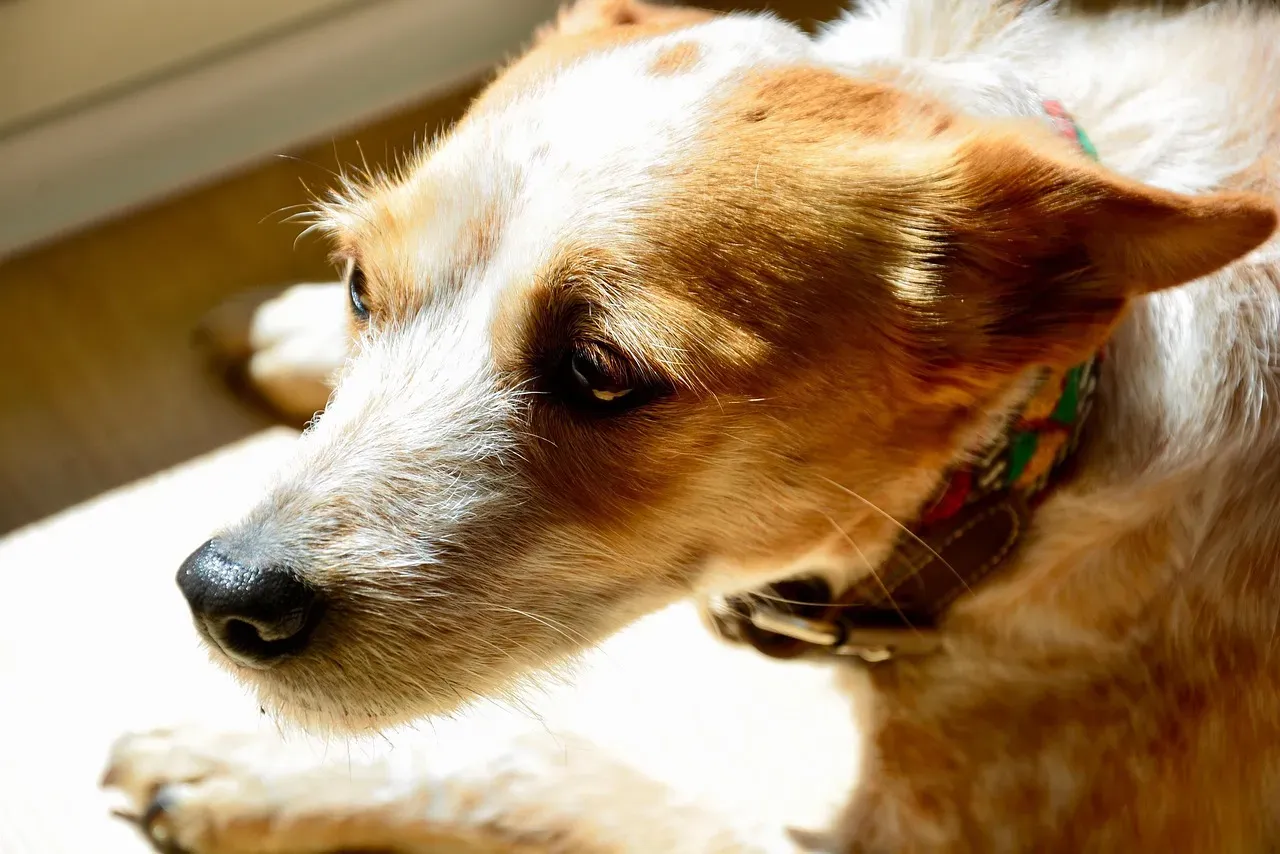
Following behavior can also be a sign of anxiety and overdependence. There’s a difference between a dog who enjoys your company and one who panics the moment you’re out of sight. Does your dog prefer to be with you or are they unable to be without you? That distinction matters enormously.
Some dogs might urinate, defecate, bark, howl, chew, dig or try to escape, which can be symptoms of distress. Separation anxiety is triggered when dogs become upset because of separation from their guardians, the people they’re attached to. Watch for signs like excessive panting, trembling, pacing, or destructive behavior when you leave.
If your dog suddenly started following you everywhere, it could indicate an underlying condition like hearing or sight loss, especially if your dog is a senior. Sometimes clingy behavior signals that something isn’t right physically. A veterinary checkup can rule out medical issues and give you peace of mind.
Teaching Healthy Independence
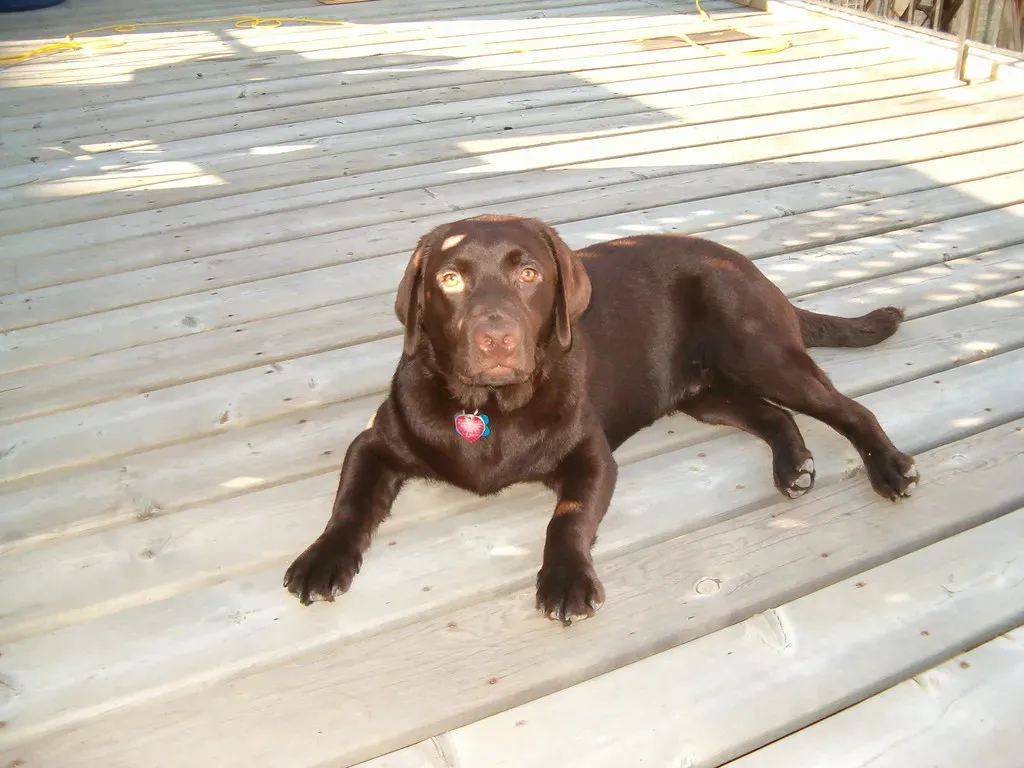
You can help your dog feel more confident on their own without sacrificing your bond. Begin by leaving your dog alone for short periods, then gradually increase the time, teaching them that it’s okay to be by themselves and that you’ll always return. Start small, maybe just stepping into another room for a few seconds.
Make sure your dog is getting plenty of exercise because a tired dog is usually a content dog and less likely to continually follow their owners. Physical activity burns off nervous energy and helps them relax. Mental stimulation matters too. Puzzle toys, training sessions, and sniffing games tire out their brains as much as their bodies.
Independence doesn’t mean less love or attention, it’s about helping your dog feel secure and happy, even in your absence. Create a safe, comfortable space where they can settle when you’re busy. Reward calm, independent behavior with treats and praise. Consistency is everything here, so stick with it even when progress feels slow.
Conclusion
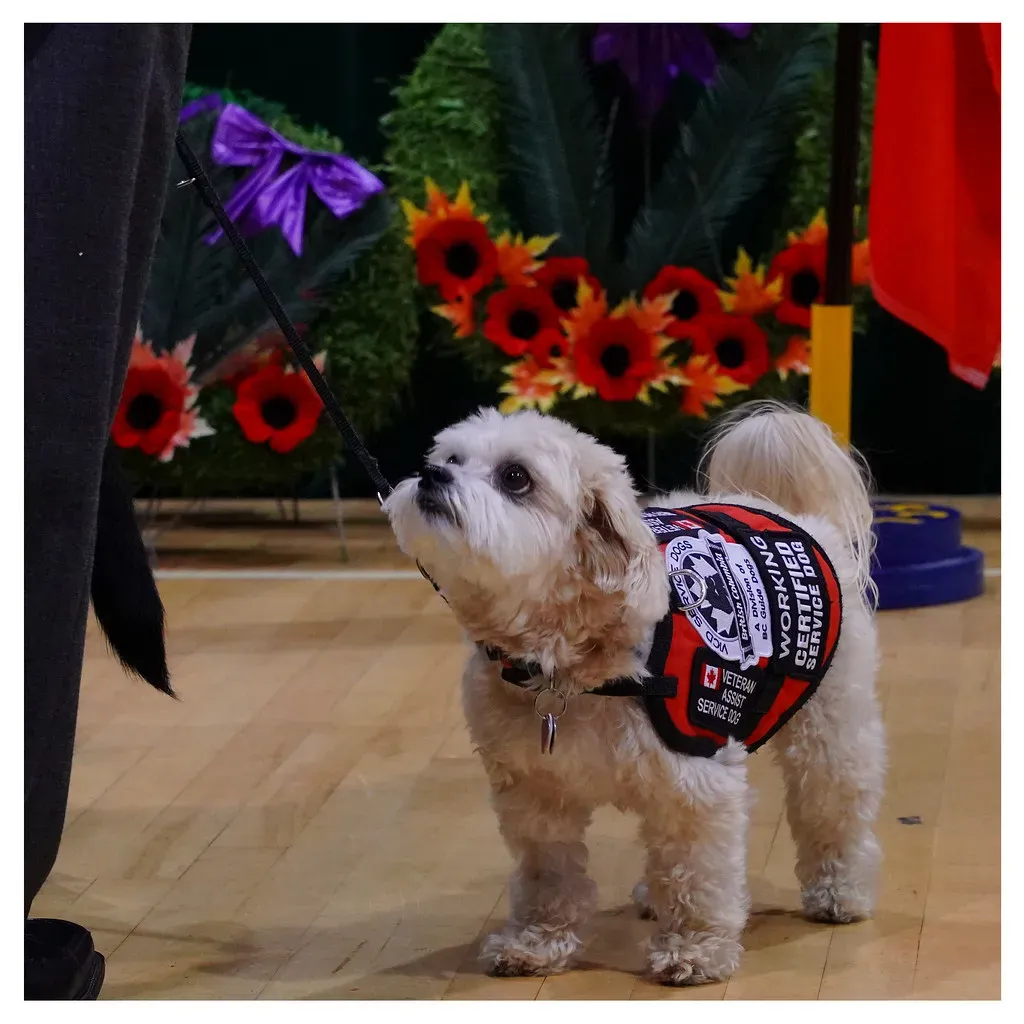
because they love you, they’ve learned it brings rewards, and their instincts tell them to stay close to their pack. It’s a beautiful testament to the bond you share, though it can sometimes tip into unhealthy territory if anxiety takes over. Understanding the why behind this behavior helps you appreciate those sweet moments when your shadow tags along while also recognizing when they might need extra support.
The key is balance. A dog who happily follows you but can also relax independently is living their best life. So embrace those bathroom visits with an audience, cherish the companionship, and know that when your dog trails behind you, it’s one of the purest expressions of trust and affection in the animal kingdom. What’s your dog’s favorite room to follow you into?


