
You’ve probably noticed it dozens of times. Your dog walks right past the beautiful, cushioned bed you spent good money on, circles twice on the cold kitchen tile, and settles down with a satisfied sigh. It seems almost deliberate. Maybe even a little personal.
Here’s the thing: it actually is. Dogs are naturally attentive to their surroundings, and the places they choose to rest are rarely random. A dog’s favorite resting spot often reflects a balance between comfort, security, and proximity to their family. Every nap spot your dog claims tells you something real, something worth knowing, about how they feel in their world.
Dogs are masters of comfort and communication, choosing places that feel just right for them. From instincts passed down over generations to simple physical comfort, the spots your dog picks can tell you a lot about what they need. Once you start reading those choices, you’ll see your dog a little differently.
It Starts With Scent: How Your Dog Navigates the World Nose-First
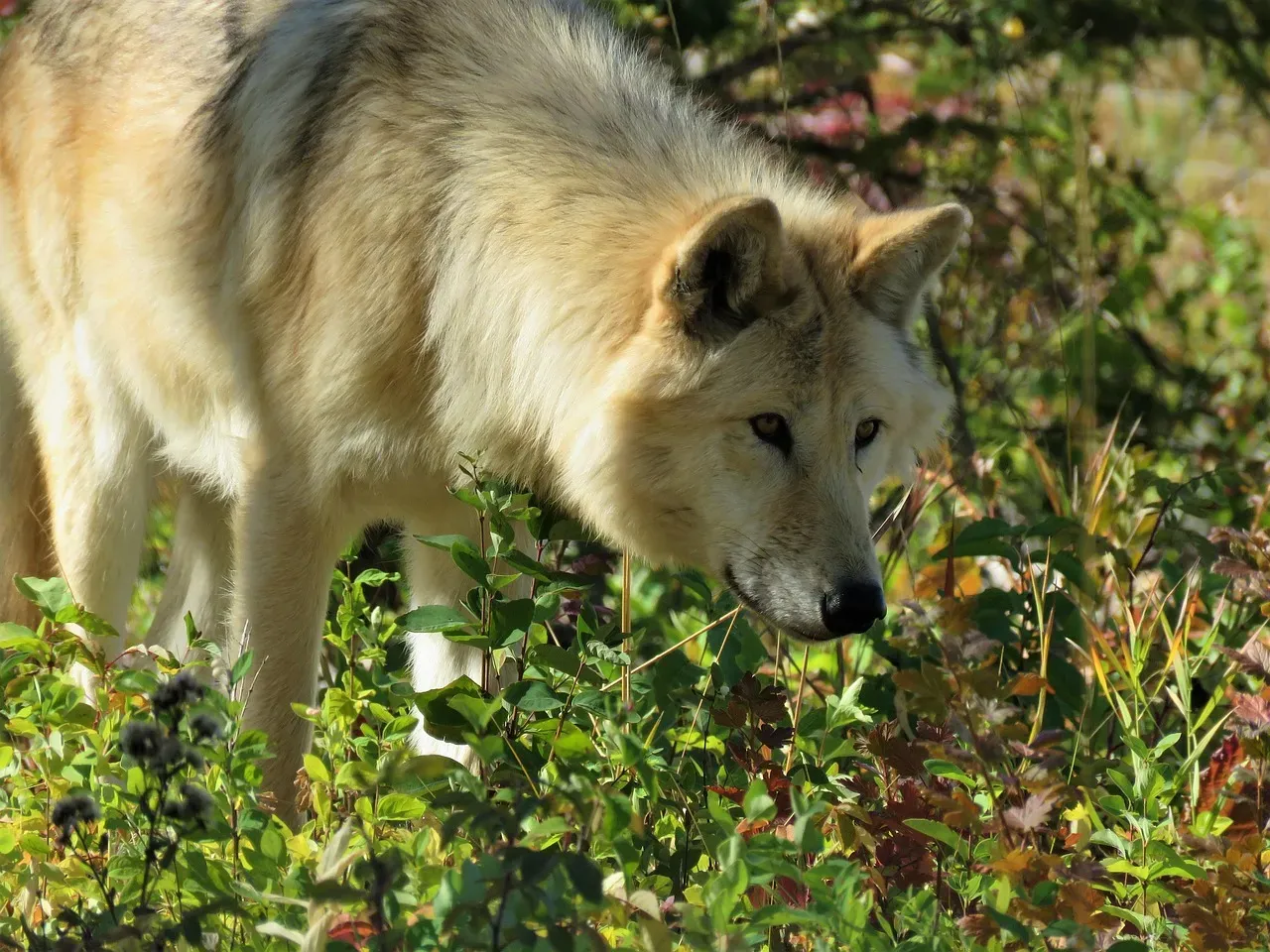
Before your dog evaluates a spot visually, they evaluate it through smell. One of the most important things to understand about how dogs pick a place to sleep is that they go through the world nose-first. Dogs don’t see colors as vividly as us humans; however, they have more than 220 million olfactory receptors in their nose, over four times more than ours. That’s not a minor sensory advantage. It shapes everything.
Dogs’ sense of smell is 10,000 to 100,000 times more acute than ours. They often look for a resting spot that smells like you, or other members of their “pack.” This is why your dog gravitates toward your laundry pile, your side of the couch, or the spot on the carpet where you sit every evening. They’re not being clingy. They’re seeking emotional safety through familiar scent.
Dogs select locations rich in familiar scents, including their owner, the home, and their own bedding. Familiar smells provide reassurance and reduce anxiety. New or foreign scents can attract investigation and temporary occupation. So if your dog abandons their usual bed after you wash it with a new detergent, that’s not stubbornness. A new cleaning product, air freshener, or even washing their bedding with a different detergent can make the area feel unfamiliar. Dogs associate comfort with familiar smells; if that smell changes, they may seek a more familiar or neutral spot. If you suspect this is the case, try using unscented cleaners or placing an item with their scent in the area to encourage them back.
The Safety Factor: Why Location Is About More Than Comfort
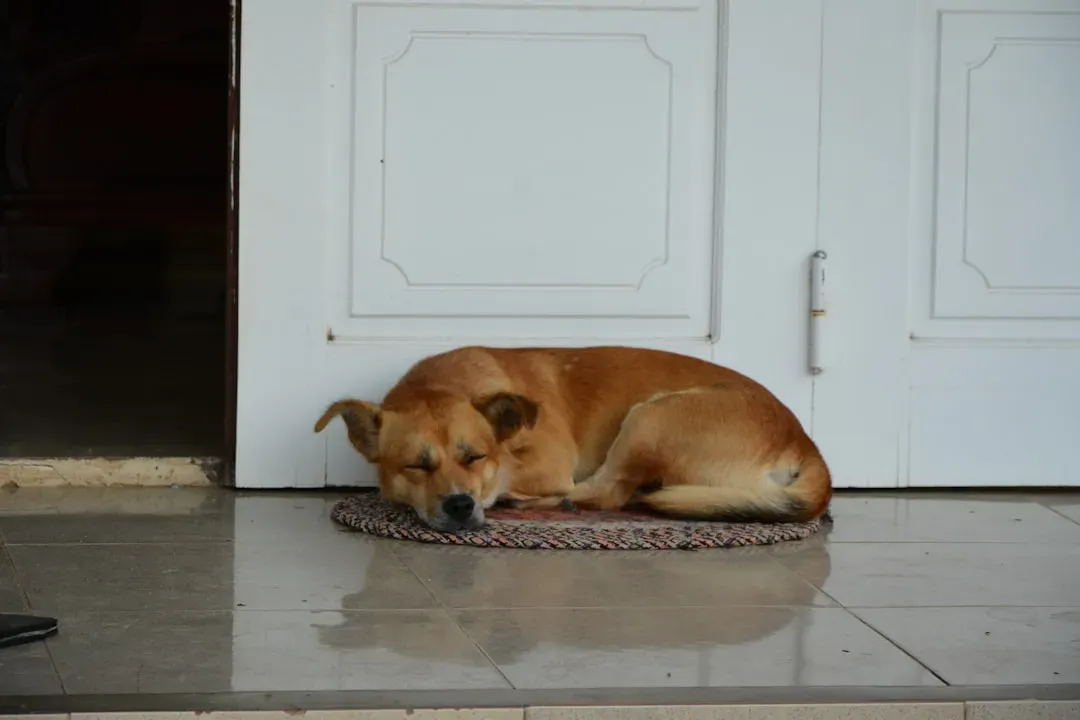
Dogs are descendants of wild ancestors who needed to find spots that offered safety and security before settling down. That instinct hasn’t disappeared just because your pup lives in a comfy home. A sleeping location that feels safe, perhaps near you or in a corner with a good vantage point, can help them relax completely. This is especially true if your dog sleeps near a doorway or another strategic spot where they can monitor activity, keeping an eye on their “pack” and their territory.
Dogs often position themselves by the door as a way to assert their connection to and guardianship of their territory. This behavior is deeply rooted in their instinct to protect their living space and loved ones. Dogs have a natural instinct to guard their territory, and positioning themselves by the door allows them to monitor and protect their home. By sleeping near the door, dogs feel more secure and are able to quickly respond to any potential threats or unfamiliar noises outside. It’s protective, not anxious.
Circling before lying down is an instinctive behavior that helps dogs get comfortable and feel safer by flattening the grass in the wild to create a nest. That same pre-nap spin you find adorable on your hardwood floor? It’s the same ancient ritual, just without the tall grass. Understanding that these behaviors come from a deep evolutionary place helps you appreciate your dog’s instincts rather than dismiss them.
Closeness and Connection: What It Means When Your Dog Chooses You

This behavior comes from pack instincts that encourage dogs to rest close to trusted companions. Dogs look for security during sleep because rest makes them vulnerable. When a dog presses against you, it shows trust and confidence in your presence. That is a genuinely meaningful signal. Rest is when animals are at their most exposed, and your dog is choosing to be vulnerable right next to you.
Dogs rely strongly on scent. Your smell signals safety and familiarity. Sleeping against you surrounds your dog with a scent that helps it relax and rest. Dogs are social animals and often want to be close to their family for emotional security. Because of this bond, they may move from one area to another throughout the day depending on where the family is and where they feel most connected and safe. Watch how your dog tracks the household. Where you are matters more than where the best bed is.
When dogs sleep back-to-back, it can signal that they have deep trust in their other “pack” members. From a dog’s perspective, this means that they are trusting the other, whether dog or person, to help protect them. If your dog presses their back against yours in the night, that’s not just warmth-seeking. It’s a quiet declaration of trust.
Temperature, Routine, and the Logic Behind Shifting Spots
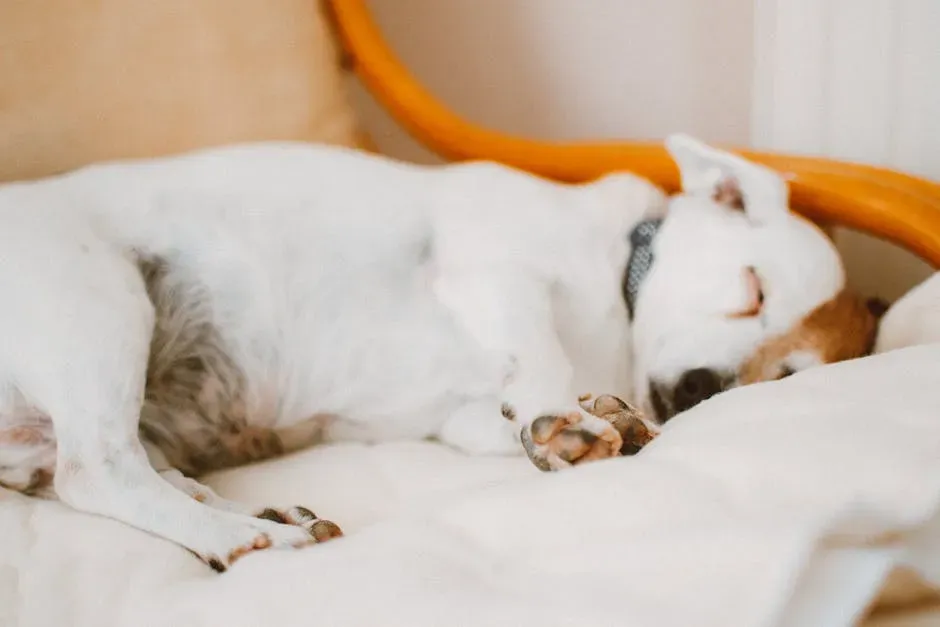
Temperature and the physical environment are major factors in where dogs sleep. Dogs don’t sweat like humans do, so they’re more sensitive to heat and cold. On a chilly morning, your dog might opt for a cushioned bed or a sunny spot by the window. On hot afternoons, they may sprawl out on cool tile in the kitchen or bathroom. These shifts aren’t about disobedience. They’re about comfort and self-regulation.
Wild dogs scratched away hotter topsoil or wet ground cover to get at the cooler and drier ground beneath. It’s how they get comfortable. That scratching and circling behavior before your dog lies down is tens of thousands of years old. Dogs thrive on predictability, and routine plays a role in sleep preferences too. A spot that has been warm, quiet, and calm in the past may become a “favorite,” simply because your dog learned it’s a good place to relax. If that spot becomes less comfortable due to noise changes or temperature shifts, they might adapt and find a new favorite. It’s a dynamic process influenced by both past experience and current conditions.
Place beds in different areas of your home to cater to your pup’s mood. A quiet corner for relaxation, a spot with a view for daytime naps, and a cozy nook for nighttime rest can keep your dog content and engaged. Giving your dog options is one of the simplest and most underrated ways to support their wellbeing.
When a Spot Change Is a Health Signal You Shouldn’t Ignore
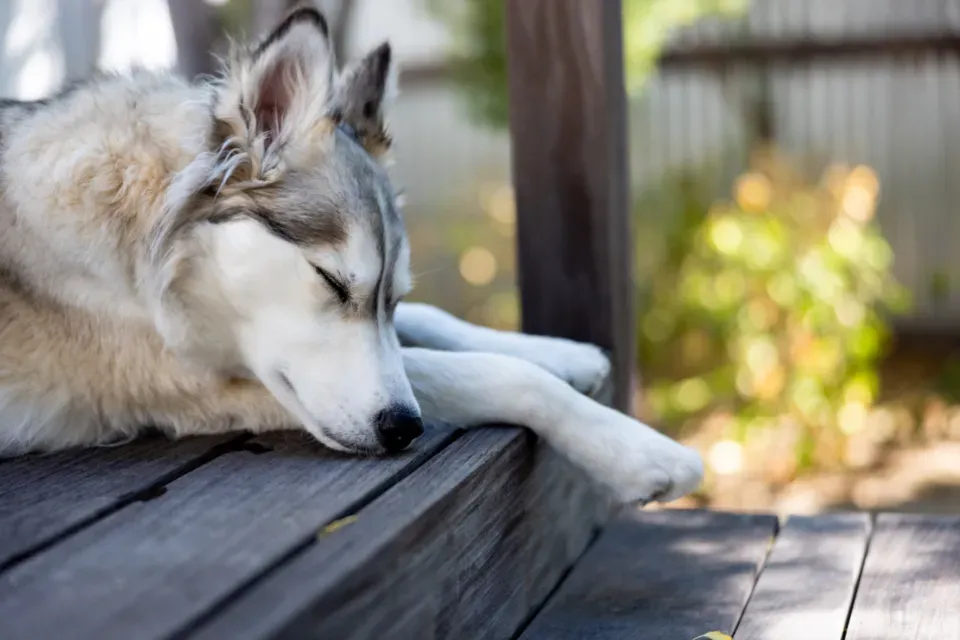
Dogs often change sleeping places due to discomfort, stress, or health issues. Symptoms include restlessness or frequent repositioning. Causes can be pain, temperature changes, or anxiety. Most spot changes are benign, seasonal, or simply a preference update. Every now and then, though, a shift in sleeping location is your dog trying to communicate something more urgent.
If your dog suddenly starts sleeping in a new place, it could be a sign that they’re experiencing discomfort. Arthritis, joint pain, or other health issues might make their usual bed less comfortable than before. A softer or more supportive surface may ease their pain, so they might opt for a new spot like a couch or a thick rug. If this change is accompanied by other signs like limping, difficulty getting up, or restlessness, it’s worth checking in with a vet.
It is normal for dogs to change positions while sleeping, but frequent repositioning can sometimes indicate discomfort or an underlying health issue. Watch for signs of pain such as whimpering or difficulty getting comfortable. Check if the bed is appropriate for your dog’s size and breed. If you notice any of these signs persisting for more than a few days, it’s important to consult your veterinarian. Early intervention can prevent sleep issues from becoming chronic problems and ensure your dog maintains a good quality of life. Trusting your gut here is always the right call.
A Closing Thought

is never just a spot. It’s a window into how safe they feel, how connected they are to you, and whether something in their body or environment needs attention.
isn’t just where they nap. It’s where they feel most content, secure, and themselves. The more fluently you learn to read these quiet, habitual choices, the better you can respond to what your dog actually needs. Not just with the right bed in the right corner, but with the kind of awareness that makes a dog feel truly seen and cared for.
Pay attention. Your dog has been trying to tell you something all along.


