
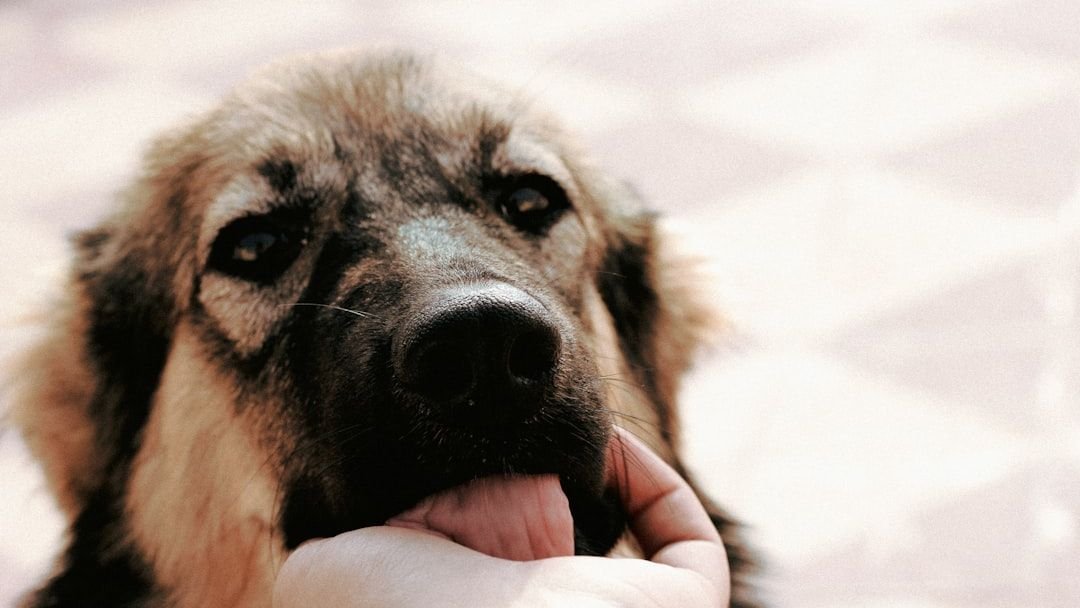
You’ve probably seen it happen at the dog park or in your own living room. Someone playfully taps their hand near their dog’s nose, wrestling their fingers around those sharp canines, laughing as the dog snaps and grabs in return. It looks like fun, right? Like a game both human and dog understand.
Here’s the thing: it’s not. Playing with your dog’s mouth creates confusion, encourages behaviors that can escalate, and sets your dog up to fail in ways you might not realize until it’s too late. This isn’t about being paranoid or overly cautious. It’s about truly understanding how dogs learn, communicate, and respond to the world around them. So let’s dive in.
It Blurs the Line Between Play and Aggression
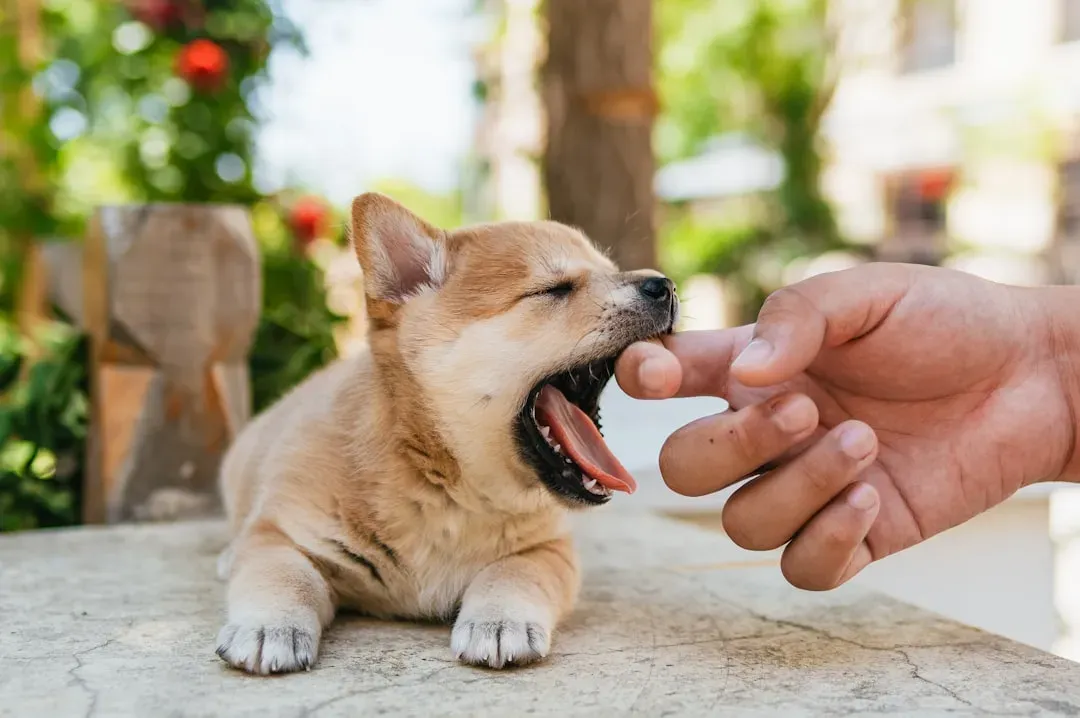
When you encourage your dog to use their mouth on your hands during play, you’re teaching them that biting human skin is acceptable. A playful dog typically has a relaxed body and face, with a muzzle that might look wrinkled but without much tension. The problem is that this can change in an instant. Some dogs bite out of fear or frustration, and it’s sometimes difficult to tell the difference between normal play mouthing and mouthing that precedes aggressive behavior.
Dogs don’t always understand context the way we do. What starts as a playful nibble can quickly escalate if your dog becomes overstimulated or stressed. Physical or verbal punishment can provoke aggression in any dog, particularly in one that is aroused or overexcited. So when you play with their mouth, you’re creating a grey area where your dog doesn’t know what’s allowed and what isn’t.
Think about it this way: if your dog learns that mouthing is part of play with you, how are they supposed to understand that it’s not okay to mouth a child’s hand or a stranger’s arm? The rules become murky. Honestly, it’s asking too much of them to make those distinctions.
It Undermines Bite Inhibition Training
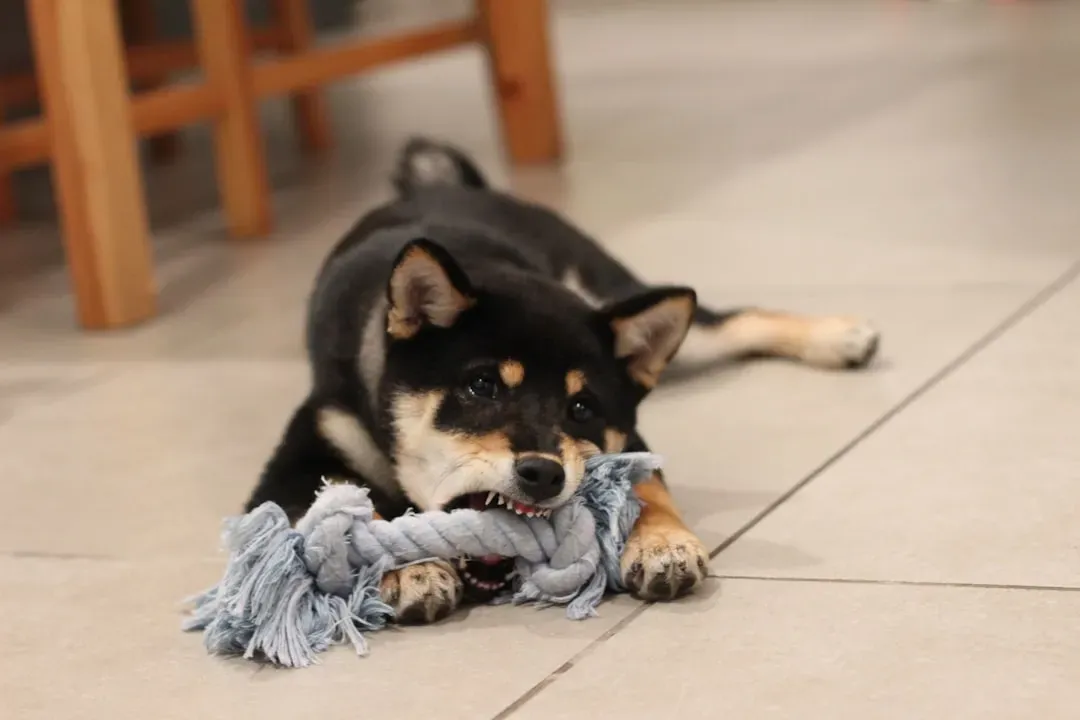
The ultimate goal is to train your puppy to stop mouthing and biting people altogether; however, the first and most important objective is to teach them that people have very sensitive skin. This process is called bite inhibition. Puppies naturally learn this from their littermates. Puppies usually learn bite inhibition during play with other puppies; if one puppy bites too hard during play, the victim yelps and usually stops playing.
When you intentionally play with your dog’s mouth, you’re actively working against this crucial developmental stage. Teaching bite inhibition is the most important aspect of your puppy’s entire education; it must be done gradually via a systematic two-step process: first, to inhibit the force of puppy bites and second, to lessen the frequency of puppy mouthing. By inviting mouth play, you’re sending contradictory messages.
Let’s be real: dogs are not capable of understanding “it’s okay to bite my hand right now during this game, but not okay tomorrow when I’m not in the mood.” They need consistency. Playing with their mouth destroys that consistency and can lead to a dog with a dangerously hard bite later in life.
It Creates Confusion Around Appropriate Touch
If your dog is unhappy with you touching their mouth, don’t push it; never put yourself at risk. Your dog’s mouth is an extremely sensitive area. A normally playful dog may become more lethargic or aggressive, especially when their mouth is touched. By making their mouth a play zone, you’re creating confusion about when touch is acceptable and when it’s not.
This becomes a serious problem during vet visits, grooming sessions, or if your dog ever needs dental care. Symptoms signaling possible canine dental disease include a toothache causing your dog to pull away if you touch the mouth. If your dog has been conditioned to think that hands near their face means playtime, they won’t tolerate necessary medical examinations.
I know it sounds crazy, but think about the long term implications. A dog who’s been taught that mouths are for games won’t sit calmly when a veterinarian needs to check their teeth. They may snap or bite defensively because the boundaries were never clearly established. You’re essentially setting them up for future stress and potential behavior problems.
It Increases the Risk of Resource Guarding
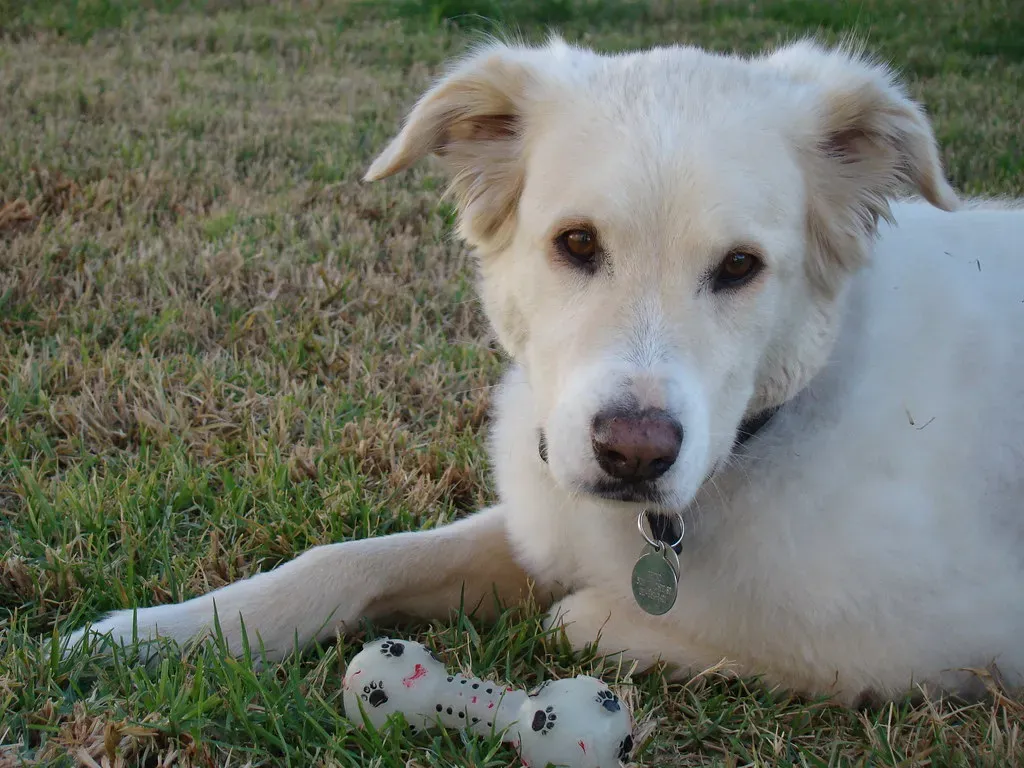
Resource guarding refers to a dog’s inclination to covet and protect items considered valuable; dogs with this tendency can display aggressive behavior when someone approaches them while they possess a valuable resource. Playing with your dog’s mouth can accidentally trigger or worsen this instinct.
Here’s what happens: Most of the time, there is a genetic component to resource guarding; as a result, resource guarding behavior can sometimes be observed in very young puppies. When you reach toward their face during play, some dogs may interpret this as a threat to take something away. Over time, they become protective of their mouth space itself.
Signs of resource guarding in dogs include stiffening their body over an item, a hard stare, whale eye, lifting their lips, low growling, and baring their teeth. These are warning signs that shouldn’t be ignored. Once resource guarding behavior is established, it can be difficult to reverse and may require professional intervention.
It Erodes Trust and Safety Boundaries
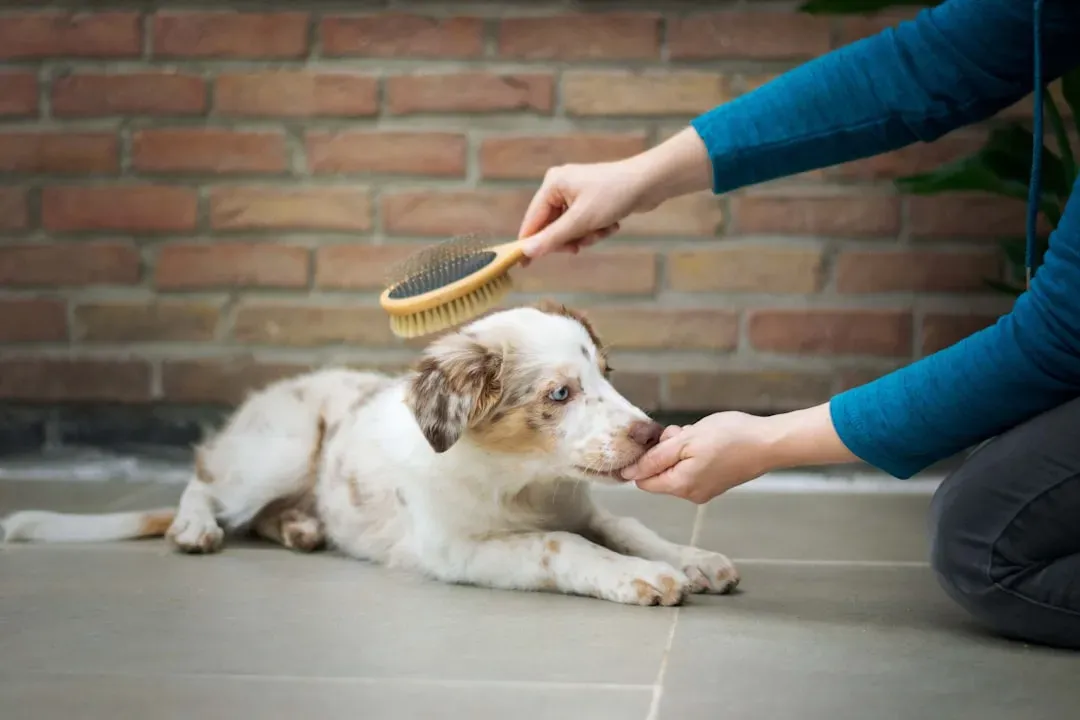
Avoid waving your fingers or toes in your puppy’s face or slapping the sides of their face to entice them to play; doing these things can actually encourage your puppy to bite your hands and feet. Every time you play with your dog’s mouth, you’re teaching them that your hands are toys. This is a fundamental breach of the trust and safety that should exist between you and your dog.
Do not practice any aversive suggestions, such as holding your dog’s mouth closed or rolling your dog on their back and holding them down; yelling, hitting, or other physical punishment should also never be used. Yet by initiating mouth play, you’re creating a situation where correction becomes necessary. It becomes a vicious cycle of encouraging bad behavior and then punishing it.
Dogs thrive on clear communication and predictable boundaries. When those boundaries shift, anxiety increases. Your dog should see your hands as sources of comfort, food, affection, and safety. Not as chew toys or wrestling partners. That distinction matters more than most people realize. The damage to the relationship can be subtle but profound over time.
Conclusion
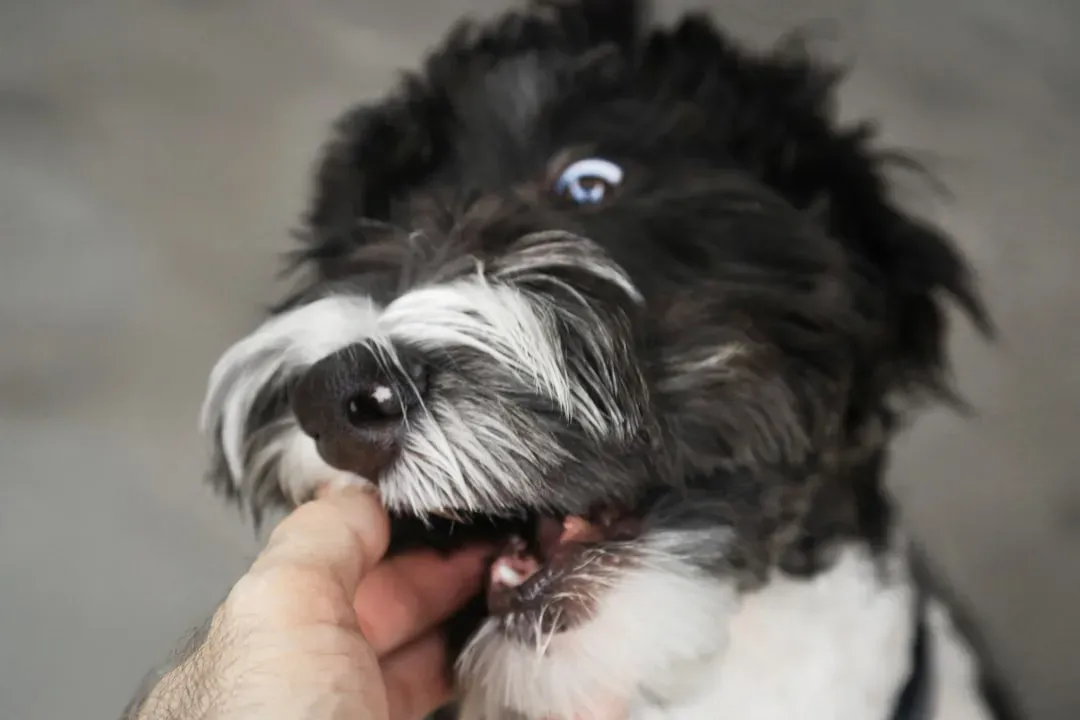
Playing with your dog’s mouth might seem harmless in the moment, but it creates confusion, undermines crucial training, and can lead to serious behavioral issues down the line. Dogs need clarity, consistency, and boundaries to thrive. By keeping hands and mouths separate during playtime, you’re protecting both your dog and everyone they interact with.
The mouth is not a toy. It’s a powerful tool that dogs use to explore, communicate, and sometimes defend themselves. Respect it, teach your dog to use it gently, and redirect their play energy toward appropriate toys and activities. Your future self will thank you, and so will your dog.
What’s your experience with this? Have you ever dealt with mouthing issues? Sometimes the best lessons come from watching what doesn’t work.


