
Rare Video of Sperm Whale Birth Reveals Teamwork Across Family Lines
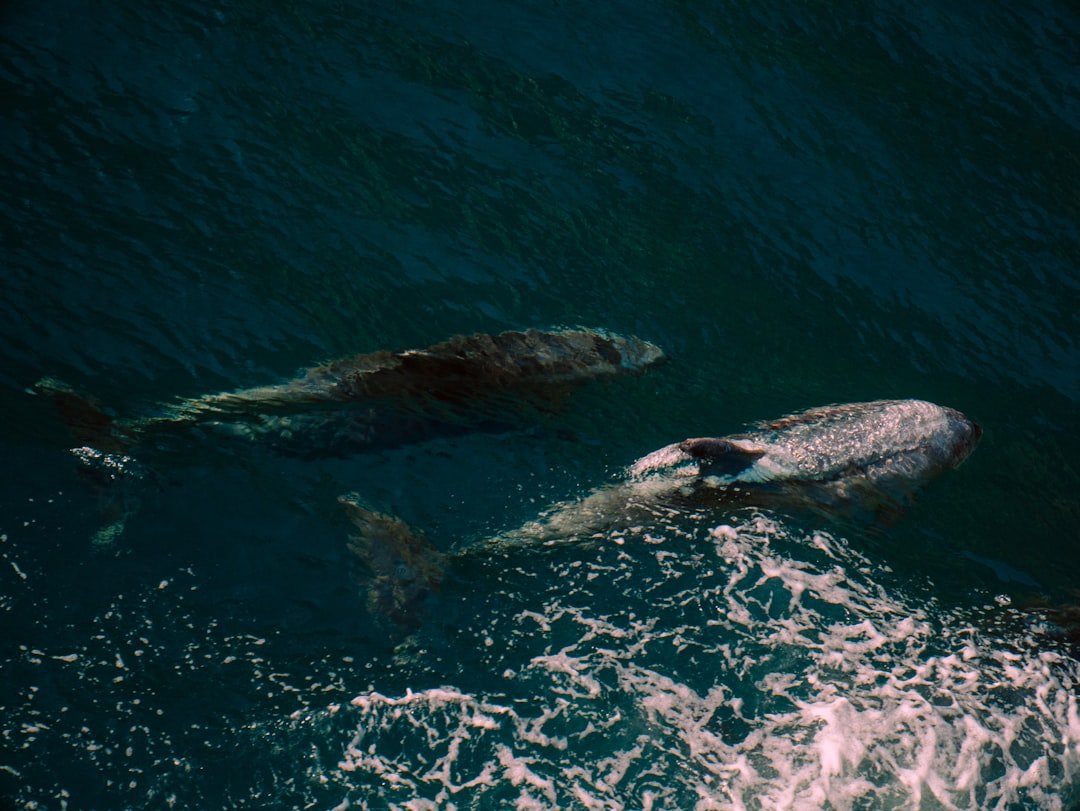
Dominica—Researchers captured the most detailed record of a sperm whale birth ever documented off this Caribbean island’s coast.[1][2] On July 8, 2023, a team from Project CETI observed 11 members of social unit A rally around mother Rounder during labor and delivery. The group, spanning two matrilines, provided essential support to the newborn calf, which could not swim on its own.[3]
Sudden Encounter Turns into Scientific Breakthrough
The Project CETI team spotted the whales behaving unusually that morning. The animals clustered tightly near the surface, far from their typical foraging spread.[2] Drones launched from their vessel revealed Rounder in distress, with blood clouding the water around 11:12 local time. Flukes emerged first, signaling the tail-first birth common in cetaceans.
Over the next 34 minutes, the researchers documented every phase. Aerial video, underwater hydrophones, and shipboard photos captured the event in unprecedented detail. This marked the first time scientists combined audio, video, and behavioral data for a sperm whale birth.[1] The calf fully emerged by 11:45, rolling into the sea amid active group involvement.
Group Lifts Newborn in Coordinated Rescue
Within a minute of delivery, the whales sprang into action. The newborn, negatively buoyant due to an undeveloped nasal oil sac, required immediate elevation to breathe. Adults dove beneath it, using heads and bodies to push the calf fully above the surface multiple times.[3]
All 11 unit members participated, including grandmother Lady Oracle and unrelated juvenile Ariel. They squeezed the calf’s folded flukes, touched it with heads, and traded support roles for three hours. Four whales handled most lifting duties, ensuring the umbilical cord remained visible as the newborn stabilized.[1]
- Oriented toward Rounder during labor, diving under her dorsal fin.
- Shifted focus to calf post-delivery, clustering tightly.
- Maintained physical contact, preventing submersion.
- Older females positioned nearest, relegating juvenile male Allan to the edge.
- Non-kin contributed equally, defying simple family ties.
Defensive Maneuvers Against Intruders
Tension escalated when 50 to 150 short-finned pilot whales approached closely. One rammed an adult female, prompting protective responses from unit A. The sperm whales formed a barrier, jaw-clapping and head-jerking to ward off the threat.[1]
A group of 80 to 200 Fraser’s dolphins circled but made no contact. The unit shielded Rounder and the calf until the outsiders departed around 12:30. This vigilance lasted until the group dispersed for foraging two hours post-birth.
Vocal Clues to Collective Awareness
Hydrophones recorded 5,731 codas over 3.5 hours, dominated by the 1+1+3 pattern. Statistically significant shifts occurred at birth onset and during pilot whale encounters. Longer codas marked labor; aberrant styles signaled urgency.[1]
Machine learning analysis confirmed these changes aligned with behavioral pivots. Lead biologist Shane Gero noted the codas reinforced social bonds. “The behaviors reflect a complex cooperative society,” he said.[2]
| Event | Time from Birth (T=0) | Vocal Shift |
|---|---|---|
| Flukes Emerge | -33 min | Increased density |
| Delivery Complete | 0 min | Aberrant styles |
| Pilot Whales Approach | +14 min | Style deviation |
Redefining Sperm Whale Social Bonds
Findings from studies in Science and Scientific Reports highlight cooperation beyond kinship. Two matrilines—Lady Oracle’s and Fruit Salad’s—merged for the event, suggesting births strengthen alliances.[3] Alaa Maalouf of Project CETI observed, “There was definitely assistance for both mother and calf.”[2]
The calf survived, spotted healthy a year later. Such group efforts may trace to 36 million years ago in toothed whales. Gero emphasized mutual aid: “I will help you so you will help me.”
Key Takeaways
- 11 whales from two families supported a 34-minute birth.
- Lifting prevented newborn drowning for hours.
- Vocal shifts coordinated responses to threats.
This observation underscores sperm whales’ intricate societies, where vulnerability fosters unity. As threats like ship strikes loom, protecting these pods grows urgent. What do you think about such animal cooperation? Tell us in the comments.