
Psychology Says Dogs Mirror Their Owner’s Trauma Response When They Sense Danger
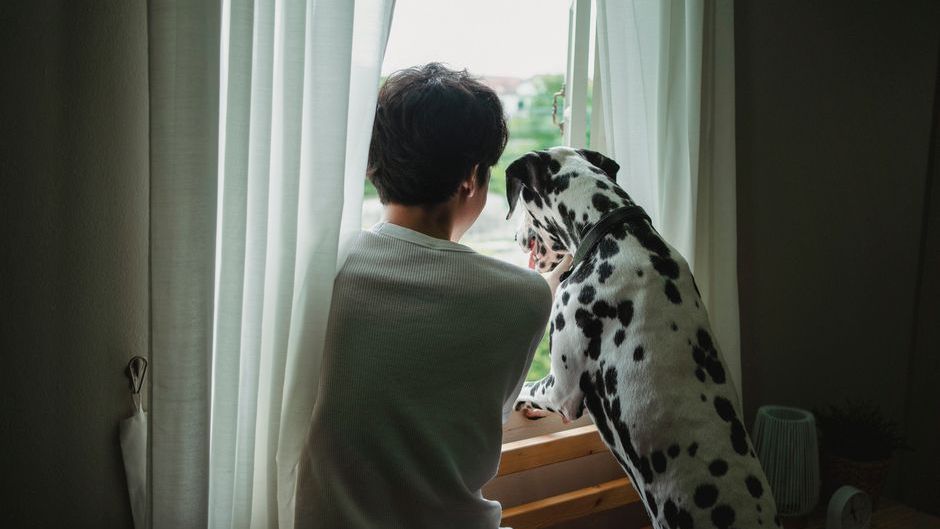
People often describe their dogs as intuitive in ways that go beyond basic training or affection. A sudden shift in a pet’s behavior during tense moments can feel almost uncanny, as if the animal senses something the human has not yet put into words.
This kind of mirroring raises questions about how deeply dogs read human emotional states, especially when those states involve past trauma or immediate threat. The idea that a dog might reflect its owner’s stress response invites closer attention to the science of interspecies connection.
The Deep Connection Between Humans and Dogs

Dogs have lived alongside people for thousands of years, evolving alongside human social structures in ways that shaped their sensitivity to our moods. This long shared history means many dogs now respond to subtle changes in posture, breathing, or scent that signal unease.
Owners frequently report that their pets seem to know when something feels off long before any obvious danger appears. Such observations point to an emotional attunement that feels personal rather than purely instinctual.
How Dogs Detect Shifts in Human Emotion
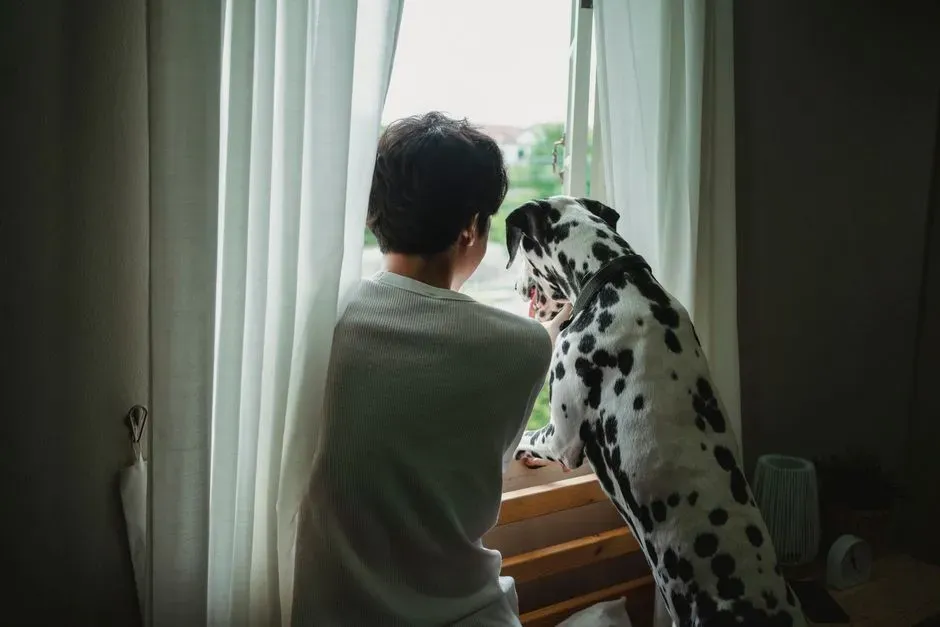
Research into canine senses shows dogs can pick up on chemical changes in human sweat linked to stress or fear. These cues allow them to register rising tension even when the person tries to stay composed.
Body language plays an equally important role, with dogs watching for small movements or changes in voice tone that humans might overlook. The combination of smell and sight creates a layered awareness that helps dogs stay alert to their person’s state.
Understanding Trauma Responses in Everyday Life

Trauma responses often include heightened alertness, avoidance, or sudden withdrawal when a person feels threatened. These reactions can surface quickly in familiar settings that remind someone of past stress.
Dogs living with such individuals may begin to show parallel signs, such as pacing or seeking closeness, as if absorbing the same internal alarm. The overlap suggests a form of emotional transfer that happens without words.
Insights from Studies on Emotional Contagion

Psychological work on emotional contagion explores how feelings spread between individuals, and similar patterns appear across species boundaries. Dogs exposed to stressed humans sometimes display increased cortisol levels themselves, indicating a shared physiological response.
Controlled observations reveal that dogs adjust their own behavior to match the energy around them, especially in uncertain situations. This mirroring can serve as an early warning system for both the animal and the owner.
Behavioral Changes Dogs Show in Tense Moments

When danger feels near, some dogs become more protective or restless, mirroring the owner’s own vigilance. Others may retreat or seek physical contact as a way to regulate the shared tension.
These shifts often occur without any external trigger visible to the human, highlighting how dogs rely on internal signals from their person. Over time, owners learn to read these changes as useful feedback about their own emotional state.
Recognizing the Value of This Shared Awareness
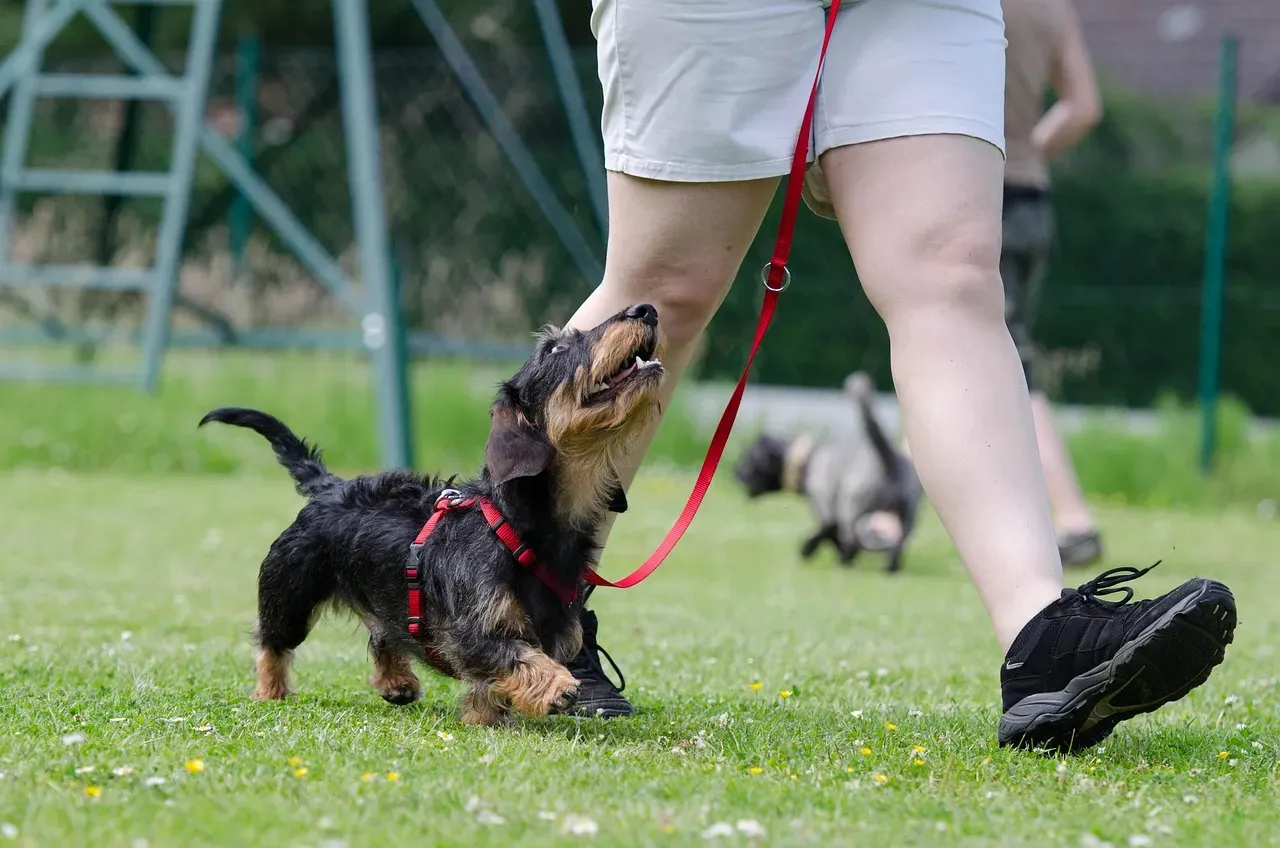
Awareness of mirroring can strengthen the bond by encouraging owners to monitor their own stress levels more closely. It also opens doors for using dogs in supportive roles where emotional stability matters.
Training programs sometimes build on this natural tendency, helping dogs and people develop calmer responses together. The result feels less like one-sided service and more like mutual understanding.
Supporting Both Dog and Owner Through Awareness
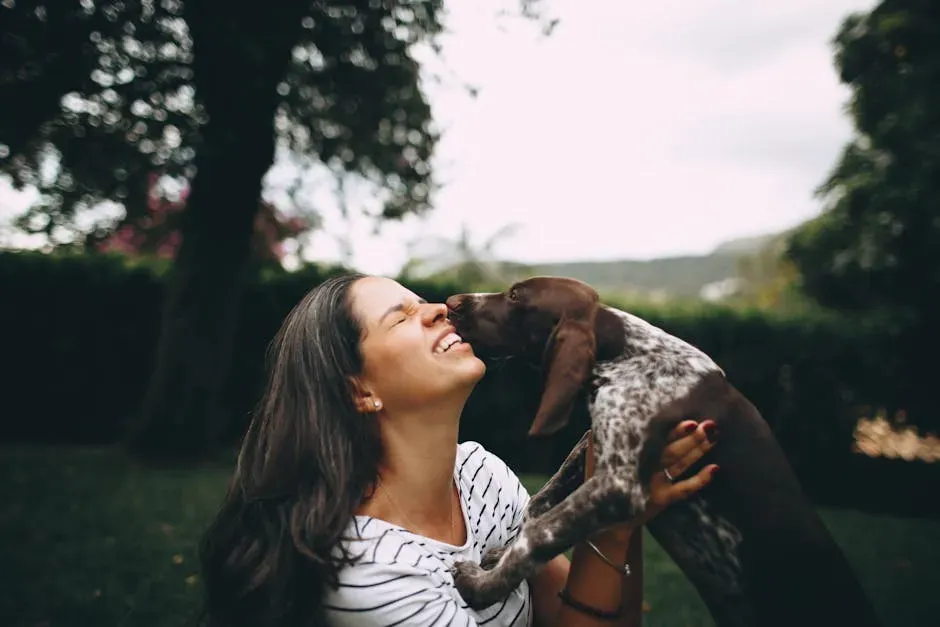
Simple routines such as consistent exercise and calm environments can ease the intensity of mirrored responses for everyone involved. Paying attention to a dog’s signals offers a practical way to notice rising stress before it escalates.
Professional guidance from trainers or behaviorists familiar with trauma informed care can help refine these interactions. The goal remains a balanced relationship where both parties feel steadier.
In the end, the quiet ways dogs reflect our inner states remind us that companionship runs both directions. Paying attention to those reflections can lead to steadier days for the household as a whole.