
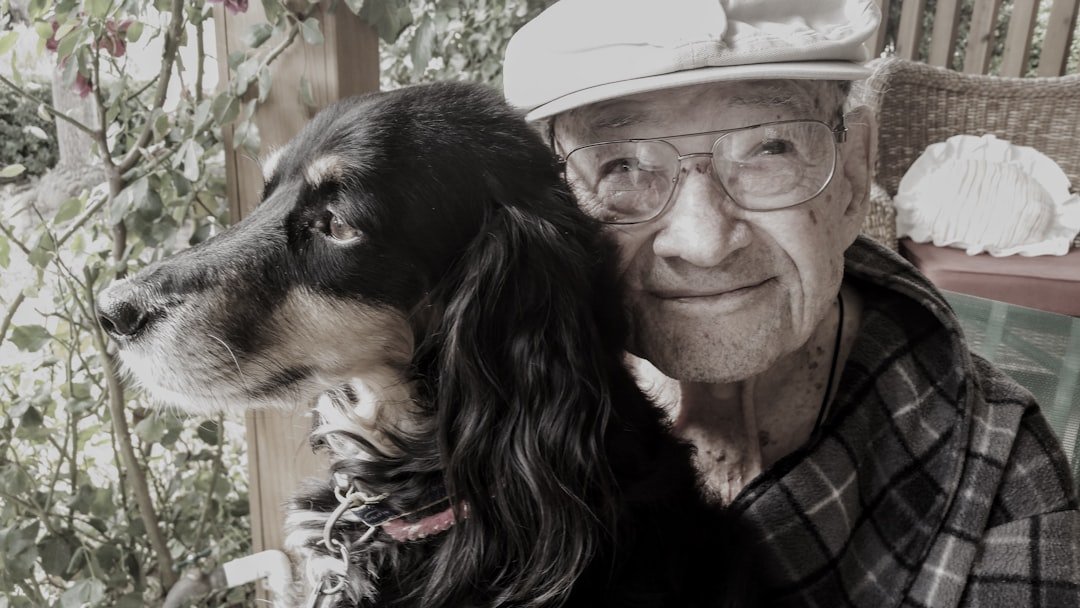
There’s something almost sacred about the presence of an older dog. While puppies are chaos and energy, senior dogs bring something different into your life. They move more slowly, sleep a bit longer, and meet your gaze with eyes that have witnessed years of your life. If you’ve never shared your home with a gray-muzzled companion, you might wonder what makes them so special. The answer lies not in grand gestures but in the gentle, steady rhythms they bring to everyday moments.
This isn’t about nostalgia, though that certainly plays a part. It’s about recognizing the unique value that comes with age and experience. A senior dog offers a different kind of love, one that’s quieter but no less profound. Let’s explore why these golden years deserve our attention, understanding, and deepest appreciation.
The Subtle Shift: When Your Dog Becomes a Senior

Dogs don’t have a universal age of seniority because of their wider variety in size, with larger breed dogs tending to have shorter life spans than smaller breeds. A Great Dane might be considered senior around six years old, while a Chihuahua could still be in their prime at that age. Generally, smaller breeds tend to age slower and are considered seniors around 10-12 years old, while larger breeds may reach this stage around 6-7 years old.
The transition happens gradually, almost imperceptibly. One day you notice a few white hairs around their muzzle. Then perhaps they’re a bit slower to get up from their favorite napping spot. Behavioral changes may be one of the first signs of aging, as dogs may become more irritable or reluctant to engage in their old favorite activities if they’re struggling with pain or discomfort. These aren’t signs of decline as much as they are invitations to adjust, adapt, and appreciate what’s right in front of you.
The Gift of Presence and Predictable Routines
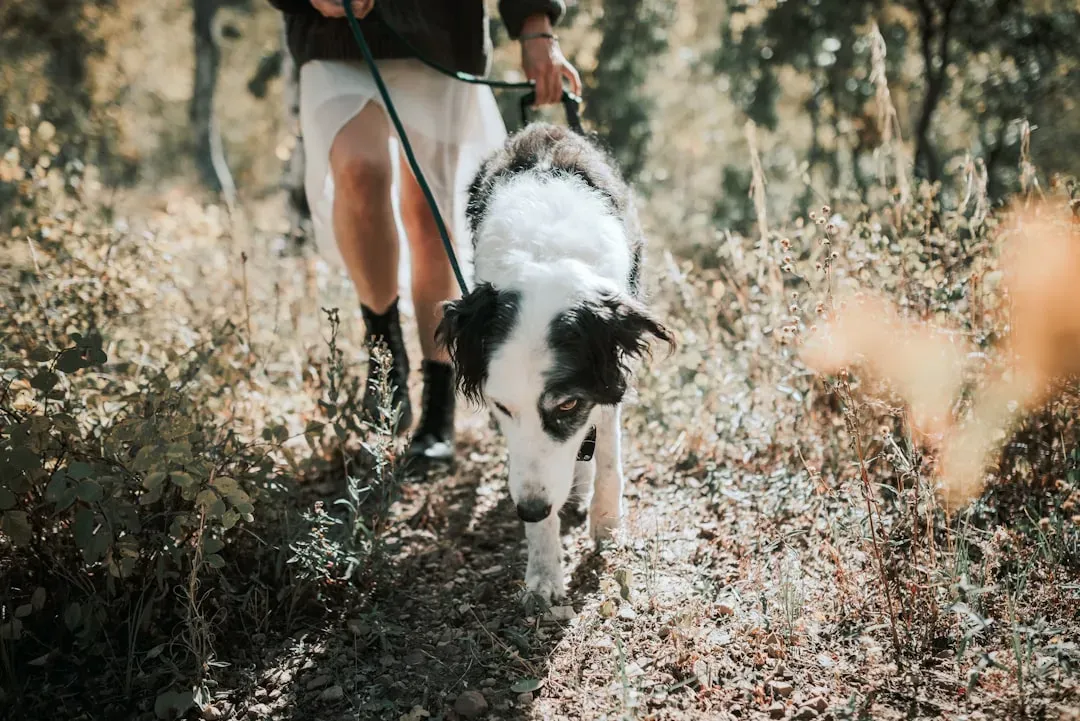
Dogs give their days a certain structure through fixed times for meals and walks, providing elderly people with the feeling that they have a purpose and a responsibility towards someone. This applies equally to dog owners of any age. There’s comfort in knowing that your senior dog needs you in specific, manageable ways. Morning walk, breakfast, gentle afternoon stroll, dinner, evening cuddles. The rhythm becomes a meditation.
Unlike younger dogs who might demand constant stimulation and vigorous play, senior dogs are content with simpler pleasures. They’re happy to sit beside you while you read or watch television. More than three-quarters of pet owners say their animals reduce their stress, and pets even help older adults cope with physical pain by directing their attention to positive feelings. Their quiet companionship becomes a form of therapy, grounding you in the present moment.
Reading the Signs: Behavioral Changes Worth Noting
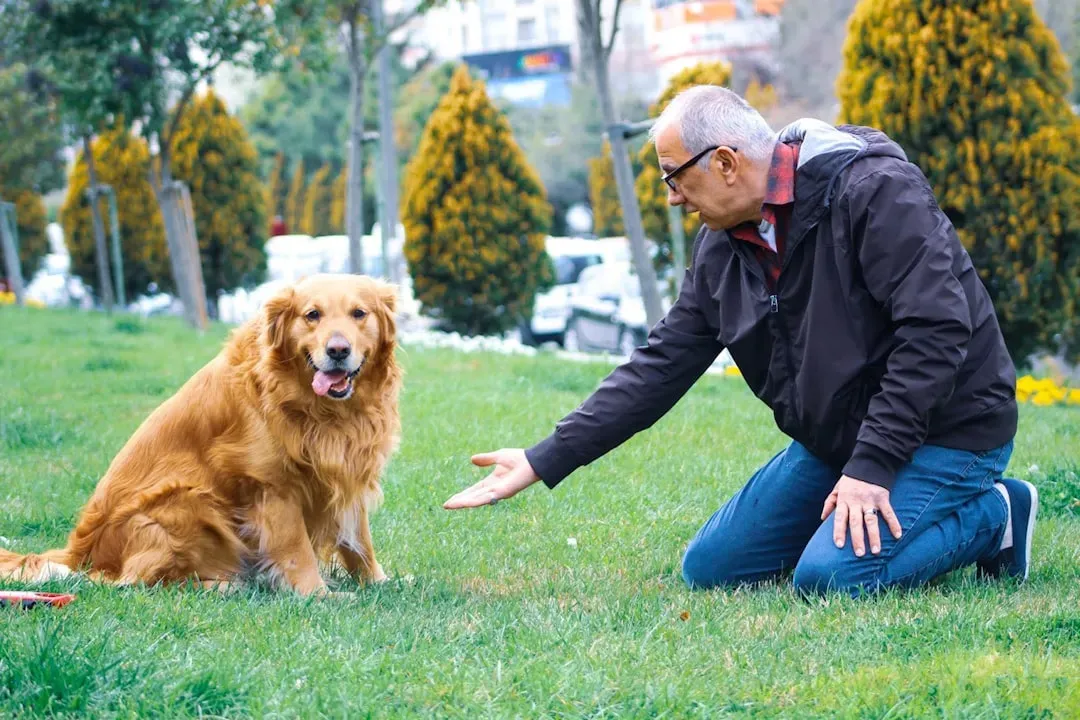
Behavior changes in older dogs can be the first signs of aging, and these changes might be due to discomfort or pain (as with arthritis), worsening sight or hearing, certain diseases, or just the normal aging process. It’s hard to say for sure sometimes whether your dog is just tired or actually experiencing discomfort. Watch for increased irritability, reluctance to climb stairs, or confusion about familiar surroundings.
According to studies, 28 percent of dogs at 11-12 years old and as much as 68 percent of dogs at 15-16 years old have at least one sign of mental decline. Cognitive dysfunction can manifest as disorientation, changes in sleep patterns, or even house-training accidents. Increased whining, crying, or barking could be a sign of cognitive dysfunction, loss of hearing, pain, or anxiety. These aren’t reasons to panic but rather signals that your companion needs additional support and veterinary guidance.
Health Matters: Proactive Care for Aging Bodies
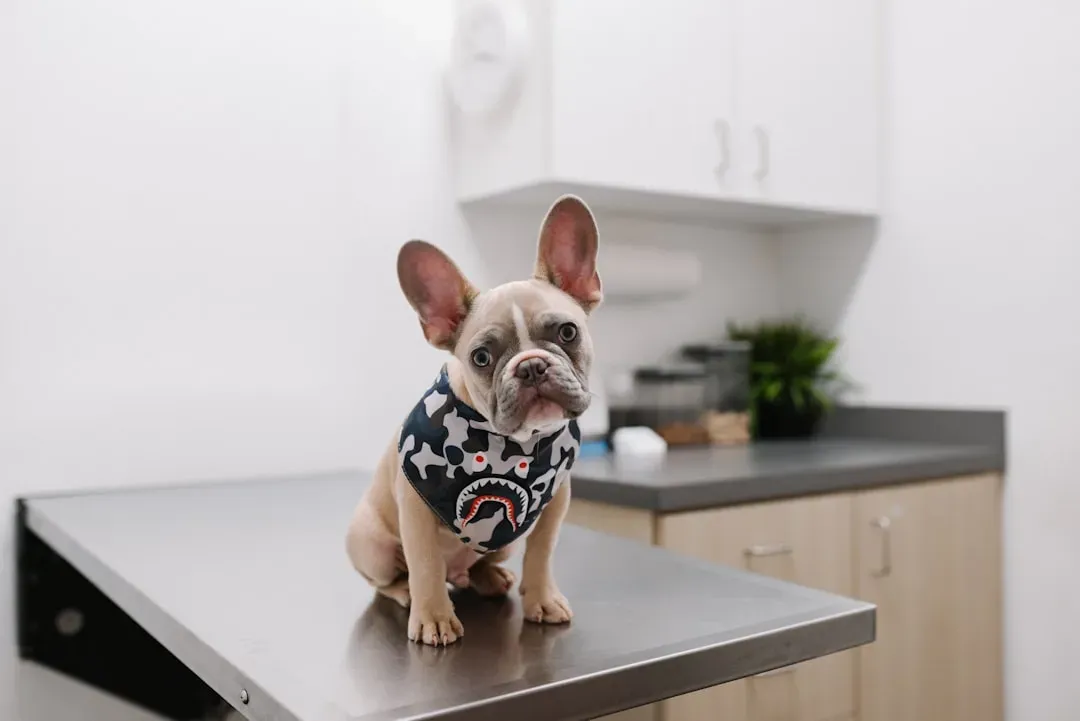
Twice-yearly veterinary checkups are essential for senior pets, because their health status can change rapidly. This isn’t excessive caution. It’s smart prevention. Blood and urine tests should be evaluated at least once a year, as early detection of chronic diseases such as kidney disease, thyroid disease, and diabetes is the key to successful treatment.
Common issues include arthritis, vision or hearing loss, dental disease, and metabolic changes. While cloudy eyes are often a benign process called nuclear sclerosis, they can be caused by cataracts, which are painful and make it hard for dogs to see. Weight fluctuations matter too. Studies show that dogs who maintain an ideal weight are prone to less disease, have less pain, and can live up to two years longer than overweight dogs. That’s substantial time you could gain simply through mindful feeding and appropriate exercise.
Adjusting Daily Life: Small Changes, Big Impact

Orthopedic or heated dog beds, more carpeting around homes with hard floors, and pet gates at stairs can all help aging dogs navigate their environment safely. These modifications aren’t about treating your dog like they’re fragile. They’re about removing unnecessary obstacles that cause pain or frustration. Think about it: if you had creaky joints, wouldn’t you prefer a soft surface and easier access to your favorite spots?
Exercise remains important, just differently calibrated. Regular exercise is essential for keeping aging dogs physically and mentally fit, though their requirements may decrease, making low-impact exercises such as walking, swimming, or gentle play beneficial. Shorter, more frequent walks might work better than one long outing. Swimming can be wonderful for arthritic joints. Honestly, your senior dog will tell you what they can handle if you pay attention to their cues.
Nutrition and Weight: Fueling the Golden Years
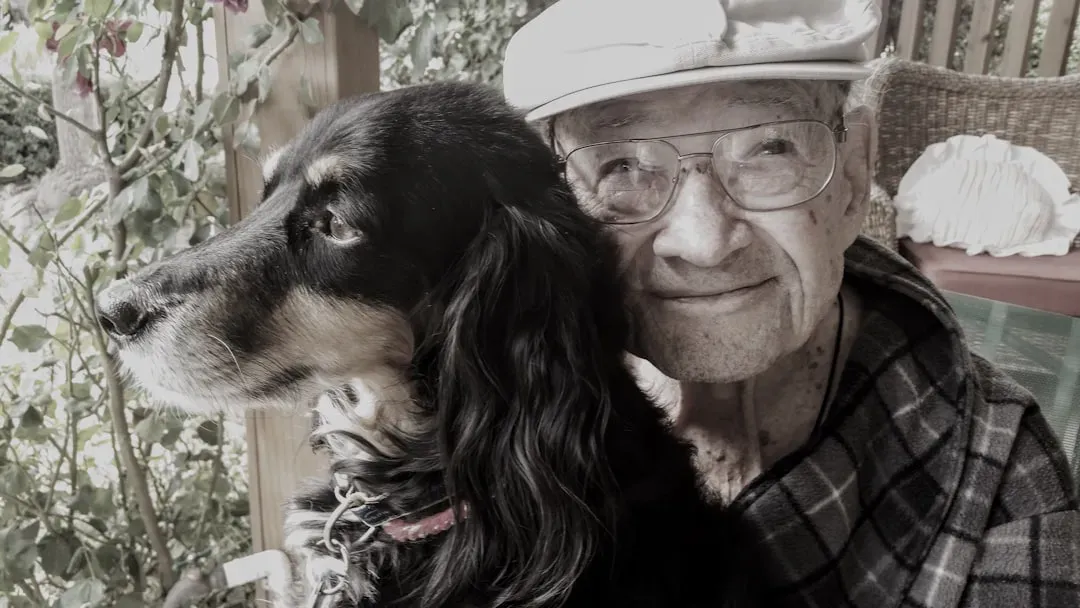
When humans age, metabolism slows down and less food is needed to maintain consistent weight, and it’s the same with dogs who may still act hungry but aren’t burning calories the same way. You may find it’s time to shift to dog foods designed for senior dogs, which have fewer calories, more fiber and less fat, and extra nutritional supplements.
Here’s the thing: those pleading eyes are hard to resist, especially when you know your time together is finite. Still, extra weight creates real problems. Overweight dogs can be more affected by the signs of arthritis and have a greater chance of heart issues or diabetes. Your vet can recommend appropriate portions and formulas. Supplements such as omega-3 fatty acids or glucosamine may support joint health and mobility, though always consult with your veterinarian before adding anything new.
The Deeper Bond: Why Senior Dogs Matter More Than Ever
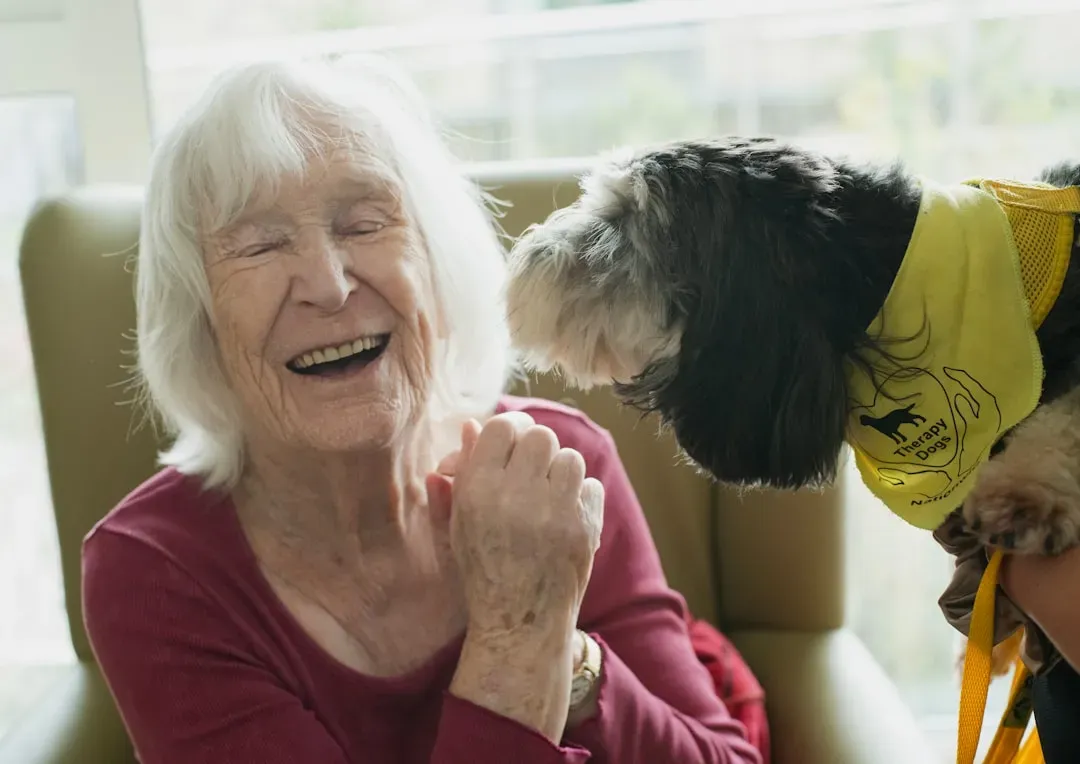
Many elderly people long for intimate and loving companionship, and a pet can be such a companion, satisfying both the longing for company and the desire for affection. This applies to anyone, regardless of age. A senior dog has moved beyond the training phase, beyond the testing of boundaries. What remains is pure relationship.
They know your routines, your moods, your quiet sadnesses and small joys. The company of a dog or cat can help people feel less lonely, and pets are the perfect companions for older adults who live alone, providing reassuring nuzzles and emotional support. There’s something profound about a creature who asks so little and offers so much. Their presence becomes a form of meditation, a daily reminder that love doesn’t always need to be loud or energetic to be real.
Conclusion
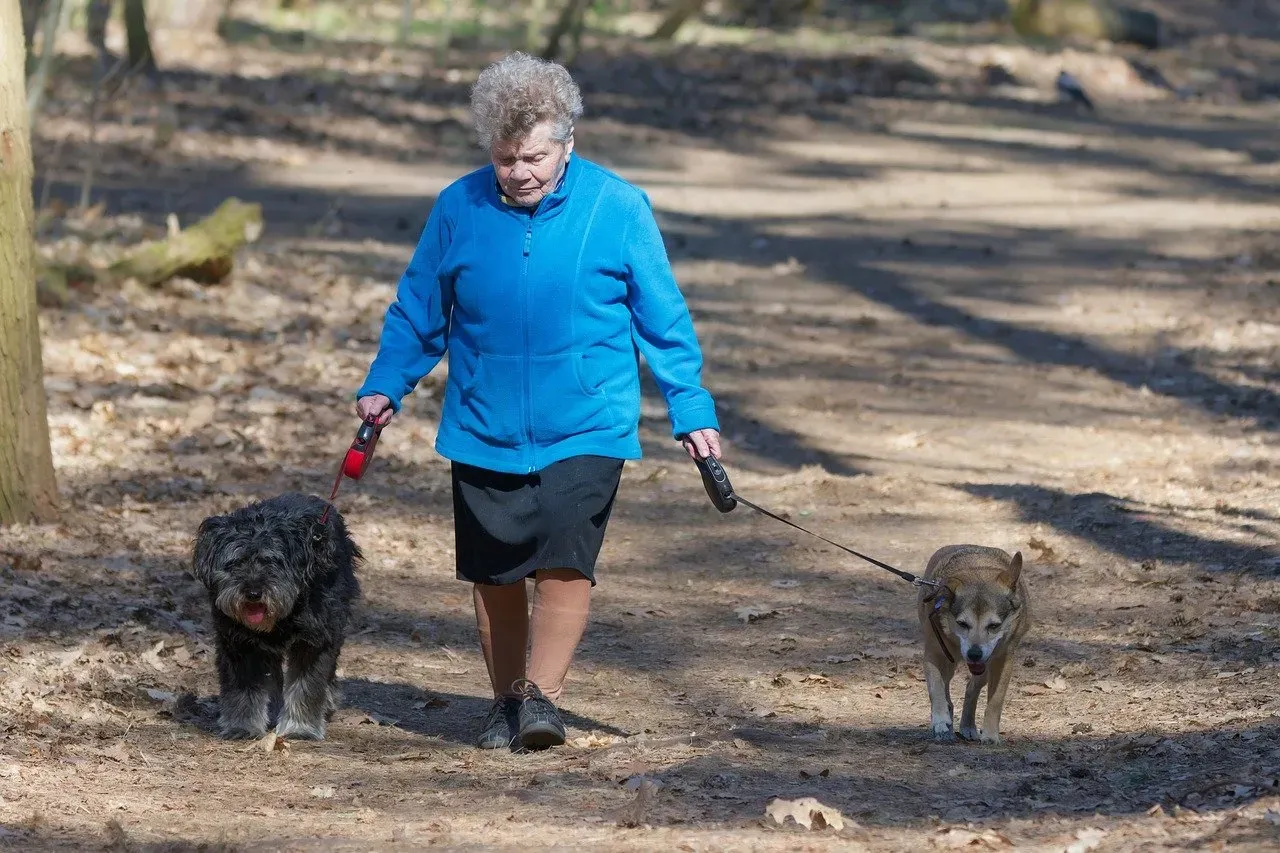
The years with a senior dog pass differently than any other stage of pet ownership. They’re slower, quieter, and somehow more precious because you’re aware they won’t last forever. Every gray muzzle, every stiff morning, every gentle sigh reminds you that time is finite and therefore valuable. These dogs have given you their entire lives. In return, they deserve patience, comfort, and the knowledge that they’re still deeply loved.
Your senior dog isn’t “just old.” They’re experienced, wise in their own way, and offering you a masterclass in living simply and loving completely. Treasure these golden years. Adjust your home, watch their health carefully, and above all, be present. What do you cherish most about your senior dog’s companionship? Every moment counts.


