
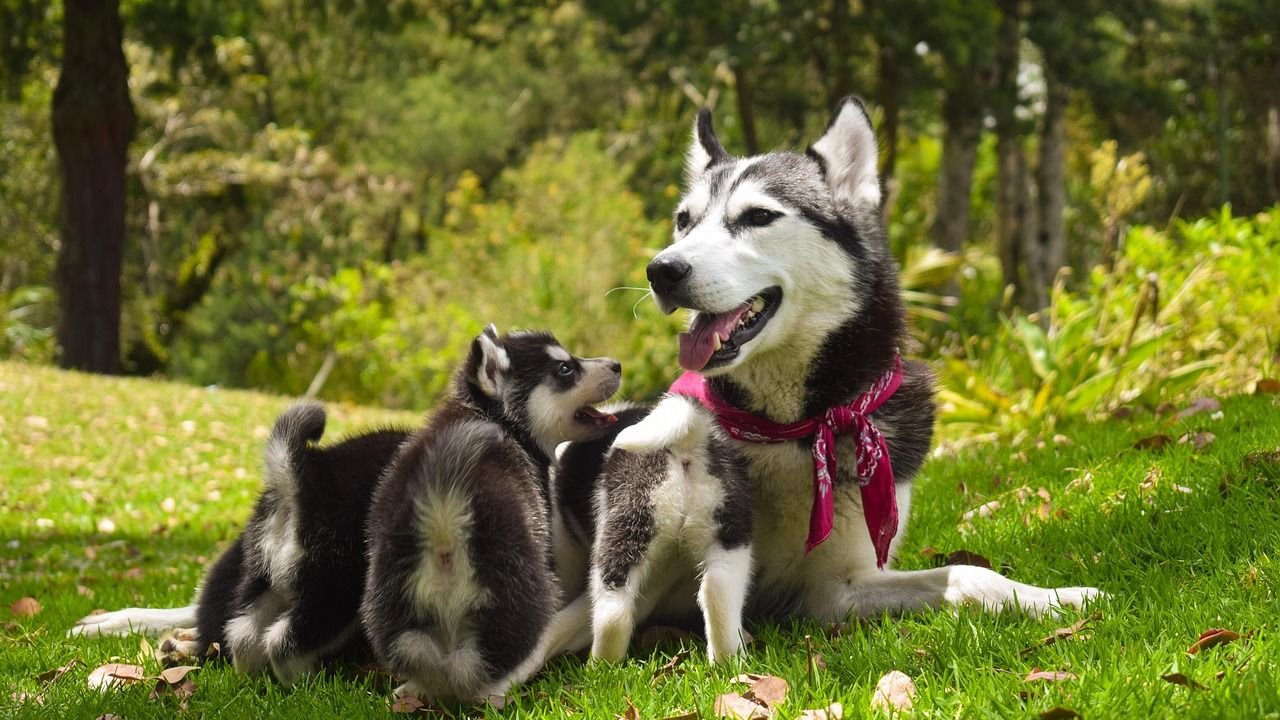
Have you ever watched your dog settle onto the couch with a deep, contented sigh and wondered what’s really going on behind those soulful eyes? We talk a lot about reading stress signals in our dogs, but honestly, recognizing when they’re truly happy is just as important. It’s not always about the obvious tail wags or enthusiastic greetings at the door. The deepest kind of contentment shows up in quieter, more subtle ways that are easy to miss if you’re not paying attention.
Dogs express happiness through subtle changes in body language, facial expression, and posture, which can all convey signs of emotional safety and connection. Let’s be real, most of us can spot an unhappy dog, but a deeply content one? That’s a whole different story. Think about it this way: contentment isn’t the same as excitement. It’s that calm, satisfied feeling when everything just feels right in their world. So let’s dive into these quiet signals that tell you your furry friend is living their best life.
That Deep, Satisfied Sigh When They Settle
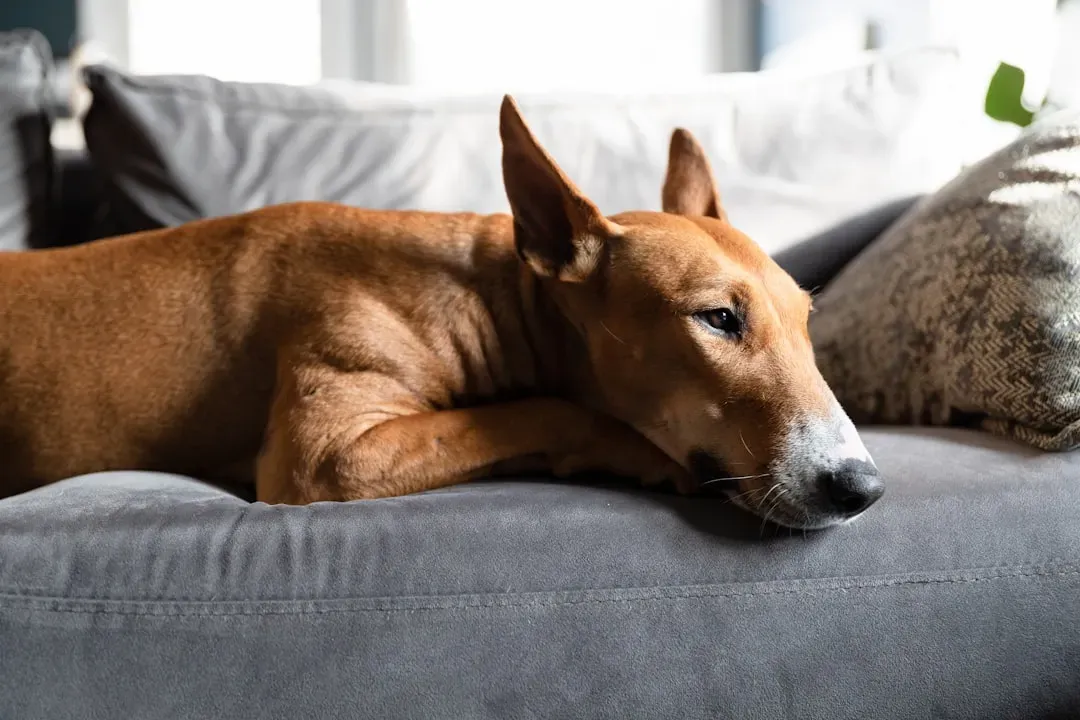
You know that moment when your dog finally finds the perfect spot on the couch or their bed, circles once or twice, and then releases a long, deep sigh as they sink down? That’s pure gold. When dogs are truly relaxed, they may emit content sighs or soft groans. These sounds often occur when they settle down in a comfortable position, signalling that they are at ease and comfortable.
It’s like they’re exhaling all the day’s worries in one breath. This isn’t the sharp panting of stress or the quick breaths after play. This is deliberate, slow, and peaceful. When you hear that sigh, your dog is basically telling you they feel safe, comfortable, and exactly where they want to be. Pay attention to when these sighs happen because they’re one of the most honest expressions of contentment you’ll witness.
Soft Eyes That Seem To Smile
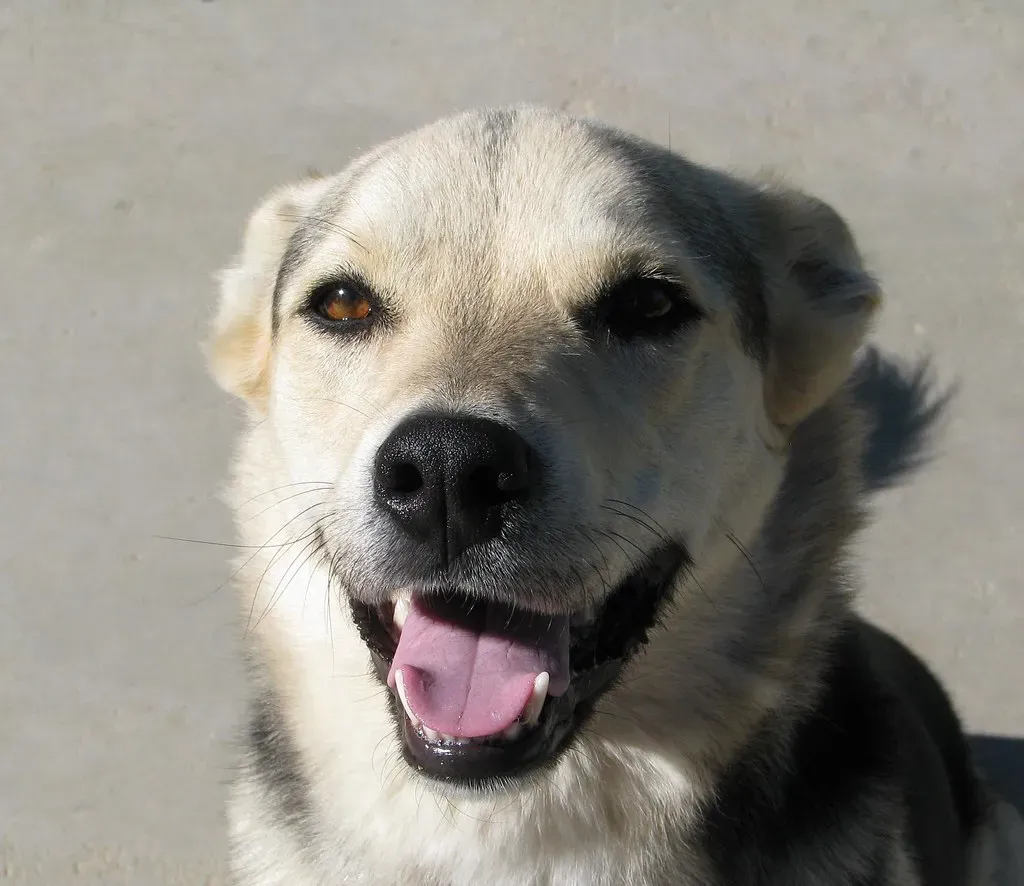
A happy dog has a soft gaze with eyes opened wide. They may also blink their eyes frequently. There’s something almost meditative about the way a content dog looks at you. Their eyes aren’t wide and alert, nor are they narrowed with suspicion. Instead, they have this gentle, relaxed quality.
When your dog is relaxed, you can see it in his face. His eyes will be soft and rounded or possibly slightly squinted. The coloring of his eyes will be easily seen. You might even notice their eyes get a little droopy or they do that slow blink thing. Some people call it the “soft eye,” and once you learn to recognize it, you’ll see the difference immediately. It’s the look of a dog who trusts you completely and feels no need to be on guard.
Sleeping In Vulnerable Positions

Here’s the thing about sleep positions: they reveal everything about how safe your dog feels. Dogs that feel secure and relaxed will often sleep in positions that expose their vulnerable areas, such as lying on their back with their belly exposed. This shows they feel safe and trust their surroundings.
If your dog sprawls out on their back, legs akimbo, belly completely exposed, that’s a dog with zero worries. Other relaxed sleeping positions include lying on their side with legs extended or curling up in a cosy ball. Some dogs even sleep with their heads hanging off the couch or bed in positions that look ridiculously uncomfortable to us but clearly work for them. The point is, they’re not curled up tight or sleeping with one eye open. They’re vulnerable and totally okay with it.
A Loose, Wiggly Body Without Tension

Body tension is a big giveaway that a dog isn’t happy. If you pet a happy dog, they don’t feel like the top of a wooden desk, their skin will actually move underneath your hand. This is such a useful tip. When you run your hand along a truly content dog, everything feels fluid and soft.
A relaxed dog is engaged in their surroundings and will have a loose, waggy posture. Their movements are easy and natural, not stiff or hesitant. A happy pet will exhibit a relaxed posture, free of tension. They move fluidly and comfortably, without signs of stiffness or hesitation. Watch how they walk across the room or stretch after a nap. Is it smooth and effortless? That’s what you’re looking for. Tension shows up in the smallest ways, so its absence is a powerful sign of wellbeing.
Healthy Appetite And Enthusiastic Eating
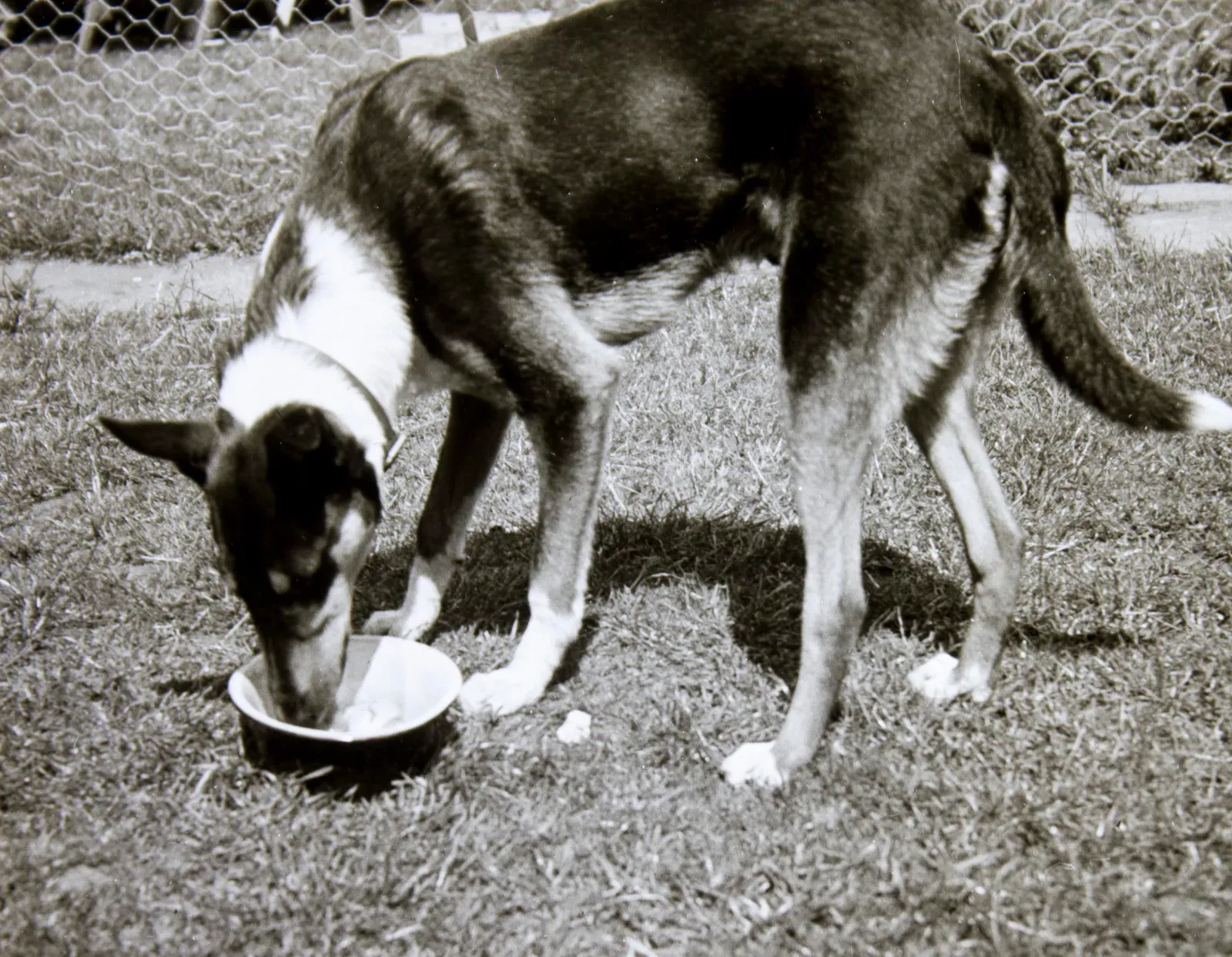
A content dog maintains consistent and healthy eating patterns. They’ll show enthusiasm during mealtimes and maintain a regular appetite. This good sign indicates they feel secure in their environment and aren’t experiencing stress that could affect their eating habits.
Let’s face it, stressed or anxious dogs often lose interest in food or become picky eaters. When your dog consistently shows up for meals with that happy anticipation, tail wagging at the sound of their bowl hitting the counter, it speaks volumes. They’re not just eating because they have to; they’re genuinely enjoying the experience. A dog who eats well, maintains a healthy weight, and doesn’t show food-related anxiety is typically a content dog.
Seeking Out Belly Rubs Without Hesitation
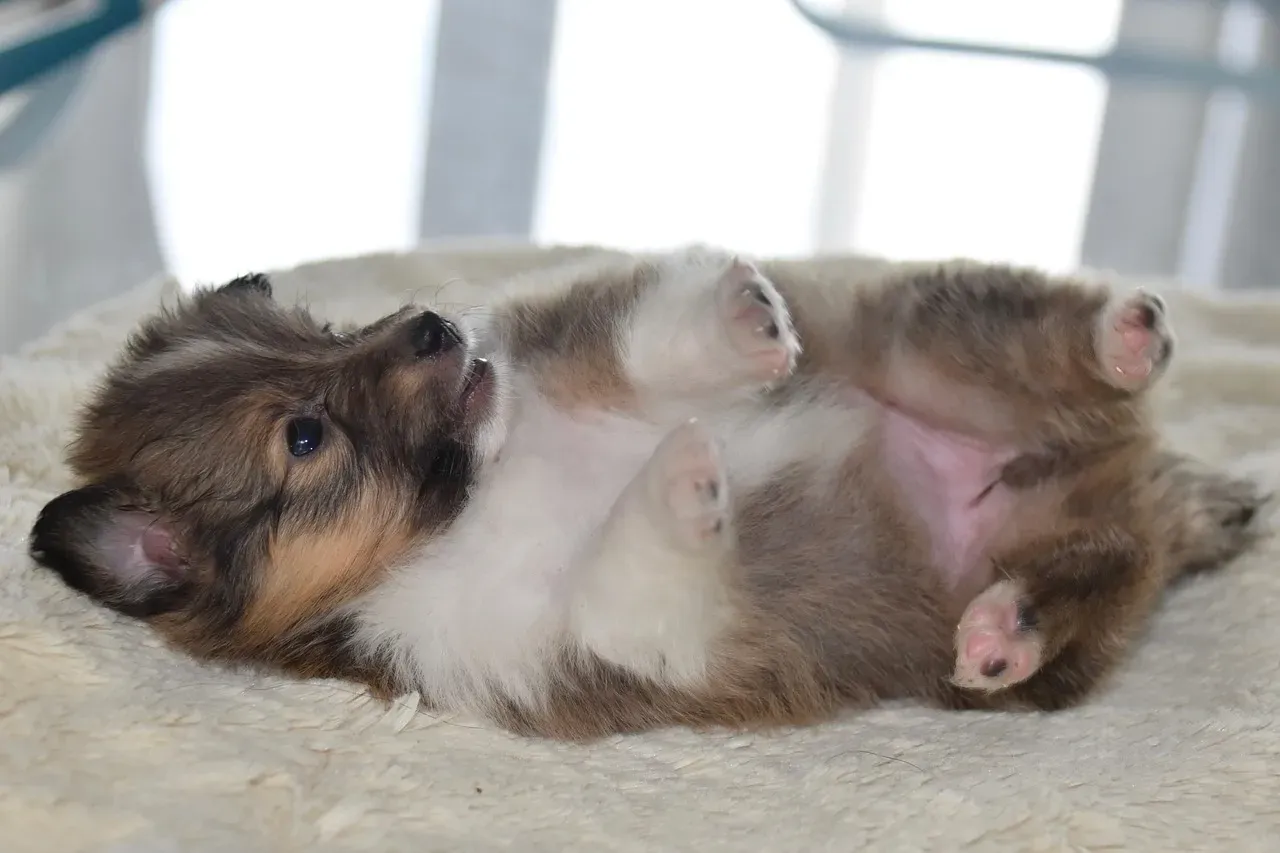
A relaxed dog will thoroughly enjoy belly rubs and gentle petting. They will often lie on their back and invite belly rubs without tensing up or showing signs of discomfort. During petting, their muscles will remain loose and relaxed, indicating they are comfortable and content.
This is different from a dog who rolls over out of fear or submission. A truly content dog actively seeks this kind of affection. They’ll flop down next to you, maybe paw at your hand, and wait for you to rub that belly. Turning over, inviting belly rub shows trust and enjoying social contact. The whole experience is relaxed and pleasurable for them. Their body stays soft, maybe a back leg kicks a little, and they look absolutely blissful.
Curious Exploration Without Nervousness
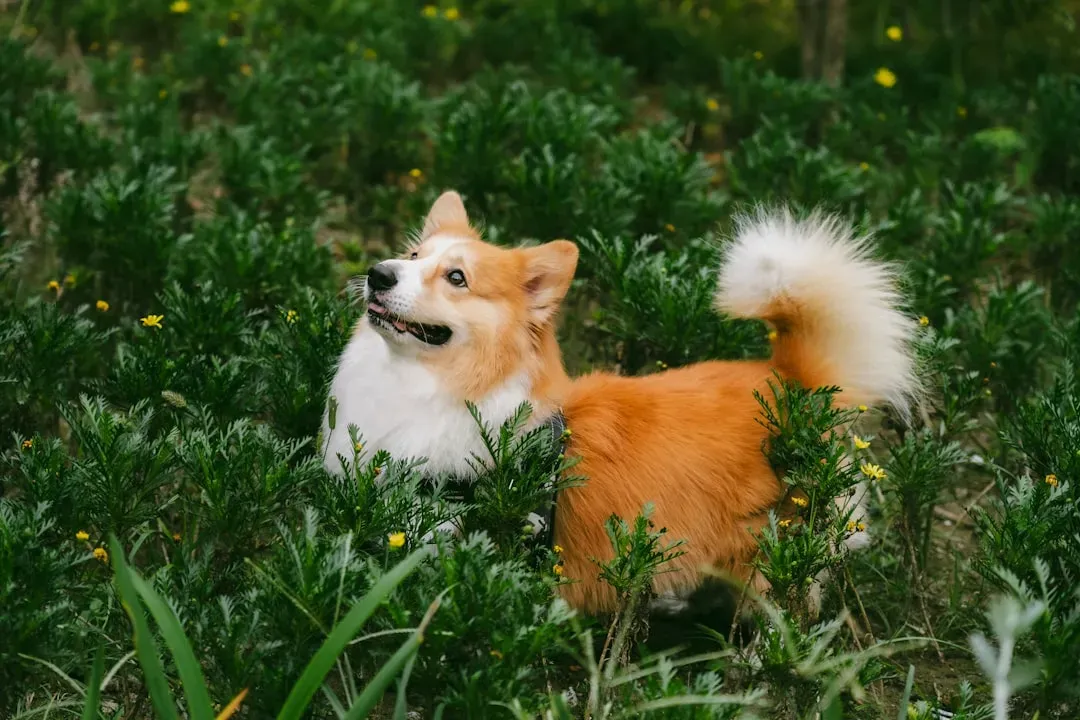
Happy dogs display natural curiosity about their environment. They’ll confidently explore new areas, sniff around during walks, and show interest in novel objects. This exploratory behavior indicates they feel secure enough to investigate their surroundings without fear or anxiety.
A content dog is an engaged dog. They’re interested in what’s happening around them, whether it’s a new smell on a walk or investigating a paper bag you brought home. Happy dogs demonstrate emotional resilience and adaptability. They recover quickly from minor stressors like loud noises or schedule changes. They show interest in their surroundings and maintain consistent energy levels throughout the day. They’re not cowering or constantly looking to you for reassurance. Instead, they’re confidently exploring their world because they know you’ve got their back.
Playfulness And Social Engagement
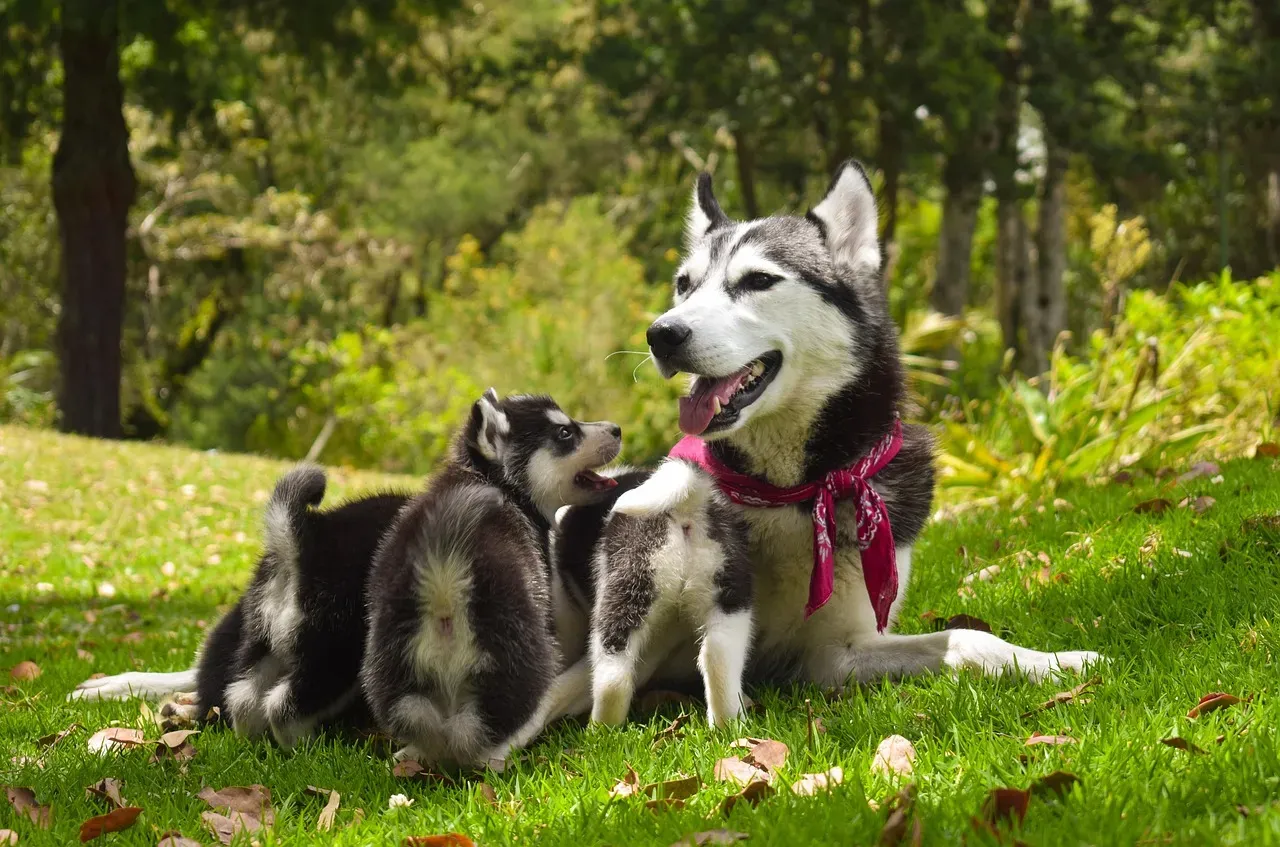
A content dog actively seeks interaction with family members and other pets. They’ll readily engage in play, respond to your calls, and show interest in family activities. Now, I’m not talking about frantic, over-the-top excitement. I mean that genuine desire to be part of what’s happening.
Maybe your dog brings you their favorite toy when you sit down, or they gently nudge your hand for attention. Happy dogs enjoy playtime and walks, and most even love rides in cars. They’re integrated into your life and comfortable in their role. This social behavior is a good sign that your dog feels integrated into the household and comfortable with their role in the family unit. A happy dog doesn’t isolate themselves or seem disinterested in interacting with you.
Relaxed Ears In Their Natural Position
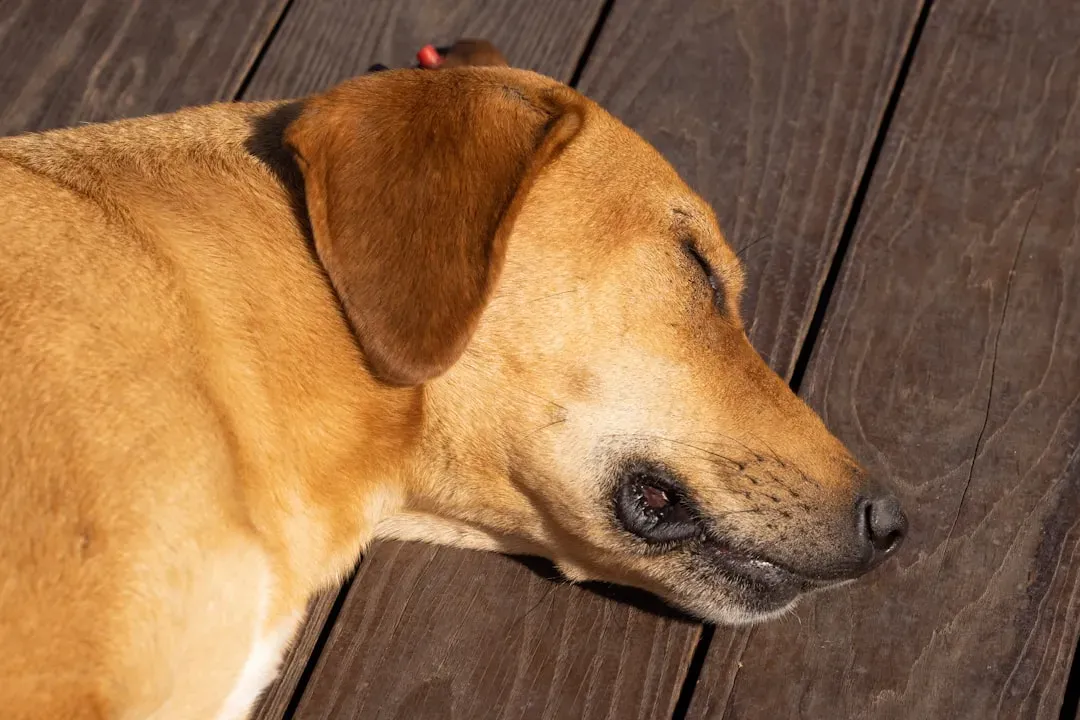
A happy dog’s ears are relaxed and rest naturally against their head. Some dogs will have one ear cocked up, or both may be loose and floppy. Ears are incredibly expressive, even on breeds where it’s harder to read them. When a dog is content, their ears aren’t pinned back in fear or pricked forward in high alert.
A relaxed dog usually has semi-erect or forward-facing ears, a soft mouth, and round eyes. They’re just resting in whatever position is natural for that particular dog. You might notice one ear doing something slightly different from the other, which is totally normal and often adorable. The key is the lack of tension. Stressed ears are tight and controlled; happy ears are just there, doing their thing.
Taking Quality Naps Throughout The Day
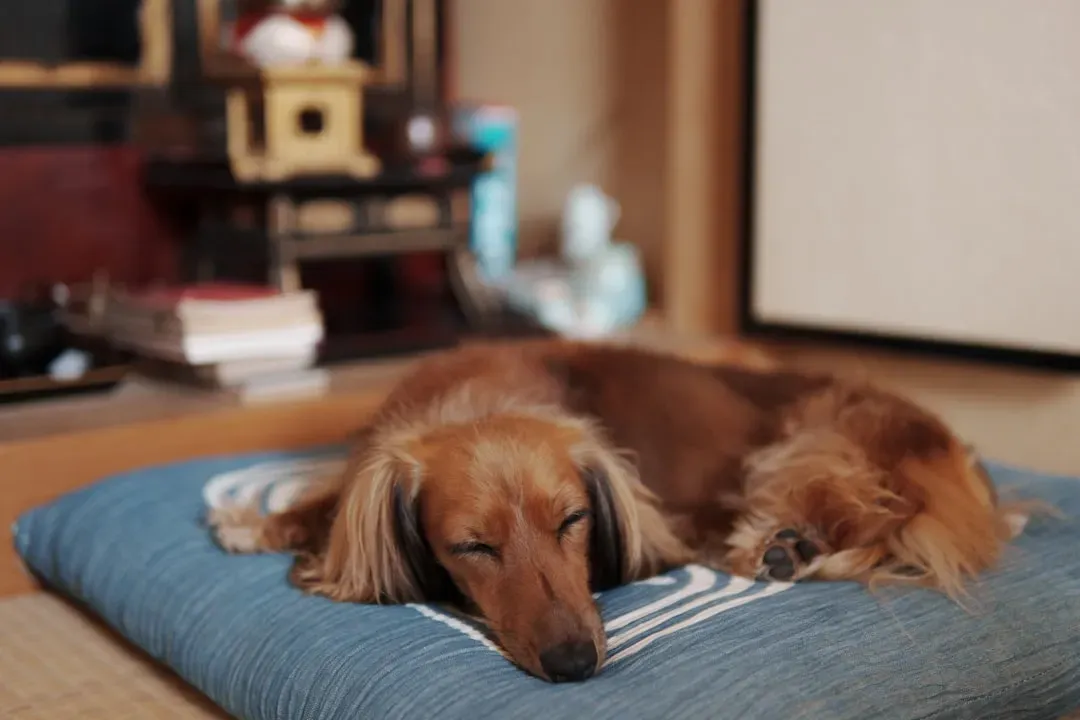
Dogs who have regulated nervous systems are able to relax and rest easily. Adult dogs need around 16 hours of sleep, while puppies, adolescents and senior dogs need more. That’s a lot of sleep, and it’s a sign of good health and emotional wellbeing.
Happy dogs typically maintain healthy sleep schedules. They’ll feel comfortable enough to sleep deeply and may even sleep in exposed positions, showing their belly. This vulnerability during rest is a clear indicator that your dog feels secure in their environment. If your dog can’t settle, is restless, or sleeps very lightly, that might indicate stress or discomfort. But a dog who naps peacefully throughout the day, waking refreshed and ready for the next adventure? That’s contentment.
Conclusion: Recognizing The Quiet Joy
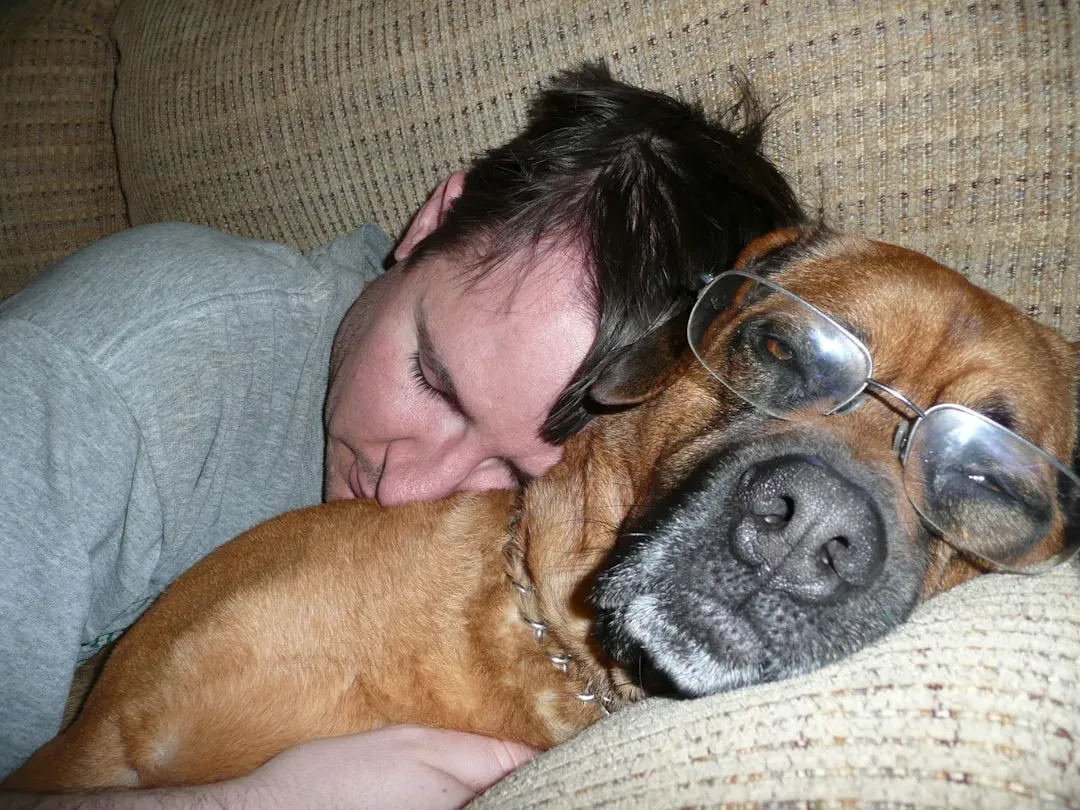
The beautiful thing about these subtle signals is that once you start noticing them, you’ll see them everywhere. Your dog is constantly communicating how they feel, and contentment has its own quiet language. It’s not flashy or dramatic. It’s in the sighs, the soft eyes, the relaxed body, and the peaceful sleep.
Happy dogs display what behaviorists call “secure attachment” – they’re confident exploring their environment because they trust their human will be there when needed. This shows up as checking in with you during walks, playing independently while you’re nearby, and calm behavior when you return home. When you see these signs in your dog, you know you’re doing something right. You’ve created an environment where they feel safe, loved, and completely at home.
So take a moment today to watch your dog. Really watch them. Are they sighing contentedly? Sleeping with their belly up? Greeting you with soft eyes and a loose, wiggly body? If so, congratulations. You’ve given your dog the greatest gift: a life where they can truly relax and just be themselves. What subtle signs does your dog show when they’re content? Tell us in the comments.


