
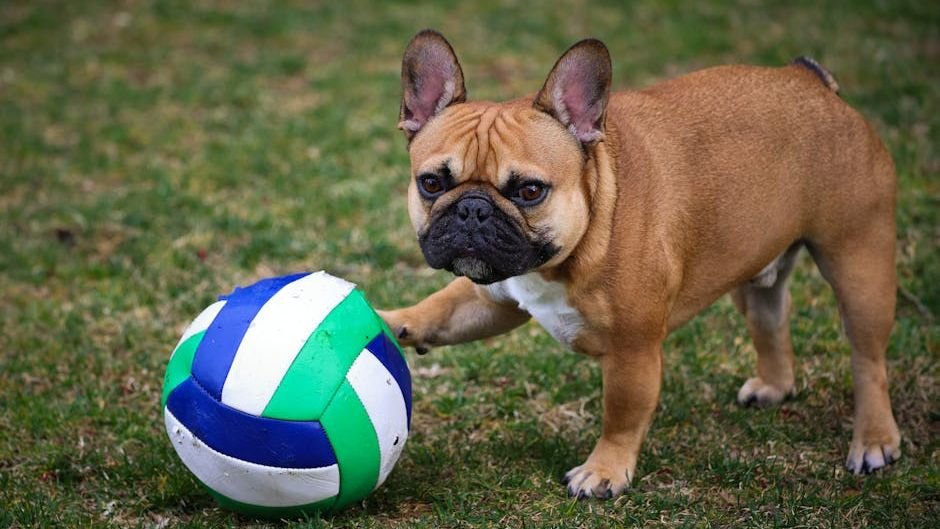
There’s a reason French Bulldogs have captured hearts in cities around the world. They’re compact, expressive, clownish in the best possible way, and deeply devoted to their people. But here’s something many new Frenchie owners discover quickly: that adorable squashed face and sturdy little body come with a specific set of needs that are unlike most other breeds.
While this breed is calm and has a relatively lower daily exercise requirement, there are still a number of French Bulldog health issues that pet parents need to be aware of. Owning a Frenchie isn’t difficult, but it does require you to be informed, consistent, and genuinely tuned in to what your dog is telling you through their behavior and body. Whether you’re a first-time Frenchie parent or a seasoned dog lover adding one to your family, these eight essential points will help you care for your pup the right way.
1. Understand Their Breathing From Day One

The flat face that makes Frenchies so irresistibly cute is also the source of their most significant health challenge. Due to their flat faces, Frenchies are prone to Brachycephalic Obstructive Airway Syndrome (BOAS), a condition that can cause breathing difficulties, especially in hot or humid weather or high-activity situations. This isn’t just an occasional inconvenience. It’s a structural reality that shapes nearly every aspect of how you care for your dog.
Many of these airway issues show up in ways owners can notice every day. If your Frenchie snores loudly, pants heavily after a short walk, struggles to cool down in warm weather, or seems easily tired during play, these may be signs of BOAS. Some dogs may even struggle to breathe while eating or sleeping.
BOAS is a progressive disease. Some of the primary problems, such as stenotic nares and elongated soft palate, can be helped with surgery. The key takeaway here is not to normalize heavy breathing as just “how Frenchies are.” Speak to your veterinarian if your dog is experiencing any symptoms of Brachycephalic Syndrome. There are both surgical and medical treatments to help manage the condition.
2. Take Heat Seriously – It Can Be Life-Threatening
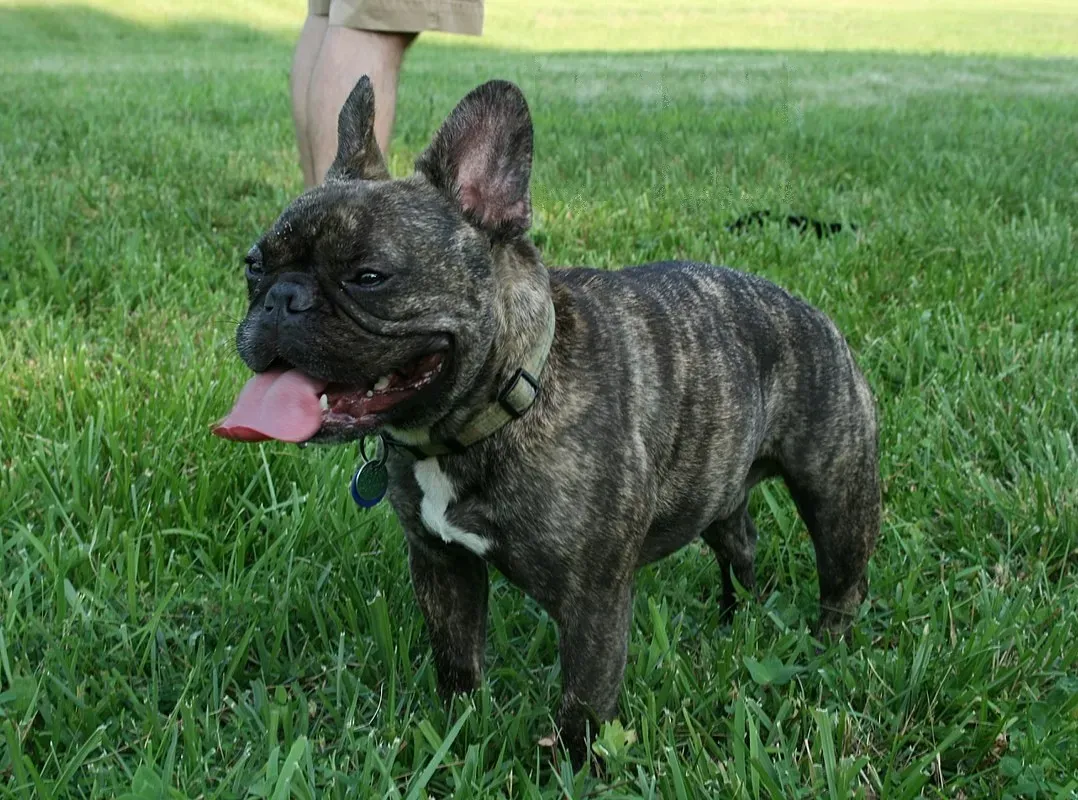
French Bulldogs are much more sensitive to the effects of heat and have an increased risk of heat stroke. Heat stroke occurs when the body’s temperature becomes dangerously high. For a Frenchie, heat stroke can occur in much less extreme conditions – such as exercise on a moderately warm or humid day. This is not an exaggeration.
Warning signs of overheating include heavy panting, excessive drooling, weakness, bright red gums, and collapse. Immediate cooling and prompt consultation with a veterinarian are critical in these situations. If you’re ever in doubt, act fast. Every minute counts with heatstroke.
Prevention is straightforward once you know the rules. French Bulldogs are sensitive to extreme heat because of their short noses and compact build and should be exercised during early morning or late evening hours. Do not exercise them in hot weather, as they can quickly overheat and succumb to dangerous heatstroke. Provide plenty of shade and fresh water when outdoors, and never leave your Frenchie – or any pet – in a parked car, as temperatures can rise rapidly and put them at severe risk.
3. Manage Their Weight Carefully

French Bulldogs are prone to obesity, which can affect their health and set them up for conditions related to obesity, such as diabetes and heart disease. Their compact build, hearty appetite, and moderate energy levels make weight gain easy and almost sneaky. A few extra treats here and there, and suddenly your Frenchie is carrying significantly more than they should be.
Frenchies are prone to weight gain because of their low activity levels and big appetites. Excess weight can worsen untreated BOAS and make the Frenchie even more prone to overheating. This emphasizes the importance of weight management in French Bulldogs.
Because French Bulldogs are prone to becoming overweight or obese, sticking to the feeding guidelines on the pet food label will help maintain their weight. Maintain a consistent feeding schedule and monitor your Frenchie’s weight periodically to ensure they remain within a healthy body condition score. If you’re unsure about the right portion sizes, your vet is the best first call.
4. Keep Skin Folds Clean and Dry

Those adorable wrinkles and facial folds are charming to look at, but they require real, ongoing attention. Skin-fold dermatitis refers to inflammation and bacterial imbalance between skin surfaces that are touching – exactly what you have in nasal folds, lip folds, neck folds, and tail pockets. Inside those folds, skin rubs against skin, moisture from tears or saliva gets trapped, oxygen is limited, and yeast and bacteria have a warm, protected place to bloom.
Clean your Frenchie’s facial folds regularly to prevent infections. Use a damp cloth or unscented baby wipe to gently wipe away any debris, followed by thoroughly drying the area to prevent trapping moisture. Drying is just as important as cleaning – trapped moisture is what triggers most infections.
Many Frenchies need fold care several times per week; those with deep folds, heavy allergies, or in hot or humid climates may need daily cleaning during flare-prone seasons. Your vet can customize a schedule based on your dog’s anatomy and history. Watch for signs of redness, unusual odor, or your dog pawing at their face, as these are early indicators that something needs attention.
5. Know the Signs of Spinal Problems
Frenchies look sturdy, and in personality they certainly are, but their spine tells a different story. French Bulldogs are more likely than other canines to be born with spinal deformities, a condition called hemivertebrae, which may lead to spinal cord damage, instability, or disability. Intervertebral Disc Disease (IVDD) is a common spinal condition in French Bulldogs. IVDD is caused by degeneration, rupturing, or bulging of the discs between vertebrae, leading to pain, nerve damage, and even paralysis if untreated. Early diagnosis and treatment are essential for managing symptoms and preventing progression.
If your dog is suddenly unable or unwilling to jump up, go up stairs, is reluctant to move around, has a hunched back, cries out, or refuses to eat or go potty, he is likely in severe pain. He may even drag his back feet or be suddenly paralyzed and unable to get up or use his back legs. These are emergency signs. Do not wait and see.
Elevated food and water bowls, using a harness instead of a collar around their necks, and teaching them to use doggy stairs or ramps instead of jumping on and off furniture are good ways to protect their spines for years to come. Small daily adjustments like these genuinely add up over your dog’s lifetime.
6. Stay On Top of Allergies and Ear Health

French Bulldogs often develop skin allergies, known as atopy. Commonly, the feet, belly, folds of the skin, and ears are most affected. Symptoms typically start between the ages of one and three and can get worse every year. Licking the paws, rubbing the face, and frequent ear infections are the most common signs.
The French Bulldog’s predisposition to allergies, as well as the shape of their ear canal, puts them at a greater risk of developing ear infections than some other dog breeds. Frenchies have a much narrower ear canal than many other dogs, making it easier for moisture, dirt, and other debris to become trapped in their ears and for infections to develop. Chronic ear infections in French Bulldogs can further exacerbate the problem of their narrow ear canals, as ear infections can actually change the texture and thickness of the skin that lines the ear canal, only making the space narrower and creating more opportunities for future infections to develop.
If your Frenchie is scratching their ears, shaking their head frequently, or you notice a yeasty or funky smell, get to the vet promptly. If you suspect food allergies, your vet may recommend an elimination diet to pinpoint the culprit. Managing allergies early prevents a cycle of recurring infections that become harder to treat over time.
7. Exercise Thoughtfully – Not Excessively

Frenchies are not couch decorations. They do need to move. But there’s a real difference between healthy activity and overexertion that puts your dog at risk. French Bulldogs may not be marathon runners, but they still require regular exercise to stay healthy. Short walks, gentle play sessions, and light physical activity help maintain a healthy weight and keep their muscles strong. Most veterinarians recommend two short walks per day rather than one long session. Because Frenchies are sensitive to heat, it’s important to exercise them during cooler times of the day, such as early morning or evening.
Beyond physical movement, mental stimulation matters enormously for this breed. Mental stimulation is just as important as physical exercise. French Bulldogs are intelligent dogs that enjoy solving problems and engaging with their environment. Without mental stimulation, they can become bored, which may lead to destructive behaviors or laziness.
Interactive games like fetch, hide and seek, and tug of war are great ways to keep your French Bulldog engaged and active. These games provide both physical and mental stimulation, which is important for keeping your Frenchie healthy and happy. A tired mind often does more for a Frenchie’s wellbeing than a long walk ever could.
8. Commit to Regular Veterinary Care
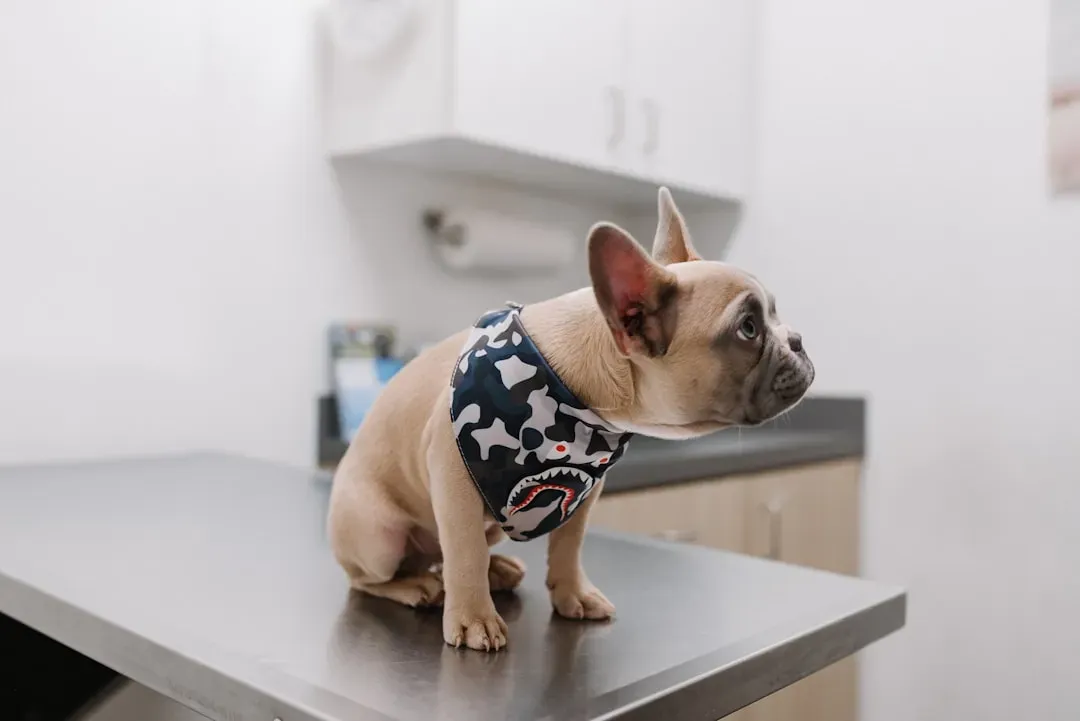
Given everything that makes Frenchies unique, routine veterinary care isn’t optional. It’s the backbone of keeping them well. Regular wellness exams are essential for your French Bulldog to monitor their overall health and to address potential issues early. Be vigilant for respiratory distress signs, overheating, or skin problems that require prompt veterinary care. Most Frenchies must be seen twice yearly to monitor the common health conditions of their breed.
Their flat faces and narrow airways make them prone to complications during anesthesia. Discuss your dog’s specific risks, ensure your vet has experience with brachycephalic breeds, and ask about special monitoring protocols during procedures. This is especially important if your Frenchie ever needs surgery, even for something that seems routine.
Starting the right relationship with a vet early sets everything else up for success. French Bulldogs can make loving and loyal companions, but they come with specific needs and health considerations. One of the most important steps you can take is to consult with a veterinarian who understands the breed and will create a tailored care plan that prioritizes the health and happiness of your new family member. Don’t wait for something to go wrong to find a good vet. Find them before you need them urgently.
Conclusion: Love Them the Right Way

French Bulldogs give you so much. They’re loyal, funny, endlessly affectionate, and remarkably good at knowing when you need company. In return, they ask for something specific from you: attentiveness. Not elaborate care routines or endless vet visits, just consistent, informed attention to the things that matter most for their particular anatomy and health.
At the end of the day, it all comes down to lifestyle and consistency of care; in the right home and with consistent care, Frenchies can live long, healthy lives with an average lifespan of 11 to 14 years. That’s more than a decade of snorts, zoomies, stolen couch spots, and unconditional companionship.
The more you understand your Frenchie’s needs, the more confidently you can meet them. And that confidence, over time, becomes the foundation of a genuinely good life for your dog. They don’t need perfection. They need a person who keeps showing up, paying attention, and caring enough to learn. Sounds like you’re already there.


