
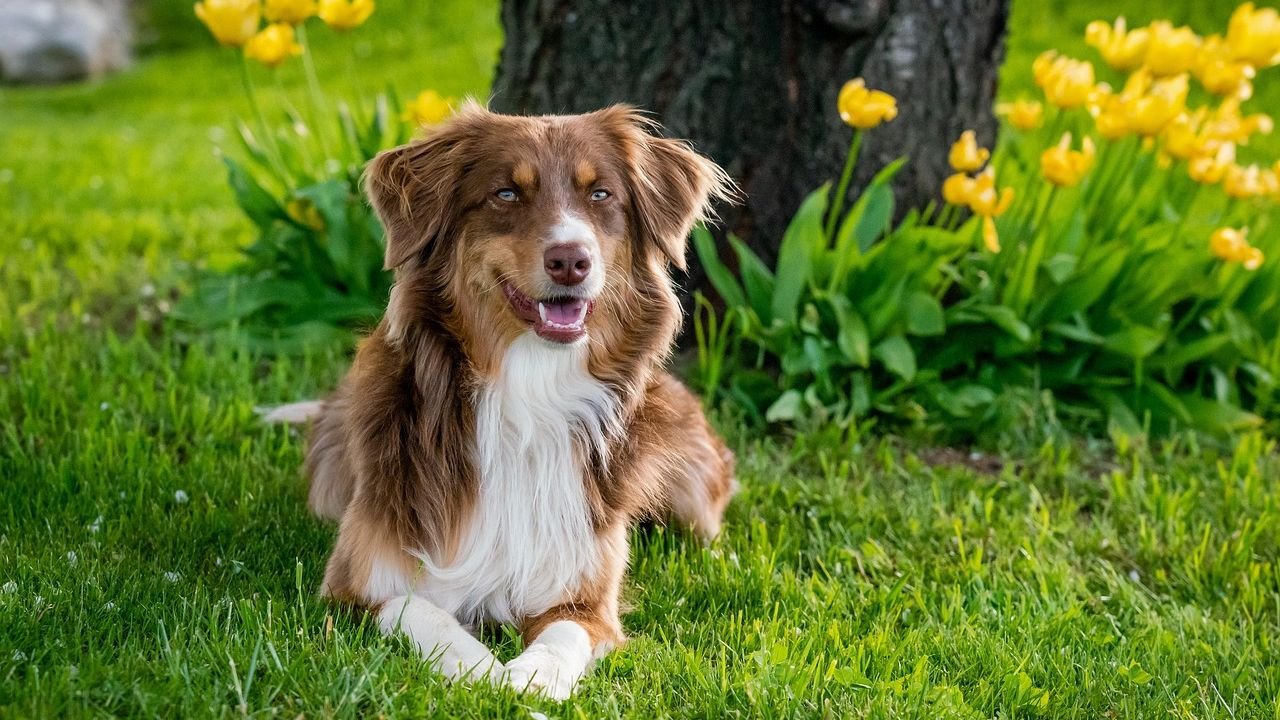
Most dog owners have stood at the front door at some point, hand on the knob, watching their dog’s eyes follow their every move, wondering: “Will they be okay?” It’s one of the most common and quietly guilt-ridden questions in dog ownership. The truth is, how well a dog handles solitude isn’t random. Breed history, original purpose, and natural temperament all play a real role. A dog bred for centuries to guard a monastery on its own is wired very differently than one bred to shadow a hunter’s every step.
Although no dog should be left at home alone for extended periods of time, there are some breeds that are more content with their own company than others. Understanding which breeds lean which way isn’t about picking a “less needy” dog. It’s about making thoughtful choices so your lifestyle and your dog’s emotional needs actually match. Whether you’re working long hours, a first-time owner, or just curious, what follows might genuinely surprise you.
1. Basset Hound: The Nap Champion Who Barely Notices You’re Gone
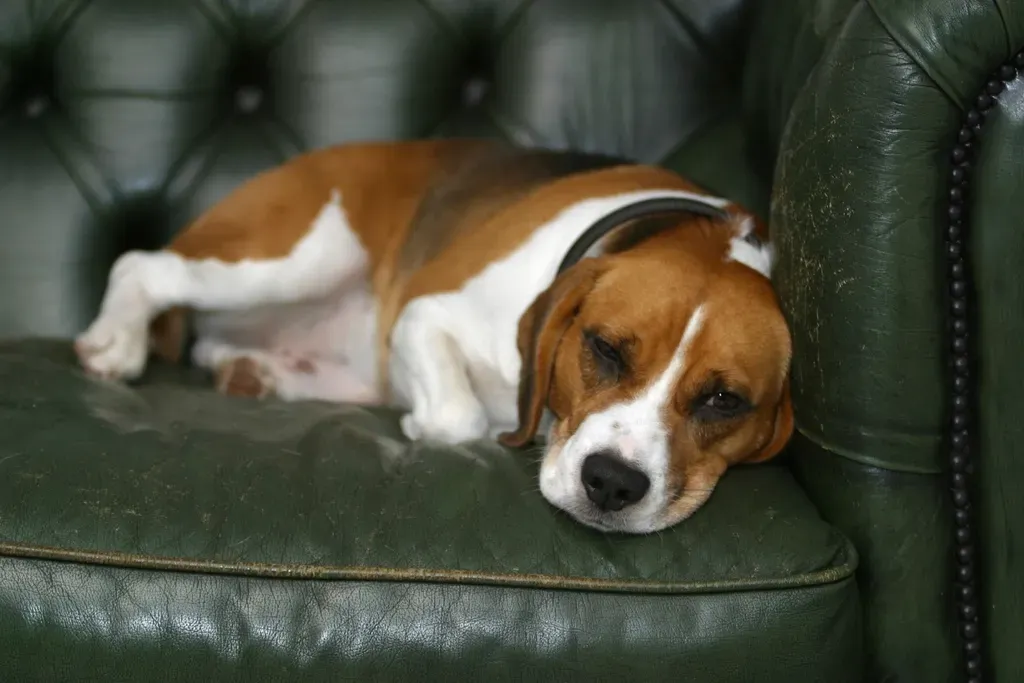
Picture a dog who, the moment you leave, shuffles to his favorite spot, flops down with a dramatic sigh, and is asleep before your car reaches the end of the driveway. That’s the Basset Hound in a nutshell. The Basset Hound, known for their long, floppy ears and soulful eyes, is a medium-sized breed with a calm and friendly temperament. They are known for being headstrong and independent, and they have a low tendency for separation anxiety, able to tolerate being alone for several hours.
Hunting dogs like Basset Hounds were bred to track scents far from their owners, so because they were bred to make decisions without humans, they naturally have lower separation anxiety. That independence is centuries deep. The practical tip here: give your Basset a good sniff-walk before you head out. Mental stimulation through scent activities burns energy and leaves them pleasantly drowsy for the hours ahead.
2. Chow Chow: Regal, Reserved, and Perfectly Fine Without You
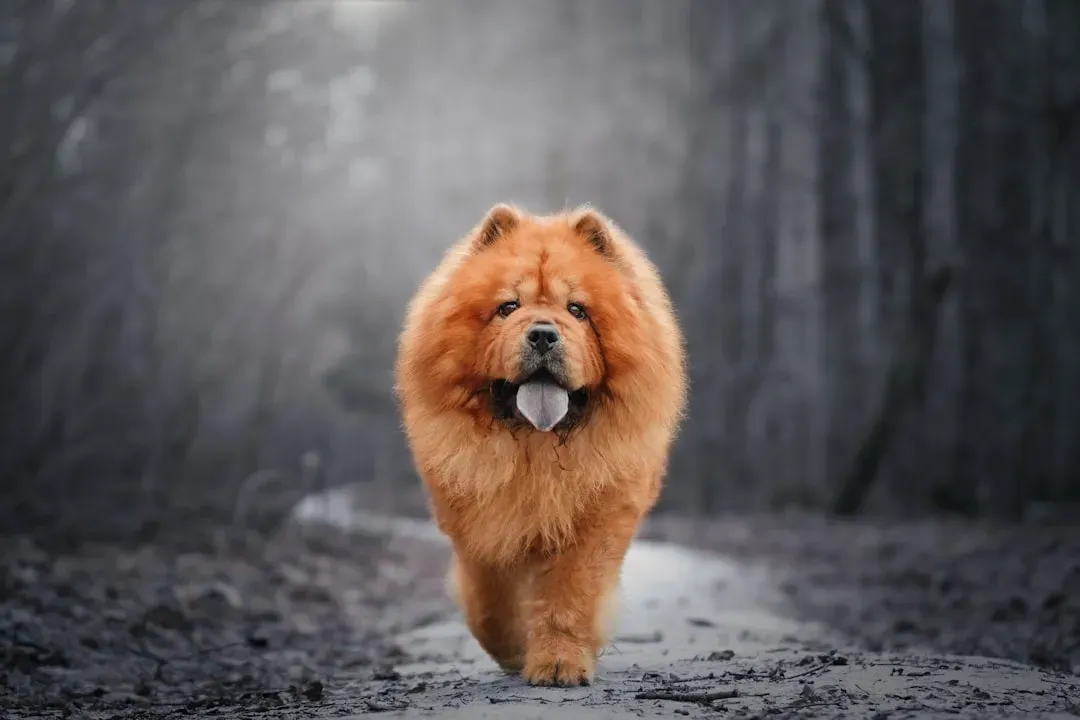
The Chow Chow is a medium to large breed from China with thick fur, a blue-black tongue, and a wrinkled face. Many owners describe them as loyal and independent dogs. Chow Chows have a reputation for being somewhat aloof, but they are also very intelligent and loving. They tend to bond with their family on their own terms, which means they’re not the type to spiral when you step out.
Chow Chow is an independent dog breed whose self-sufficient nature and aloofness make them less prone to anxiety problems if they stay alone for several hours. That said, early training matters. They can be taught to spend longer periods alone, but they should be given toys or puzzles to help pass the time. Think of enrichment not as babysitting, but as respecting their intelligence.
3. Basenji: The Curious Cat-Dog Who Entertains Himself Just Fine
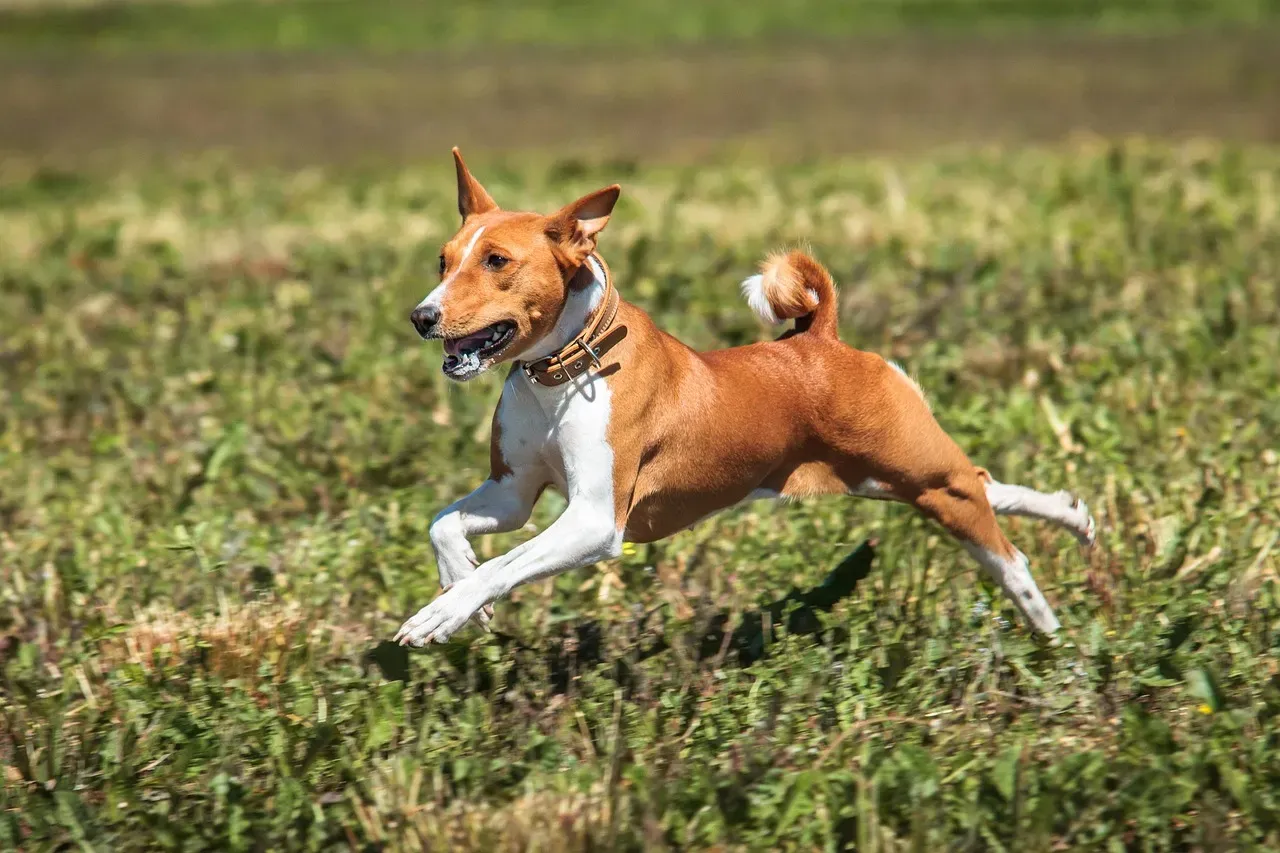
The Basenji is a small African breed known for their unique yodeling vocalization. They have an independent and curious temperament that can sometimes make them a bit challenging to train, but they are also intelligent, and with proper training, can learn to stay home alone for several hours at a time, provided they are given activities and toys to occupy their minds.
The Basenji is known for its independent streak and is often regarded as the barkless dog. They were bred in Africa for hunting activities that led to their self-sufficient nature. They often find ways to entertain themselves when left alone, due to their curious, intelligent, and gentle temperament. If you own a Basenji, invest in rotation-worthy toys, because a bored one will find their own entertainment, and you may not appreciate what they choose.
4. Shiba Inu: Japan’s Most Self-Sufficient House Companion
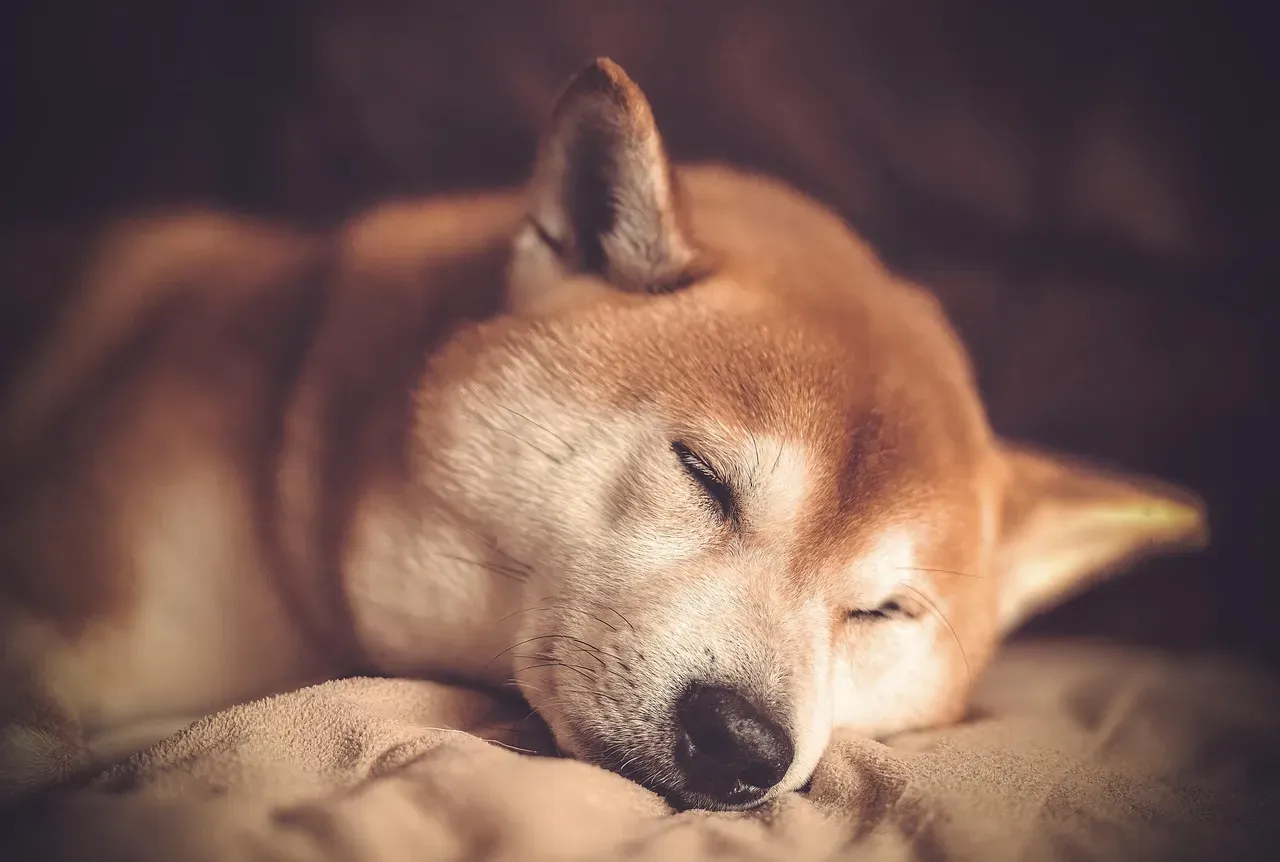
The Shiba Inu is a beloved Japanese dog breed, popular for its friendly yet independent personality, and can be a good companion for those with busy lifestyles. Their independence makes them less prone to separation anxiety, as long as they get enough exercise. After a good exercise session of at least 45 minutes a day, Shiba Inus can be perfectly content with some quiet time, provided they have a puzzle toy to keep them mentally stimulated.
The fox-like Shiba Inu is an independent-minded breed that respects the independence of their owners as well. As long as their basic needs for activity and attention are met, they handle periodic alone time very well. In fact, too much coddling and attention makes some Shibas nervous. That last point is worth sitting with. This is a breed that genuinely values its own space, which makes it a surprisingly natural fit for owners who aren’t home all day.
5. Basset Hound’s Bigger Cousin: The Greyhound’s Quiet Secret
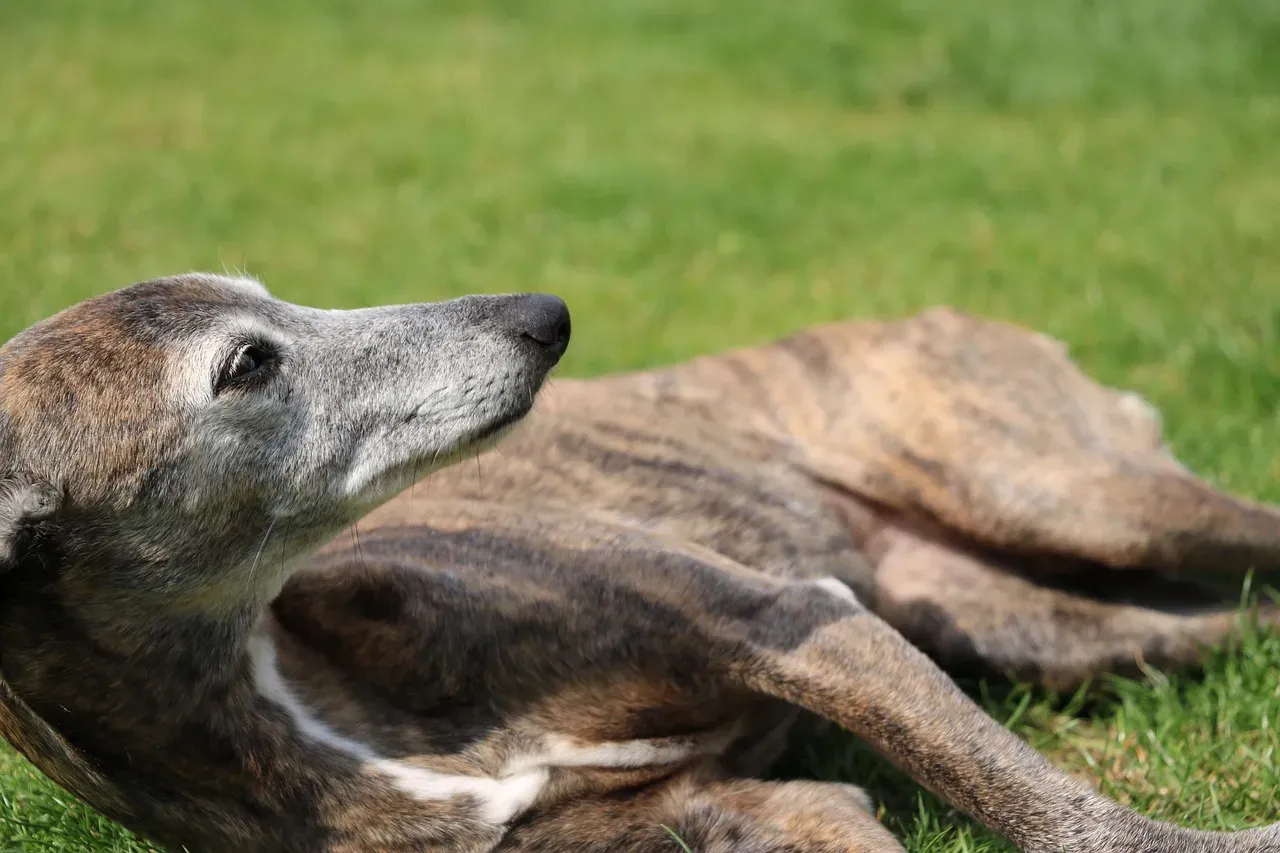
Most people associate Greyhounds with speed and racing tracks. What catches people off guard is how dramatically low-key they are at home. Ex-racing greyhounds are used to spending time in kennels and confined spaces. Adopters of retired racing greyhounds often comment on how well these dogs handle alone time. Their calm temperament and lower energy levels mean they often sleep a lot during the day anyway, whether someone is home or not.
When you think of a Greyhound you’re probably imagining these dogs darting around a racecourse at speeds of up to 45 miles per hour. What you might be surprised to find out is that when they aren’t racing, they’re a relatively low-energy dog breed. They have a particular penchant for snoozing, so they can be left alone during the day without the fear of destructive behavior. A soft bed, a calm environment, and a good walk in the morning – that’s genuinely enough for most Greyhounds.
6. Vizsla: The Velcro Dog Who Should Not Be Left Alone
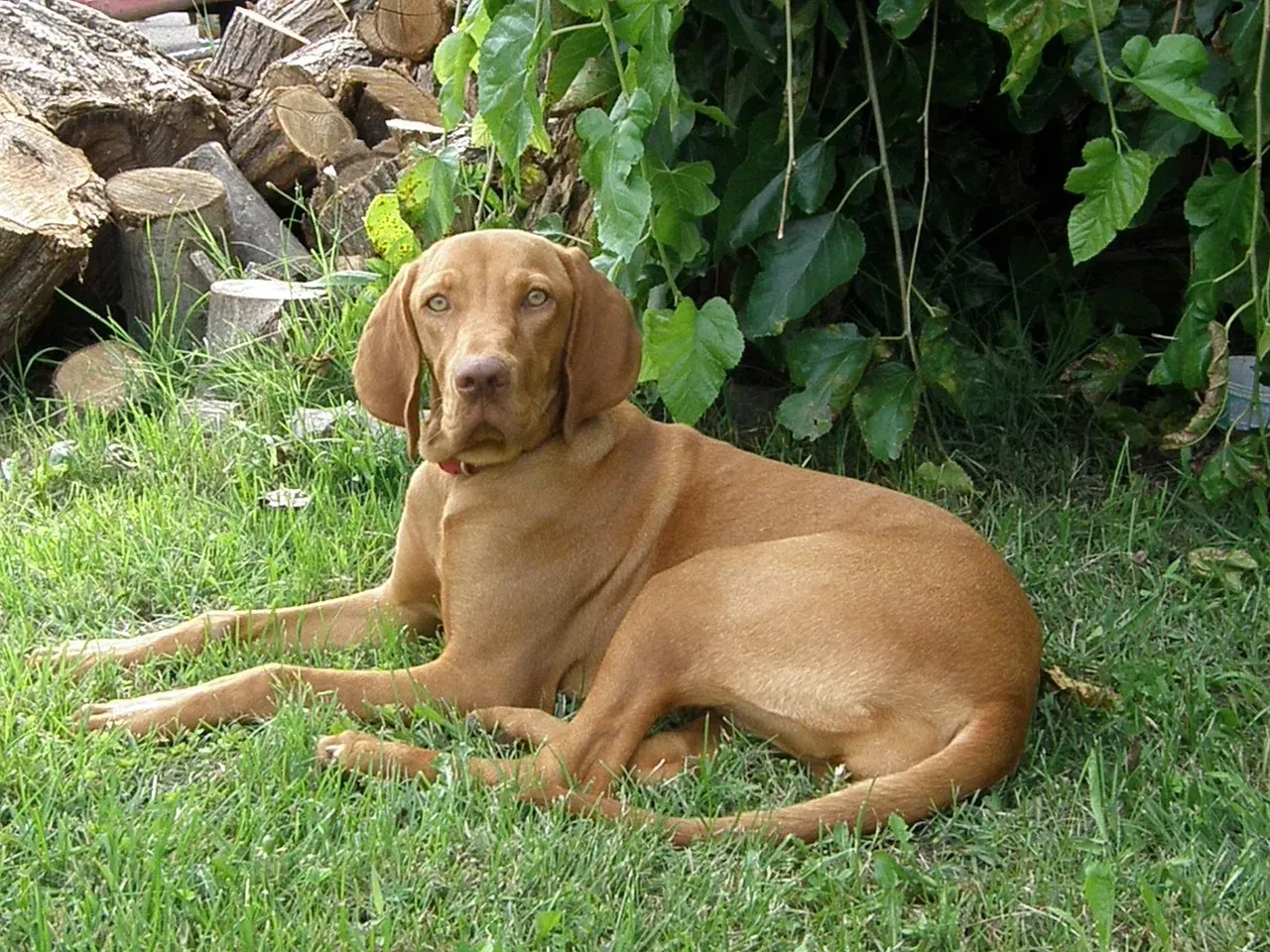
Now for the flip side – and the Vizsla is a breed where the reality is crystal clear. The Hungarian Vizsla is often called a “velcro dog” because it can form such a strong attachment to its owners. Vizsla separation anxiety is a common canine issue. Bred for hunting alongside their owners for long periods of time, the Vizsla does not do well when left alone for long hours. They are considered to be velcro dogs, and too much alone time and too little activity will greatly increase the risk of severe separation anxiety.
Bred to be a perfect hunting dog, when left alone the Vizsla is known to start howling excessively and can also chew up a storm. Behavioral cues to watch for include pacing before you leave, whining at the door, and destruction that seems targeted at exit points. If you own a Vizsla and work long hours, doggy daycare or a midday dog walker isn’t optional – it’s essential for their mental health.
7. Australian Shepherd: Brilliantly Smart and Prone to Unraveling Alone
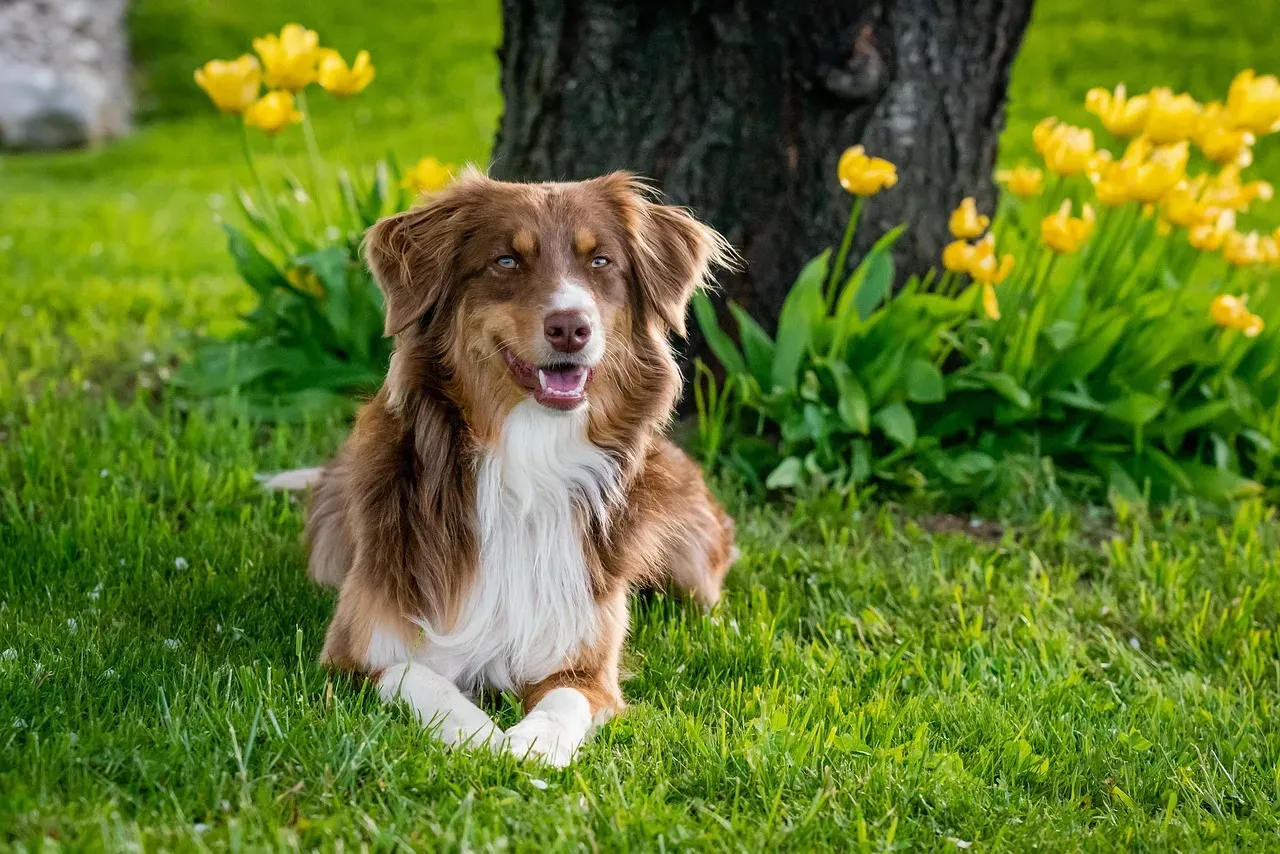
Herding breeds tend to have a propensity toward separation anxiety, and the Australian Shepherd is no exception. They were made to be working dogs, and they do not like being stagnant and alone. They do not like being away from their humans for long periods. This isn’t a personality flaw – it’s pure biology. They were literally bred to be in constant communication with a human shepherd.
The Australian Shepherd is an extremely intelligent dog that loves nothing more than working for you. Easily trained, they are energetic and athletic – and they need an outlet for that energy. Leaving them alone can cause an undue amount of stress, and in severe cases, they can actually become self-destructive if left alone for too long. Signs to watch: obsessive spinning, chewing of walls or door frames, and frantic greetings that take a long time to wind down. Prevention means consistent daily exercise, structured mental challenges, and never leaving them for an eight-hour stretch without a break.
8. Border Collie: The World’s Smartest Dog Is Also the Hardest to Leave
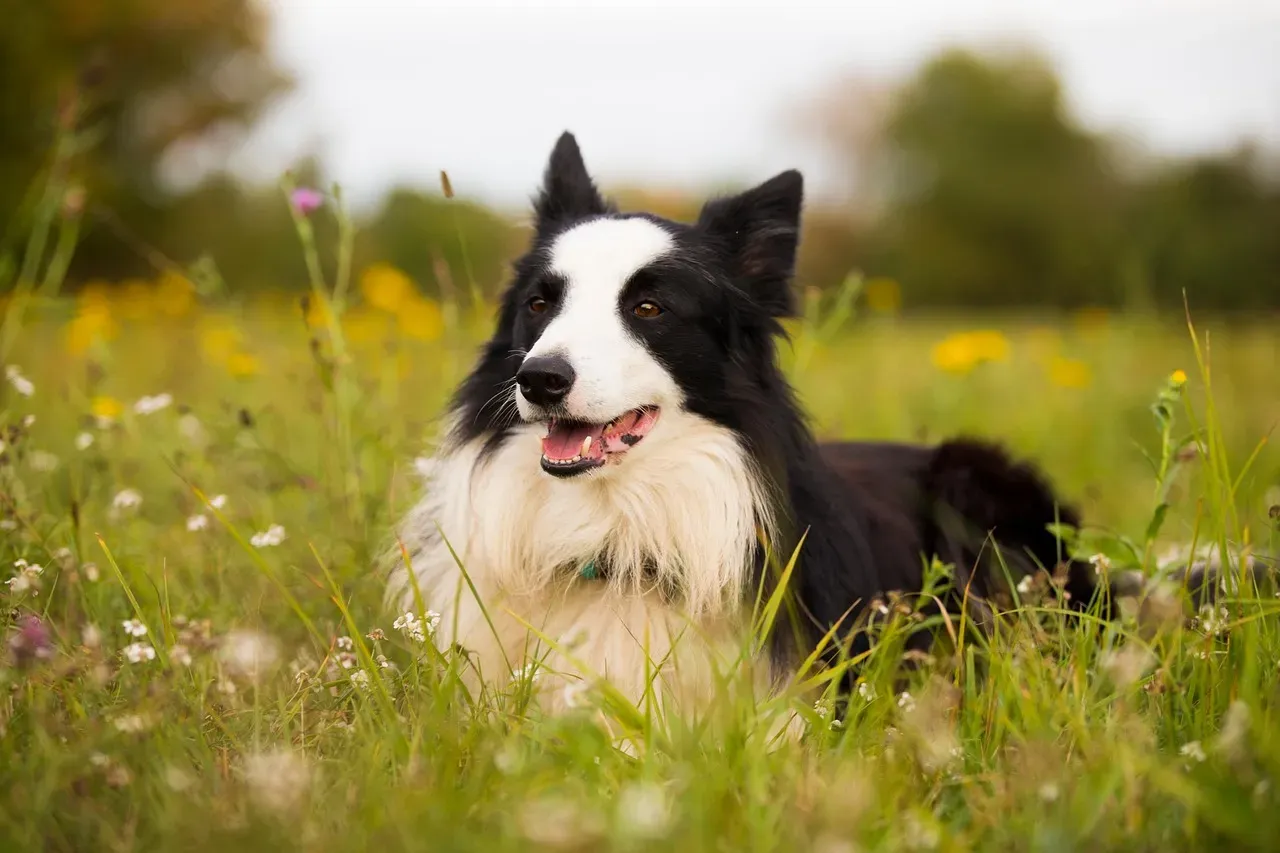
The Border Collie consistently ranks as the most intelligent dog breed, but this means they are more likely than other breeds to become bored when they have no stimulation. Leaving them alone can lead to separation anxiety and destructive behavior as they look for ways to amuse themselves. Their intelligence is genuinely a double-edged sword when it comes to alone time.
The Border Collie is one of the most predominant working and sport dogs today, excelling in a variety of venues. Because of their high energy and intelligence, these dogs need a lot of mental stimulation to prevent them from reaching excessive boredom. A Border Collie left alone without enough stimulation won’t just be unhappy – they’ll be creative about expressing it. Herding the cat, rearranging furniture, or redecorating the couch are all very much on the table. This breed truly needs a job, or at minimum, a structured daily routine that includes training sessions.
9. Bichon Frise: Cheerful and Loving, With a Complicated Relationship With Solitude
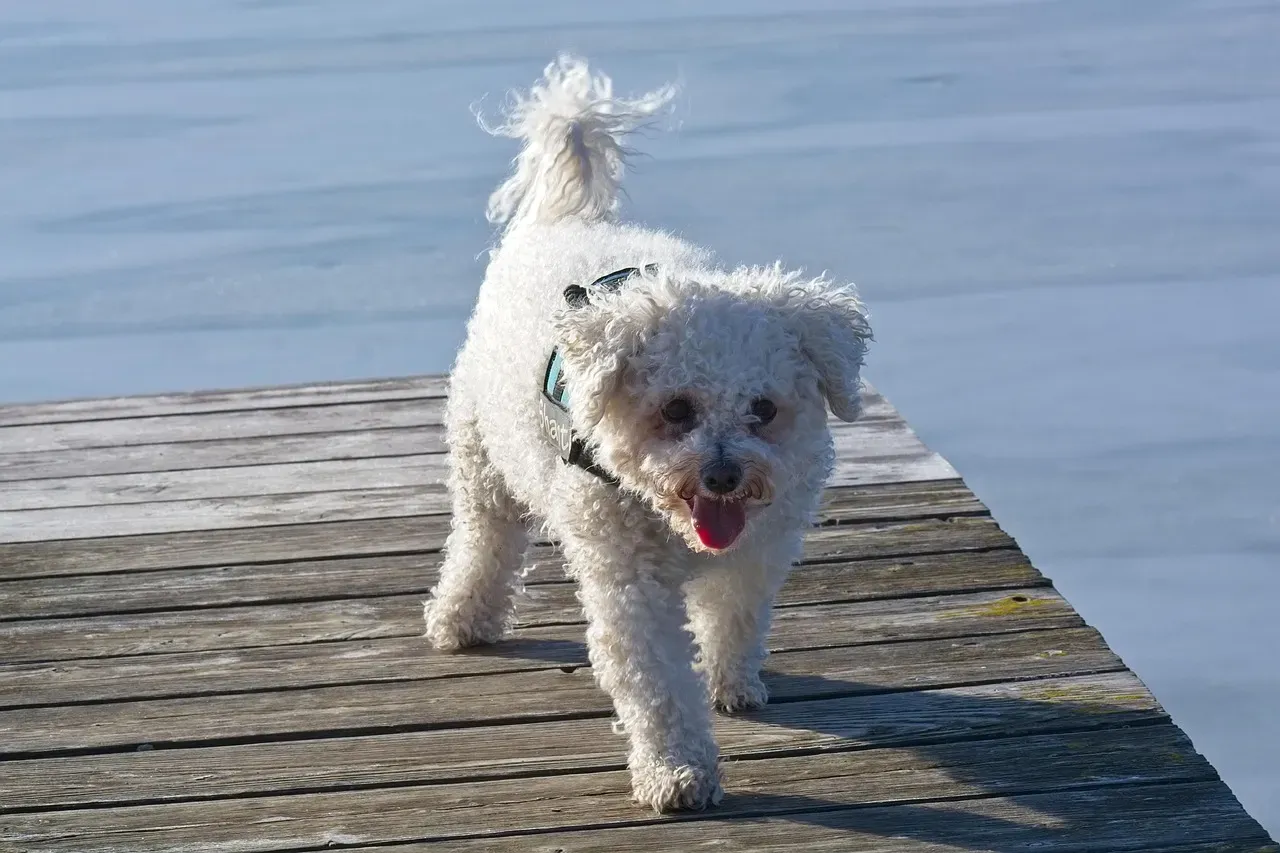
The Bichon Frise is known to have separation anxiety. They are companions and lapdogs who do not like to be away from their families. Bichon Frises are the type of dog that will follow you around all day, and they are often outgoing, friendly, and loving. The very qualities that make them delightful companions are what make alone time so difficult for them.
Not getting enough exercise is the single largest environmental factor associated with separation anxiety in dogs, per a 2015 study in PloS One. Daily aerobic exercise will do wonders for some dogs, as will enriching activities like training classes, food puzzles, and opportunities to explore new spots. For Bichon owners specifically, keeping departures calm and low-key is equally important. Don’t make a big fuss about leaving or coming back, as this teaches your dog to focus on it. If coming home is a big, exciting event, your dog is more likely to stress and pine in anticipation for your return.
10. Cavalier King Charles Spaniel: Pure Love, Pure Heartache When You Leave
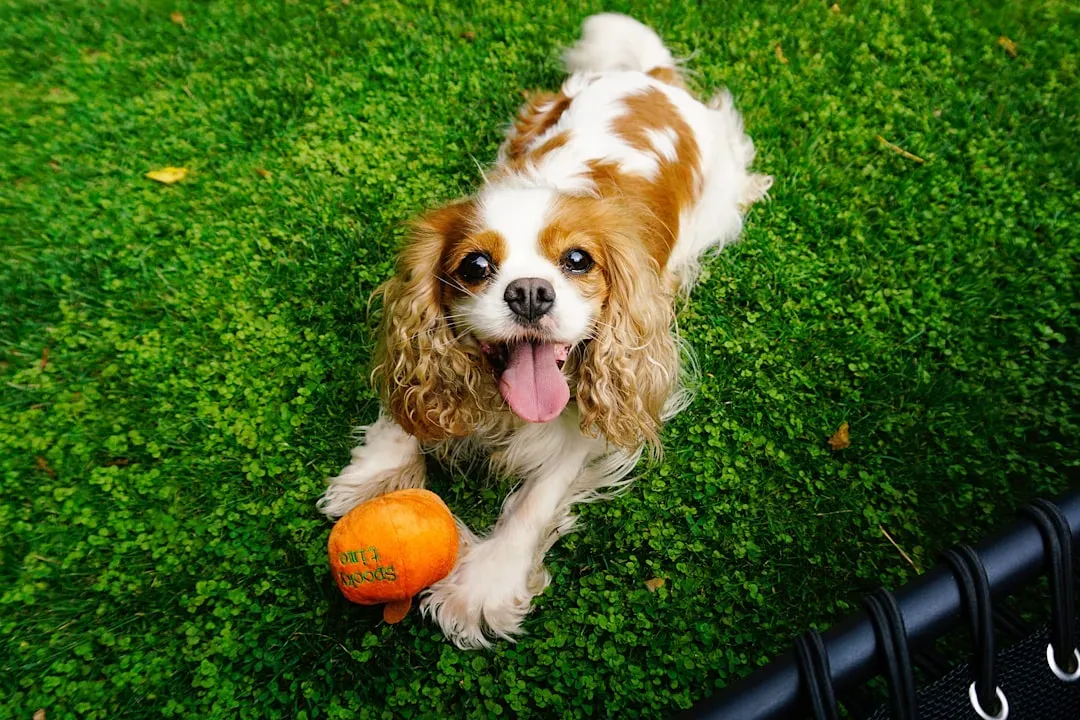
The Cavalier King Charles breed has a reputation for suffering from extreme separation anxiety. They will provide your family with unconditional love and loyalty, and they are lap dogs. They do not like to be left on their own. This breed was developed specifically to be a human companion, so their distress when left alone isn’t surprising – it’s the logical result of what they were bred for.
Bred to be a companion dog and spend most of its time with humans, Cavaliers typically don’t react well to being left alone for long periods. The Cavalier King Charles is also one of the more naturally anxious breeds, so they can be prone to barking and other nervous habits. If a Cavalier is your heart dog and your schedule demands long hours away, consider a second companion dog, structured crate training introduced very gradually, and a consultation with a certified animal behaviorist. Managing separation anxiety involves establishing a routine that provides security, and training techniques like desensitization and counter-conditioning can help alleviate anxiety.
A Final Thought for Every Dog Owner
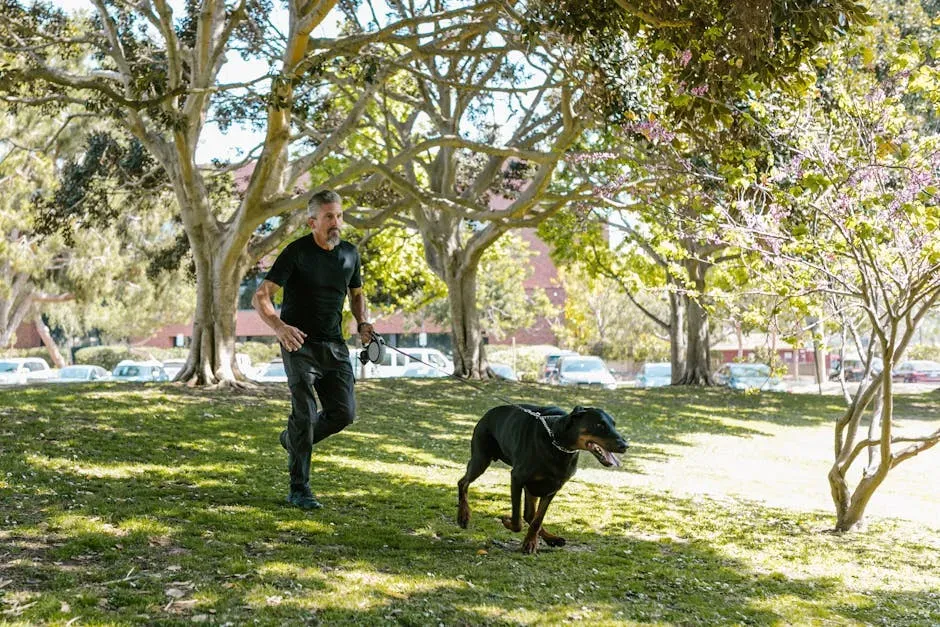
Whatever breed shares your home, the honest truth is the same across the board. Even independent breeds need daily walks, mental stimulation, and quality time when you’re around. No dog should be alone for more than six to eight hours regularly. Breed tendencies are a starting point, not a guarantee, and individual personality always plays a role.
Separation anxiety is a common behavior concern in dogs that can show up as excessive barking, destructive chewing, pacing, or other signs of stress. While every dog is different, these behaviors often mean a dog is struggling with alone time and may benefit from patience, routine, and gradual independence-building. If you’re already seeing signs of distress, reaching out to your vet is always the right first move.
The most important thing isn’t finding a dog that tolerates being alone perfectly. It’s understanding what your dog actually needs and building your routine around that reality. A dog who feels genuinely secure, exercised, and mentally engaged is far more likely to rest easy while you’re out – regardless of breed. That peace of mind, for both of you, is entirely worth working toward.


