
You said yes to just a few weeks. Maybe a month. You’d take in the puppy, keep it safe, and then pass it along to its forever home. Simple enough. What nobody quite warned you about was the way a small dog can find its way into the exact center of your life in about forty-eight hours flat.
What might start as a compassionate act of providing temporary shelter and care can quickly evolve into an unbreakable bond between the foster parent and the dog. That is not a flaw in your character. It’s not even a surprise, really. It’s just what happens when you open your home to something small and vulnerable that needs you completely.
This article is for everyone who has fostered a puppy and felt the full weight of that experience, the love, the grief, the guilt, and the quiet joy of knowing you made a real difference.
Why the Bond Forms So Fast and So Deep

When a foster puppy arrives, it usually comes with almost nothing. No familiar scent, no known history, no established trust. You become its entire world almost immediately. You’re the one providing warmth, meals, routine, and comfort, and dogs read that kind of care with startling clarity.
Spending time with a dog in your home allows you to learn about their personality, quirks, and preferences. As you invest time and effort into their care, you witness their growth and transformation. That daily witnessing is powerful. You notice the first time the puppy wags at the sound of your footsteps. You’re there for the first confident trot across the living room floor.
Animals have the chance to recover from physical and psychological strain in a foster home. Living in a loving foster home helps these animals build up their trust towards humans, regain their confidence, and get used to living in a normal home environment. Being the person who restores that trust leaves a mark on you too, not just the dog.
The Real Value You’re Providing to the Puppy
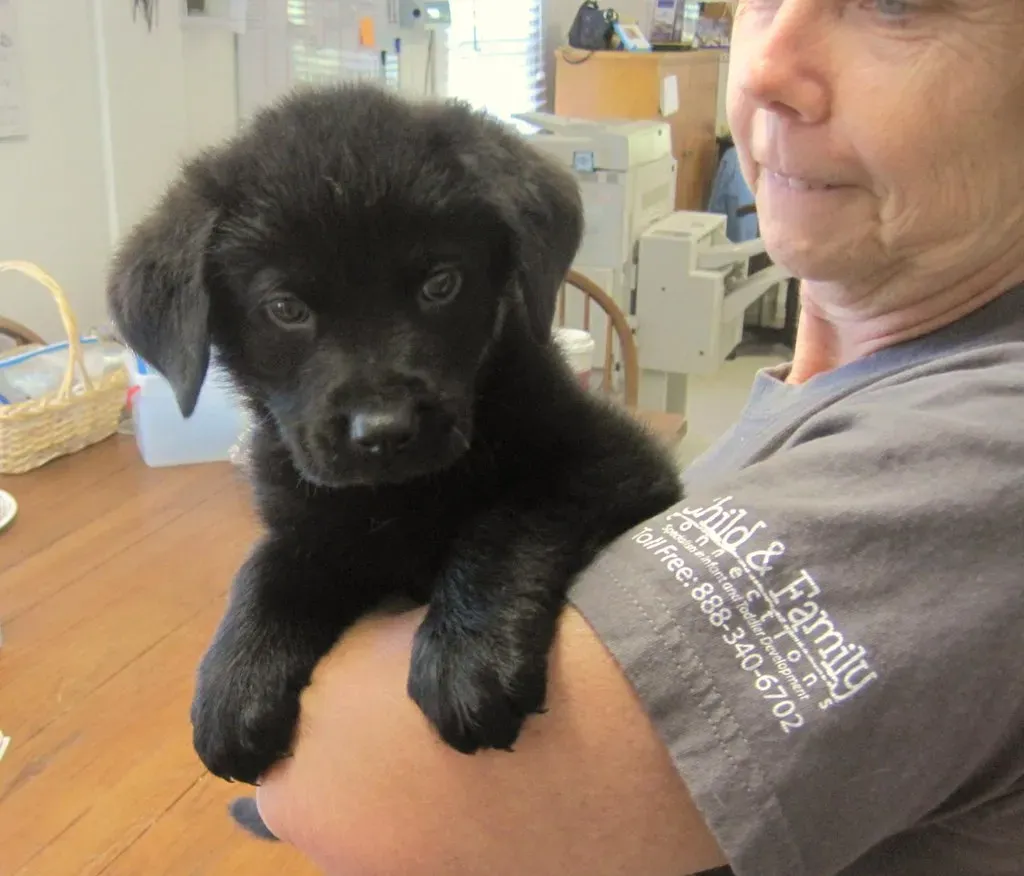
Foster care does far more for a puppy than simply keeping it out of a kennel. Many shelter dogs come from challenging backgrounds and may exhibit behavioral issues as a result. Foster care provides these dogs with a supportive environment where they can receive the attention, training, and socialization they need to overcome their challenges and become adoptable companions.
You can give a young puppy a safe place to grow until they are ready to be adopted permanently. Puppies aren’t ready for their forever home until they are at least eight weeks old. An experienced foster parent is able to take care of a puppy’s needs until he or she is ready to be adopted. Those early weeks in a home, rather than a shelter, matter enormously for behavioral development.
When dogs live with foster families, the caregivers get to know them really well. They learn about the dog’s behavior and personality, and how they fit into different lifestyles. This helps match the dog with the perfect forever family, making sure they find the right home and increasing the chances of a happy, long-term adoption. In other words, your attachment to this puppy directly improves its chances of landing in the right hands.
The Emotional Toll of Saying Goodbye

Letting go is genuinely hard. There’s no polished way to say it. All foster dog parents can say that they’ve certainly felt the influx of emotions when their first foster dog gets adopted. From feeling thrilled that their rescue dog finally has a forever home to feeling devastated that a dog with whom you’ve bonded is no longer in your home. These are real, valid feelings that might occur.
While caregivers showed some signs of anticipatory and ambiguous grief at the end of the foster period, most believed they had adjusted well since their animal left, and the vast majority were likely to provide foster care to future shelter animals. That tells you something important: the grief is real, but it doesn’t have to be the end of the story.
The grief in animal rescue and foster care is unique because it involves a deep emotional connection with the animals that you know you will be eventually parting with and never own. That foreknowledge doesn’t make it easier. It just makes the care more intentional, which is quietly beautiful in its own way.
Understanding “Foster Fail” and Whether It’s Actually a Failure

A foster fail occurs when the foster parent decides to adopt the dog themselves, effectively transitioning the foster home into a permanent one. The term sounds like something went wrong. It really didn’t. It just means the bond became impossible to sever.
Research findings suggest that roughly a third of volunteers had not adopted a foster in the past ten years, and another third had adopted one or two. So foster fails are far from rare, they’re a normal part of the fostering world. Instead of being a “failure,” foster adoptions can be a positive force for the animal in question, their adopters, and shelters and rescues because they have more resilient, satisfied, and active volunteers.
Volunteers that expressed higher levels of both people-substituting and general attachment to their fosters were more likely to adopt them, as were those that more frequently fostered animals with special medical or behavioral needs. If you’ve been the primary caregiver for a puppy with health challenges or a difficult start, the odds of your heart fully surrendering are quite high. No judgment. That’s just how love works.
Practical Ways to Manage Attachment Without Losing Yourself
If your intention is to keep fostering long-term, you need strategies that protect your emotional health without turning you cold toward your foster pups. Setting clear boundaries means defining your fostering commitment from the beginning and reminding yourself of the temporary nature of the arrangement. Staying connected with the rescue organization and regularly communicating with them to understand the progress and success stories of the pets you’ve fostered also helps.
Having your foster dog bond with a variety of people can help you keep the emotional distance you need to let go. You won’t think of the dog as “yours” and you won’t worry that he or she will never be happy without you. Encouraging friends or family to interact regularly with the puppy can genuinely ease the goodbye.
Research found that foster volunteers had an overall emotionally satisfying experience with low levels of burnout and stress. People said seeing dogs get adopted into loving homes and watching them come out of their shells were some of the most rewarding aspects. Reminding yourself of that bigger picture on a hard day is not just a coping mechanism. It’s perspective rooted in fact.
What Fostering Gives Back to You
There’s a temptation to frame fostering entirely as sacrifice. You give your time, your space, your emotional energy. What the research actually shows is something more balanced. Foster caregivers perceived their foster animal provided companionship, affection, and emotional support, with dog foster caregivers reporting significantly higher emotional and social wellbeing than cat foster caregivers.
Dogs can motivate their caregivers to walk, which can boost emotional and physical quality of life, and promote social connections within neighborhoods. Even a temporary foster puppy changes your daily rhythm in ways that tend to be quietly good for you.
Fostering builds families. You undoubtedly will get attached to your foster dog, but seeing them leave your house and go on to live an amazing life with a carefully selected adopter is the payoff for all of the work done together to help a dog in need. That payoff is real. Experienced foster volunteers describe the goodbye not only as grief but as a kind of earned pride.
Conclusion: The Ache Is Part of the Gift
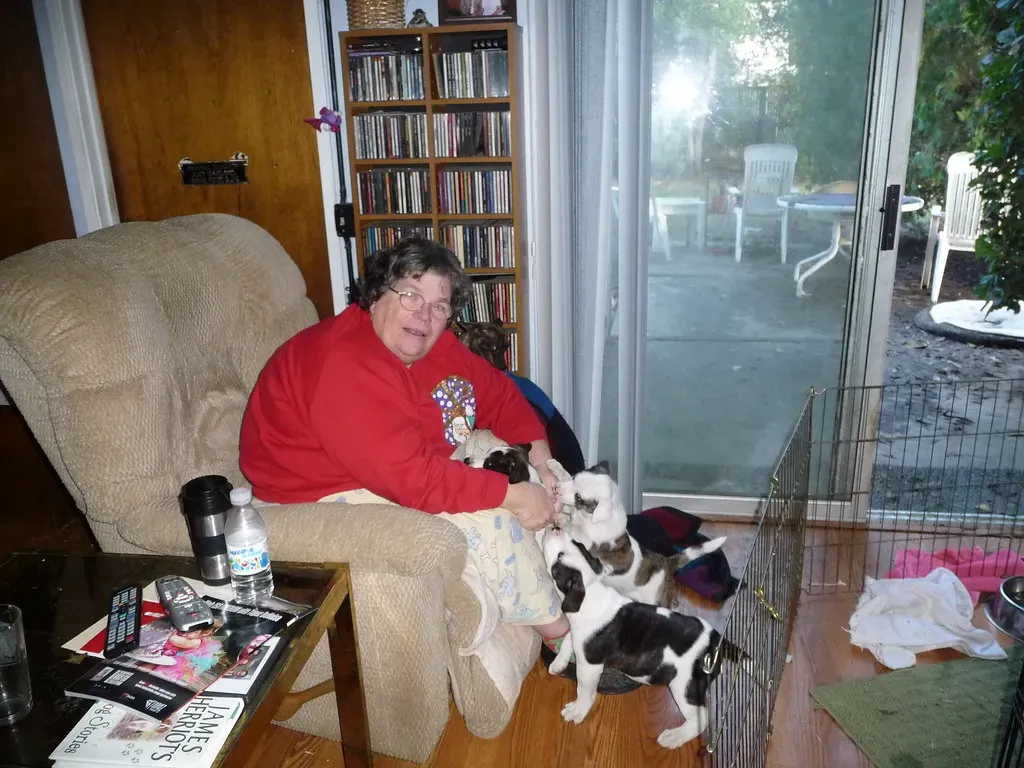
isn’t a mistake. It’s the whole point. A puppy that feels loved, safe, and seen in your home is a puppy that will arrive at its forever family trusting the world a little more. That’s not small. That’s genuinely transformative for the animal.
The grief when they go is proportional to the care you gave. Sit with that for a moment. Fosters say it helps to keep the big picture in mind. You saved that dog’s life, and without your efforts, the dog would have remained in a shelter. When you foster you’re really saving two lives: the dog in your care, and the dog who took that one’s spot in the shelter.
The bittersweet part never fully disappears. Over time, though, most foster parents find that the sweetness begins to outweigh the sting. Many foster dog parents find that the more they foster, the easier it is to let go. Not because they care less, but because they’ve learned to carry the love forward instead of holding onto it. That is its own kind of wisdom worth developing.


