
10 Dog Breeds That Love a Good Cuddle (And 5 That Prefer Their Space)
Picture this: you’ve had a long day, you sink into the couch, and before you can even exhale, a warm, wiggly body climbs up beside you and rests a chin on your knee. For millions of dog owners, that moment is exactly why they got a dog in the first place. Physical closeness between dogs and their people isn’t just heartwarming. Scientific research has revealed that dogs and their human companions actually release the feel-good chemical oxytocin when they engage with each other, which means that cuddle session is doing both of you real good.
Of course, not every dog got the memo. Dogs are as diverse in their preferences for affection as they are in their appearances and abilities. While some revel in the warmth and closeness of being lap dogs, comfortably nestling into their owners for hours, others prefer to maintain a more reserved disposition, eschewing cuddles for more solitary comforts. Neither type is better than the other. They’re just different, and knowing the difference before you bring a dog home can save you a lot of confusion later.
Whether you’re a couch cuddle fanatic or someone who appreciates a dog that gives you a little breathing room, this guide is for you.
1. Cavalier King Charles Spaniel: The Ultimate Love Sponge
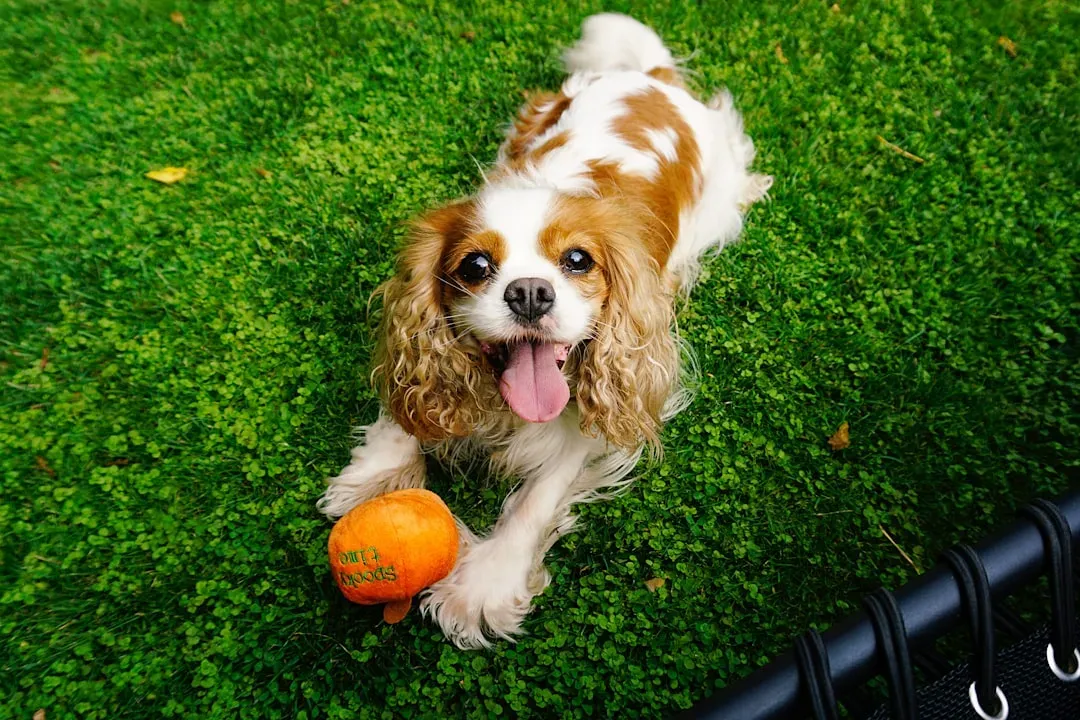
With soulful brown eyes and a warmhearted nature, the Cavalier King Charles Spaniel is one of the most affectionate dog breeds and one of the best for kids. These dogs were literally bred to be close to people. They were bred as companion dogs, particularly favored by royalty for their ability to warm laps during carriage rides in chilly English weather.
Cavaliers are affectionate and eager to please, which makes training straightforward. They enjoy short play sessions and cuddles, but they need companionship more than anything else – they really don’t like to be left alone. Health-wise, it’s worth knowing that this breed tends to be prone to mitral valve heart disease, so it’s important to seek out a quality breeder. Regular vet check-ups and watching for signs of discomfort during petting, such as flinching or reluctance to be touched, can catch issues early.
2. Golden Retriever: Pure, Unconditional Joy
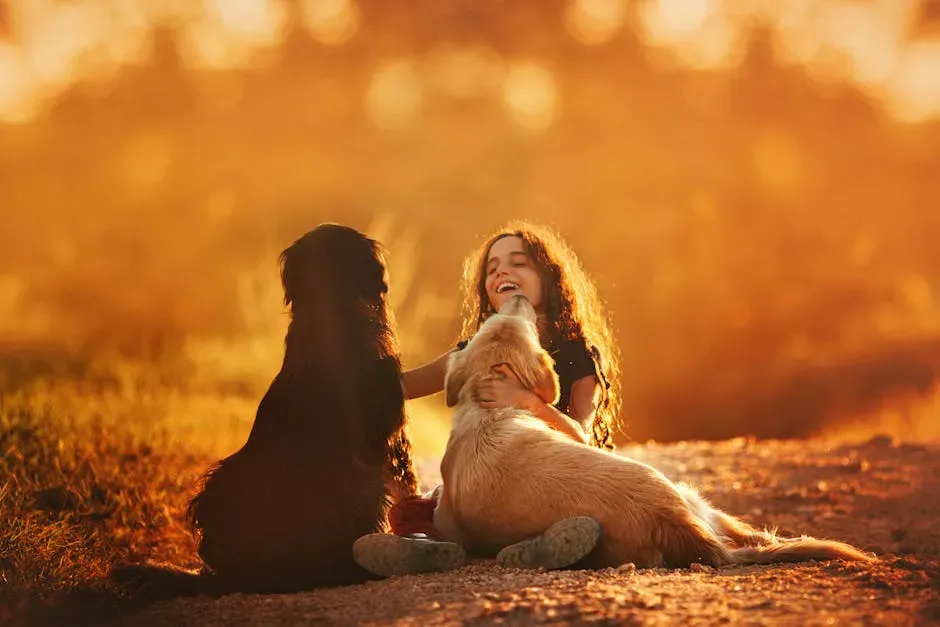
Natural-born people-pleasers, golden retrievers typically have a calm and easygoing nature. They are widely known as one of the most affectionate and cuddly dog breeds. Originally bred as hunting companions, loyalty is a trait that remains strong in goldens today. They are simply happy to be near you, whether snuggling on the couch or relaxing outdoors on a sunny day.
Goldens want to be part of everything, wag with their whole bodies, and are very happy to see you, whether you’re a complete stranger or their lifetime person. That openness makes them terrible watchdogs but extraordinary companions. Many even cuddle with other animals, including dogs, cats, guinea pigs, and ducks. There are heartwarming stories of golden retrievers stepping in as surrogate mothers to orphaned animals in zoos. Truly, they don’t discriminate when it comes to love.
3. Shih Tzu: Royal Lapdog, Modern Soul
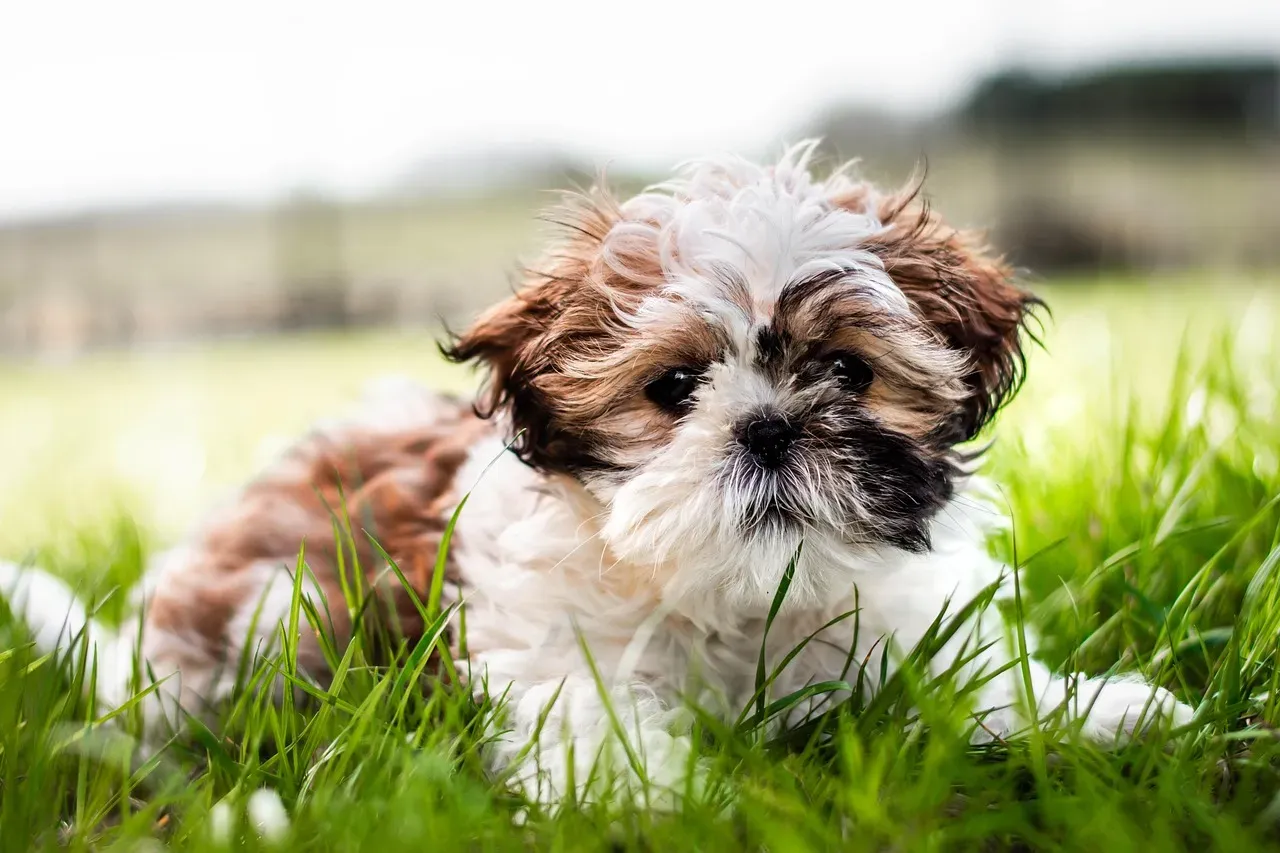
Shih Tzus are cuddly and affectionate dogs. Many are quintessential lapdogs, happiest when sitting gracefully on your lap and soaking up love and attention. Originating from China with a royal history, these adorable fluffy pups are playful and friendly, with a mischievous charm that’s simply irresistible.
Originally bred to be palace pets in ancient China, Shih Tzus are well accustomed to being pampered and doted upon. They enjoy being the center of attention and particularly love the physical closeness of sitting on a lap. Shih Tzus are calm and affectionate, making them ideal pets for families who are willing to indulge their desire for frequent cuddles. While their intelligence and stubbornness can make training a bit of a challenge, Shih Tzus are overall social and loving people-pleasers who thrive on attention.
4. Pug: The Comedic Cuddle Buddy
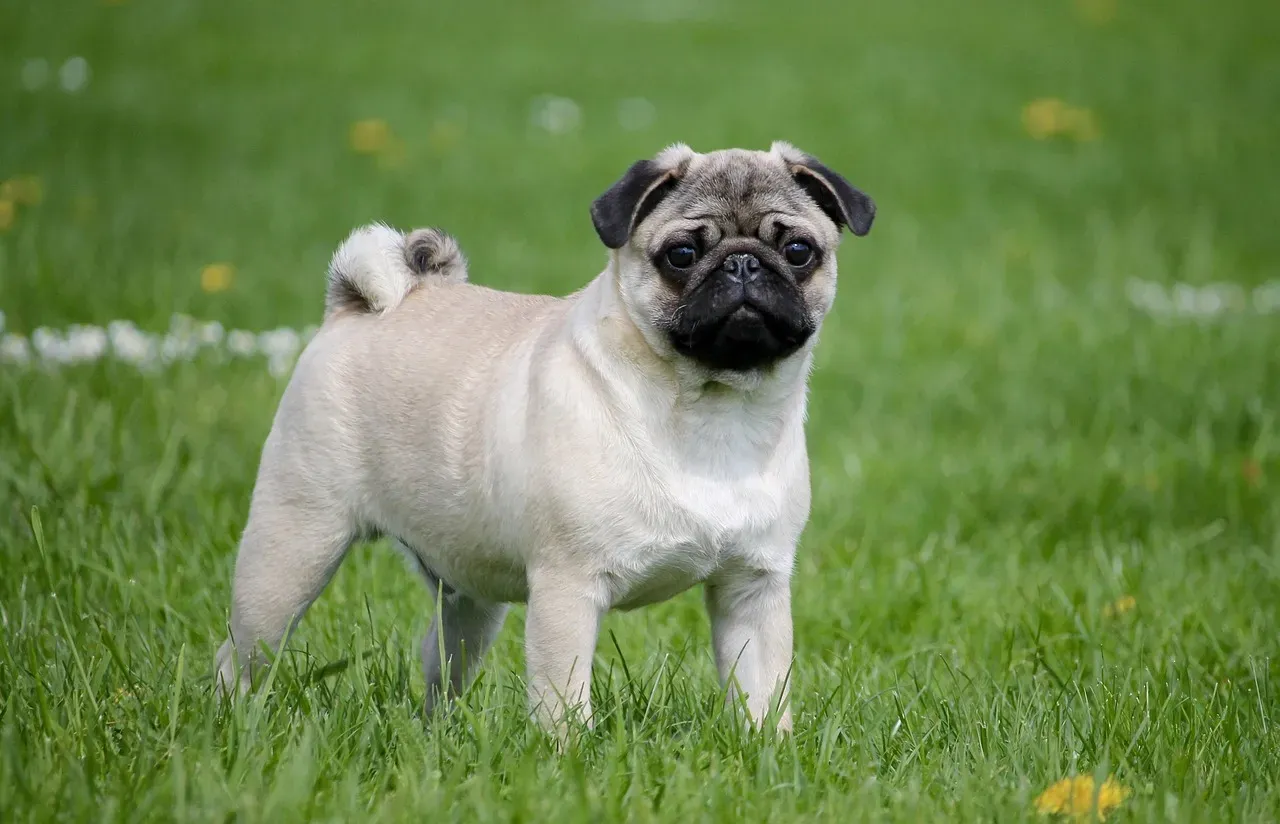
Champion loungers, pugs are people-pleasers who will stop at nothing to put a smile on your face. Popular among kids, pugs are known for being a family pet. They love to be with their human friends and have an even temperament. They also appreciate frequent showers of affection and tend to ask for one if their parent forgets to show care.
Pugs don’t like to be away from their family and will follow you from room to room to be nearby. One practical heads-up for pug parents: because pugs can overheat, aim for relaxed walks and climate-aware play. Keep treats reasonable to manage weight, and maintain those adorable facial folds with regular cleaning. These small habits go a long way toward keeping your cuddly clown healthy and happy.
5. Dachshund: Small Dog, Big Heart
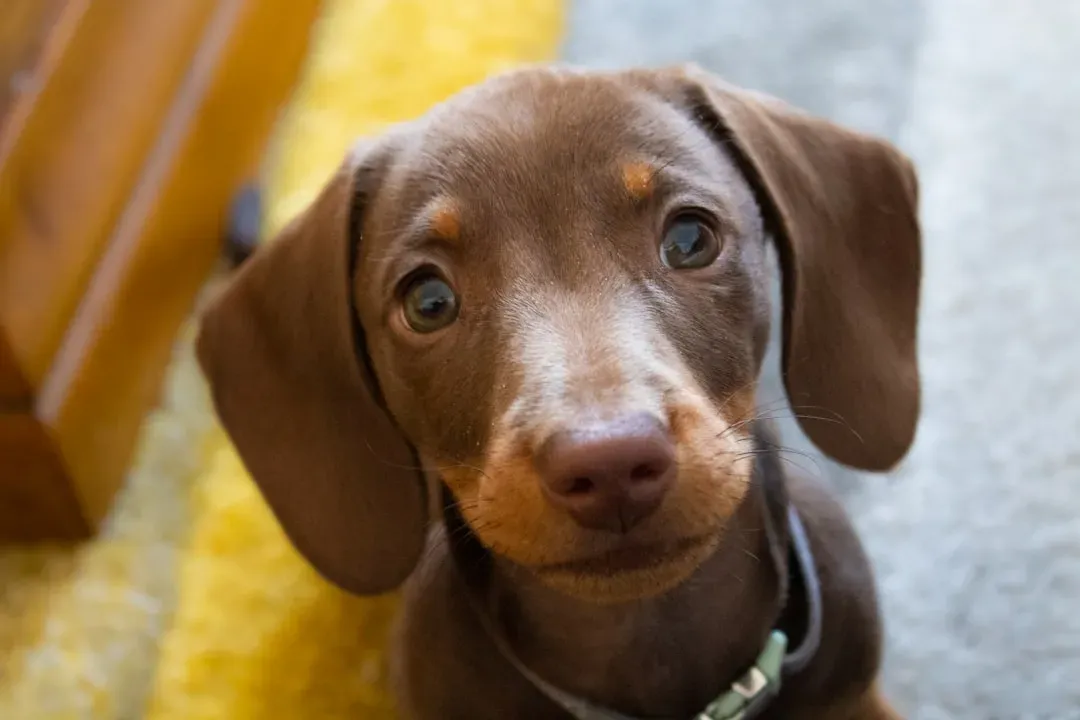
Dachshunds are extremely loyal and protective of their families. A small but lively breed, dachshunds love to cuddle, or at least keep a paw touching you while relaxing on the couch. These emotionally intuitive animals show their devotion by snuggling up for a hug. Many dachshunds will burrow deep into blankets, laundry, and couch cushions to find the perfect spot for a nap.
Dachshunds freely give their unconditional love to their families, but without training and clear boundaries, this affection can sometimes lead to clinginess. There’s also an important physical consideration: they’re prone to back issues like intervertebral disc disease (IVDD), which can be caused by excessive jumping and stairs. Using ramps, limiting high jumps, and maintaining a healthy weight are all smart prevention strategies for this lovable little breed.
6. Bichon Frise: A Cloud of Pure Affection
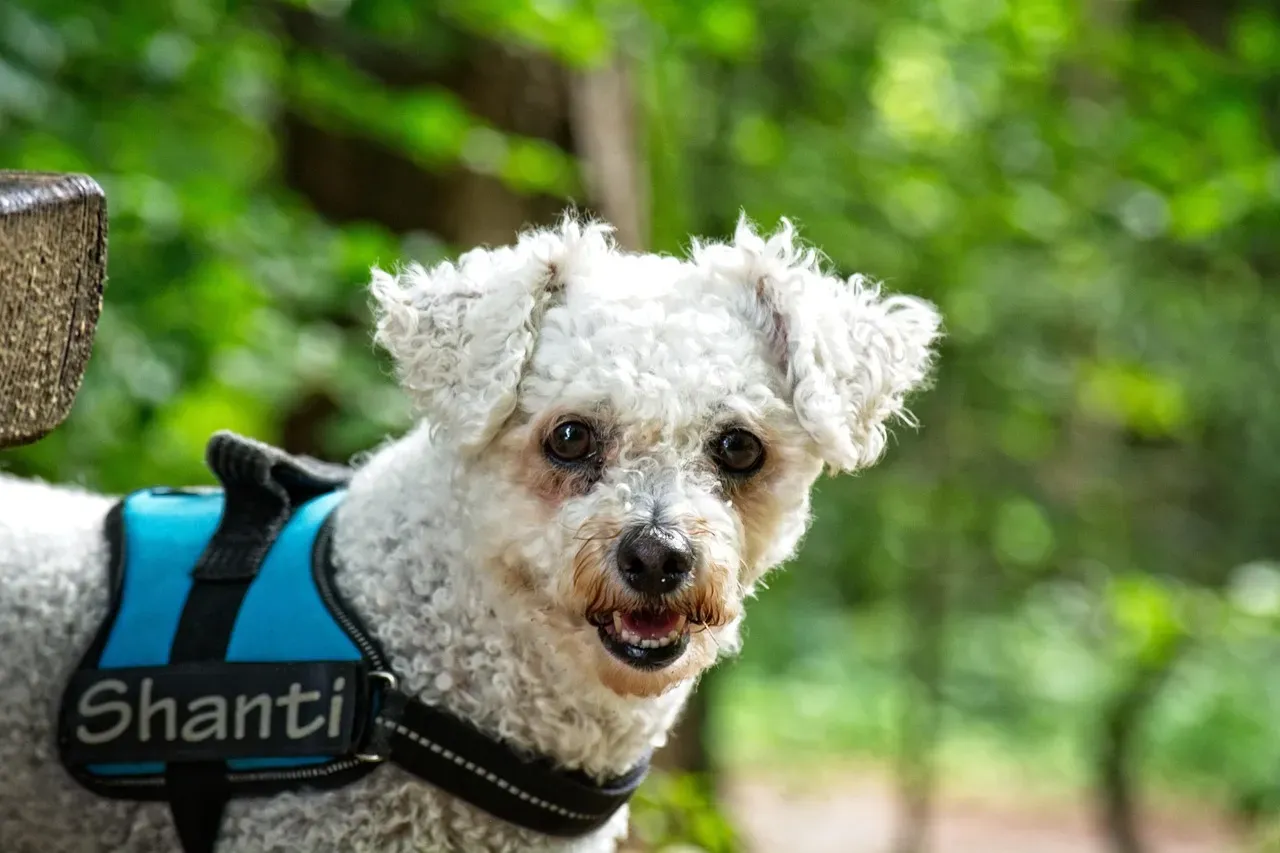
Bichon Frise means “curly lapdog,” and that’s exactly what this cuddly dog breed is. Bichons are known for their peppy personalities, gentle natures, and unbridled affection. Bichon Frises are cheerful and loving dogs that thrive on human companionship. Their cotton-ball appearance isn’t just adorable. It’s a pretty accurate reflection of their soft, warm personality.
They adapt well to apartments and family life, bringing social grace to every gathering. Regular grooming keeps that cottony coat pristine, while daily play and short walks satisfy their exercise needs. A Bichon Frise loves to be stroked and cuddled, and enjoys close physical contact with its owner. This uncomplicated little companion is almost never hectic, gets on well with other animals, and is generally friendly with strangers.
7. Pomeranian: Tiny Dog, Maximum Devotion
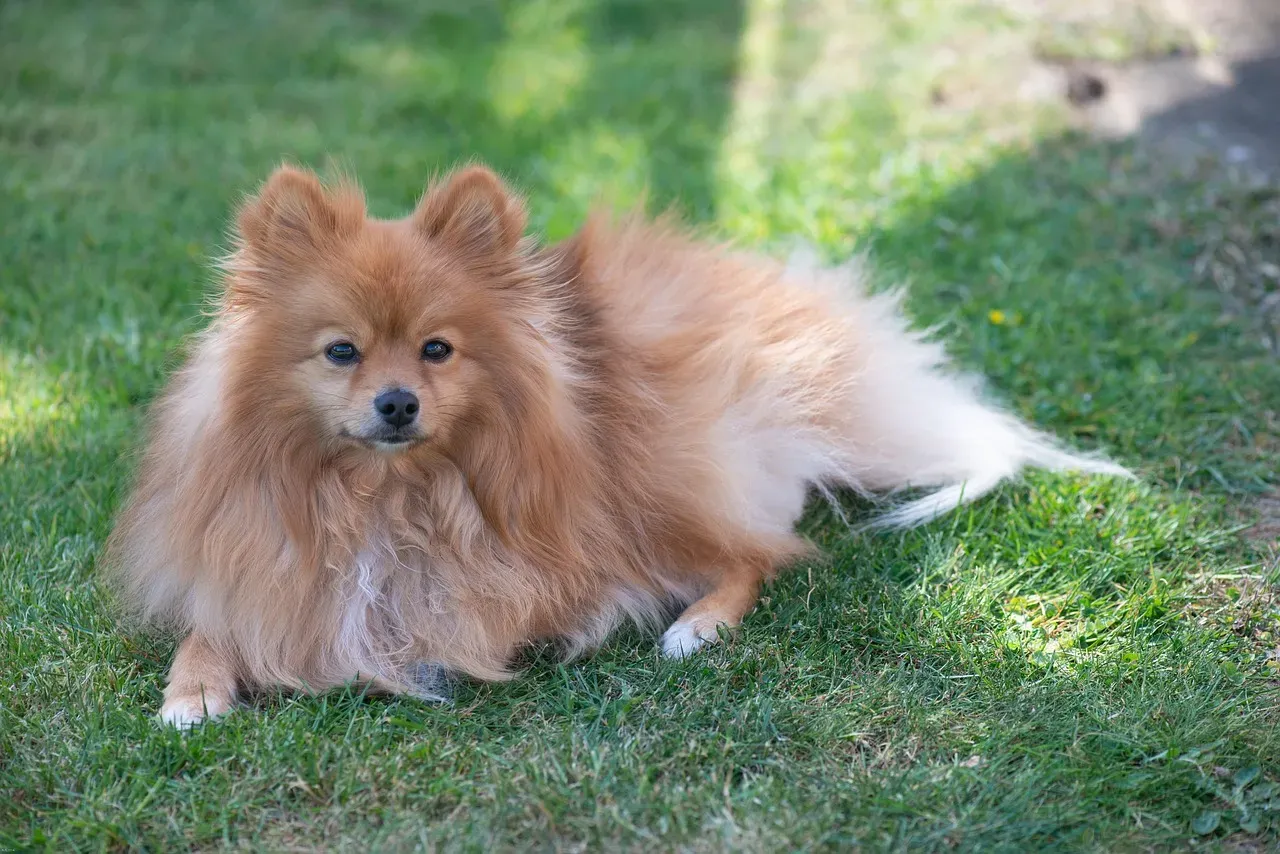
Pomeranians are a breed that thrives on human interaction and affection. Known for their fluffy coats and animated personalities, Pomeranians are often happy to perch on a beloved owner’s lap and observe the world from a comfortable and secure vantage point. Their sociable nature makes them not only excellent companions but also dogs that genuinely enjoy the physical closeness that lap sitting provides.
They are pack animals used to staying close to keep warm, which is why loving snuggles is an inherent part of their personality. These pocket-sized pooches are clever little fellows who know what they want and aren’t afraid to ask for it. When they want cuddles, they will demand those by standing on their hind limbs and pawing you with the front. Think of it as an enthusiastic RSVP to snuggle time.
8. Chihuahua: Fierce Loyalty in a Tiny Package
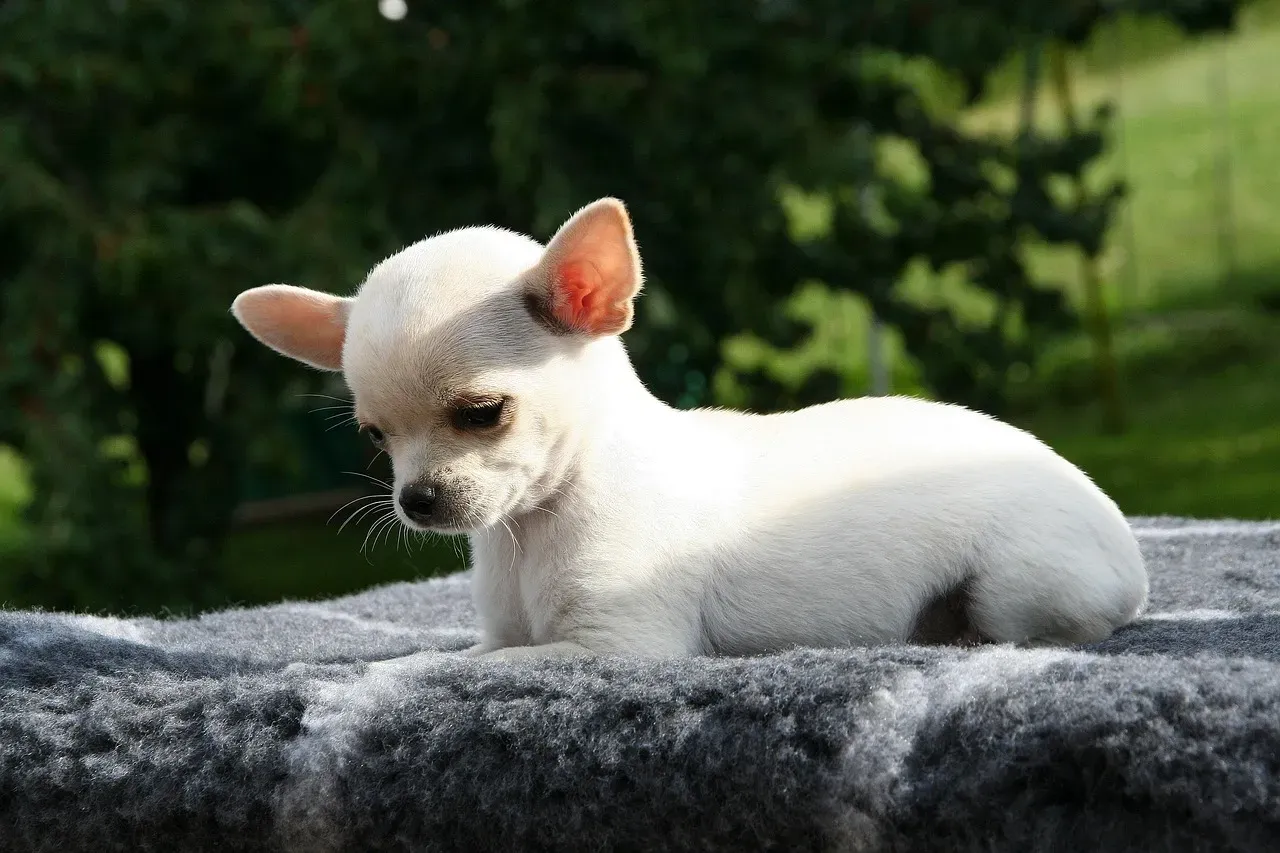
The Chihuahua is one of the oldest lapdog breeds in the Americas. People in ancient Aztec and Toltec civilizations kept them as comfort animals and believed they guided souls to the afterlife. Chihuahuas are known for forming a particularly strong bond with a single person, which often translates into long periods spent cuddling. Despite their reputation for being somewhat temperamental, their desire for affection and warmth makes them frequent seekers of comfort in their owner’s lap.
That bond, while beautiful, comes with a word of caution. If you get a Chihuahua, you shouldn’t pamper your snuggle bunny so much that they become lazy and resist getting off your lap. Chihuahuas need a fair amount of exercise to stay fit and healthy. Excessive petting with no activity can turn into a health concern. Daily walks and mental stimulation keep them balanced, which in turn makes them even better companions.
9. French Bulldog: Laid-Back Love Machine
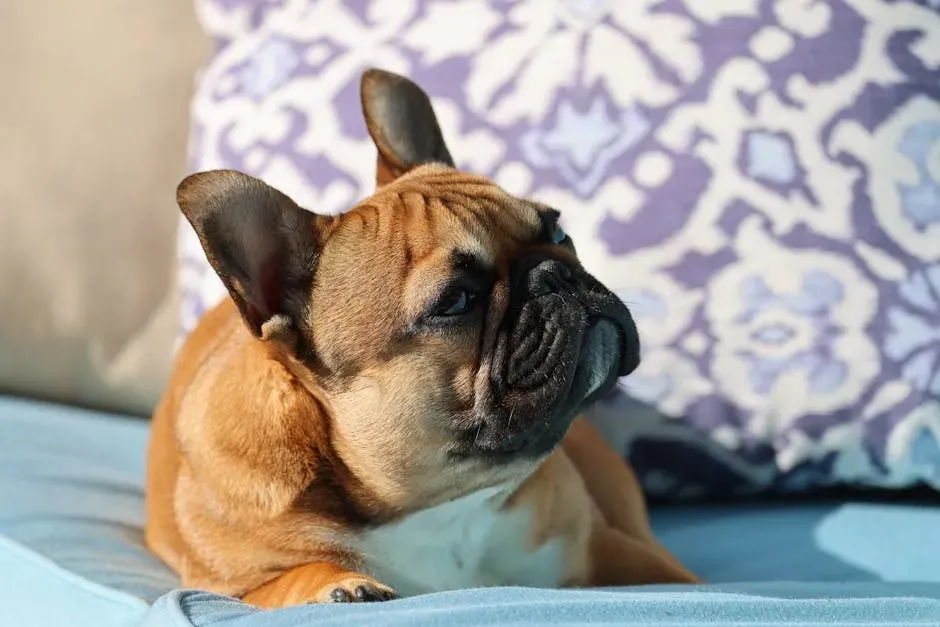
According to the American Kennel Club, the French bulldog was the most popular dog breed in the United States in 2024. This unique and quirky breed has an adorably comical face and distinctive bat-like ears that complement its friendly and fun personality. While Frenchies can have bursts of energy, they are generally calm and gentle dogs who love being with their humans.
They are friendly, adapt well to various families and households, and enjoy having people around to play with and entertain them. However, they do not do well when left alone and often thrive with another French bulldog companion. Because of their flat faces, Frenchies are also sensitive to heat. Keeping cuddle time cool, especially in warmer months, and watching for signs of labored breathing are important parts of caring for this irresistibly charming breed.
10. Labrador Retriever: The Cuddler That Comes in a Big Body
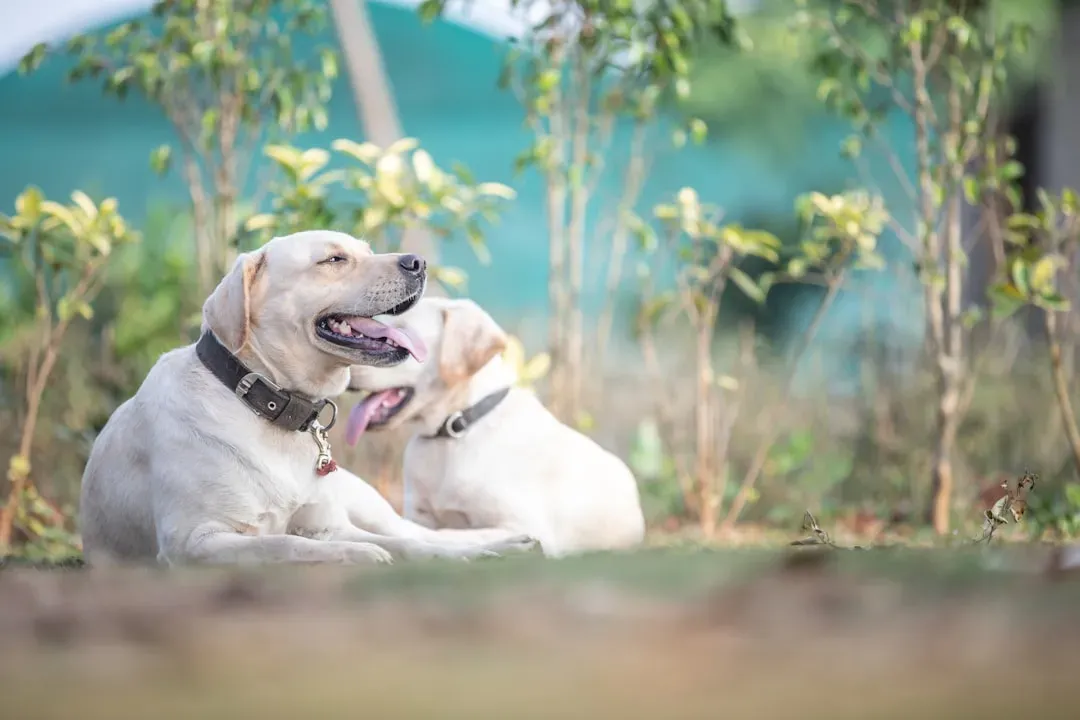
Labrador Retrievers are affectionate and easy to please, and they often lean on or into their people for comfort and connection. Labs are among the most popular family dogs worldwide, and their need for closeness is a big part of why. They’re not just friendly. They genuinely want to be physically near the people they love, whether that means sitting on your feet, leaning against your leg, or flopping their 70-pound frame across your lap.
Labs are also deeply social animals, which means they do poorly with isolation. A bored, under-stimulated Lab can become destructive very quickly. Regular exercise, mental enrichment like puzzle feeders, and plenty of one-on-one time keep them emotionally balanced. In general, dogs that are affectionate toward their families look for every opportunity to spend time with their people, meaning they enjoy playtime, following your every move, and snuggling close together – and the Lab embodies all of this fully.
11. Shiba Inu: Loyal but on Their Own Terms
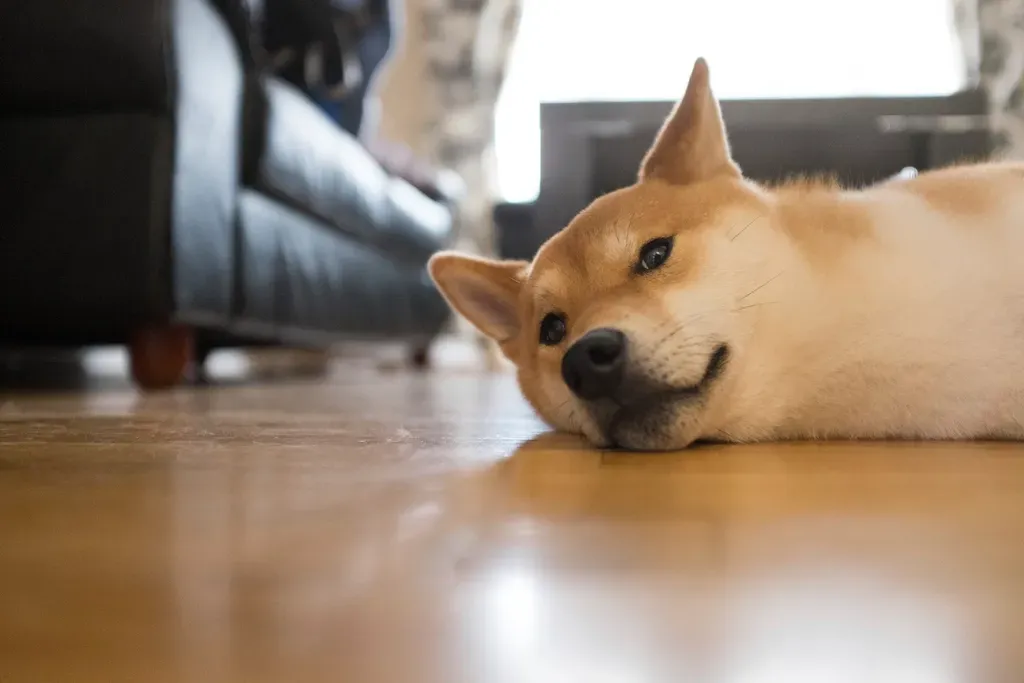
Now we shift gears. Not every dog wants to be your permanent shadow, and that’s perfectly fine. The Shiba Inu breed is among the most popular breeds in Japan. Known to be inherently loyal and independent, they are not needy dogs. They have a reputation for not being overly affectionate, but that is balanced by being happy in their own company.
Compact in size and very smart, Shibas are deeply loyal companions, but they’re aloof with strangers. They prefer to approach people on their own terms. Many refer to the Shiba Inu as a “cat-like” dog. They can be stubborn, so training them may be more challenging than with other breeds. If you respect their need for personal space and use positive reinforcement consistently, a Shiba Inu will reward you with quiet, dignified loyalty that’s genuinely earned.
12. Chow Chow: The Dog That Chooses Its Person
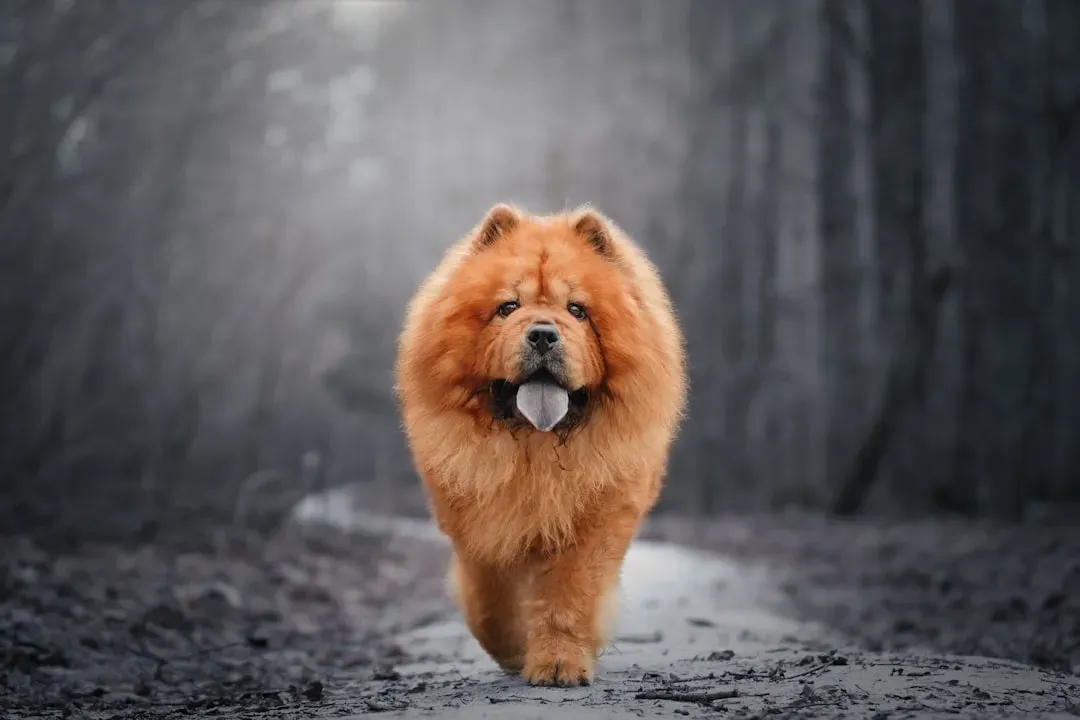
The Chow Chow’s distinctive lion-like mane and stoic demeanor hint at its independent nature. Originating from China, where they were bred for hunting, herding, and protection, Chow Chows are known for their aloofness and discerning personality. They are loyal to their family but can be reserved, even standoffish, with strangers.
Chow Chows appreciate their space and are not as demonstrative or clingy as other breeds, embodying a noble independence. They can be stubborn and reserved around strangers, and can be aggressive without proper socialization and training. Early socialization and calm, consistent handling are non-negotiable with this breed. In return, you get an immensely dignified companion who, when they do choose to sit beside you, means every bit of it.
13. Basenji: The Independent Thinker
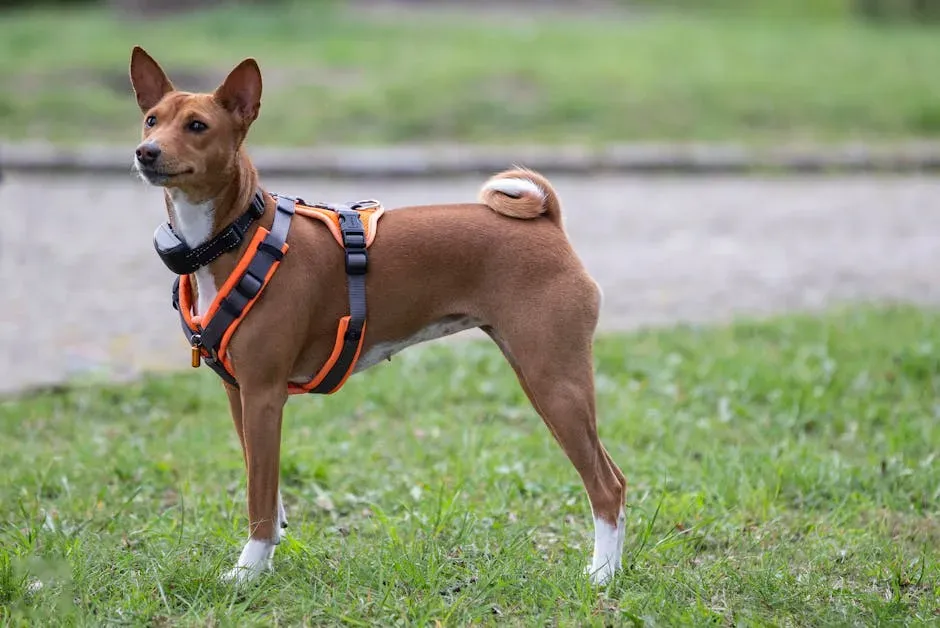
The independent Basenji is notorious for being quiet – they’re often referred to as “the barkless dog.” These medium-sized pups are frequently described as having a catlike personality because of their aloof temperament, reserved nature, and tendency to groom themselves. Originating in Africa, Basenjis were bred for hunting and relied on their keen senses and instincts. This breed tends to be reserved and prefers to make its own decisions, which can sometimes challenge training efforts.
The Basenji’s independent and quiet nature makes it stand out among other dog breeds. It suits an owner who appreciates both its uniqueness and affectionate side. While they enjoy freedom, they also form strong bonds with their families. The key with a Basenji is mental stimulation. Providing a secure environment with plenty of mental stimulation ensures a happy Basenji, keeping their minds busy and adding joy to their quiet, independent lives.
14. Afghan Hound: Affectionate, but Always Elegant
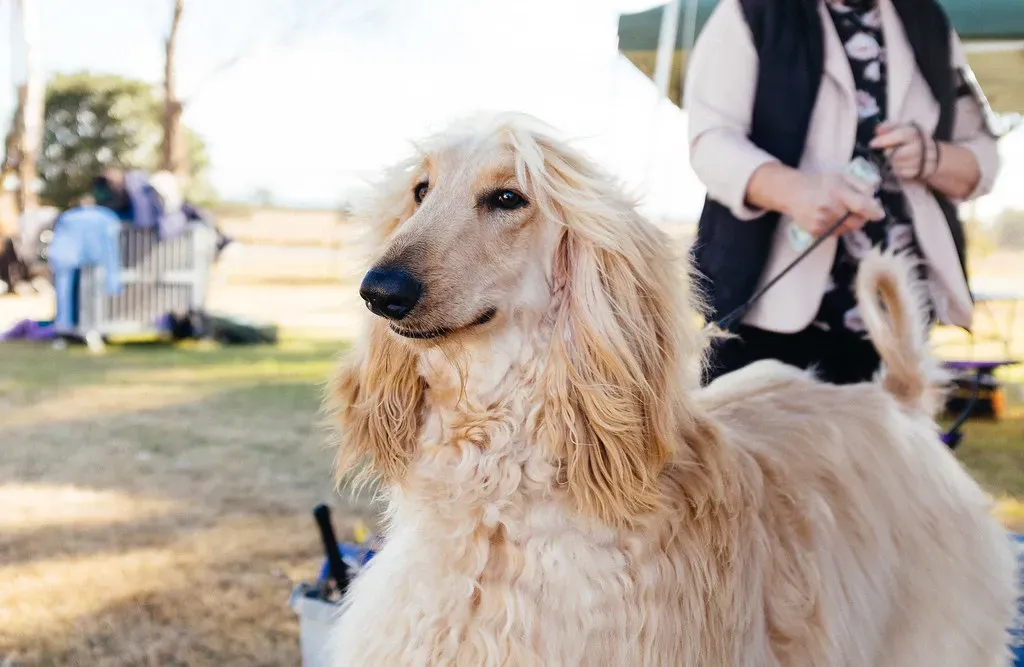
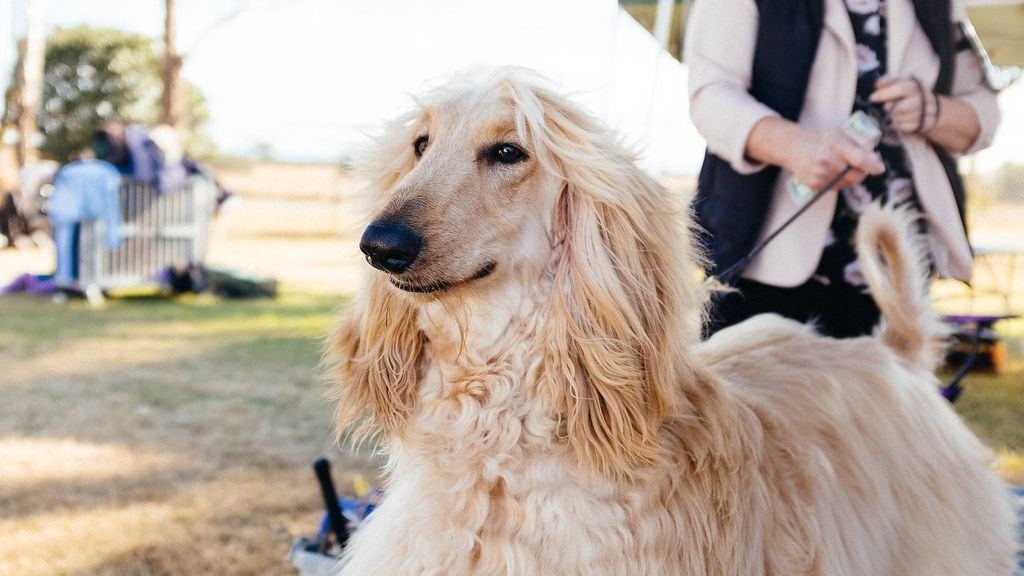
Afghan Hounds are generally independent dogs with a reserved personality. With their family members, an Afghan Hound shows affection. Toward strangers, however, the breed can be rather aloof. Although these dogs are loving and affectionate with their families, that affection is shown on their terms. The same is true for receiving attention and affection as well, which can make an Afghan Hound seem aloof.
Think of them as the introvert of the dog world. They love deeply, just quietly and selectively. This elegant breed is popular as a show dog, and is one of the most ancient breeds still in existence. Dignified and independent, they can be affectionate with their owners, but typically not with other people. Forcing physical contact with an Afghan will get you nowhere. Patience, a calm demeanor, and letting them initiate closeness builds the kind of trust this breed truly thrives on.
15. Akita: Devoted, But Don’t Push It
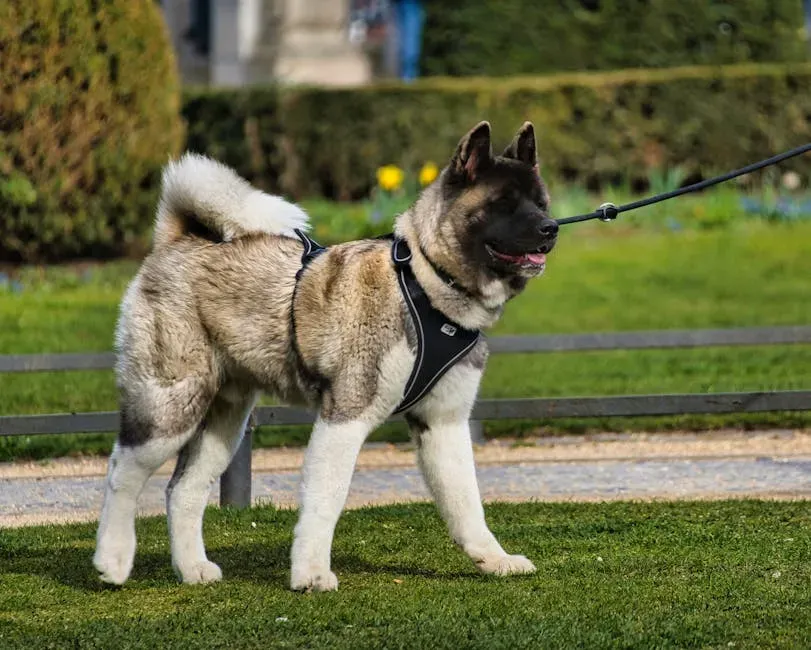
Originally bred in Japan to hunt large animals and guard royalty, the Akita learned early to make decisions on its own. Unlike dogs that follow you everywhere, an Akita often prefers alone time or periods where it does its own thing. It has confidence and dignity and doesn’t need nonstop attention from family to feel valued.
They are loyal to their families and alert. Although they make great companion dogs and are affectionate to their families, they are also independent and can be aloof. Akitas do enjoy spending time with their families and thrive on human companionship, but they also enjoy some alone time or time to just sit back and observe quietly. Their independence also means they can be stubborn, so consistent training, socialization, and establishing a strong bond are key. With an Akita, respect isn’t just appreciated. It’s required.
What This Really Means for You as a Dog Parent
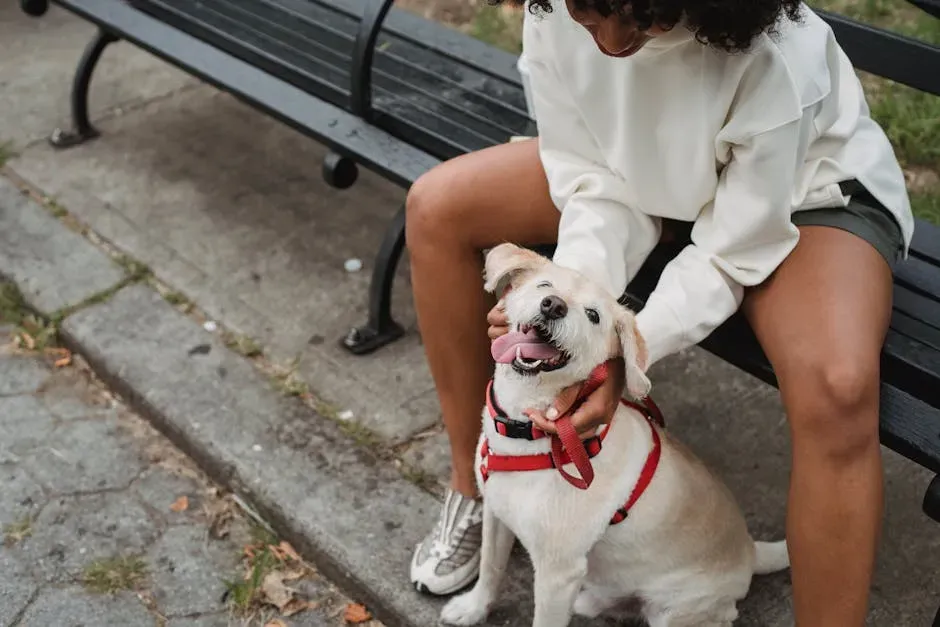
Choosing a dog based on your own affection style isn’t selfish. It’s smart. A family that craves constant closeness may find an Akita or Basenji frustrating, while a more independent owner might find a Cavalier’s neediness overwhelming. Of course, not every dog from a “lapdog” breed will be one. Every dog will have their own individual personality, formed largely by a combination of genetics and early life experiences. Some may simply not enjoy cuddling or want to be a lapdog, regardless of general breed tendencies.
This variance often stems from the breed’s historical purposes, genetic traits, and individual personality. Lap dogs typically belong to breeds developed for companionship, possessing temperaments that thrive on close contact with humans. Conversely, dogs that are less fond of cuddles may have been bred for tasks requiring independence and less direct human interaction. Understanding this history doesn’t just explain behavior. It helps you respond to your dog with more empathy and less frustration.
Independent dog breeds still need daily care, attention, and affection, and they shouldn’t be left alone for long periods. Remember that every dog is an individual with their own unique personality. Read your dog’s body language, honor their comfort zone, and let the relationship grow at a pace that feels right for both of you. That, more than anything, is what truly good dog ownership looks like.
Conclusion
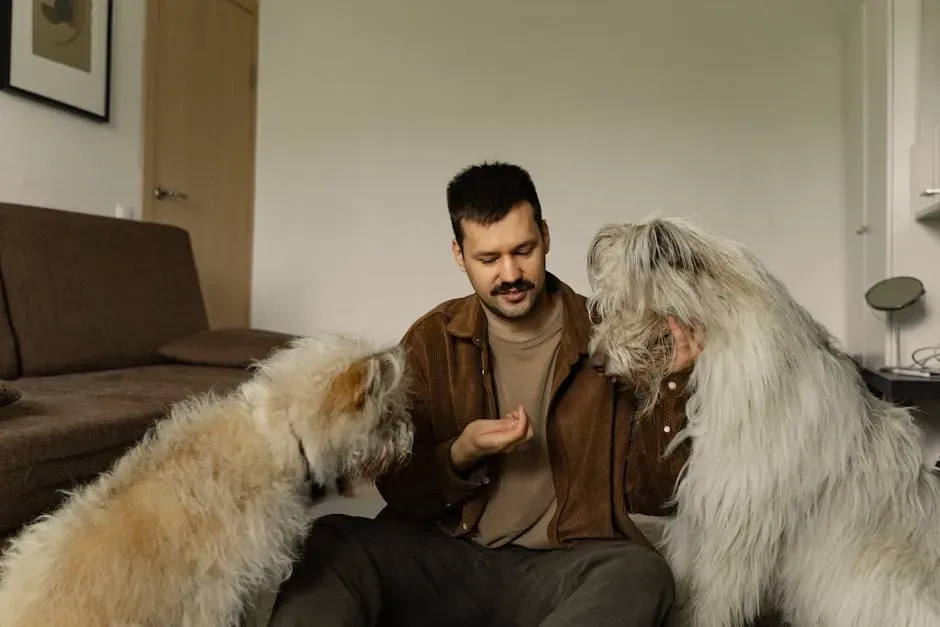
Whether your dog is glued to your side or gracefully napping across the room, they’re showing you love in the only language they know. The breeds covered here span the full range of canine affection, from the Cavalier King Charles Spaniel who can’t bear to leave your lap to the stately Akita who expresses devotion through steadfast presence rather than snuggles.
What matters most isn’t how physically close your dog wants to be. What matters is that you understand their needs, respect their nature, and build a bond grounded in trust. A dog that chooses to sit beside you on its own terms is, in many ways, giving you something just as meaningful as any cuddle session. Some of the most profound connections between dogs and their people are built not on constant contact, but on quiet, mutual understanding.