
How Abandonment Shapes a Dog’s Personality Forever

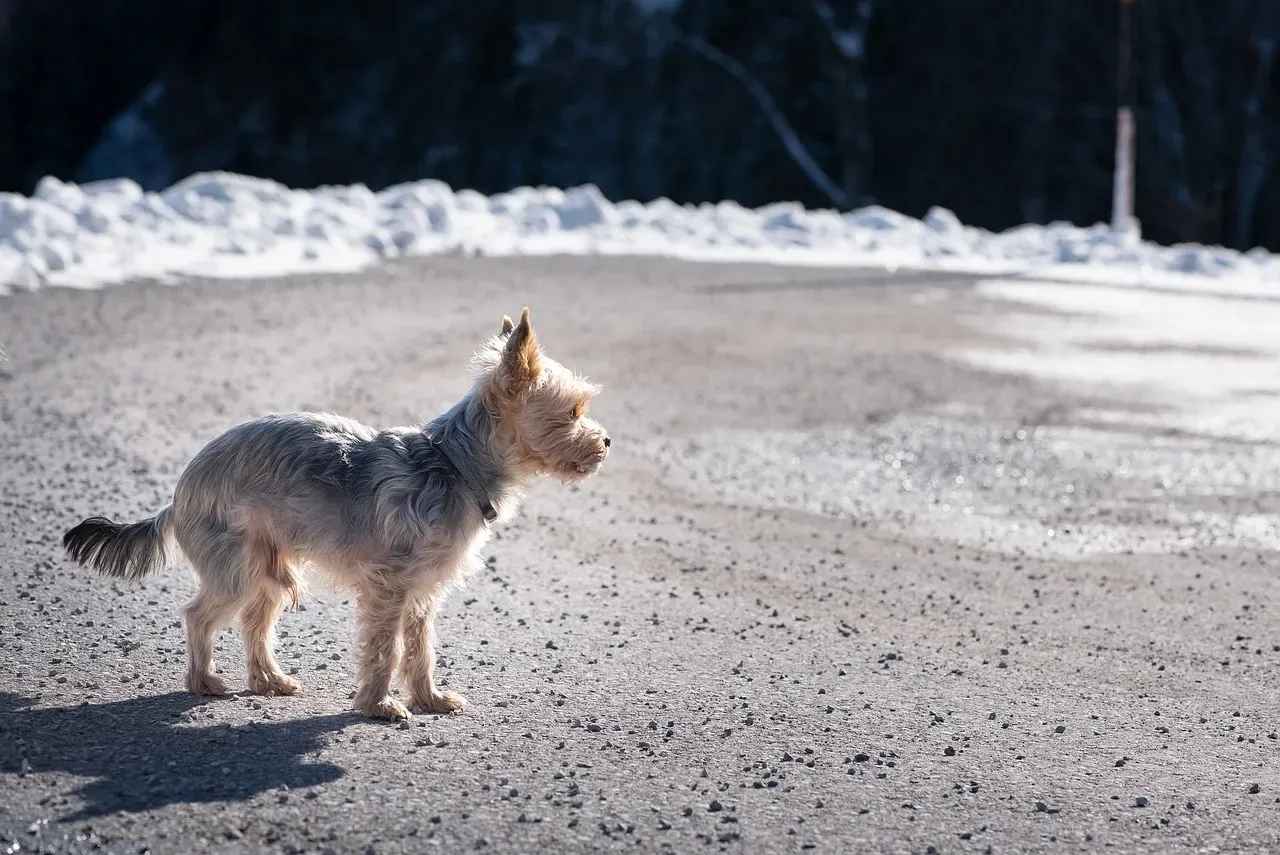
Picture this: a dog sits at the edge of a road, watching a car disappear into the distance. He waits. Then waits some more. His tail slows to a stop. That moment, invisible to the driver pulling away, leaves a mark that can last a lifetime.
Scientists agree that dogs feel love for their human companions, and when they are abandoned, they are left with a psychological trauma that can never fully heal. That’s not poetic exaggeration. It’s supported by research in canine psychology, and it matters deeply to anyone who lives with, fosters, or loves a rescue dog. Understanding what abandonment does to a dog’s inner world doesn’t just make you a better owner. It changes the entire relationship.
The Emotional Earthquake: What Abandonment Actually Does to a Dog’s Brain

Dogs react to abandonment with a complex mix of fear, anxiety, depression, and behavioral changes, ranging from mild distress to severe separation anxiety, impacting their overall well-being. This isn’t a passing mood. For many dogs, the experience of suddenly losing their person rewires how they interpret the world around them.
Abandoned dogs left to fend for themselves face a myriad of consequences that go beyond the immediate struggle for survival. The emotional toll is often underestimated, as dogs experience feelings of betrayal, fear, and confusion. Think about how disorienting that is for an animal whose entire sense of safety is built around human presence. One day, there’s a family, a routine, familiar smells. The next, there’s nothing.
Dogs that are relinquished to a shelter are exposed to several stressors, such as a novel and unpredictable environment and noise, and they are often placed in a socially isolated environment, which contributes to an increase in the dog’s stress level. The shelter itself, however well-run, compounds the initial trauma. Noise, strange smells, no familiar faces. It’s a lot for any living creature to absorb.
The Behavioral Fingerprints: Recognizing Trauma in an Abandoned Dog
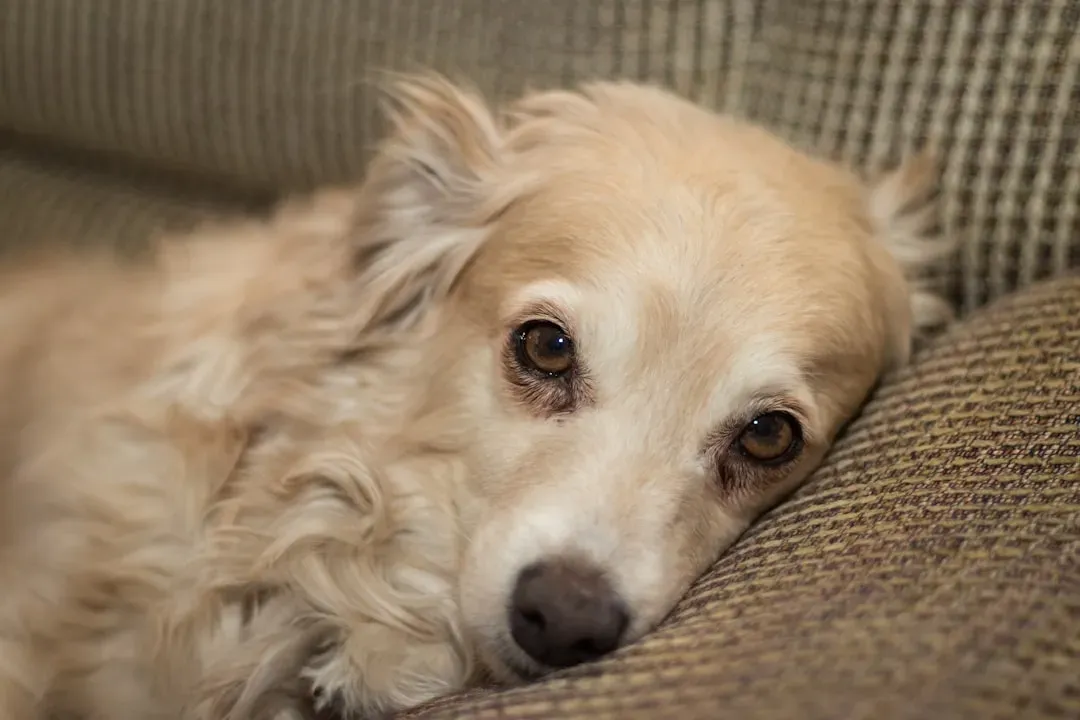
The most common signs include changes in appetite, excessive vocalization such as barking, howling, and whining, pacing, restlessness, destructive behavior, house soiling even in previously house-trained dogs, and withdrawal or depression. The dog may also appear clingy or anxious when left alone, even for short periods. These aren’t random misbehaviors. Each one is a message.
Many abandoned dogs are wary of humans due to past neglect or mistreatment. They may cower, tremble, or hide when approached, and some may be reactive to strangers or loud noises. If you’ve ever adopted a rescue who seemed fine at the shelter but fell apart the moment you put on your shoes to leave, that’s the behavioral fingerprint of abandonment showing up in real time.
Behaviors such as lip-licking, paw-lifting, yawning, and body shaking are commonly used as stress indicators, but stress can also affect cognitive abilities such as impaired memory performance, attention, and problem-solving skills. This is why a traumatized dog can sometimes seem slow to learn. It’s not a lack of intelligence. It’s a nervous system that’s still bracing for the next blow.
Separation Anxiety: When “Don’t Leave” Becomes a Desperate Plea
Because far more dogs who have been adopted from shelters have this behavior problem than those kept by a single family since puppyhood, it is believed that loss of an important person or group of people in a dog’s life can lead to separation anxiety. This connection between abandonment and separation anxiety is one of the most well-documented patterns in canine behavior research.
It’s possible that the trauma of being left behind can trigger the condition since some dogs seem so fearful of losing their new guardians that they can’t bear to let them out of sight. Experts refer to this condition as abandonment trauma. You might see it as obsessive following from room to room, or a dog who starts panting the second you touch your keys. To them, your leaving isn’t an errand. It’s history repeating itself.
According to Patricia McConnell, Ph.D., a Certified Applied Animal Behaviorist, although we can’t know for sure what’s in a dog’s mind, we can think of separation anxiety as the equivalent of a panic attack. That framing is worth sitting with. Panic attacks aren’t performances. They’re real, overwhelming, and exhausting for the animal experiencing them. Without proper intervention, separation anxiety rarely resolves on its own and tends to worsen over time.
The Long Shadow: How Abandonment Reshapes Trust and Attachment

There is evidence that despite the disruption of the affectional bond and the lack of social interaction with humans, adult shelter dogs maintain the capacity to form new bonds with humans. On the other hand, there is also evidence that the experience of being abandoned may affect the relationship with the new owner in a number of different and important ways. Recovery is possible. However, the path forward often looks different than it would for a dog who was never abandoned.
Former shelter dogs show more behavioral signs correlated with anxiety towards novel environments and strangers. Having been re-homed does not necessarily affect the likelihood of forming a secure bond with the new owner, but it might have an impact on how dogs interact with novel stimuli, including unfamiliar humans. In plain terms: your rescue can love you deeply and still get anxious around the neighbor’s kid or flinch at a raised hand. Both things are true at once.
The emotion behind separation anxiety is usually fear of being without their person or of being abandoned again. In a dog’s mind, if it happened once, it can maybe happen again. While you know you wouldn’t abandon your dog, it’s very difficult to communicate that to them when they’re more afraid of you leaving than anything else. Patience isn’t optional here. It’s the entire foundation.
The Road Back: How to Help an Abandoned Dog Heal and Thrive

Recovery depends on the dog’s individual personality, the severity of the abandonment, and the support they receive. Some dogs may adjust within a few weeks, while others may take months or even years to fully recover. Patience and consistency are key. There’s no shortcut through this process, and that’s not a discouraging fact. It’s just an honest one.
Consistency in feeding times, walks, and even your tone of voice can help your dog feel more secure. Dogs thrive on routine, especially when their past has been unpredictable or abusive. Routine, surprisingly, is one of the most powerful healing tools available to any dog owner. Every predictable meal, every consistent walk at the same time of day, quietly tells the dog: this world makes sense now. You are safe here.
For mild separation anxiety, counterconditioning might reduce or resolve the problem. Counterconditioning is a treatment process that changes an animal’s fearful, anxious, or aggressive reaction to a pleasant, relaxed one instead. It’s done by associating the presence of a feared situation with something the dog loves. Start small. Leave for two minutes, come back calmly. Build from there. Practicing calm departures and calm arrivals so that leaving and returning home feels normal is a simple but genuinely effective shift in how you move through your day.
Both rehomed and control dogs synchronized their behavior with their owner, and owners of rehomed dogs actually reported a higher emotional closeness to their dogs than owners of control dogs. This study suggests that rehomed dogs can adapt to their new life and develop a strong relationship with their owner. That’s worth repeating. Dogs who have been through the worst can form some of the most profound bonds. Sometimes the depth of the love is proportional to the depth of the healing.
Conclusion: What Abandoned Dogs Teach Us About Love
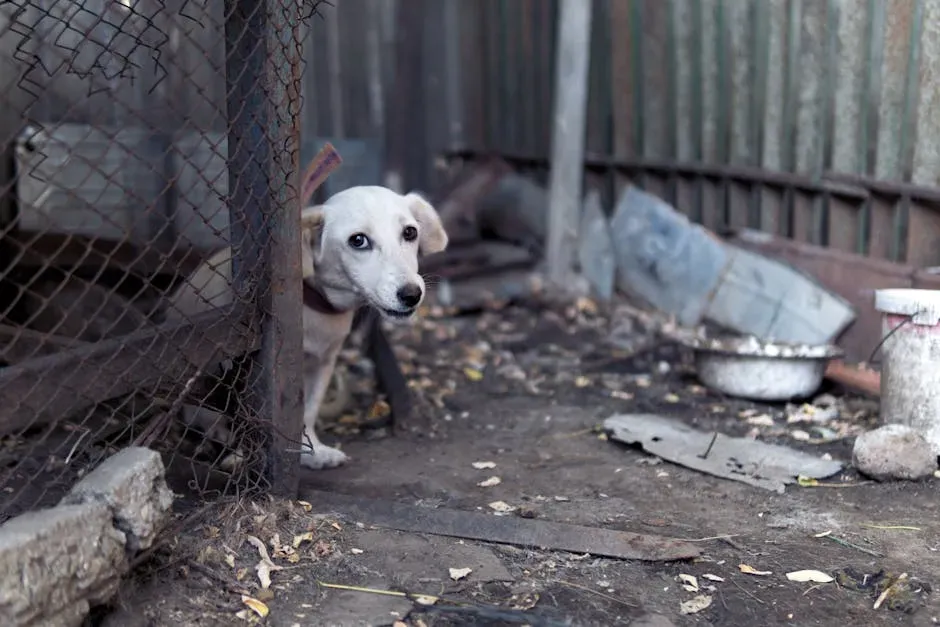
Abandonment leaves a mark. The science is clear on that. But it does not leave a permanent ceiling on what a dog is capable of feeling, offering, or becoming with the right support. The fearful dog hiding under the bed on day one can, in time, be the dog who runs to greet you at the door like you’re the best thing that ever happened to them.
What these dogs ask for isn’t complicated. Routine. Patience. Gentleness. The quiet reassurance that this time, no one is driving away. As you show up for them, day after day, something remarkable happens: they start believing you. And there are few things in life more moving than watching a dog who has forgotten how to trust slowly, tentatively, choose to trust again.