

You’re stretched out on the sofa after a long day, and before you even finish settling in, your dog has already claimed the softest piece of real estate in the house: your stomach. It’s warm, a little funny, and honestly kind of sweet. Most dog owners just smile and reach for the remote. But if you’ve ever genuinely wondered what’s going on in that fuzzy head of theirs, you’re not alone.
There’s a certain intimacy to a dog choosing to rest on your stomach. It’s not the same as sprawling on the couch nearby – it’s a deliberate act that speaks volumes about your relationship. The reasons behind it are rooted in instinct, emotion, and the surprisingly deep bond between dogs and their humans. Here’s what’s really going on.
It’s a Love Language – Your Dog Is Showing Affection

Your dog may lie on your stomach for several reasons, including feeling protective over you, seeking safety in your presence, or simply being affectionate. For most dogs, physical closeness is one of the purest expressions of love they have.
Dogs, especially those bred for companionship, crave physical contact. Your stomach provides a large, relatively still surface perfect for a cuddle. This act releases oxytocin, often called the “love hormone,” in both you and your dog, strengthening your bond.
You’ve likely unintentionally reinforced this kind of behavior by petting your dog as they snuggled into your stomach. If you’re happy to allow your dog to continue lying on your belly, by all means, keep rewarding them in this manner. It’s a feedback loop built on mutual warmth and trust, and there’s nothing wrong with it.
Pack Instincts Run Deep – You Are Their Safe Place
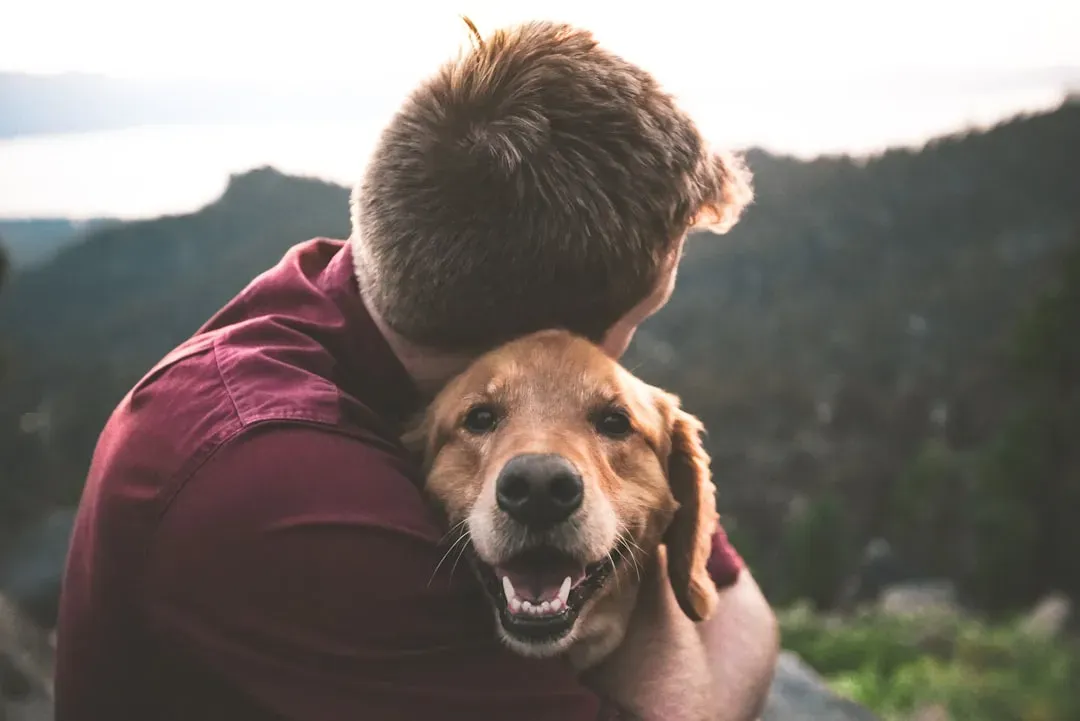
Dogs, by nature, are pack animals. This inherent instinct drives them to seek closeness and physical contact with members of their “pack,” which in this case, is you and your family. Lying on you, especially on your stomach, can be their way of asserting their belonging and reinforcing the bond within the pack.
Dogs evolved as pack animals relying heavily on physical proximity for survival. Warmth sharing helped conserve energy, and staying close offered protection against predators. In modern homes, this instinct manifests as seeking out warm bodies to maintain that primal sense of belonging within the “pack.”
When your dog chooses to sleep against you, it’s a sign of their trust in you. They’re at their most vulnerable when they’re asleep, and by choosing to sleep against you, they’re saying they trust you to protect them. That kind of trust isn’t taken lightly in the canine world.
Warmth, Comfort, and the Heartbeat That Calms Them Down

One reason new puppies cry on their first nights in their new homes is that they miss the comfort of sleeping surrounded by their mother and littermates. Listening to the sound of heartbeats and breathing is relaxing to them. In the same way, your dog may sleep on your stomach because they find it relaxing. Your calm breathing and steady heartbeat act as a living white noise machine for your pup.
Dogs are naturally drawn to warm spots, and your stomach area provides an ideal combination of warmth and comfort. This behavior might increase during colder months or when your dog is seeking additional warmth. The body heat exchange between you and your pet can be mutually beneficial, creating a cozy and relaxing experience for both.
Studies have documented fascinating physiological responses when dogs sleep with their owners, including synchronized heartbeats and breathing patterns. This synchronization can have a calming effect on both the dog and their human companion. Additionally, research has shown that dogs experience different sleep patterns when near their owners, often achieving deeper, more restful sleep. Your body, in a very literal sense, is their comfort zone.
When It Signals Anxiety or Emotional Needs

Dogs are incredibly perceptive to human emotions and often use physical contact as a way to provide comfort. If you’re feeling stressed, sad, or unwell, your dog may lay on your stomach as a form of emotional support. It goes both ways, though. Sometimes the one who needs comforting is actually your dog.
A stressed dog might also lay on you. If they are feeling anxious or insecure, resting on your stomach might be an attempt to feel safer by being in close proximity to their owner. Look for other signs of anxiety, like panting, pacing, or excessive licking.
While this behavior is generally positive, it’s important to monitor any sudden changes in your dog’s habits. If your normally independent dog suddenly becomes clingy and frequently lays on your stomach, it might indicate anxiety or health issues that warrant attention from a veterinarian. Pay attention to the full picture, not just the cuddle.
Sudden clinginess alongside other changes may warrant a vet visit, as this can sometimes be associated with pain, illness, sensory decline, or cognitive changes, particularly in middle-aged and senior dogs. When in doubt, a quick check-in with your vet is never a bad idea.
When to Redirect the Behavior and How to Do It Kindly

Some pet parents worry that letting a dog lie on them can lead to behavioral problems, but if your dog isn’t exhibiting resource guarding behaviors when other people get close to you, like a hard stare, growling, raised hackles, or snapping, co-sleeping is perfectly fine. Context matters enormously here.
While typically harmless, there are situations where your dog laying on your stomach might be cause for concern. During pregnancy, the added weight of a dog can be uncomfortable and potentially unsafe. It’s crucial to prioritize the mother’s well-being. If you have certain medical conditions that make pressure on your abdomen uncomfortable, it’s important to discourage this behavior.
If you’d prefer your dog not to lay on you, gentle boundaries and consistent alternatives can help. You can manage it without upsetting your dog: provide a comfortable dog bed or blanket close by, calmly guide them to another spot, praise or treat your dog when they choose their own space, and be consistent, since consistency helps dogs adjust to new routines.
A secondary concern is that letting your dog lie on you can trigger separation anxiety, but it’s an outdated theory. In fact, providing secure attachment to your dog can help prevent separation concerns. So letting your pup snuggle close – within reason – is actually good for them long-term.
Conclusion: What That Weight on Your Belly Is Really Saying

Your dog lying on your stomach isn’t random. It’s deliberate. It’s a quiet, heavy little declaration of trust, safety, and belonging. Dogs usually lay on their owners because they feel safe, bonded, and emotionally secure. This behavior is most commonly linked to attachment, comfort, warmth, and trust, not dominance.
Ultimately, what it means when your dog lays on your stomach is multifaceted and deeply connected to your unique relationship. By paying attention to their body language, breed characteristics, and the context of the situation, you can gain valuable insight into their needs and motivations.
Whether you welcome it every night or gently redirect it to a nearby bed, understanding why your dog does it is the first step toward responding well. That warm, slightly inconvenient weight pressing into you? In dog language, it means you’re home.


