
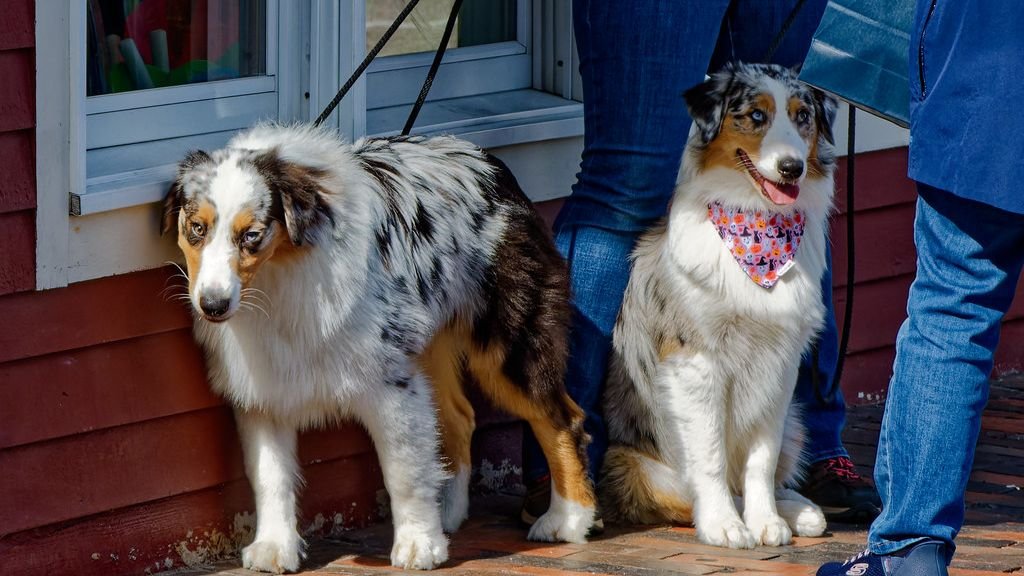
If you’ve ever spent time at a shelter, you know that heartbreaking feeling. Rows of dogs waiting for someone to see past the label on their kennel card. Seeing their hopeful eyes through chain link makes you wonder how they got there in the first place.
Here’s the thing. Most dogs that wind up in shelters aren’t bad dogs. They’re not broken or aggressive by nature. They’re just misunderstood, overwhelmed, or matched with the wrong family. Nearly thirty percent of surrendered pets in 2024 were given up by owners who could no longer care for them, and around eight percent of animals are surrendered due to aggressive behavior. That’s a relatively small number when you consider behavior can almost always be modified with the right approach. The real tragedy is how preventable most surrenders are. So let’s dive in and talk about the breeds that face this reality most often, not because they’re unlovable, but because their needs weren’t understood from the start.
Pit Bull Terrier
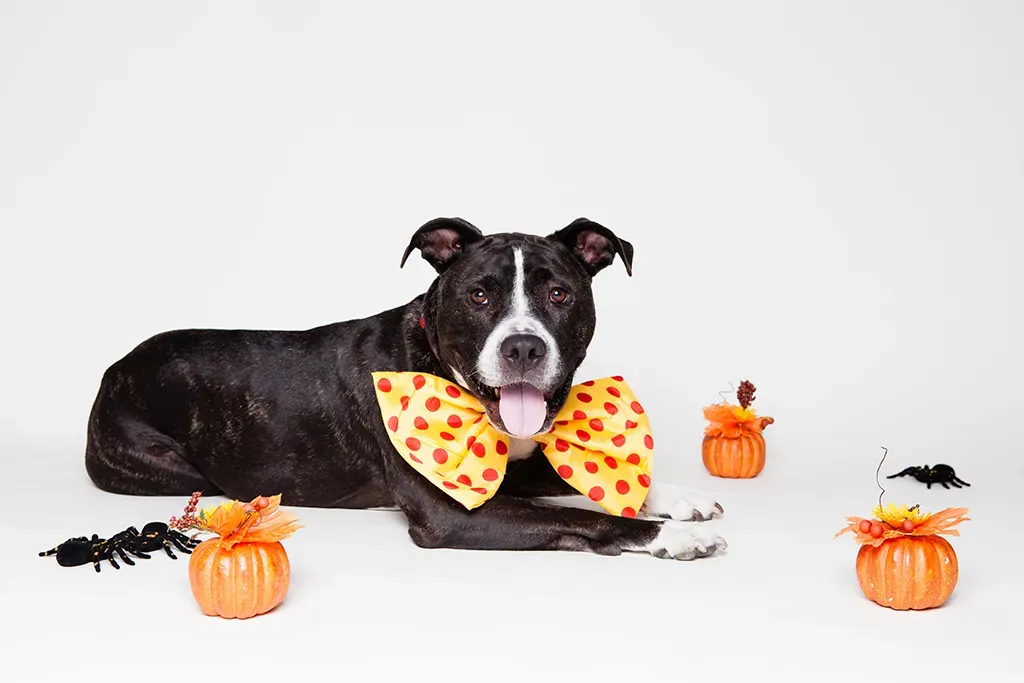
Let’s be real. Pit Bull Terriers are the most common dog breed in shelters across America’s largest cities, accounting for nearly twenty-two percent of all dog adoption listings. That statistic alone tells you this isn’t about the dog. It’s about perception, legislation, and misinformation.
Separation anxiety-related behavior is the number one cause of owners surrendering their pit bulls. These dogs bond intensely with their families, which is beautiful until it becomes destructive when they’re left alone. Many pit bulls develop separation anxiety when left alone for too long, and when they suffer from it, they often act out. Chewed furniture, constant barking, or accidents inside the house are symptoms of anxiety, not aggression.
Then there’s housing. Breed-specific legislation can lead to people surrendering their dogs if they’re unable to keep them due to housing restrictions. Families who adore their pit bull are forced to choose between a place to live and their best friend. It’s cruel and unnecessary.
These dogs are eager to please and incredibly loyal. With consistent training and socialization, most behavior issues can be resolved. Yet they remain the face of shelter overpopulation.
Chihuahua
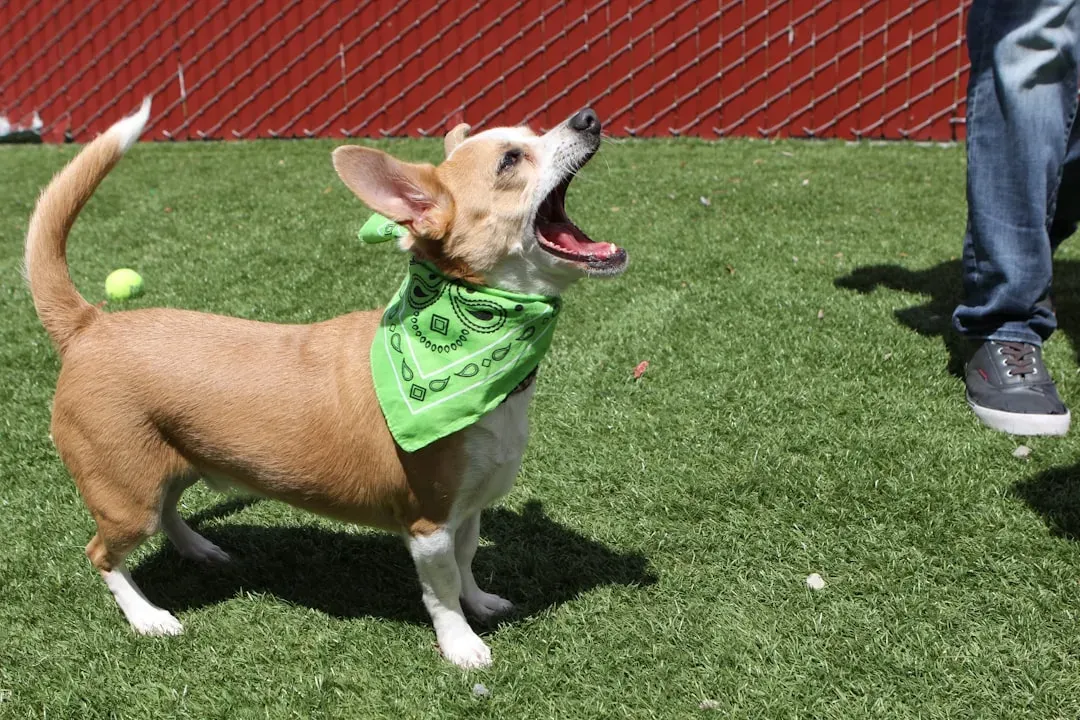
You wouldn’t think a dog small enough to fit in a purse could cause so much trouble. Think again. In California alone, Chihuahuas make up thirty percent of the dog population in shelters. That’s staggering.
Chihuahuas can exhibit behavioral issues that sometimes lead to their surrender to shelters, as their small size can make them defensive and territorial, potentially resulting in aggressive behaviors towards other animals or even humans. People often underestimate them. They treat them like accessories rather than dogs with real needs and instincts. Many are seen as a ‘fashion statement’ as opposed to an animal one has to care for, and without the right care, Chihuahuas can be timid and prone to fear-based aggression.
Honestly, it’s frustrating. These little dogs are often passed over because of their reputation for being yappy or snappy. Despite their popularity and the often high prices paid for Chihuahua puppies, these dogs frequently end up in rehoming shelters, often due to owners being unprepared for the behavioural challenges that can arise. The truth is, they need the same training and boundaries as any other breed.
Separation anxiety is also common. Chihuahuas may develop separation anxiety when left alone for extended periods, leading to destructive behaviors. But with patience and structure, they make fiercely loyal companions.
German Shepherd
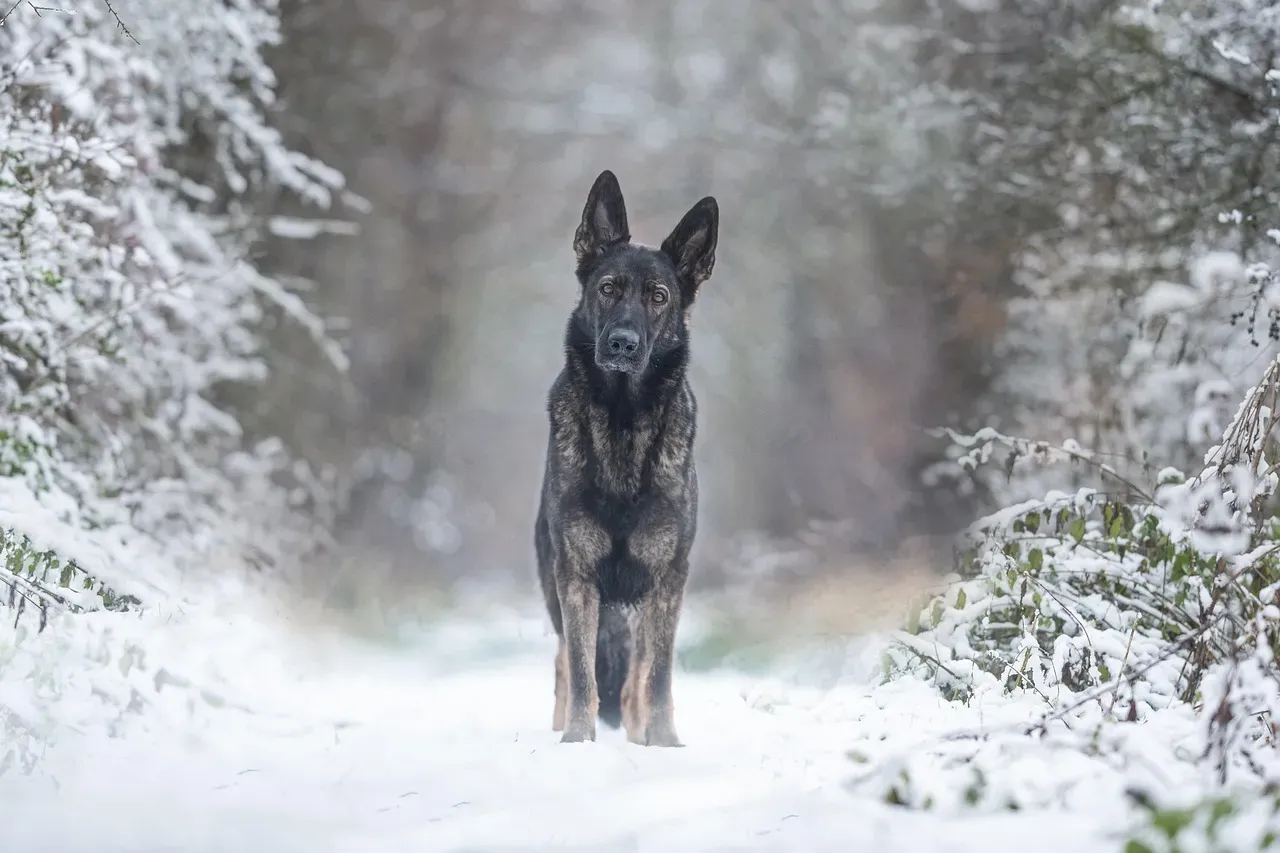
German Shepherds are magnificent. Intelligent, capable, deeply loyal. They’re also one of the most commonly surrendered breeds, and the reasons are heartbreaking.
Their high intelligence comes with a need for extensive training, socialization, and mental stimulation, and many pet parents are unprepared for the responsibility of caring for such a sharp-minded and active breed; when their needs aren’t met, German Shepherds may become anxious or destructive, causing them to end up in shelters. These dogs were bred to work. They need a job, a purpose. A bored German Shepherd is a destructive German Shepherd.
German Shepherds are one of the most common breeds known to suffer from separation anxiety; if untreated, this condition will result in a series of painful symptoms for your dog including heavy panting, whining, barking, slobbering, destruction of property, and soiling indoors. The anxiety is rooted in their pack mentality. They want to be with you, protecting you, always.
Many shepherds are dumped in shelters or rehomed because they suffer from separation anxiety, which only leads to more behavior problems; these dogs often find themselves lost in a cycle of abandonment, the situation they fear the most. It’s a cruel irony. The very trait that makes them incredible companions becomes the reason they’re abandoned.
Labrador Retriever
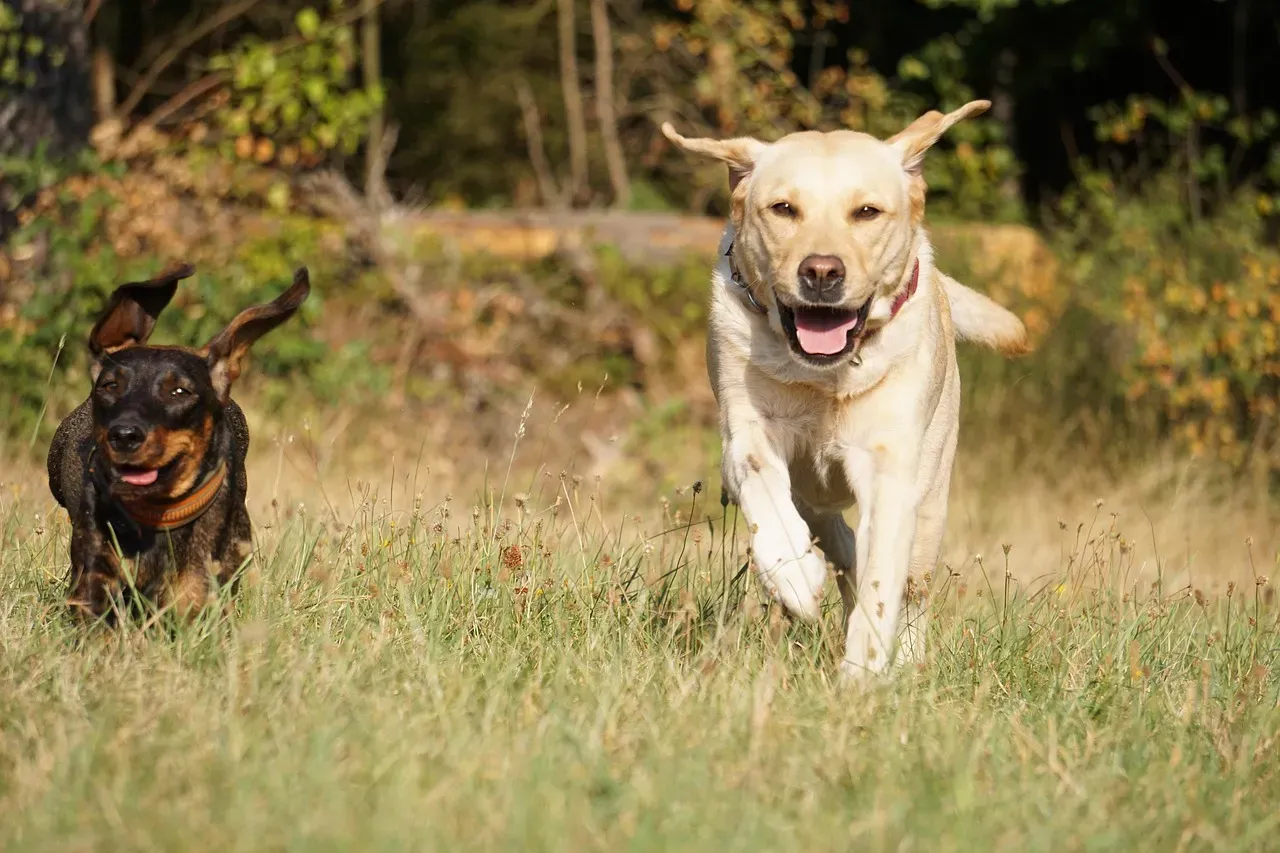
Wait, Labs? Yes. One of America’s favorite family pets, the Labrador Retriever is also one of the most common shelter dogs; the overwhelming surrender numbers for Labs likely have more to do with the large quantities of them bred yearly, not any flaw with the breed itself.
The problem is hyperactivity. Labs are bundles of energy, especially in their first few years. It’s simply wrong to get a Labrador, an athletic sporting breed and then be shocked when they become hyperactive and restless if they aren’t exercised enough. People see the sweet temperament and family-friendly reputation but don’t anticipate the energy level or exercise requirements.
Most Labs are bored, with unfulfilled lives and this is one of the major causes of bad behavior; Labradors are a sporting breed, made for life outside traveling great distances, running, jumping and swimming through tough terrain; in today’s world living largely as pets, many Labradors are mentally and physically under-stimulated with their strong drives and urges left unsatisfied, and bored dogs often develop behavioral problems.
A tired Lab is a happy Lab. Without proper outlets for their energy, they chew, they jump, they become unmanageable. But it’s not the dog’s fault. They’re just being Labs.
Boxer

Boxers are goofy, affectionate, and full of personality. They’re also frequently surrendered, and it often comes down to misconceptions about what living with a Boxer actually means.
Their high shelter surrender rate is likely due to factors that make them inconvenient for some households; for example, Boxers have a short lifespan, and without proper training, Boxers can also deal with resource guarding and food aggression issues. Losing a dog at eight years old is devastating, and some families aren’t prepared for that reality.
The resource guarding behavior can be managed with training, but it requires commitment. Boxers need structure and clear boundaries. When they don’t get it, problems escalate. What starts as mild possessiveness over a toy can become something more serious if left unaddressed.
These dogs are also high energy. They need consistent exercise and mental stimulation to stay balanced. Without it, they become restless and difficult to manage. But for the right owner, a Boxer is an incredibly loving companion.
Australian Shepherd
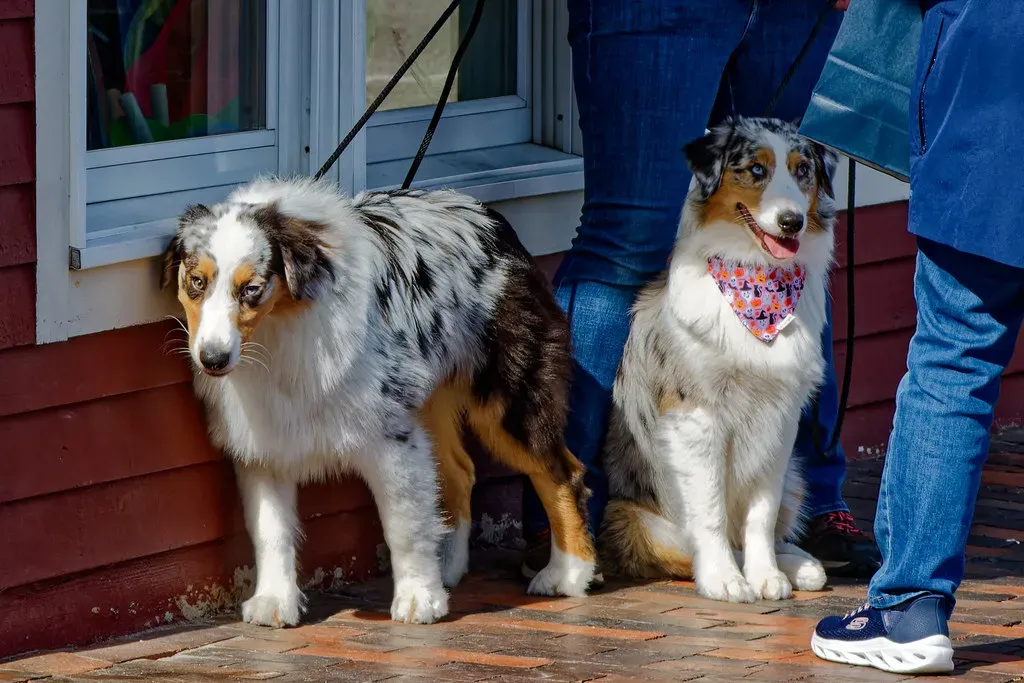
Australian Shepherds are stunning dogs. Smart, agile, driven. They’re also not for everyone, and that’s where the trouble starts.
Australian Shepherds are super-smart, agile, driven dogs who often excel in activities such as agility or herding; however, this breed requires a high level of physical and mental stimulation, and when their needs aren’t met, Australian Shepherds can become bored and develop behavioral issues like excessive barking or destructive tendencies.
I think people see them at dog parks or in movies and fall in love with the idea of owning one. But an Aussie without a job is a problem waiting to happen. These dogs were bred to herd livestock all day. They need constant engagement.
Families who adopt Aussies without understanding the commitment often become overwhelmed. The dog isn’t being difficult. They’re just unfulfilled. And unfortunately, that leads to surrender.
Siberian Husky
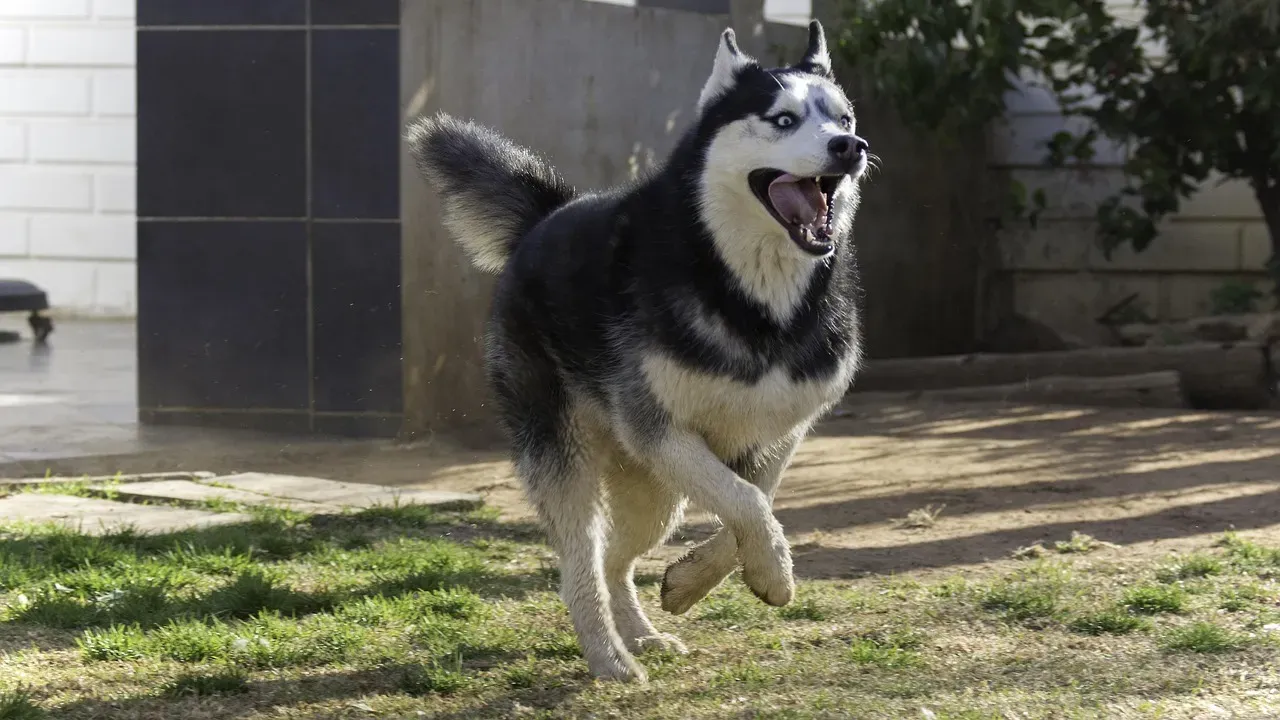
Huskies are gorgeous. Those piercing blue eyes and wolf-like appearance make them incredibly popular. But popularity doesn’t always translate to compatibility.
Bred to haul heavy loads in harsh conditions, they thrive on physical activity and mental challenges; however, their high energy levels and strong prey drive can be difficult to manage in a typical household setting, and Malamutes (similar northern breeds) are also known for their independent nature and stubbornness, which can challenge training; many are surrendered to shelters because their owners cannot meet their exercise needs or handle their dominant personalities.
Huskies are notorious escape artists. They’ll dig under fences, jump over walls, or slip out of collars. Their prey drive is strong, which makes them risky around small animals. And they’re vocal. Not barking, but howling, which can drive neighbors crazy.
Siberian Huskies show up often in shelters in warmer cities like Los Angeles, Riverside, CA, and Orlando; their need for constant exercise and thick double coats can make them challenging for first-time dog owners in warmer climates. A Husky in Florida without proper cooling and exercise is miserable.
They need experienced owners who understand their independent streak and can provide the structure they require.
Beagle

Beagles are adorable. Those floppy ears and soulful eyes are hard to resist. But they come with challenges that many families don’t anticipate.
Beagles are known as hunt dogs that emit a deep bark or howl, they are a hound after all, and their rather loud means of communication can often lead to annoyance or neighbor complaints, often the reasons their owners surrender them. That vocalization is instinctive. They were bred to bay when they picked up a scent.
Beagles are also driven by their noses. They’ll follow a scent trail for miles if given the chance, which makes them prone to wandering. A Beagle off-leash is a flight risk. Recall training can be difficult because their scent drive overrides everything else.
They’re wonderful family dogs when their needs are met. But without proper training and containment, they can become frustrating to live with. And unfortunately, that frustration leads to surrender.
Rottweiler

Rottweilers are powerful, loyal, and protective. They’re also deeply misunderstood, which contributes to their high surrender rates.
This robust breed is an ancient dog that is extremely loyal; they can be fiercely protective and require a lot of training and continuous socialization that some owners aren’t prepared for; there is some stigma around them, which has given the public an unfair opinion about Rottweilers.
The problem isn’t the breed. It’s the owner. Rottweilers need confident, consistent leadership. Without it, they can become dominant or reactive. Early socialization is critical, but many owners skip this step or don’t do it thoroughly enough.
These dogs bond deeply with their families and can be incredibly gentle. But their size and strength mean that any behavioral issue becomes magnified. A jumping Rottweiler can knock someone over. A protective Rottweiler can intimidate strangers.
For experienced owners who understand the breed, Rotties are phenomenal companions. But in the wrong hands, they end up in shelters.
Dachshund

Dachshunds may be small, but they pack a lot of attitude. And that attitude sometimes leads to surrender.
Due to their high prey drives, Dachshunds can be a problematic fit for households with small animals or even cats; additionally, Dachshunds are prone to aggression with dogs and other people, and while these behaviors are often avoidable if the dog is socialized from a young age, frustrated owners may just give up.
These little dogs were bred to hunt badgers, which required courage and tenacity. That same tenacity can make them stubborn and difficult to train. They’re also prone to back problems, which can lead to expensive medical bills and mobility issues.
Many people adopt Dachshunds thinking they’ll be easy because of their size. But they’re just as demanding as any other breed. They need training, socialization, and boundaries. Without it, they can become snappy and territorial.
Jack Russell Terrier
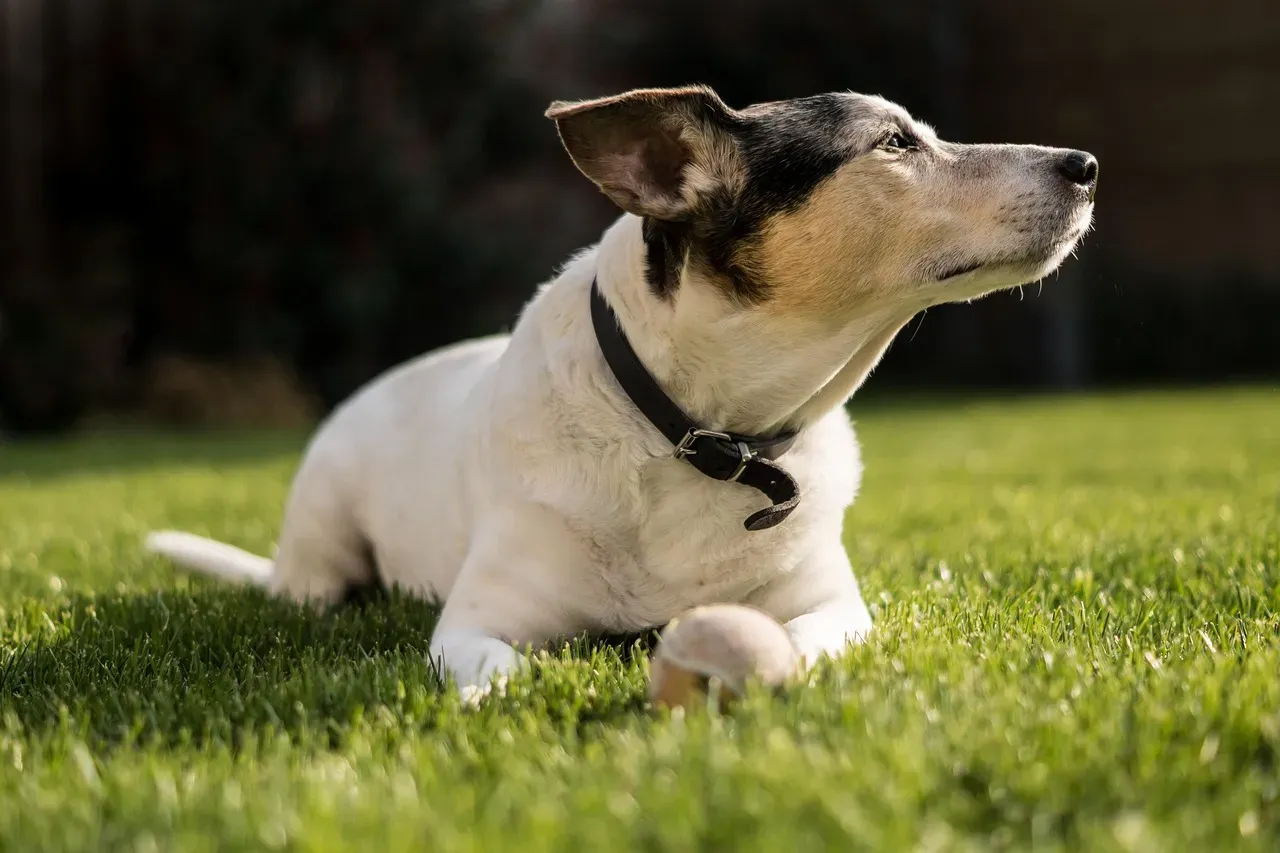
Jack Russells are tiny tornadoes. Energetic, intelligent, and endlessly entertaining. They’re also frequently surrendered because owners underestimate what they’re getting into.
Jack Russell’s are an extremely active dog, excelling in activities like agility courses, but they can have a bit of an attitude; they often don’t get along well with other dogs and children, and this is a large part of the reason they are turned into shelters.
These dogs were bred to hunt foxes, which required relentless energy and determination. That same drive makes them challenging in a household setting. They need constant stimulation, or they’ll find their own entertainment, which usually means destruction.
They’re not lap dogs. They’re working terriers who need a job. Without proper outlets for their energy, they become reactive and difficult to manage. But in the right home, with an experienced owner who understands their needs, Jack Russells are incredible companions.
Conclusion
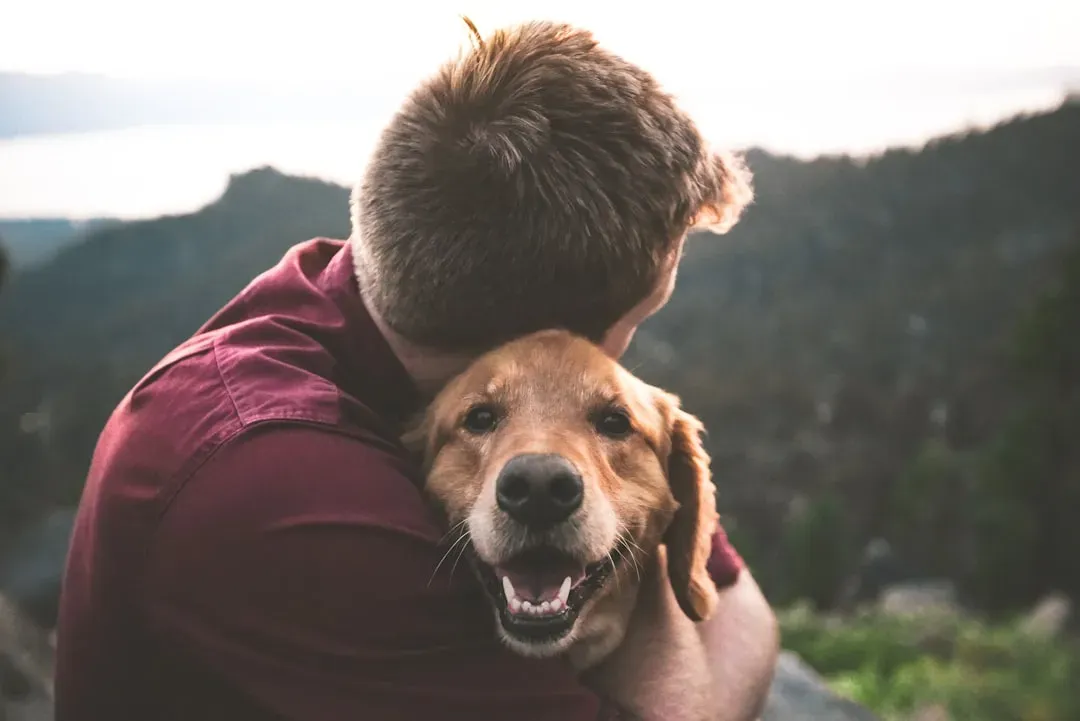
Here’s what I hope you take away from this. None of these breeds are inherently bad or unmanageable. They’re dogs with specific needs and traits that require the right match. The tragedy isn’t that they end up in shelters. It’s that they were set up to fail from the start.
Before you bring any dog into your home, do your research. Understand what that breed was designed to do and what they need to thrive. Exercise, training, socialization, mental stimulation – these aren’t optional. They’re essential.
And if you’re considering adopting from a shelter, don’t write off these breeds because of their reputation. Many of them are there through no fault of their own. With patience, consistency, and love, they can become the best companion you’ve ever had.
What do you think? Have you had experience with any of these breeds? Share your story in the comments below.


