
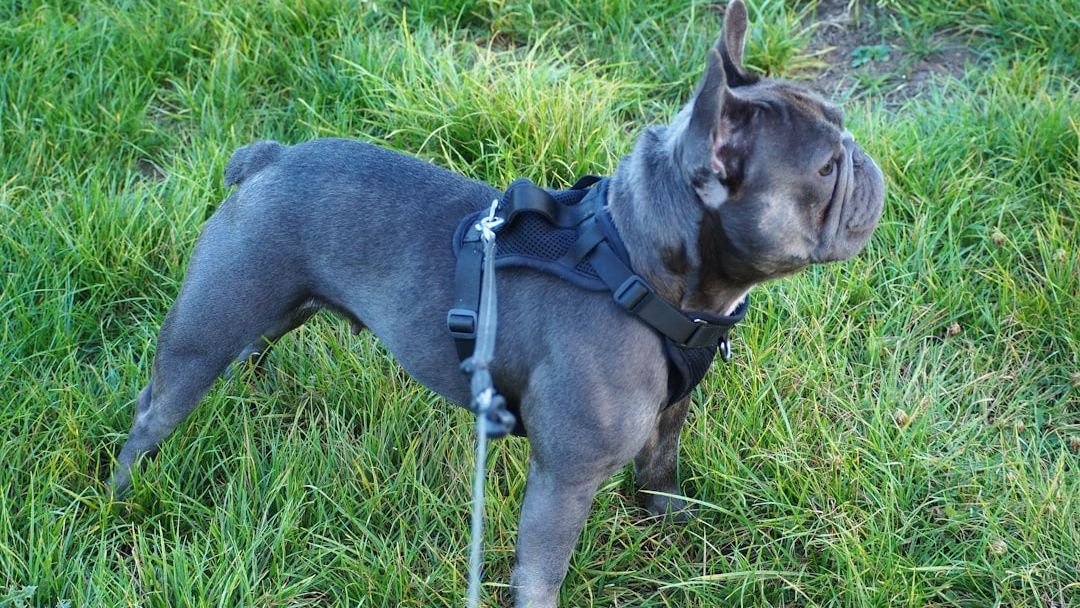
You’ve probably heard it before. Someone at the dog park shakes their head, points to a spirited Beagle or a dignified Afghan Hound, and sighs, “That breed is impossible to train.” Maybe you’ve felt that flicker of doubt yourself when your sweet pup ignores your recall for the tenth time this week. Let’s be real, here’s the thing: the idea that certain dog breeds are untrainable is one of the most persistent myths in dog ownership. Yet it lingers like an old wives’ tale, leaving some wonderful dogs unfairly labeled as stubborn, dumb, or hopeless.
The truth? It’s far more complicated, and honestly, far more interesting. Every dog has the capacity to learn, though some make us work harder for it than others. Let’s dive into what’s really happening when your four-legged friend seems to have selective hearing.
Intelligence Versus Obedience: Not the Same Thing
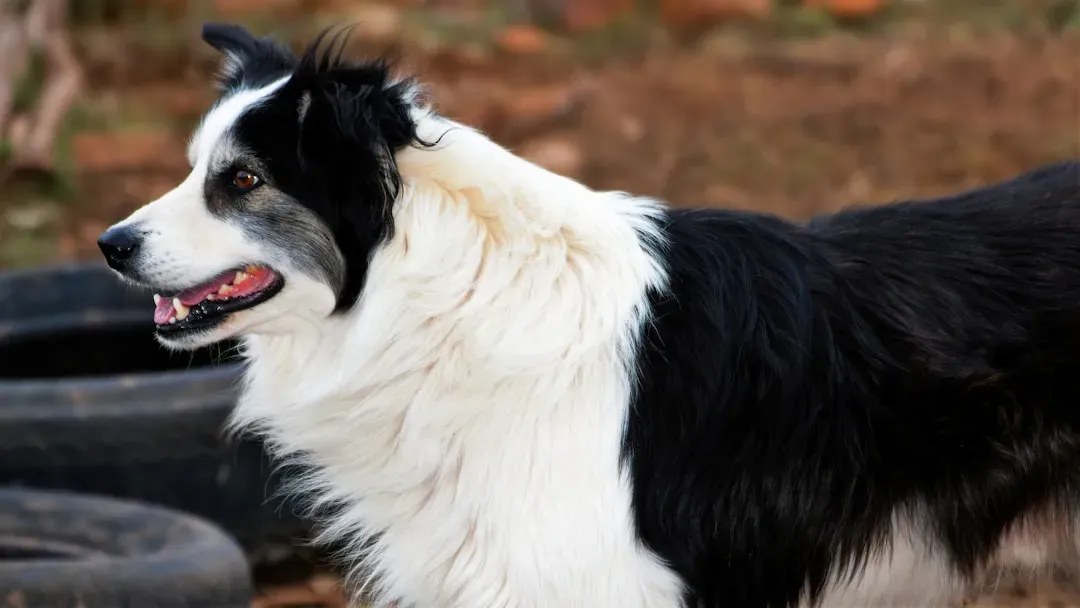
We often confuse a smart dog with a trainable one, but intelligence and obedience aren’t always connected. Canine intelligence includes instinctive intelligence (the ability to perform breed-specific tasks), adaptive intelligence (problem-solving ability), and working and obedience intelligence (the ability to learn from humans).
Think about it this way: a Border Collie who masters a new command in three repetitions isn’t necessarily smarter than a Basenji who needs eighty tries. The Basenji might be solving complex problems you never even notice, like figuring out how to unlatch that supposedly dog-proof gate. Ancient breeds like Basenjis spent thousands of years thinking for themselves, which makes independent decision-making part of their DNA.
Breed only explains about twenty percent of the variation in trainability across dogs, with the remaining eighty percent coming from environmental factors or genetic factors not fixed in the breed. So before you blame your dog’s ancestors, consider what else might be going on.
Bred for a Job, Not for Obedience Competitions
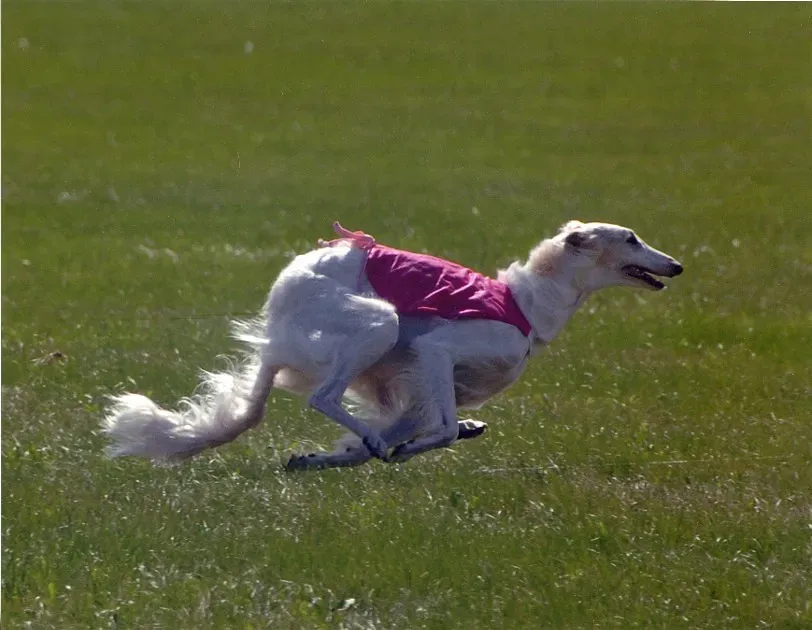
Sighthounds like Afghan Hounds were always bred to run fast after prey, not to obey commands. Beagles have a very strong focus on smells around them and a strong genetic inclination to follow scent trails, making them one of the hardest dogs to train. These aren’t flaws. They’re features.
Picture this: you’re a Bloodhound descended from generations of tracking dogs. Your entire genetic makeup tells you to follow that scent, no matter what. Once Bloodhounds pick up a scent, it can be incredibly challenging to distract them from it, and they will often wander off to pursue it with no regard for commands or orders.
Dogs labeled as stubborn are often independent breeds that were bred to be hunting dogs, needing to think and outsmart prey, racing ahead of their people and then waiting for the slow humans to catch up, making them less inclined to follow commands. They’re not being difficult. They’re doing exactly what centuries of selective breeding taught them to do.
The Myth of the ‘Dumb’ Dog
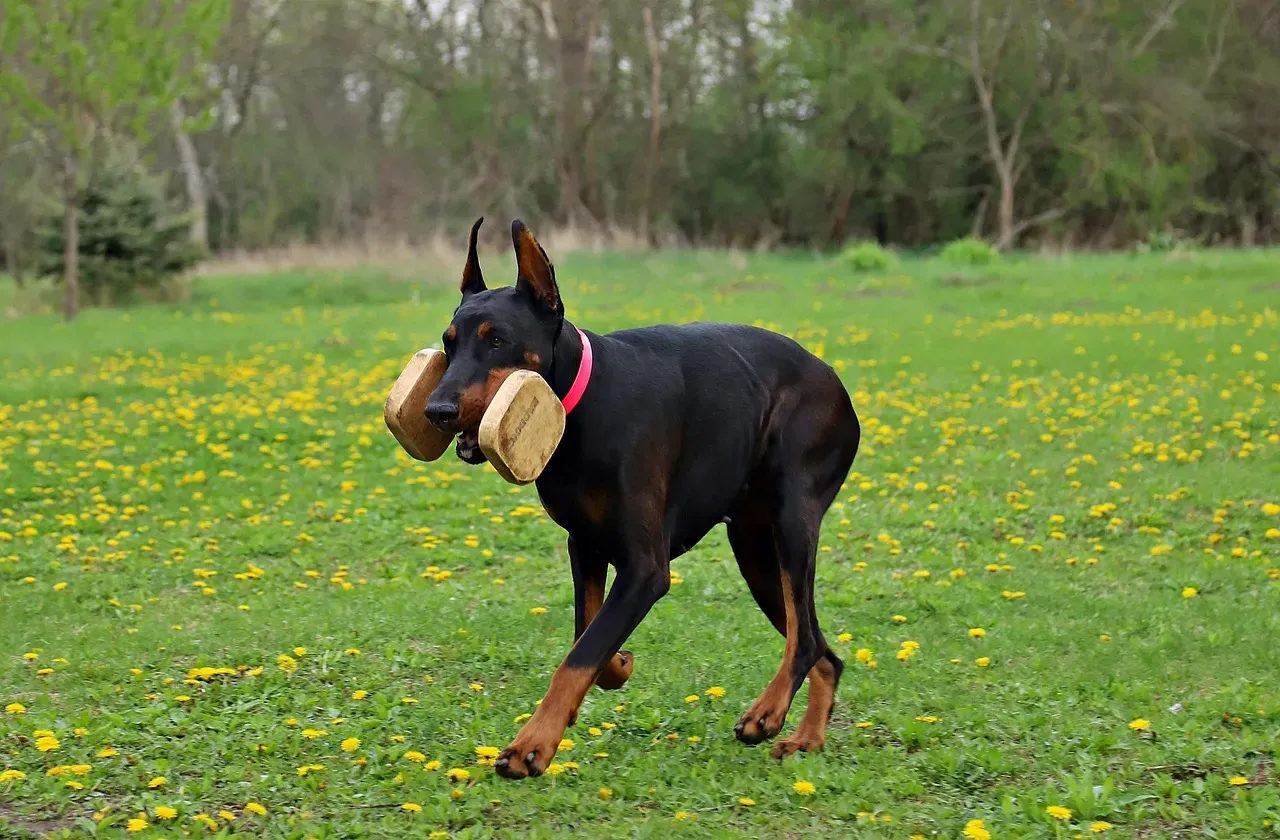
There are no dumb dogs, though some breeds are harder to raise or train because they are simply independent and driven by strong instincts. The short answer is there are no dumb dogs.
I think what really happens is we measure dog intelligence by human standards, which is a bit like judging a fish by its ability to climb a tree. The Afghan Hound needs at least eighty repetitions to understand a new command, landing it at the bottom of traditional obedience rankings. Yet this same breed navigates complex terrain at incredible speeds while hunting, demonstrating remarkable spatial intelligence and split-second decision-making.
Bulldogs don’t have a good reputation for being smart or trainable, but this simply isn’t true; they are very smart, it’s just that they learned how to get their humans to do things for them. That’s not stupidity. That’s emotional intelligence at work.
When ‘Stubborn’ Really Means Something Else
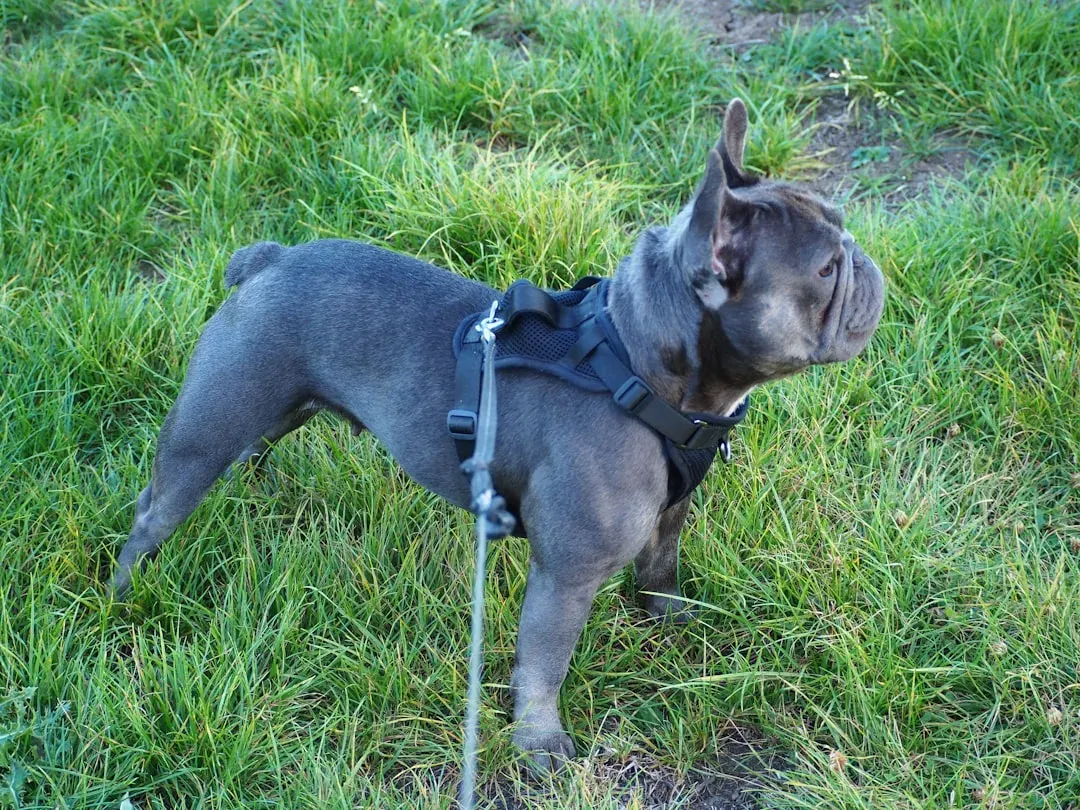
Sometimes what we call stubbornness is actually fear, anxiety, confusion, or boredom. Common reasons for stubborn behavior in dogs include breed traits, independence, dominance, fear, anxiety, boredom, or a lack of motivation.
Your dog isn’t ignoring you to be spiteful. Dogs don’t think that way. Maybe the environment is too distracting, the reward isn’t motivating enough, or your cues aren’t as clear as you think. It’s crucial to distinguish between stubbornness and behavioral issues, as stubborn dogs are usually healthy and intelligent, while behavioral issues might stem from anxiety, fear, or past trauma.
Overbreeding has contributed to some doodle varieties being more anxious and fearful than other breeds, with many struggling with separation anxiety and fear-related behavior problems. What looks like defiance might actually be a dog overwhelmed by their own emotions.
What Actually Works: Training the ‘Untrainable’
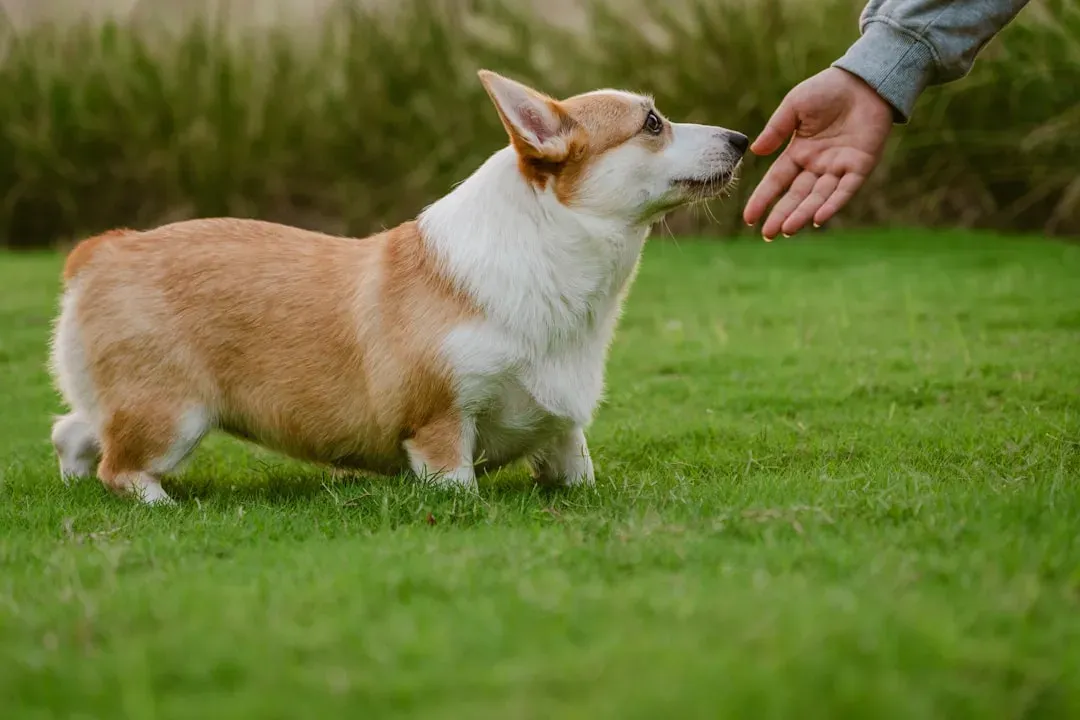
Positive reinforcement training involves rewarding desired behaviors with treats, attention, or other rewards to encourage repetition, creating a positive association with training and promoting a willingness to learn. One common mistake is using harsh discipline, as stubborn breeds do not respond well to forceful methods, which can backfire; instead, they thrive under positive reinforcement and gentle handling, which build trust and cooperation.
Keep sessions short and engaging. Long training sessions can bore or frustrate any dog, especially young and stubborn ones, so aim for several five to ten minute training sessions a few times a day to keep your dog’s attention. Think quality over quantity.
Find what truly motivates your individual dog. Keeping breeds motivated requires the use of high-value rewards, as treats, toys, and praise can work wonders in engaging their interest, and the rewards should be immediate, helping the dog associate the training with positive outcomes. For some dogs, that’s cheese. For others, it’s a favorite squeaky toy or even just enthusiastic praise.
Patience and consistency are fundamental principles in training stubborn dogs, and by establishing clear boundaries, maintaining a calm and assertive demeanor, and providing consistent guidance, owners can gradually modify their dog’s behavior and instill desirable habits.
Every Dog Deserves a Fair Chance
Smaller dogs were reported as more fearful, more aggressive, and more attention-seeking, but less trainable than larger dogs, and female dogs were reported as more trainable than males. Even within breeds, individual variation is enormous. Size, sex, age, early socialization, and life experiences all shape how a dog learns.
Every dog has potential regardless of breed ranking, and training methods significantly impact perceived intelligence, as positive reinforcement makes any dog appear smarter. The dog at the end of the leash matters far less than the human holding it.
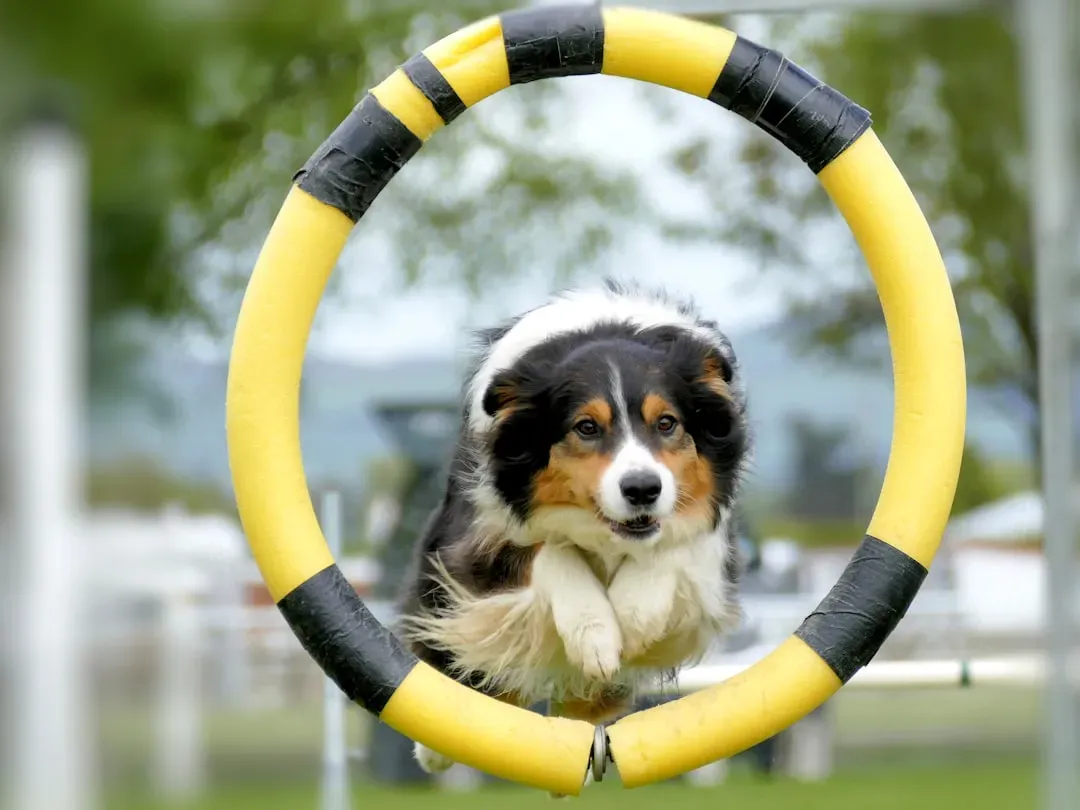
I’ve seen supposedly untrainable Basenjis excel in agility, stubborn Bulldogs become therapy dogs, and scent-obsessed Beagles master reliable recalls. It takes the right approach, realistic expectations, and a whole lot of patience. Some days will test you. Progress might feel glacial. Yet those small victories, when your independent-minded pup finally chooses to come when called, feel sweeter than any blue ribbon.
Conclusion
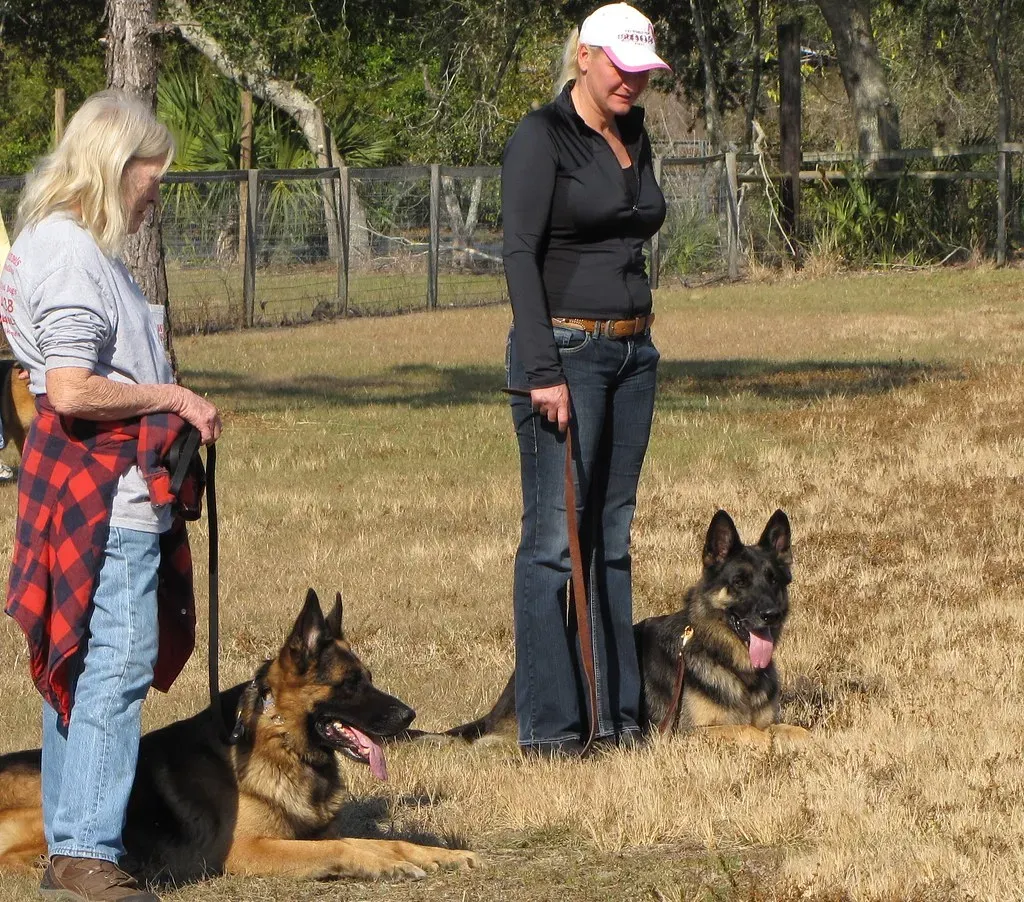
So, are some dog breeds truly untrainable? Absolutely not. How easily trainable or smart a dog is cannot be judged according to the breed, as it differs depending on the individual dog. What we label as untrainable is often just a mismatch between human expectations and canine nature.
Every dog can learn. Some just need us to meet them where they are, speak their language, and respect the traits that make them who they are. The Afghan Hound wasn’t designed to fetch your slippers, and the Beagle wasn’t meant to ignore every interesting scent. They were bred for specific jobs, and those instincts run deep.
The real question isn’t whether your dog can be trained. It’s whether you’re willing to adjust your methods, celebrate small wins, and appreciate the unique personality in front of you. What’s your experience been with a supposedly difficult breed? Did they surprise you once you found the right approach?


