
8 Everyday Routines That Build a Happier, Healthier Horse
Ever wonder why some horses seem naturally brighter, more content, and easier to work with? It’s rarely an accident. The truth is, happiness in horses doesn’t come from grand gestures or expensive supplements alone. More often than not, it’s the small, consistent routines that shape their wellbeing.
Think about it like this: your horse’s day is made up of countless moments, from the way they eat to how they interact with their environment. Change those moments for the better, and you change everything. Here’s the thing, though. Many horse owners unintentionally overlook the simplest habits that could transform their horse’s mental and physical health. Let’s dive in.
Consistent Feeding Times Create Security
Horses are creatures of habit. Their internal clocks run on predictability, especially when it comes to meals.
Horses require a consistent feeding schedule, usually twice a day, morning and evening. When you stick to the same feeding times, you’re not just filling their stomach. You’re giving them a sense of safety and routine that reduces stress.
Irregular feeding can trigger anxiety and even digestive problems like ulcers. Horses in the wild graze nearly constantly, so long gaps between meals make them uneasy. By keeping mealtimes predictable, you help their digestive system function smoothly and their mind stay calm.
Did you know that equines with structured daily schedules experience 40% fewer behavioral and digestive issues than those without? That’s a pretty compelling reason to set your alarm and stick to it.
Consistency isn’t about perfection, it’s about reliability. Your horse learns to trust the rhythm of their day, and that trust builds a foundation for everything else.
Small shifts in timing won’t ruin everything, obviously. Still, the closer you stay to a routine, the more settled and content your horse will be.
Daily Visual Health Checks Catch Problems Early
You’d be surprised how much you can learn just by looking. A quick head-to-toe check every day isn’t just good practice, it’s your first line of defense.
Start with a head-to-hoof inspection. Look for swelling, cuts, or unusual discharge. Check eyes for clarity and nostrils for clean airflow. Early detection matters – horses may hide discomfort until issues escalate.
Horses are prey animals by nature. They’ve evolved to mask pain and weakness, which means by the time they’re obviously struggling, the problem might already be serious. That’s why daily observation is so valuable.
Look at their coat, their eyes, the way they move. Notice if they’re favoring a leg or standing differently than usual. Check their appetite and energy levels during feeding time.
You should check your horse regularly for signs of illness, especially during feeding and grooming. These moments give you the clearest snapshot of their baseline health.
Honestly, this habit takes less than five minutes. Yet it can save you thousands in vet bills and spare your horse unnecessary suffering.
Regular Grooming Strengthens Your Bond
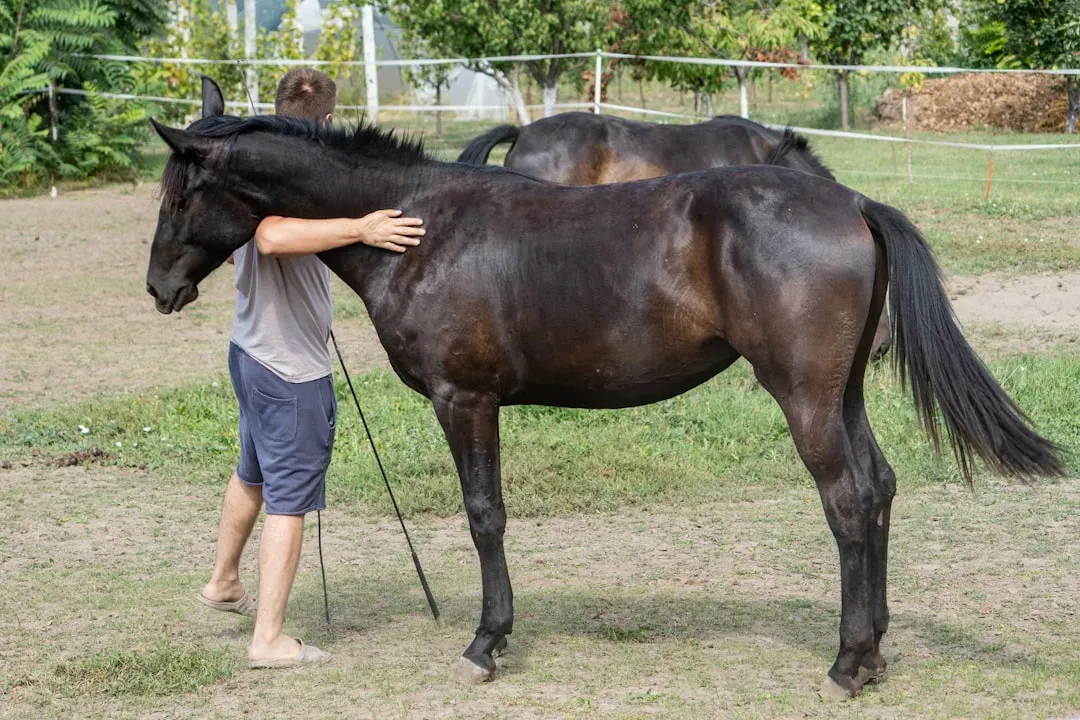
Grooming isn’t vanity. It’s connection. It’s also one of the most underrated tools for maintaining both physical and emotional health.
Regular grooming helps keep the coat clean, reducing the risk of skin conditions and infections. Beyond that, it gives you time to run your hands over every inch of your horse’s body, feeling for heat, swelling, or sensitivity.
Let’s be real: grooming is when you actually get to know your horse. You notice their quirks, their favorite spots to be scratched, the places they’re tender. It’s a conversation without words.
Grooming is an excellent opportunity to bond with your horse. It also allows you to identify any abnormalities or signs of discomfort early on. Think of it as a wellness check wrapped in quality time.
Horses are social animals who naturally groom each other in herds. When you groom your horse, you’re tapping into that instinct, building trust and comfort. It tells them they’re safe with you.
Plus, a clean coat isn’t just prettier. It’s healthier, easier to maintain, and helps regulate body temperature more effectively.
Proper Hoof Care Prevents Bigger Issues
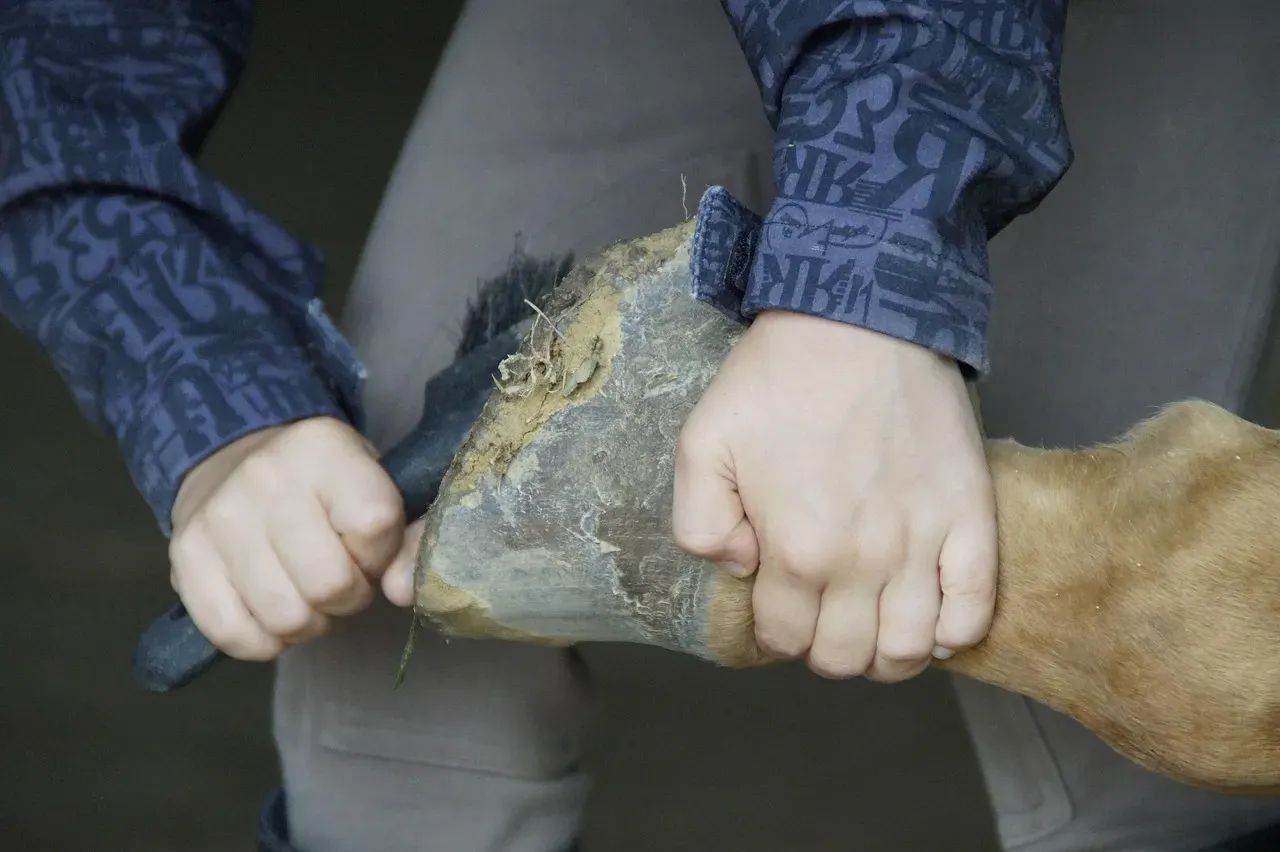
No hoof, no horse. You’ve probably heard that saying a hundred times, and it’s still true.
Clean and inspect hooves daily. Regular trimming and attention to the hooves prevent issues like thrush and lameness. Neglecting hoof care is one of the fastest ways to compromise a horse’s quality of life.
Daily hoof picking removes dirt, stones, and debris that can cause bruising or infection. It also gives you a chance to spot early signs of problems like cracks, abscesses, or frog deterioration.
Hooves should be trimmed every six to eight weeks. Depending on your horse’s activity level, the environment and his body type, your horse may need shoes. Your farrier will be able to recommend the best course of action to keep your horse’s hooves strong and well-balanced.
Think of hoof care as preventive maintenance. Waiting until something goes wrong is both costly and painful for your horse. Regular attention keeps them sound, comfortable, and able to move freely.
Honestly, it’s hard to overstate how much a healthy hoof impacts everything else. Movement, posture, even mood can all be affected by what’s happening at ground level.
Mental Enrichment Activities Reduce Boredom
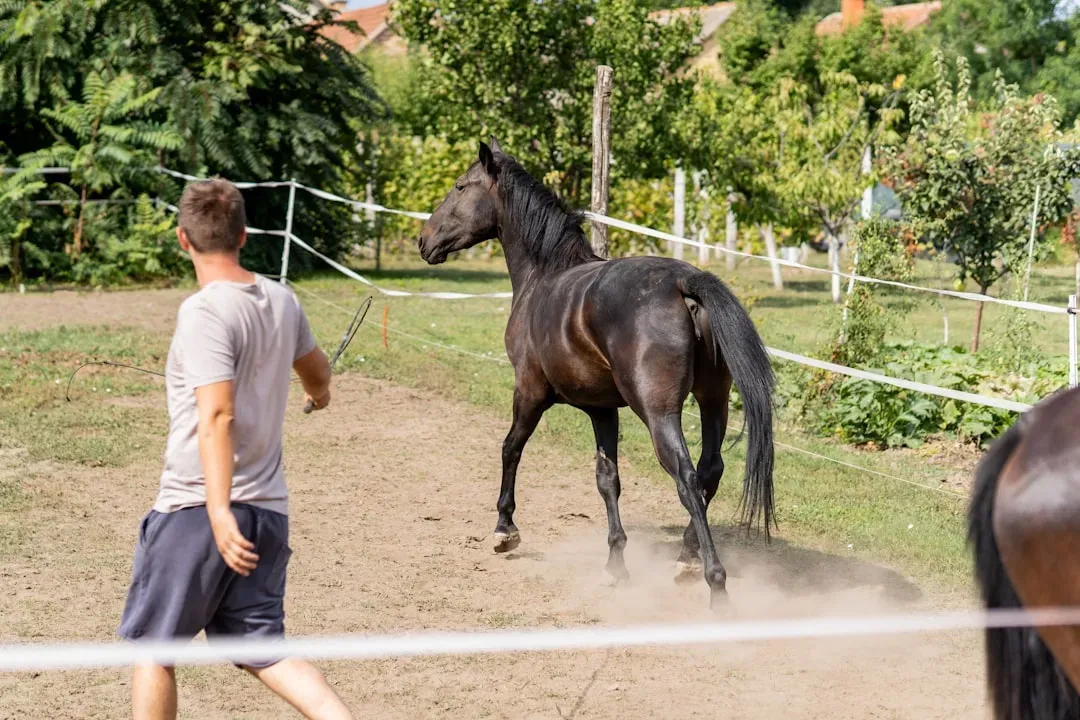
Here’s something a lot of people don’t realize: horses get bored. Really bored. When they do, problems start.
Horses can get bored and frustrated. Use mental and sensory activities to enrich their environment and keep them happy and engaged. Without stimulation, horses can develop stereotypic behaviors like weaving, cribbing, or pacing.
Horses in the wild are naturally enriched by their everyday activities. This includes traveling to search for new food and water sources, grazing, herd social interaction, etc. In a barn or stable setting, however, a horse’s mind is not stimulated the way it would be in the wild. Overall, the responsibility of this mental stimulation horses need falls to its human caretakers.
Enrichment doesn’t have to be complicated. Try hiding small piles of hay around their paddock, hanging treats at different heights, or introducing toys they can nudge and kick. Even playing music or rearranging their environment a bit can help.
Enrichment for horses provides them with the mental and physical stimulation they need to stay engaged, reduce stress, and prevent behavioural issues. Think of it as exercise for the brain, not just the body.
The best part? Most enrichment activities are cheap or free. Cardboard boxes, plastic bottles filled with rocks, or treat balls made from household items all work wonders.
Turnout Time Supports Natural Behavior
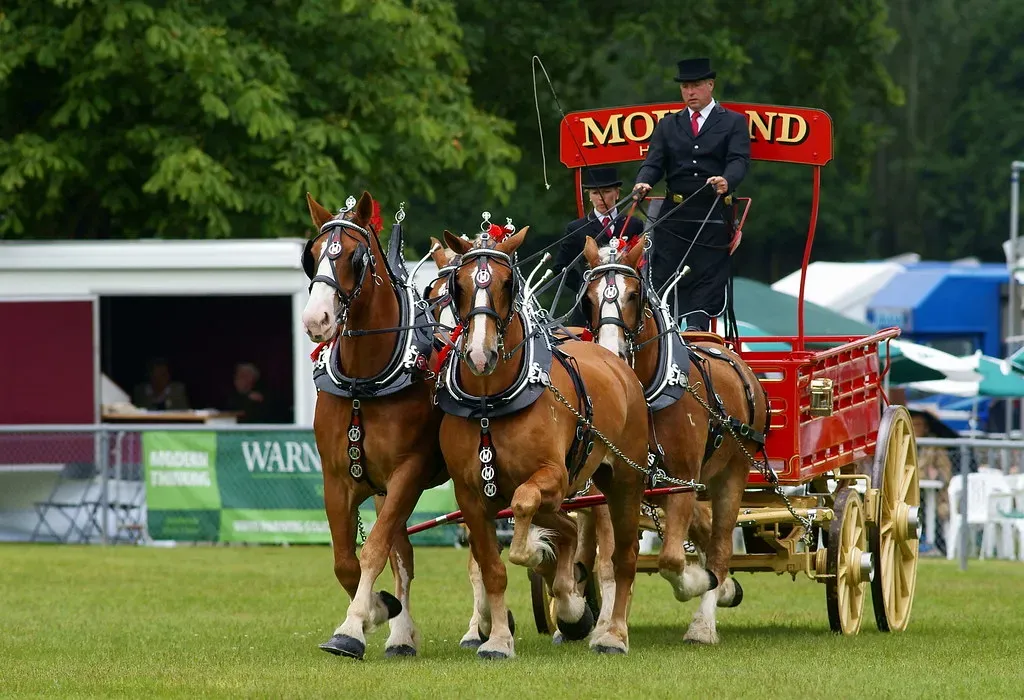
Locking a horse in a stall for most of the day goes against everything they’re wired to do. Movement is life for them.
In a natural environment, horses will be almost continuously active, walking distances of up to 30km per day and grazing or browsing for 16 to 18 hours per day. That’s their normal. Confinement isn’t.
Daily turnout allows horses to move freely, socialize, graze, and simply be horses. It’s essential for their physical health, but equally important for their mental wellbeing.
Horses are social animals who are physiologically most sound when they have the ability to roam and interact with other horses. Even a few hours outside each day can make a dramatic difference in behavior and mood.
If full turnout isn’t possible, consider hand-walking, lunging, or providing access to a larger paddock for part of the day. Movement prevents stiffness, improves circulation, and helps manage weight.
I’ve seen horses transform after regular turnout was introduced into their routine. Less tension, fewer vices, and a noticeable improvement in their willingness to work.
Clean Water Access Is Non-Negotiable
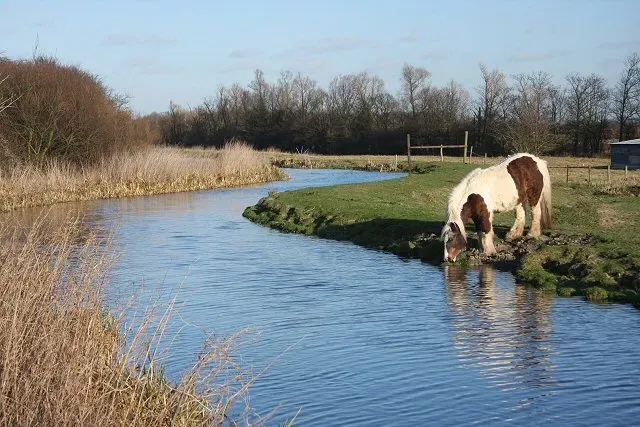
It sounds obvious, right? Yet it’s one of the most commonly overlooked aspects of daily care.
Clean, unfrozen water should be available at all times along with a trace mineral/salt block. Horses can drink anywhere from eight to twenty gallons a day depending on temperature, workload, and diet.
Dehydration leads to serious problems: colic, kidney strain, poor performance, and sluggish recovery. Horses won’t drink enough if the water is dirty, frozen, or tastes off.
Check water buckets and troughs at least twice daily. Scrub them regularly to prevent algae buildup. In winter, break ice or use heated buckets to ensure access.
Here’s the thing: hydration affects everything. Digestion, temperature regulation, joint lubrication, even mental clarity. You can do everything else right, but if water isn’t clean and plentiful, your horse won’t thrive.
This is one of those routines that takes minutes but pays off in every other area of health and performance. Don’t skip it.
Annual Veterinary and Dental Care Maintains Longevity
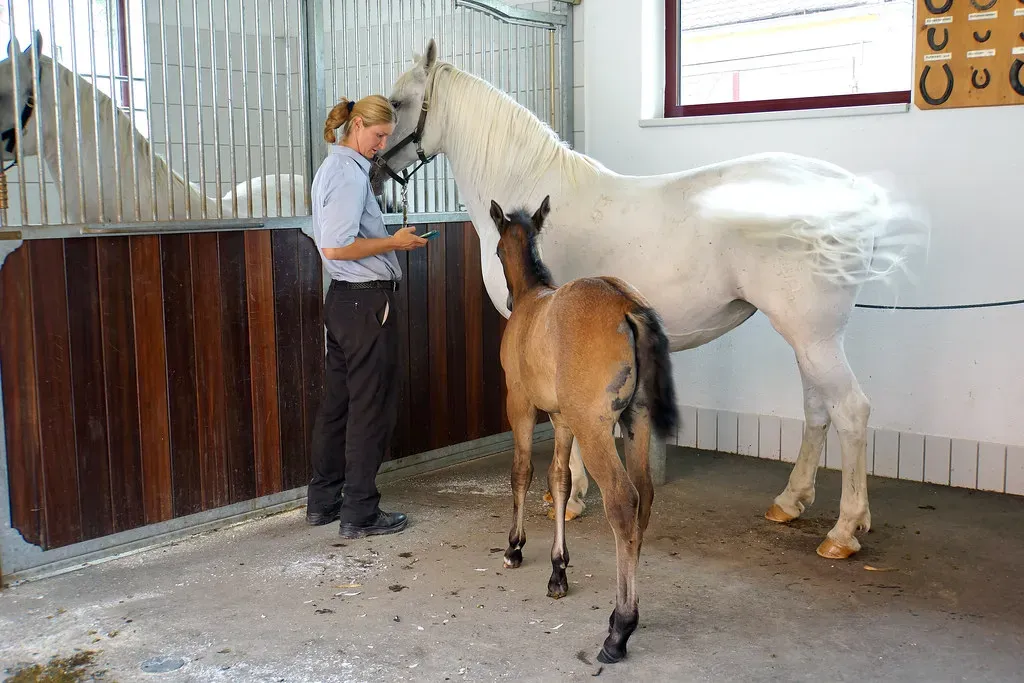
Prevention beats treatment every single time. Routine professional care isn’t an expense, it’s an investment.
Adult horses should visit the vet for a full checkup at least once a year. This allows your vet to catch subtle changes before they become emergencies.
Horses’ teeth grow continuously. Uneven wear can lead to sharp points and edges that cause pain and difficulty chewing. A horse’s teeth should be checked once or twice a year and “floated” (filed to make them smoother) by a veterinarian.
Dental problems don’t just affect eating. They can cause headaches, behavioral issues, and poor performance under saddle. Horses with dental pain often become head-shy or resistant to the bit.
Horse owners should work with a veterinarian to develop a preventative care plan for their horses. A comprehensive veterinary wellness program includes annual exams, vaccinations, deworming, and routine dental care.
Yes, routine care costs money. Still, it’s far cheaper than treating advanced illness or injury. A yearly exam and dental float might run a few hundred dollars. Emergency colic surgery? Several thousand.
The horses who live longest and stay sound into their twenties are almost always the ones who’ve had consistent, preventive veterinary attention throughout their lives.
Conclusion
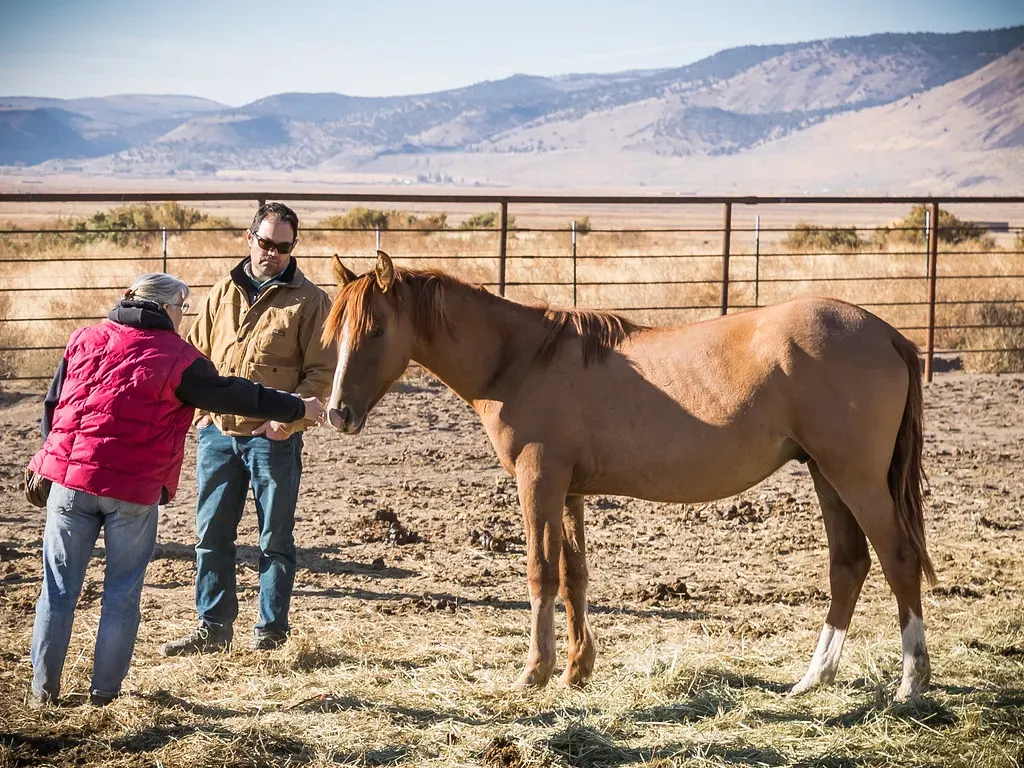
Building doesn’t require magic. It requires showing up, day after day, with the same small habits that add up over time.
From consistent feeding schedules to daily health checks, from regular grooming to proper turnout, these routines form the backbone of equine wellness. They’re simple, yes. They’re also powerful.
The beauty of routine is that it builds trust. Your horse learns what to expect, and in that predictability, they find peace. They become more resilient, more content, and more willing partners.
Start with one or two routines if you’re not doing them already. Master those, then add more. Over weeks and months, you’ll notice the difference in your horse’s eyes, their energy, their whole demeanor.
What routine do you think makes the biggest difference for your horse? Share your thoughts in the comments below.