
8 Signs Your Dog’s Aggression Is Actually Fear-Based (And What You Can Do About It)

Have you ever watched your normally sweet pup suddenly lunge and snarl at a stranger, leaving you shocked and confused? Maybe you’ve been told your dog is aggressive, even dominant. Yet deep down, something doesn’t quite fit that label. Here’s the truth that many dog owners don’t realize: most aggression in dogs isn’t about dominance or meanness at all. It’s rooted in something much more vulnerable and fixable. Fear.
Fear- or anxiety-related aggression is perhaps the most common form of aggression in dogs. I know it sounds counterintuitive. How can a dog barking, lunging, or even snapping be scared? It’s actually their way of saying “please stay away” when they feel cornered or overwhelmed. Think of it like this: when we’re terrified, we might scream or lash out too. So let’s dive into the signs that what you’re seeing isn’t aggression in the traditional sense, but fear dressed up in sharp teeth and loud barks.
They’re Making Themselves Small Before They React
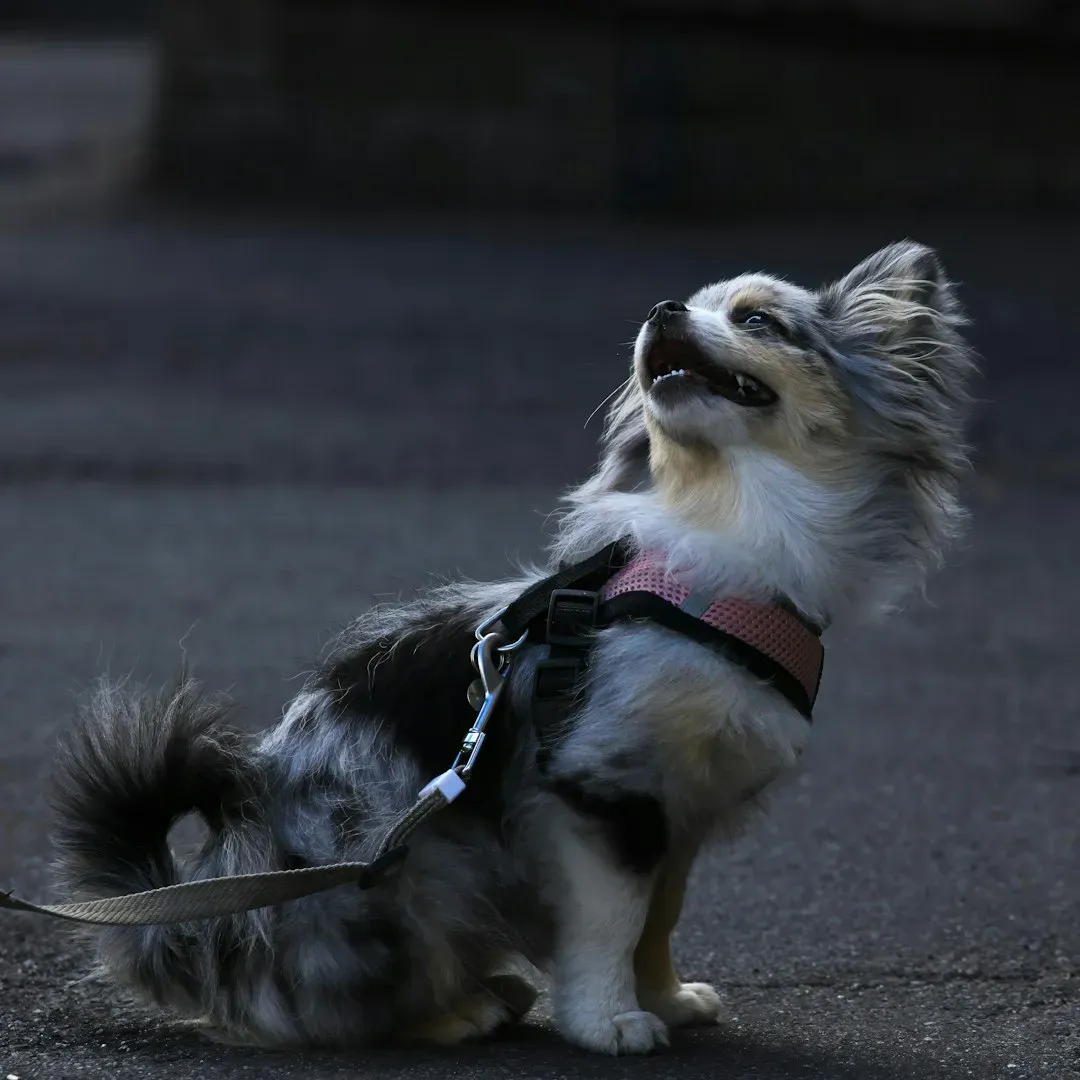
These cues include a lowered or tucked tail, ears pulled back, wide eyes with large pupils (“whale eye”), wrinkled brow, tense face or body, crouched positioning or making themselves small. Before your dog explodes into what looks like aggression, watch their body language closely. Are they crouching low to the ground? Is their tail tucked tightly between their legs?
Your dog may cower with her tail tucked, body lowered to the ground, or her ears may back. She is making herself appear smaller and “less threatening” to what’s approaching. This is a dog trying desperately to communicate discomfort, not one trying to dominate or attack for the sake of it. Honestly, when I see a dog making themselves smaller, my heart breaks a little because they’re basically screaming “I’m scared” in their own language. The problem is, if we miss these early signals, the fear escalates into something that looks a whole lot scarier.
They Only Act Out When Cornered or Approached
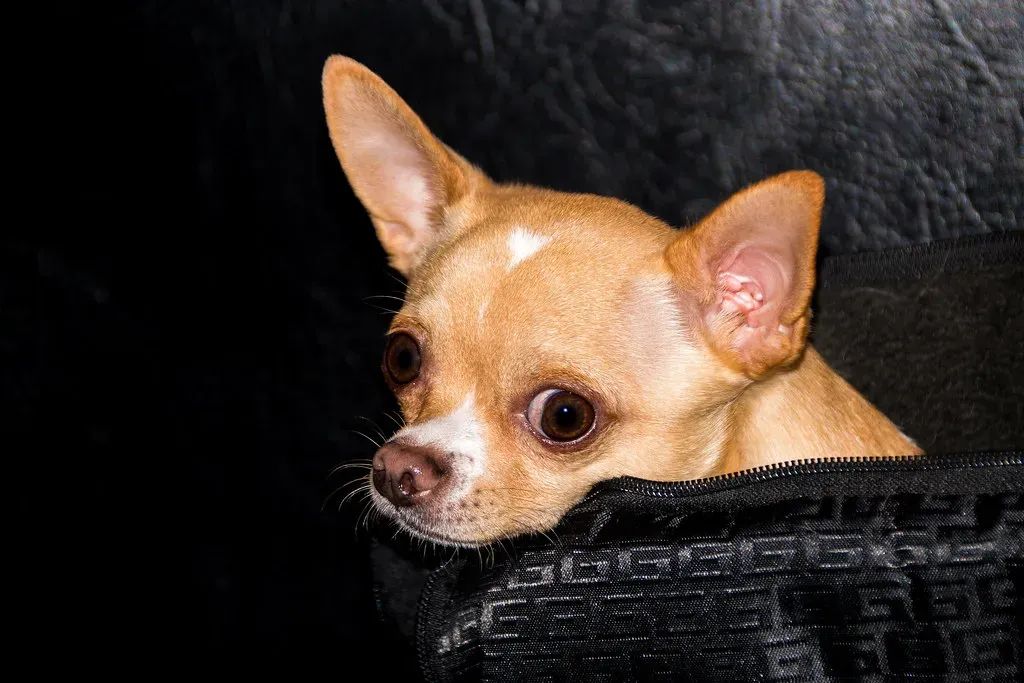
Does your dog seem fine until someone gets too close? A dog may be frightened if they feel cornered or trapped, even if the person approaching has friendly intentions. This is classic fear-based behavior. Your pup isn’t seeking conflict. They’re reacting because they feel like they have no escape route.
Essentially, fearful dogs want to create distance. When their message is ignored and distance is not created, they feel trapped and might escalate their behavior. Think about it from their perspective. Imagine you’re terrified of spiders, and someone keeps moving one closer to you despite your protests. Eventually, you’d probably swat it away or run, right? Dogs don’t have words, so they use their teeth and their bark. The key difference here is that a truly confident or dominant dog would move forward, not back up.
Their Behavior Seems Sudden and Reactive, Not Calculated
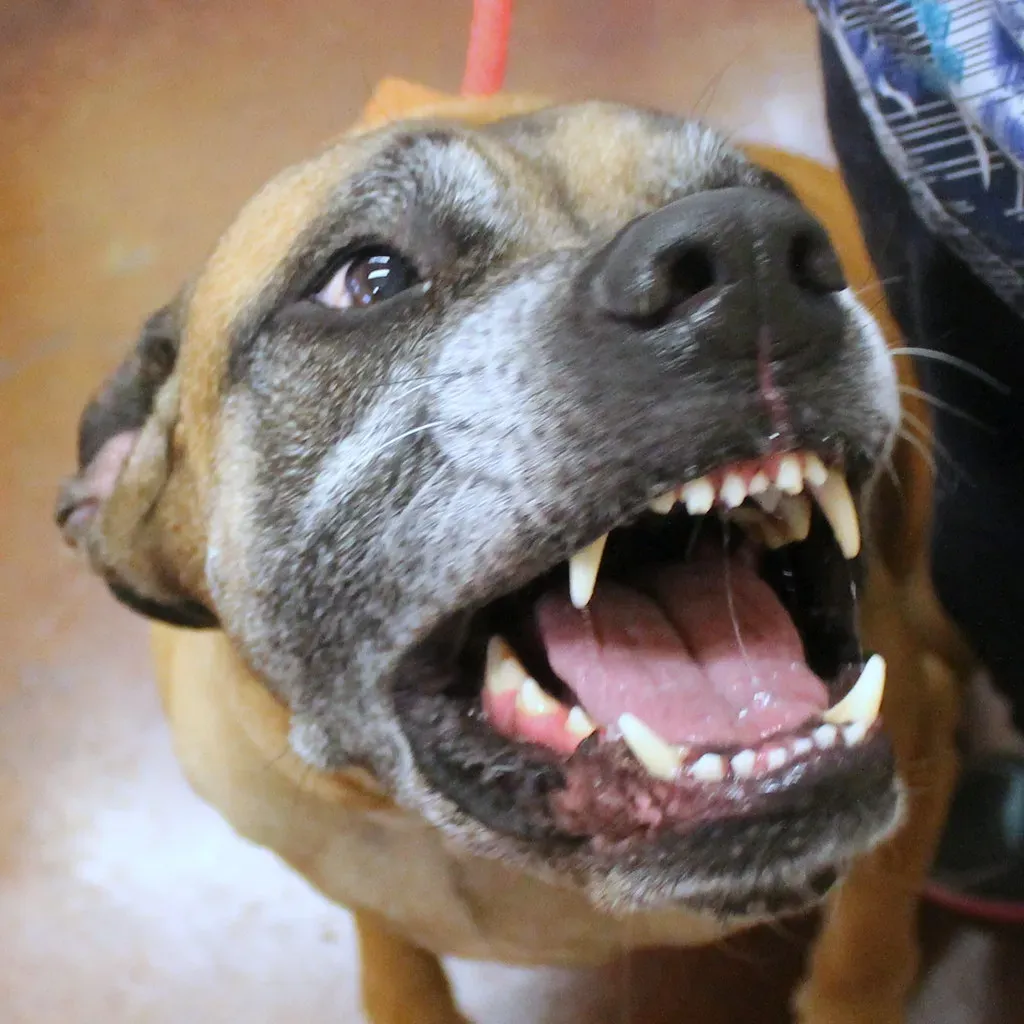
Dominant behavior can be very calculated and purposeful, whereas fear responses are much more sudden and reactionary. When fear is driving the behavior, there’s an explosive, almost panicked quality to it. One moment your dog seems okay, the next they’re barking and lunging like their life depends on it.
This isn’t a dog calmly asserting control. It’s a dog whose nervous system just hit the panic button. Aggression can be successful at making someone a dog considers “scary” go away. As a dog uses aggression and learns how well it works, the dog may show fewer signs of anxiety and appear more confident. The aggression is still rooted in the dog’s fear of the other dog, person or situation. The dog only appears confident because he has found a way to reduce his fear. Over time, some dogs learn that barking and lunging works to make scary things go away, so they get better at it. Still, underneath that tough exterior is a frightened animal.
They Show Whale Eye or Avoid Direct Eye Contact
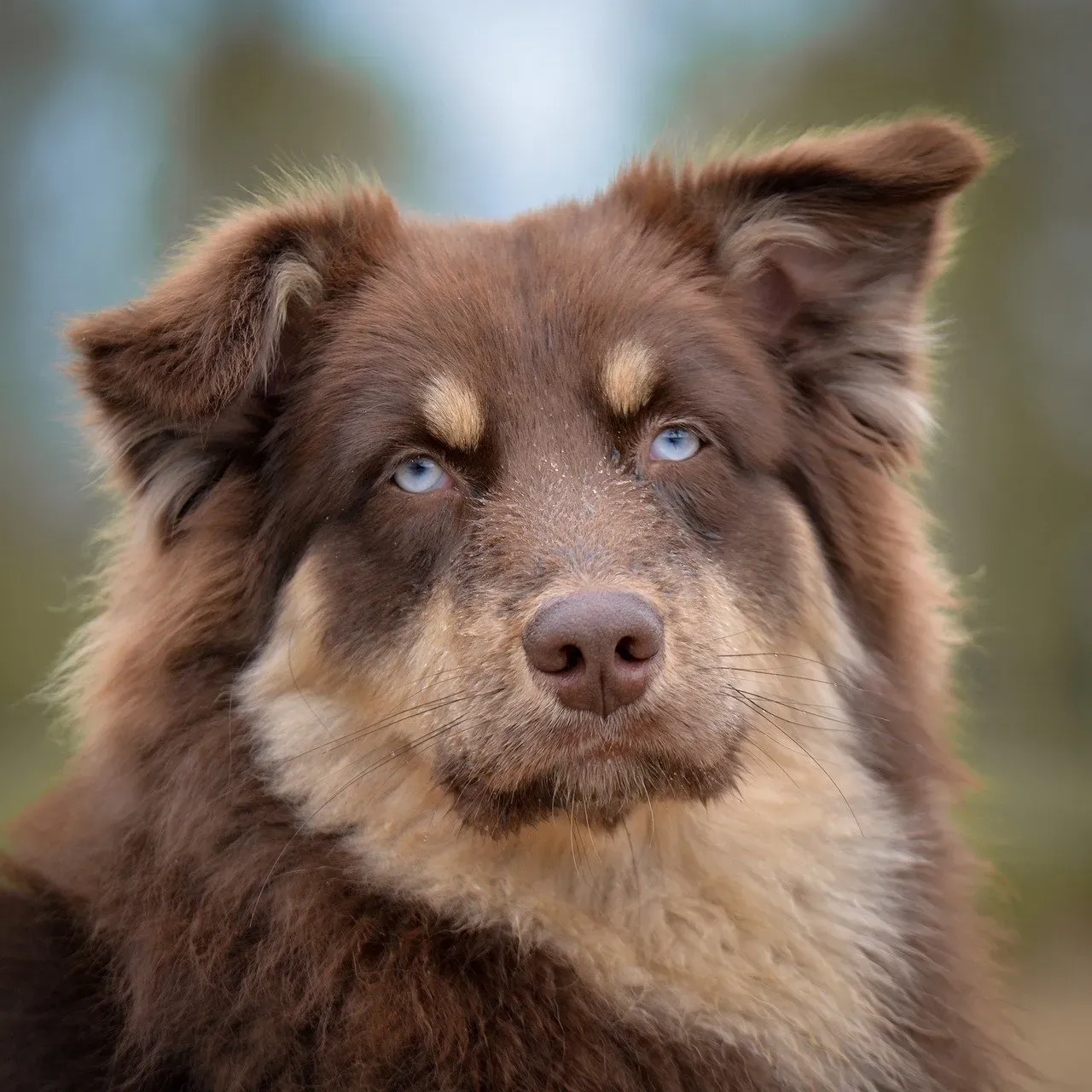
Ever notice your dog’s eyes looking a bit wild? Look for fearful body language like lip licking, tucked tails, yawning, and whale eye (showing the whites of their eyes). Whale eye is when you can see the whites of your dog’s eyes because they’re turning their head away while keeping their gaze locked on the perceived threat.
A fearful dog might stare intently at the threat (hypervigilance) or avoid eye contact (darting glances). Sometimes they’ll also look away repeatedly, trying to signal that they’re not a threat themselves. These are appeasement behaviors. Your dog is practically begging the situation to de-escalate. When we misread these signs and continue to approach or force interaction, we’re inadvertently teaching our dogs that their polite signals don’t work, so they’ll need to get louder next time.
The Aggression Started Young or After a Traumatic Event
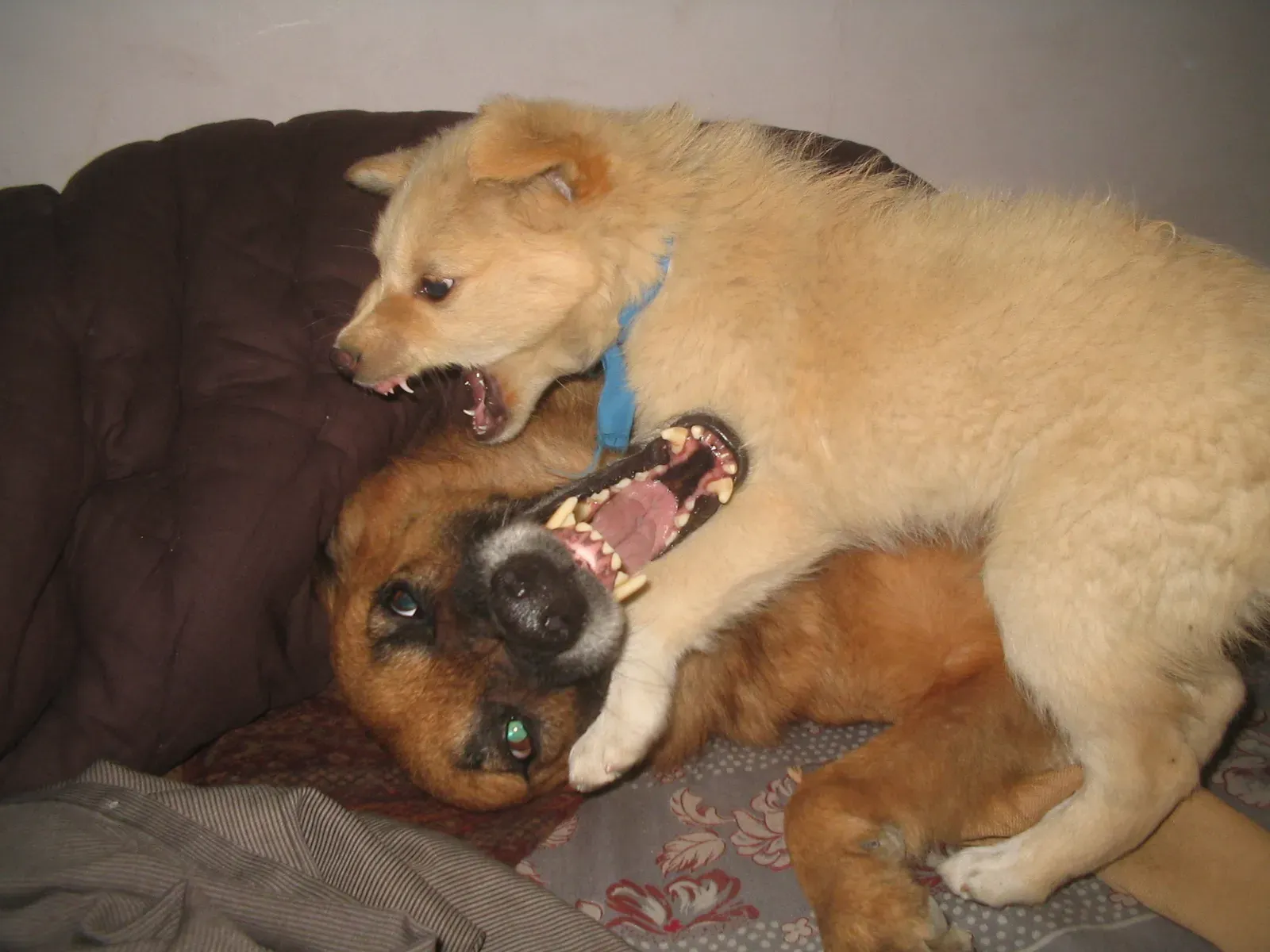
Dominant behavior over another individual is normally not seen until a dog reaches social maturity (12 to 18 months), whereas fearful behavior is often seen very early (at times as early as 8 weeks of age). If your puppy is already showing signs of aggression before they even hit adolescence, fear is almost certainly the culprit. True dominance-related behaviors typically don’t emerge until dogs are more mature.
Traumatic experiences, such as being attacked by another dog or being involved in a car accident, can also lead to fear aggression. Sometimes dogs develop fear-based aggression after a specific scary incident. Maybe another dog attacked them at the park, or they had a painful experience at the vet. These moments can reshape how they view the world, turning once-confident dogs into anxious ones. Let’s be real, trauma impacts dogs just like it impacts us.
They Bark and Back Away Simultaneously
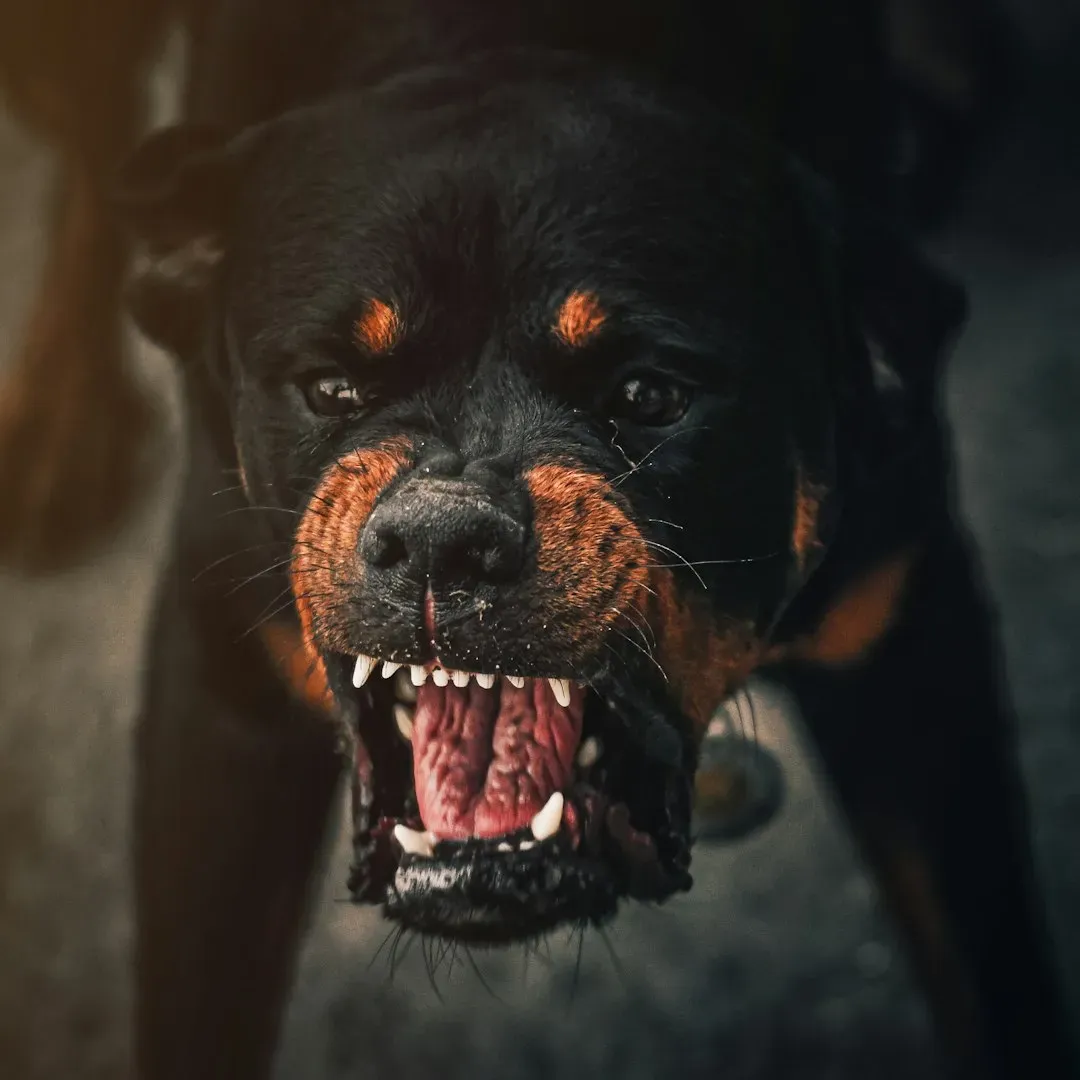
Fearful dogs often initially exhibit defensive postures, such as barking while backing away or crouching. These signals are intended to create a space or distance from the perceived threat. This one is a dead giveaway. If your dog is barking their head off but also retreating at the same time, they’re not being aggressive in the traditional sense. They’re terrified.
Yet over time, a fearful dog may also begin to display more offensive postures, such as lunging forward toward the target. This change often occurs after initial postures have either been ineffective, meaning that the scary thing continues to approach. Here’s the thing: if backing away and barking doesn’t work to create distance, dogs learn to charge forward instead. It’s still fear, just with a more intimidating presentation. Understanding this progression is crucial because it explains why some dogs seem to “suddenly” become more aggressive over time.
They’re Hypervigilant Around Certain Triggers
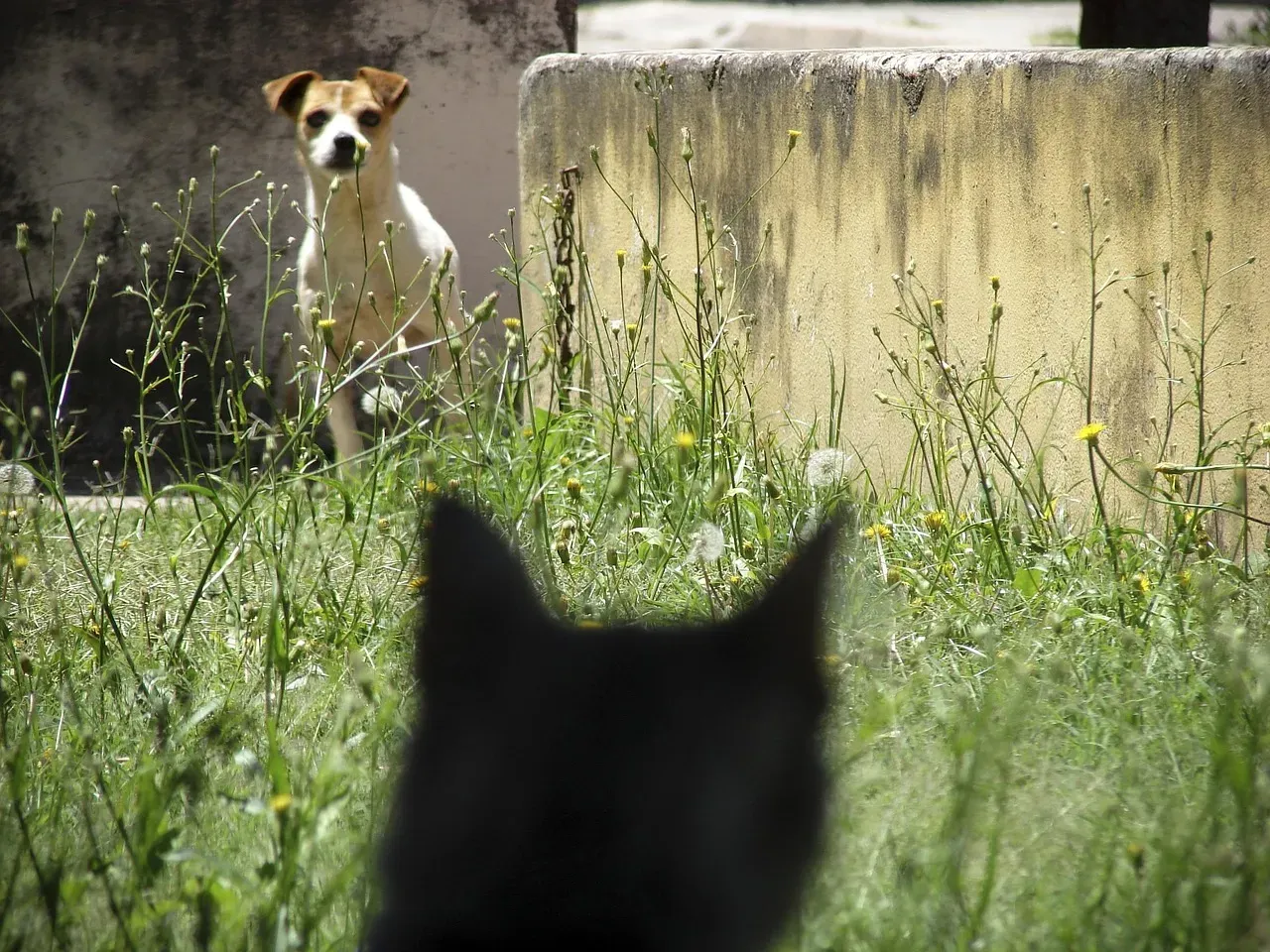
Does your dog fixate intensely on specific people, dogs, or situations? Behaviours that may indicate fear can include tremors, panting, standing still, looking away, freezing (in fear), pacing or agitation. Fearful dogs often go into hypervigilance mode when their triggers appear. They might freeze, stare intensely, or pace nervously.
Dogs may react fearfully to people who look or act differently, as well as those who wear clothes or carry items that modify their appearance or silhouette (such as hats, large coats, hi-viz coats or sunglasses) or appear and behave in unusual ways (such as crouching, leaning towards them, extending their hand, limping/using a walking aid, jumping or dancing). Fast, sudden, or unexpected movements and sounds can trigger fear or fear aggression in some individuals. Some dogs are scared of people wearing hats, kids on skateboards, or even vacuum cleaners. The trigger doesn’t have to make sense to us for it to be very real to them. Identifying these triggers is the first step in helping your dog overcome them.
Punishment Makes Their Behavior Worse, Not Better

Have you tried scolding or correcting your dog’s aggressive behavior only to see it get worse? You cannot correct fear or aggression with punitive measures, such as scolding or applying physical correction through a choke, pinch, or shock collar. The use of punitive techniques can inhibit the dog’s behavior in your presence and even teach him to not exhibit warning signals – where the dog then bites without warning in the future. Using punitive techniques can increase fear and anxiety.
Avoid punishing, reprimanding, or disciplining your dog when they are fearful or use aggression. Corrections, focusing on mistakes, and even yelling at your dog can increase fear and anxiety and the very behaviors you are trying to stop. These approaches often make you seem scary and unpredictable and doesn’t address the root cause for your dog’s behavior. I think this is where so many well-meaning owners go wrong. Traditional “dominance” training tells us to be firm and correct the behavior. Yet with a fearful dog, that approach backfires spectacularly. You’re essentially confirming their worst fear: the world really is a dangerous place. Instead, these dogs need patience, understanding, and positive reinforcement to help them feel safe again.
What You Can Do About It
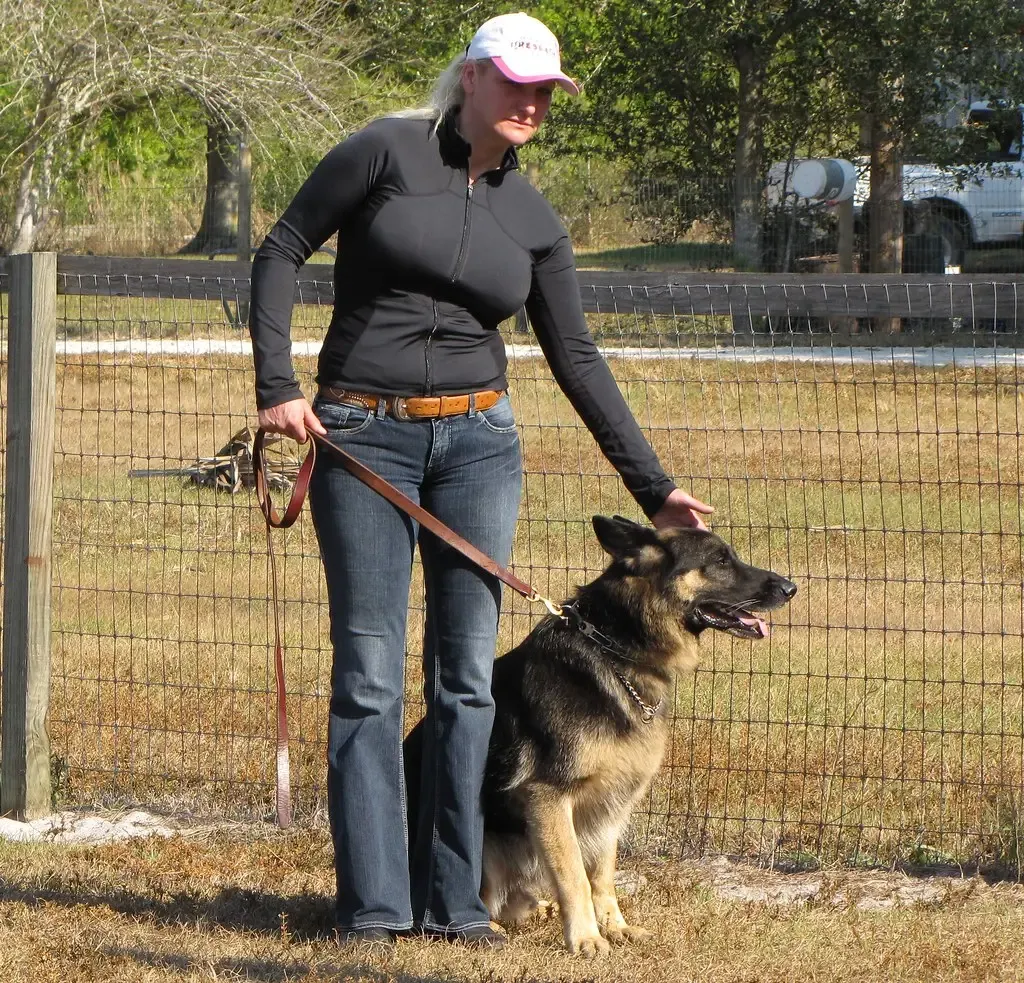
Now that you understand the signs, let’s talk solutions. First, please know there’s no overnight fix, but there is hope. It is important to note that while the prognosis is good for many dogs that display aggressive behaviors out of fear, there is no “cure.” While there is no absolute “cure” for fear aggressive behaviors, there are many positive things you can do to help manage the problem and get your dog to a place where she can exist in harmony within an environment which she previously found scary.
Pet parents should seek professional assistance, such as from a veterinary behaviorist, certified applied animal behaviorist, or certified trainer, as soon as their dog exhibits signs of fearful and/or aggressive behavior. They’ll also recommend training and behavior modification exercises to help reduce the dog’s fear and increase his confidence and tolerance. Start by working with a qualified professional who understands fear-based aggression. They can create a customized plan for your specific dog.
One of the training methods that is commonly utilized to treat fear disorders is known as desensitization, a method in which treats and praise are used in conjunction with the presence of the object of fear to cause the feared object to become more a more positive and familiar presence and thereby reduce the fear of it. Desensitization and counter-conditioning are game changers. Basically, you’ll gradually expose your dog to their trigger at a safe distance, pairing it with something they love (usually treats). Over time, their emotional response shifts from fear to positive anticipation.
Studies suggest that hidden pain is behind approximately 30% to 80% of behavior problems. Also, rule out any medical issues with your vet. Sometimes what looks like fear aggression is actually pain-related. Your dog might be protecting a sore spot or dealing with chronic discomfort that’s making them more reactive.
Most importantly, be your dog’s advocate. Create a safe space for them, learn to read their body language, and never force interactions they’re not ready for. Your dog is counting on you to understand what they’re really trying to say. With patience, consistency, and the right approach, you can help your fearful dog find peace and confidence again. What do you think about it? Have you noticed any of these signs in your own dog? Share your experiences in the comments below.