
There’s something magical about the way dogs have embedded themselves into our lives. They’re not just pets. They become family, sometimes the most loyal friend you’ll ever have. The bond between human and dog is powerful, even healing.
Yet here’s the part that makes many dog lovers uncomfortable. Some breeds carry emotional complexities that can make the relationship more challenging than expected. It’s not about vilifying certain dogs or spreading fear. It’s about honesty and preparation. A responsible dog owner understands that temperament matters, and certain breeds demand more patience, awareness, and commitment than others.
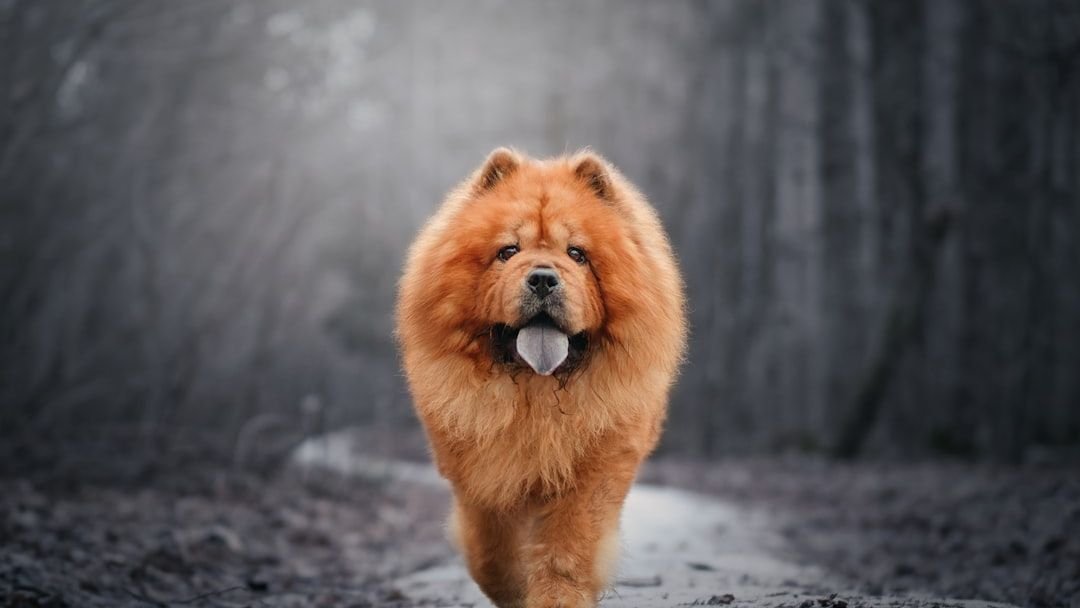
Veterinarians witness these patterns firsthand. They see the nervous chihuahua shaking in the corner of the exam room. The dalmatian who flips from friendly to reactive without warning. The chow chow who tolerates no one outside their chosen person. These aren’t flukes. They’re breed tendencies rooted in genetics, history, and the very traits we once deliberately bred into these dogs. Let’s get into the six breeds that experts frequently flag as emotionally unpredictable and what you should know if you’re considering bringing one home.
The Tiny Titan: Chihuahua

Most aggressive behaviors in Chihuahuas stem from fear rather than inherent meanness, as their diminutive size makes them naturally more vulnerable, which can trigger defensive responses when they feel threatened. Picture this: you’re barely six pounds, surrounded by giants who could crush you without meaning to. That’s a chihuahua’s everyday reality.
Chihuahuas can be prone to anxiety, so it’s essential to create a safe and comfortable environment for them. Their moody temperament often gets dismissed as cute or harmless because of their size. The truth is, untreated anxiety in a chihuahua can escalate to snapping, biting, or becoming completely unmanageable around strangers or even family members they don’t favor. Chihuahuas probably won’t be fond of your friends and family, as they will tolerate new faces, but they are “one person” dogs, and will be a little leery of anyone else but you.
Early socialization isn’t optional with this breed. If you don’t give puppies the opportunity to become inoculated against everyday stressors, it is plainly malpractice, as stress is a much more prevalent threat than any disease. Regular vet visits become difficult when your dog perceives the clinic as a war zone. Honestly, living with an emotionally unstable chihuahua isn’t just frustrating. It limits your life in ways you don’t anticipate until it’s too late.
The Spotted Sentinel: Dalmatian
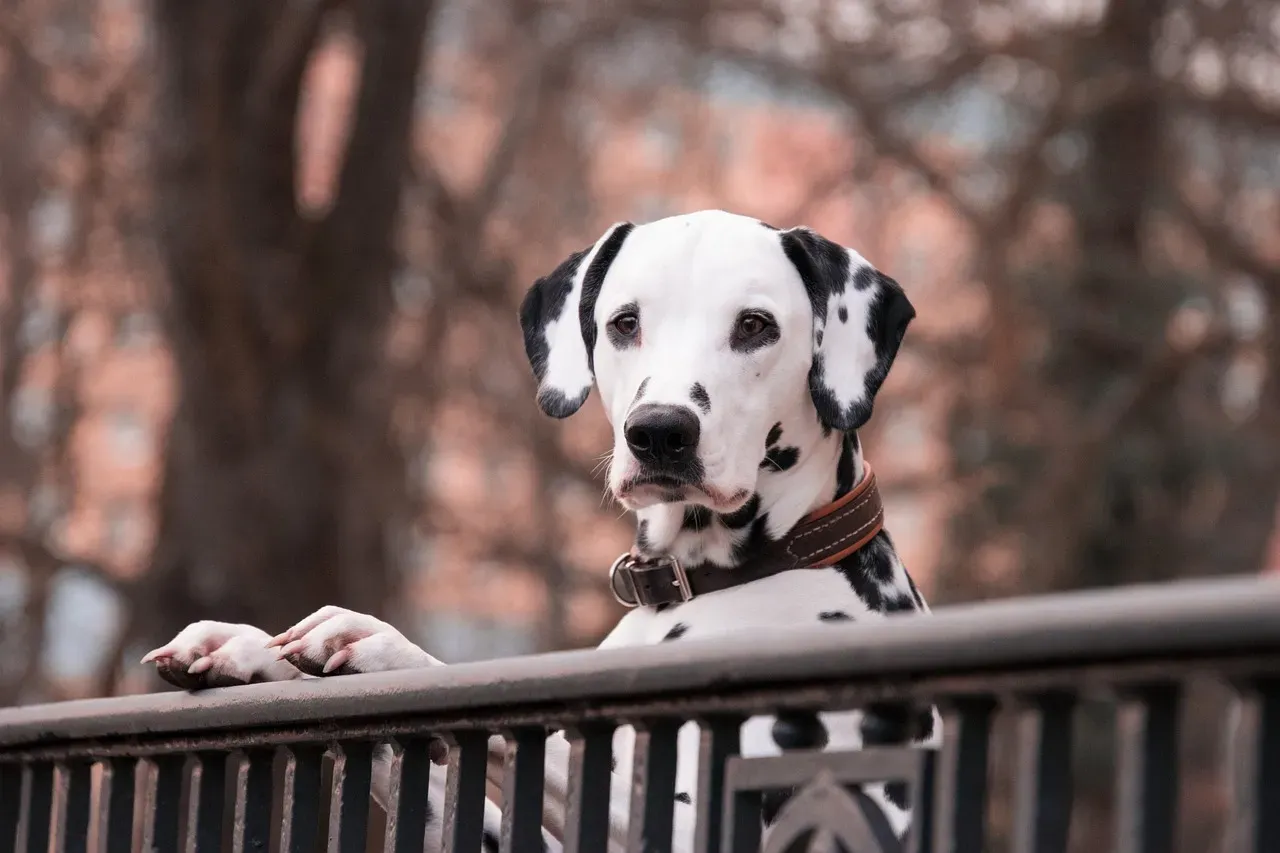
Dalmatians wear their history proudly. The traits that we still consider typical of Dalmatians are what made them the dog for the job over 200 years ago: their cool demeanor, instinct to protect, comfort with horses, loyalty to their humans, and dedication to their duties. Those same protective instincts that made them excellent carriage guards can make them unpredictable in modern homes.
Dalmatians are highly energetic, playful and sensitive dogs, though some Dalmatians can be reserved with strangers and aggressive toward other dogs; others are timid if they are not well socialized, and yet others can be high-strung. This sensitivity is a double-edged sword. These dogs are known for having especially good “memories” and are said to recall any mistreatment for years.
Their emotional volatility often shows up as sudden shifts in mood. Dalmatians are very sensitive and emotional animals who can get very happy and can become extremely excitable when playing, and then can be quite sad when left alone, and very upset when told off for bad behavior. Training requires a gentle hand and unwavering consistency. Harsh corrections backfire spectacularly with this breed. What you really need to understand is that a bored, under-exercised dalmatian with emotional needs left unmet becomes destructive and unpredictable faster than most other breeds.
The Aloof Guardian: Chow Chow
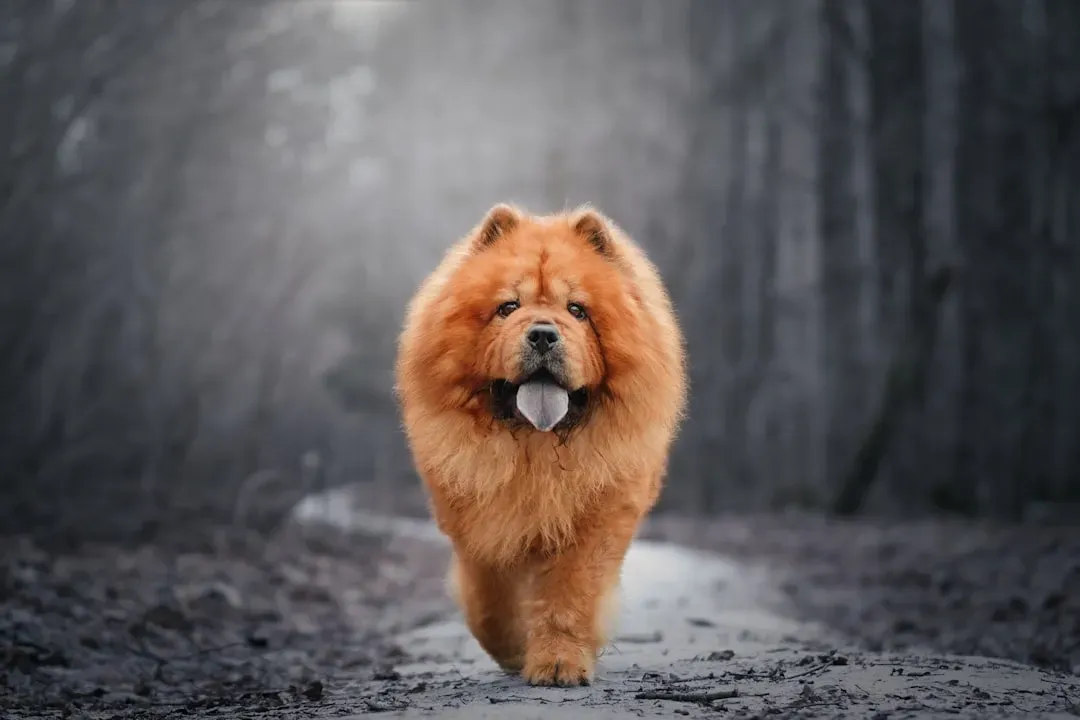
Chow chows are fiercely protective and need training to control this guarding tendency. Walk past one on the street and you might admire that lion-like mane, that regal bearing. Live with one and you’ll quickly discover they’re not interested in being your cuddly companion.
Chow Chows are fiercely loyal to their family, and this loyalty often manifests as protective behavior, especially toward their home and loved ones; their guard dog heritage means they alert their owners to unusual activity without excessive barking, making them excellent watchdogs, though this protective streak can sometimes verge on territoriality, especially if the dog hasn’t learned appropriate boundaries with people or other pets.
In general, Chow Chows are typically reserved around strangers, which makes it important for pet parents to properly socialize their Chow Chow puppy from an early age so your dog grows to be calm and confident around new people, new animals, and in new situations. Skip that socialization window and you’re likely dealing with a dog who growls at visitors, refuses commands, and views themselves as the household authority. Their stubbornness isn’t charming. It’s a genuine training challenge that demands experience and patience most first-time owners simply don’t have.
The Energetic Herder: Border Collie
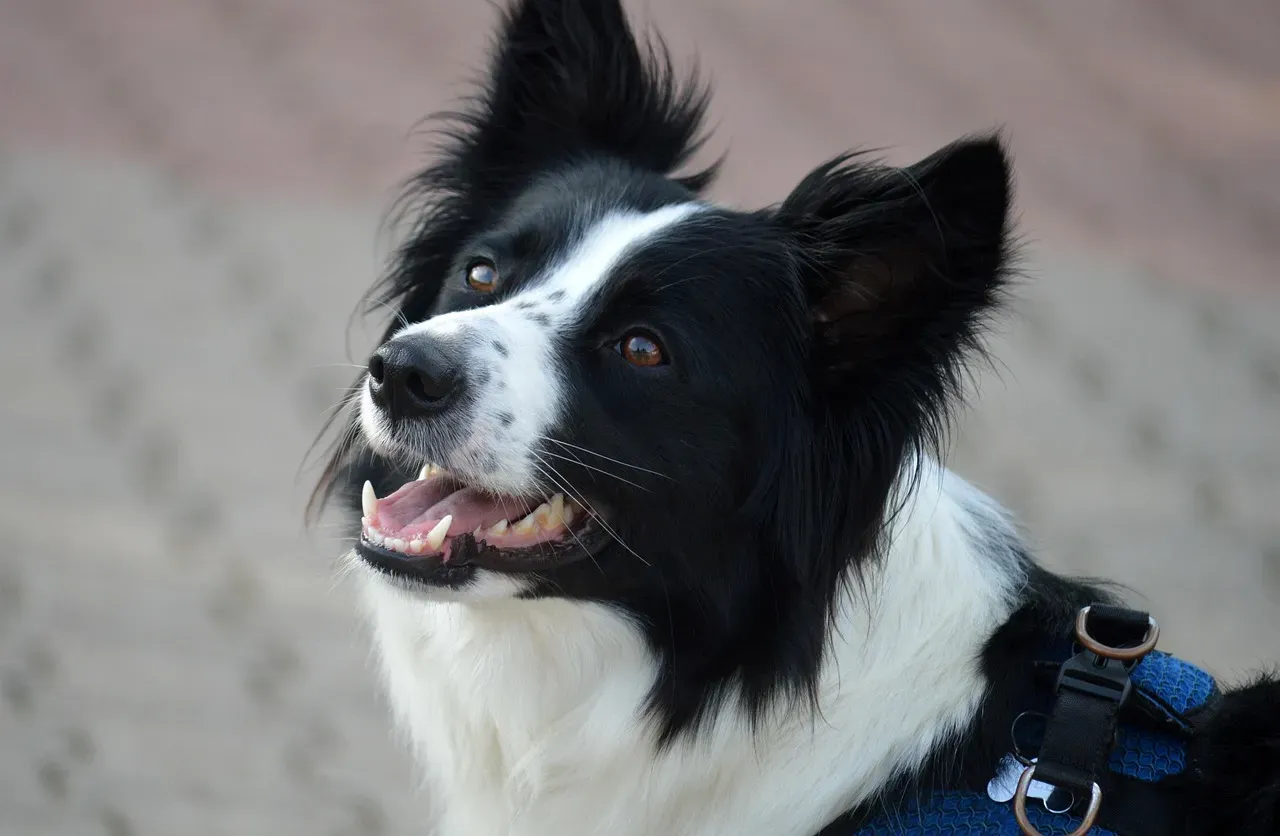
Border collies top nearly every canine intelligence ranking. That brilliance comes with a cost. Border Collies consistently top the list of the most intelligent dog breeds, but with such intelligence comes a downside: they are among the most anxious dogs; their keen intelligence is only partly to blame, however, as these are incredibly active dogs that were bred for their herding abilities, so they are miserable if they don’t get enough exercise to burn off their excess energy, and since their high need for activities goes hand in hand with their deep attachment to their owner, this makes them more prone to separation anxiety when left on their own.
Let me be blunt. A border collie without a job becomes neurotic. They develop compulsive behaviors like tail-chasing, shadow-stalking, or obsessive barking. Some become reactive toward other dogs or people. Their emotional state deteriorates rapidly when their intense mental and physical needs go unmet.
Some lines may be genetically predisposed towards nervousness and anxiety, especially if they’ve been bred without careful consideration of temperament. If you work long hours or prefer a low-key lifestyle, this breed will emotionally unravel. They need hours of structured activity daily. Not just walks. Real work, real challenges, real engagement. Without it, their anxiety spirals in ways that medication and training can only partially address.
The Velcro Vizsla: Vizsla

Vizslas practically invented the term “velcro dog.” Their devotion is intense, beautiful even. Until you realize that devotion transforms into crippling separation anxiety the moment you leave the house. These dogs form such powerful bonds with their humans that being alone feels unbearable to them.
Picture coming home to destroyed furniture, desperate scratching at doors and windows, neighbors complaining about hours of howling. Separation anxiety is a panic disorder where a dog experiences extreme distress when left alone or separated from their primary person, and signs occur only during separation, including destructive behavior (especially around doors/windows due to escape attempts), persistent vocalization, and house soiling.
Vizslas need almost constant companionship. They’re fantastic for retirees or people who work from home and genuinely want a shadow. For anyone else, the breed’s emotional neediness becomes overwhelming. Training helps, but it doesn’t fundamentally change their wiring. They’re bred to be inseparable hunting partners. Modern life where we leave for eight-hour workdays? That’s torture for a vizsla’s sensitive psyche.
The Loyal Protector: German Shepherd
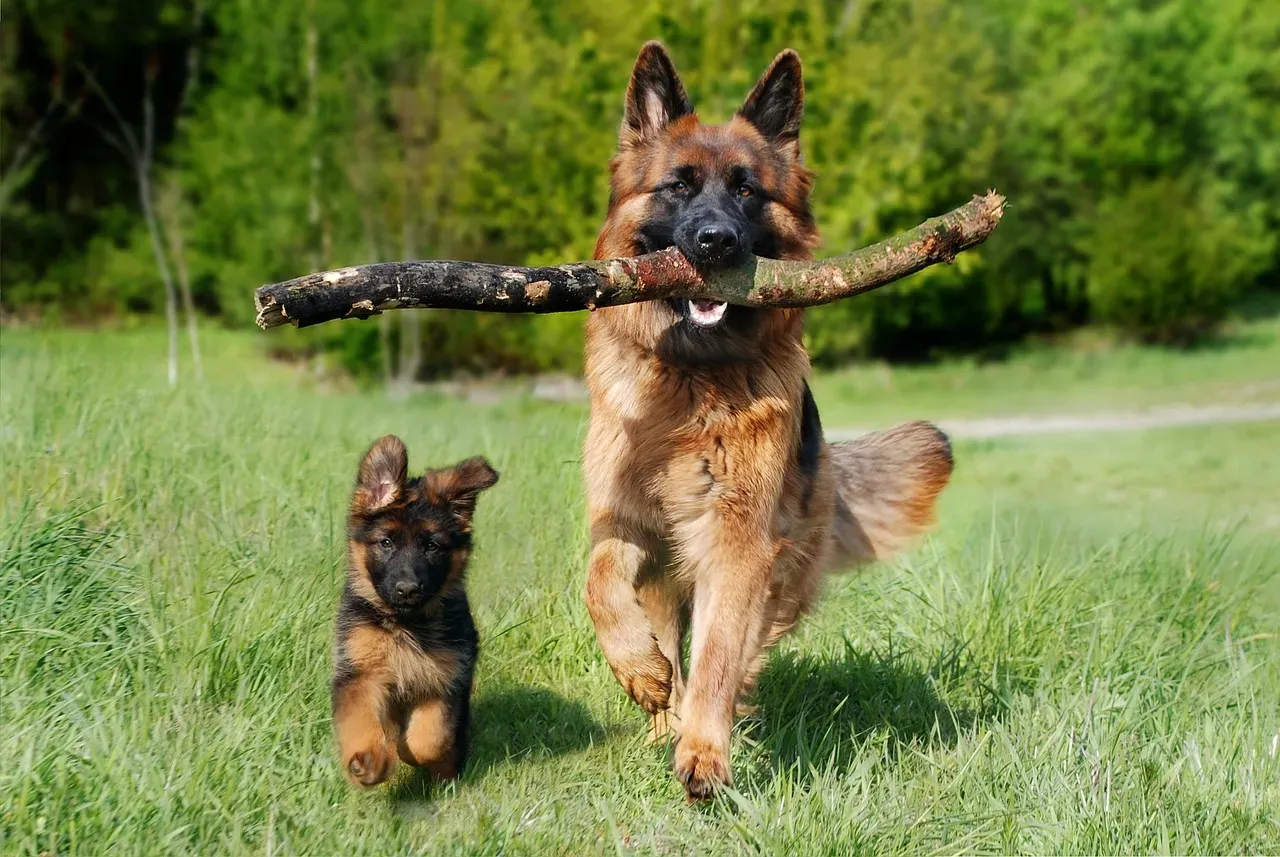
German Shepherds were bred for their strong work ethic and need for a purpose; as working dogs, they thrive on having a job, and without a clear role or sufficient mental stimulation, this breed may develop anxiety-related behaviors. Their intelligence and trainability make them top choices for police work, military service, and protection. Those same traits make them emotionally volatile when their needs aren’t met.
A bored German shepherd doesn’t just sleep all day. They become restless, hypervigilant, sometimes aggressive. Dogs that are fearful are more than three times more likely to be aggressive. Their protective instincts can tip into territoriality or reactivity toward strangers if socialization and training aren’t consistent from puppyhood.
The breed’s sensitivity means they pick up on household stress, changes in routine, and owner emotions with uncanny accuracy. That awareness can manifest as anxious behaviors or defensive aggression. They need leadership, structure, and purpose. Give them that and you have an incredible companion. Fail to provide it and you’re dealing with a powerful dog whose emotional state is unpredictable and potentially dangerous.
Understanding What This Really Means
Here’s what matters most. Inconsistent or unpredictable human-dog interactions can cause emotional conflict in the dog, in which the dog might desire a relationship but does not trust that the interaction will be safe, and genetic factors, early-life negative experience, and insufficient socialization as puppies contribute to the development of conflict aggression in dogs.
These breeds aren’t bad dogs. They’re complex dogs. Dogs with specific needs that demand knowledgeable, committed owners. Once behavioral problems progress, it is difficult to cure them, as nearly half of dogs showing aggression toward their owners, aggression toward strangers, and separation anxiety did not improve with behavioral treatment.
Veterinarians flag these breeds not to discourage adoption but to encourage preparation. Understand what you’re signing up for. Invest in early socialization, consistent training, and meeting the breed’s physical and emotional needs. The most dangerous symptom of dog anxiety is aggression. Ignoring warning signs or hoping your dog will “grow out of” anxious or volatile behavior is wishful thinking that puts everyone at risk.
What strikes me most after years around dogs and their people is how often the mismatch between owner expectations and breed reality causes heartbreak. Someone falls in love with a dalmatian’s spots without researching their sensitivity. Another person thinks a chihuahua will be an easy apartment dog, then can’t handle the fearful aggression. These stories repeat endlessly in shelters and rescue organizations.
Final Thoughts on Living with Emotional Complexity
Choosing a dog shouldn’t be about which one looks coolest or which breed is trending. It should be about honest assessment of your lifestyle, experience level, and willingness to commit to that specific dog’s needs for their entire life. These six breeds can be phenomenal companions in the right hands. They can also become behavioral nightmares when placed with unprepared owners.
If you’re drawn to any of these breeds, do your homework. Talk to breed-specific rescues. Spend time with adult dogs, not just puppies. Work with a qualified trainer from day one. Understand that managing an emotionally volatile dog is a long-term commitment that will test your patience and consistency repeatedly. Some days you’ll question whether it’s worth it. Then you’ll have a breakthrough moment where everything clicks and you’ll understand why people who truly know these breeds become so devoted to them. So what do you think? Does one of these breeds sound like your perfect match, or are you reconsidering? Share your experiences in the comments below.


