

Think about the most loyal friend you could ever have. One who’d protect your family without hesitation, who remembers every command you’ve ever taught them, and who looks at you like you hung the moon. Sounds perfect, right? Well, here’s the thing. Some of the most devoted, intelligent dogs on the planet can also become your worst nightmare if they don’t get the guidance they need.
This isn’t about blaming breeds or fueling stereotypes. It’s about understanding that certain dogs were bred for jobs that required strength, tenacity, and independence. Those same traits that make them incredible working companions can turn into serious problems without structure, boundaries, and lots of patience. Let’s be real, a bored Rottweiler isn’t going to sit quietly knitting a sweater. So let’s dive in and talk honestly about breeds that need your absolute best as a dog parent.
Rottweiler
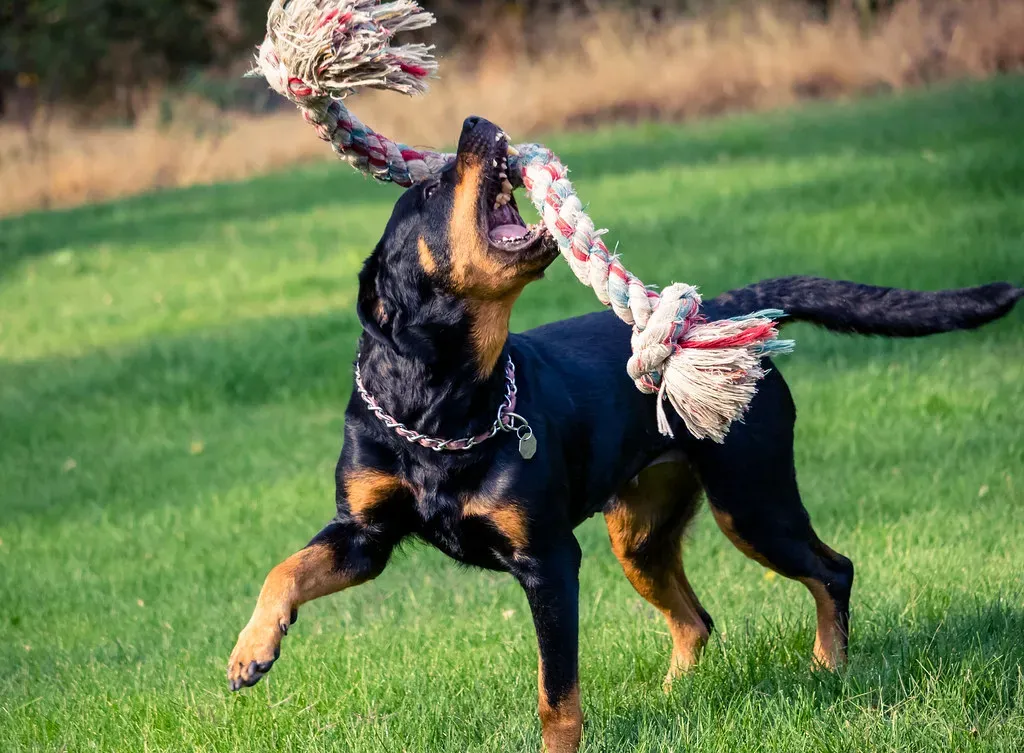
Rottweilers are loyal, intelligent, and fiercely protective, which is exactly why they land on lists like this one. Originally bred to herd cattle and guard property, their powerful build and courage made them favorites for guard dogs and police work. That same protective instinct, however, can become a liability if not carefully managed from puppyhood.
Dogs of all breeds have the potential to exhibit aggressive behavior if they aren’t properly trained, socialized, and cared for by responsible owners. With Rottweilers, the stakes are simply higher because of their size and strength. The Rottweiler can show a natural guarding instinct to protect his home and family, but the strength and power of this breed can make him potentially dangerous when put into the hands of an irresponsible or confused dog owner.
Fear aggression is common in poorly socialized Rotties. They might see a stranger’s hat or facial hair as threatening simply because they’ve never been exposed to it before. Fear can be a reason for aggressive behavior towards a certain trigger, and this is usually a learned behavior based on an experience that has previously worried the dog or lack of good socialization. The good news? Aggression can often be managed with proper training and socialization using positive reinforcement techniques and consistent commands.
German Shepherd
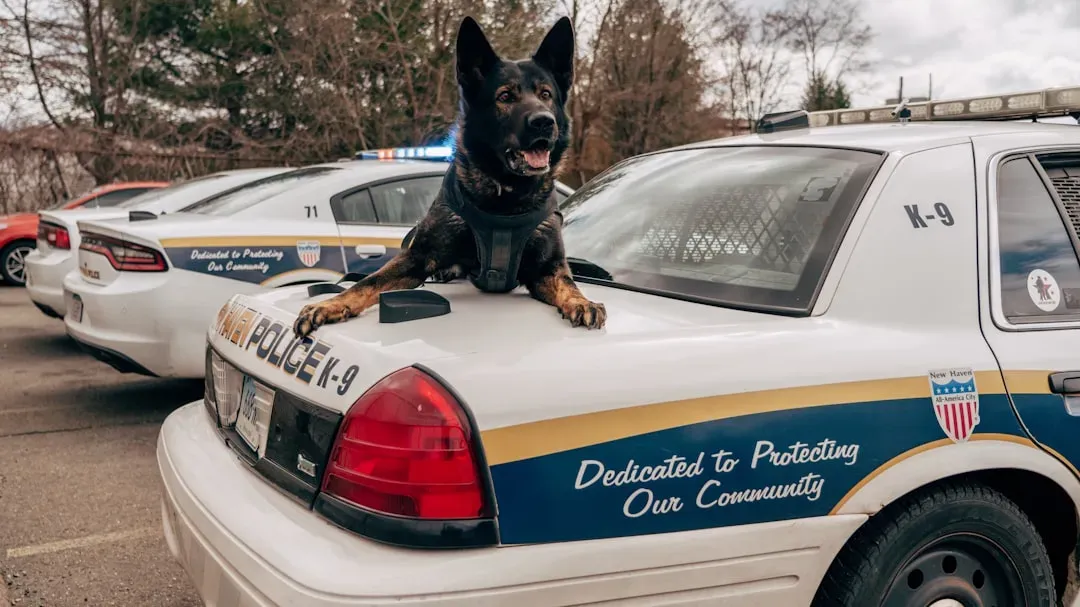
German Shepherds are everywhere in law enforcement and military work for good reason. German Shepherds are commonly used in police and military work due to their intelligence and strength, but their protective instincts can lead to aggression if not properly trained, requiring structured training and plenty of mental stimulation. They’re smart, they’re driven, and they want to work.
The problem comes when that work ethic has nowhere to go. A German Shepherd without a job will create one, and you might not like what they come up with. Working breeds like German Shepherds were selectively bred for their protective instincts, and this protective nature sometimes translates into reactivity towards other dogs or people today. They can become reactive on leash, territorial in the home, or overly suspicious of strangers.
Early socialization isn’t optional here, it’s mandatory. A well-trained and socialized dog learns boundaries and appropriate behavior, and early and frequent exposure to different people, places, and animals builds confidence and reduces fear-based aggression. German Shepherds thrive on clear rules and consistent leadership. Give them that, and you’ll have a rock-solid companion. Skip it, and you’re playing with fire.
Doberman Pinscher
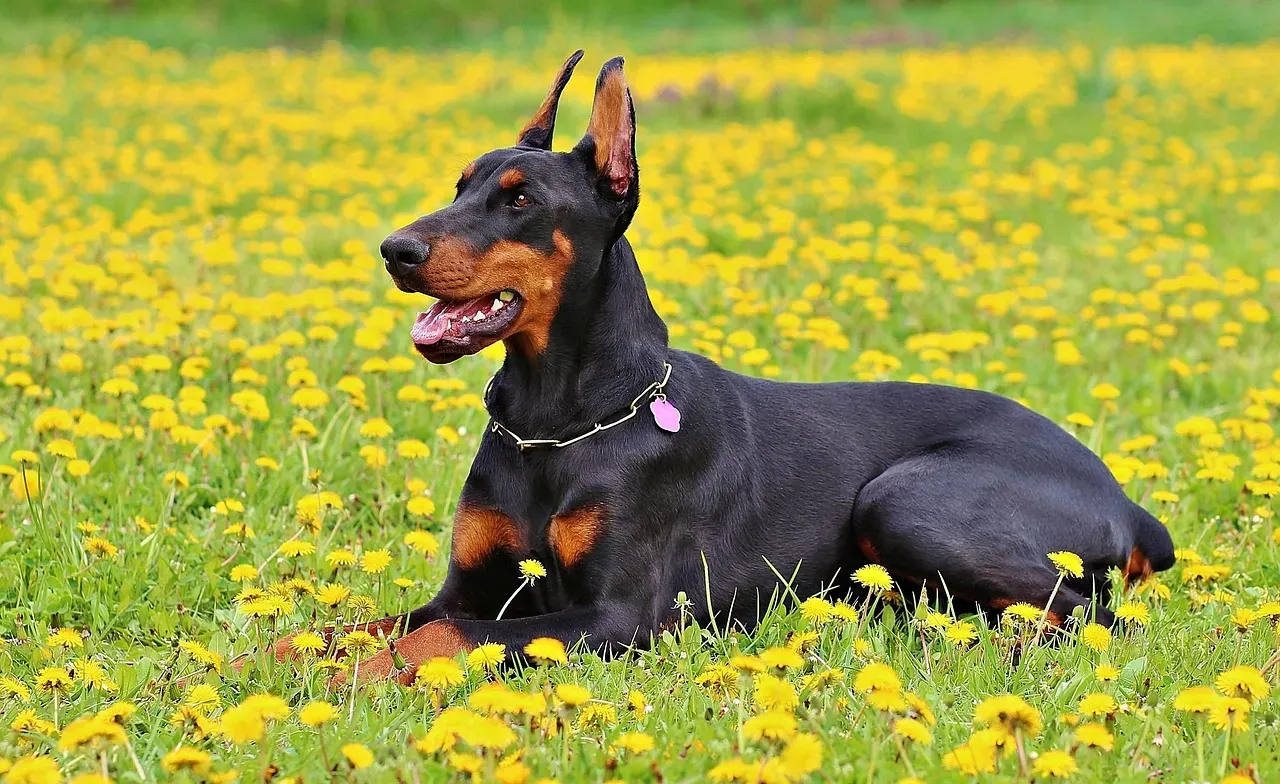
Dobermans are highly intelligent and the most loyal of all dogs. Honestly, their devotion is unmatched. Yet that same loyalty can morph into overprotectiveness without proper guidance. Doberman Pinschers are very intelligent dogs but most of their fatal bites occur when they are protecting their owners or believe that they are protecting their owners.
Frequently working with and training your dog will help ensure that they are happy and confident, especially so for breeds like the Doberman who are highly intelligent with a natural desire for direction and guidance from their owners. They need structure like fish need water. Without it, they become anxious, reactive, and difficult to manage.
I think what surprises people most about Dobermans is how sensitive they are. They read your emotions, pick up on tension, and respond accordingly. Positive reinforcement is a highly effective training method for Dobermans, involving rewarding good behavior rather than punishing bad behavior. These dogs want to please you, so make sure they know what “please” actually looks like. Consistent training from puppyhood prevents them from deciding on their own what threats need handling.
Pit Bull Terrier
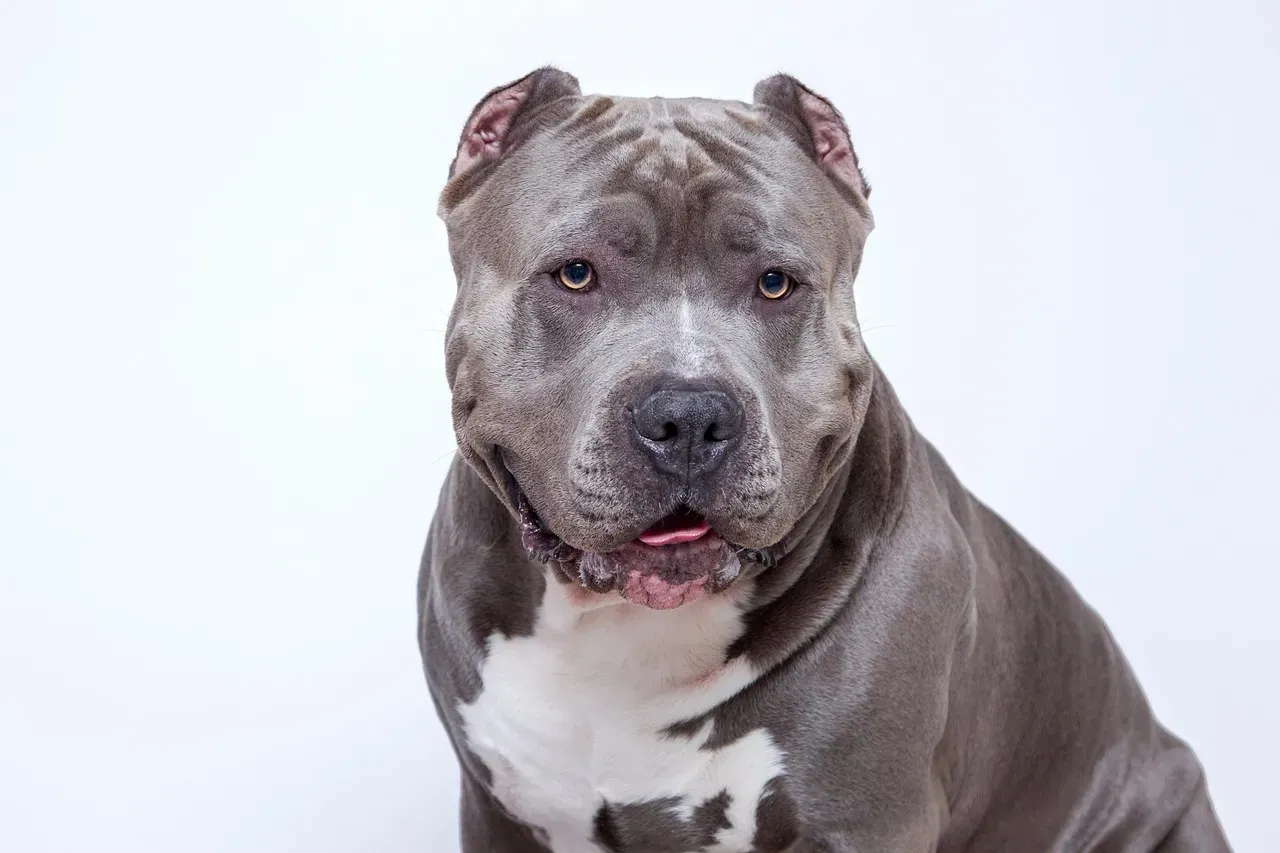
Let’s tackle the elephant in the room. Much of the public still believes the stereotype that pit bull-type dogs are inherently aggressive, which is absolutely not true. Pit Bulls, like any dog, are a result of genetic tendencies and upbringing, with traits like determination and tenacity that were once prized but can become problematic without proper outlets.
Socialization is a must for any dog to prevent various fears from developing into aggression, and a lack of early socialization can cause dogs to suffer from serious anxiety that could develop into leash aggression or aggression with strangers. For Pit Bulls, this is doubly important because of public perception. One bad experience can reinforce harmful stereotypes and potentially cost your dog their life.
The great news is that Pit Bulls are incredibly trainable. Pit Bulls are generally very food-driven and will usually do very well with clear, consistent communication and expectations, and they are very fun to train with a strong and devoted relationship if they feel that they can trust you. They respond beautifully to structure and affection. Pit Bulls are working dogs with the energy to burn, and adults need at least an hour of exercise daily, making playtime an excellent way to bond and tire them out.
Siberian Husky
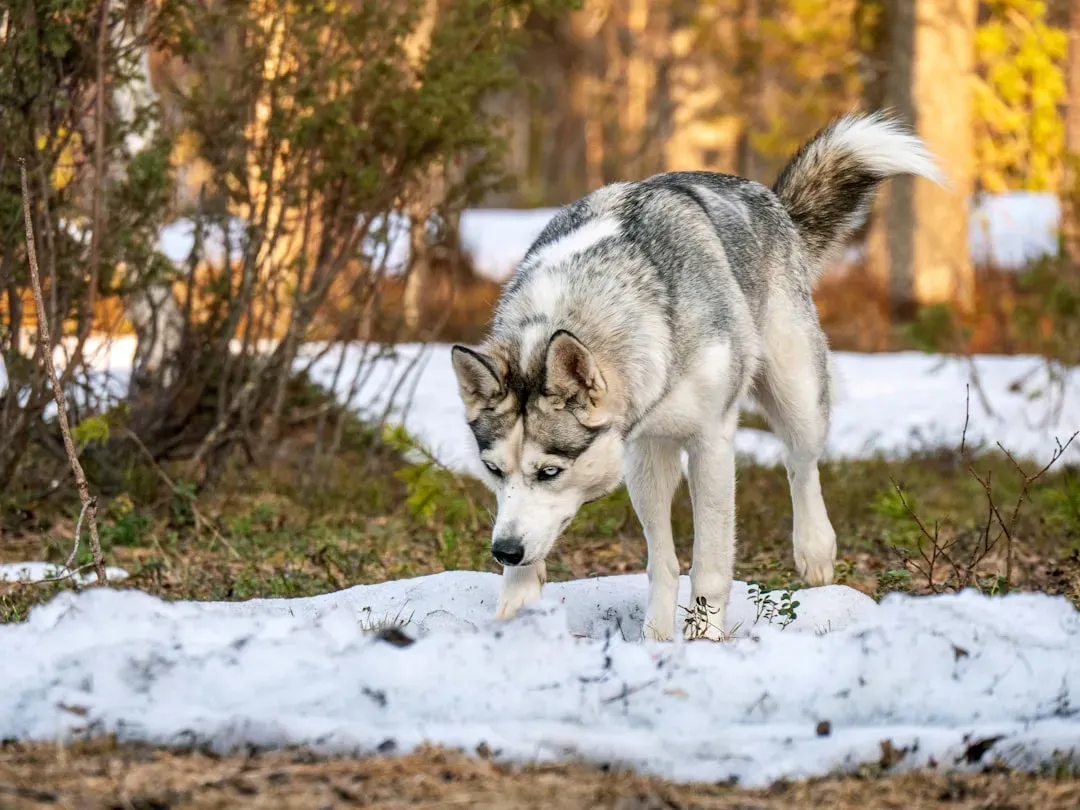
Siberian Huskies were responsible for 26 deaths between 2014 and 2020, a statistic that underscores the challenges of owning this unique breed. Surprised? Most people are. They see those gorgeous blue eyes and fluffy coat and forget that Huskies were bred to run for miles across frozen tundra with minimal human supervision.
Bred to pull sleds across vast icy landscapes, Huskies have endurance to spare and need constant activity to stay focused, and they aren’t naturally inclined to seek human approval, preferring to follow their own instincts. This independence makes them escape artists extraordinaire. They have extremely high energy levels, strong prey drive that can lead them to chase small animals, and they are notorious escape artists, prone to digging under or jumping over fences.
If not given sufficient daily exercise, they can develop significant behavioral issues including aggression, and they require experienced owners who understand their independent nature and can provide consistent, firm training. Honestly, if you work long hours and live in a small apartment, do yourself and the Husky a favor and choose another breed. They need space, activity, and mental challenges constantly.
Akita
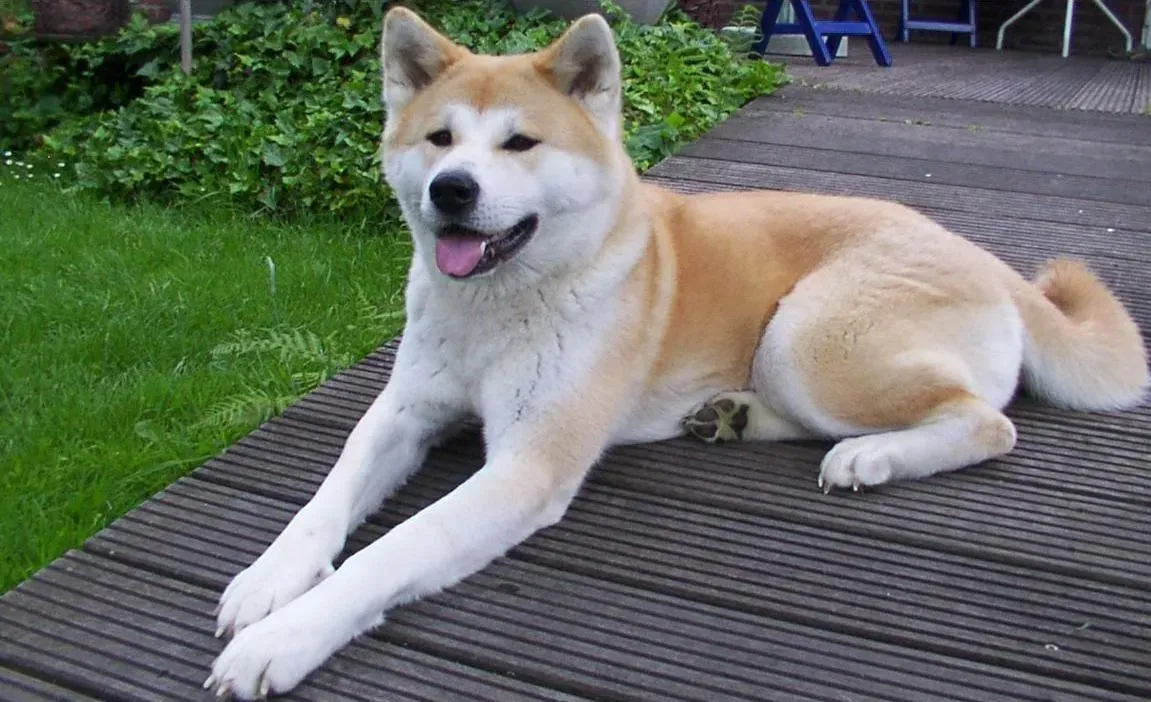
Akitas were selectively bred as guardians and big game hunters, giving them a strong prey drive, and they are loyal and hard-working animals with an unmistakable independent streak. They’re majestic, dignified, and incredibly devoted to their families. Akitas can show unpredictable behavior with outsiders and are best suited for experienced dog owners who understand protective breeds and their characteristics.
One study specifically noted the breed’s increased aggression and territoriality. That’s not meant to scare you off, but to emphasize that these aren’t dogs for first-time owners or families who entertain frequently. They form deep bonds with their people and can become suspicious or even hostile toward anyone else.
Without proper training and early socialization, Akitas are prone to aggressive and dominant behavioral issues. The key is exposing them to different people, situations, and animals early and often while they’re still puppies. Set clear boundaries from day one. Akitas respect strong, calm leadership but will absolutely challenge wishy-washy handling.
Cane Corso
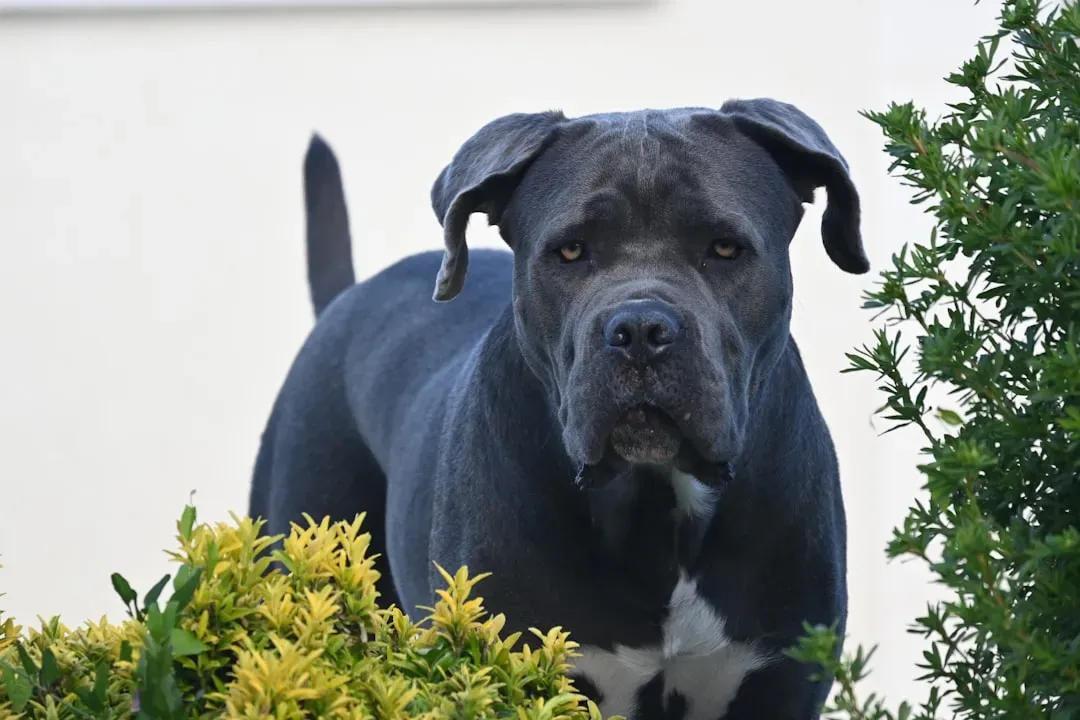
Cane Corsos are strong, intelligent, and naturally protective, making them one of the top guard dog breeds, but if not properly trained, they can become overprotective and display aggressive behaviors toward strangers. These massive Italian mastiffs were bred to guard estates and hunt wild boar. That’s not a dog that takes orders lightly.
A Cane Corso needs significant mental and physical engagement every day, and without it, boredom may lead to destructive behaviors from chewing furniture to guarding spaces unnecessarily, with their sheer power amplifying even small behavioral issues into big concerns. I know it sounds intimidating, but here’s the thing: when properly trained, they’re gentle giants with their families.
Cane Corsos have a high prey drive and must be strictly confined to prevent them from harming smaller neighborhood pets, and they require a firm and consistent owner who should also work with an experienced trainer for early obedience and socialization skills. They’re not casual pets. They demand respect, structure, and someone who understands dominant breeds. Miss that window of early training and socialization, and you’ll have a powerful dog who thinks they’re in charge.
American Bulldog

American Bulldogs are muscular and strong-willed dogs that require early training to prevent dominance-related behaviors, and they are naturally protective of their families, which can lead to aggressive tendencies if not properly trained and socialized. They’re wonderful family dogs when raised right, but that’s a big “when.”
Despite their friendly and affectionate nature, they require careful socialization and early obedience training to prevent behavioral issues, and they need firm, consistent training to ensure they remain well-behaved companions and do not develop dominance-related issues. American Bulldogs bond deeply with their families but can become overly protective if they haven’t learned to distinguish between real threats and normal everyday situations.
These dogs need a job or at least activities that engage both their bodies and minds. Fetch, tug-of-war, obedience training, even agility courses work wonders. What doesn’t work is leaving them alone in the backyard all day with nothing to do. Boredom plus strength plus protective instincts equals trouble. Give them leadership, boundaries, and plenty of positive reinforcement, and they’ll reward you with unwavering loyalty.
Conclusion
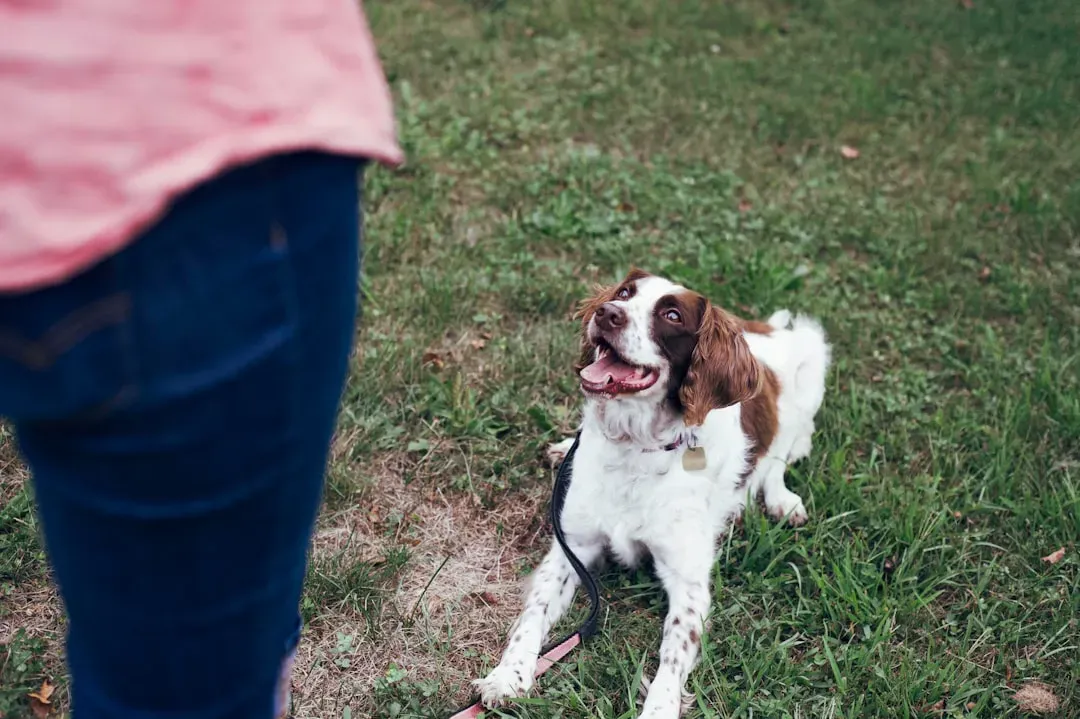
None of these breeds are born dangerous. Let me repeat that: none of them. While no dog is inherently dangerous, factors such as poor training, lack of socialization, and irresponsible ownership can contribute to aggression, and owning a powerful dog breed requires a high level of responsibility including proper training and early socialization. What they are born with is strength, intelligence, and instincts that were carefully cultivated over generations for specific purposes.
The question isn’t whether these breeds can become dangerous. It’s whether you’re prepared to be the owner they need. Most individual dogs of so-called aggressive breeds can make good pets with proper training, though some dogs’ aggressive tendencies may never be fully overcome, and any breed can have aggressive behaviors. Training isn’t a one-time event or something you do for a few weeks and then stop. It’s a lifelong commitment that requires consistency, patience, and genuine understanding of your dog’s needs.
So here’s the real takeaway: if you’re considering one of these breeds, ask yourself honestly whether you have the time, energy, and dedication to train them properly. If the answer is yes, you’ll gain a companion unlike any other. If it’s no, there’s no shame in choosing a different breed that better fits your lifestyle. What do you think? Are you ready to step up to the challenge? Tell us in the comments.


