
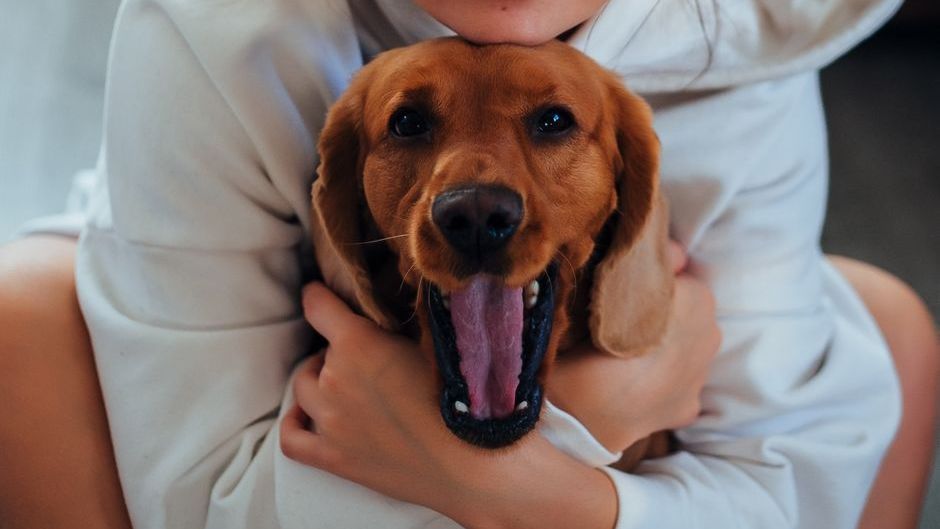
Most dog owners have seen it happen without quite naming it. You lean in to greet a friend at the door, and suddenly your usually calm pup wedges right between you two, tail stiff and eyes locked on the newcomer. The moment feels familiar yet oddly pointed, as if your dog has decided this interaction needs supervision.
Researchers have spent years watching these reactions in controlled settings, and the pattern holds across breeds and ages. What looks like simple attention seeking often traces back to a deeper drive to protect a valued bond. Understanding where the feeling comes from makes the nine behaviors that follow easier to recognize in daily life.
They Wedge Themselves Between You and the Rival
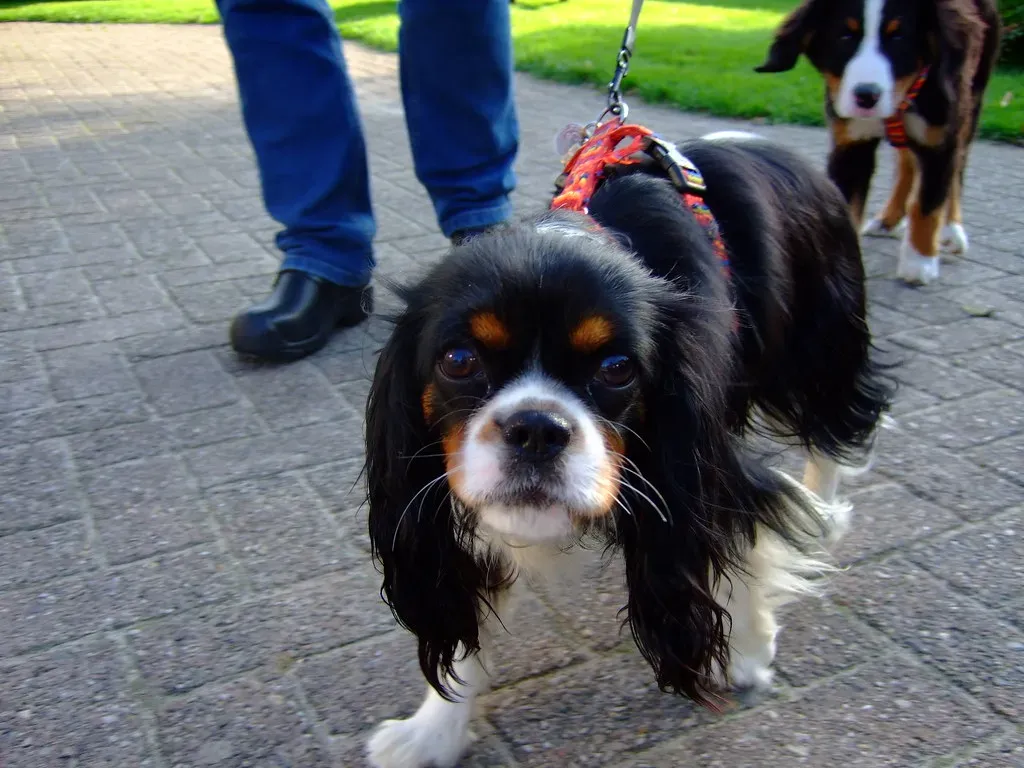
Dogs often treat your attention like a limited resource worth guarding. When someone else receives pets or eye contact, a jealous dog may physically insert its body into the space, creating a living barrier that forces the interaction to include them instead.
This move is rarely aggressive at first. It starts as a quiet shift of position, then grows more insistent if the attention continues elsewhere. Over time the pattern becomes predictable, especially during greetings or couch cuddles that used to belong solely to the two of you.
They Whine or Bark to Regain Focus
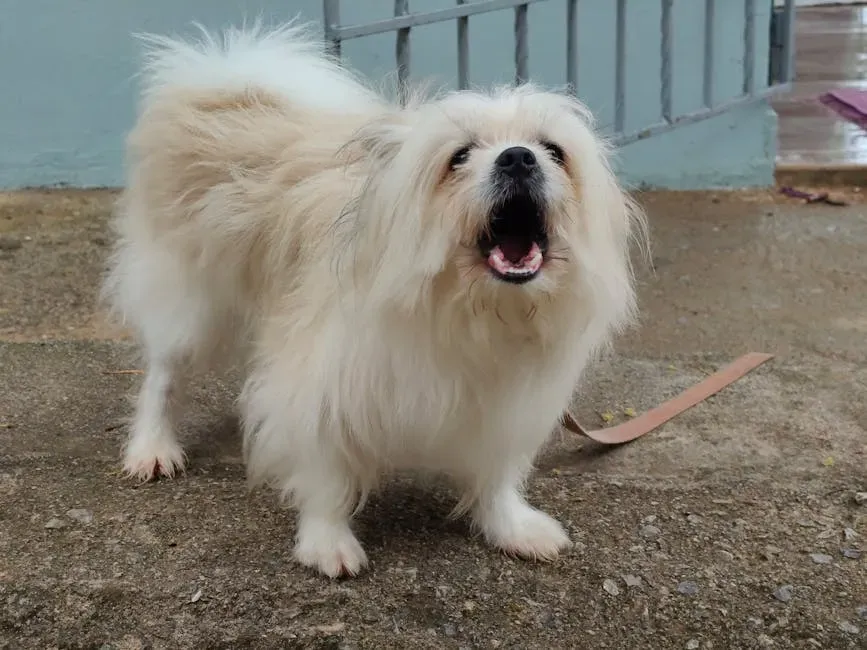
Vocal protests surface quickly once a dog senses competition. A soft whine can escalate into sharper barks the longer the rival holds your gaze or hands. The sound carries a distinct edge that differs from ordinary excitement or requests for food.
Owners notice the timing most clearly during phone calls or conversations with visitors. The dog waits for a lull, then offers a reminder that it still exists and expects a turn. The vocalization stops almost immediately once eye contact returns to the dog.
They Perform Tricks or Bring Toys Unprompted
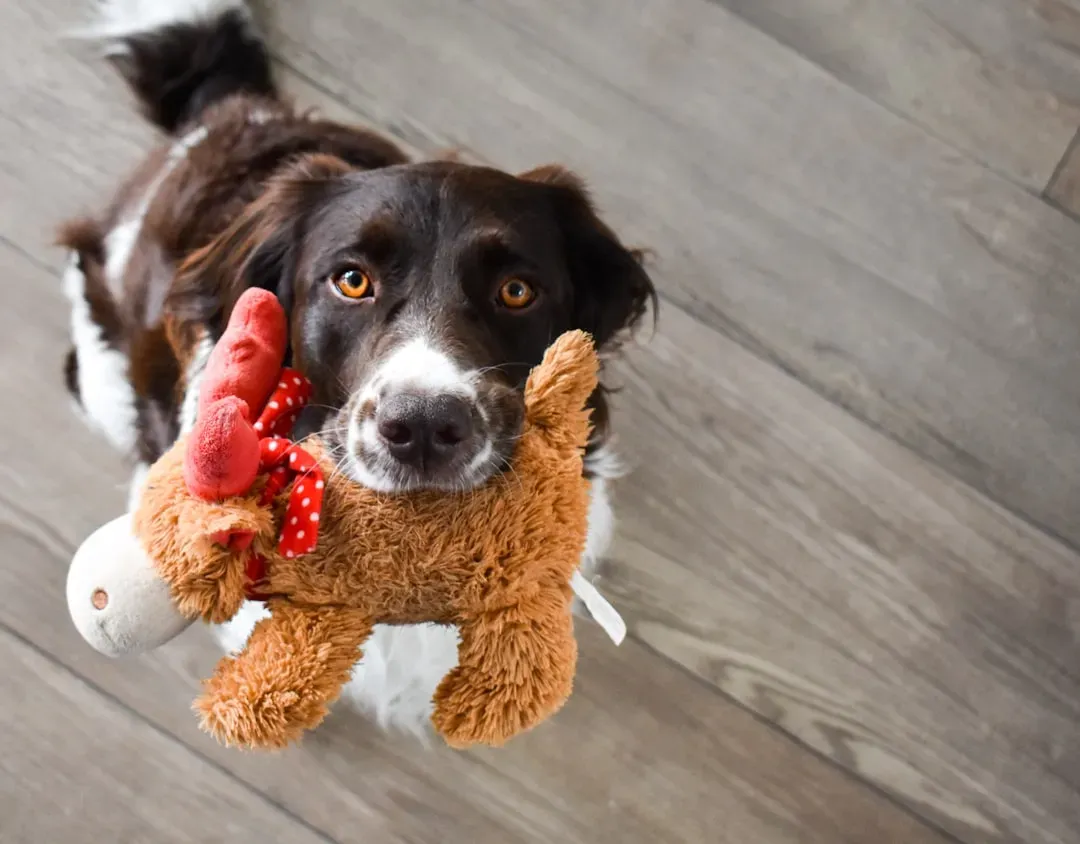
Some dogs switch to entertainment mode when they feel overlooked. They may suddenly offer a sit, spin, or retrieve without any cue, hoping the familiar routine will pull your attention back their way. Toys appear at your feet in rapid succession, each one presented like an offering.
The behavior feels strategic rather than playful. A dog that rarely initiates games on its own will suddenly become the class clown the moment another person or pet enters the picture. Success is measured by whether you pause the other interaction to respond.
They Follow You More Closely Than Usual
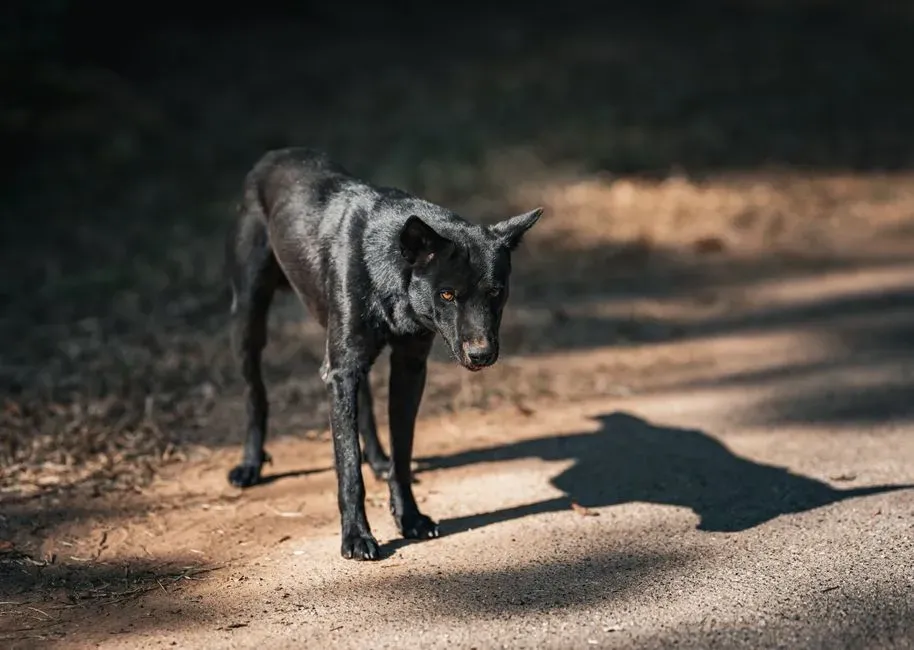
Shadowing increases when a perceived threat lingers nearby. The dog trails you from room to room, staying within a few feet even during routine tasks like folding laundry or checking mail. The closeness serves as a constant visual reminder of its presence.
This heightened attachment can last for hours after the rival has left. What began as a response to immediate competition turns into lingering vigilance. The dog seems unwilling to risk another moment of divided attention.
They Show Subtle Body Language Shifts
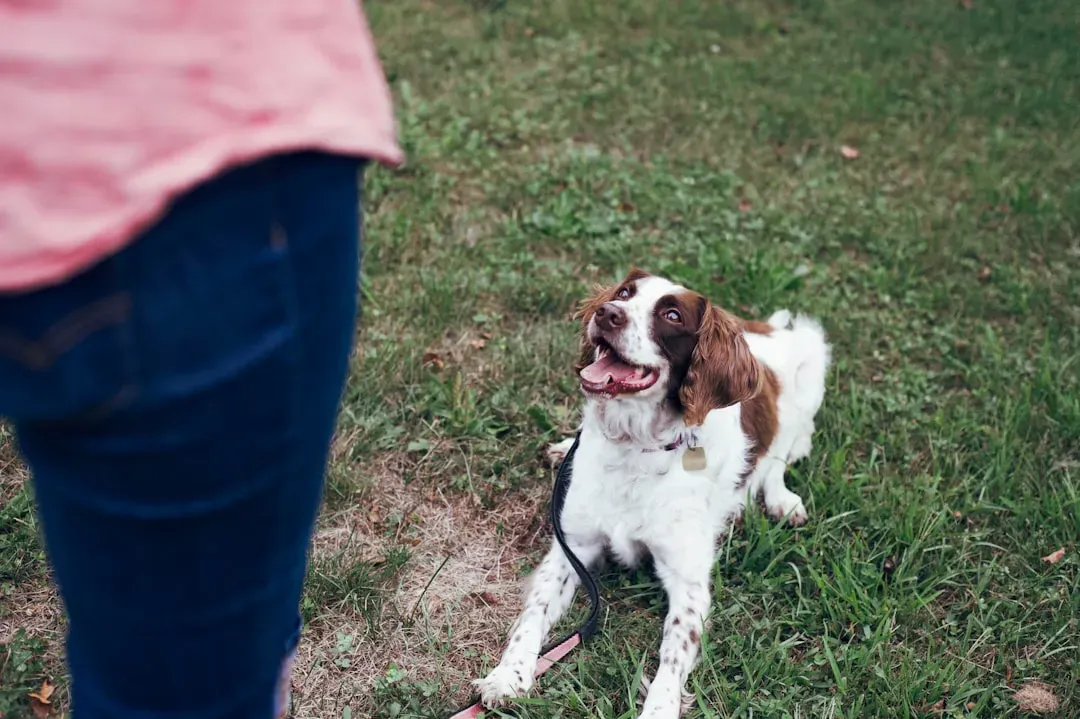
Ears flick back, eyes narrow slightly, and the tail may stiffen or lower without full aggression. These micro changes appear right when affection shifts away from the dog. The posture communicates discomfort without crossing into outright confrontation.
Owners who know their dogs well catch these signals early. A normally loose and wiggly body becomes more rigid the longer the rival receives strokes or praise. The shift reverses quickly once the dog regains its usual spot in the interaction.
They Engage in Mild Resource Guarding Around You
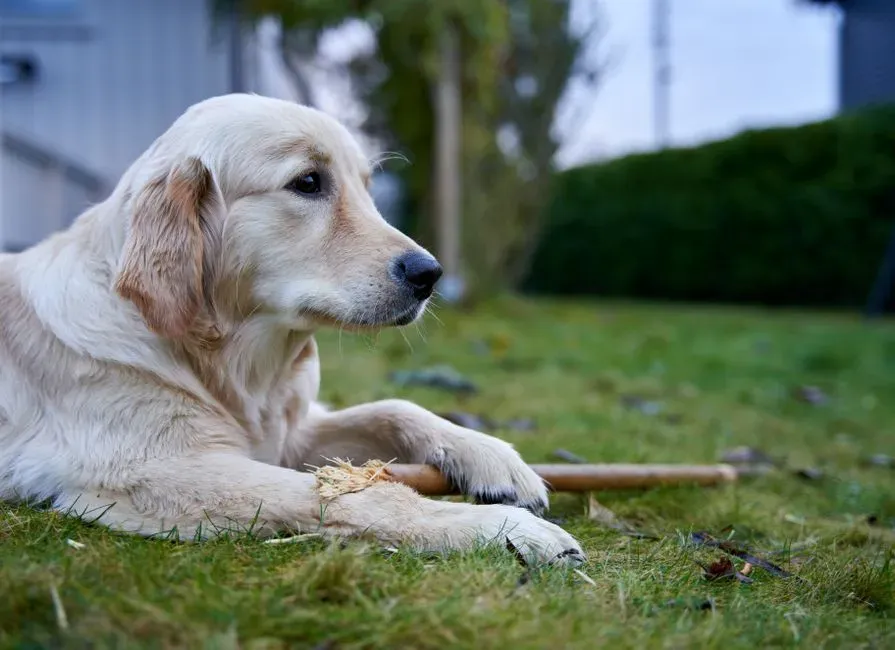
Some dogs begin to treat your lap or the space beside you as personal territory. They may rest a paw across your leg or lean more heavily when another animal approaches. The guarding stays low level yet consistent in the presence of competition.
Food or toys rarely trigger the same response. The guarded item is your time and touch. Once the rival moves away, the guarding posture relaxes and the dog returns to its baseline relaxed state.
They Become Destructive When Left With the Rival
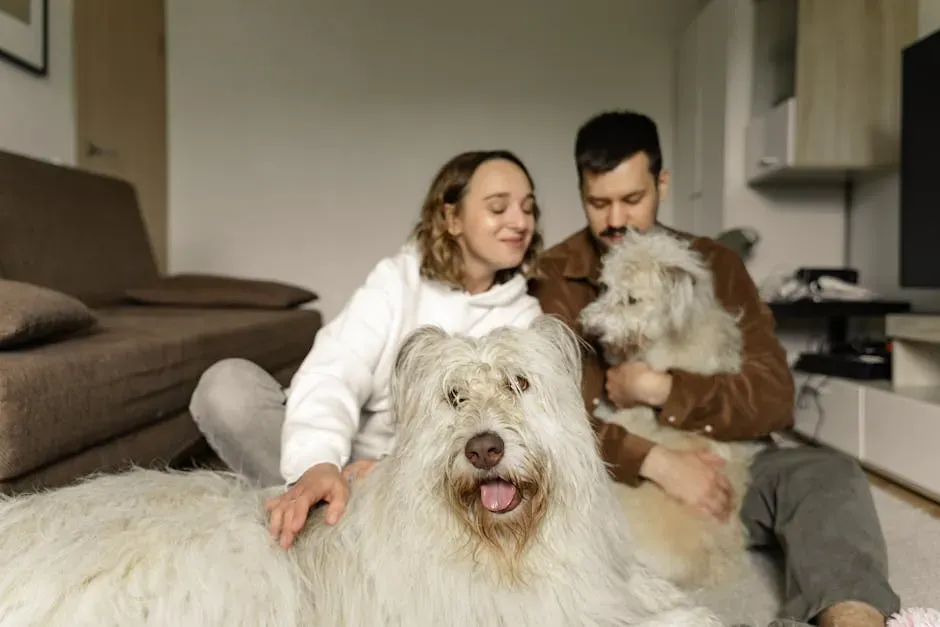
Chewing or digging can spike when a dog is left alone with a person or pet it views as competition. The destruction often targets items associated with the owner, such as shoes or cushions that carry familiar scent. It serves as an outlet for the frustration built during earlier divided attention.
The pattern tends to appear only in specific pairings. A dog calm when left alone may suddenly act out if the rival stays behind too. Removing the rival from the equation usually restores calmer behavior during absences.
They Offer Excessive Affection Once Attention Returns
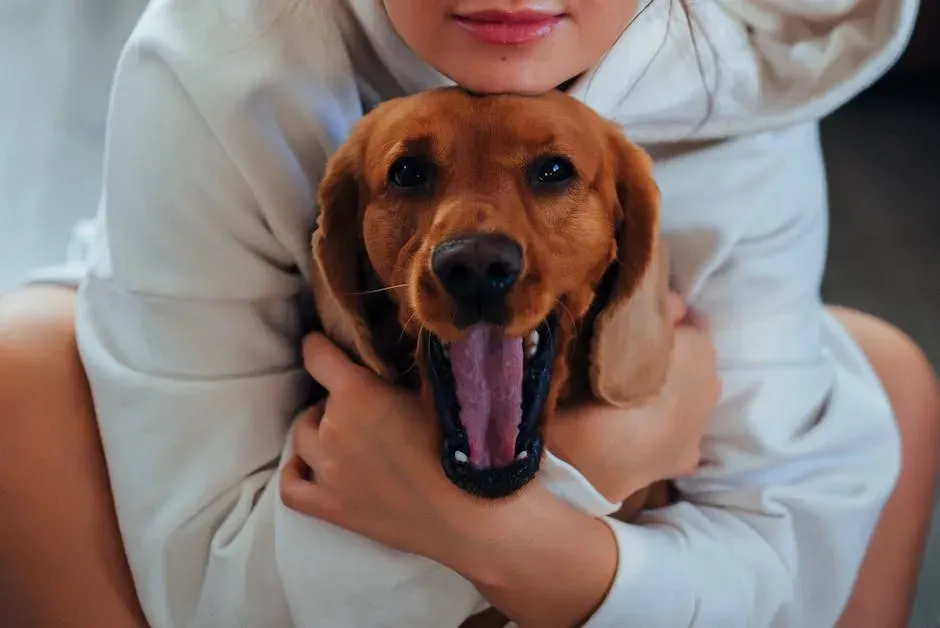
Once the rival steps back, many dogs flood the owner with contact. They lean in hard, offer prolonged licks, or climb onto laps with unusual persistence. The affection feels like a reset button after a period of perceived neglect.
The intensity fades once equilibrium is restored. What looks like sudden clinginess is often relief that the bond feels secure again. Owners describe it as the dog making up for lost time in a single enthusiastic burst.
They Avoid or Sulks After Losing Out
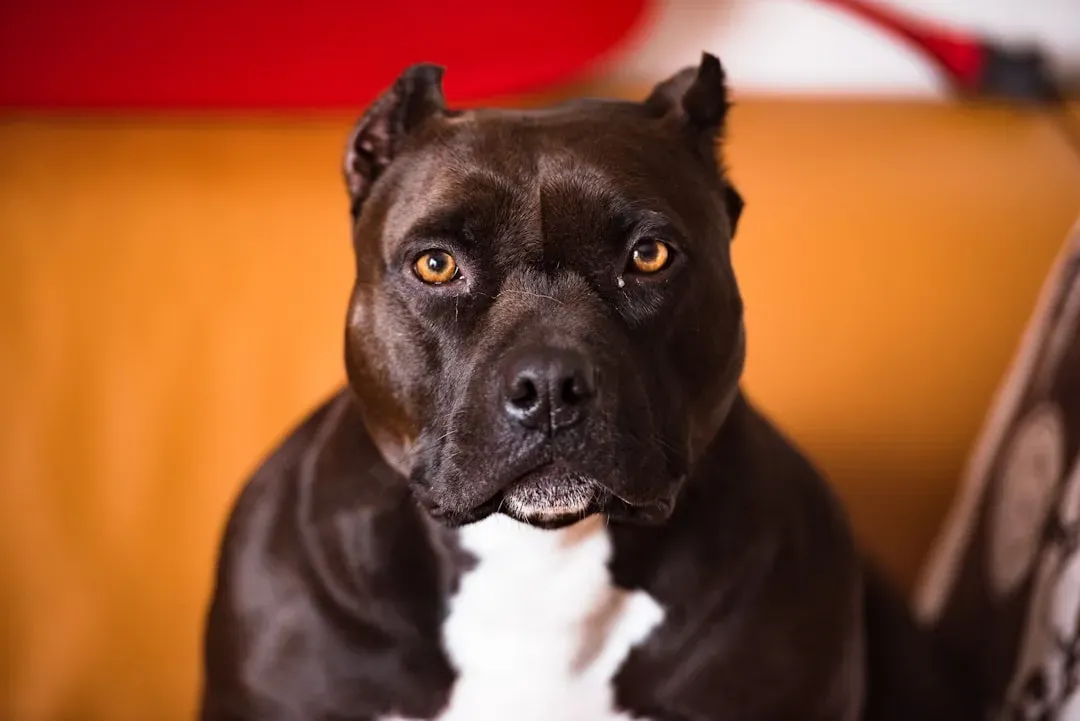
Not every jealous dog fights for attention. Some withdraw to a corner or another room once they sense they have lost the moment. The sulk can last several minutes and ends only when the owner actively seeks them out again.
This quieter response still signals the same underlying feeling. The dog registers the shift in attention and chooses distance rather than interruption. Reconnection tends to happen on the dog’s terms once it feels the threat has passed.
Recognizing these signs helps owners respond with patience instead of frustration. Most dogs simply want reassurance that their place in the household remains steady, and small adjustments in how attention is shared often ease the tension quickly. Paying attention to the pattern turns everyday moments into opportunities for a stronger connection rather than repeated small conflicts.


