
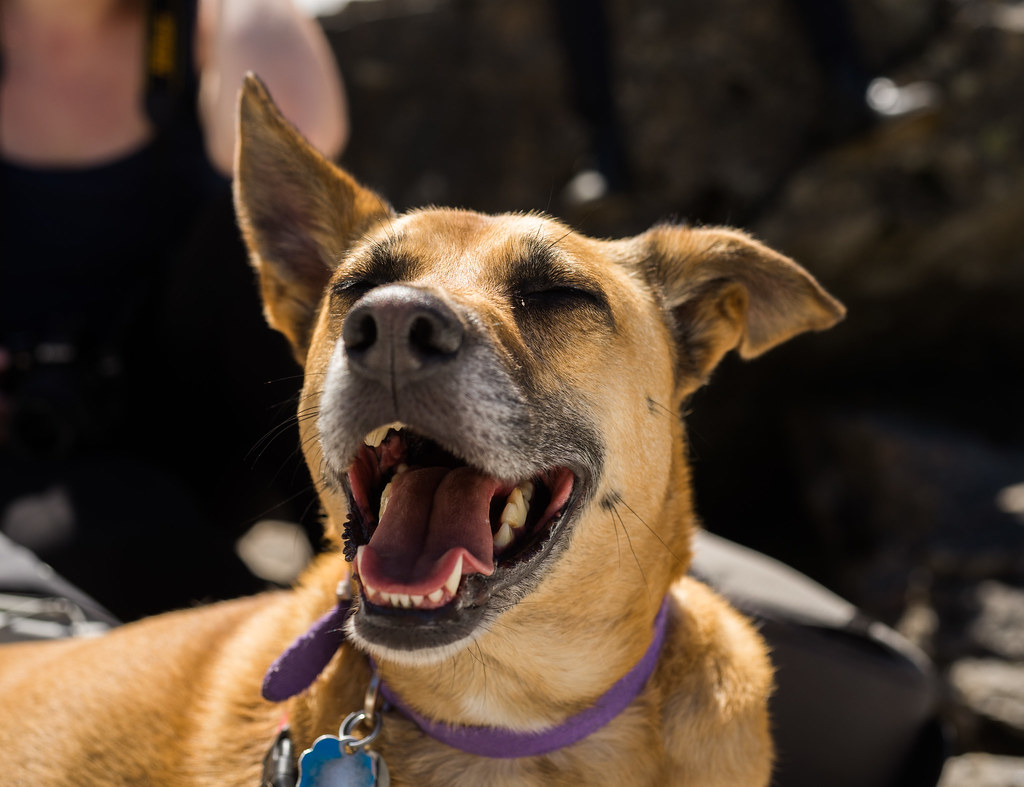
You’re in the middle of a goofy play session with your dog, they’re zooming around, tail going like a helicopter… and suddenly they let out a sharp sneeze or a little rapid-fire sneezing fit. For a split second, your brain jumps to panic mode: Are they getting sick? Did they inhale something? Are we heading toward a vet bill? Then they bounce right back into play like nothing happened, and you’re left wondering what on earth that was.
Those in-the-moment sneezes can be surprisingly emotional for us, because they sit in that uncomfortable gray area between cute and concerning. The truth is, a sneeze during play rarely has just one simple meaning. Dogs use their whole bodies to communicate – even their noses – and context can flip a sneeze from “just having fun” to “something’s not right.” Understanding the difference doesn’t just calm your nerves; it helps you read your dog more clearly, build trust, and spot real problems sooner.
The “Play Sneeze”: When Fun Is Literally Exploding Out Their Nose
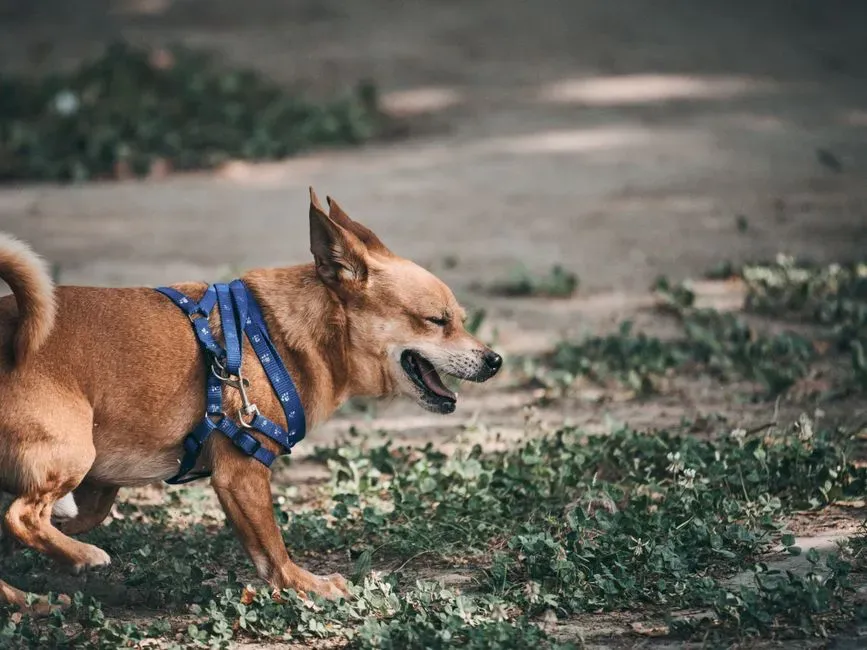
Here’s the fun twist: a lot of dogs actually sneeze when they’re having a blast. Trainers and behaviorists often call this a “play sneeze,” and it tends to show up during high-energy, happy moments – wrestling, tug-of-war, chase, or even wild zoomies around the living room. It’s almost like a pressure valve releasing a bit of excitement from their face.
Think of it as your dog’s way of saying, “This is intense, but I’m good!” instead of a sign that illness is creeping in. You’ll often see it paired with loose, wiggly body language and a relaxed mouth. If they sneeze, shake their head once, then dive straight back into playing like a furry maniac, their nose is probably just joining the party, not waving a medical red flag.
Body Language Is Everything: Read the Whole Dog, Not Just the Sneeze
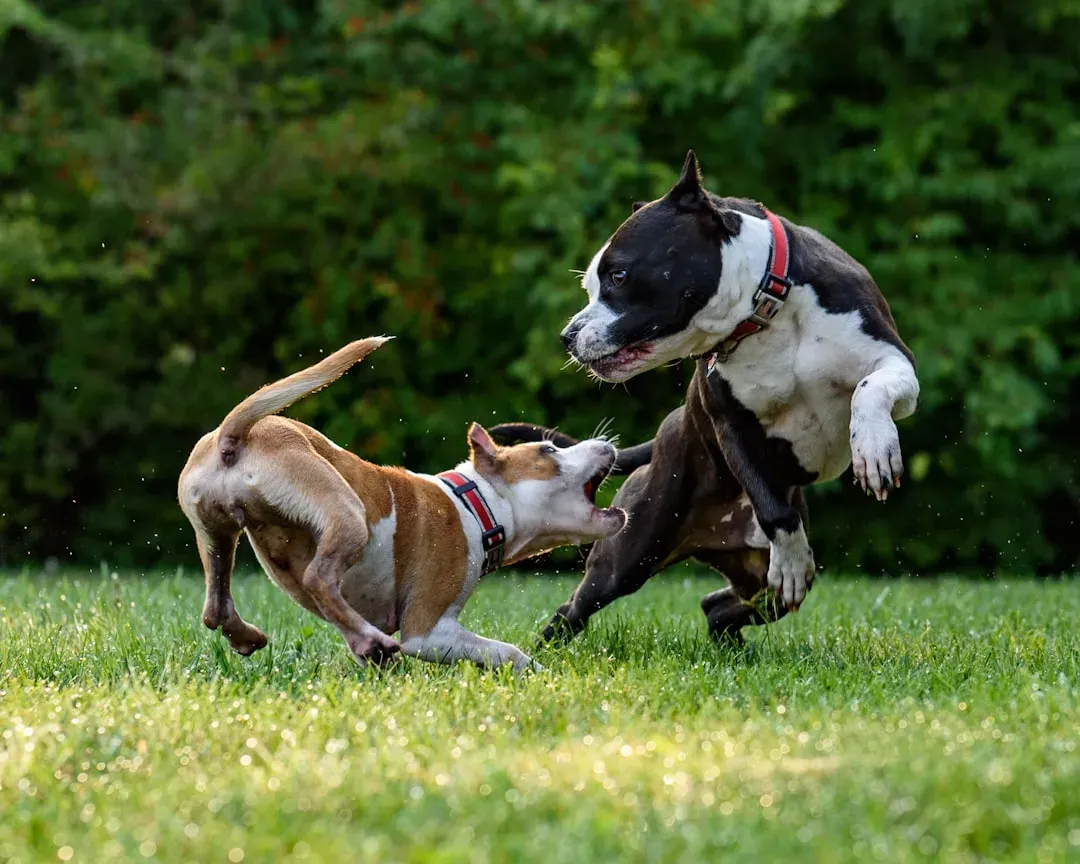
A sneeze on its own doesn’t tell you much; it’s like hearing one word out of a whole sentence. The real meaning shows up when you zoom out and look at their entire body. Are their muscles relaxed or tense? Is their tail neutral and swishy, or tucked and stiff? Do their eyes look soft and blinky, or wide and worried?
During a playful sneeze, most dogs look loose and dorky in the best way: wiggly hips, bouncy movements, goofy face, maybe even a little play bow. If a sneeze shows up alongside lip licking, yawning in a non-sleepy moment, pinned-back ears, or a low, tense posture, the vibe changes completely. Then that same sneeze might be part of a stress response – your dog quietly saying, “I’m not as comfortable as I look.”
Excitement, Dust, or Just a Tickle? The Everyday Triggers
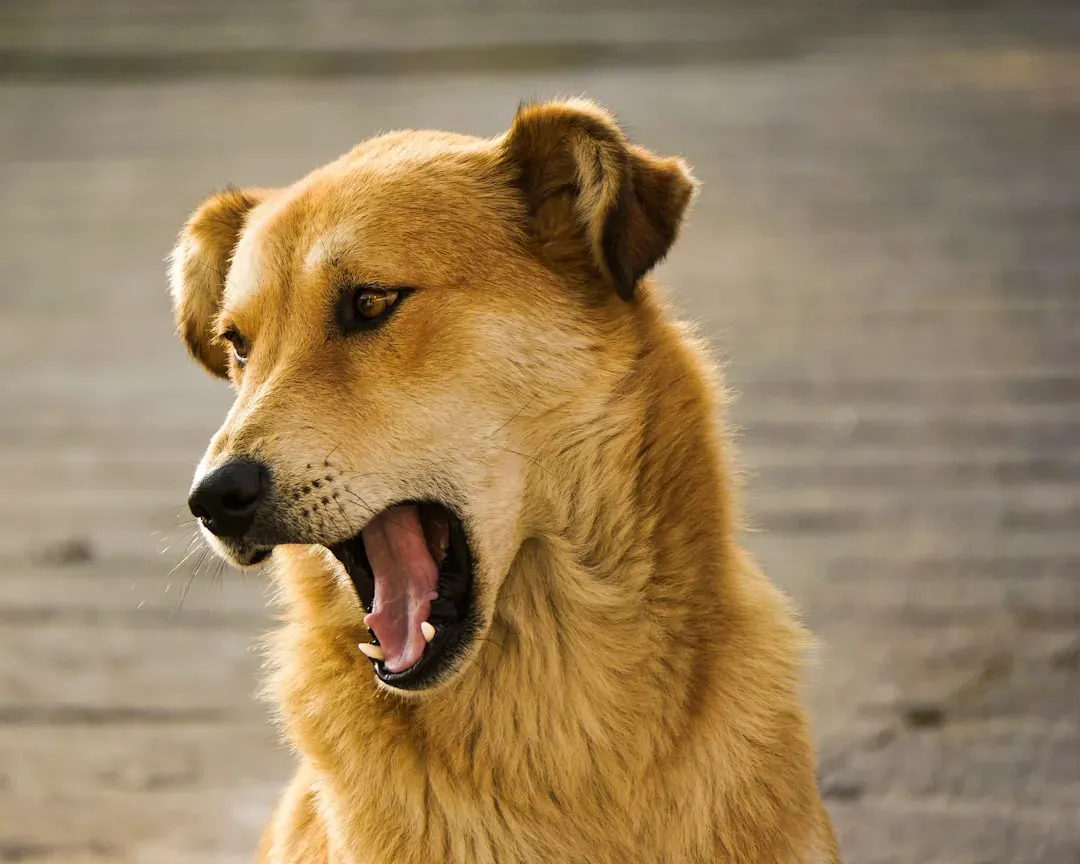
Sometimes the explanation really is as boring as “something tickled their nose.” A sudden burst of movement can stir up dust, dander, or tiny particles from carpets, grass, or blankets. That quick irritant hits the nasal passages and out comes a single, random sneeze – the same way you might sneeze when you open an old box or walk into a musty room.
Excitement alone can also make sneezing more likely, because blood flow and breathing speed up and the nose gets extra stimulated. Picture that one friend who laughs so hard they start coughing or snorting. Your dog is doing their version of that – everything ramps up, including their airways, and occasionally the nose just says, “Nope, we’re clearing this out right now.” It’s dramatic in the moment, but usually harmless.
Play Sneeze vs. Sick Sneeze: Key Differences You Can Actually See
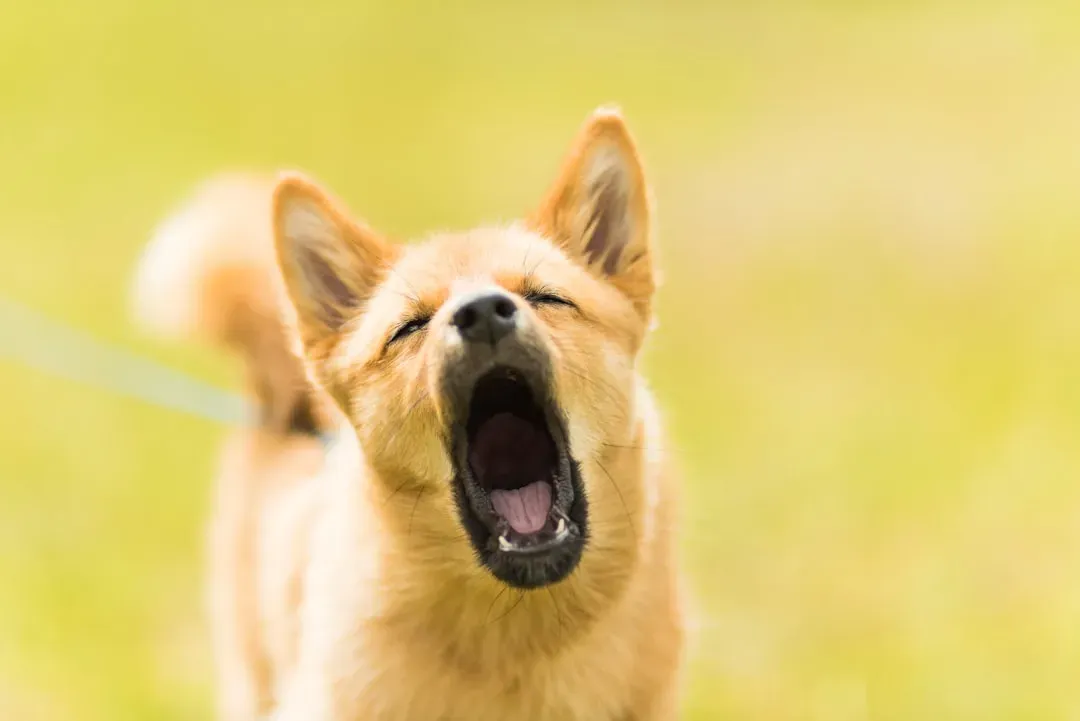
A healthy, playful sneeze tends to be short-lived and situational: it happens during or right around roughhousing, zoomies, or big bursts of joy, and then disappears. There’s usually no gunk coming out, no coughing afterward, and no shift in their energy level. Once the sneeze is over, your dog goes right back to acting like a chaotic little cloud of happiness.
A “sick” sneeze looks very different over time. It can show up repeatedly throughout the day, even when your dog is resting. You might notice nasal discharge, crust around the nostrils, pawing at the face, red or irritated eyes, a change in appetite, or a dog who suddenly seems tired and not in the mood to play. When a sneeze moves from “occasional and playful” to “frequent and random,” that’s when your inner alarm bell deserves to ring.
Reverse Sneezing: The Scary-Sounding Thing That’s Often Harmless
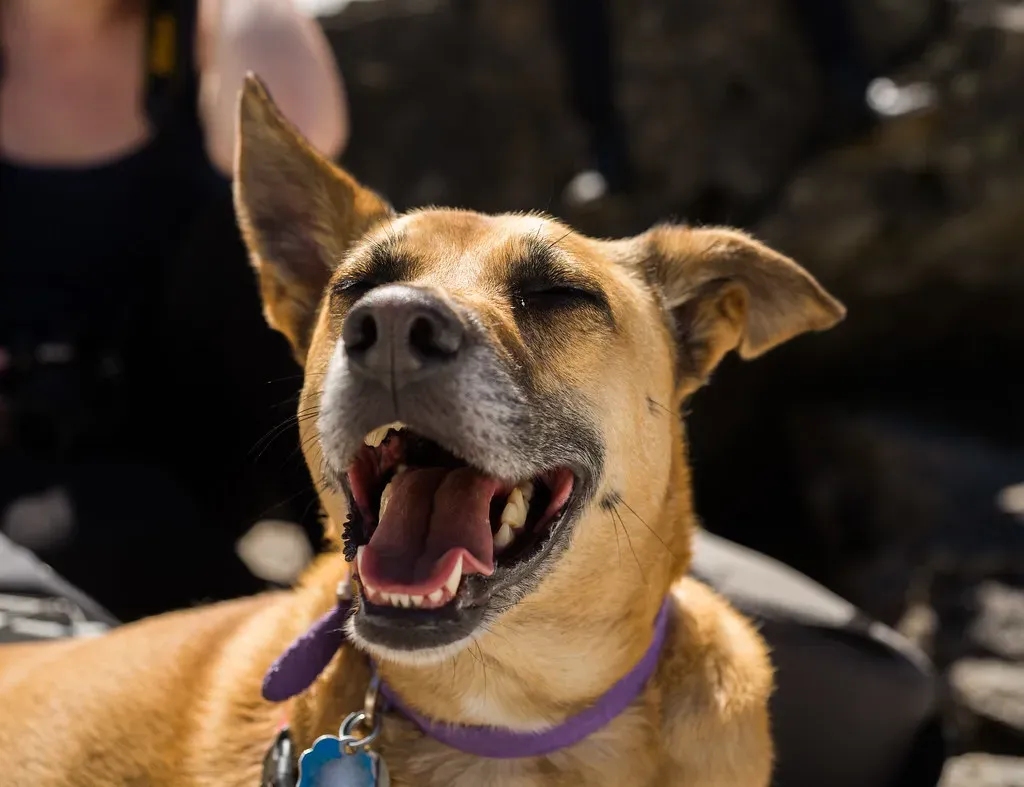
If you’ve ever heard your dog make a weird snorting, honking sound while standing still with their neck slightly extended, you’ve likely witnessed reverse sneezing. It looks dramatic and sounds like they’re trying to suck air through a straw made of gravel, which can be terrifying the first time you hear it. But in many otherwise healthy dogs, especially small breeds, it’s usually a benign reflex where the soft palate and throat get briefly irritated.
Reverse sneezing can pop up during or right after play, especially if your dog was sniffing intensely, pulling on a leash, or suddenly got super excited. A gentle neck rub or a brief pause in the action often helps it pass. The key difference from a true breathing emergency is that, once the episode ends, your dog goes back to normal: no open-mouth gasping, no collapsing, no panic in their eyes – just business as usual, often with a quick shake and an “I’m fine, chill” vibe.
When a Playtime Sneeze Really Does Need a Vet Check
Not every sneeze is innocent, even if it happens during play, and your instincts as their person actually matter a lot here. If something about the sneeze or your dog’s overall behavior feels off to you, it’s worth paying closer attention. Repeated sneezing fits, blood in the mucus, one nostril always sounding stuffy, or sneezes that are clearly painful are not things to shrug off just because they happened in the middle of fetch.
Red flags during or after play can include a dog who suddenly refuses to continue, seems confused or lethargic, keeps pawing at their nose, or has swelling around the muzzle. Foreign bodies like grass awns, foxtails, or tiny sticks can wedge deep in the nasal passages and cause serious trouble. In those cases, the timing with play is a clue about what might have happened, not proof that it’s “just excitement.” When in doubt, a quick call or trip to your vet beats anxious guessing.
Using Sneezes as a Social Signal: Dogs Talking to Dogs (and to You)
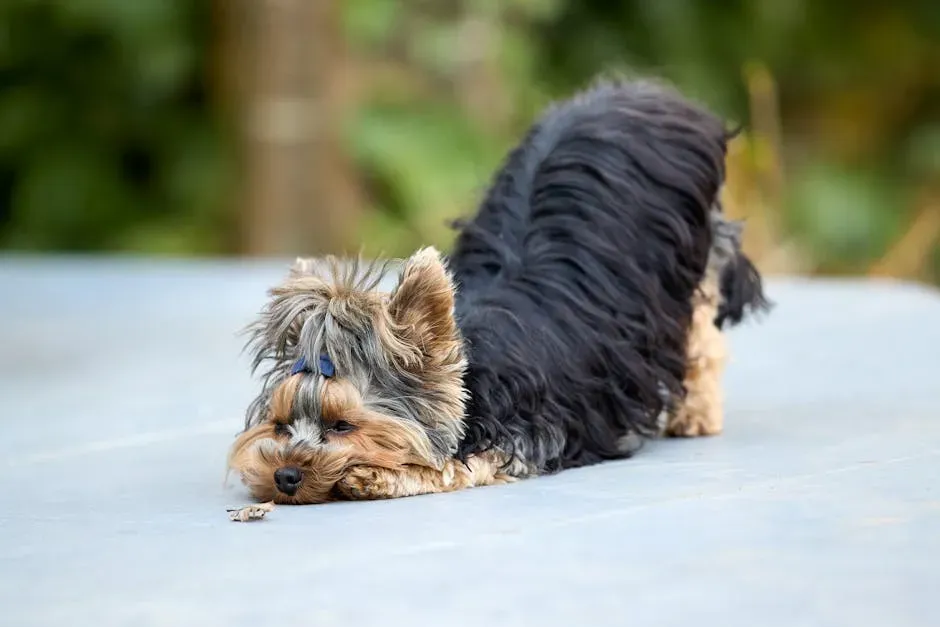
One of the coolest parts of play sneezing is that it seems to work like a social reset button. In dog-to-dog play, a quick sneeze can show up before or after a rougher move, like a hard pounce or body slam. Many behavior experts see it as a way of dialing the emotional volume down a notch, almost like your dog saying, “Hey, this is still just a game, right?” Even if we can’t ask them directly, patterns in their behavior suggest that sneezes are sometimes part of that subtle social dance.
With humans, the same idea may apply on a smaller scale. Your dog might sneeze during a wild tug session, then immediately give you a play bow or zoom off in circles. Over time, you can start to notice when that sneeze tends to appear: right when things get wildest, or when tensions start to rise. Paying attention to these patterns turns you into a better play partner, because you can choose to pause, soften the game, or offer a break right when your dog is telling you they need it.
My Take: Don’t Panic Over Every Sneeze, But Don’t Dismiss Your Gut Either
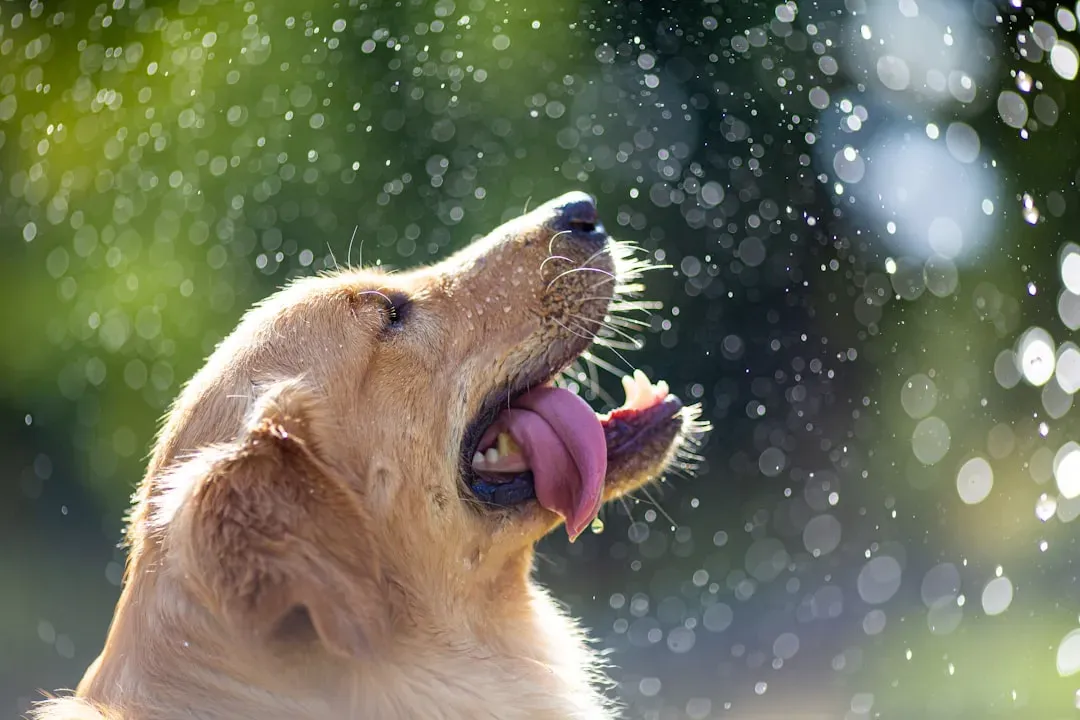
Personally, I think we’ve become so used to worrying about our pets that we sometimes jump straight from “weird” to “worst case scenario” without pausing to look at the full picture. A single, goofy sneeze in the middle of a wrestling match is usually just your dog being a dog, not a sign that you’ve missed something huge. Learning to recognize a relaxed, joy-filled play sneeze can actually make those moments feel even sweeter, like a tiny reminder that your dog is fully alive and in the moment.
At the same time, I don’t think anyone knows a dog better than the person who lives with them every day. If a sneeze starts to feel different – more frequent, more intense, paired with clear discomfort – your unease is worth listening to. The sweet spot is staying curious instead of catastrophizing: watch the context, read the body language, and trust that you’re allowed to ask questions and get help when something feels off. In the end, your dog doesn’t need you to be perfect; they just need you to pay attention. Next time they fire off a surprise sneeze mid-zoomie, will you see it the same way, or will you watch a little closer and decode what they’re really saying?


