
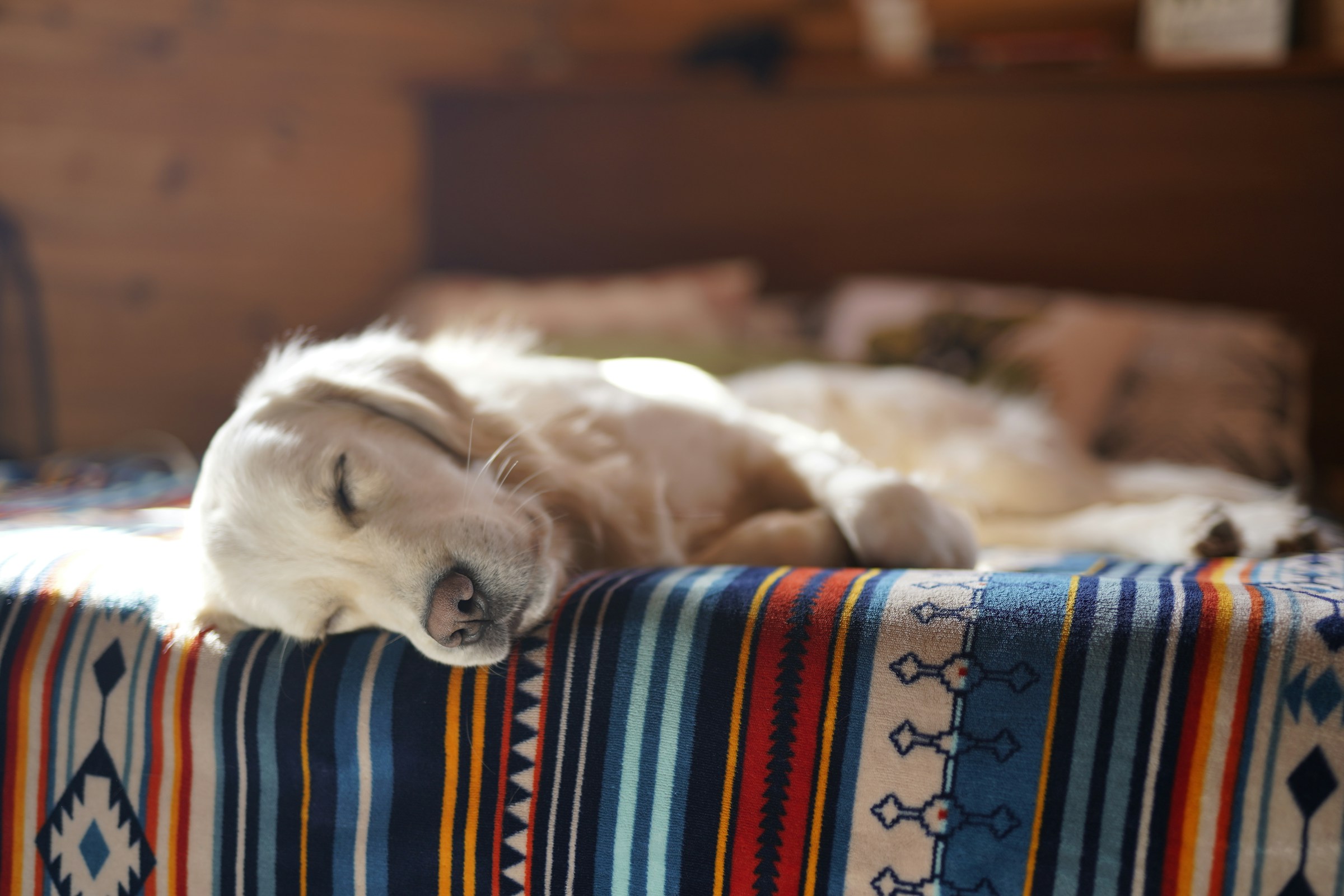
You know that tiny sting you feel when your dog skips the bed at your feet and curls up somewhere else for the night? It is surprisingly easy to turn that little change into a big story about distance, rejection, or a bond that is slowly fading. But most of the time, your dog’s nightly game of musical beds has a lot more to do with practical comfort than with emotional coldness.
Once you start seeing their choices like a mini science experiment in temperature, sound, smells, and safety, things feel very different. Instead of worrying that they love you less, you can watch them like a little researcher testing variables: “Is the couch cooler tonight? Is the hallway quieter? Does the crate feel safer?” When you look at it this way, their wandering sleep habits stop feeling like rejection and start looking like communication.
They’re Following Comfort, Not Rejecting You

The most important thing to understand is that dogs are expert comfort-seekers. They do not stay loyal to a sleeping spot out of sentiment the way humans cling to a childhood pillow; they move toward wherever their body feels best in that moment. That might mean switching from your bed to the cool kitchen floor, or leaving the couch for a snug corner under a table.
From your perspective, it can look like distance: last week they curled at your legs, tonight they’re in the hallway. But from your dog’s perspective, their joints, temperature, and sense of safety are calling the shots, not their feelings about you. Your bond with them is built in thousands of moments of play, care, and routine, not in the exact square of floor where they decide to sleep on any given Tuesday.
Temperature and Texture: The Unsung Sleep Bosses

If you’ve ever flipped your pillow to the cool side, you’ve done exactly what your dog does on a bigger scale. Dogs are highly sensitive to heat and cold, and many will migrate during the night to manage their body temperature. One evening, the spot by your bed might feel perfect; another night, it might be just a bit too warm, so the tiles near the door suddenly become first-class real estate.
Texture matters too. Some dogs crave soft, nest-like beds that support their joints, while others feel more grounded and secure on firmer surfaces. As they age or as the seasons change, their preferences can shift, so the place that was perfect a month ago might not feel as good today. When they pick a new spot, they’re often voting for a more comfortable mattress, not voting against you.
Noise, Light, and Household Chaos Shape Their Choices

Dogs are tuned into their environment in ways we often underestimate. A room that feels peaceful to you might be full of tiny disturbances to them: a humming fan, a hallway light, pipes clicking, or street noise outside a window. If the living room suddenly becomes the loudest part of the house thanks to late-night TV or gaming, your dog may drift toward a quieter corner simply to get better sleep.
Changes in your household routine can have the same effect. New roommates, different work hours, kids staying up later during school breaks, or even a partner who snores louder than before can all push a dog to rethink where they sleep. Moving around the house to find a calmer, darker, or less chaotic spot is a sign your dog is trying to self-regulate, not that they are emotionally withdrawing from you.
Health, Age, and Body Changes Quietly Influence Sleep Spots

Sometimes, a dog changing sleeping locations is their way of telling you their body feels different. As dogs age or develop joint stiffness, they might seek out more supportive or easier-to-reach spots. Jumping onto your high bed might start to feel tough, so a lower couch, a padded dog bed, or even a flat rug suddenly becomes their new favorite place to crash.
Subtle health issues can play a role too. Dogs with sore hips may avoid slippery floors; those with skin irritation might shy away from certain fabrics; dogs who feel a bit anxious might choose tighter, den-like areas. If you notice your dog not just changing spots, but also moving more slowly, licking or chewing at joints, or seeming restless at night, that could be a cue to talk to your vet rather than a sign they are emotionally pulling away.
Routine, Bond, and Affection Live Outside of Sleep Location
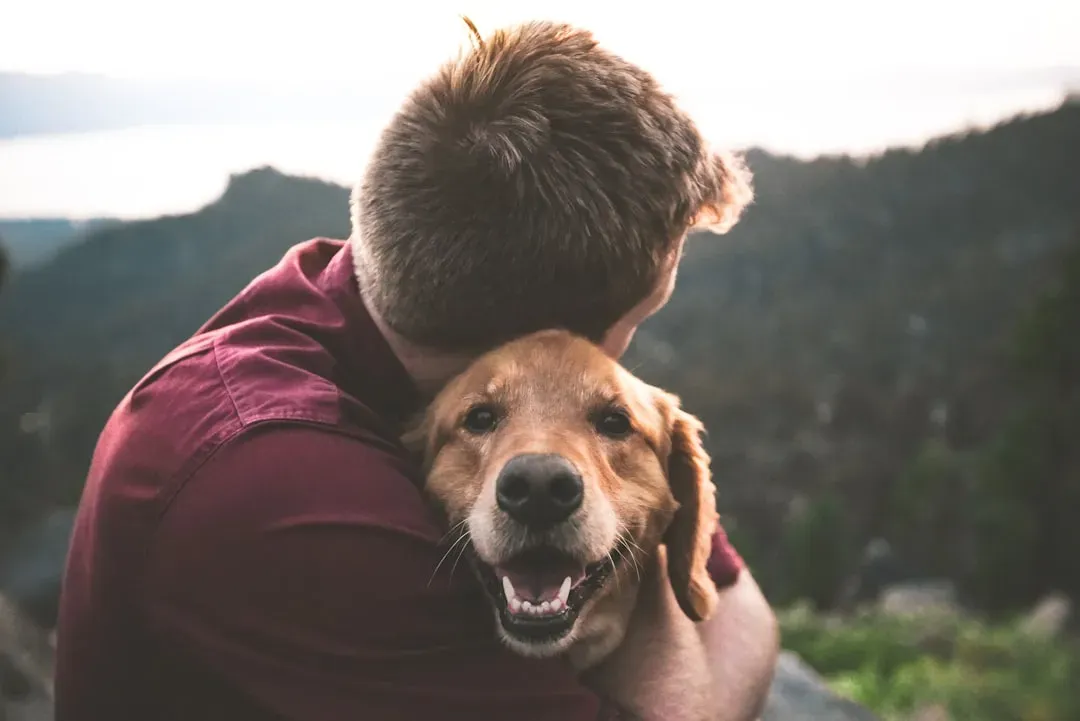
The real measure of your dog’s connection to you is not where they doze off, but how they behave with you when they are awake. Do they still greet you enthusiastically at the door, follow you from room to room, check in with eye contact, or bring you toys? Those everyday choices say far more about your relationship than whether they sleep at the foot of your bed or by the bathroom door tonight.
It helps to think of it like a friend who sometimes falls asleep on the couch instead of in the guest room. Their choice of nap spot does not define the friendship; the shared jokes and trust do. In the same way, your dog can absolutely adore you and still decide that tonight, the cool hallway or the crate in the corner beats sharing a warm, wiggly bed with you.
How You Can Support Their Changing Sleep Preferences
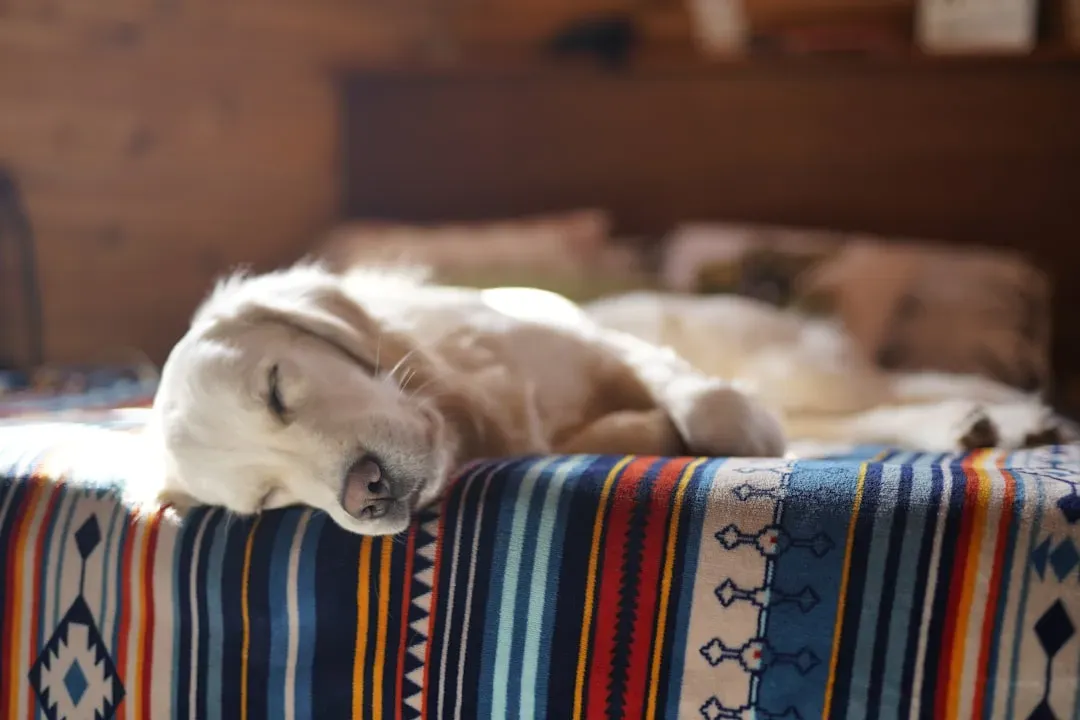
Instead of trying to force your dog to sleep in one place, you can set up options that make it easy for them to choose what feels best. Offering more than one bed, or giving access to both a softer and a firmer surface, lets them listen to their own body. Placing beds in spots with different temperatures and noise levels – one near you, one in a quieter room – gives them control without cutting off connection.
You can also watch their patterns like a gentle detective. If they consistently abandon your room for another during hot nights, maybe a fan, cooler bedding, or moving their bed to a draft-free but cooler side of your room will help. When you treat their shifting preferences as helpful information instead of a personal slight, you improve both their comfort and your sense of calm.
When a New Sleeping Spot Might Signal Something More

While many changes in sleeping location are harmless, it is worth paying attention to the whole picture. If your dog not only chooses a new spot but also seems withdrawn, less interested in play, or suddenly avoids touch, that combination could suggest stress, pain, or anxiety. Likewise, if they are pacing, whining at night, or having trouble settling anywhere, it may be more than just a hunt for a cooler tile.
In those cases, treating the behavior as information, not “distance,” is the kindest move you can make. A vet check, a look at recent life changes, or some extra support from a trainer or behavior specialist can uncover what your dog is trying to cope with. Reacting with curiosity instead of hurt feelings puts you back on the same team, solving a problem together instead of assuming they just do not want to be near you.
Conclusion: Your Dog’s Nightly Wanderings Are Not a Rejection Letter

Here is the hard truth and the comforting one rolled together: your dog is more practical than sentimental about where they sleep. That can sting when you were hoping they would curl up in your arms every night, but it also means their shifting sleep spots are not a secret message that your bond is fading. They are simply choosing comfort, safety, and peace in a body and environment that change from day to day.
In my own home, I have watched dogs rotate between the bed, the hallway, a crate, and a random mat by the door, all while still shadowing me from room to room like furry bodyguards during the day. That contrast has convinced me that we over-read the meaning of bedtime and under-value all the other signs of love. So the next time your dog picks a different corner, instead of asking why they are “distancing,” ask what they might be telling you about their comfort – and whether the real closeness shows up in all the hours before the lights go out. Did you ever think a simple change of sleeping spot could say so much without saying anything at all?


