
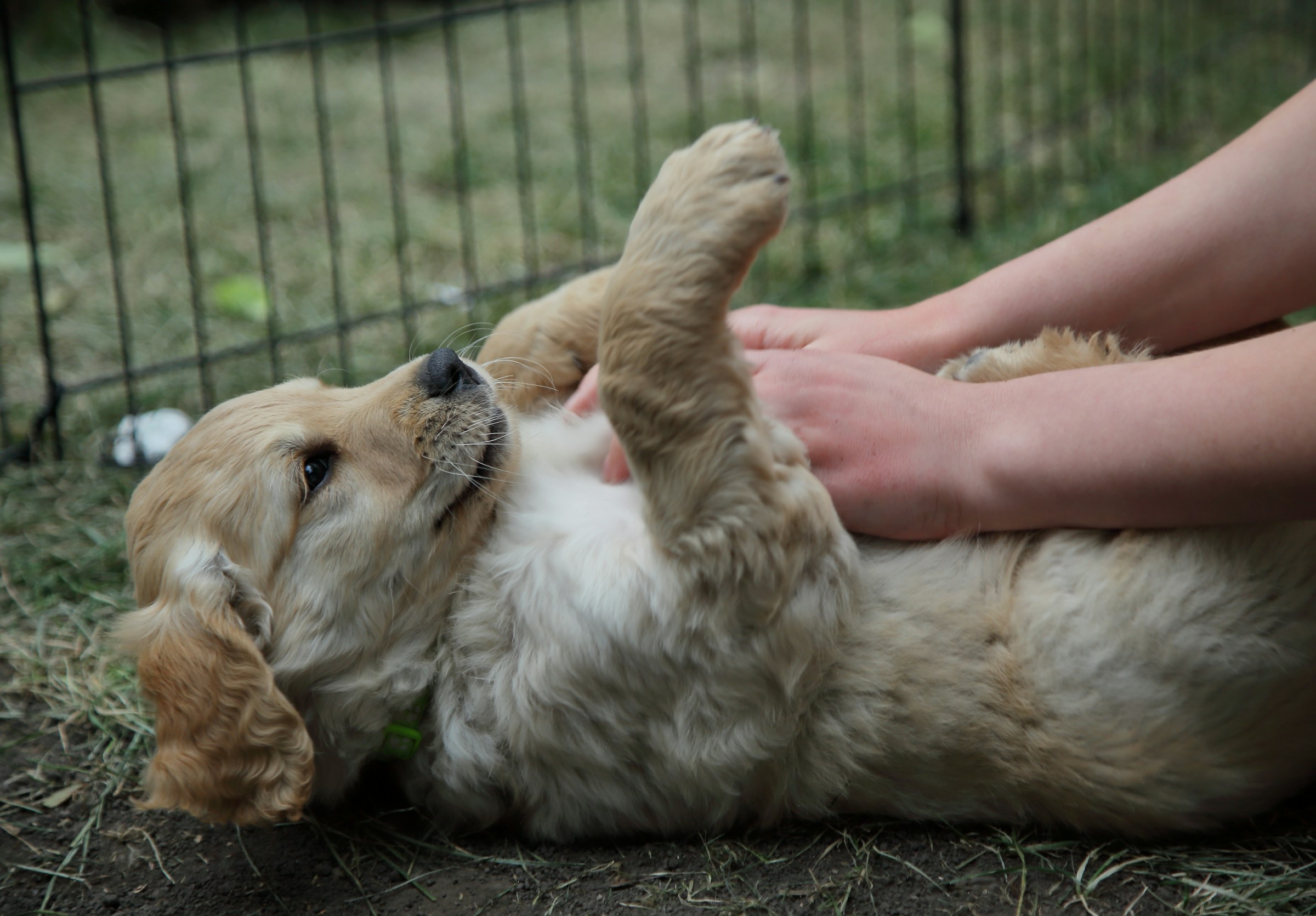
You’re sitting on the couch, minding your own business, when your dog walks over, makes eye contact, and suddenly flops dramatically onto their back. Paws in the air. Belly exposed. The first thought most of us have is automatic: belly rub time. But what if that’s not always what your dog is asking for?
That small, almost silly-looking move can actually be loaded with emotion, body language, and context. Sometimes it’s sweet and playful, sometimes it’s a stress response, and sometimes it’s your dog quietly saying, “Please give me a little space.” Once I realized my own dog wasn’t always inviting touch, but sometimes quietly asking for reassurance, it completely changed the way I saw that upside‑down pose.
They Might Be Showing Trust and Relaxation
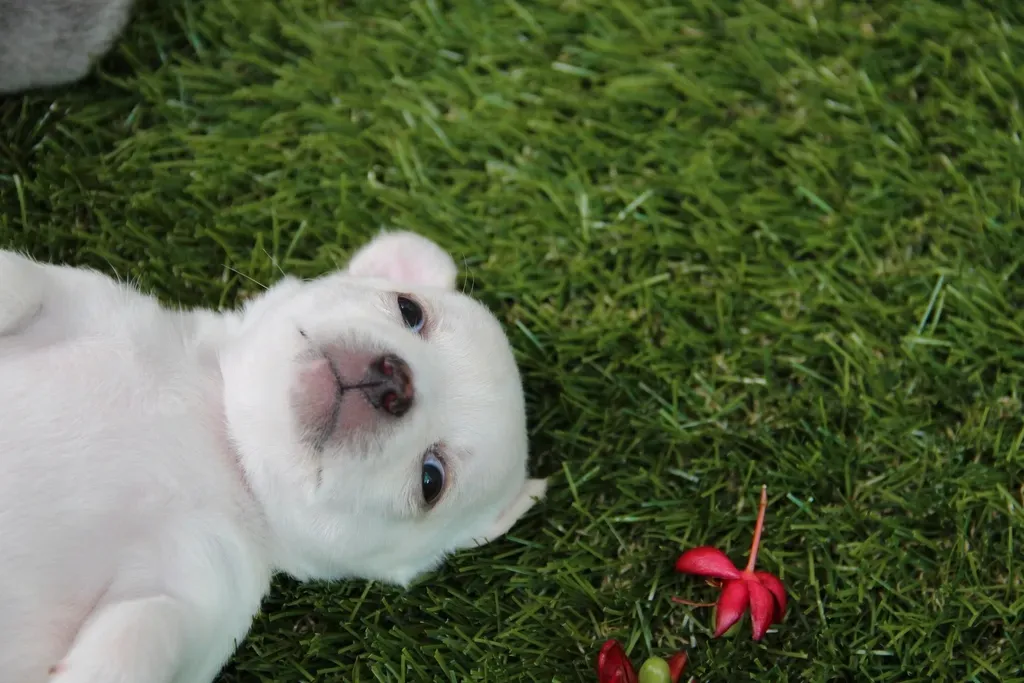
Let’s start with the feel‑good version: a dog flat on their back, loose body, floppy paws, maybe even a gentle snore. That exposed belly is one of the biggest signals that your dog feels safe in that moment. The soft underside of the body is vulnerable, so when a dog chooses to lie like that near you, it’s often a sign that they don’t feel threatened and believe you’re part of their safe zone.
Think of it like a friend falling asleep on your couch with their phone unlocked on the coffee table; it’s casual, unguarded trust. In these situations, belly rubs might be welcome, but they’re not guaranteed. Some dogs like simply existing comfortably near you without being touched every time they relax. If you see a soft, calm face, slow breathing, and no tension in the legs or tail, you’re probably looking at a dog that’s just deeply at ease.
Rolling Over Can Be a Sign of Submission or Appeasement
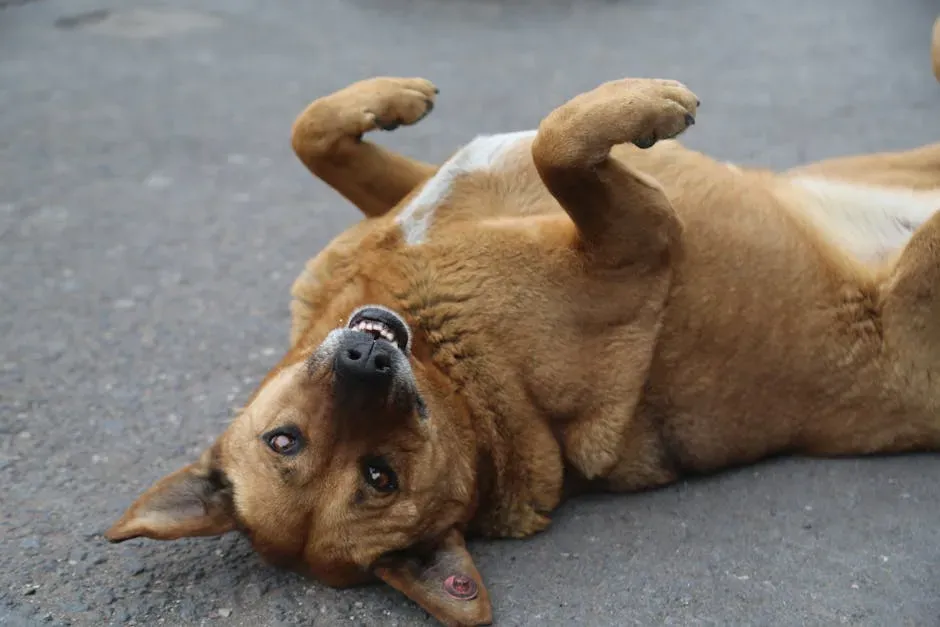
Here’s the twist many people miss: a dog rolling onto their back can also be a classic appeasement gesture. This is not the same as saying, “Rub my tummy.” It can be more like, “Please don’t be mad,” or “I don’t want any conflict.” The difference usually shows up in the rest of the body. A submissive or appeasing dog may have a tense face, tucked tail, or lick their lips and turn their head away.
If you’ve ever seen a dog roll over when being scolded, or when a bigger, more confident dog walks up, that’s less about joy and more about de‑escalation. Imagine someone nervously laughing in an awkward situation; they’re not actually having fun, they’re trying to keep the peace. When you recognize this type of roll, it’s kinder to soften your tone, give them space, and dial down whatever pressure might be making them uncomfortable instead of reaching in with enthusiastic hands.
Sometimes It’s Just a Seriously Great Stretch
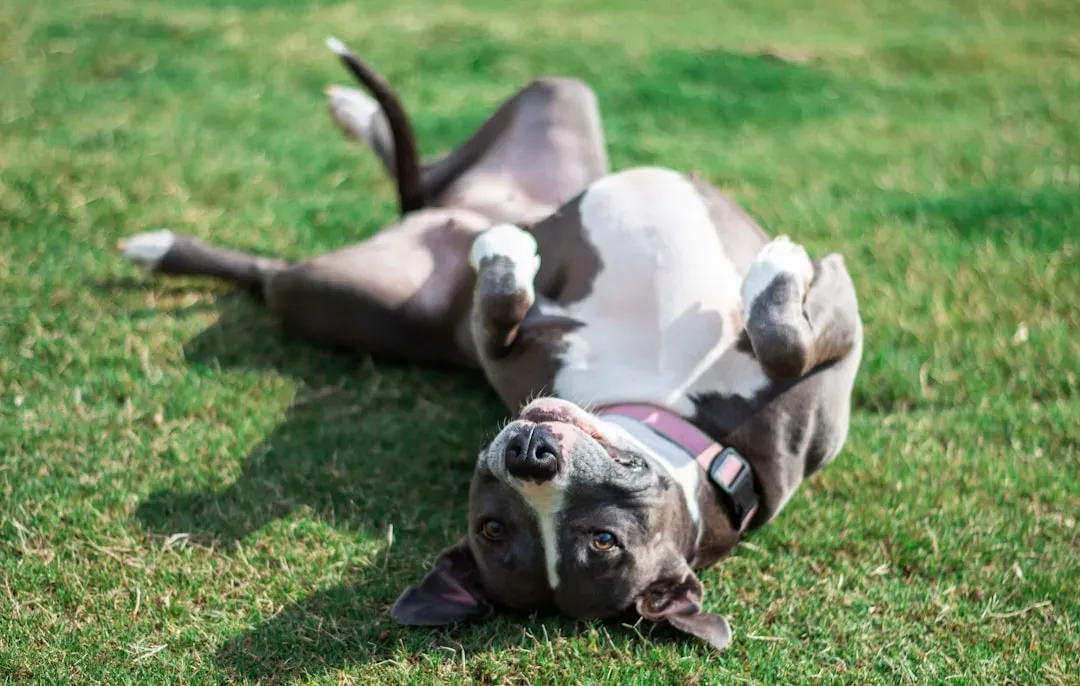
Dogs are natural yogis, even if they don’t get credit for it. That sudden flop onto the back, followed by a long wiggle or twist from side to side, can simply be a full‑body stretch. You might notice it when they’ve just woken up, after a long nap, or when they roll around on grass or carpet like they’re trying to scratch an itch only the floor understands.
In those moments, they’re not really interacting with you at all – they’re just enjoying their own body and environment. Their eyes might be half‑closed, their mouth slightly open, and they may grunt or sigh in a very satisfied way. Jumping in with hands can actually interrupt a really satisfying dog moment. Think of it like someone barging into your morning stretch to give you an unsolicited shoulder rub: not awful, but not what you were going for.
It Can Be Play, Goofiness, and Pure Joy
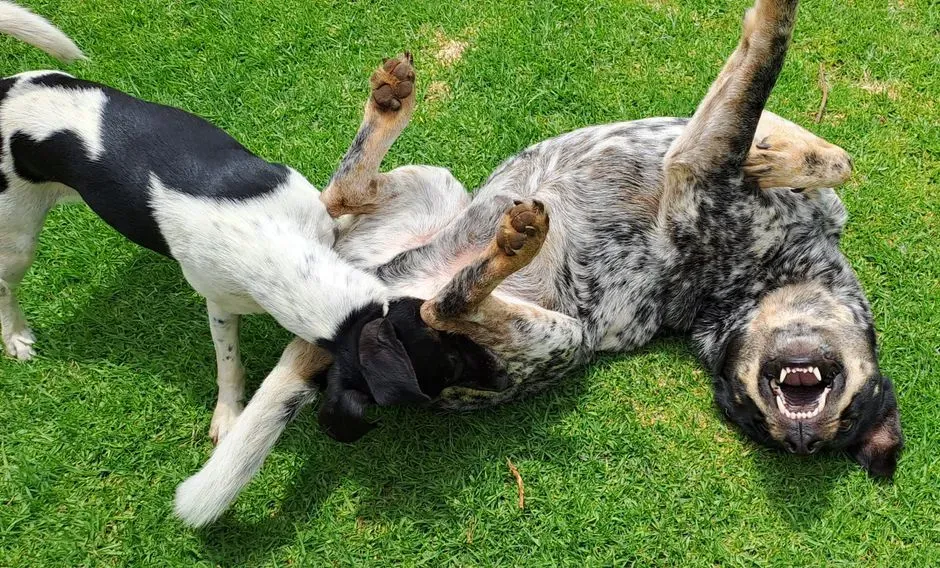
Then there’s the fun version: the dramatic roll‑and‑wiggle during play. You’ll often see this in the middle of a zoomie session, during tug‑of‑war, or when your dog is amped up and feeling silly. Their tail may wag in big loose arcs, their mouth is open and relaxed, and they might bounce back up again like a wind‑up toy that never runs out of energy.
When another dog is involved, that roll can be part of a larger play ritual. Some dogs love to switch between being the “chaser” and the “chased,” and rolling onto their back can be a way to keep the game going. I’ve watched dogs roll over mid‑wrestle as if to say, “Okay, your turn to be the boss for a second,” then leap back up to keep things playful. In this context, your dog is using their body like a clown uses slapstick – big, exaggerated movements to say, “I’m having fun, this is a game.”
Other Times, It’s About Anxiety, Conflict, or Avoidance
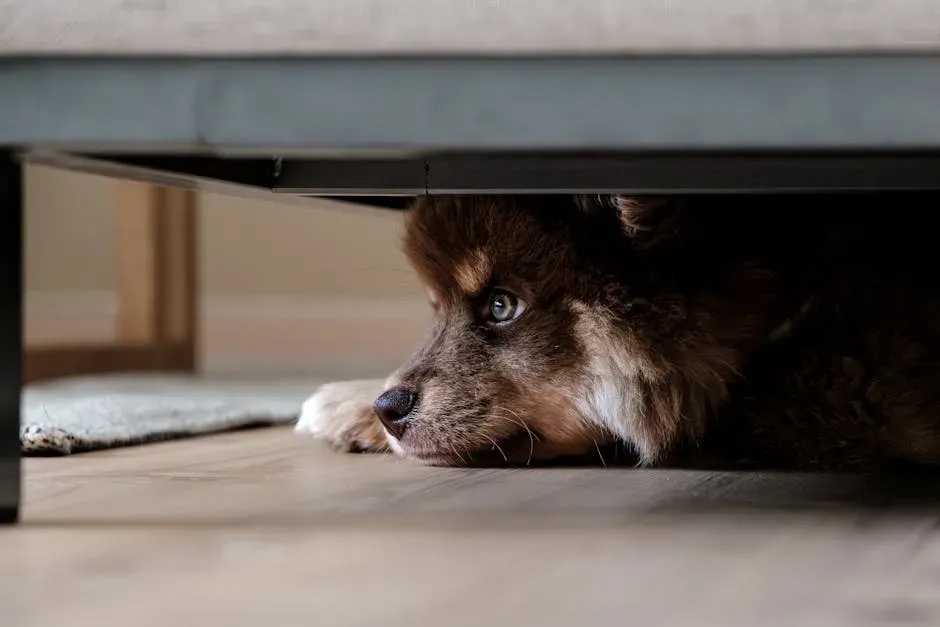
Here’s the part that surprises a lot of people: not every belly‑up moment is cute or comfortable. Some dogs roll over when they feel overwhelmed, cornered, or unsure what else to do. For example, a dog might flip onto their back during greetings if people lean over them, talk loudly, or reach straight for their head. It can look like an invitation, but internally the dog might be trying to avoid conflict or signal discomfort.
In these situations, you’ll often see other stress signals layered in – stiff limbs, tucked tail, whale eye (white of the eye showing), yawning, or rapid panting that doesn’t match the temperature or activity level. If you notice this kind of body language, the kindest move is actually to back off: lower your energy, give them space, and let them come to you when they’re ready. Ignoring this and diving in for a belly rub can accidentally teach a dog that their calming signals don’t work, which can lead to more serious reactions down the line.
They Might Be Scratching an Itch or Marking a Scent
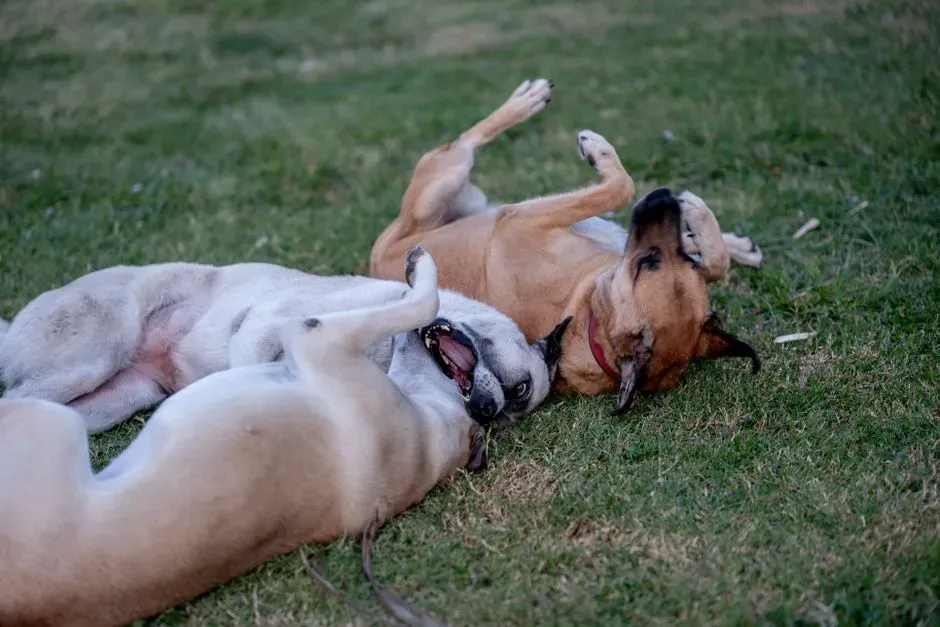
Sometimes the explanation is very down‑to‑earth: your dog just has an itch in a weird spot. Rolling onto their back and kicking their legs can be their way of scratching areas they can’t easily reach with their paws or teeth. If you see them rubbing against the carpet, grass, or even your couch, it could simply be mechanical problem‑solving – no deep emotional meaning, just dog logic.
On top of that, dogs are heavily driven by scent, and rolling can be a way to transfer smells. They might roll in the grass after smelling something fascinating, or even on a blanket that smells like you, effectively “wearing” the scent. It’s a bit like someone spritzing on a favorite perfume before going out, except your dog’s idea of a pleasant fragrance might be, frankly, questionable. You don’t need to overanalyze every roll, but if it becomes obsessive or is paired with redness or irritation on the skin, that’s a moment to talk with your vet.
How to Read the Context Before You Touch

The real key is this: the roll itself doesn’t carry a single, fixed meaning. What matters is the whole picture – what happened right before, what the rest of the body is doing, and what kind of dog you’re dealing with. A confident, social dog flopping onto their back with loose, wiggly movements in the middle of play is sending a very different message than a shy dog slowly rolling over when a stranger looms above them.
A handy habit is to pause for half a second before reaching out. Look at their face: are their eyes soft or wide? Is the tail loose or tightly tucked? Do they lean into your hand when you start to pet, or do they freeze up? I’ve learned to treat every belly‑up moment like a question rather than an automatic green light. If the answer looks like tension, I leave them be. If the answer looks like joy and relaxation, sure, I’ll go in for the gentle rubs.
How to Respond: When to Rub, When to Pause, and When to Worry
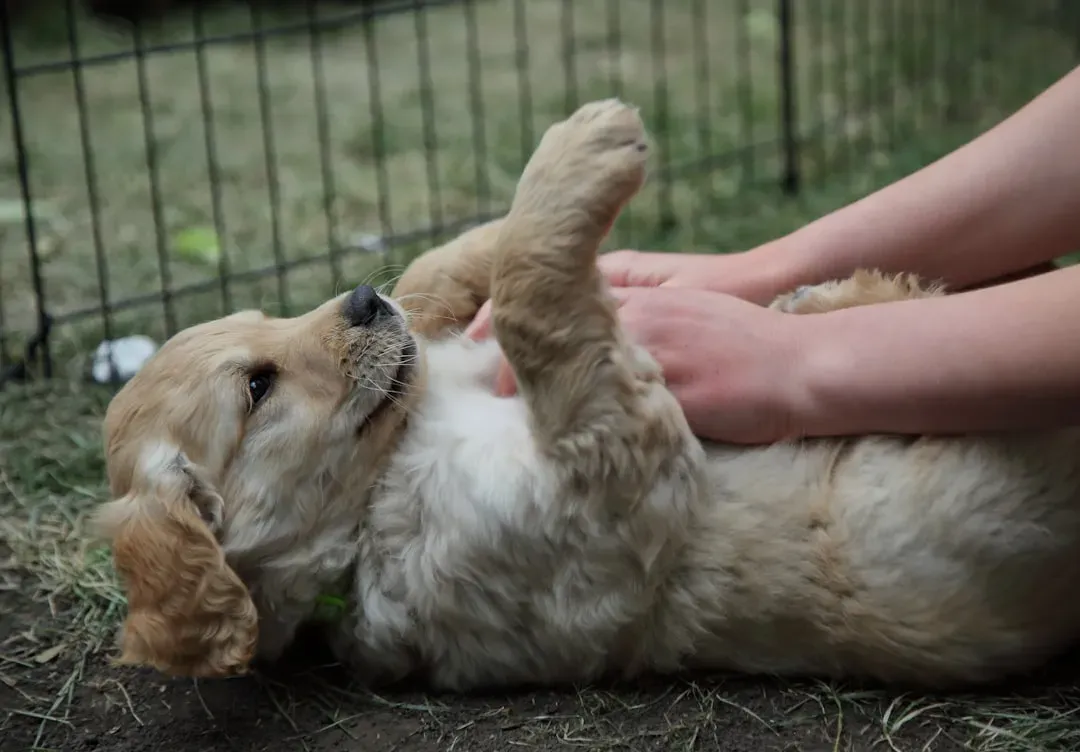
If your dog rolls over near you, start small. Offer your hand slowly, go for the chest or side first instead of diving straight onto the belly, and watch their reaction. If they nuzzle in, sigh contentedly, or stay relaxed, that’s probably a yes. If they stiffen, lick their lips, turn their head away, or suddenly stand up and walk off, that was likely a no, and it’s worth respecting that boundary.
There are a few times when it’s smart to be more alert. If your dog starts rolling obsessively, scratches constantly, or has redness, hair loss, or flaky skin on the belly, that can be a medical issue rather than a communication one, and a vet visit is the safest call. And if a dog rolls over in situations that clearly stress them – loud kids, intense greetings, scolding – take it as feedback on the environment, not an invitation to interact more. In my opinion, the most loving thing we can do is treat dogs like partners in conversation: sometimes they’re saying yes, sometimes they’re saying no, and sometimes they’re just stretching in peace.
Conclusion: Your Dog’s Belly Is a Message, Not Just a Button
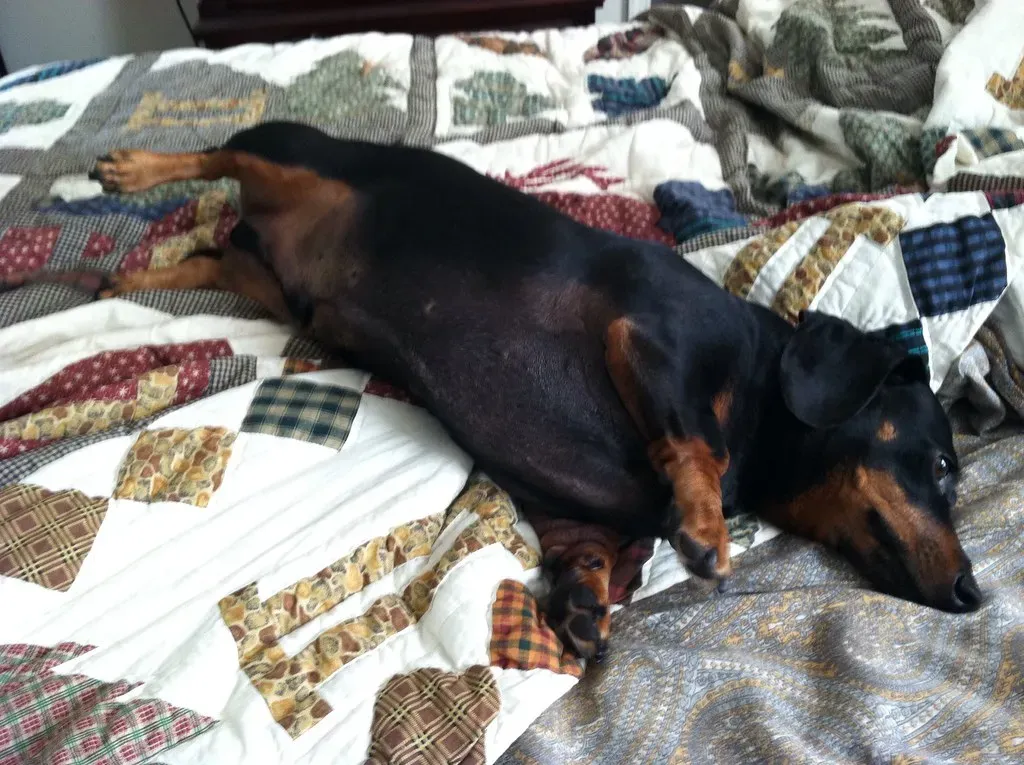
When you strip it all down, that sudden roll onto the back is less like a big push‑here‑to‑activate belly rub button and more like a sentence in a language we’re still learning to read. Sometimes it’s comfort, sometimes it’s fun, sometimes it’s vulnerability, and sometimes it’s a quiet plea to slow down. I honestly think one of the biggest upgrades we can give our dogs is the courtesy of curiosity – asking ourselves what they might be feeling instead of assuming they always want what we want to give.
So the next time your dog flips onto their back, try treating it like a little mystery instead of an automatic invitation. Read the rest of their body, watch what happens when you pause, and let them have a say in whether touch feels good in that moment. You might find that your bond gets stronger, your dog becomes more relaxed and confident, and those true belly‑rub moments feel even sweeter. Knowing all this now, what will you look for the next time you see four paws in the air?


