
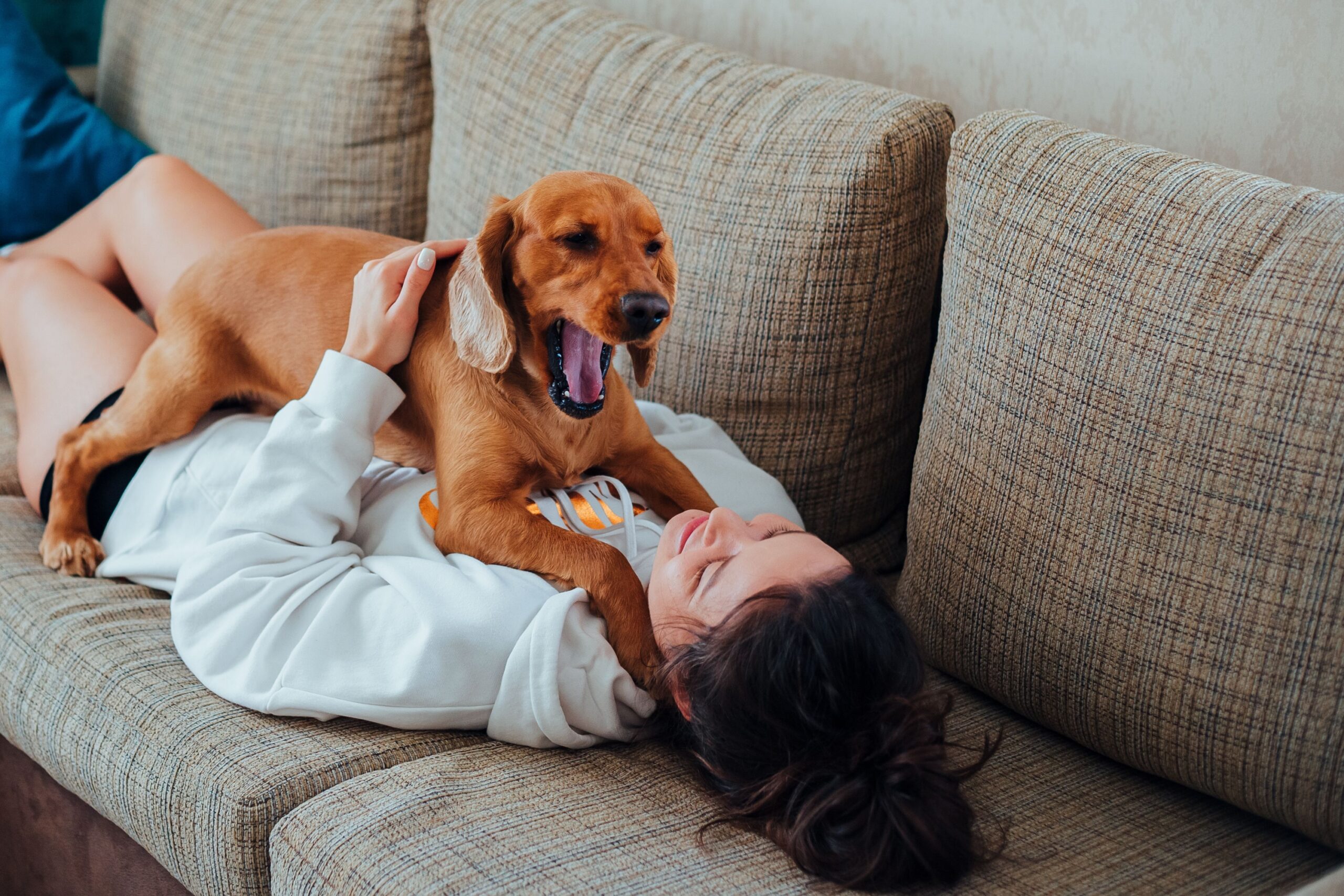
Leaving a dog home alone can feel a bit like walking out on a toddler who just learned how doors work. You grab your keys, head for the exit, and behind you is a pair of eyes silently asking if this is the end of the world. The truth is, some breeds really do take your daily departures much harder than others, while a few are surprisingly relaxed about alone time – as long as their needs are met.
This article walks through ten breeds that generally cope better with solo hours, and five that tend to struggle when left on their own. None of this replaces knowing your individual dog – personality, training, past experiences, and lifestyle all matter – but understanding breed tendencies can help you choose the right companion or adjust expectations for the one you already love. You might even be surprised by which “tough” breeds fall apart without you, and which gentle souls are secretly low‑key loners.
1. Basset Hound – The Laid‑Back Homebody
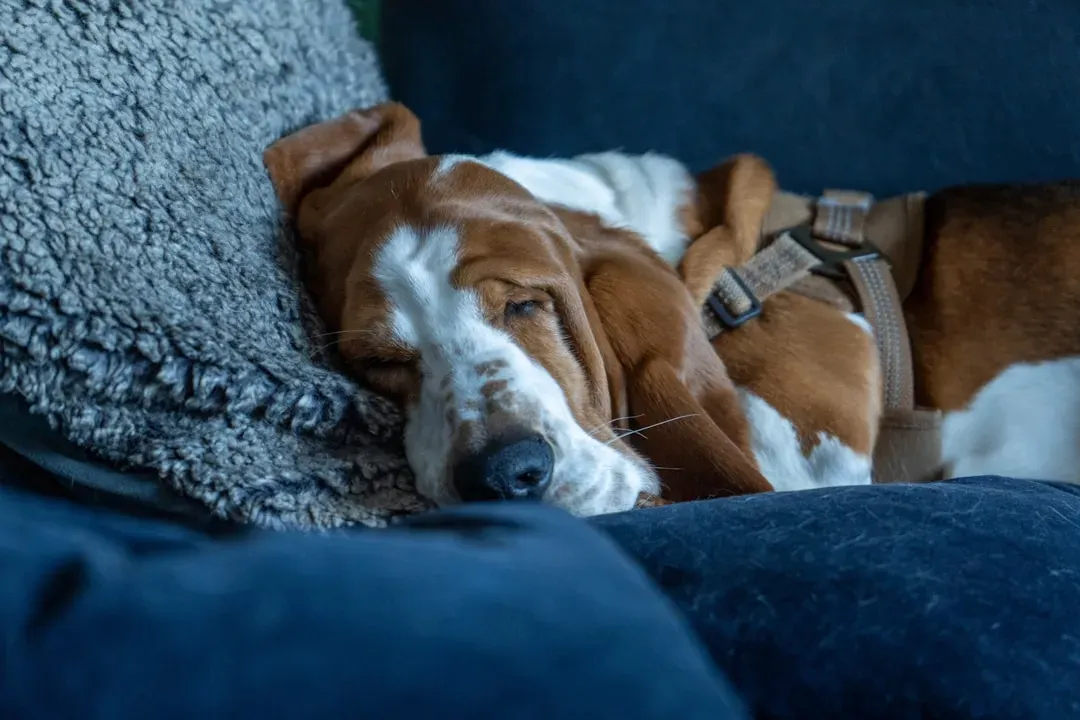
Basset Hounds are almost comedic in how relaxed they can be. With their droopy eyes, heavy bones, and famously unhurried style, they tend to lean more toward the “chill couch buddy” end of the spectrum than the “shadow your every move” type. Many Basset owners report that, once properly exercised and mentally stimulated, their dogs are content to nap away a good chunk of the day while their humans are at work.
That doesn’t mean they are emotionless or indifferent; Bassets are still scent hounds that enjoy companionship and can be stubbornly attached to their people. But compared with more velcro‑like breeds, they usually tolerate alone time without melting down, especially if you keep a predictable routine and give them a comfy spot, chews, and something to sniff or explore before you leave. Think of them as the friend who actually enjoys a quiet day at home with snacks and a good nap schedule.
2. Greyhound – The Surprisingly Low‑Maintenance Sprinter
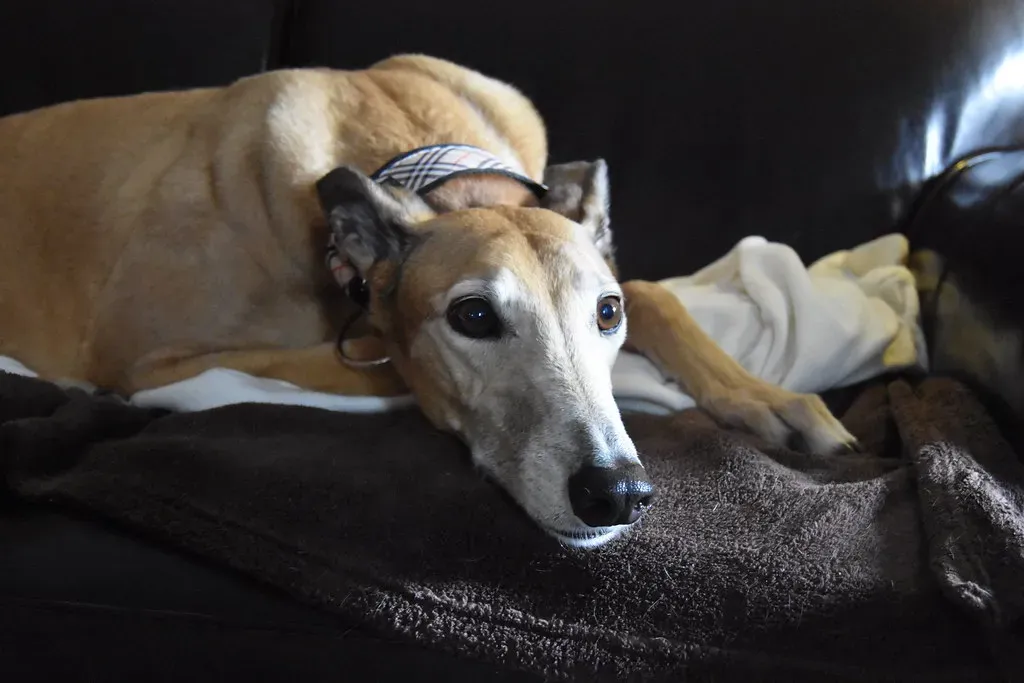
Greyhounds are a great example of how looks can be deceiving. You see a tall, muscular racer and assume they need endless activity and constant interaction. In reality, many retired racing Greyhounds transition extremely well into pet homes and are famously known as “forty‑mile‑an‑hour couch potatoes.” Once they’ve had a proper walk or a brief zoom in a safe space, they often spend the rest of the day snoozing.
Because of this naturally calm, restful temperament, a lot of Greyhounds cope well with predictable alone time. They typically are not high‑strung cling‑ons in the same way some working or herding breeds can be. Of course, a dog straight out of a racing kennel may need time to adjust to home life, and individual dogs can still develop separation anxiety, but as a group they’re one of the more manageable breeds for people who work standard hours and want a loving yet largely undemanding companion.
3. French Bulldog – Independent but People‑Oriented
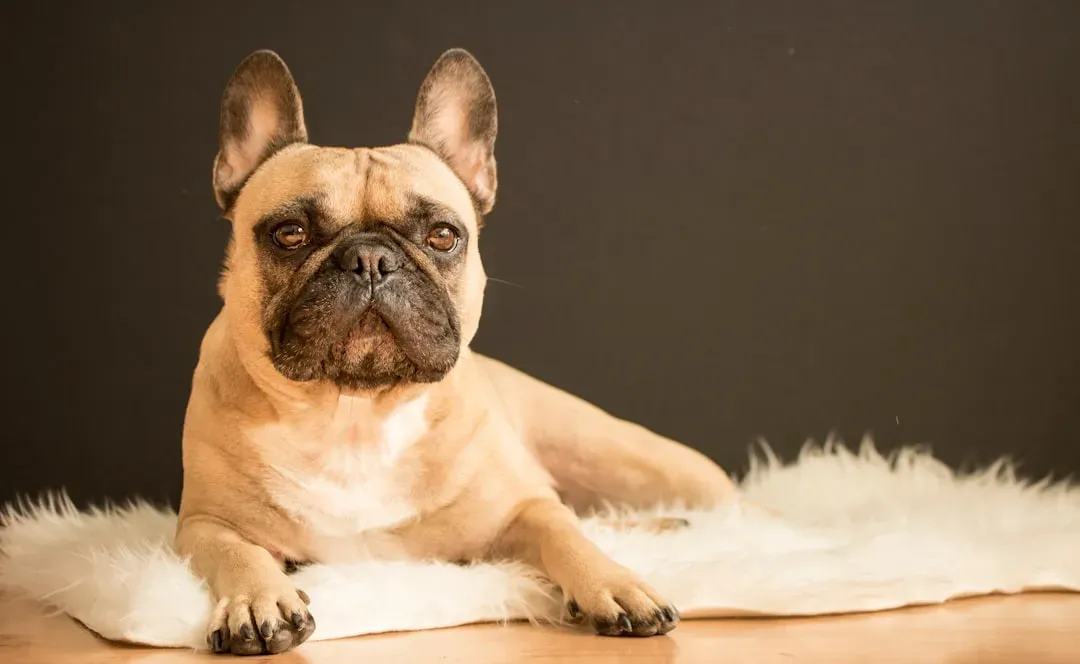
French Bulldogs are everywhere right now, and part of the appeal is how well many of them fit into modern, urban routines. They like being around their people, but compared with some more intense breeds, many “Frenchies” can handle moderate periods alone if their energy needs are met. Their compact size and generally low exercise requirements make them more adaptable to apartment living and regular work schedules.
That said, the French Bulldog is still a companion breed at heart. They are often described as clownish, affectionate, and eager to be involved in family life. So while they might not panic if you are gone for a typical workday – especially if they are used to it – they still rely heavily on quality time, affection, and mental enrichment when you are home. If you picture them as that friend who is okay with you traveling for a few days as long as you make it special when you get back, you’re on the right track.
4. Chow Chow – The Calm, Cat‑Like Companion
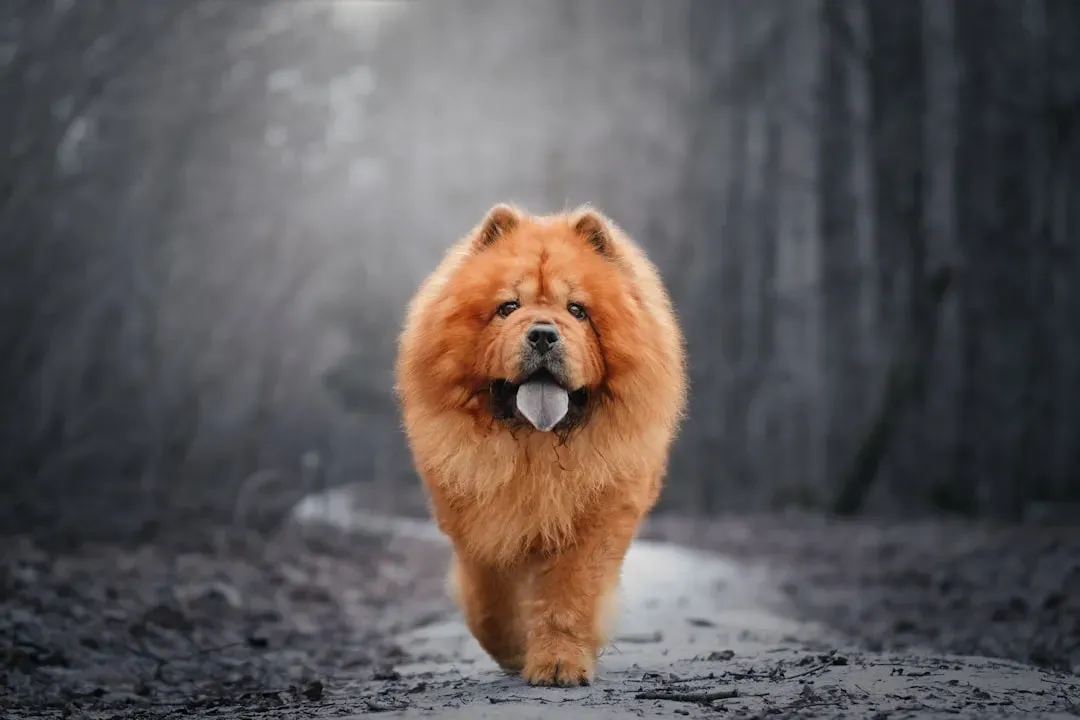
Chow Chows are often said to be more like cats than dogs in how they relate to people. They are deeply loyal and can be quite devoted to their family, but they are not usually needy in a clingy, in‑your‑pocket way. Their reserved, independent nature often means they do not fall apart the moment you close the door. Many are content to keep watch over their home and maintain personal space until you return.
This independence can be a blessing for people who are not home all day, but it also comes with responsibility. Poorly socialized Chows can become aloof or defensive, and they need careful, positive handling from an early age. When they are bred and raised well, though, their self‑possessed temperament and moderate energy levels can make them one of the more self‑sufficient breeds emotionally, as long as they still get structure, training, and regular, calm engagement when you are around.
5. Basenji – The Quiet, Independent Thinker
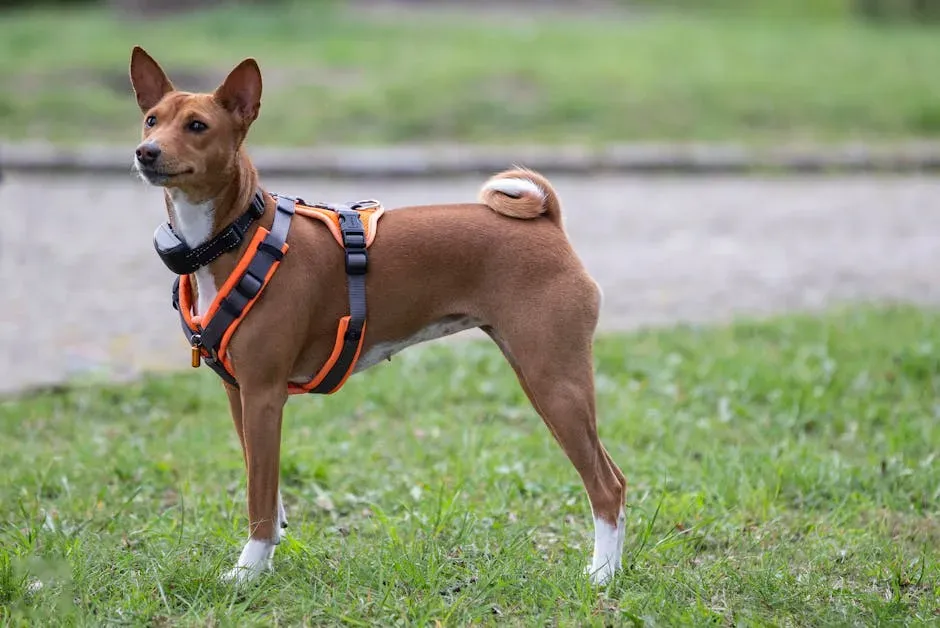
Basenjis are often known for their lack of typical barking, but their personality is what really makes them interesting in this context. They are intelligent, sometimes mischievous, and quite independent. Rather than obsessively following their person, many Basenjis prefer to decide on their own where to be and what to do, which can mean they handle alone time better than more anxiously attached breeds.
However, independence in a clever dog can be a double‑edged sword. Basenjis left alone without enough mental outlets may not howl in despair, but they can find their own ways to stay busy, and not all of those will make you happy. They usually do best when their alone time is structured, the environment is safe and relatively dog‑proofed, and they have interesting things to chew, explore, or puzzle over. Think of them as that highly intelligent friend who can happily work solo all day – if they have enough challenges to keep their brain awake.
6. Shar‑Pei – Stoic and Self‑Contained
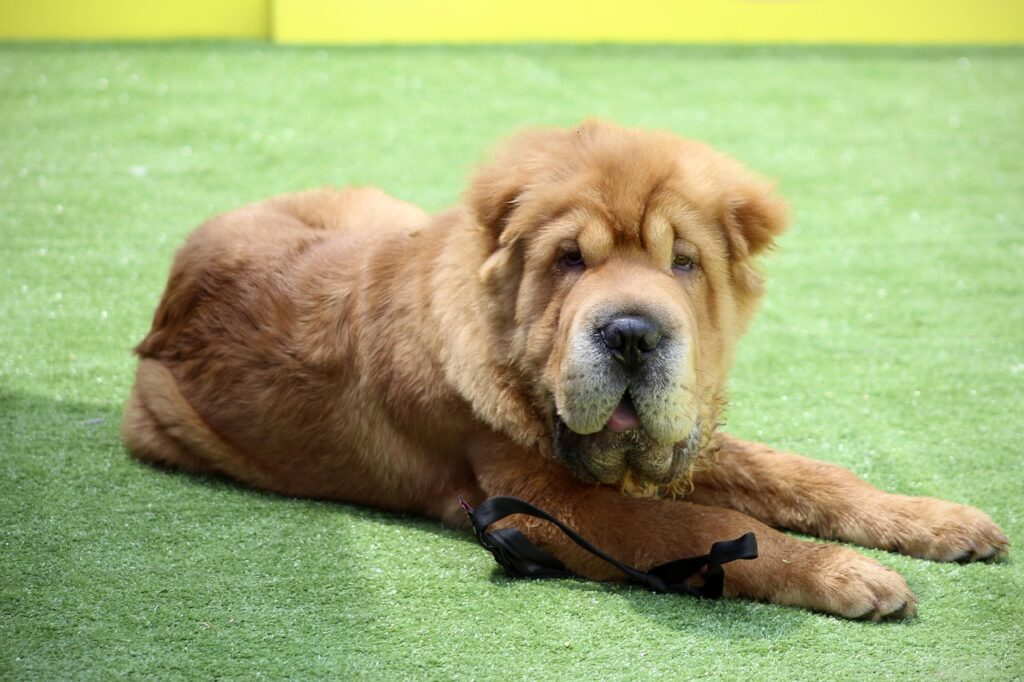
Chinese Shar‑Pei are known for their distinctive wrinkled skin and somewhat serious expression, and their temperament often matches that dignified look. Many are quietly devoted to their family but also quite self‑contained, not constantly demanding attention or reassurance. This emotional steadiness can translate to better tolerance of alone time compared with breeds that are wired to work side‑by‑side with humans all day.
Of course, Shar‑Pei still need training, socialization, and daily interaction to stay mentally and emotionally healthy. What sets them apart is that, once their needs are reliably met, a lot of them can handle a regular workday at home without spiraling into anxiety. They are more likely to calmly accept the boundaries you set, provided they trust you and understand the routine, rather than endlessly pacing or howling at the door like some more dependent breeds might.
7. Whippet – Sensitive but Usually Easygoing Alone
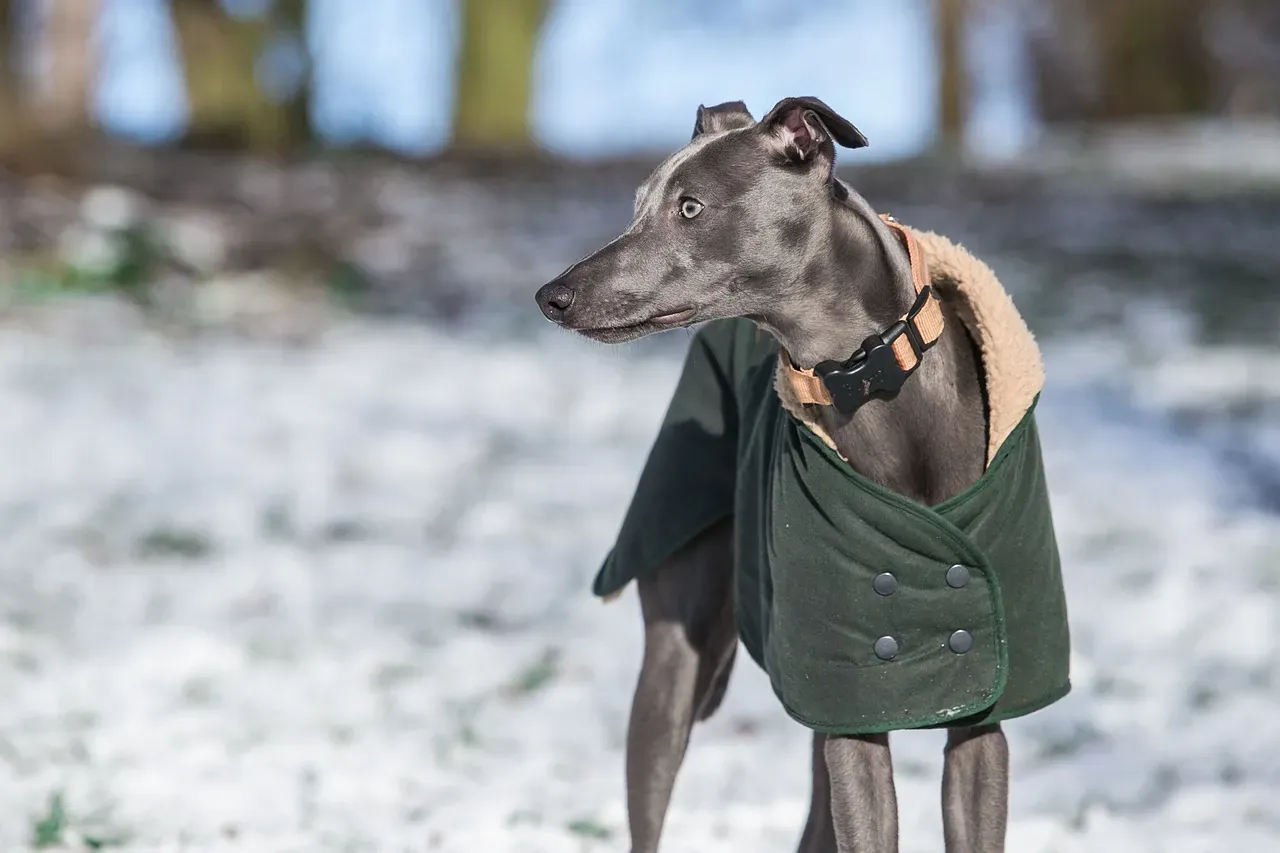
Whippets, like their Greyhound cousins, might surprise people with how relaxed they are indoors. They are fast, athletic sprinters outdoors, but inside, many are quiet, cuddly, and satisfied with relatively short bursts of intense exercise followed by long naps. Because of this balance, a lot of Whippets cope reasonably well with alone time, especially if they are raised with a clear routine that teaches them that your comings and goings are normal.
They can be sensitive dogs, so they are not completely immune to separation challenges. The difference is that many Whippets respond well to gentle structure and reassurance, so they often do not develop the intense, destructive separation issues seen in more anxious breeds, provided their humans are consistent. If you imagine an athletic friend who loves a good run but then happily enjoys a quiet afternoon on the couch, you have the basic Whippet vibe when it comes to alone time.
8. Shiba Inu – The Independent Free‑Spirit
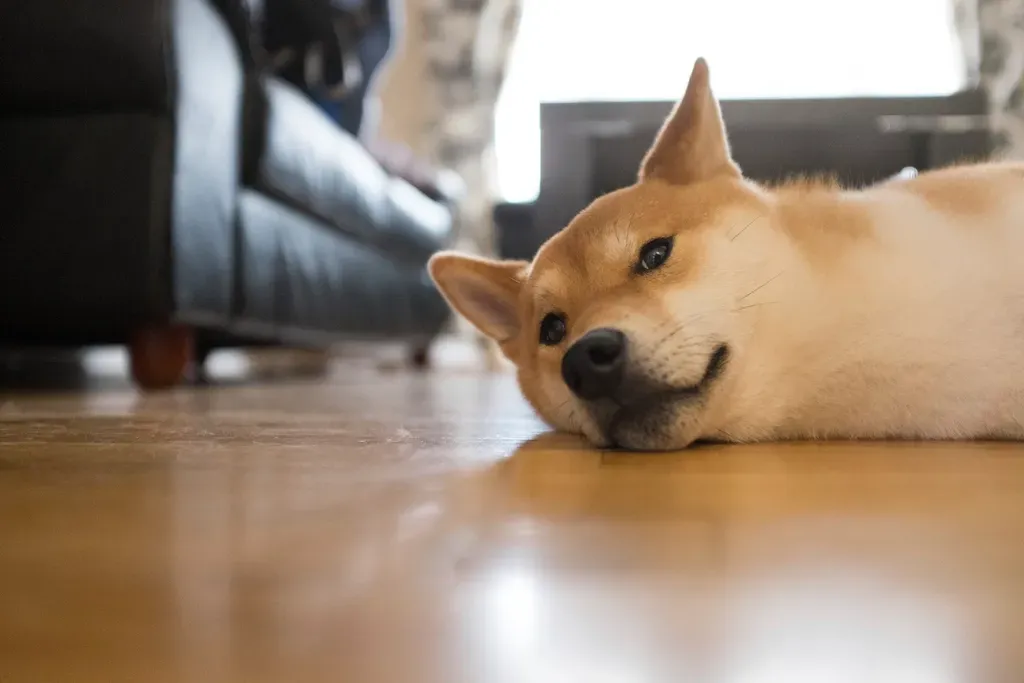
Shiba Inus have a big reputation in a small body: proud, fox‑like, and famously independent. They often bond closely with their person but are not always interested in constant physical closeness or emotional reassurance. That streak of self‑reliance means many Shibas can manage alone time relatively well, as long as the environment is secure and they have outlets for their energy and curiosity.
However, independence does not equal neglect tolerance. A bored Shiba can be escape‑prone or creatively destructive, and they are intelligent enough to learn your patterns quickly. They do best when life is predictable, training is clear, and they are not overstimulated right before you leave. Overall, though, they tend to be less frantic about separation than highly velcro breeds, acting more like that friend who enjoys your company but also values their solo adventures.
9. Lhasa Apso – The Watchful, Self‑Possessed Companion
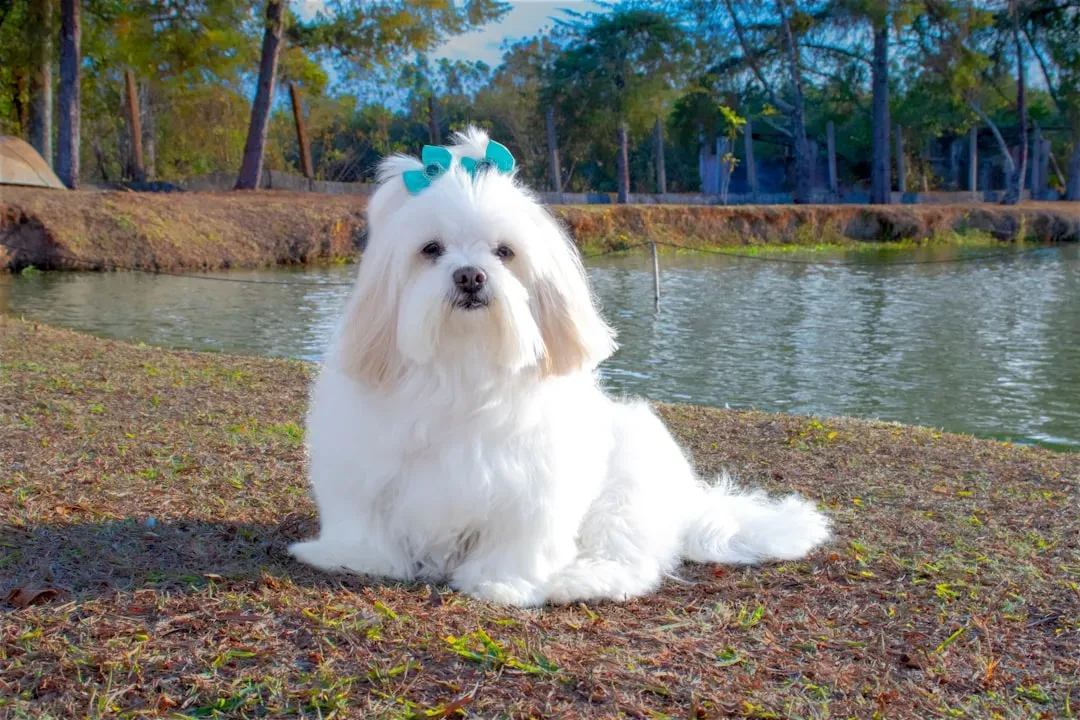
The Lhasa Apso might look like a pampered lapdog, but historically it was bred as a sentinel dog in Tibetan monasteries. That background created a breed that is both loyal to its people and very comfortable spending long stretches simply watching and guarding territory. Many Lhasas are independent, observant, and not overly dramatic when you step out for several hours, once they understand the routine.
They can be wary of strangers and prone to a bit of bossiness if not trained kindly but firmly. The upside is that their self‑confidence and moderate energy levels often help them cope better with time alone than some other small companion breeds. Give them a safe window perch, a good grooming routine, and a predictable schedule, and a Lhasa is often content to manage the household while you are busy elsewhere.
10. Mixed‑Breed Adult Rescues – Often the Most Adaptable
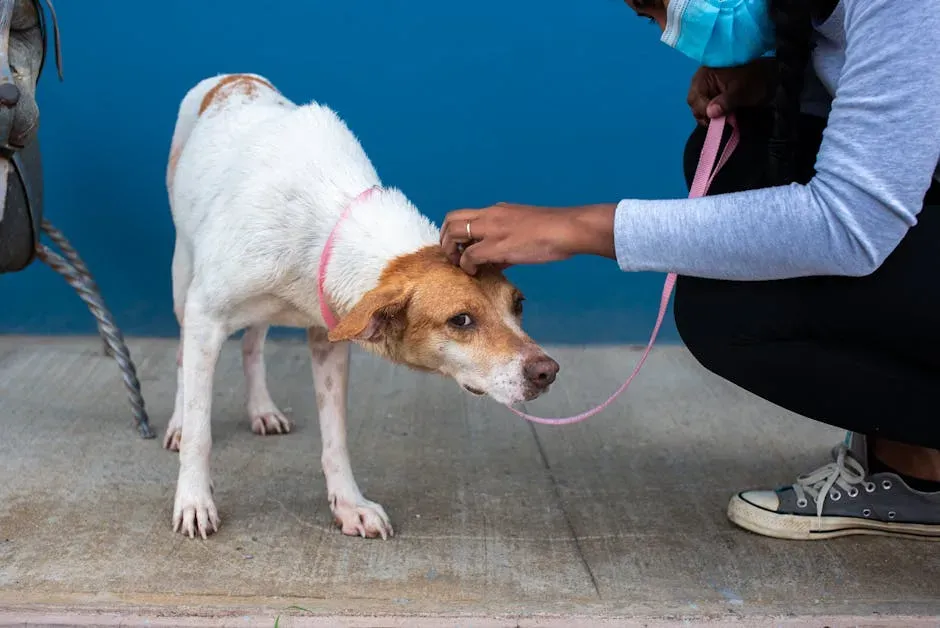
This might sound like a curveball, but many adult mixed‑breed dogs from shelters or rescues turn out to be some of the best at handling reasonable alone time. Once they feel safe and trust that you come back consistently, plenty of them settle into a routine faster than people expect. Adult dogs in general often have lower, more predictable energy than puppies, and mixed backgrounds can sometimes result in more moderate temperaments.
The key with rescues is to work closely with the organization and foster homes to learn how the dog has behaved in previous environments. Many rescues will already have information on whether a dog can be crated, how they do when left alone, and what triggers stress. From my own experience fostering, some of the easiest dogs with alone time have been mystery mixes who simply needed stability, a comfy bed, and someone to prove that goodbyes always lead to reunions.
11. Border Collie – Brilliant but Emotionally Intense
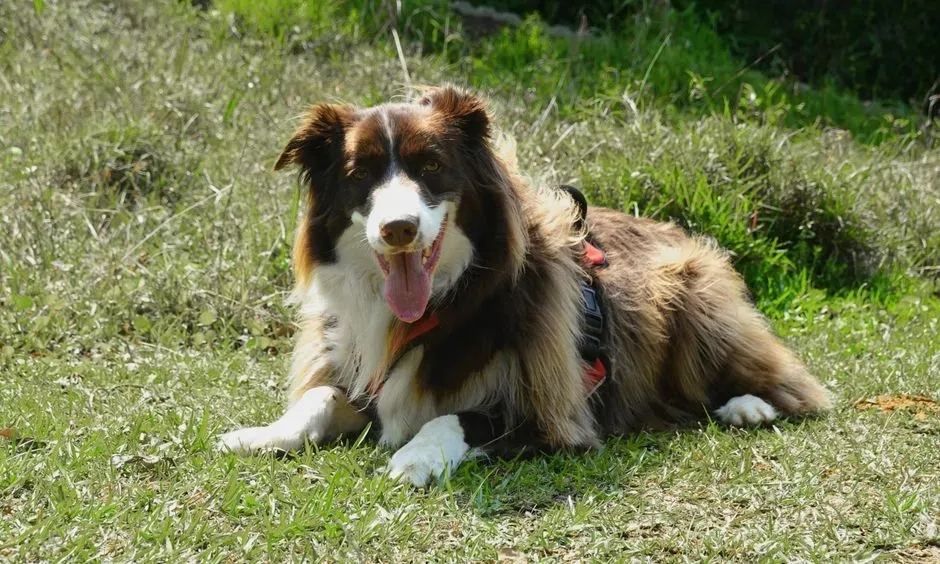
Shifting to breeds that commonly struggle, Border Collies sit right at the top of the list. They are one of the most intelligent and energetic breeds on the planet, originally bred to work closely with humans for long, focused days. A dog whose genetics scream for constant mental and physical challenge is unlikely to thrive in a small apartment where the highlight of the day is watching birds through the window while you are gone for nine hours.
When that intense brain and energy have nowhere to go, stress and frustration can explode into behaviors that look like separation anxiety: destruction, obsessive barking, pacing, or even self‑harm. Some individual Border Collies do adjust if they get truly robust exercise, training, and jobs before and after work, but as a group, this breed is a risky choice if you know you need a dog to be alone quietly for long stretches most days of the week.
12. Labrador Retriever – Affectionate and People‑Focused
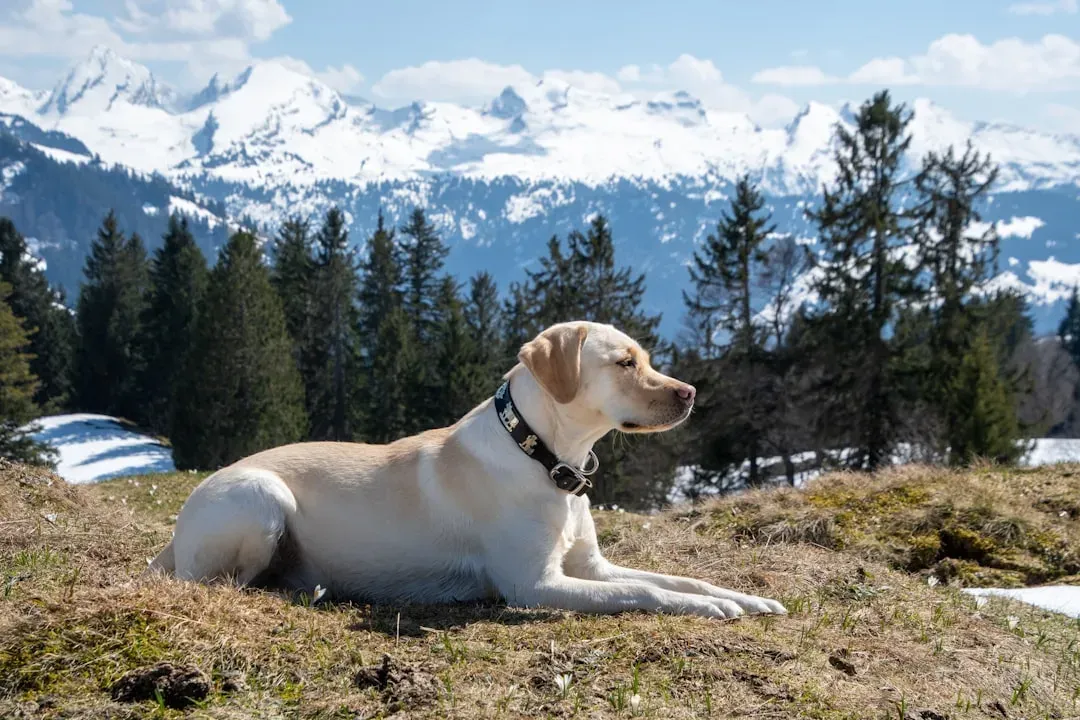
Labrador Retrievers are beloved family dogs for a reason: they are friendly, loving, and usually deeply attached to their people. That same warmth can work against them when it comes to being alone. Labs were bred to work closely alongside humans, retrieving game and following cues, and that partnership instinct is still very strong. Many Labs struggle when left with too little human contact, especially in their younger, high‑energy years.
Without enough exercise and attention, a lonely Lab can become a whirlwind of chewing, digging, and vocalizing. Some mature Labs eventually settle and can manage moderate alone time with proper training, but a lot of them do best in households where someone is home more often than not or where dog sitters, dog daycare, or neighbors help bridge the gap. If you want a dog who lives to be with you, a Lab is wonderful – but that bond comes with responsibilities around not asking them to cope with too much isolation.
13. German Shepherd – Loyal to a Fault
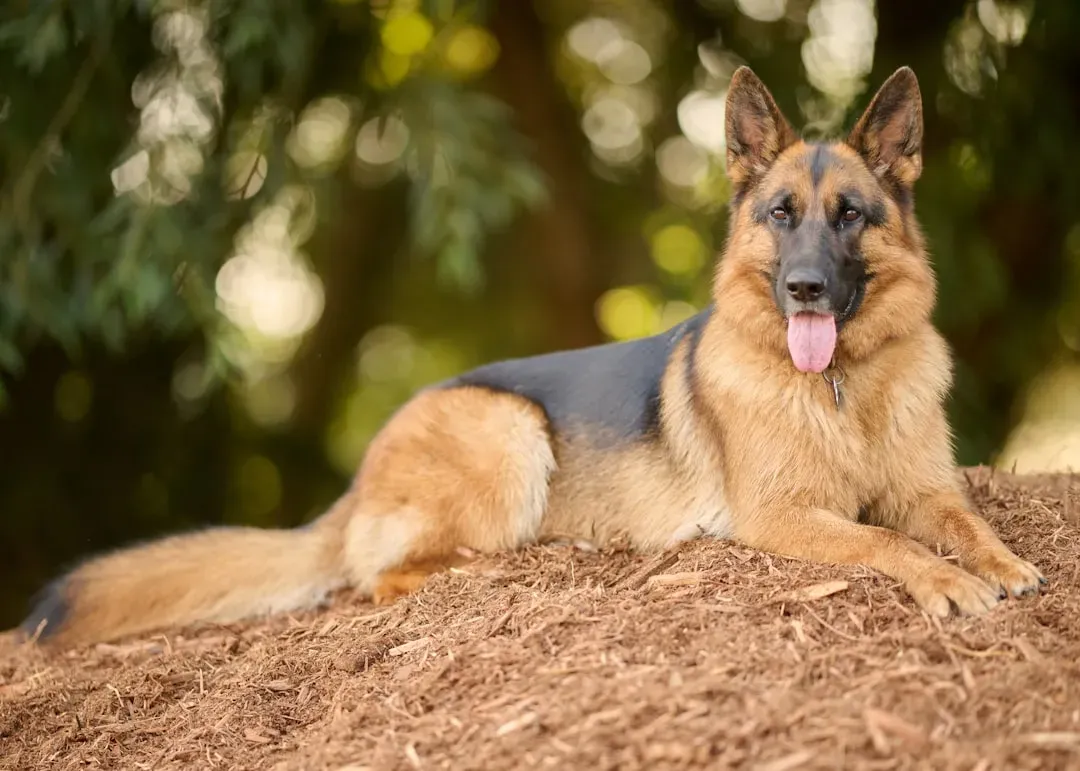
German Shepherds are another breed built around the idea of partnership. Historically used for herding, guarding, and police or military work, they are meant to be by a handler’s side, watching, thinking, and responding. That level of loyalty is powerful and beautiful, but it can also mean that many Shepherds do not do well when regularly left alone for long blocks of time, especially without proper training and outlets.
These dogs often have strong protective and bonding instincts, so your departure can feel, to them, like a serious breach of what they believe is their job. Some German Shepherds can learn to accept a routine where humans come and go, but many are prone to anxiety, hypervigilance, and destructive behavior if they do not get enough purposeful work, exercise, and close human interaction. If you picture them as the coworker who lives for team projects and feels lost when forced into isolation, you will understand why they show up in the “take separation hard” category.
14. Italian Greyhound – Sensitive Little Shadows
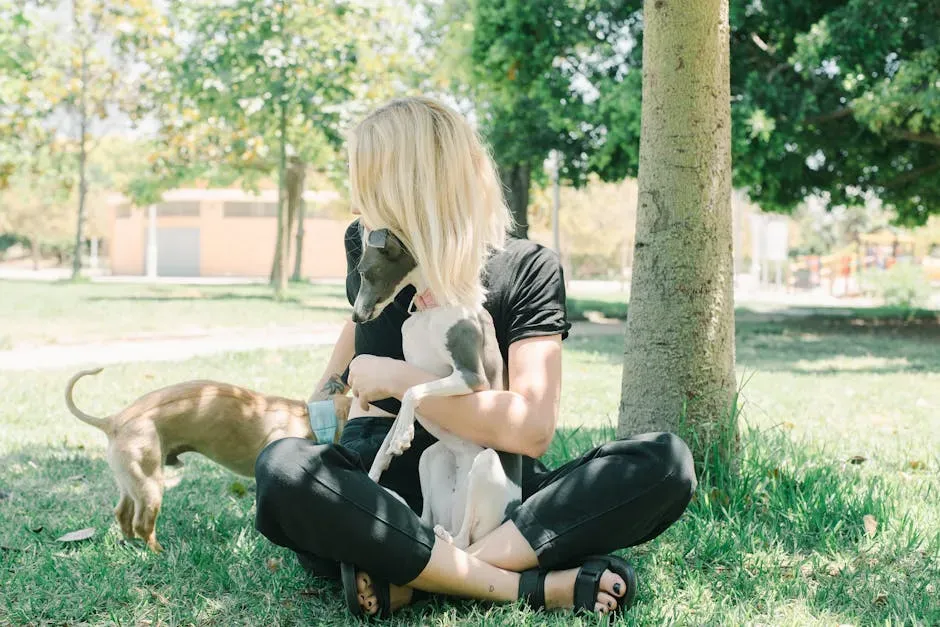
Italian Greyhounds may look delicate and somewhat aloof, but emotionally they can be incredibly clingy. Many of them bond very tightly to one or two people and want near‑constant physical contact, whether they are curled in your lap, under your blanket, or pressed against your side on the couch. That intense attachment makes alone time challenging for a lot of these little sighthounds.
They also tend to be sensitive to changes in routine, noise, and environment, which can amplify distress when left alone. While some Italian Greyhounds can learn to cope with short, predictable absences, they are generally not a great choice for households where the dog would be left completely alone for long stretches every weekday. Their emotional wiring leans strongly toward being a tiny shadow, not a self‑reliant solo artist.
15. Vizsla – The Classic Velcro Dog
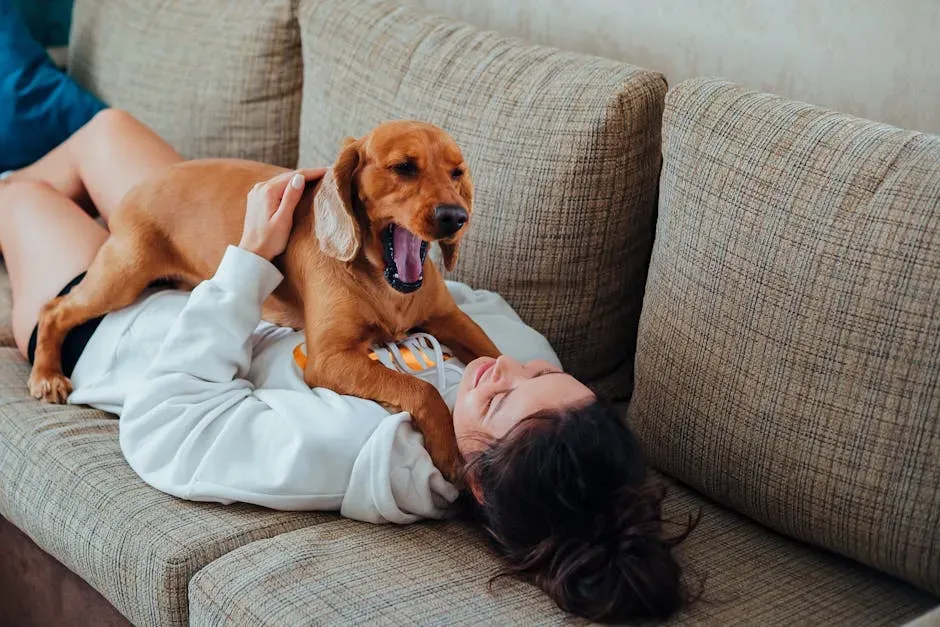
Vizslas are often held up as the definition of a “velcro dog.” They were bred as hunting companions meant to stay close to their humans, and that has resulted in a temperament that craves contact and connection. Many Vizslas follow their people from room to room, sleep under the covers, and seem almost physically uncomfortable if they cannot see or touch their favorite humans. With that level of attachment, it is no surprise that alone time can be a major challenge.
Some Vizslas can learn to manage short separations if their humans are very consistent with training, exercise, and structure, but as a group, they take separation particularly hard. Long, regular hours alone are simply out of sync with their original purpose and emotional makeup. If your life involves a lot of travel, late nights at the office, or unpredictable schedules, a Vizsla might not be a fair choice, no matter how much you love their look or reputation.
Conclusion – Matching the Dog to the Life You Really Live
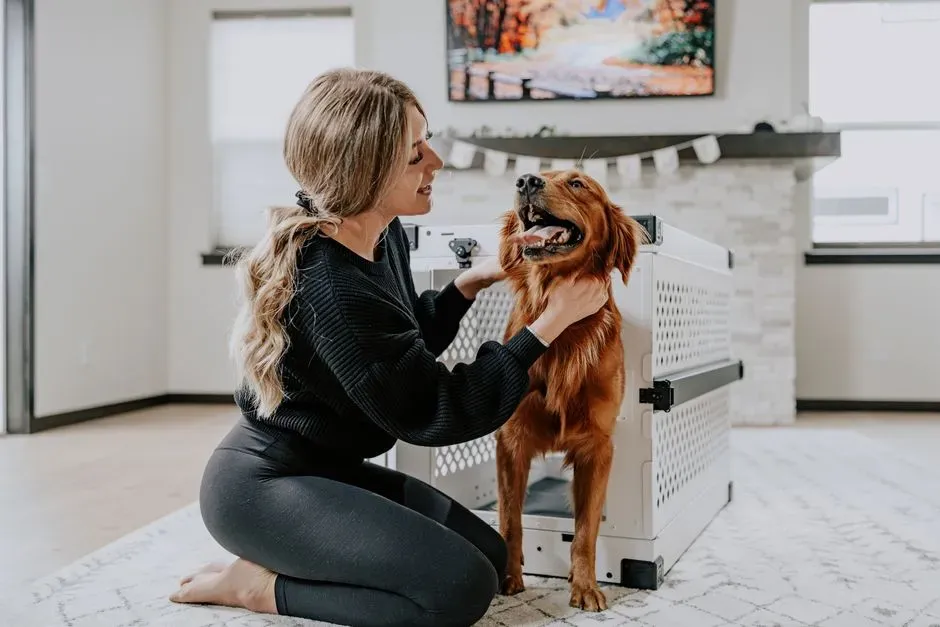
When you strip away the cute videos and romantic ideas about dog ownership, what really matters is whether your dog’s emotional wiring fits the life you can genuinely offer. Some breeds, like Basset Hounds, Greyhounds, and Shibas, are simply more inclined to roll with alone time when their basic needs are met. Others, like Vizslas, Border Collies, and Italian Greyhounds, are wired so tightly to human presence that long, regular separations can feel almost like a betrayal of what they were bred to be.
My own view is that we often underestimate how much our schedules matter and overestimate how much love alone will fix. Love is essential, but it does not magically erase genetics or meet deep needs for work, contact, and stimulation. The kindest thing we can do is to be brutally honest about how much we are actually home, how consistent we can be, and what we are willing to put in every day – not just on weekends. If you had to choose again tomorrow, which dog on this list would truly fit the life you live, not just the life you wish you had?


