
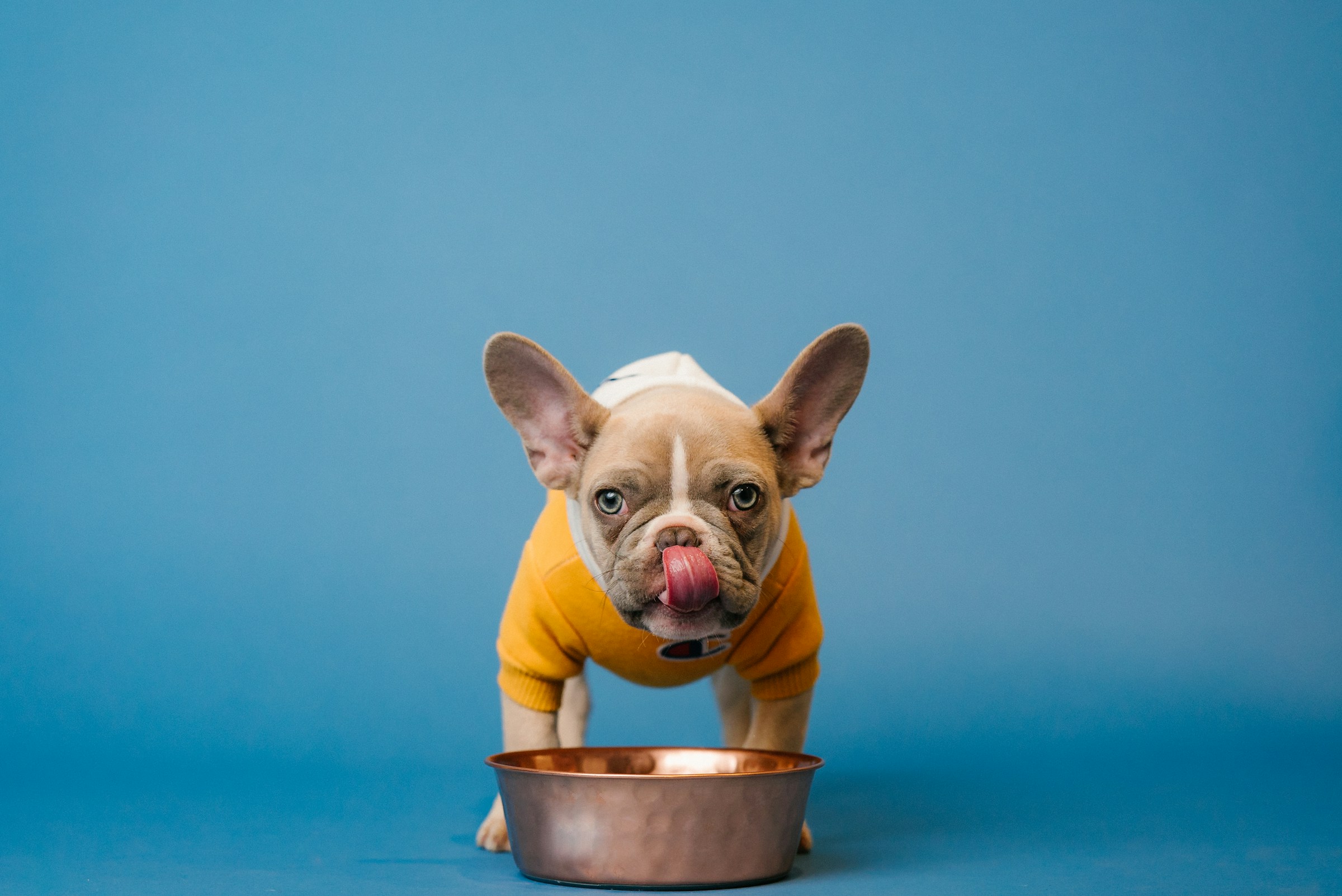
Dogs do a lot of weird little things that we tend to shrug off, and lip licking is one of those behaviors most people barely notice. But when your dog is licking their lips and there is no food in sight, something important is often going on under the surface. Once you start paying attention, you realize this tiny gesture can be a loud shout about how your dog is feeling in that exact moment. I remember the first time I really noticed it with a friend’s dog: there was no food, no water, nothing that could have made sense, but his tongue kept flicking out like a nervous tic. A minute later, a loud truck went past and he flinched hard. That was my lightbulb moment. Since then, I have never looked at a quiet little lip lick the same way again, and by the end of this article, you probably won’t either.
The Secret Language Of Lip Licks: A Canine “Whisper” We Miss
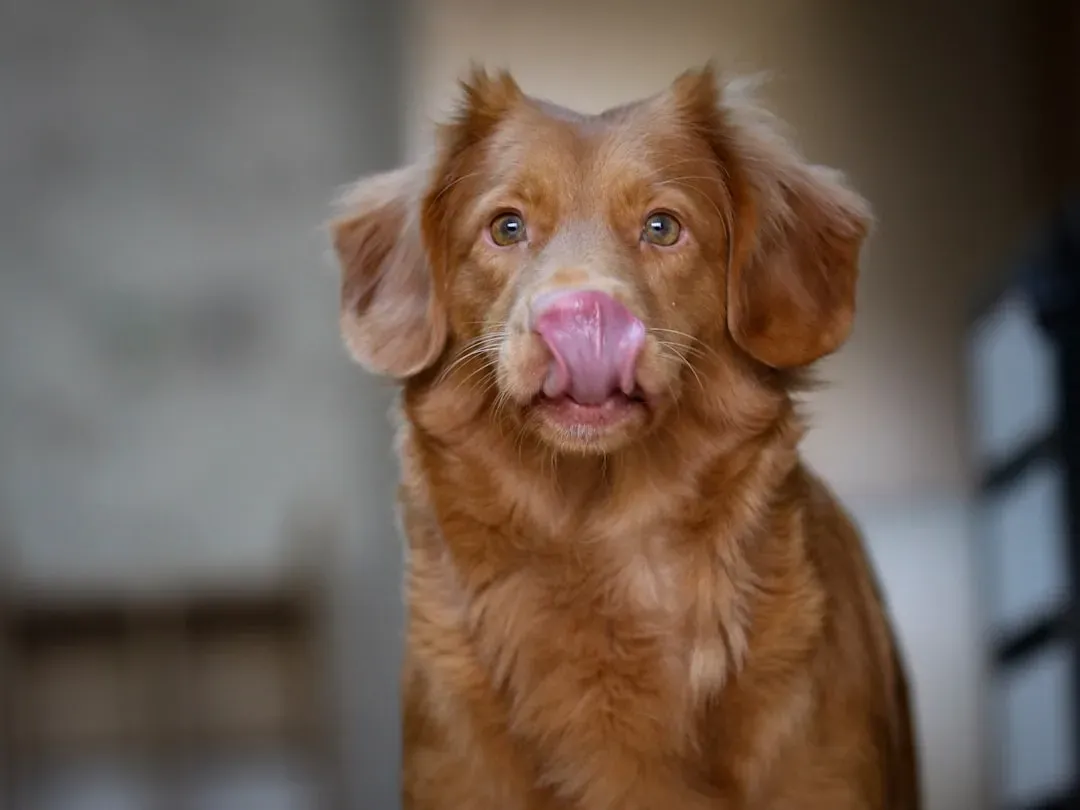
You know how humans raise an eyebrow, shift their weight, or fidget with their hands when they feel awkward or uneasy? Lip licking in dogs is often the same kind of subtle emotional signal. When there is no food, no treat, and no empty bowl nearby, that tongue flick is usually less about appetite and more about communication. Your dog may be saying they feel unsure, a bit stressed, or that the situation is just a little too intense. Think of it like your dog sending you a quick, polite text message that says, “I’m not totally comfortable right now.” The problem is, most of us never learned how to read that text. We confuse it with hunger or ignore it altogether. Once you understand that this simple behavior can be a form of emotional body language, you start to notice patterns. You see that the lip licking tends to show up with certain people, certain noises, or certain places, and suddenly the behavior that felt random starts to make sense.
Stress Signals: What In The Environment Might Be Freaking Them Out?
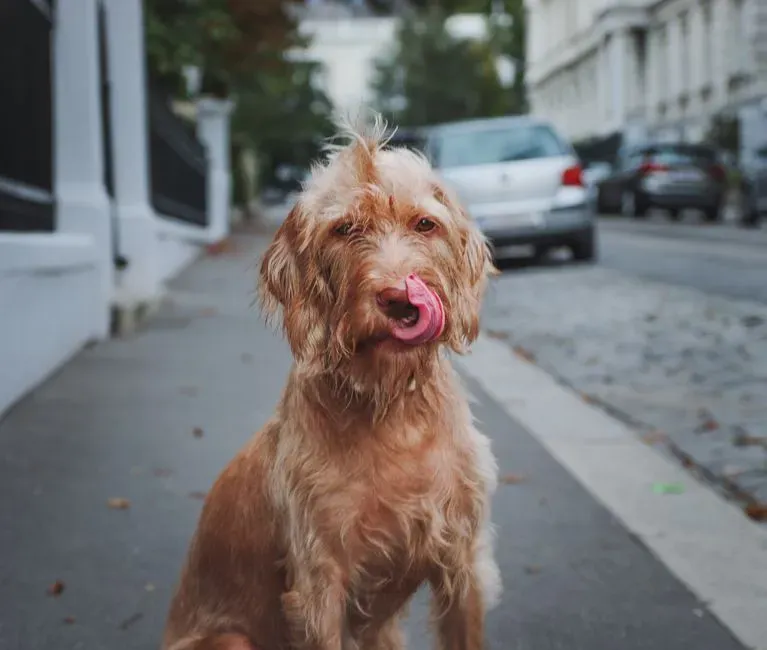
If your dog licks their lips when there is no food around, try treating it like a tiny alarm bell asking you to scan the room. Is there a loud TV, a shouting argument, a blender, thunder, fireworks, or even just a new guest who is talking in a big, booming voice? Dogs are much more sensitive to sound and movement than we are, so what feels minor to you can feel overwhelming or unpredictable to them. That little tongue flick can be a way of saying, “This is a bit much.” Sometimes the trigger is even more subtle: a child running too fast toward them, a skateboard rolling past, a vacuum leaning in the corner that they do not trust, or the rustle of plastic bags. I have seen dogs lick their lips when someone simply stands over them or reaches quickly for their collar. None of these things are food-related, but they all change the dog’s emotional temperature. Lip licking can be their attempt to cope, self-soothe, or ask for a little more space in an environment that suddenly feels unsafe or overwhelming.
Social Awkwardness: How Dogs Try To Calm Tension With Body Language
Dogs are surprisingly polite in their own way. Among themselves, they use a lot of little gestures to keep the peace and prevent conflicts from escalating. Lip licking is one of those calming signals that a dog might offer when another dog or person feels too intense, too close, or too pushy. It is almost like saying, “Hey, I am not a threat, can we chill out a bit?” That soft, quick lick can be a social lubricant in a moment that is starting to feel uncomfortable. Watch what happens when a stranger leans over your dog, stares straight into their eyes, or goes in for a big hug. Many dogs are not actually comfortable with that direct, close contact from unfamiliar people, and you will often see a lip lick right as the human gets closer. It is easy to miss if you are not looking for it, but once you notice it, you cannot unsee it. In a group of dogs, you might observe lip licking when another dog is being too rough during play or crowding their space. It is a dog’s way of smoothing things over without starting a fight.
Anxiety And Anticipation: When Your Dog Is Bracing For What Comes Next
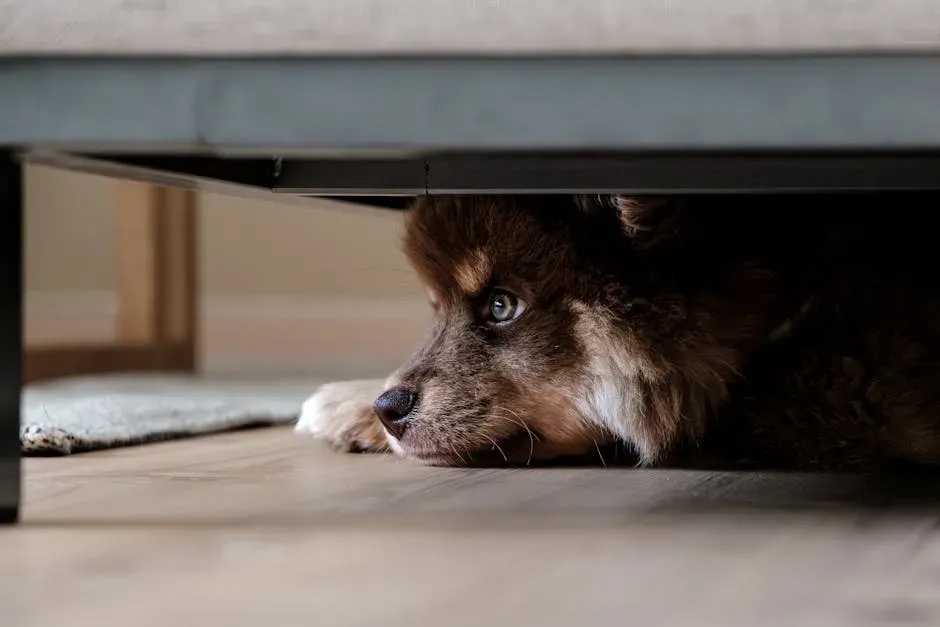
Sometimes lip licking shows up when a dog knows something is about to happen, even before it starts. Think about those moments right before a car ride, a vet visit, nail trimming, or even bath time. If your dog has learned to associate a certain sound, object, or routine with an experience they find uncomfortable, you may see lip licking kick in as they anticipate what is coming. It is like when your stomach flips before a difficult conversation or a medical appointment you are dreading. Dogs are masters at reading our routines: you pick up the car keys, grab the leash in a certain way, reach for the nail clippers, and they start running the mental script. Lip licking in those pre-event moments can be a sign of mild anxiety or unease, even before any obvious stressor is in full swing. This is your chance to intervene early, slow things down, and maybe make that upcoming experience less scary with treats, breaks, or a gentler approach. Paying attention to lip licking at this stage can prevent the situation from snowballing into full-on panic or resistance.
Discomfort And Pain: When Lip Licking Is About The Body, Not The Room
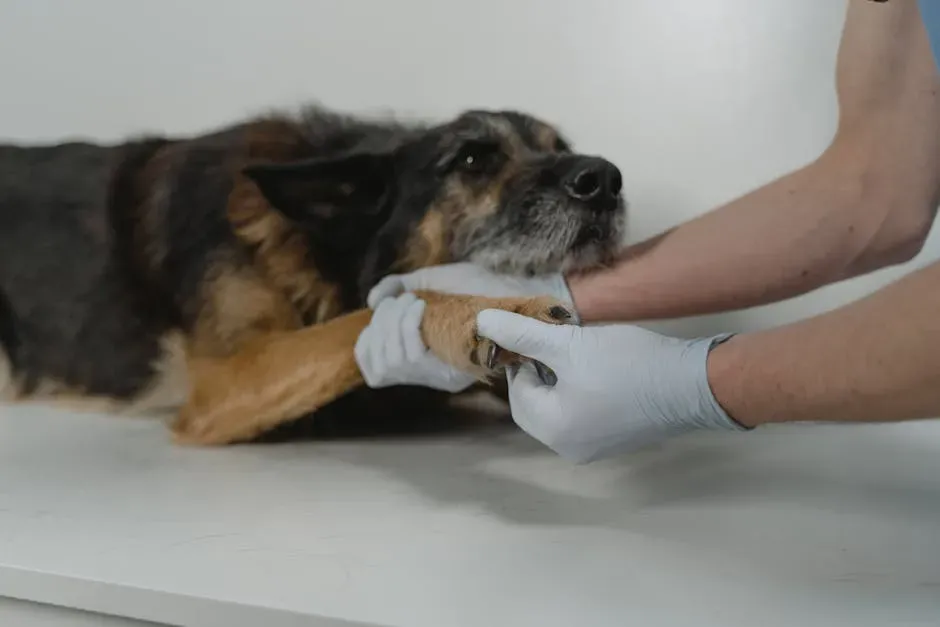
While environment and emotions explain a lot of non-food lip licking, you cannot ignore the physical side of things. Dogs may lick their lips more when they are nauseous, feeling stomach discomfort, or dealing with dental issues like sore gums or a cracked tooth. Just like humans swallow more or feel “mouthy” when we are queasy, dogs can show something similar through frequent tongue flicking and mouth movement, even if they have not seen food for hours. You might also notice lip licking paired with other subtle signs: turning away, pacing, yawning, refusing food they usually love, or acting restless at night. In some cases, it can be linked to chronic pain or an underlying medical condition that is making them feel off. If the lip licking seems to appear out of nowhere, happens frequently, or you simply have that gut feeling something is not right, it is worth a conversation with your vet. In my view, it is better to be the “overcautious” guardian than to realize later that your dog was quietly telling you they hurt and you missed it.
Conflict And Mixed Feelings: When Your Dog Wants Something But Feels Wary
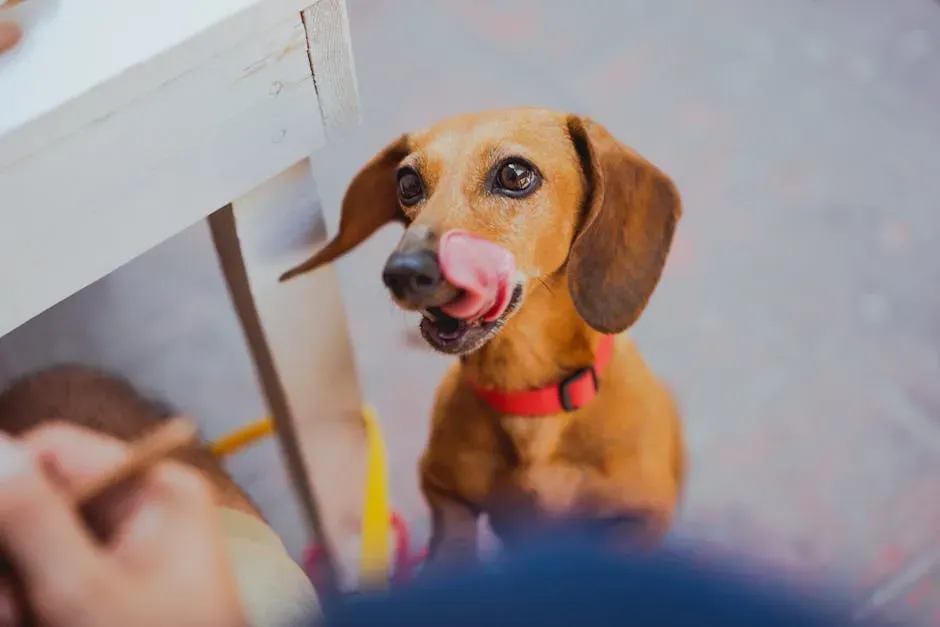
One of the trickiest things to read in dogs is when they feel conflicted: part of them wants to approach, explore, or interact, but another part is nervous or unsure. Lip licking often shows up right in that uncomfortable middle zone. Picture a dog who really wants a treat from a stranger, but is not totally confident about the person. You might see them step forward, then lick their lips, then step back a little, then try again. That lip lick is the tension spilling out in real time. You will often see this with new environments too: a dog at the park who wants to join a group of playing dogs but feels overwhelmed; a rescue dog walking into a bustling home for the first time; a shy dog hovering near the couch, wanting affection but flinching at sudden movements. In these situations, lip licking is a clue that says, “I am interested, but I need it to be slower and safer.” This is where we, as humans, usually mess up by pushing too fast. Personally, I think we owe it to them to honor that pause and give them the choice to move at their own speed.
Context Is Everything: How To Decode Lip Licking In Real Life
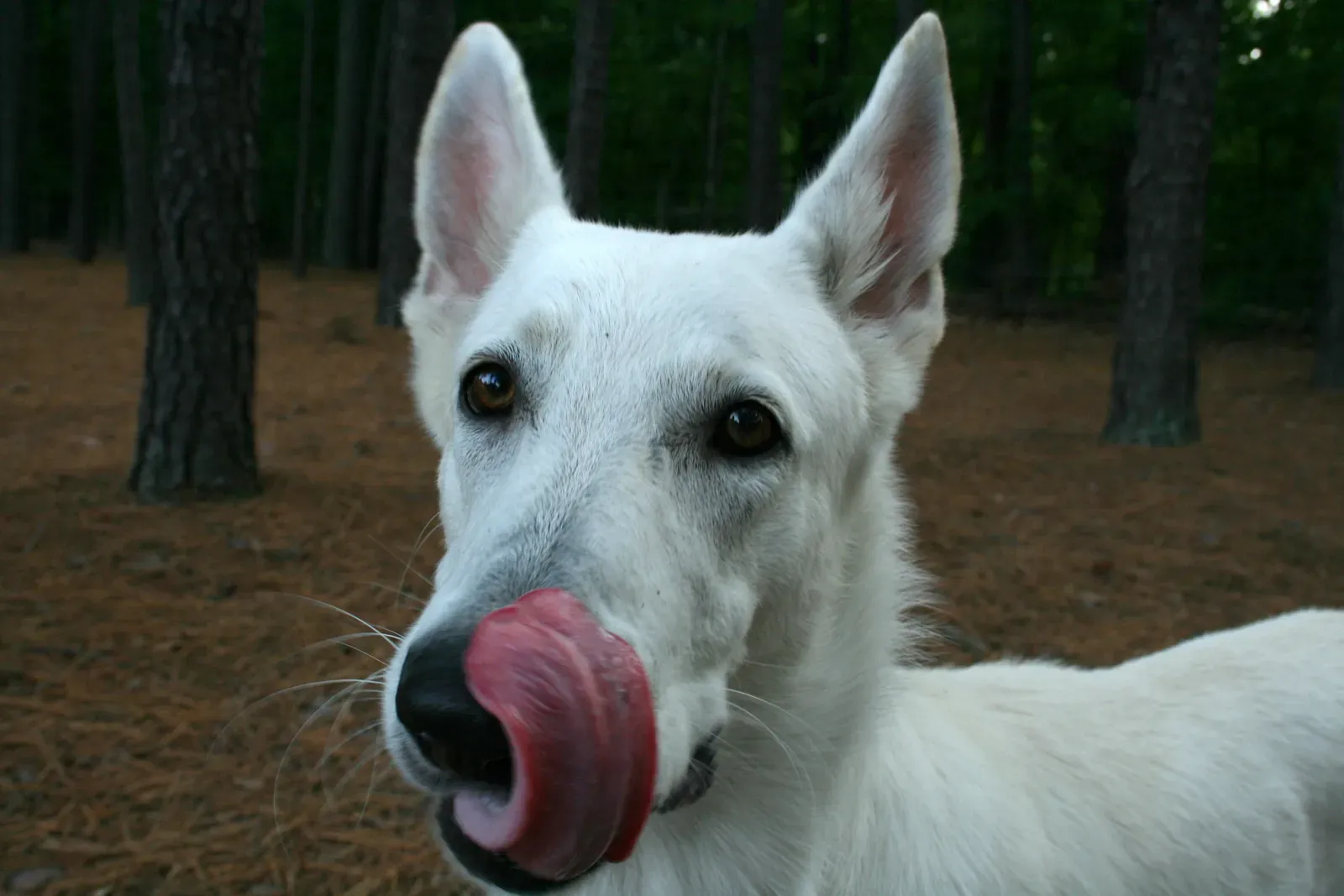
If there is one thing that matters most when interpreting lip licking, it is context. You cannot look at the tongue flick alone and know exactly what it means. You have to zoom out: what is happening in the room, who is nearby, what just changed in the environment, and what has your dog experienced recently? Combine the lip licking with other signals like tail position, ear posture, eye shape, and body tension, and suddenly the picture gets much clearer. The best habit you can build is this: every time you see your dog lick their lips with no food around, pause and ask yourself, “What just happened?” Maybe someone reached over them, a door slammed, a child started running, or another dog got in their space. Over time, patterns will jump out at you. You will start to notice that your dog always licks their lips when a particular guest visits, when trucks pass the house, or when you pick up a certain object. It stops feeling random and starts feeling like a conversation you can finally understand.
What You Should Do: Respect The Signal Instead Of Dismissing It
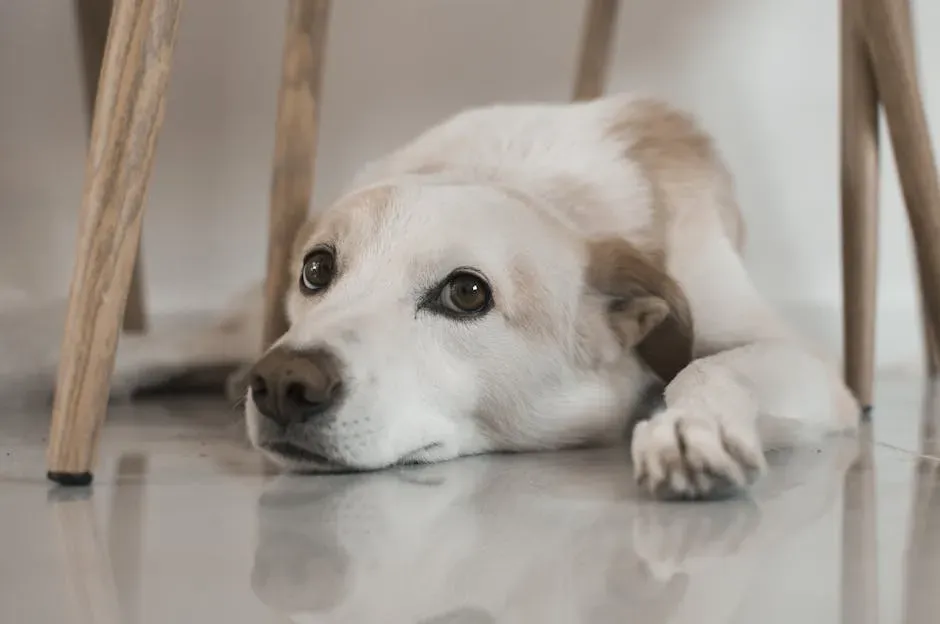
Once you recognize lip licking as a meaningful behavior, the next step is deciding how to respond. In my opinion, the worst thing we can do is laugh it off or push the dog harder into whatever is stressing them, as if their feelings do not matter. A kinder, smarter approach is to give them space, lower the intensity of whatever is happening, or move them to a quieter area if possible. Sometimes something as simple as asking a guest to crouch sideways instead of looming over the dog can make a big difference. If the lip licking is happening a lot, especially in certain situations, it may be worth working with a qualified trainer or behavior professional to help your dog feel safer. On the medical side, a vet check is essential if you suspect discomfort, nausea, or pain. The way I see it, lip licking without food is not a problem to “fix,” but a message to listen to. It is your dog’s way of trusting you with their emotional and physical truth. The real question is whether you will believe them.
Opinionated Conclusion: Your Dog Is Talking, The Question Is Whether You Care
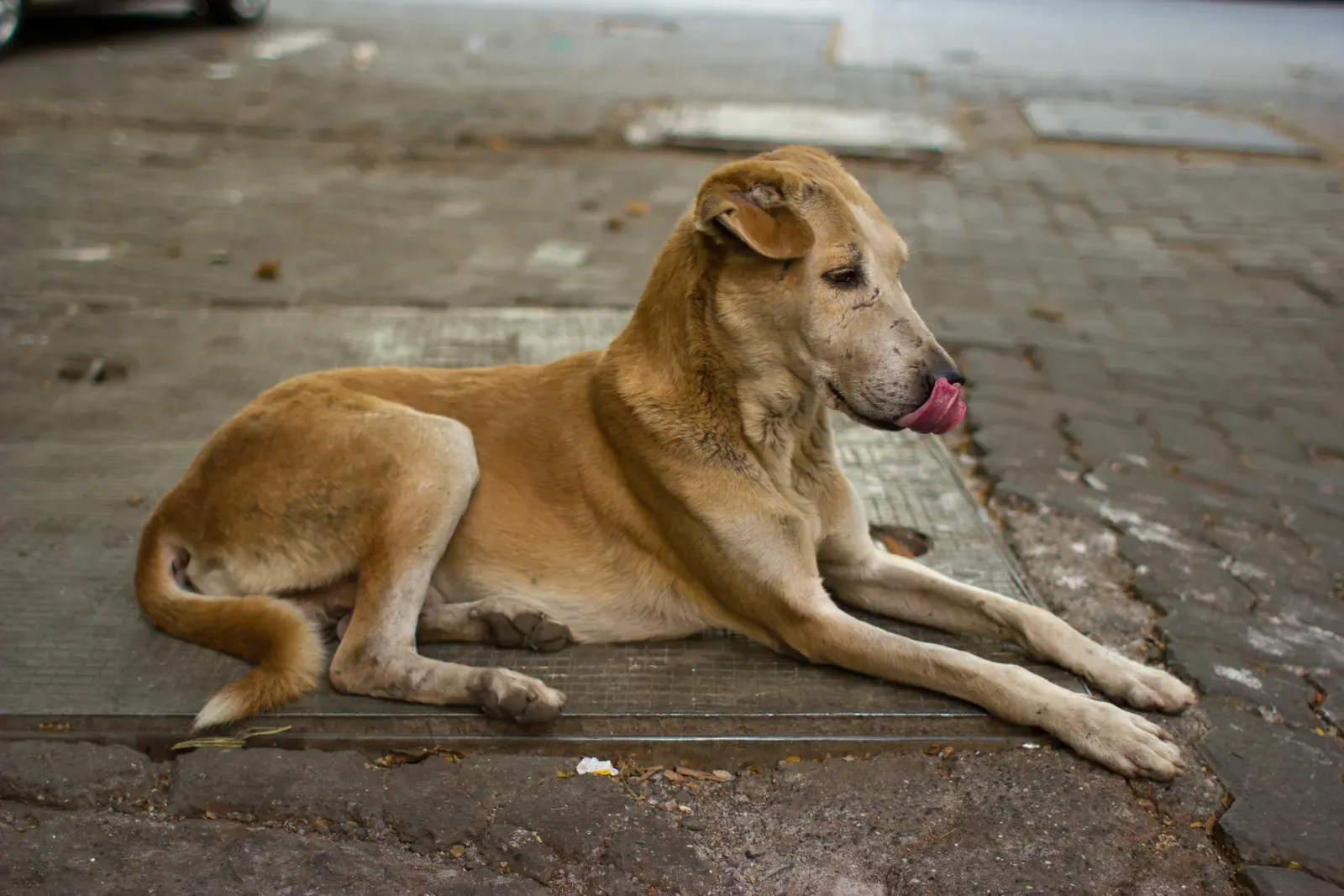
I am convinced that one of the biggest differences between a stressed dog and a confident one is not just training or genetics, but whether the humans around them truly listen. Lip licking without food around is one of those quiet signals that separates the people who see dogs as living, feeling individuals from those who treat them like cute furniture. If you choose to ignore it, you are telling your dog that their subtle attempts to cope, to negotiate space, or to express discomfort do not matter in your world. But when you start noticing that little tongue flick and actually adjust what you are doing, you become the kind of guardian most dogs only dream of. You become more patient at the vet, more thoughtful when guests visit, more gentle in how you introduce new experiences. Lip licking stops being a random quirk and becomes part of a shared language. So the next time your dog licks their lips and there is no food in sight, will you brush it off as nothing, or will you pause, look around, and listen to what they are trying to say?


