
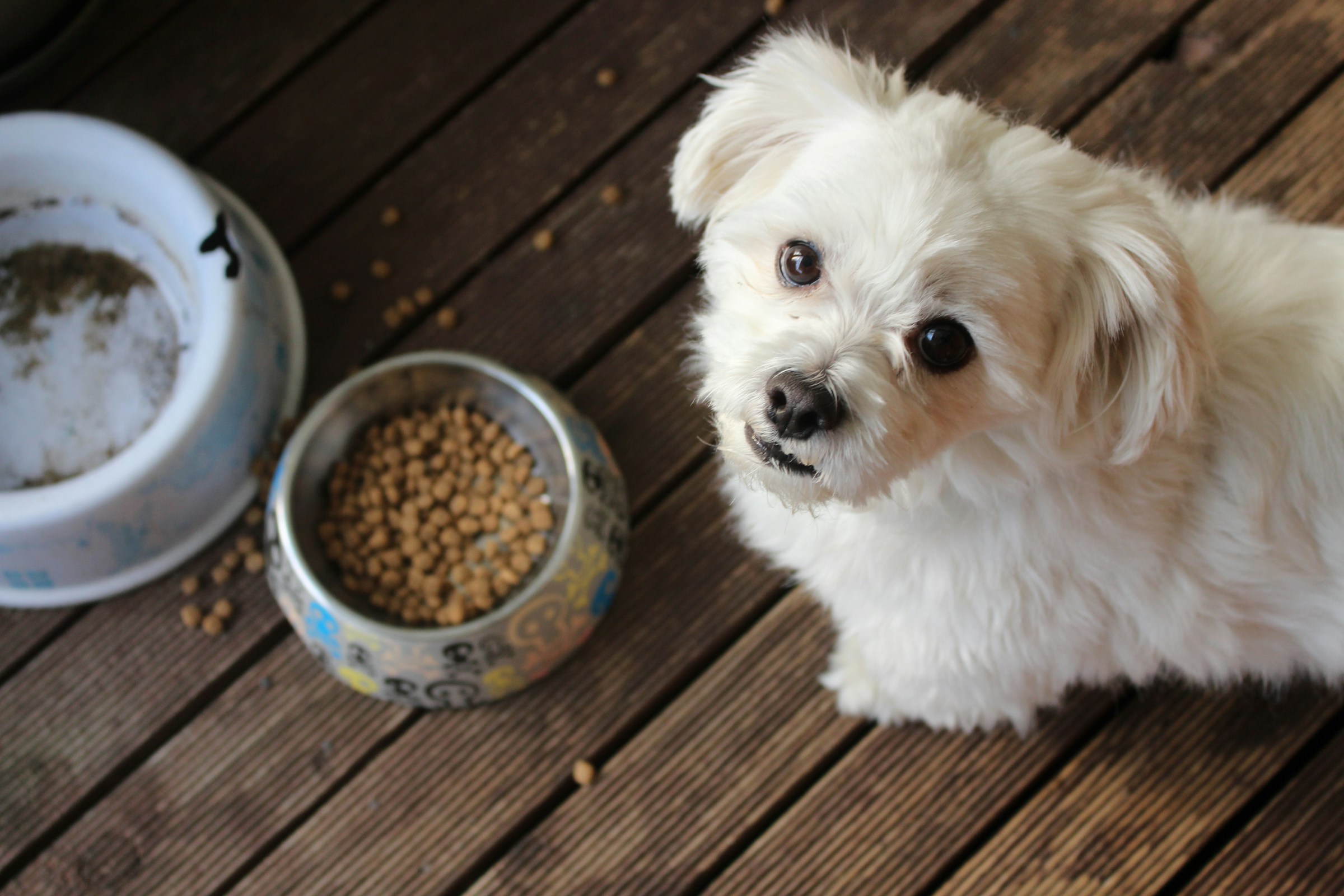
If you’ve ever watched your dog pick up a mouthful of kibble, trot into another room, drop it on the floor, and only then start eating, you’ve probably wondered what on earth is going on. Are they being picky, dramatic, or just weirdly extra about dinner? It can feel a bit like living with a tiny four–legged food critic who refuses to eat at the actual table.
But behavior specialists say this surprisingly common habit is usually not about fussiness at all. It is often about comfort, safety, routine, and instinct. Once you start looking at the world from your dog’s perspective, that annoying trip across the kitchen suddenly starts to make sense – and might even tell you something important about how your dog feels in your home.
A Strange Habit That Actually Makes A Lot Of Sense
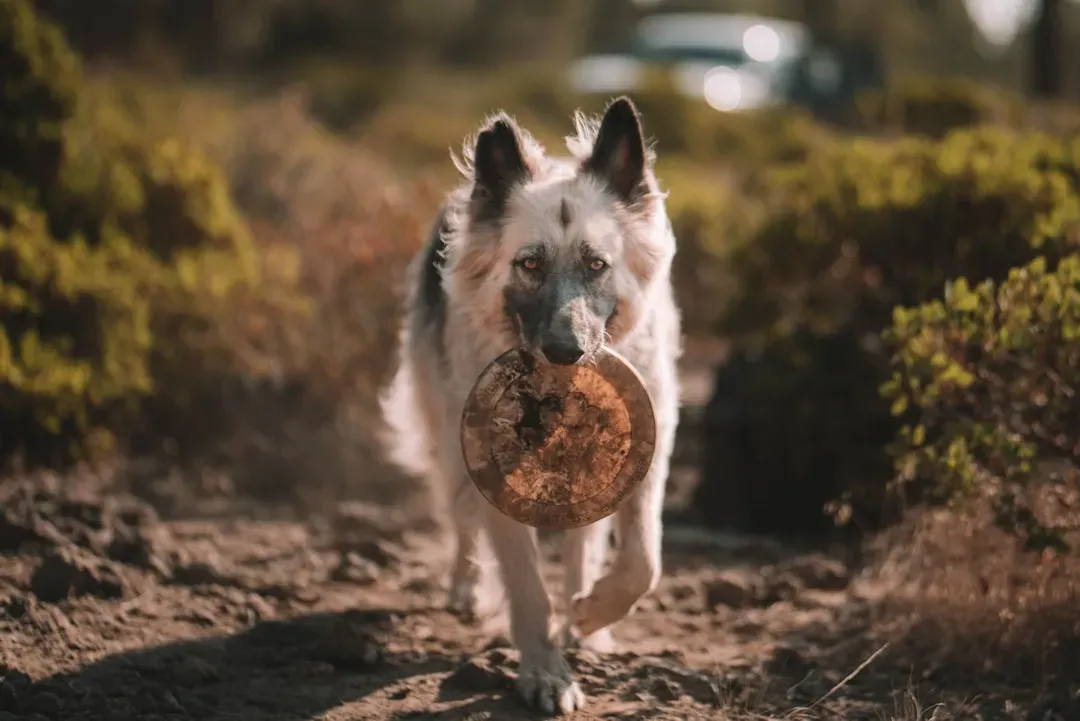
At first glance, a dog carrying food away from the bowl looks almost comical, like they are playing a little game with their dinner. Many owners jump quickly to assume their dog is spoiled, trying to get attention, or staging a protest about the brand of kibble. The truth is usually much less dramatic and far more practical from the dog’s point of view.
Dogs are wired by instincts that go back long before stainless steel bowls and kitchen tiles. Moving food can be a modern echo of behaviors that once helped canines stay safe, avoid competition, or stash resources. What seems quirky to us may feel totally logical to them, the same way we might choose a quieter table in a crowded restaurant without overthinking it.
Instincts From Wild Ancestors Still Shape Dinner Time
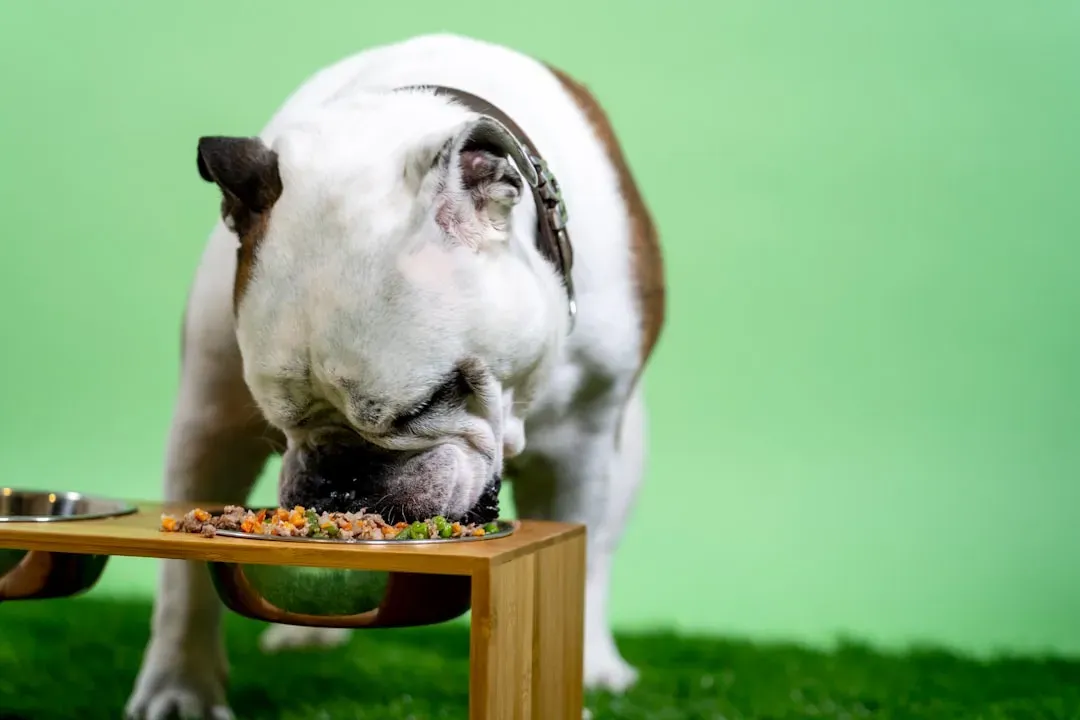
Even though our dogs sleep on couches and wear raincoats, their brains still carry traces of their wild ancestry. In the wild, canids often drag food away from the main carcass to eat alone, either to avoid conflict with more dominant animals or to protect their share from being stolen. That urge to create a little “private dining area” can still show up in a suburban living room.
So when your dog picks up a mouthful of food and disappears down the hallway, they may just be following an old script that once kept their predecessors alive. It does not mean they are feral or unhappy – it just means that some ancient instincts are still humming quietly in the background, slipping into everyday routines like mealtime without either of you really noticing.
The Eating Spot Itself Can Feel Too Busy Or Stressful
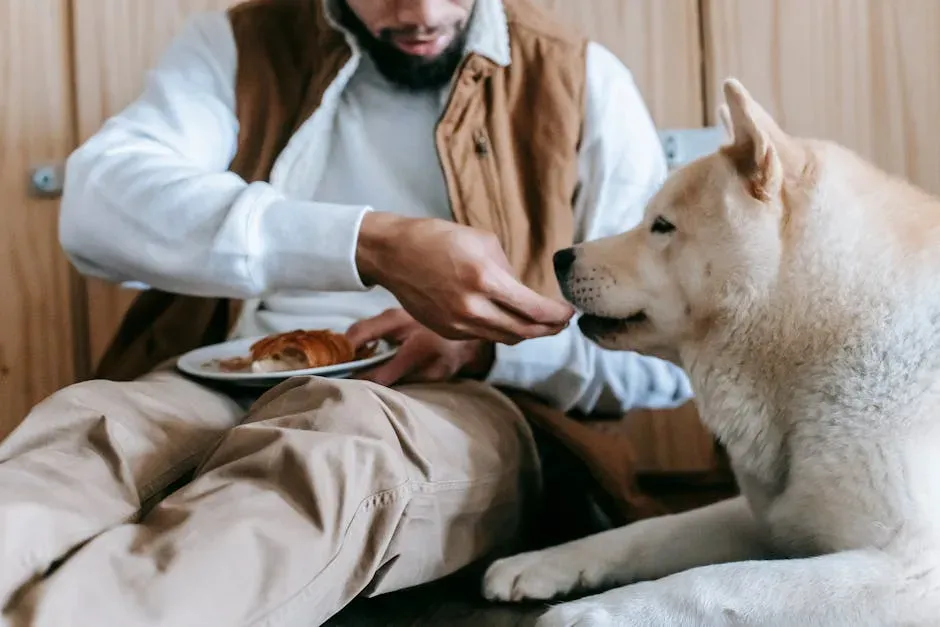
One of the simplest reasons dogs leave their bowl is that they do not love where it is. Kitchens and laundry rooms are often noisy, high–traffic spaces with clattering dishes, humming appliances, and people constantly moving through. For a dog trying to relax and eat, that can feel like trying to enjoy lunch in the middle of a subway station.
If your dog consistently carries food to a calmer corner, they may be telling you that the current setup feels a bit overwhelming. Just like some humans hate eating under bright fluorescent lights or right next to a busy door, some dogs would rather step a few feet away from the chaos. Giving them a quieter, low–traffic spot can instantly change their body language at meals – from vigilant and twitchy to calm and comfortable.
Other Pets, Kids, And Foot Traffic Can Make Them Feel Watched
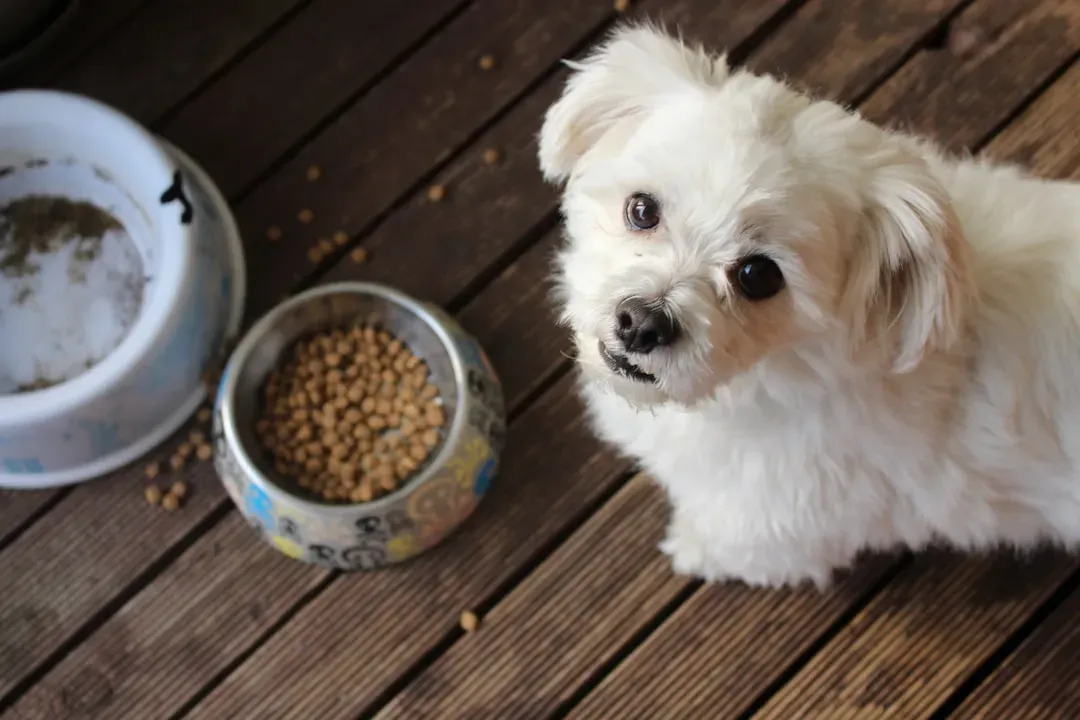
Even in a peaceful home, social dynamics can shape how a dog feels at their bowl. Another dog hovering nearby, a curious cat circling, or a toddler zooming past can all create subtle pressure. For some dogs, especially more sensitive or lower–ranking ones, that pressure is enough to make them grab a mouthful and retreat to a safer distance.
Think of it like trying to eat with someone standing over your shoulder, staring at your plate. You might not consciously panic, but you would probably want to move. When dogs eat near doorways, tight corners, or in spaces where they are repeatedly interrupted, they may decide that finishing the meal elsewhere is the better option, even if it looks odd to us.
Personality, Past Experiences, And Routine All Play A Role
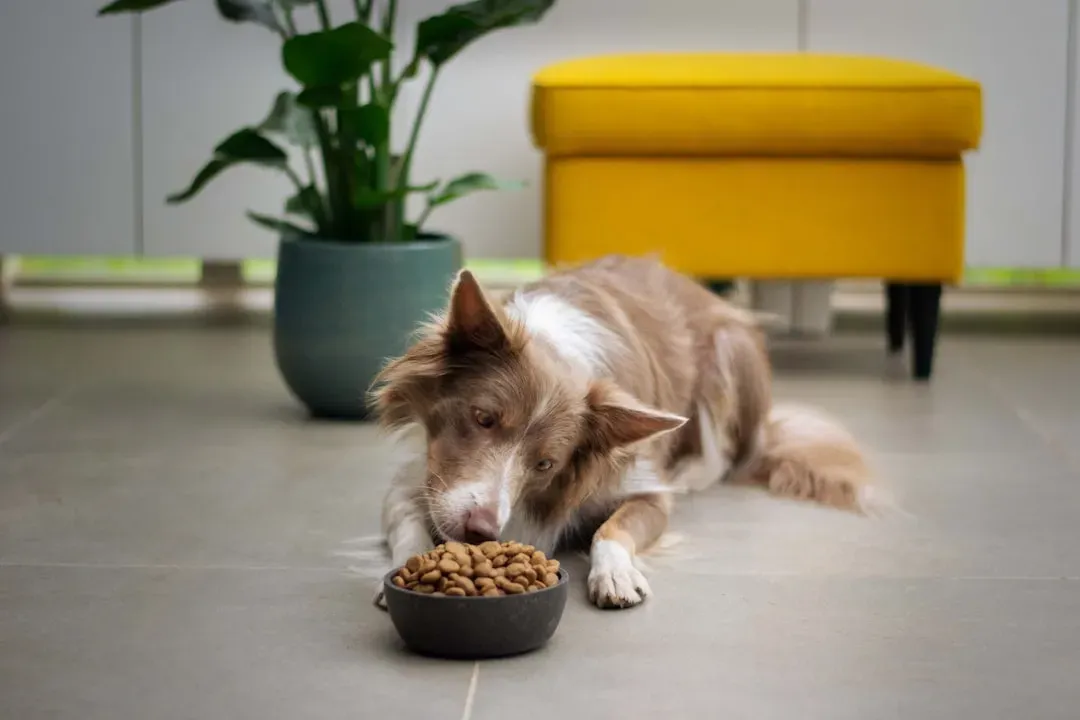
Not every dog who re–locates their food is anxious or uncomfortable. Some are simply quirky, playful, or deeply attached to a particular spot. A dog who once felt especially safe chewing a treat on a certain rug might start turning that area into their unofficial dining room, carrying food there out of habit more than anything else.
Past experiences matter too. A rescue dog who previously had to guard food, or eat quickly around other animals, might cling to the habit of taking food away to eat in peace, even in a much safer home. Over time, as they realize no one is coming for their dinner, some dogs naturally relax. Others keep the ritual simply because it has become part of who they are and how they eat.
How To Gently Experiment With A Better Eating Setup
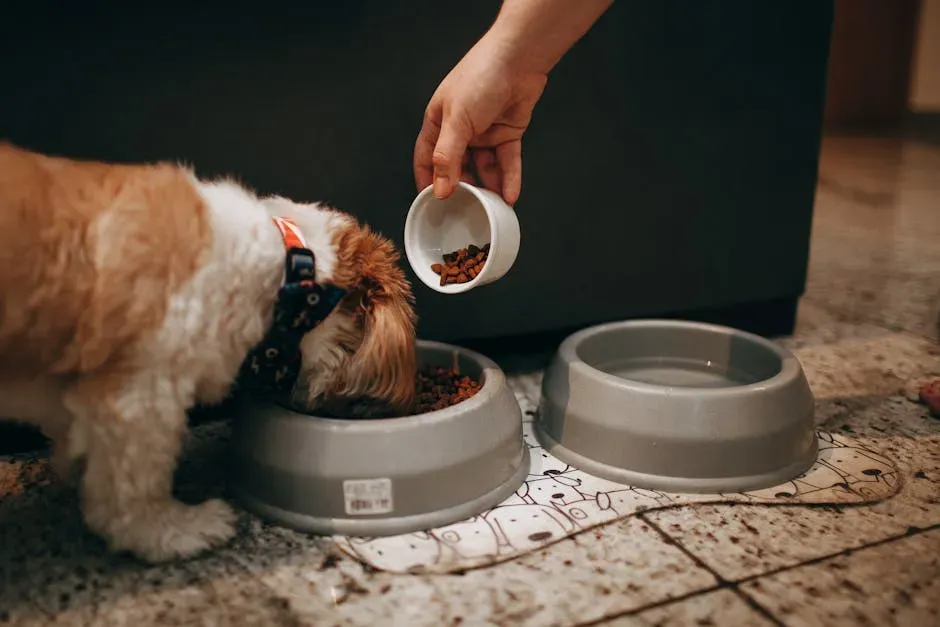
If the behavior bothers you, or if your dog seems tense while eating, it is worth experimenting with changes to their feeding environment rather than just scolding them or picking up the bowl. Try moving the bowl a few feet away from heavy foot traffic, noisy machines, or busy entrances. Many dogs do better against a corner or wall, where they do not have to constantly swivel to check behind them.
You can also observe where your dog usually carries their food and use that as a clue. If they always trot to the same mat, room, or side of the couch, consider setting their bowl closer to that favored spot and see what happens. When a dog suddenly eats more calmly, chews more thoroughly, or stops pacing around with food, it is a pretty strong sign you have finally listened to what they were quietly trying to tell you all along.
When To Relax, And When To Take It Seriously
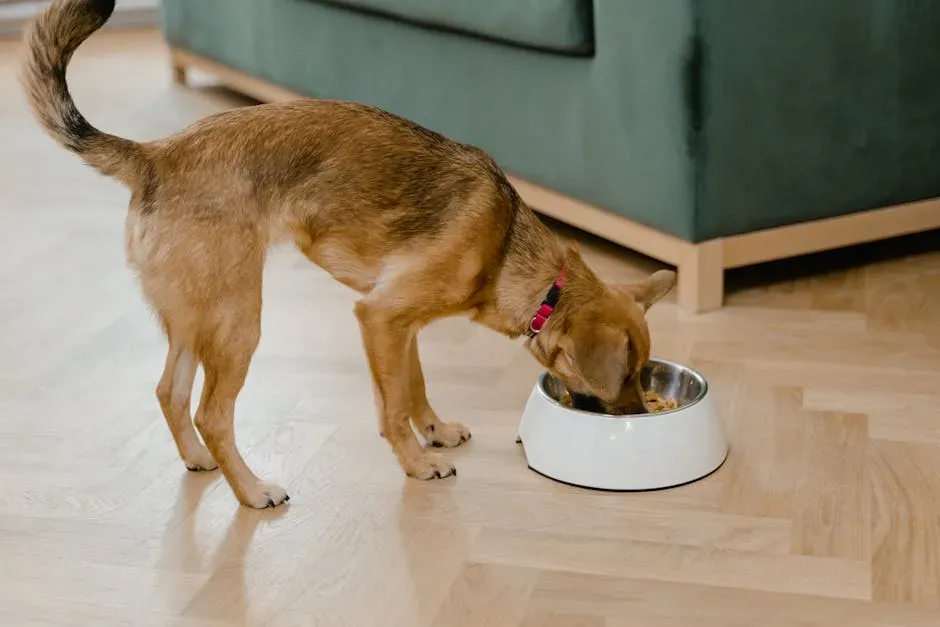
In most cases, a dog taking food away from the bowl is simply a harmless quirk, not a red flag. If your dog is maintaining a healthy weight, eating regularly, and otherwise acting like their usual self, you can often just accept that this is their weird little mealtime habit. Honestly, many of us have our own rituals around food that would look strange if someone filmed us every night.
However, if your dog suddenly starts acting fearful around the bowl, refuses to eat at all there, or shows signs of pain or discomfort while eating, that deserves a closer look. Dental problems, joint pain, or negative experiences near the feeding area can all change how a dog behaves at meals. When in doubt, looping in a vet or qualified behavior professional is far better than guessing, especially if the behavior comes on suddenly or is paired with other worrying changes.
Why I Think We Should Stop Calling These Dogs “Fussy”
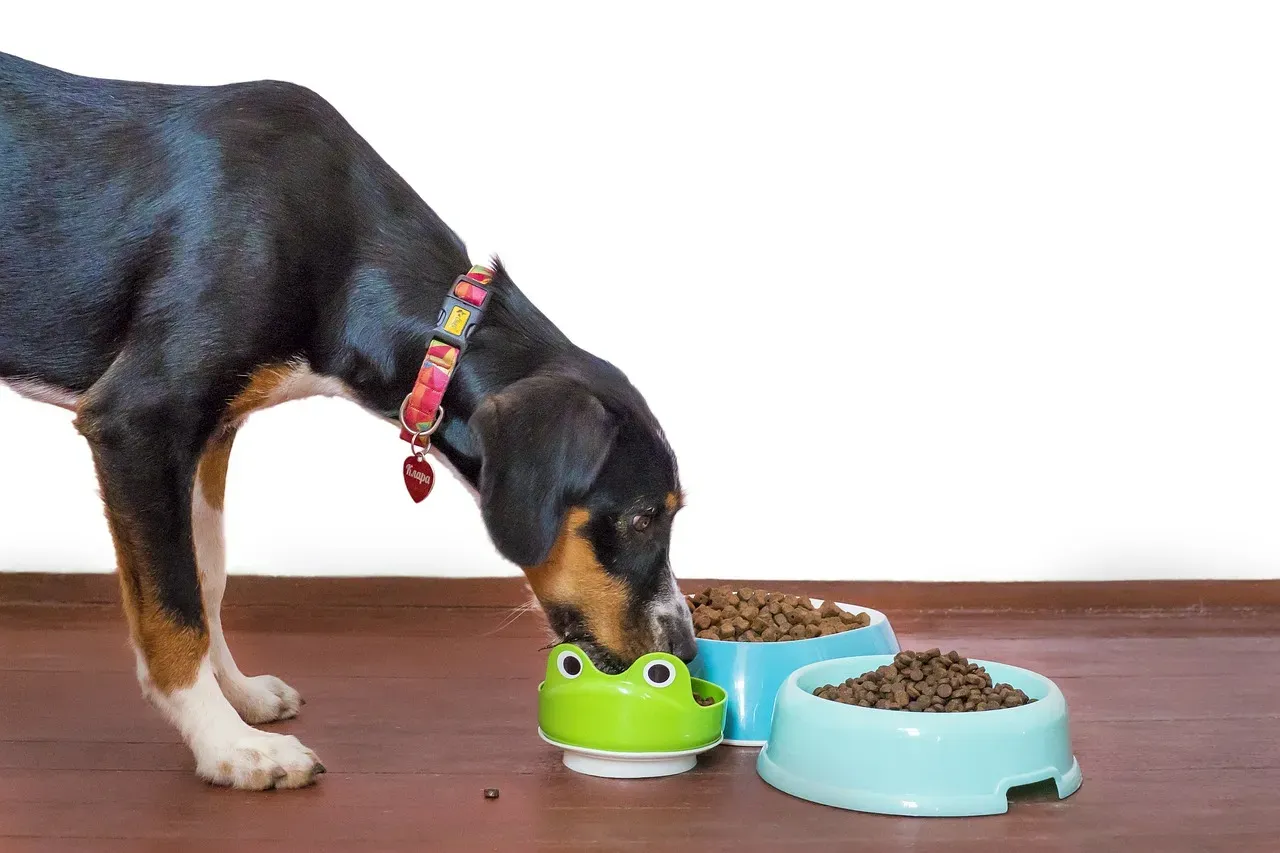
Here is my personal take: labeling dogs as fussy or dramatic when they carry food away from their bowl completely misses the point. They are not putting on a show; they are communicating – in the only way they can – about what feels safe, comfortable, and right for them. Once you see it that way, the behavior feels less annoying and more like a quiet request for a better setup.
Instead of asking why our dogs are being difficult, we might get further by asking what their behavior is trying to tell us about the spaces we ask them to live in. To me, honoring something as small as where they like to eat is part of taking them seriously as thinking, feeling companions, not just pets on autopilot. The next time your dog trots off with a mouthful of kibble, you might pause before rolling your eyes and ask yourself a simple question: are they being stubborn, or are they just finally getting dinner on their own terms?


