
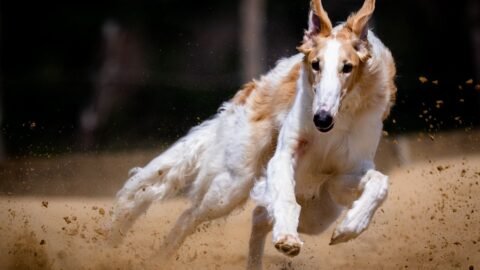
You’ve tried everything. The training classes, the YouTube videos, the expensive behaviorist consultations. You’ve been patient, consistent, and committed. Yet your Border Collie still herds your children relentlessly, your terrier won’t stop digging craters in your yard, or your Rottweiler guards the front door like it’s Fort Knox. Here’s the thing most dog owners don’t want to hear: it might not be you. Sometimes, the behaviors we struggle with aren’t training failures or poor socialization. They’re genetics doing exactly what they were designed to do.
Think about it this way. We spent thousands of years selectively breeding dogs for specific jobs. We wanted Collies that obsessively controlled livestock, terriers that relentlessly pursued rats into dark holes, and guard dogs that viewed strangers with suspicion. Now we bring these same dogs into suburban homes and expect them to be content with a twenty-minute walk and a chew toy. Is it any wonder things get complicated?
The Science Behind Breed Behavior: It’s Written in Their DNA
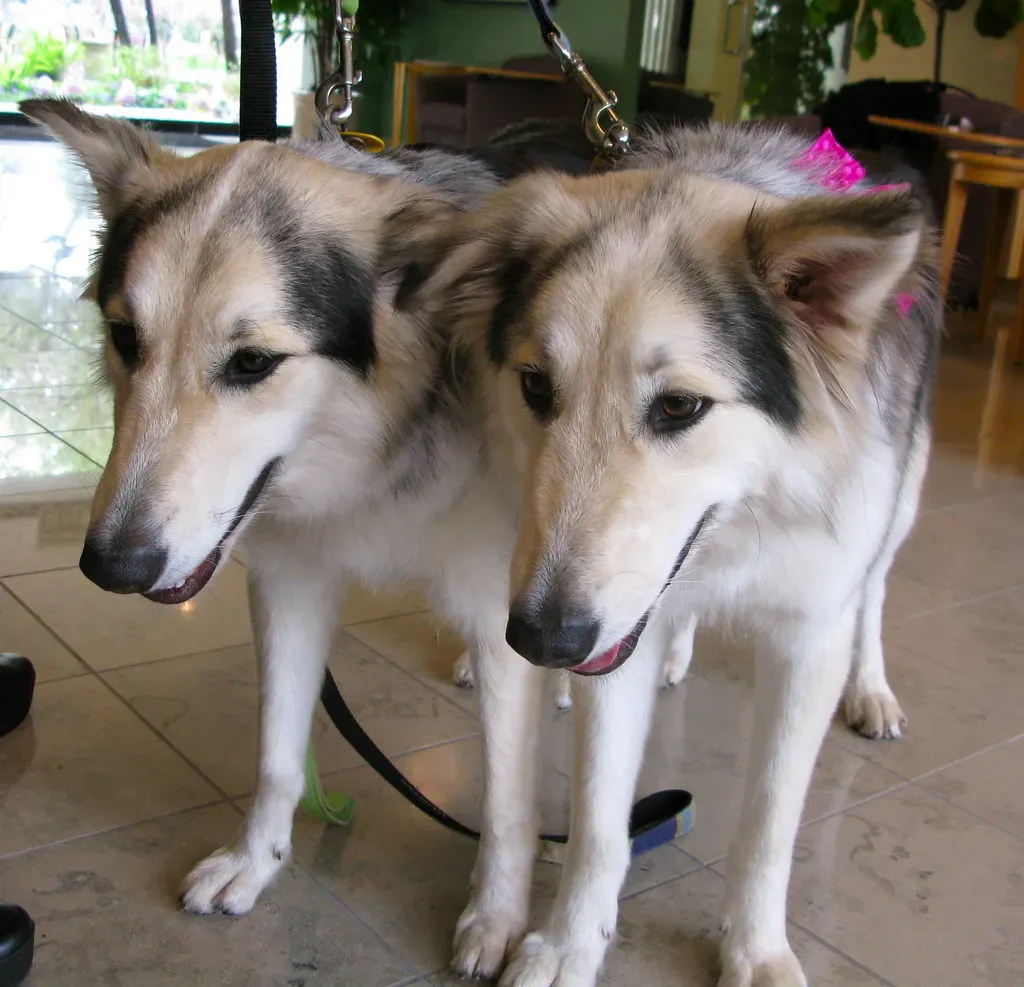
Let’s talk about what research actually tells us. The distinct behavioral predispositions of individual dog breeds clearly indicate a strong genetic component to dog personality, according to studies examining canine genetics. I know this might sound discouraging at first, but understanding that your dog’s behaviors have deep biological roots can actually be liberating.
Here’s where it gets interesting. Breed’s contribution to behavior was relatively small, only 9 percent, according to a large-scale study published in Science. Wait, what? So breed matters, but it’s not everything. The traits with the highest rates of heritability were behaviors such as trainability, predatory chasing, stranger-directed aggression and attention seeking, with genetics explaining 60 to 70 percent of variation across breeds.
The takeaway? Some behaviors are deeply hardwired. Others have more wiggle room. Your Golden Retriever’s friendliness isn’t guaranteed by genetics alone, but your Jack Russell’s prey drive? That’s baked into their brain structure.
Herding Breeds: Born to Control Movement
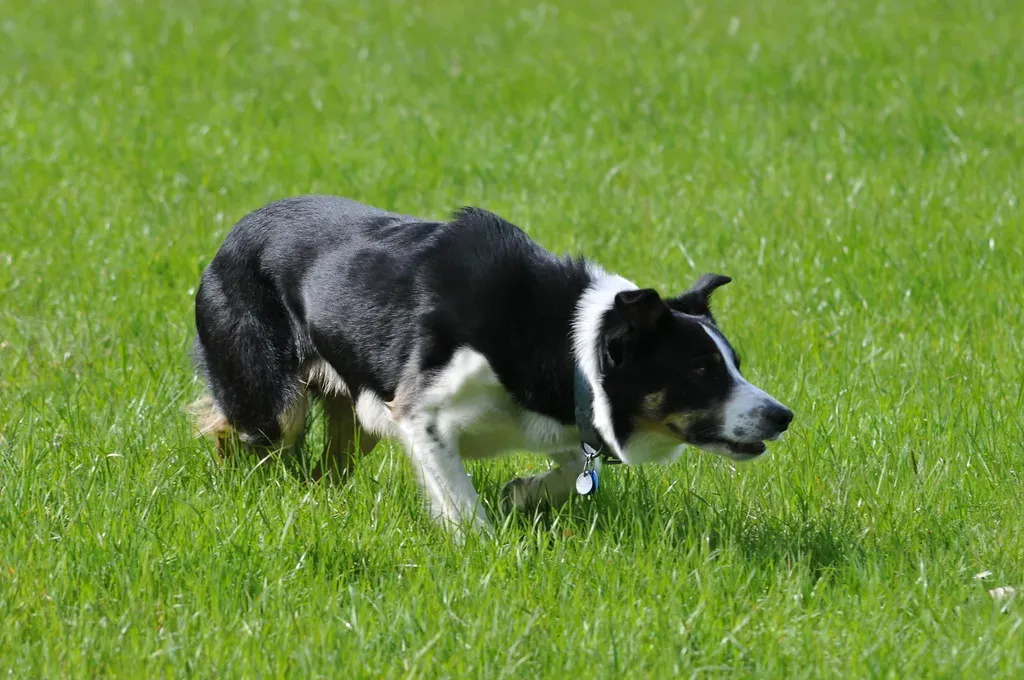
Living with a herding dog can feel like sharing your home with a tiny, furry air traffic controller. These dogs notice everything. Every movement, every shadow, every person walking past the window. Herding breeds are known for their energy and attentiveness, but they also can be more prone to dealing with issues like noise hypersensitivity.
Herding dogs share an innate physical and mental aptitude to move livestock, with generations of intensive selective breeding having amplified predatory instincts such as eye staring and chasing while effectively minimizing the natural inclination to kill prey. Translation? Your Aussie Shepherd isn’t being difficult when she stares intensely at your toddler running across the yard. She’s literally doing what centuries of breeding programmed her to do.
The nipping, the circling, the hyper-focus on moving objects? They retain their herding instincts and may sometimes nip at people’s heels or bump them in an effort to ‘herd’ their family. One owner described how their Border Collie constantly herded children, barked, and sat shaking with a leaf in his mouth, desperately trying to engage. That’s not anxiety or bad behavior. That’s a working dog with no sheep.
It’s unfair to ask your herding breed to ever completely suppress their instinctive behaviors and drives. Instead, these dogs need appropriate outlets. Treibball, agility training, or even structured games that mimic herding work can transform a “problem dog” into a satisfied one.
Guardian Breeds: Protective by Design, Not by Choice
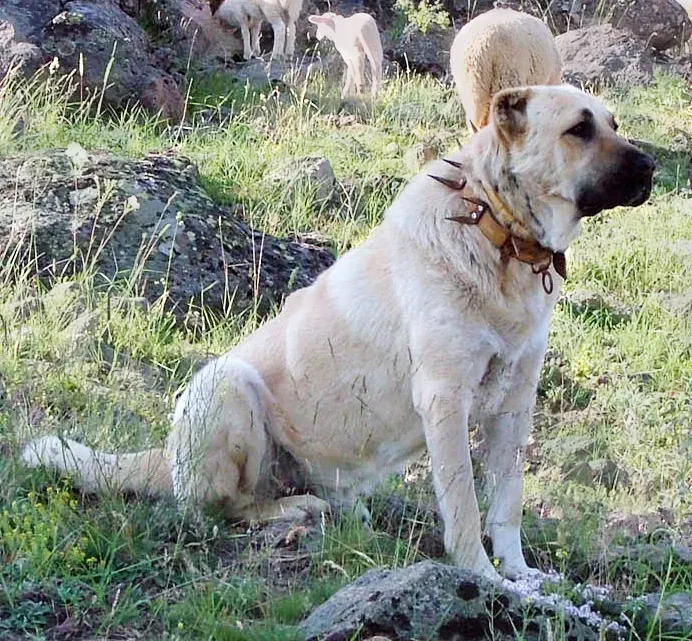
You adopted a Rottweiler or German Shepherd hoping for a loyal family companion. What you got was a dog who scrutinizes every visitor, positions herself between you and strangers, and takes her job as household protector very seriously. Honestly, that’s exactly what she was bred to do.
Guarding breeds showed the highest rates of aggression towards humans, with their innate protective instincts traditionally bred to protect property and livestock. Before you panic, let me be clear: protective doesn’t mean aggressive. A protective dog will become alert to new people or unfamiliar surroundings but will also remain in control and calm.
Guarding breeds demonstrated the lowest level of fearfulness, in accordance with their traditional duties that require confident and stable temperaments. These dogs aren’t nervous wrecks. They’re confident guardians who assess situations and respond accordingly. The problem arises when we don’t understand or channel these instincts properly.
Early socialization and consistent training are key to managing protective instincts, with a focus on positive reinforcement and impulse control exercises. It’s hard to say for sure, but proper socialization might be even more critical for guardian breeds than other types. These dogs need to learn that the mail carrier isn’t a threat, that your neighbor’s kids are friends, and that not every knock at the door requires investigation.
Terriers: Tenacious Little Hunters with Big Personalities
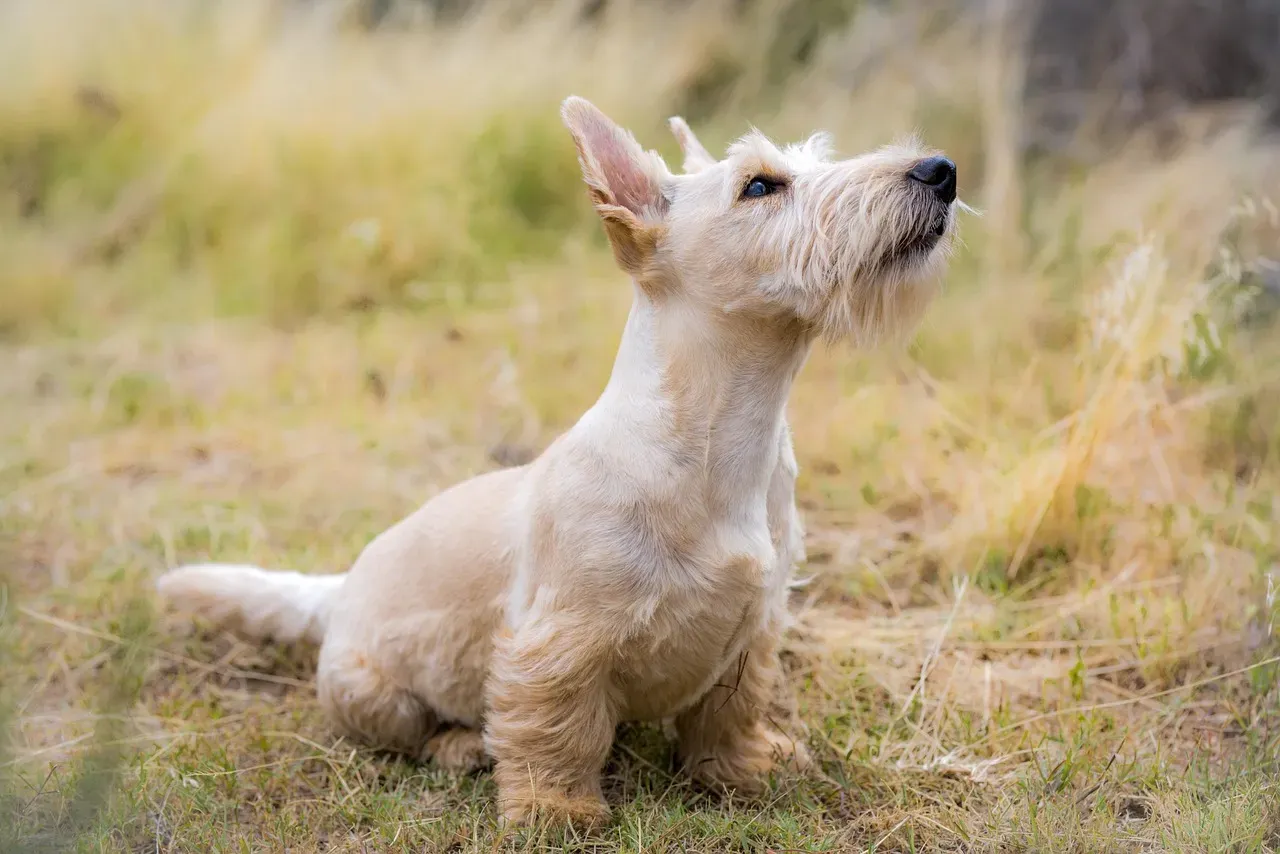
Terriers are compact bundles of determination wrapped in fur. Terriers, bred to chase and catch rodents, have a tendency to be extremely active, lively, and feisty as puppies, traits that continue into adulthood. If you’ve ever watched a terrier lock onto a squirrel, you’ve witnessed single-minded focus that borders on obsession.
Many terriers were bred to chase down vermin and hunt small game, which means terrier dogs tend to do the same at home, and may dig and bark when left alone for long periods. That hole your Cairn Terrier excavated in your flower bed? They love to dig, and you may find more than a few holes in your garden if they are left to their own devices.
The barking, though. Let’s be real about the barking. Their original breeding purpose has given them a strong prey drive and ingrained behaviors like digging and excessive barking, making training these behaviors out of them difficult because they are baked into their instincts. You can manage it, redirect it, and work with it. Expecting complete silence from a terrier, however, is like expecting a retriever not to retrieve.
Dog breeds in the Terrier breed group were bred to hunt and eliminate small rodents, and therefore were selected specifically for high prey drive. This means terriers living with cats, rabbits, or other small pets require careful management and sometimes creative housing solutions.
Sporting Breeds: Athletes Who Need Jobs
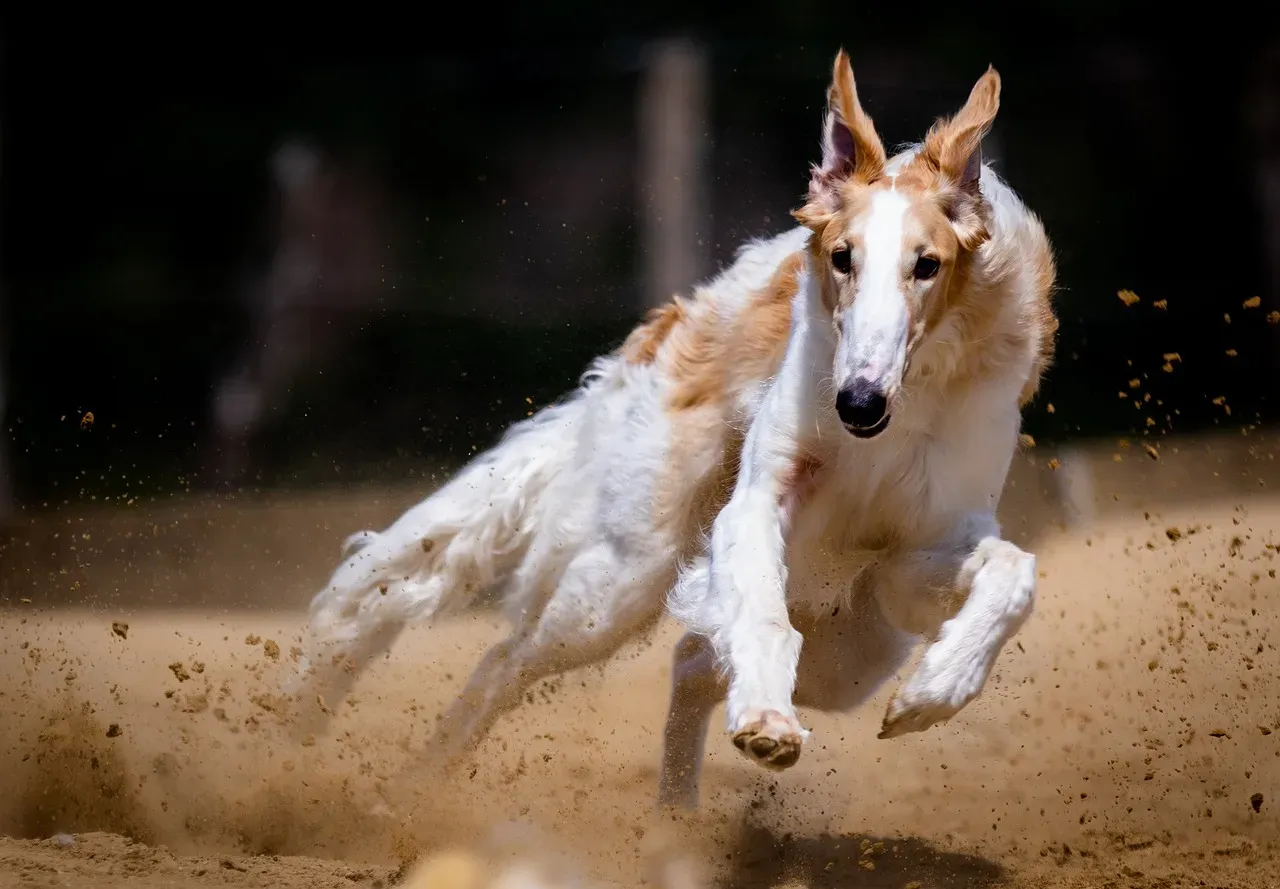
Labrador Retrievers, Golden Retrievers, Spaniels, Pointers – these dogs were built for motion. Sporting dogs like Labradors and Golden Retrievers were bred for high-energy tasks like retrieving and swimming, thriving on regular, vigorous activities with at least 90 minutes of exercise daily. Ninety minutes. Daily. That’s not a suggestion.
I think people underestimate what “high-energy” really means with sporting breeds. Sporting dogs share high energy levels as a common trait, and if you are able to fulfill their physical and mental needs, these dogs can make some of the most loving, loyal and devoted pet companions. The key phrase there? “If you are able to fulfill their needs.”
Labrador Retrievers are affable, energetic dogs who need an abundance of daily exercise, with somewhere between one and one-and-a-half hours of vigorous activity. Without adequate exercise, sporting breeds often develop what owners interpret as behavioral problems. The destructive chewing, the hyperactivity, the inability to settle? That’s not a training issue. That’s an energy management crisis.
What works? Swimming, hiking, retrieving games, agility training, and yes, actual hunting work if that’s an option. These dogs need to use their bodies and brains together. A tired sporting dog is a good dog. An under-exercised one is a canine tornado.
Working with Genetics, Not Against Them
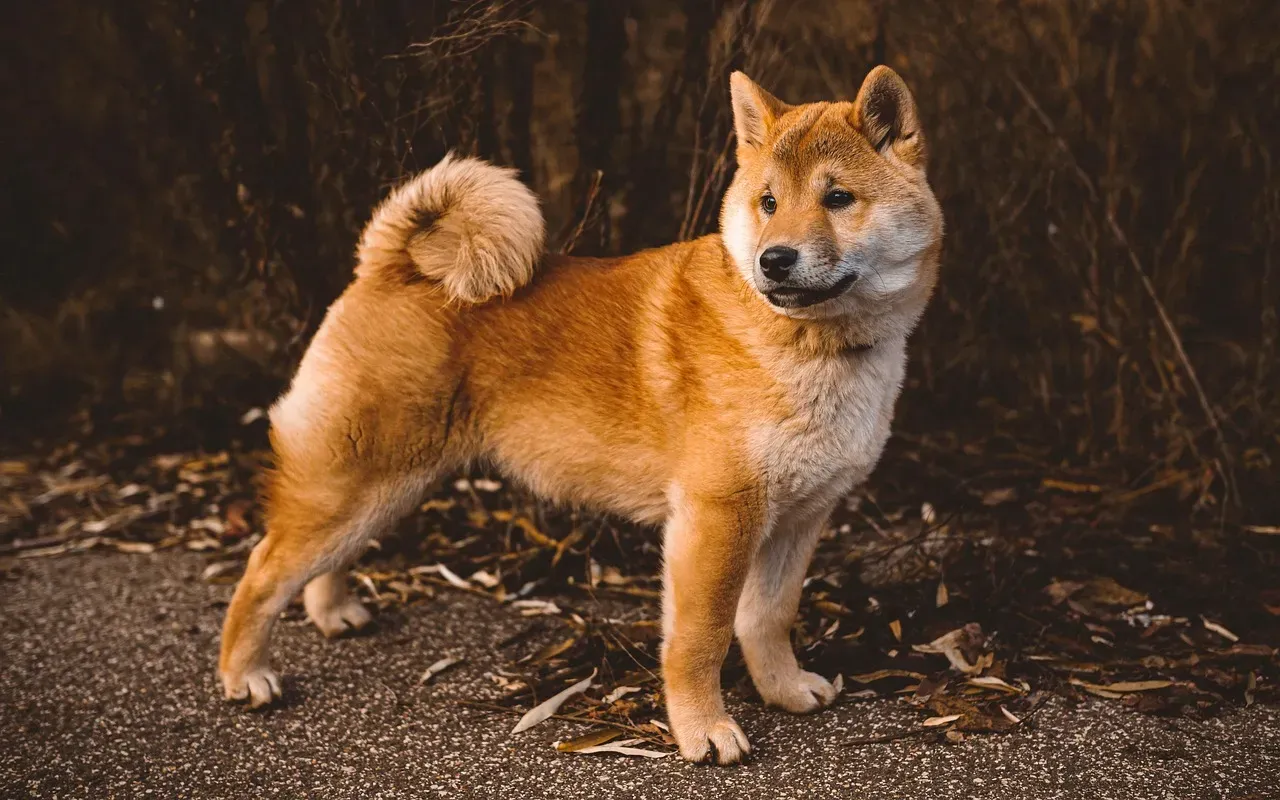
Here’s what I’ve learned after years of working with different breeds: you cannot train away genetics. You can redirect, manage, channel, and work with innate drives. Fighting them just creates frustration for everyone involved.
Dog personality is impacted by their genetic blueprint, but assuming that a set of breed characteristics is a guarantee of behavior does our dogs a disservice, as dogs are individuals. Your specific dog might not display every stereotypical breed trait. Some Beagles have weak noses. Some Border Collies aren’t obsessed with herding. Individual variation matters.
That said, Every individual dog is unique, but the type of dog breed will likely predict common traits, including how energetic or stubborn your pet may be. Knowing your breed’s typical characteristics gives you a roadmap. It doesn’t determine the destination, but it shows you the likely terrain.
The most successful dog owners I know embrace their breed’s quirks rather than fighting them. They give their herding dogs jobs. They provide guardian breeds with clear boundaries and socialization. They let terriers dig in designated areas. They exhaust sporting breeds with appropriate activities. They work with biology, not against it.
Conclusion: It’s About Understanding, Not Excusing
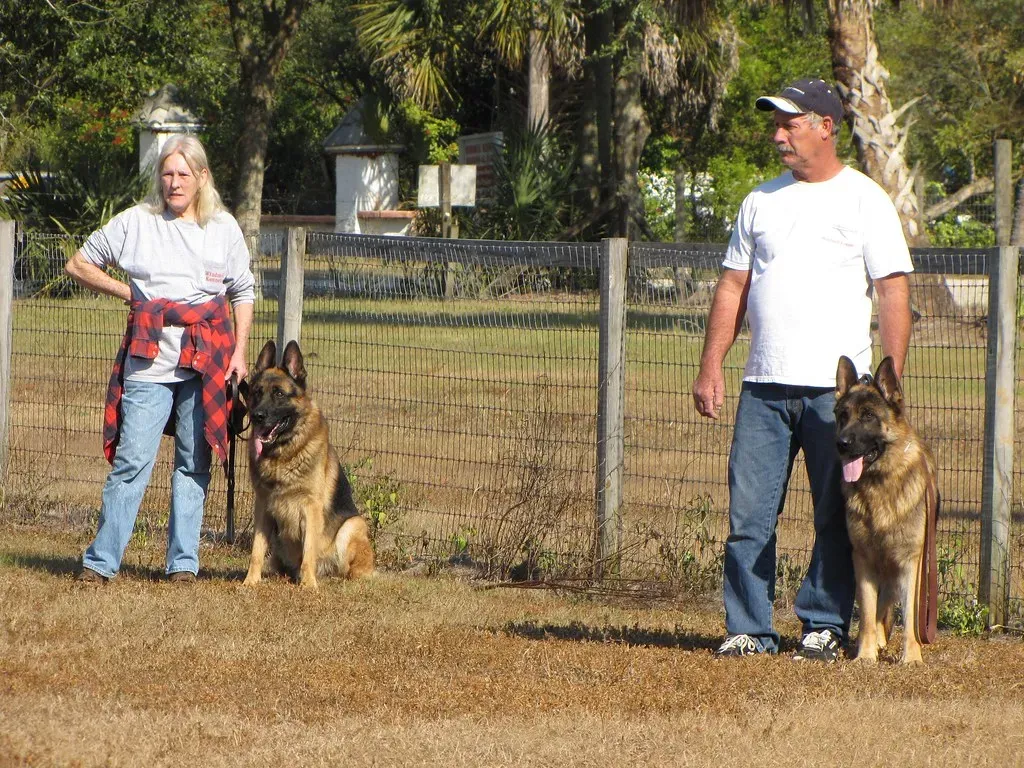
Understanding that your dog’s challenging behaviors might be genetically influenced isn’t about making excuses. It’s about setting realistic expectations and finding appropriate solutions. Your Border Collie’s herding instinct isn’t something you caused by improper training. Your terrier’s prey drive isn’t a personal failing. Your guardian breed’s wariness of strangers isn’t poor socialization.
Socialization is the most important thing a person can do when they bring a new puppy home, as positive experiences as a young puppy stay with the dog for life and help it mature into a more confident, well-rounded adult dog. Training matters. Environment matters. Your relationship with your dog matters enormously. But genetics provide the foundation upon which everything else is built.
So stop beating yourself up. Research your breed’s typical characteristics. Understand what drives your specific dog. Find trainers who specialize in breed-specific behaviors. Connect with breed clubs and experienced owners. Most importantly, adjust your expectations to match your dog’s natural tendencies rather than some idealized version of what you think a dog should be.
What’s your experience been with breed-specific behaviors? Has understanding your dog’s genetics changed how you approach training? Share your thoughts in the comments below.


