
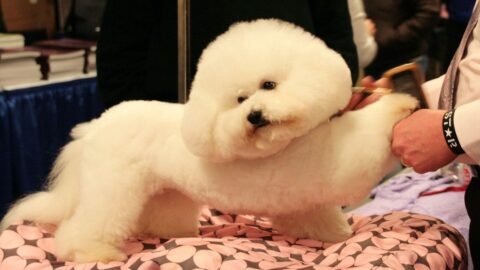
You know that saying about hairdressers having the worst hair? Sometimes the same applies to professional groomers and their choice of dogs. After spending long days knee-deep in fur, dealing with mats, and wielding clippers, the last thing many groomers want is to go home to the same high-maintenance challenges they face at work. It’s not about lack of love for these breeds. Honestly, it’s about self-preservation and a desire for downtime that doesn’t involve detangling or blow-drying.
A groomer can refuse any dog they do not feel comfortable working on. This tells you something right there. When the professionals themselves hesitate, it speaks volumes. Let’s dive into the breeds that groomers might admire from a distance but quietly pass on when choosing their own four-legged companions.
Poodles and Doodle Mixes
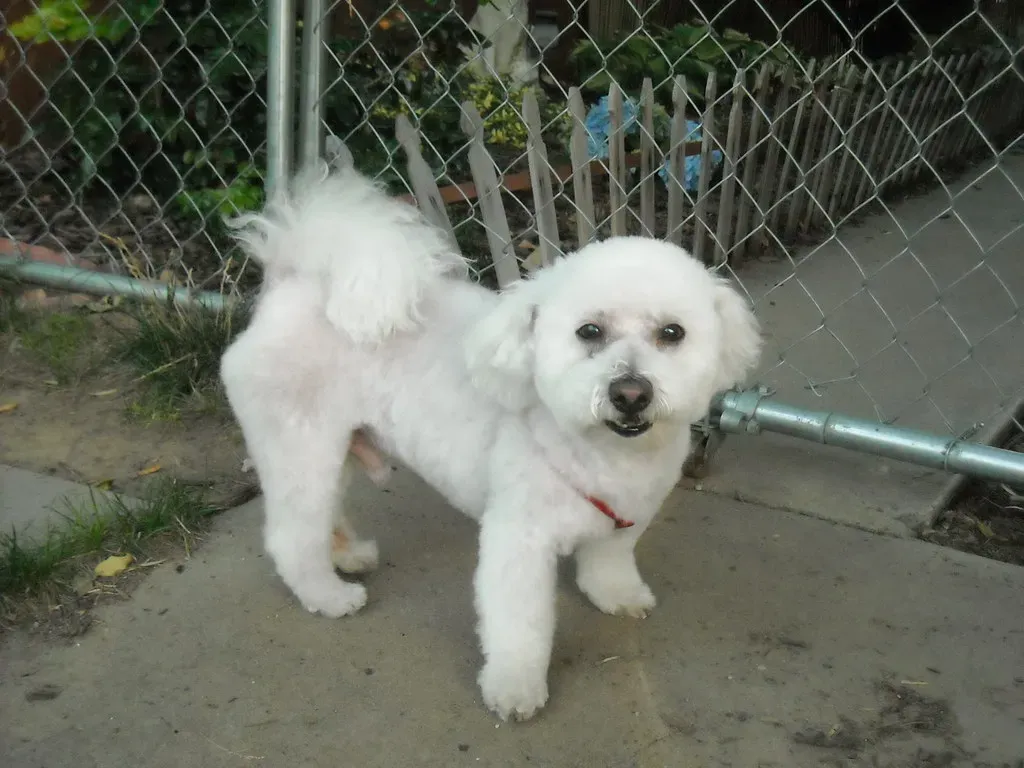
Here’s the thing about Poodles and their designer cousins. Poodles are the epitome of grooming challenges, thanks to their dense, curly coats that require regular brushing to avoid matting and professional grooming every 4–6 weeks. That curly texture is beautiful, sure, but it’s also a magnet for tangles, debris, and those dreaded mats that form seemingly overnight.
The professional dog groomer, who boasts 30 years of experience in her field, revealed that she’d class poodle or doodle mixes, schnauzers and bichons as the toughest dogs to groom. For groomers who’ve spent countless hours meticulously scissoring and clipping these coats into perfect shape, the thought of repeating that routine at home after work feels exhausting. Many groomers confess they’d rather have a dog that only needs a quick brush and an occasional bath.
Doodle mixes can be even trickier. Doodles often inherit a mix of their parent breeds’ coat types, which can make it more difficult to predict how the coat will grow and require different grooming techniques. The unpredictability alone is enough to make a groomer think twice.
Bichon Frise
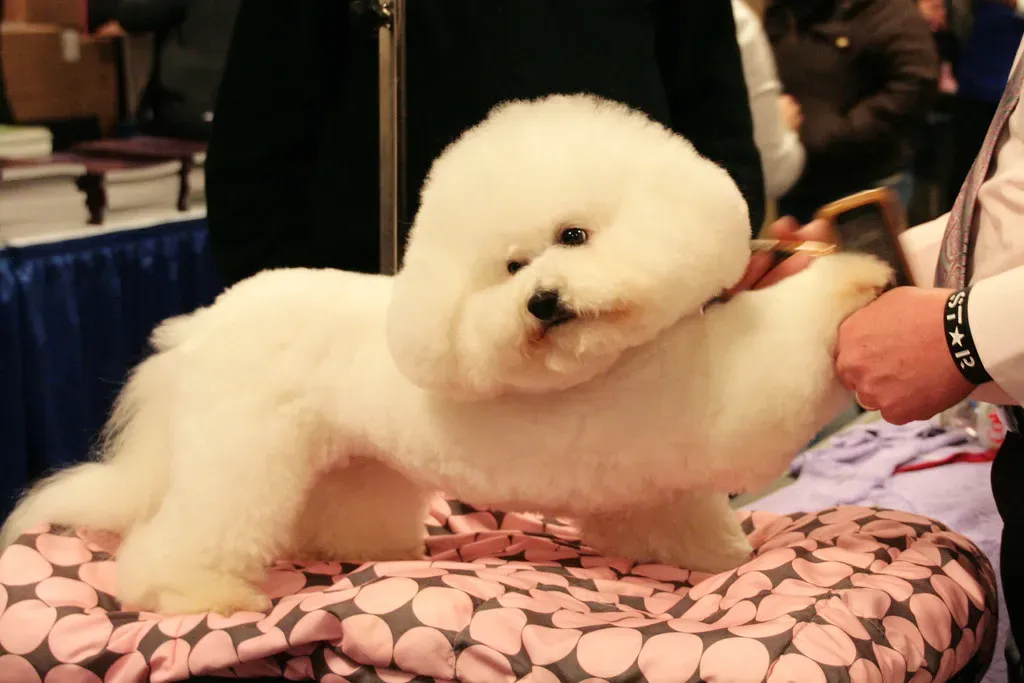
Those fluffy white clouds might look like living teddy bears, but keeping them that way is another story entirely. These little charmers have hair (not fur), which means it grows continuously and needs regular trimming, and without consistent brushing, their coat turns into a matted nightmare that’s painful for them and expensive for you to fix, requiring daily brushing and monthly professional trims.
Groomers know the reality behind that signature powder-puff look. It takes skill, patience, and a lot of time to maintain. Bichon breeds like the well-known bichon frisé demand plenty of detail and attention from groomers, especially to achieve the bell-shaped look they’re famed for. After sculpting Bichons all day, many groomers prefer dogs with coats that don’t demand such precision at home.
The breed also sheds minimally, which sounds great until you realize that loose hair stays trapped in the undercoat. This creates more work, not less, since you need to brush it out constantly to prevent painful matting and skin irritation.
Cocker Spaniels
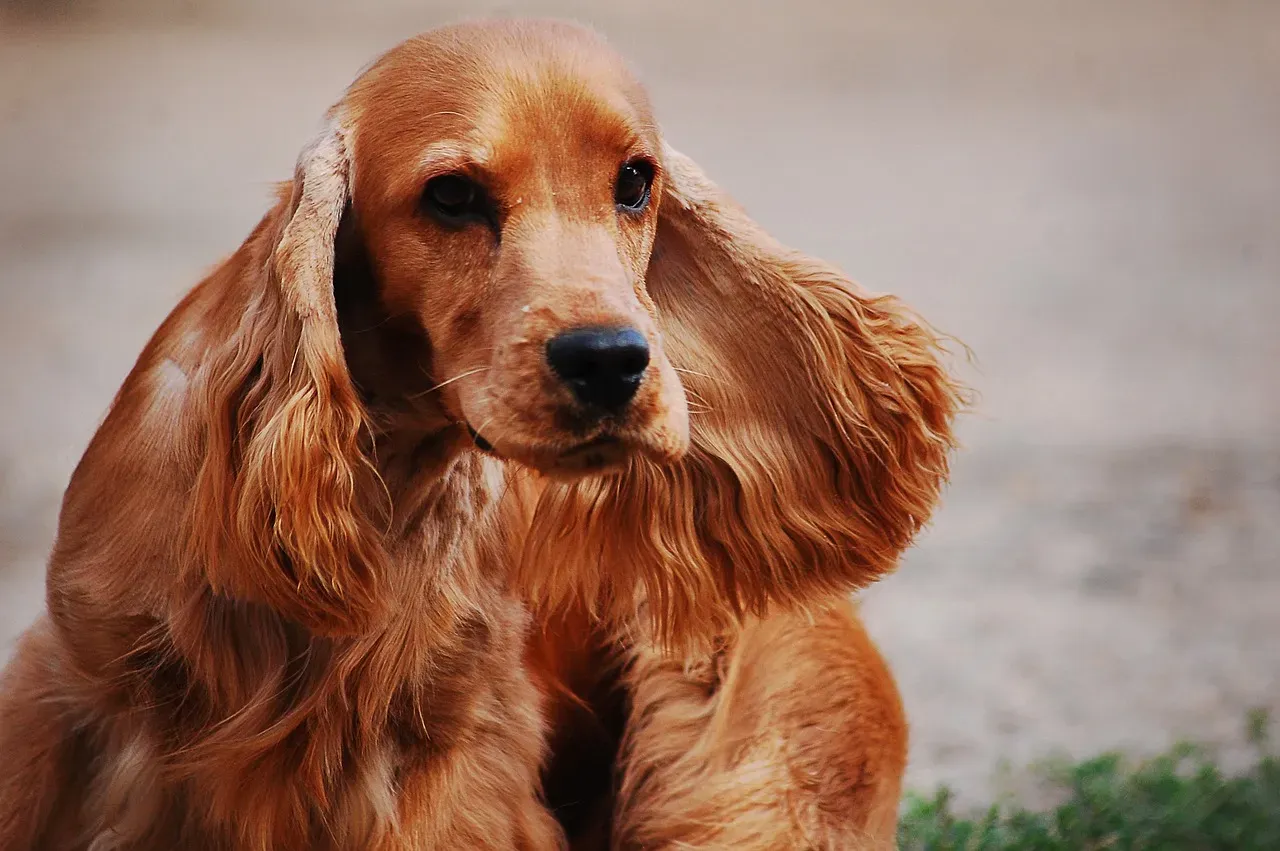
Cocker Spaniels are beloved for their affectionate nature and striking appearance, especially their silky, feathered coats and long, floppy ears, however, maintaining their beauty requires a significant grooming effort. Those long, flowing ears and feathered legs are gorgeous, but they’re also prone to tangling, collecting dirt, and harboring moisture that can lead to infections.
Spaniels can be very stubborn, for example, one of her pooches is the sweetest girl around, however, she doesn’t like to stand for anyone, and she is quite happy being a stubborn little lady. Groomers often mention that Spaniels can be challenging on the grooming table, not necessarily because they’re aggressive, but because they’d rather be doing literally anything else.
Their dense coat tends to mat quickly, especially in areas where friction occurs. The ears need regular cleaning, the feathering requires constant attention, and keeping everything tangle-free becomes a daily commitment. For groomers who deal with this professionally, choosing a lower-maintenance companion for home life just makes sense.
Siberian Huskies
Huskies are stunning, athletic, and full of personality. They’re also shedding machines with thick double coats that seem to explode twice a year during what’s affectionately called “blowing coat.” Twice a year, Huskies undergo a dramatic shedding phase known as “blowing coat”, during which they lose their undercoat in large quantities.
Groomers face the challenge of managing all that fur during bath time and drying sessions. Huskies, malamutes, GSD and Bichons are bad for bathing. The sheer volume of hair combined with the time it takes to properly blow-dry and de-shed can turn a routine grooming session into an all-day event. Many groomers admit they love working with Huskies, but owning one means vacuuming constantly and dealing with fur tumbleweeds in every corner of your home.
The breed’s thick coat also makes thorough drying essential to prevent skin issues. After spending hours with high-velocity dryers at work, the last thing most groomers want is to repeat that process at home every few weeks.
Shih Tzus
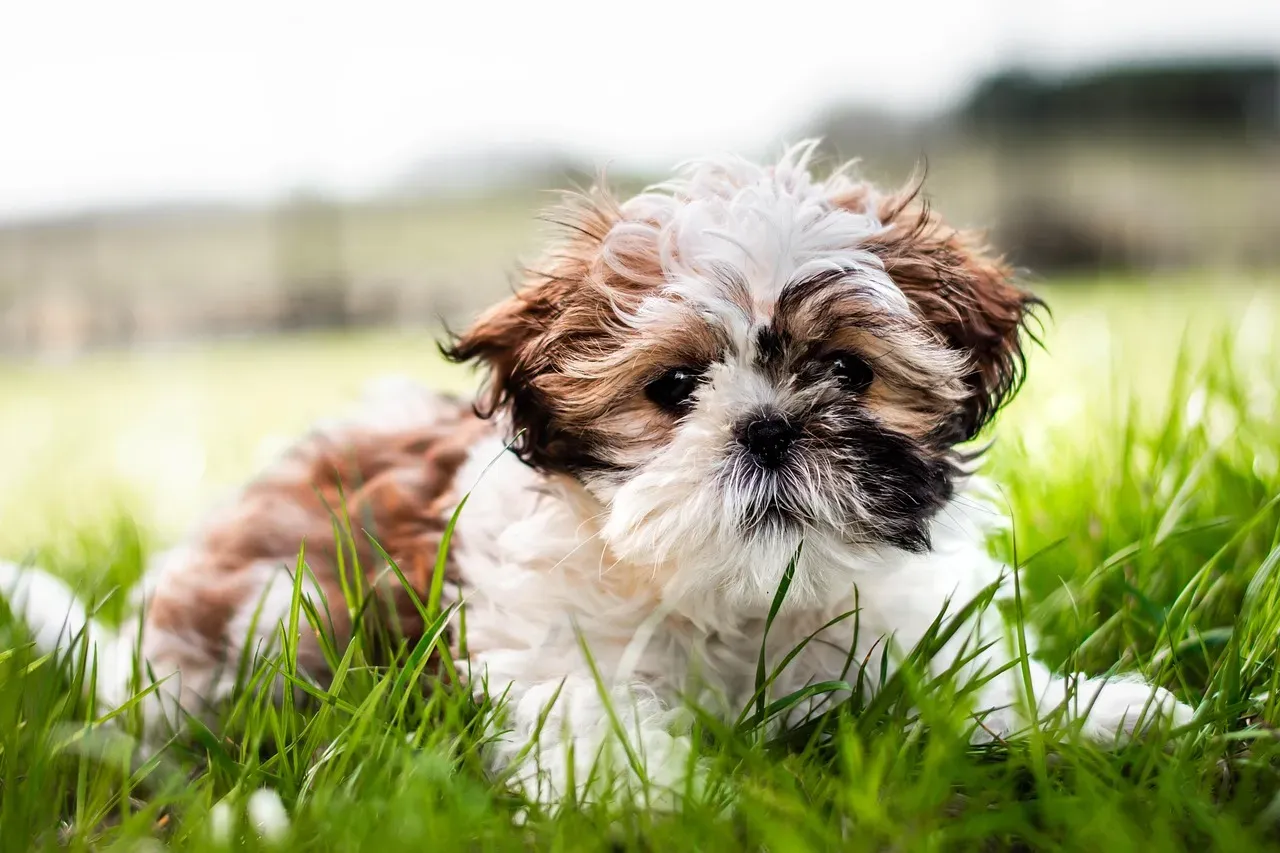
The Shih Tzu’s luxurious, flowing coat is one of the breed’s most enchanting features, evoking elegance and charm, however, behind this beauty lies a demanding grooming routine that requires dedication and expertise. These little dogs were bred to be palace companions, and their coats reflect that royal heritage with long, silky hair that grows continuously.
The lush long coat of shih tzu dogs requires a lot of maintenance. Daily brushing isn’t optional, it’s mandatory if you want to avoid painful mats. The hair around their eyes needs regular trimming so they can actually see, and their facial hair tends to collect food and moisture, creating hygiene challenges.
Groomers spend a lot of time carefully working through Shih Tzu coats, detangling, trimming, and shaping. Many owners opt to keep their Shih Tzus in shorter “puppy cuts” to make maintenance easier, but even then, regular grooming appointments are non-negotiable. For professionals, choosing a breed that doesn’t require quite so much hands-on coat care at home offers a welcome break.
Afghan Hounds
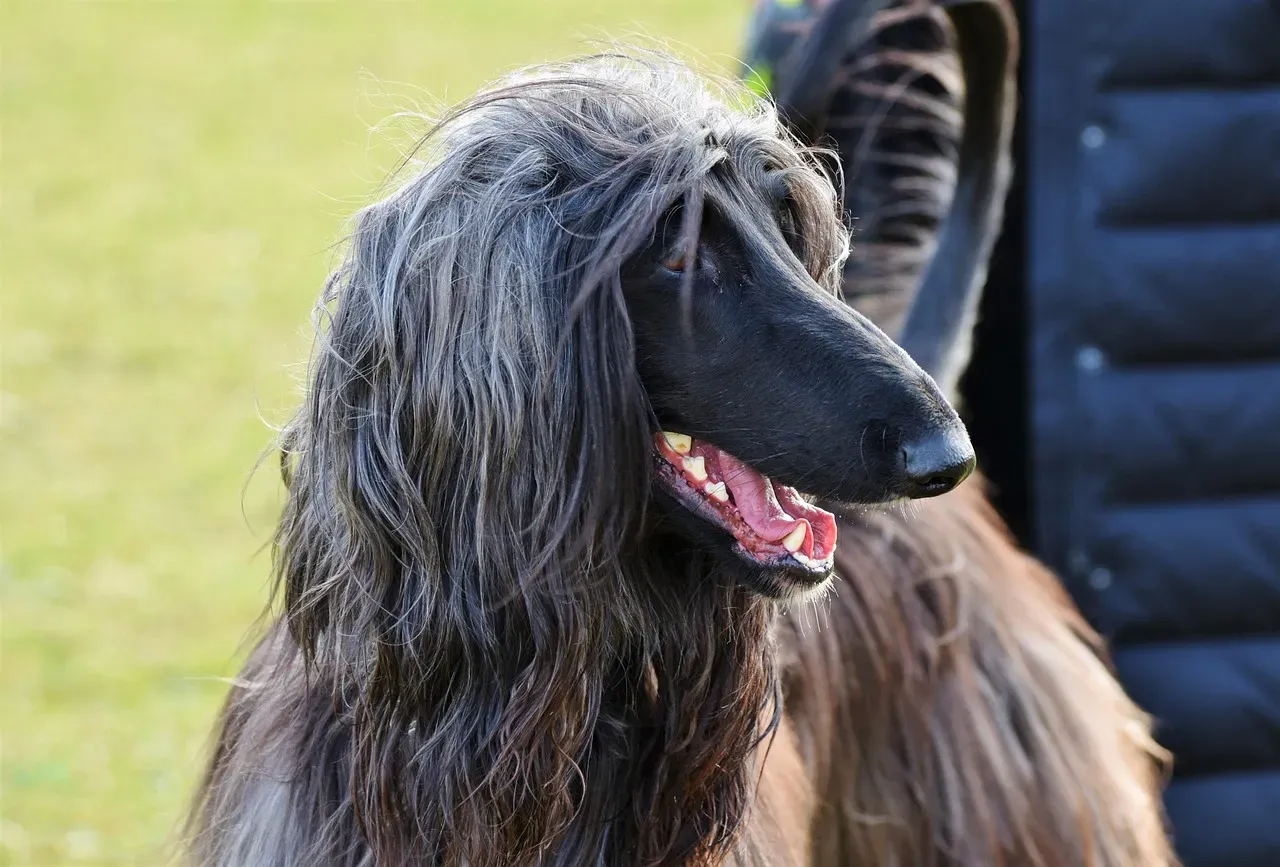
If there’s a breed that screams high-maintenance, it’s the Afghan Hound. Afghan hounds need to have their long hair brushed for several hours a week to keep them free of tangles and matted clumps, and regular bathing with shampoo and conditioner is also required. We’re talking about several hours per week, not minutes.
That flowing, silky coat is absolutely stunning, almost ethereal when it moves. Yet it demands an incredible commitment. Afghan Hounds are a breed that demands meticulous care. The hair tangles easily, collects debris during walks, and requires both patience and skill to maintain properly.
Groomers appreciate the beauty of a well-groomed Afghan, but they also understand the reality of what it takes to achieve that look. After working with demanding coats all day, many professionals prefer a dog whose grooming routine doesn’t consume their entire evening or weekend. It’s hard to blame them.
Conclusion
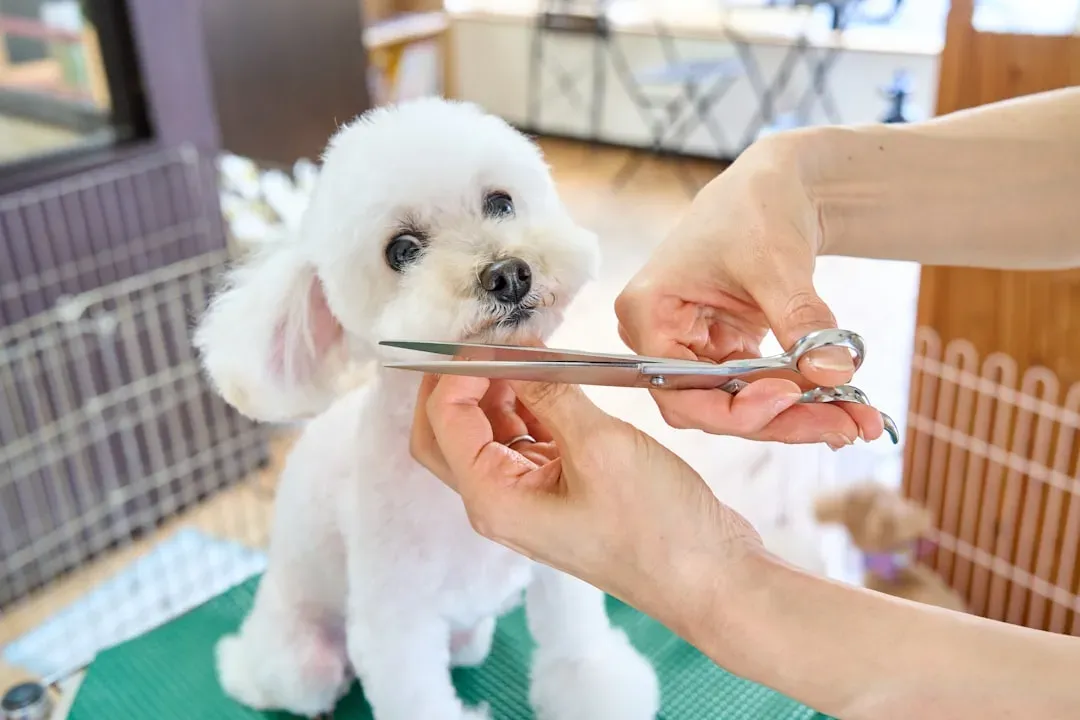
Let’s be real, groomers aren’t avoiding these breeds because they don’t appreciate them. They absolutely do. These dogs are often stunning, affectionate, and wonderful companions. The hesitation comes from a place of knowing exactly what’s involved in keeping them looking and feeling their best. After dedicating their workdays to intensive grooming, many professionals simply crave simplicity at home.
Choosing a dog is deeply personal, and what works for one person might not suit another. If you’re considering one of these high-maintenance breeds, go in with your eyes open. Understand the commitment, budget for professional grooming, and invest in quality tools for at-home care. These breeds can bring immense joy, but they do demand time, patience, and dedication.
What’s your take on this? Would you choose a high-maintenance breed knowing what’s involved, or would you opt for something a bit easier? Share your thoughts and experiences in the comments below.


