
Your Dog’s Favorite Nap Spot Can Tell You a Lot About Their Comfort
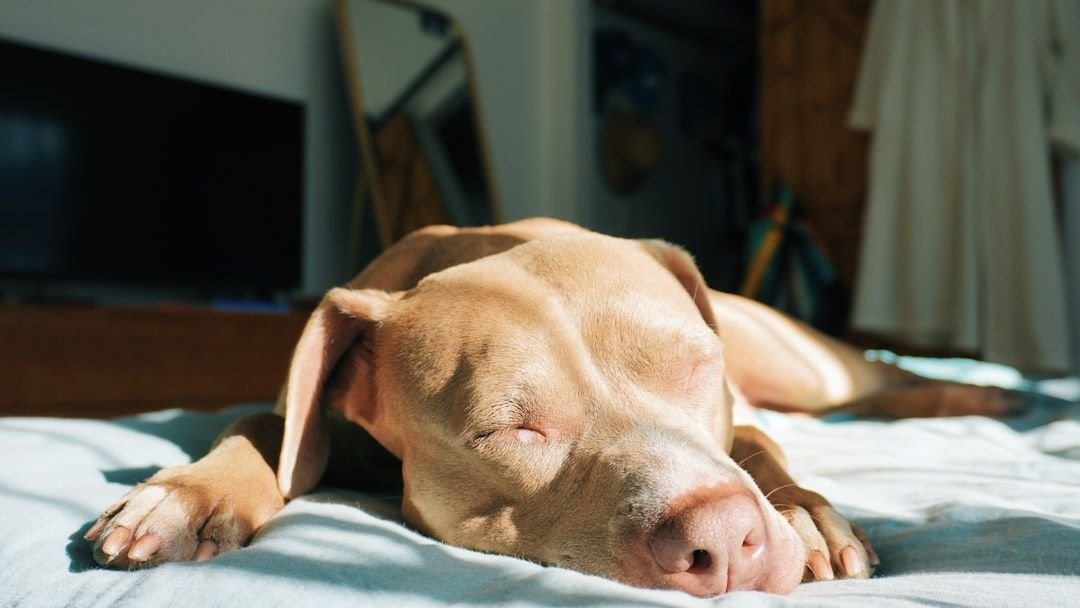
Ever notice how your dog always seems to find that one perfect spot for their afternoon snooze? Maybe it’s the sunny patch by the window, or perhaps they’ve claimed the coolest corner of your bedroom floor. It’s tempting to think they’re just creatures of habit, picking spots at random. Here’s the thing though: where your dog chooses to rest isn’t random at all.
Their nap location is actually a form of communication, revealing clues about how they’re feeling physically and emotionally. Dogs can’t exactly tell us when they’re too warm, anxious, or dealing with joint discomfort. Instead, they show us through their choices. By paying attention to where your furry friend settles down, you can learn to read these subtle signals and make sure they’re truly comfortable and content.
Temperature Control Is a Major Sleep Priority

Dogs are sensitive to temperature changes, and moving to a different spot can help them stay comfortable, whether they need warmth or a cool-down. Dogs use different sleeping positions to help regulate their body temperature, and the same goes for their chosen location. You’ll often find dogs sprawled on tile floors during summer months because those surfaces stay naturally cooler than carpet or bedding.
During colder seasons, the opposite happens. During colder months, the enclosed space may trap warmth, making it a snug and inviting spot for your pet. This explains why some dogs suddenly prefer sleeping under furniture or tucked into corners when winter arrives. Dogs may switch sleeping spots depending on the season, choosing cooler spots in the summer and cosier, enclosed areas in the winter.
If your dog keeps changing locations throughout the day, don’t assume they’re just restless. They’re likely managing their body temperature, seeking out warmer or cooler areas as needed. Breeds with thick coats or flat faces are particularly sensitive to heat and may move more frequently to stay comfortable.
Security and Safety Shape Sleeping Choices

Dogs are descendants of wolves, and their instinct to seek shelter is deeply ingrained in their DNA, with the space under your bed serving as a modern equivalent of a safe, cozy den. When your dog chooses enclosed or tucked-away sleeping spots, they’re following ancestral instincts that helped their wild relatives survive. This behavior isn’t about being antisocial; it’s about feeling protected.
A dog’s sleep position is often dictated by the pet’s general levels of comfort, anxiety, safety, and environmental temperature. Dogs who feel uncertain or overwhelmed may seek out hiding spots like under beds, behind furniture, or in closets. Your dog suddenly sleeps under the bed because it might feel safe and secure in enclosed spaces, and may also do this to escape from loud noises or stressful situations.
Pay attention if your typically social dog suddenly starts sleeping in isolated areas. A dog’s choice to sleep under the bed could signal underlying health issues, as dogs instinctively hide when they’re feeling unwell or in pain. However, some dogs simply prefer the den-like security of smaller spaces, and that’s perfectly normal for their personality.
Proximity to You Reveals Emotional Bonds
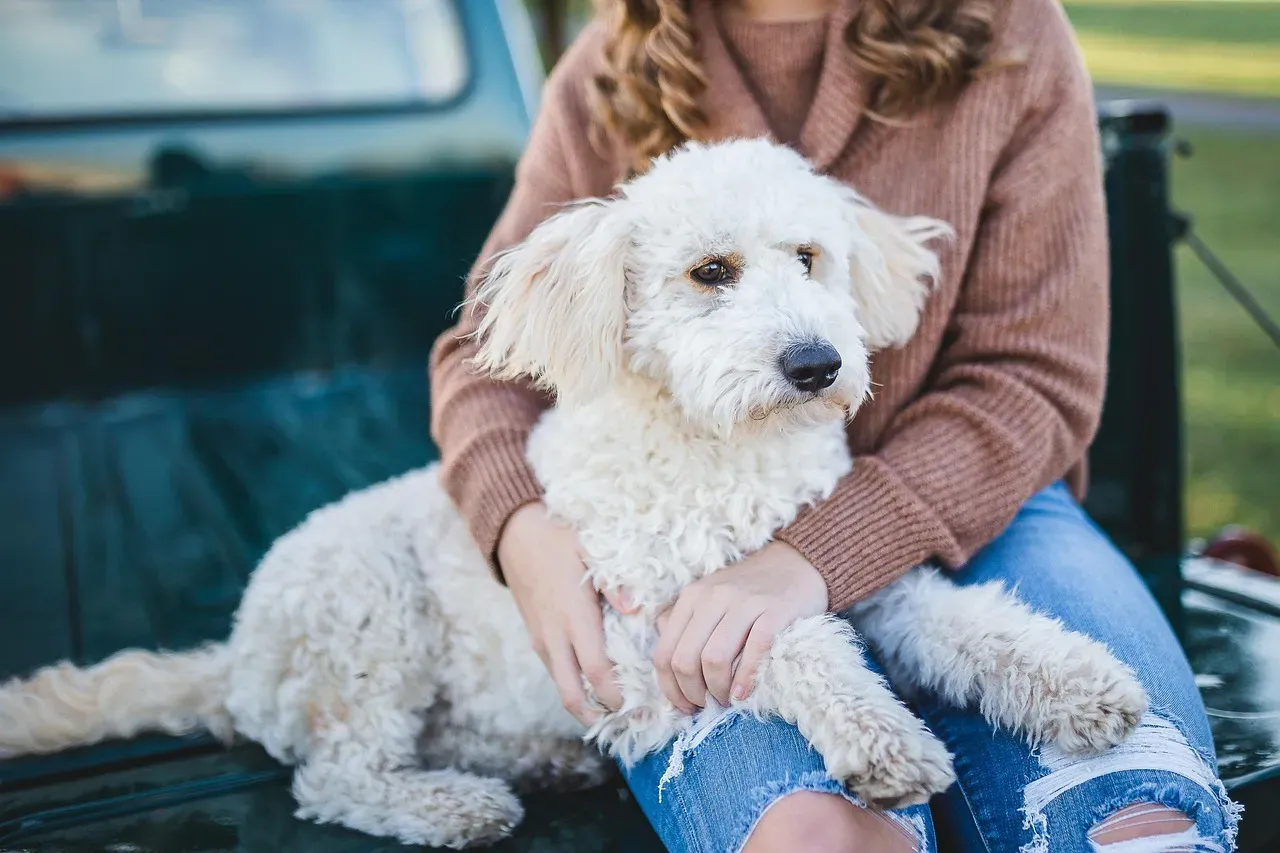
When dogs sleep at your feet or somewhere close to you, they’re doing so to feel safe and connected to you, as this behavior aligns with pack behavior. This isn’t clingy behavior; it’s your dog expressing trust and affection in the most natural way they know. Wild canines sleep near their pack for protection and warmth, and your dog views you as part of their family unit.
Your bed is filled with your scent, and being close to this familiar smell provides comfort and a sense of closeness to you, as they feel surrounded by your presence. Dogs who sleep in your bedroom or right next to your bed are demonstrating their attachment and seeking reassurance from your presence. Some dogs need this connection more than others.
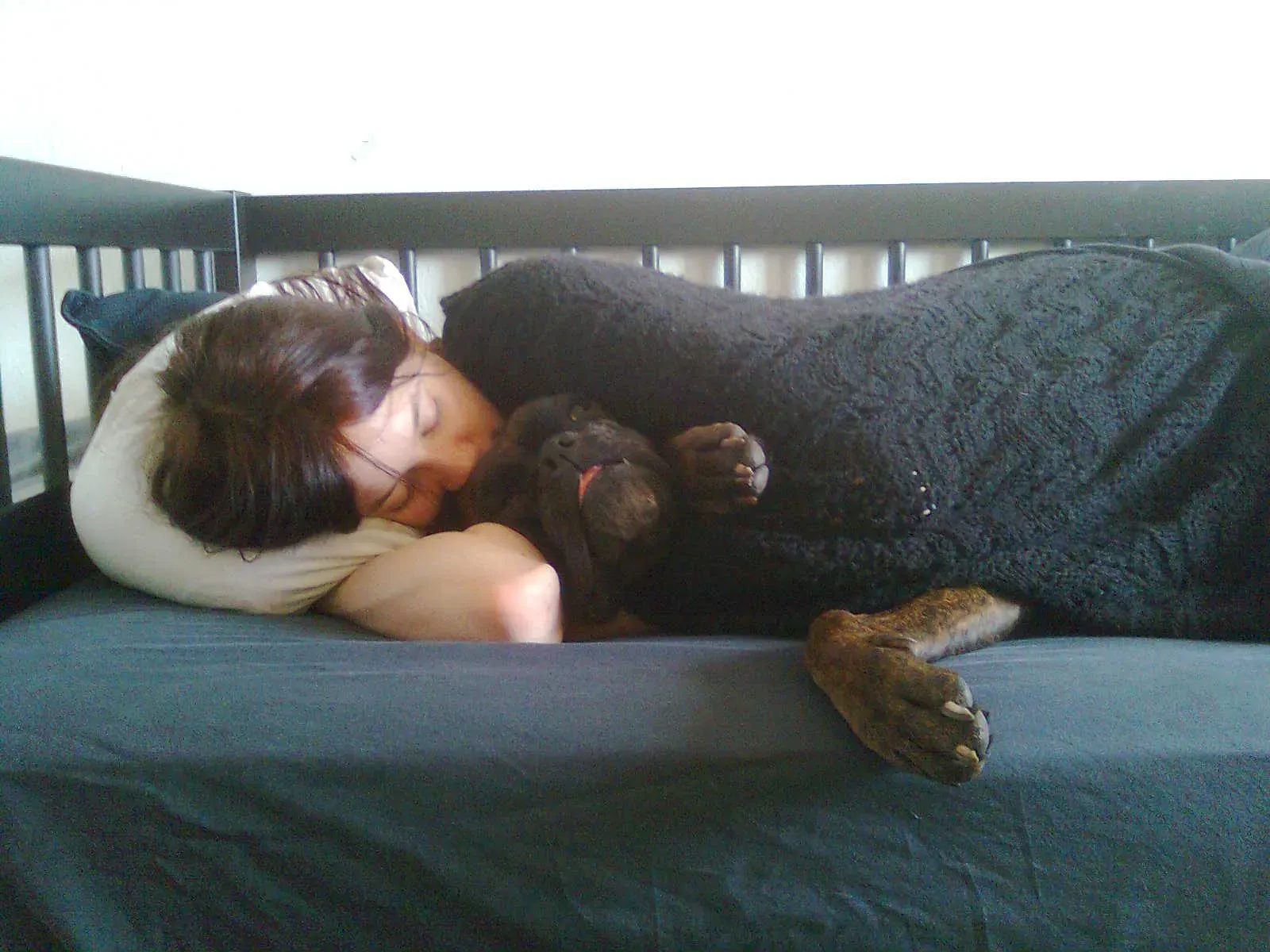
Honestly, it’s one of the most heartwarming aspects of dog ownership. When dogs sleep back-to-back, they are exhibiting trusting behavior and intimacy, which may echo dogs’ ancestral pack behavior when entire families slept piled together in dens. If your dog chooses to sleep touching you or another pet, celebrate that bond.
Changes in Sleep Location Can Signal Health Issues

Dogs may seek out different sleeping areas if they are experiencing pain or discomfort from an injury or chronic condition such as arthritis. A dog who previously loved sleeping on the couch but now prefers the floor might be dealing with joint pain that makes jumping up uncomfortable. Older dogs especially may change their preferences as mobility becomes more challenging.
A dog sleeping too little may be due to noisy environments or uncomfortable sleeping spots, or can signal dog pain, itching, joint problems, separation anxiety, or general anxiety. Watch for accompanying symptoms like stiffness when standing, reluctance to move, or groaning when lying down. These additional clues help distinguish between normal preference changes and potential medical concerns.
A sudden change in sleeping habits can point to underlying issues, as dogs with arthritis may avoid positions that put pressure on their joints, and a dog in pain may choose more protective positions. If your dog’s sleep spot changes dramatically without an obvious environmental reason like weather, schedule a veterinary checkup. It’s better to rule out health problems early than wait until symptoms become severe.
Creating Optimal Sleep Environments for Your Dog
Dogs sleep best in quiet, dark or dimly lit areas, and consistent spots help them relax, with bedding suited to their preference and age. You can support your dog’s comfort by providing multiple sleeping options throughout your home. Some dogs want variety, choosing different spots based on their current needs.
Multiple safe sleep spots throughout the home allow your dog freedom of choice based on mood and need. Consider placing beds in both warm and cool areas, giving your dog options for temperature regulation. Orthopedic beds benefit older dogs or those with joint issues, while cooling mats help thick-coated breeds during warmer months.
Let’s be real: your dog knows what they need better than we sometimes give them credit for. Prioritize consistency over perfection when establishing napping routines, as dogs adapt better to regular schedules, and document your dog’s natural preferences to build supportive structures around these innate patterns. Rather than forcing your preferences on them, observe where they naturally gravitate and enhance those areas with appropriate bedding and comfort features.
Your dog’s favorite nap spot isn’t just a quirky habit. It’s a window into their physical comfort, emotional security, and overall wellbeing. By paying attention to where they sleep and noticing any changes in their preferences, you’re tuning into their unspoken language. Sometimes a new sleeping location signals nothing more than seasonal adjustment or a desire for variety. Other times, it’s your dog’s way of telling you something’s changed, whether that’s increased anxiety, temperature discomfort, or even an emerging health issue. The beauty of understanding these patterns is that you become better equipped to meet your dog’s needs before small discomforts become bigger problems. What’s your dog’s current favorite spot? Have you noticed them switching things up lately?