
6 Signs of Trauma In Dogs

You know your dog better than anyone. You know the way their tail wags when you come home, how they tilt their head at certain sounds, the soft sigh they make before falling asleep. So when something feels off, when their joy seems dimmed or their behavior shifts in ways you can’t quite explain, it’s natural to worry. Maybe they flinch when they never did before. Maybe they’re hiding more often, or barking at shadows that weren’t scary yesterday.
Here’s the thing: are sentient beings who can experience fearful events that can have a traumatic impact on them. Trauma doesn’t always look dramatic or obvious. Sometimes it whispers rather than shouts. Understanding what trauma looks like in our canine companions is the first step toward helping them heal. Let’s explore the signs together, so you can offer your beloved dog the comfort, patience, and support they truly need.
Excessive Fear and Avoidance Behaviors

Dogs may attempt to escape or flee situations where frightened, become aggressive when interacted with, freeze, or show avoidance behaviors such as hiding. Think about a dog who suddenly refuses to walk past a certain house, or who ducks behind furniture when a familiar guest arrives. These aren’t just quirks.
Your dog might start retreating to corners, closets, or under beds more than usual. They may avoid eye contact or turn their head away when approached. It’s heartbreaking to watch, honestly, because what you’re seeing is a dog trying to feel safe in a world that suddenly feels threatening. Dogs may display heightened fear or anxiety, particularly in situations reminiscent of the traumatic event, becoming more skittish and exhibiting avoidance behaviors.
Sometimes this avoidance extends to places they once loved. A dog traumatized at the vet might refuse to get in the car. One who experienced something frightening outdoors might plant their paws at the door. The key is recognizing that this behavior change happened for a reason, even if you don’t know exactly what that reason is.
Hypervigilance and Exaggerated Startle Responses

Traumatized dogs may become hyperalert and constantly on edge, exhibiting an exaggerated startle response to sudden noises or movements. Picture a dog whose ears are always pricked, whose eyes dart around the room, who jumps at the slightest sound. They’re living in a constant state of alert, unable to relax even in familiar surroundings.
You might notice your dog can’t seem to settle. They pace. They scan the environment continuously, looking for threats that aren’t there. Dogs suffering from trauma may be constantly and vigilantly alert, looking out everywhere in search of possible threats, seeming restless and unable to calm down.
This hypervigilance is exhausting, both for them and for you. A noise that wouldn’t have bothered them before, like a door closing or a neighbor’s footsteps, now sends them into high alert. Their nervous system is stuck in survival mode, unable to distinguish between real danger and everyday life.
Aggression or Defensive Behaviors

Traumatized dogs may exhibit defensive behaviors, such as growling, snapping, or lunging, due to heightened fear and needing to protect themselves. I think this is one of the most misunderstood signs of trauma. People see aggression and assume the dog is mean or dominant, but often what you’re really seeing is fear.
Your gentle dog might suddenly snap at someone reaching toward them. They might growl when cornered or show their teeth in situations that previously wouldn’t have triggered them. Some dogs opt for the fight response, resulting in aggressive behavior often misconstrued as merely a problem behavior, when this aggression is actually the dog’s way of protecting itself from what it perceives as a threat.
It’s hard to say for sure, but this defensive aggression usually comes from a place of profound fear rather than malice. The dog is essentially saying, “Stay back, I don’t feel safe.” Understanding this doesn’t excuse dangerous behavior, of course, but it does help guide us toward compassionate, effective treatment rather than punishment.
Changes in Sleep Patterns and Nightmares

Trauma can disrupt the regular eating and sleeping routines of a dog, causing them to lose their appetite or experience anxious sleeping. Have you ever watched your dog sleep and noticed them whimpering, running in place, or crying out? While occasional dream activity is normal, frequent nightmares can indicate unresolved trauma.
Dogs may cry, run, or bite in their sleep, which suggests terrifying flashbacks. They might wake suddenly, disoriented and panting. Some traumatized dogs struggle to fall asleep at all, remaining alert even when their body desperately needs rest.
Sleep disturbances often go hand in hand with other trauma symptoms. A dog who can’t relax during the day certainly won’t relax at night. You might find them pacing at odd hours, unable to settle into the deep, restorative sleep they need. Providing a safe, quiet sleeping area can help, but addressing the underlying trauma is crucial for long term improvement.
Withdrawal and Depression

Traumatized dogs can become depressed, showing diminished interest in play or interaction. This one breaks my heart. The dog who once greeted you with unbridled enthusiasm now barely lifts their head. They’re not interested in their favorite toys or games. They just… exist.
Dogs may become withdrawn, listless, or disinterested in activities they used to enjoy, showing signs of depression, loss of appetite, or decreased energy levels. It’s like watching a light go out. They might spend hours lying in one spot, staring at nothing. Their tail doesn’t wag. Their spark is gone.
This emotional shutdown is a coping mechanism. When the world feels overwhelming and unsafe, some dogs simply disconnect. They might stop seeking attention or affection, even from their favorite people. The good news is that with patience, gentle encouragement, and sometimes professional help, many dogs can rediscover their joy. Recovery takes time, but it’s absolutely possible.
Compulsive and Repetitive Behaviors
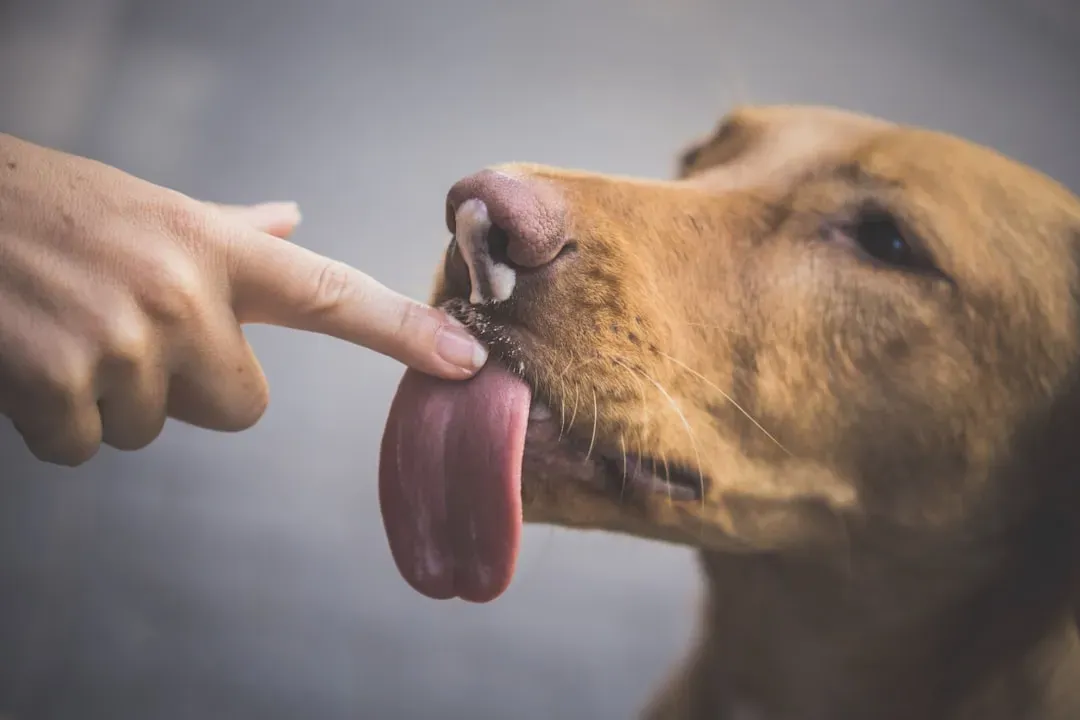
Traumatized dogs may display compulsive behaviors like tail chasing, shadow staring, and floor licking due to overexcitement of their nervous system. These behaviors often seem strange or pointless to us, but they serve a purpose for the anxious dog: they’re a way to self soothe or release pent up stress.
You might notice your dog obsessively licking the same spot on their body, creating hot spots or wounds. They might pace the same path repeatedly, spin in circles, or fixate on shadows and lights. Trauma can manifest as shaking, hiding, excessive vocalization, and panting, along with these repetitive actions.
These compulsions can intensify when the dog is stressed or triggered. It’s hard to say for sure, but think of it like a person biting their nails or tapping their foot when anxious, except taken to an extreme. Interrupting these behaviors without addressing the underlying anxiety rarely works. Instead, working with a veterinary behaviorist to identify triggers and develop coping strategies is usually the most effective approach.
Conclusion

Recognizing trauma in your dog is not about labeling them as broken or damaged. It’s about understanding their experience with empathy and compassion. Roughly five to seventeen percent of dogs are affected with canine trauma, though the condition has only been recognized within the past ten years, so we’re still learning how best to help them.
The beautiful thing about dogs is their resilience. With proper support, many traumatized dogs can heal and go on to live happy, fulfilling lives. Treatment often involves a combination of behavior modification, environmental management, patience, and sometimes medication. Understanding your companion’s triggers is beneficial in helping prevent episodes, and this doesn’t mean the pet should be forced to live an ultra protected life.
If you recognize these signs in your dog, don’t lose hope. Reach out to a veterinary behaviorist or certified trainer who specializes in trauma informed care. Your dog may have been through something difficult, but with your love and the right support, healing is possible. What have you noticed in your own dog that made you wonder about trauma? Trust your instincts and advocate for your furry friend.