
Picture this. You’re scrolling through adorable puppy photos online, your heart melting at every fuzzy face, imagining long walks and loyal companionship. Then reality hits when your new four-legged friend transforms your favorite shoes into confetti or refuses to come when called, no matter how many treats you wave around.
Here’s the thing. Not every dog is suited for beginners, and choosing the wrong breed can turn your dream of dog ownership into a daily wrestling match. Some breeds come with built-in challenges that even experienced handlers find exhausting. Think independent thinkers who’d rather follow their own agenda, high-energy dynamos who never seem to tire, or strong-willed guardians who need constant, firm guidance. On the flip side, certain breeds practically train themselves, eager to please and naturally gentle.
Whether you’re about to welcome your first pup or helping someone else make that choice, understanding which breeds mesh well with inexperience and which demand serious expertise can save everyone involved, especially the dog, from frustration. So let’s dive in.
Siberian Husky: The Beautiful Escape Artist
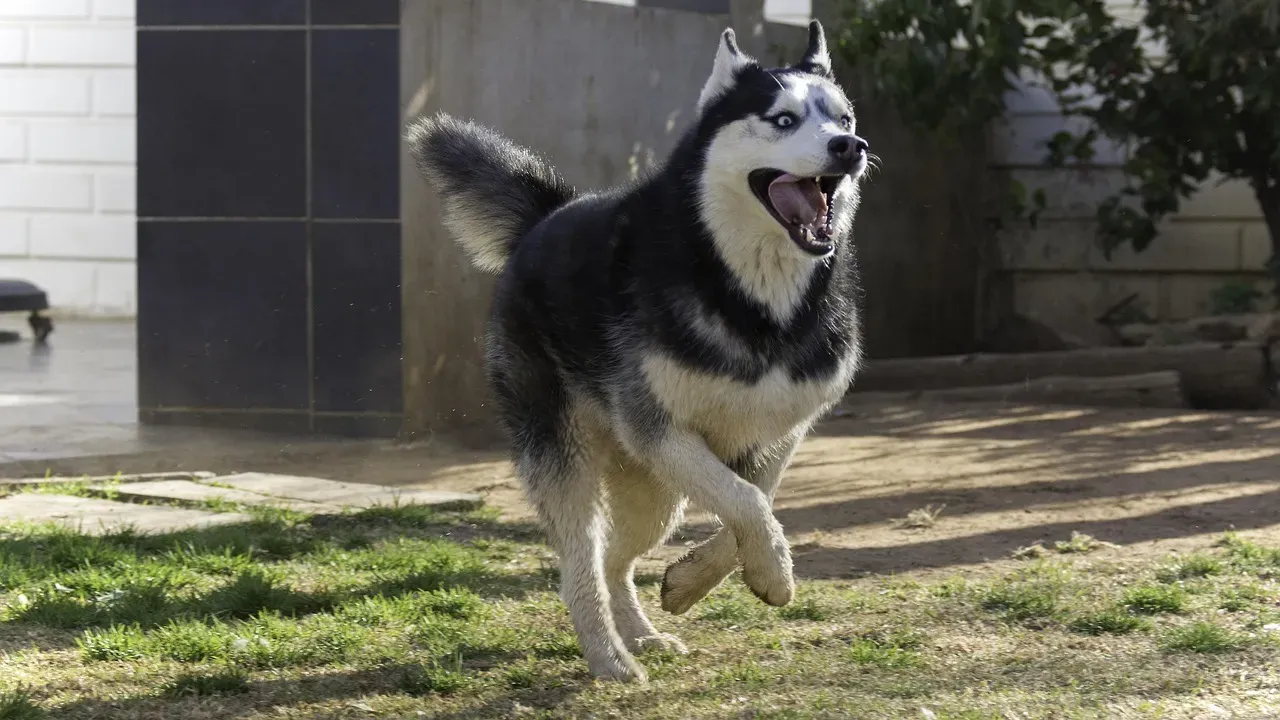
Siberian Huskies are famous for having minds of their own. These clever escape artists can slip in and out of spaces you didn’t even know existed.
These dogs are among the highest energy breeds out there, developed to be sled dogs capable of traversing long distances. They need heaps of exercise and mental stimulation. Without that outlet, they’ll redirect their boundless energy into destructive behaviors like shredding furniture or staging elaborate escape attempts. Honestly, if you’re not prepared for daily intense exercise and a yard with Fort Knox-level security, a Husky will test every limit you didn’t know you had.
Their stunning appearance draws people in, but their stubborn streak and vocal nature can overwhelm new owners. Huskies are extremely vocal dogs. They love the sound of their own voice and aren’t afraid to express their feelings to the world, whether through whines, chirps, or howls.
Border Collie: Too Smart for Their Own Good
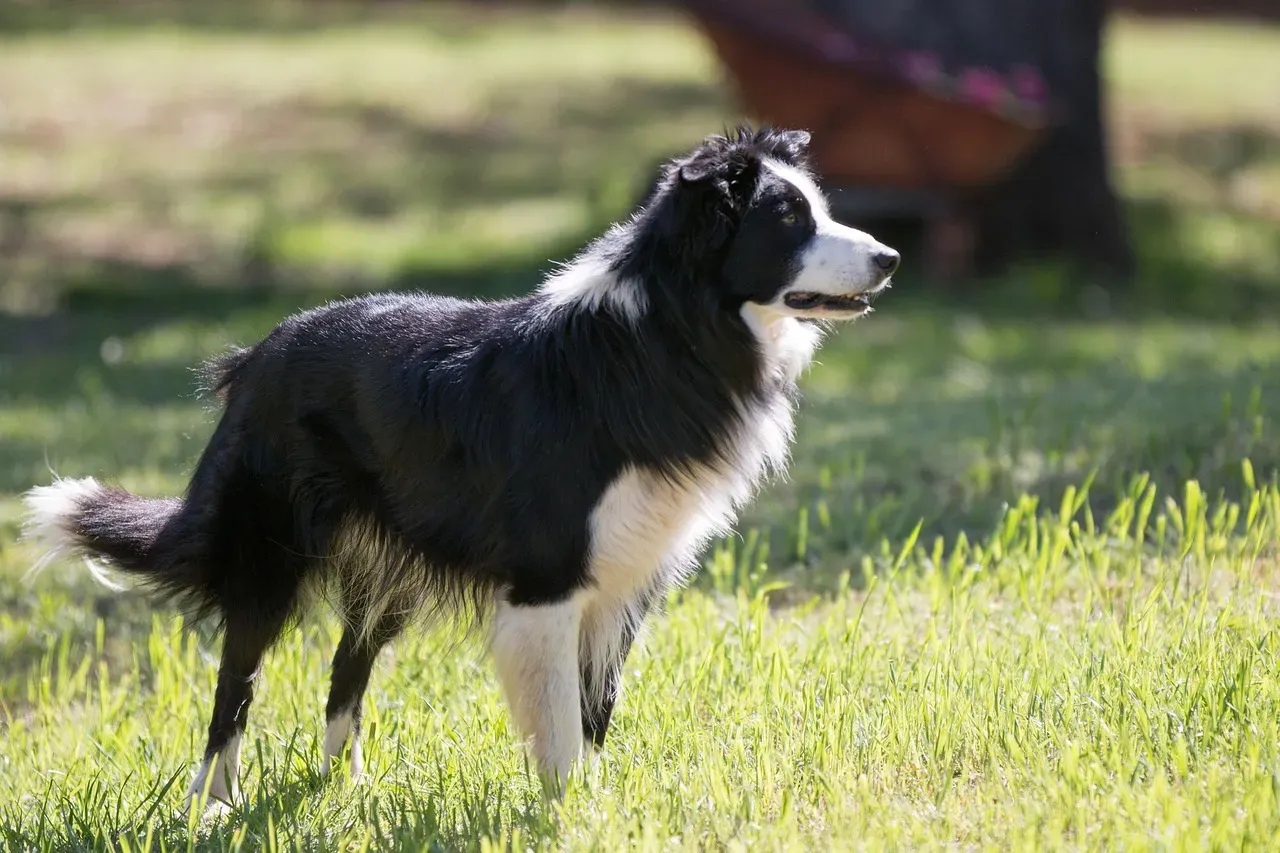
Border Collies are extremely intelligent and bursting with energy. These qualities make them exceptional workers. Unfortunately, they also lead to plenty of mischief when there is no job to be done.
Let’s be real. These dogs were bred to work all day herding sheep across vast pastures. If you’re expecting a calm companion for Netflix marathons, think again. With their high intelligence and history as herders, having a job to do can help address their higher physical and mental stimulation needs. They may take to herding people or doing more destructive things if they don’t get those needs met or get proper training.
They need constant challenges, puzzle toys, agility courses, or actual herding work. For a first-timer juggling work and life, meeting a Border Collie’s needs can feel like a full-time job itself.
Akita: The Loyal Guardian with a Mind of Its Own
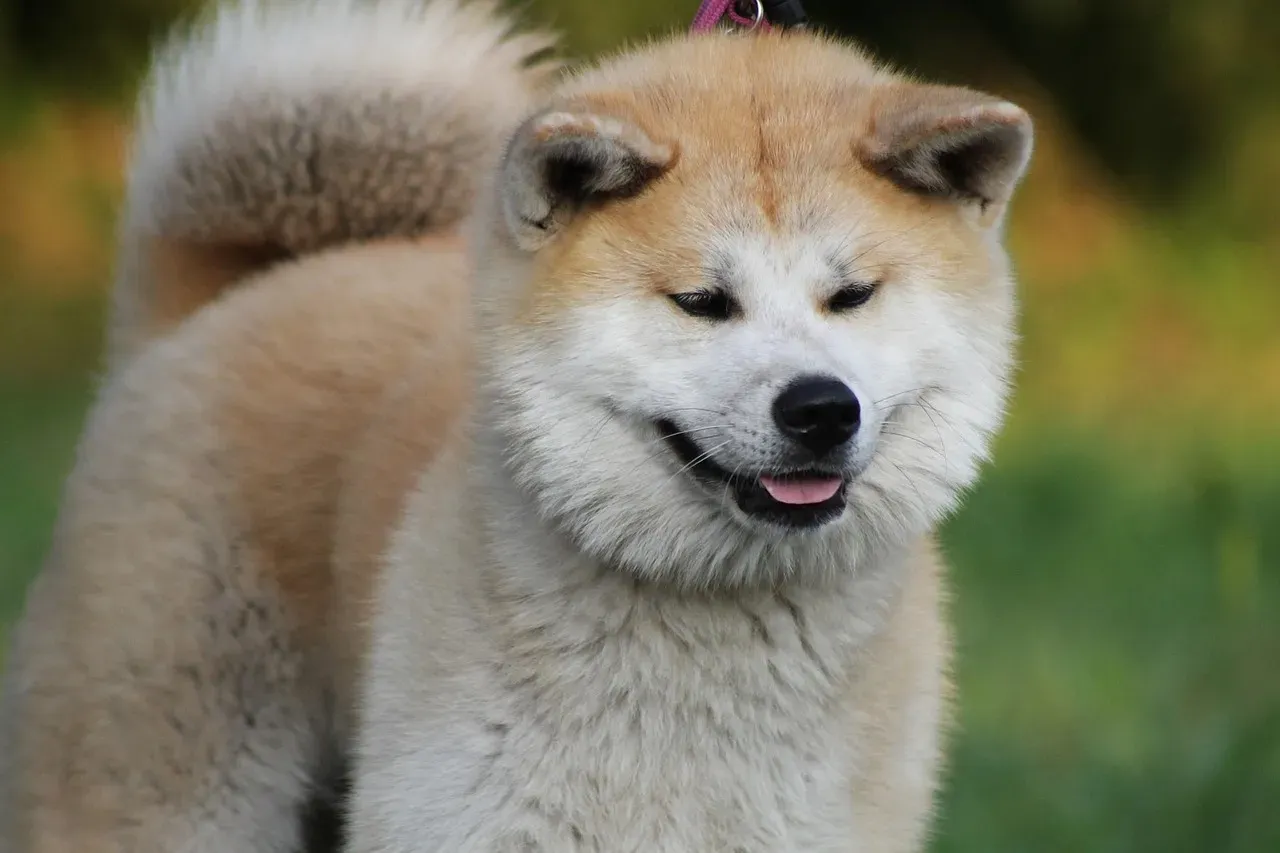
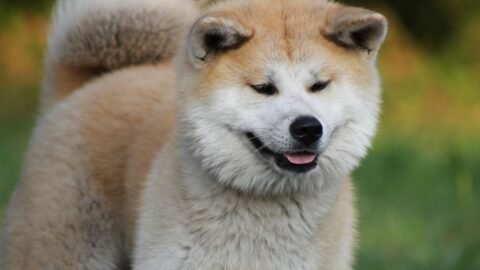
Akitas were bred to hunt big game, so they have a strong prey drive and can be aggressive if not adequately socialized and trained. Highly protective by nature, these dogs are often wary of strangers and do not always get along with other dogs.
These majestic dogs form deep bonds with their families, but their independence and protective instincts require an experienced hand. They’re also quite smart and stubborn, which can present a challenge when training. A firm, knowledgeable owner is needed to get the job done, both with standard training and socialization. If you’ve never established yourself as a confident leader with a dog before, an Akita might question your authority at every turn.
Their loyalty is legendary, but without proper early socialization, that devotion can morph into territoriality and aggression toward other animals or strangers.
Jack Russell Terrier: Small Dog, Giant Personality
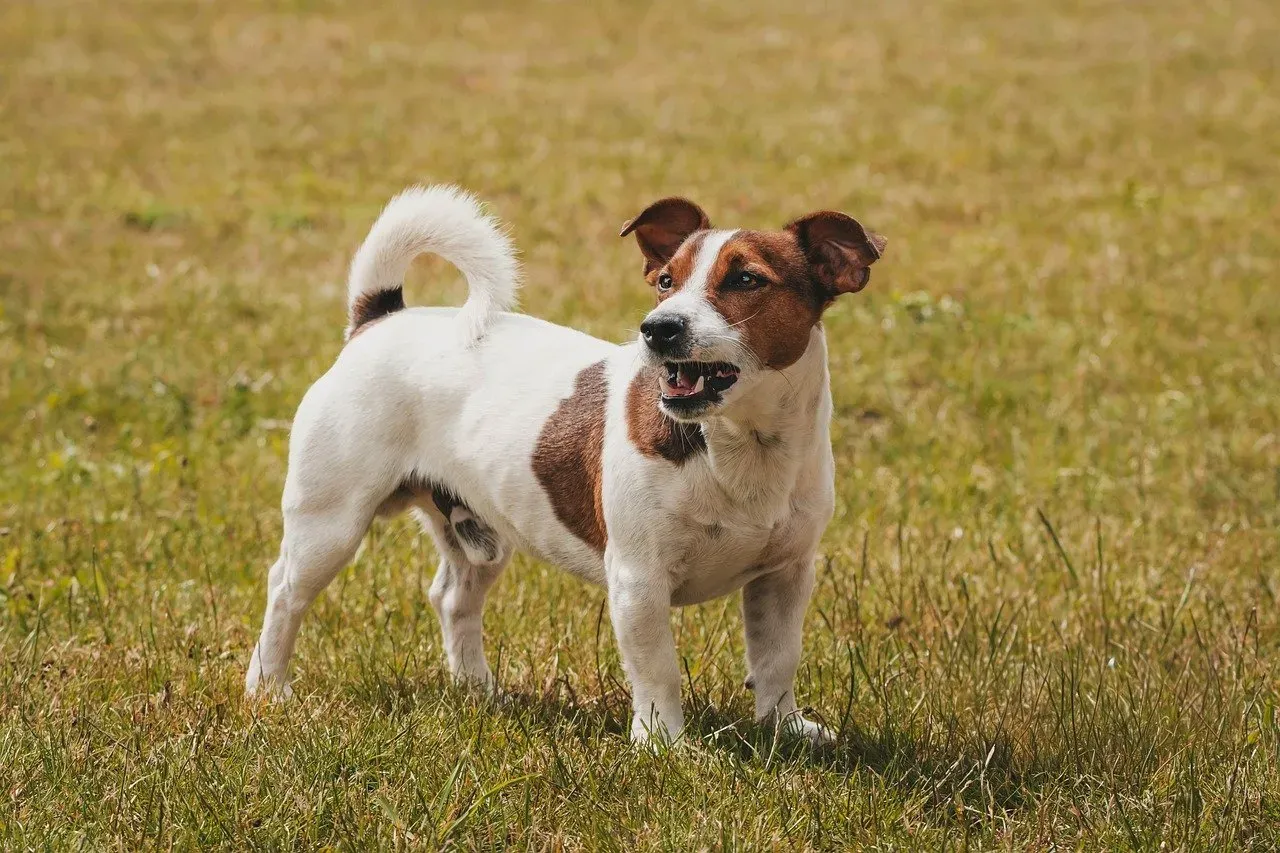
This breed is very high energy, stemming from its history of hunting. Due to that hunting history, it also has a strong prey drive. Jack Russells are fond of getting into a bit of trouble, love digging, are apt to escape, and are curious little investigators.
Don’t let their compact size fool you. Jack Russells pack more energy and mischief into their small frames than seems physically possible. They’re relentless, clever, and always looking for the next adventure, whether that’s digging up your garden or chasing the neighbor’s cat.
These terriers need owners who can match their intensity and provide consistent boundaries. For someone expecting a lap dog, a Jack Russell will be a rude awakening. They demand constant engagement and firm training, or they’ll quickly become the ones training you.
Chow Chow: The Aloof Independent
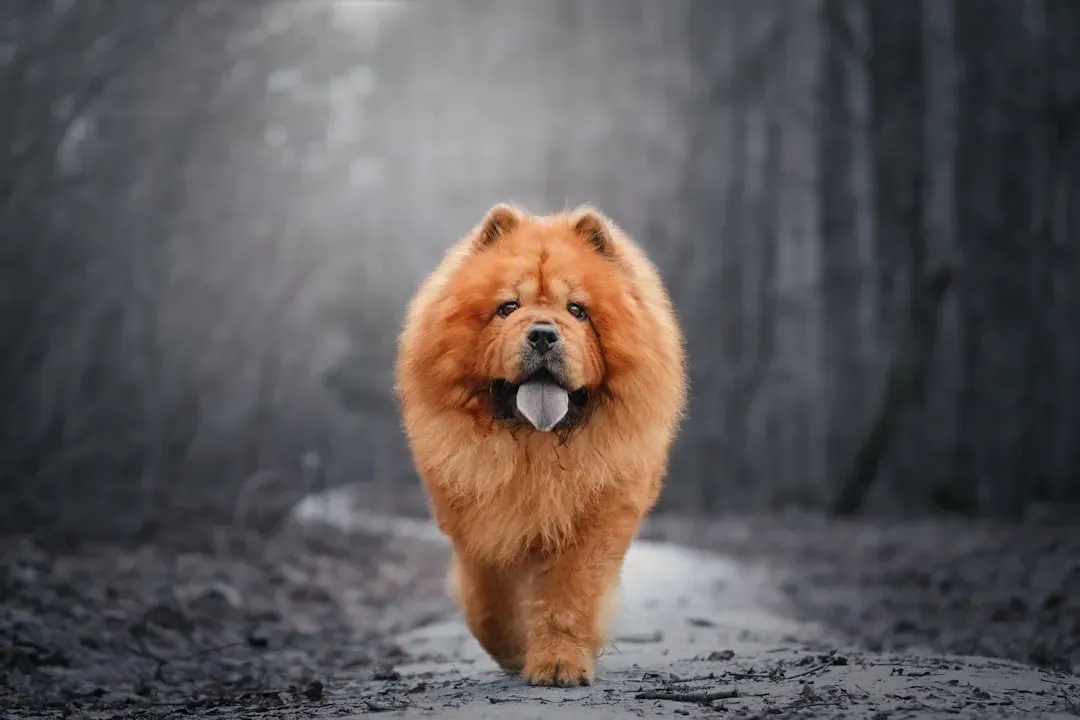
While intelligent, these dogs are stubborn. Raising a well-mannered and well-adjusted Chow takes a lot of training and patience, so these dogs do best with experienced owners.
Chow Chows develop strong attachments to their families and show quiet devotion. These independent thinkers are loyal and protective, but they’re not exactly the most eager to please. They have that signature “I’ll decide” attitude that can frustrate first-timers expecting instant obedience.
Their thick double coat also means serious grooming commitment. Chows also have relatively intense grooming needs. If you can’t keep up with brushing your dog and removing mats regularly, this is not the breed for you. Between their stubborn temperament and high-maintenance coat, Chows require dedication most beginners aren’t prepared for.
Dalmatian: The Energetic Carriage Dog
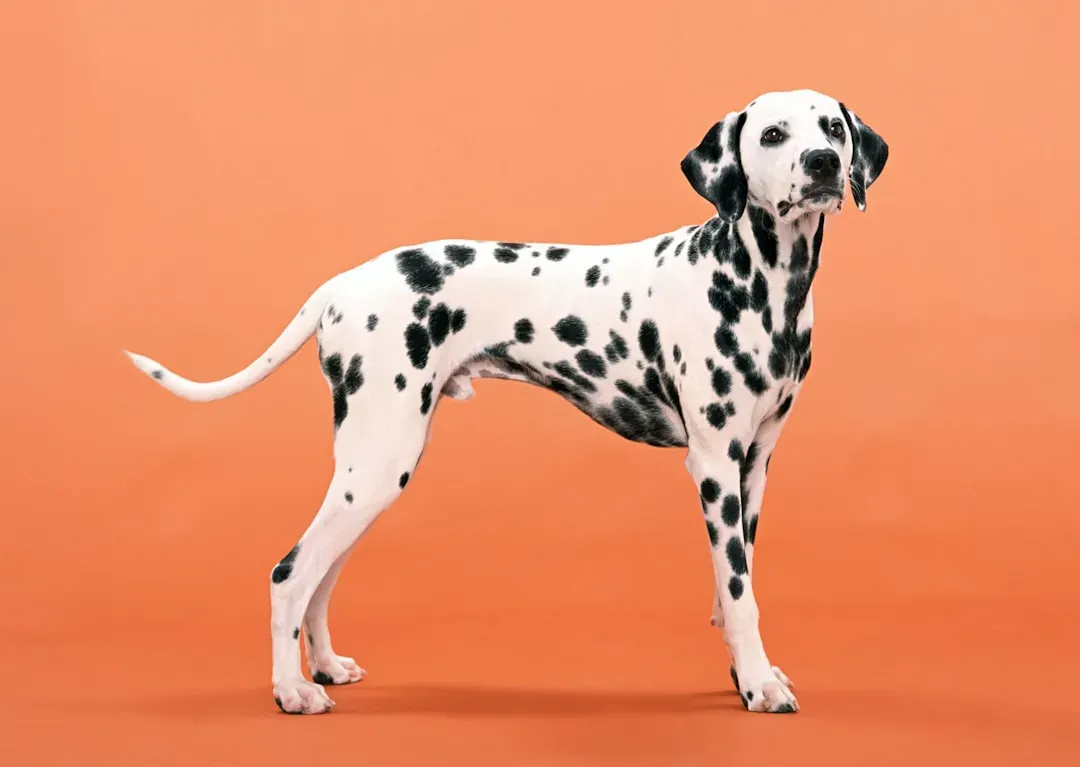
Popularized by the movie 101 Dalmatians, these dogs are notoriously difficult for even experienced owners. They were originally bred to run barking ahead of fire engines, so they need a lot of energy release and can be quite barky.
While their personalities are bright, their needs are also high. This breed was used as carriage dogs, including for firemen, so they love a good run and have a lot of energy to burn. If you can’t commit to extensive daily exercise, a Dalmatian will channel that pent-up energy into behaviors you won’t appreciate.
They’re intelligent and can be protective, but without proper training and socialization, that combination can lead to destructive tendencies or excessive barking that’ll have your neighbors knocking at your door.
Labrador Retriever: America’s Sweetheart
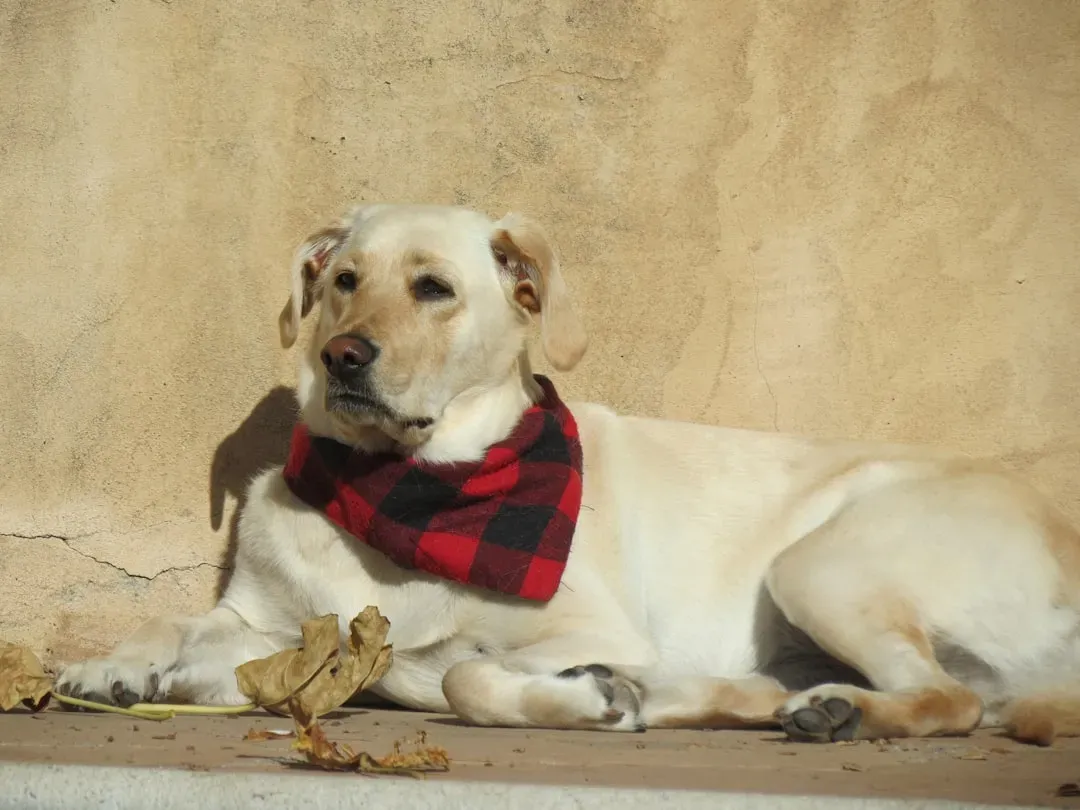
The most popular dog in Britain is also a pretty good choice for a first time owner. The Labrador Retriever has the perfect combination of brains, beauty and friendliness. It should be noted though that they need regular exercise and don’t like being left alone for long periods of time.
Labs are pretty much the gold standard for beginner-friendly breeds. They’re eager to please, naturally social, and incredibly patient with children and other pets. Training a Lab feels less like work and more like play because they genuinely want to make you happy.
The Lab has been one of the most popular breeds in the U.S. for decades for a reason. This intensely loyal and affectionate breed is great with kids, is extremely trainable, and is friendly with strangers. Sure, they need exercise and can be exuberant during their younger years, but their forgiving nature and food motivation make training straightforward even for complete novices.
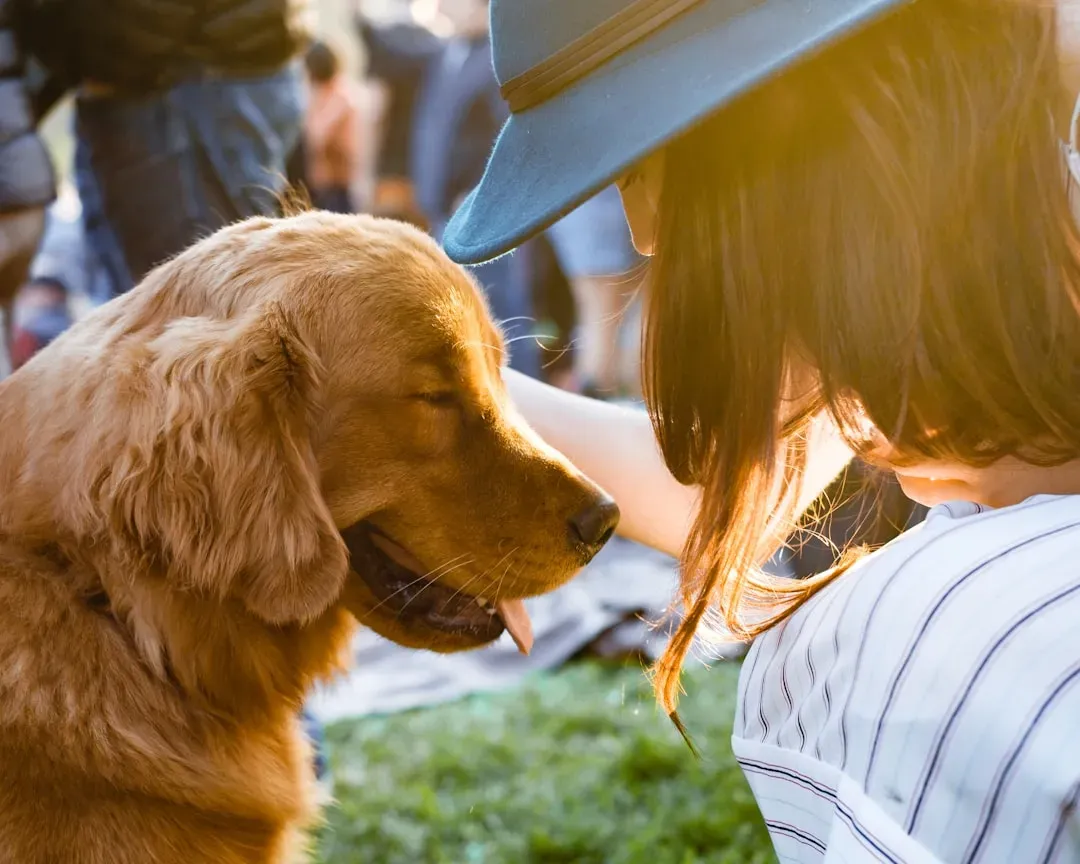
Golden Retriever: The Gentle Giant
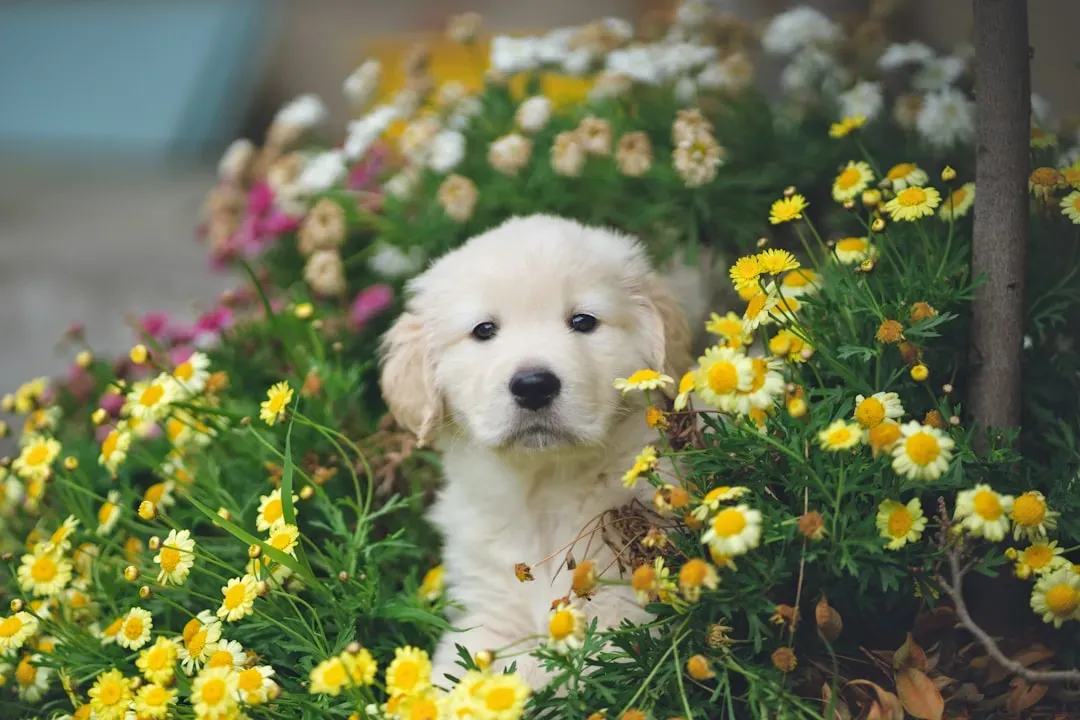
Golden Retrievers are intelligent dogs and are known to be easy to train. Additionally, their calm nature means they’re good with kids.
These dogs practically embody everything you’d want in a first dog. They’re patient, gentle, and adapt beautifully to family life whether you live in the suburbs or countryside. This breed is an excellent companion because of its gentle disposition, outgoing nature, and eagerness to please. They can also make the best medium-sized dog breeds for first-time owners due to their manageable size and adaptability.
Goldens are forgiving of training mistakes, which is crucial when you’re learning alongside your pup. They respond beautifully to positive reinforcement and rarely hold grudges when you fumble through early training sessions.
Cavalier King Charles Spaniel: The Adaptable Companion
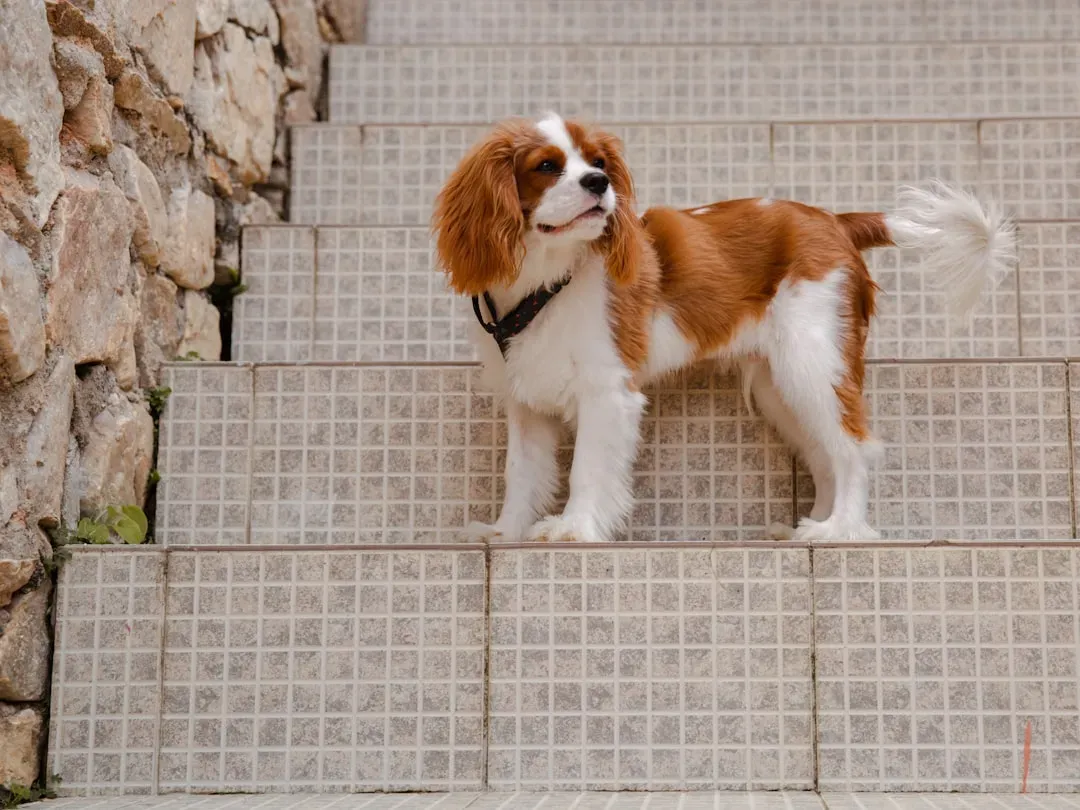
This gentle, affectionate Cavalier King Charles Spaniel is known for being adaptable and good with all sorts of people, from young children to the elderly. The Cav is very trainable and open with strangers. While they do need regular grooming and an average amount of exercise, they are overall a low-maintenance breed.
These sweet-natured spaniels are perfect for first-timers living in apartments or smaller spaces. This breed is outstanding for its sweet, gentle, and affectionate nature. It also makes the ideal pet for those living in smaller spaces, with children or other pets.
They’re not demanding, don’t require marathon exercise sessions, and their friendly disposition means socialization comes naturally. Cavaliers want nothing more than to be near their people, making them wonderfully intuitive companions who seem to understand what you need before you do.
Poodle: The Brainy Beauty
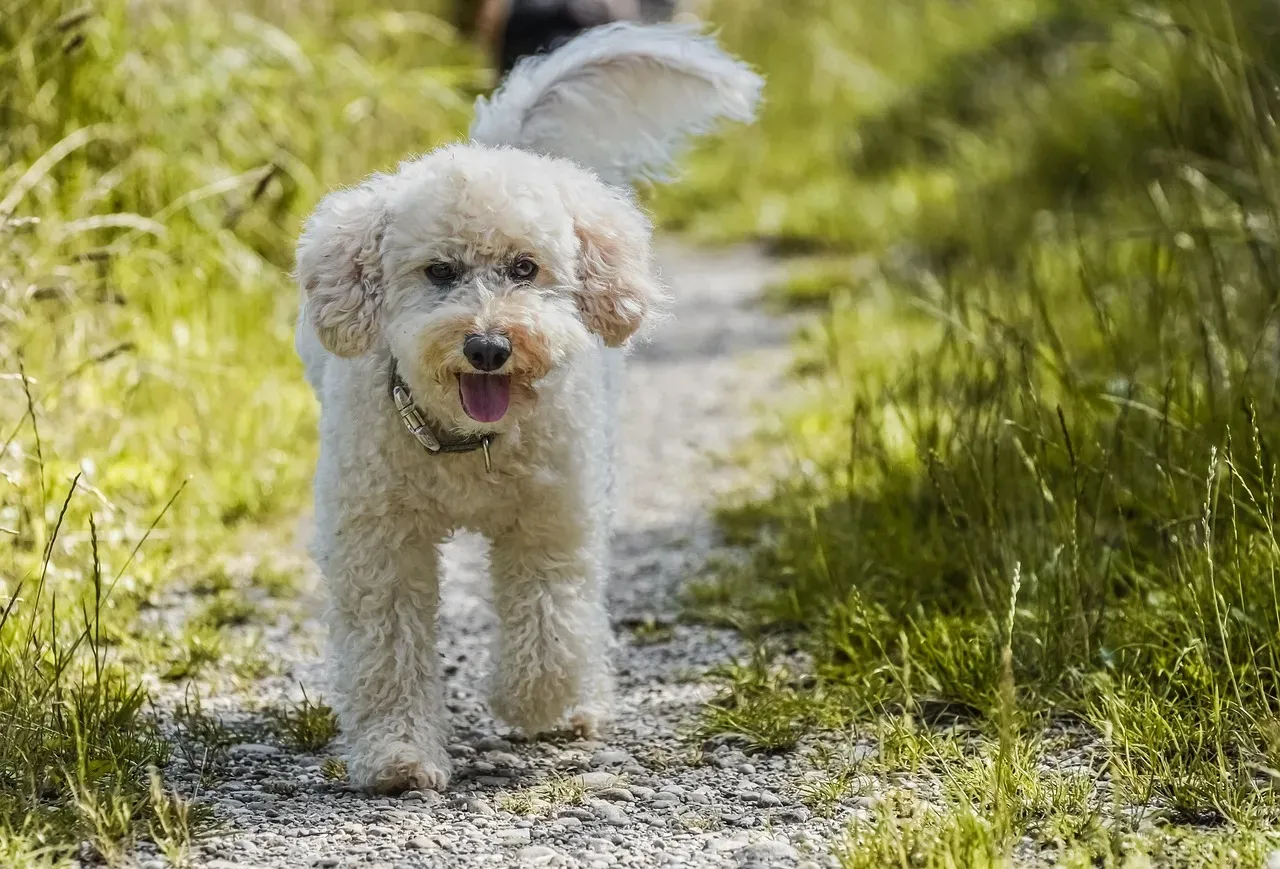
The Poodle is an exceptionally smart breed that excels in all kinds of dog sports. The breed comes in three size varieties (Toy, Miniature, and Standard), which may contribute to why this is one of the most popular breeds. The Poodle can accommodate nearly any size of living quarters.
Poodles are wickedly intelligent, which makes training feel effortless. The miniature and standard Poodle rank highly among the best dog breeds for a first time owner because of their intelligence, active, and hypoallergenic coats. They’re quick learners who thrive on mental challenges, so teaching them commands and tricks becomes a rewarding bonding experience.
Their nearly-hypoallergenic coat may reduce allergic reactions, but Poodles do require grooming to keep their coats maintained. That’s really the only trade-off, and many first-timers find regular grooming sessions a small price to pay for such a trainable, versatile companion.
Greyhound: The Couch Potato Sprinter
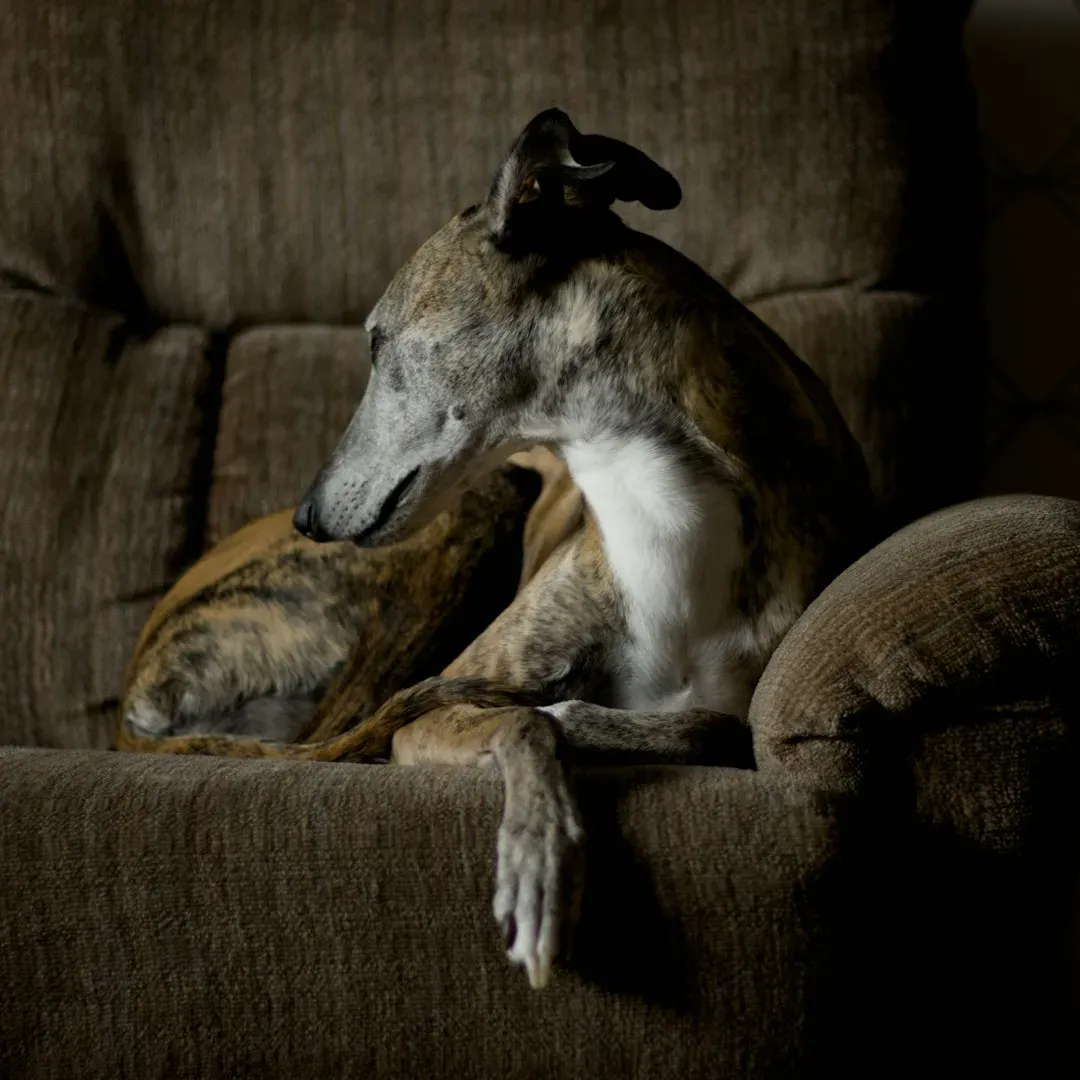
You would think that owning the fastest dog in the world would be pretty hectic. And while Greyhounds have a lot of exercise needs, they’re actually quite calm and lovable. They enjoy spending their days napping, lounging in the sun, and hanging out with their family. They are truly low maintenance.
Here’s what surprises most people. Despite being racing dogs, Greyhounds are actually gentle, quiet, and prefer lounging around to constant activity. Greyhounds rarely bark or make noise, unless left alone for any extended period of time. They generally don’t smell due to their short coat. And they’re very receptive to training.
Usually overlooked by first-time dog owners, Greyhounds have a gentle, noble, and sweet demeanor despite having a reputation as racing dogs. They, however, require regular exercise but are otherwise low-maintenance pets, ideal as family pets. They’re perfect for someone who wants a larger dog without the overwhelming energy or training challenges.
Conclusion
Choosing your first dog isn’t just about falling for a cute face or a specific look. It’s about honestly assessing your lifestyle, experience level, and commitment. The breeds we’ve explored as challenging aren’t bad dogs, they’re just demanding in ways that can overwhelm someone still learning the basics of dog ownership.
Meanwhile, the easier breeds offer a gentler learning curve, forgiving your inevitable mistakes while still providing all the love and companionship you’re seeking. They’ll teach you the ropes without pushing you to your breaking point.
Think about your daily schedule, living space, and patience level. Are you ready for a dog that challenges you at every step, or would you prefer one that works with you as you both figure things out together?
What matters most is finding that right match, because when the fit is good, even a first-time owner can build a beautiful, lasting bond with their canine companion. Did you expect some of these breeds to make the list? What’s your experience been with your first dog?


