

There’s something deeply moving about coming home after a rough day, sinking into the couch with your feelings heavy around you, only to have your dog pad over quietly and place their favorite toy in your lap. Not the half-destroyed one they usually ignore. Not the squeaky ball they chase around endlessly. Their absolute favorite. The one they sleep with, the one they guard from other pets, the one that means something to them.
Most people assume this is an invitation to play. I know I did for years. We interpret it through our human lens, thinking our dogs are simply trying to distract us or initiate a game of fetch. The reality is far more profound and honestly more touching than you might expect. Your dog isn’t asking for anything. They’re giving you something precious because they genuinely understand you’re hurting.
They Know You’re Sad Before You Fully Realize It Yourself
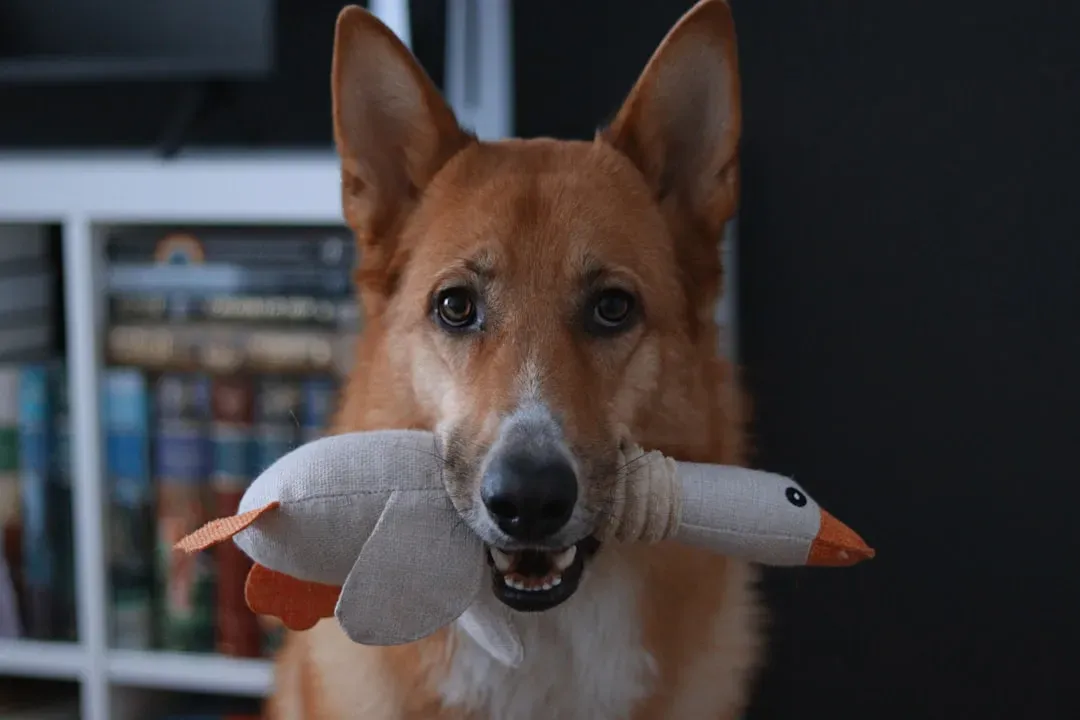
Dogs can detect physical and emotional changes in humans through a combination of sight, smell, and hearing, and they can recognize these differences even before their owners recognize what’s going on with them. Think about that for a moment. Your dog might notice your sadness brewing before you’ve even fully acknowledged it yourself.
Their extraordinary sense of smell allows dogs to detect subtle changes in human body odour, including changes associated with emotions like fear or stress, as anxious or scared humans release certain pheromones that dogs can pick up on. Your body is literally broadcasting your emotional state through chemical signals invisible to other humans but crystal clear to your dog.
They’re also watching your face constantly. Research shows that dogs can distinguish between happy, sad, angry, and fearful faces, and they often respond to these cues with specific behaviours. The slight downturn of your mouth, the way your eyes lose their usual brightness, even the slump in your shoulders – your dog registers all of it. They’re not guessing how you feel. They know.
The Toy Is Their Most Valuable Possession and They’re Sharing It With You
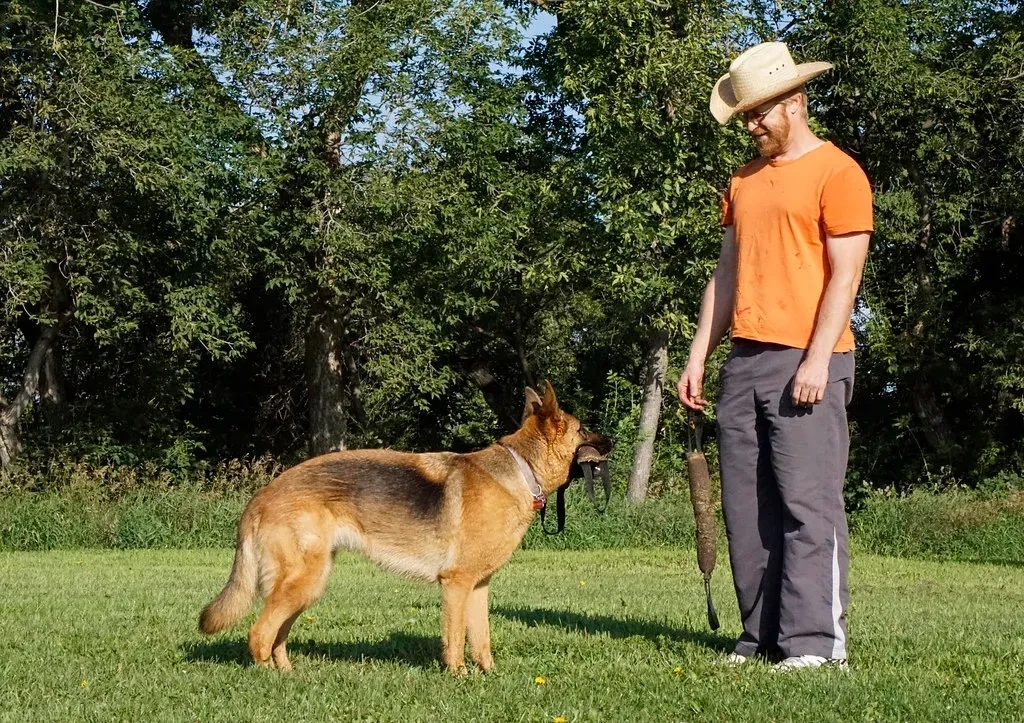
When your dog brings you their favorite toy during moments of distress, they see their toys as a way to make themselves feel happy, so they bring a toy to you to bring you the same feelings of joy. Let’s be real, this isn’t casual. Dogs can be incredibly possessive of their belongings, especially the toys they truly cherish.
When dogs bring you their toys, they’re sharing their most prized possessions, demonstrating significant trust and emotional attachment, as these items are often among their most valued belongings. Think of it like a child offering their favorite teddy bear to someone who’s crying. It’s an act of profound empathy, not a request for entertainment.
Some dogs bring their owners toys simply to feel closer to them, without any expectation of interaction, their way of saying, “I trust you, and I want to share this with you.” The toy is a bridge between their world and yours. They’re not trying to fix you with play. They’re offering comfort in the only language they have.
Empathy Isn’t Just a Human Trait

For years, scientists debated whether dogs truly felt empathy or simply responded to distress through learned behavior. The research has been pretty conclusive, though. Dogs not only feel empathy towards people, but in some cases also act on this empathy, especially when they are able to suppress their own feelings of distress and can focus on those of the human involved.
Studies have shown something remarkable. Dogs not only approached and tried to comfort their owner when they cried, but also approached strangers who displayed unhappiness, seeming to offer sympathy and support in much the way that humans display empathy for each other. This isn’t about getting attention or treats. It’s genuine concern.
What makes this even more fascinating is that dogs opened doors much faster if their owner was crying, and those who could suppress their own distress were the ones who could jump into action. Your dog has to manage their own anxiety about your distress in order to help you. That takes emotional intelligence most of us never credit them with having.
It’s Communication in the Purest Form

Dogs don’t have words, so they work with what they have. Approaching with a toy provides an outlet for overflowing excitement and serves as a form of communication that carries multiple messages, helping to diffuse tension rather than charging directly with eye contact, which in dog speak can be interpreted as rude or threatening.
When your dog brings you a toy during emotional moments, they’re offering something tangible because they can’t articulate “I see you’re hurting and I want to help.” The toy becomes their voice. Dogs use toys to communicate their need for your attention, affection, and companionship, underscoring their desire for both emotional and physical connection.
Sometimes they’ll just sit there beside you, toy placed gently at your feet or in your lap, making no move to encourage you to throw it. That’s the tell. If they wanted to play, they’d be bouncing around, doing that excited play bow, maybe barking or whining with anticipation. Instead, they’re calm, watchful, present. They’re keeping vigil with you through your sadness.
This Bond Goes Back Thousands of Years
Dogs’ emotional intelligence can be traced back to their long history of domestication, as they evolved alongside humans as loyal partners, and studies have revealed that dogs possess oxytocin responses similar to humans, underlying their capacity for forming strong emotional connections and sensing when their human counterparts are in need of comfort or support. We literally evolved together, and that co-evolution wired them to understand us in ways no other species quite manages.
Evidence suggests dogs with stronger bonds and attachments to their pet parents are the most likely to react to emotional changes. The deeper your relationship, the more attuned they become to your emotional landscape. Every shared moment, every walk, every quiet evening together strengthens their ability to read you.
Your dog isn’t performing a trick they learned. This response comes from somewhere deeper, somewhere instinctual that recognizes pack bonds and emotional connection. When they bring you their toy in your darkest moments, they’re fulfilling a role they’ve played beside humans for tens of thousands of years: companion, comforter, friend.
Conclusion
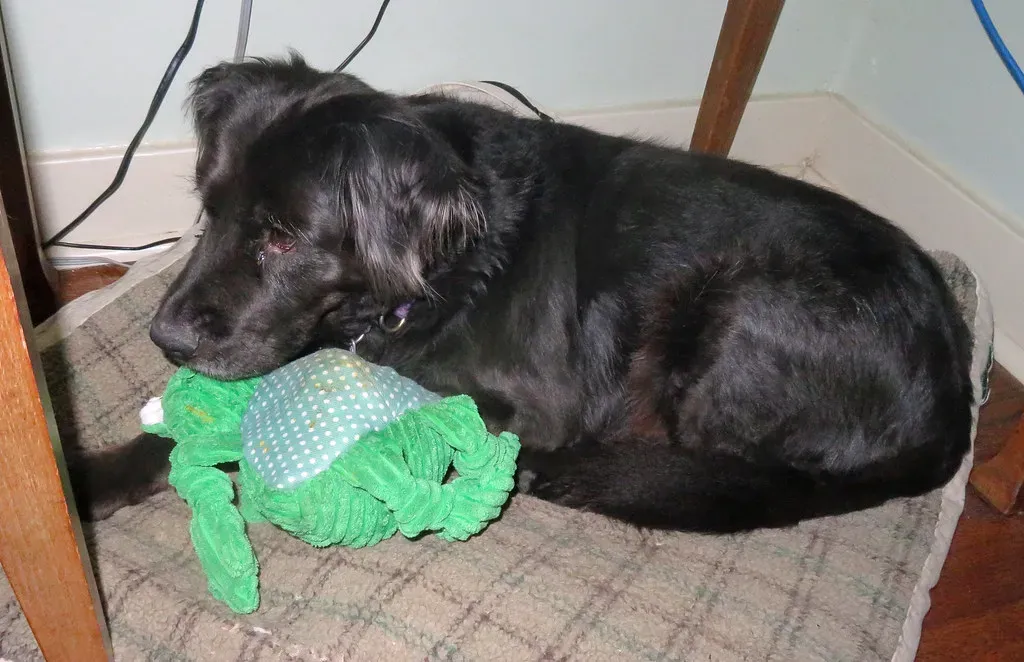
The next time your dog approaches you with their favorite toy when you’re feeling low, take a moment to really see what they’re doing. They’re not being demanding or oblivious to your mood. Quite the opposite. They’re offering you the thing that brings them the most joy, hoping it might do the same for you. It’s a gesture of pure, uncomplicated love.
We don’t always give dogs enough credit for their emotional depth. Yet they consistently show up for us in ways that reveal an understanding of human emotion that borders on remarkable. That slobbery, well-worn toy isn’t a request. It’s a gift, offered freely from a heart that genuinely wants to ease your pain.
What would we do without them? Did your dog ever surprise you with how they responded to your sadness? I’d love to hear your stories in the comments.


