
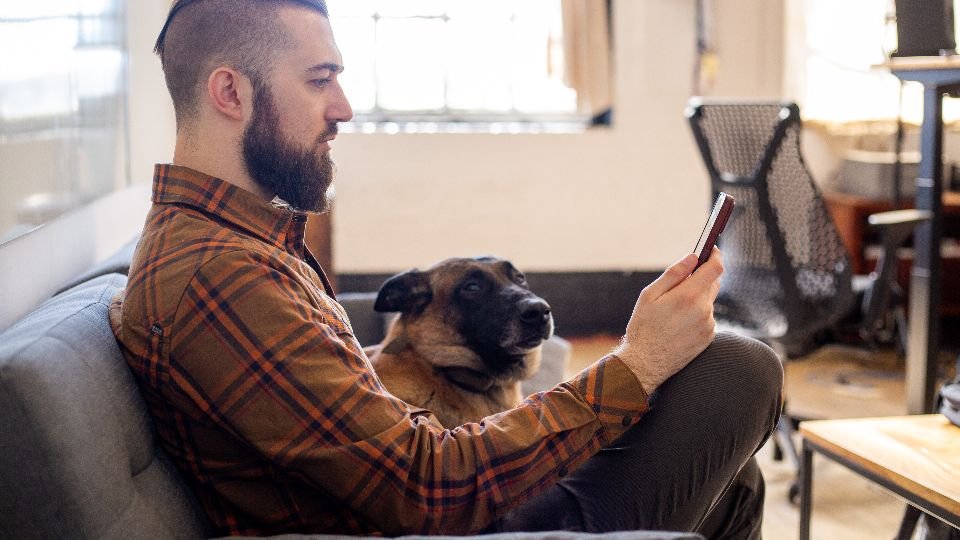
You ever catch your dog staring at you with those soulful eyes and wonder what they’re really trying to say? Maybe they’re yawning at the vet’s office, or they tuck their tail when a stranger approaches. Here’s the thing: dogs are constantly talking to us. Every little gesture, every tiny shift in posture, every flicker of their ears is part of an elaborate conversation we often completely miss.
The truth is, our dogs are working overtime to communicate their needs, fears, and feelings. They’re sending us signals all day long, hoping we’ll finally understand. The problem is that we humans tend to misinterpret these messages or miss them entirely. That leaves our best friends feeling unheard and misunderstood. So let’s dive into what our dogs desperately wish we knew about them.
Their Body Language Is More Than Just a Wagging Tail
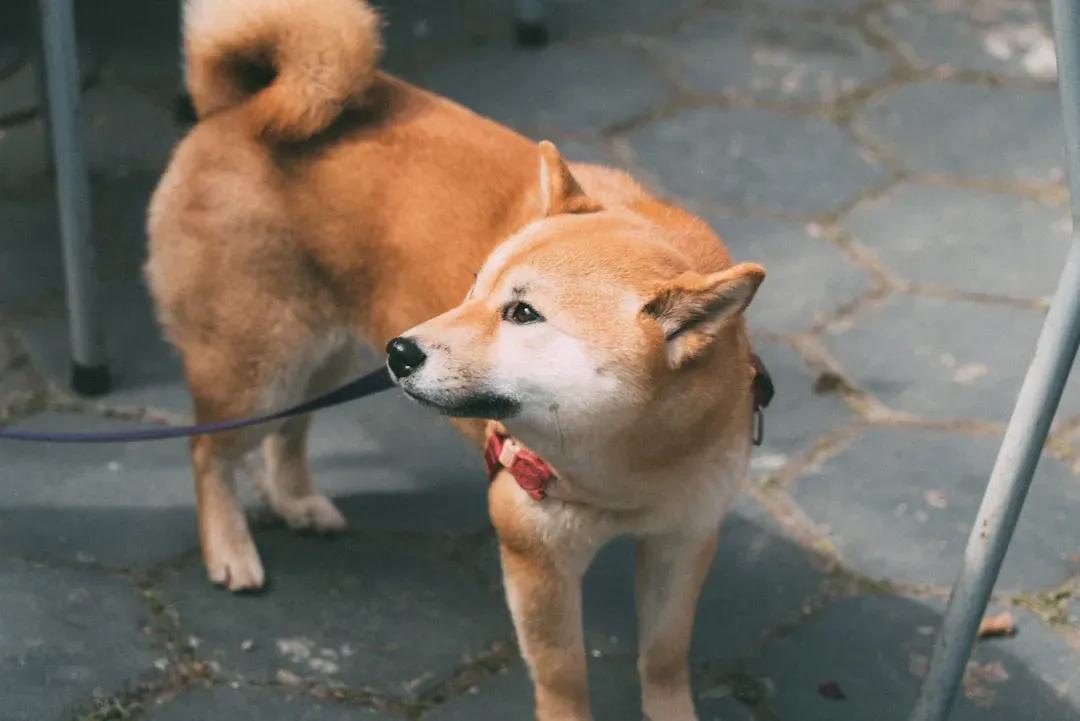
We’ve been taught that a wagging tail means a happy dog, but that’s not always the case. A wagging tail simply signals arousal, which can be good arousal like excitement, or bad arousal like alertness or even aggression.
A high stiff tail, even if it’s wagging, can indicate that the dog feels angry. Meanwhile, a tail tucked between their legs can mean the dog is afraid or uncomfortable, especially when combined with pressed-back ears.
Unlike humans who are listeners, dogs are watchers. Canine communication entails the use of ears, face, muzzle, teeth, body, coat, paws, and tail, all in combination with vocalizations. We need to look at the whole package, not just one isolated signal. No dog body language signals act alone; they’re all part of a package, so when you read a dog’s communication, look at every signal from tail height to eye shape.
Stress Signals Are Everywhere and We’re Missing Them
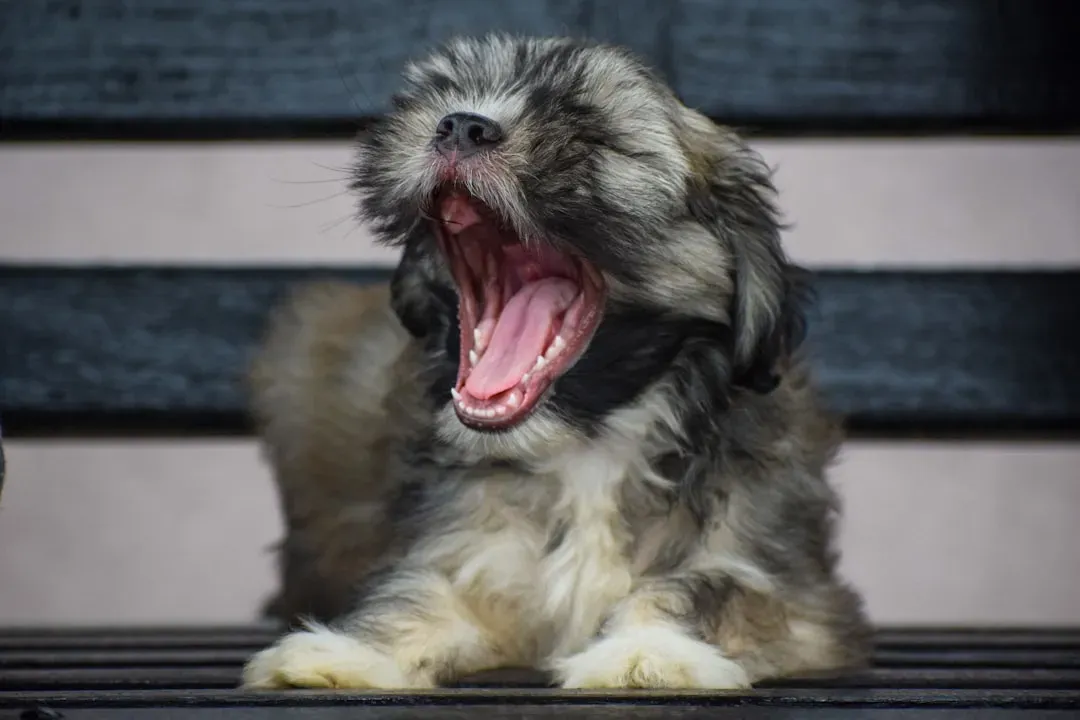
A staggering nine in ten people do not know that yawning could be an early warning sign of anxiety or fear. Honestly, I think this might be the most dangerous knowledge gap we have as dog owners.
People yawn when they’re tired or bored, but dogs yawn when they’re stressed. Repeated lip licking when no food or water is around may be a calming signal, or a way to self-soothe during a stressful moment.
Common signs of stress in dogs that we often miss include lip licking when there are no treats present, whale eye when the dog’s head is turned away but the eye stays fixed showing the white of their eye, scratching when the dog has no skin issues, and shaking off when the dog is not wet. Things can go awry when we humans misread the signals dogs send us, leaving them helpless to effectively communicate their feelings to us no matter how hard they try.
They Need Way More Sleep Than You Think
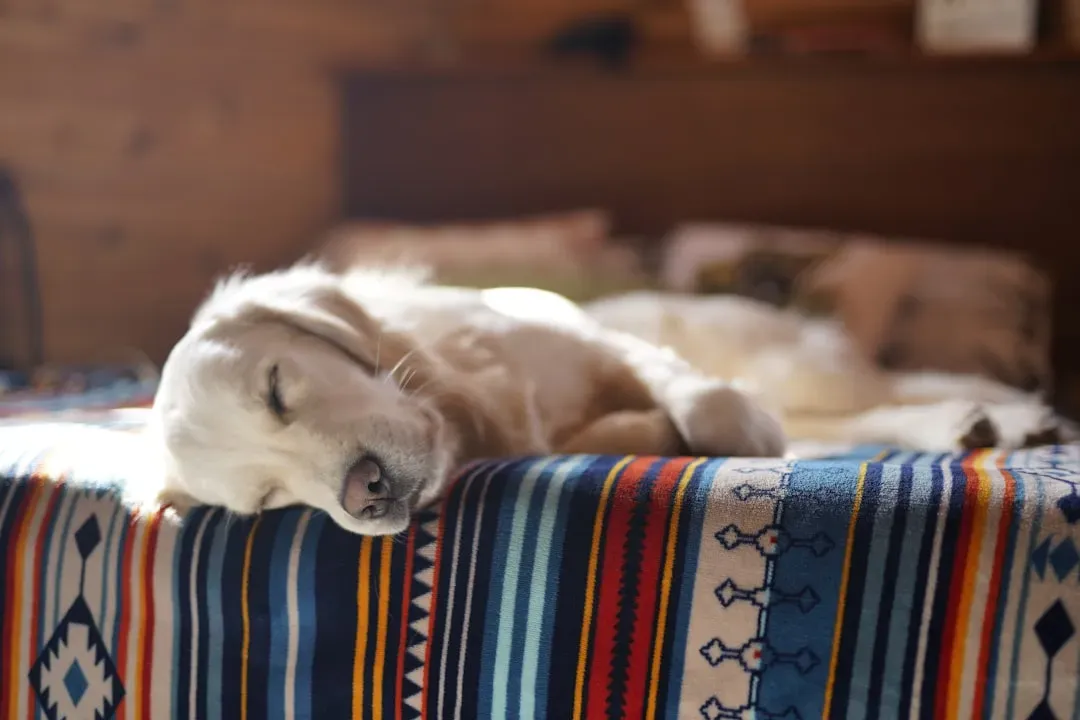
Most people feel guilty watching their dog sleep the day away. Let’s be real though: dogs are champion nappers for good reason.
Healthy adult dogs generally require around 12 to 14 hours of sleep per day to maintain optimal health and functionality, typically spread out into several naps throughout the day and a longer period of rest at night. Sleep plays a crucial role in maintaining your dog’s overall health, bolstering their immune system, enhancing brain function, and facilitating learning and memory retention.
Puppies? They need even more. Puppies need 15 to 20 hours of sleep a day to help their central nervous system, immune system, and muscles develop properly. Senior dogs also clock in at the higher end of the sleep spectrum. Senior dogs typically need about 14 to 18 hours of sleep each day, with a significant portion coming from longer, uninterrupted naps both during the day and at night.
The important part here is that sleep isn’t laziness. It’s essential recovery time. When we constantly interrupt their rest or pack their days too full of activities, we’re actually doing them a disservice.
Alone Time Is a Necessary Skill, Not Abandonment
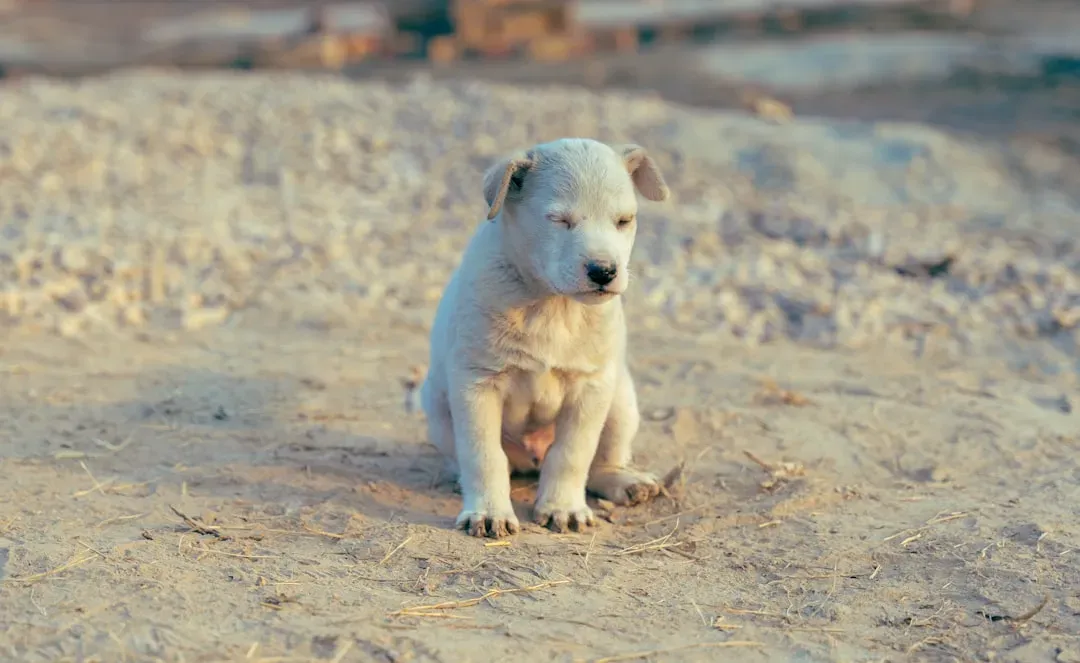
It’s safe to say that companion dogs need social closeness with humans, and the deprivation of this social contact poses well-being concerns. Yet here’s the paradox: dogs also need to learn how to be alone.
For a general guideline, dogs should get a minimum of two hours of dedicated social time with humans or other dogs on a daily basis, which can be broken up into chunks of time over the course of the day. That said, constant companionship isn’t necessary, and a life spent in isolation isn’t a fulfilling one for dogs.
For young puppies, practicing alone time even when you are home helps your new puppy learn the skills needed to successfully be left home alone without any stress. There was a 700% rise in separation anxiety cases after COVID, when everyone went back to work and their dogs had no idea how to cope.
Teaching your dog to be comfortable spending time on their own is one of the most loving things you can do. Time spent away from the owner helps a puppy learn to be independent, accomplished by teaching the puppy to rest on a mat out of view for gradually increased periods, and fostering independence through activities like chewing or puzzle play that they can enjoy on their own.
Our Affection Doesn’t Always Feel Like Love to Them
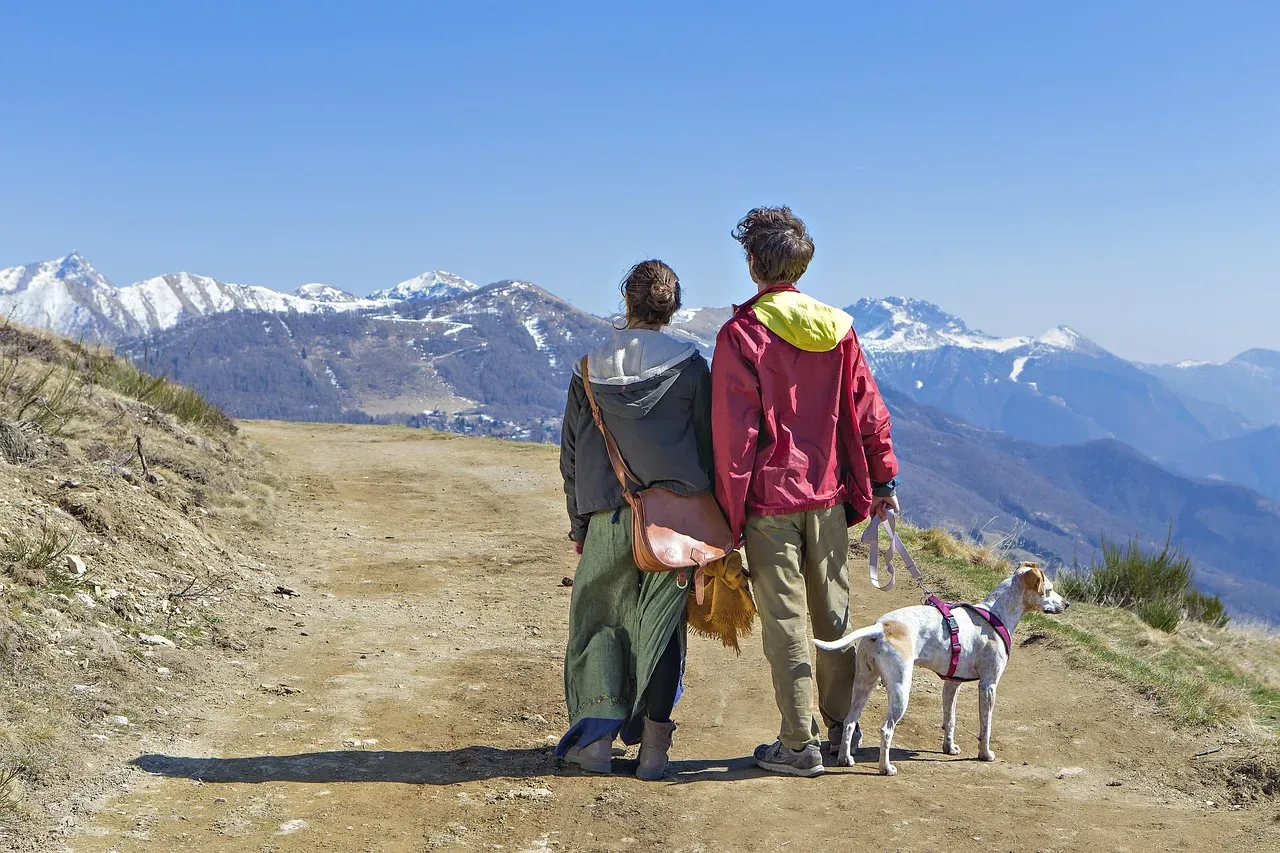
I know it sounds crazy, but that big bear hug you just gave your dog might have made them uncomfortable. Humans tend to exhibit human communicative gestures of affection to their dogs, including hugging, touching, kissing and restraining them.
The problem is that dogs don’t naturally hug each other. Dogs rarely use physical contact to communicate with other individuals and tactile interactions are generally short lasting, whereas humans tend to initiate and maintain physical contact with dogs with higher frequency and longer duration, so some dogs may appear less relaxed during human-dog tactile interaction.
People usually think that when dogs roll over and show their belly, they are asking for a belly rub, but while sometimes this is true, other times dogs do this when they are nervous and want you to stay away. The extreme of this posture is a dog that rolls onto their back exposing their belly, which may look like soliciting a belly rub in a relaxed dog, but can actually be a sign of considerable stress and anxiety, and the dog may even urinate a little as a sign of appeasement.
Pay attention to how your dog reacts to your physical affection. If they’re leaning away, licking their lips, or showing the whites of their eyes, they’re politely asking for space.
Context Matters More Than We Realize
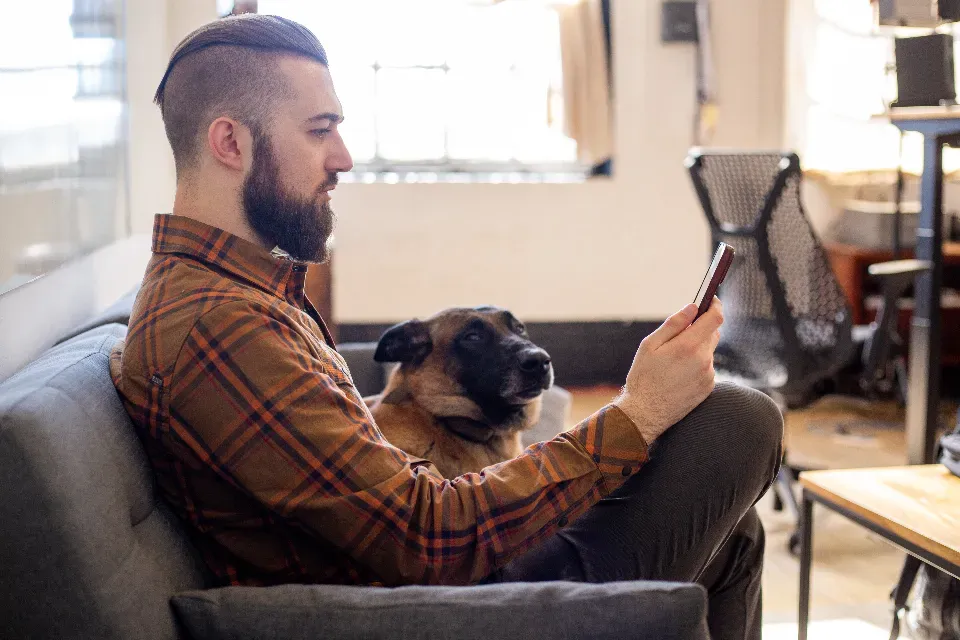
Here’s where dog communication gets tricky: the same behavior can mean completely different things depending on the situation. The same behavior can mean different things in different contexts, which is why understanding the environment and situation is essential for accurate interpretation of canine body language.
A yawn during a lazy Sunday morning is probably just sleepiness, but a yawn when you’re putting on their harness for a vet visit is likely stress. Panting is a normal way for dogs to cool down especially after playing or in hot weather, but when panting happens indoors in cool temperatures or during quiet activity it can point to stress, with rapid shallow panting especially telling.
To differentiate stress signs from normal behavior, you must be familiar with your dog’s regular demeanor and pay attention to the context. This means you need to really know your individual dog. What’s normal for a Border Collie might be alarming for a Basset Hound. What looks like excitement in one situation might be anxiety in another.
Think about your dog’s day, their typical routines, their history, and what’s happening in the moment. All of these pieces create the fuller picture of what they’re trying to tell you.
Conclusion
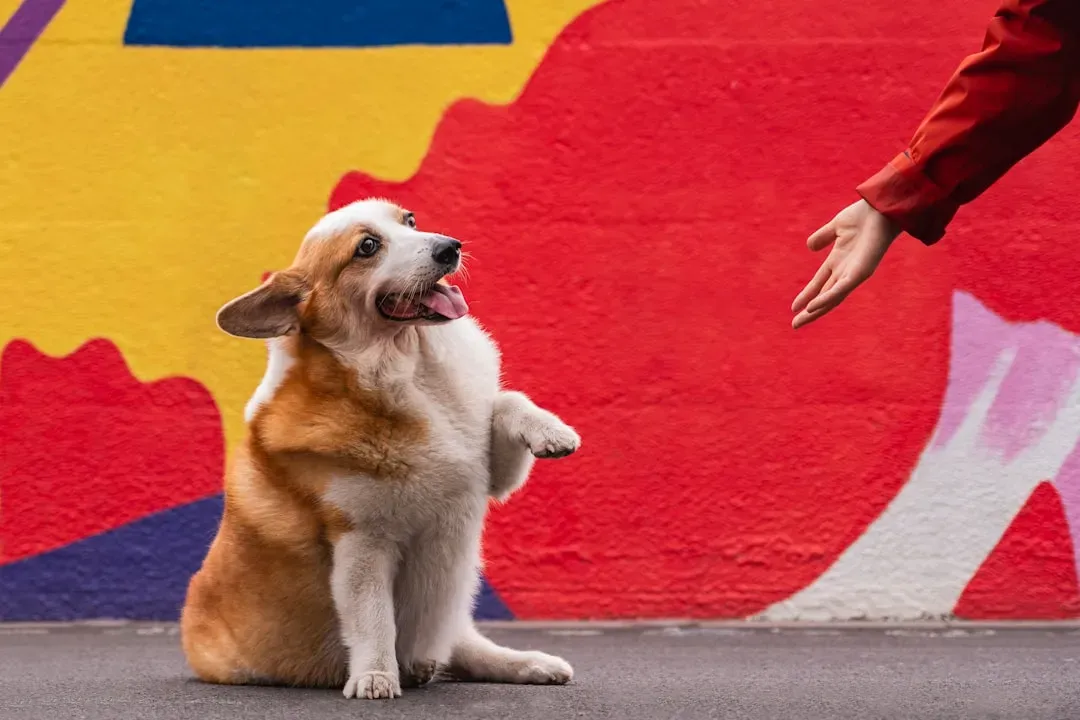
Our dogs are doing everything in their power to communicate with us. They’ve mastered an intricate language of body postures, facial expressions, tail positions, and subtle behaviors that convey their emotional states and needs. The challenge is on us to finally learn this language and respond with empathy and understanding.
When we take the time to truly see what our dogs are telling us, everything changes. We can prevent stressful situations before they escalate. We can provide the right balance of social time and rest. We can show affection in ways that actually feel good to them. We can become the humans our dogs believe we are: their trusted companions who finally understand.
What surprised you most about these canine communication secrets? Did you recognize any behaviors you’ve been misreading? Your dog has been patiently waiting for you to understand. Now’s the time to start really listening.


