
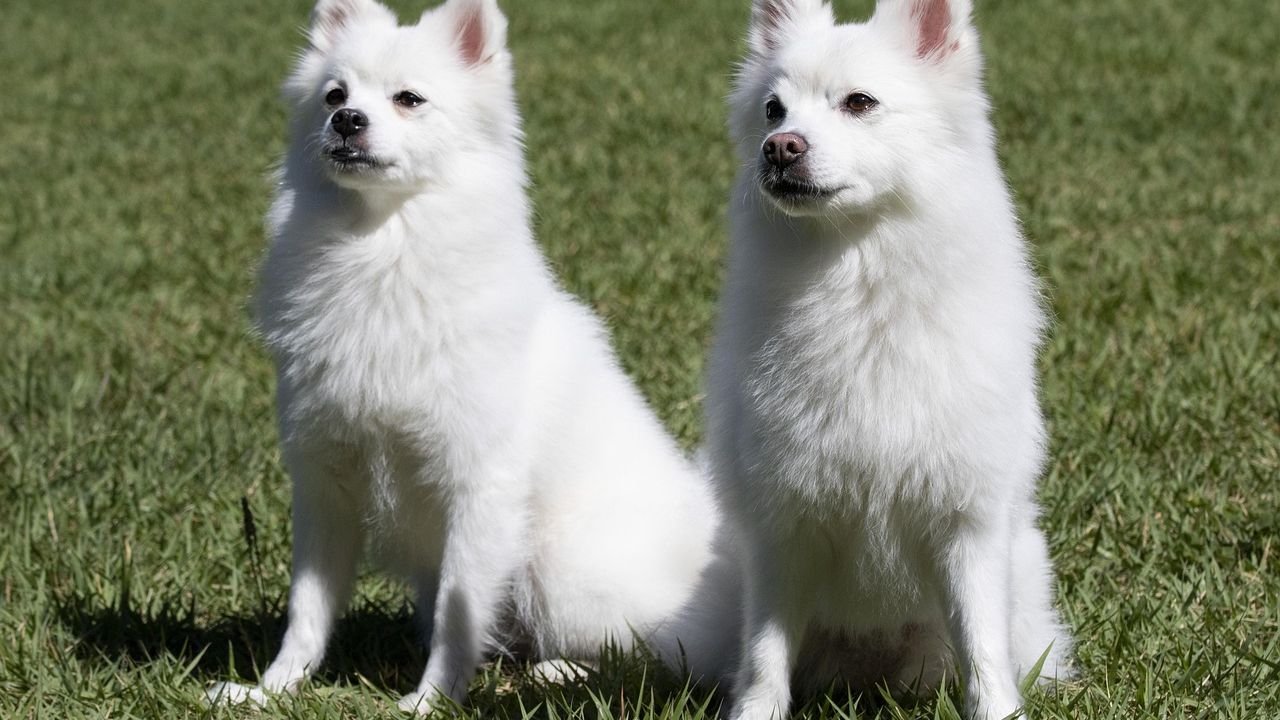
Picture this: you’re sitting down to enjoy your dinner, fork halfway to your mouth, and there they are. Those big, liquid eyes. Locked on you. Unblinking. Your dog hasn’t moved in three full minutes, and honestly, it’s starting to feel a little intense.
Most of us automatically assume the stare is a food grab, a silent petition for a piece of chicken or a bite of toast. Honestly, that’s the easy answer, and it’s not entirely wrong. But the real story? It goes so much deeper than that, and once you understand what’s actually happening in those quiet, loaded moments, mealtime will never feel the same again. Let’s dive in.
The Science of the Stare: Your Dog Is Literally Bonding With You
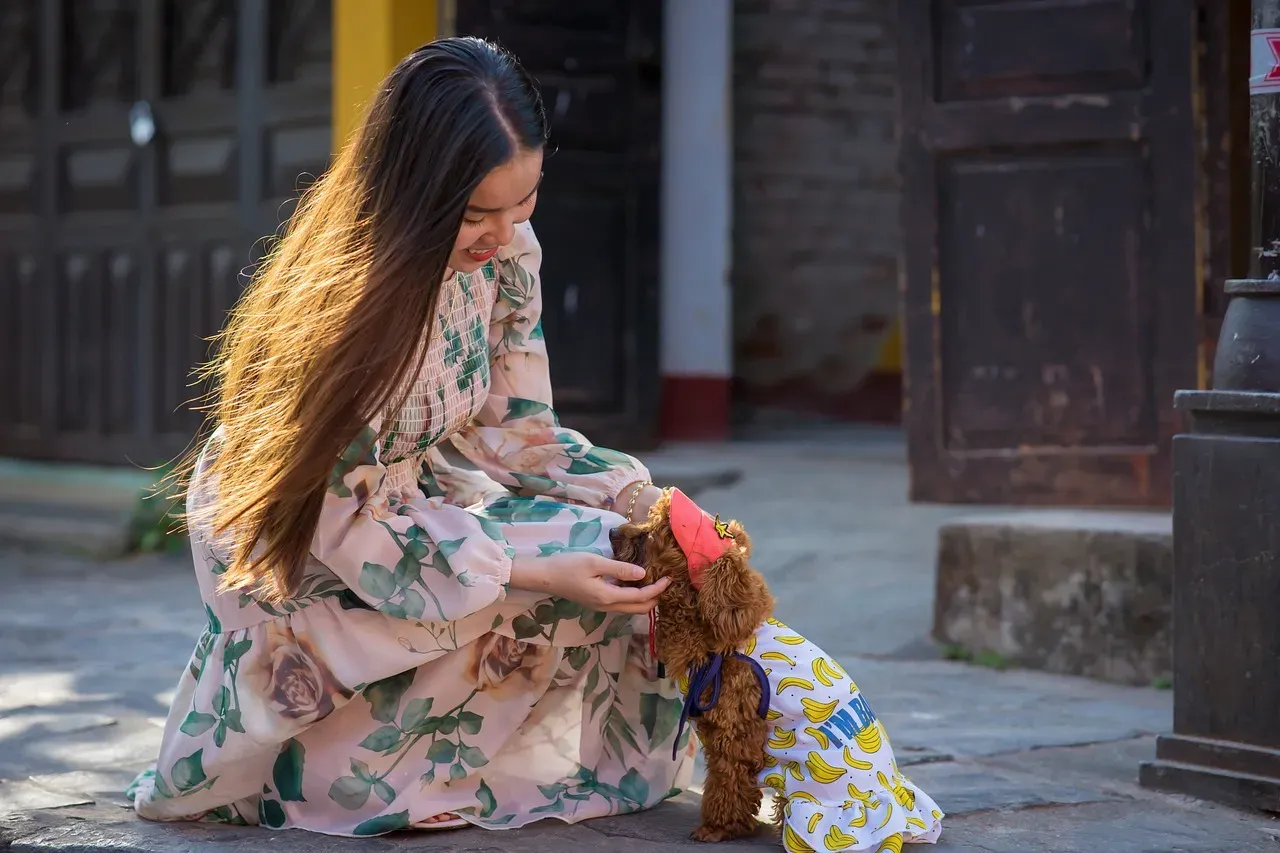
Here’s the thing about that steady gaze your dog levels at you over your pasta bowl. It isn’t empty or mindless. A lot of dog staring is exactly what it seems, an expression of love. Just as humans stare into the eyes of someone they adore, dogs stare at their owners to express affection.
There is actual biology behind this, and it’s beautiful. Research published in the journal Science showed that gazing behavior from dogs, but not wolves, increased oxytocin concentrations in owners, which consequently facilitated owners’ affiliation and increased oxytocin concentration in dogs. In other words, you are both getting a love hormone hit from simply looking at each other.
Mutual staring between humans and dogs releases oxytocin, known as the love hormone. This chemical plays an important role in bonding and boosts feelings of love and trust. The same hormone released when a new mother looks at her baby is also triggered when you look at your dog. I think that’s one of the most astonishing things about dogs. They literally hijacked our deepest biological bonding systems.
Deep Roots: Where This Mealtime Ritual Actually Comes From
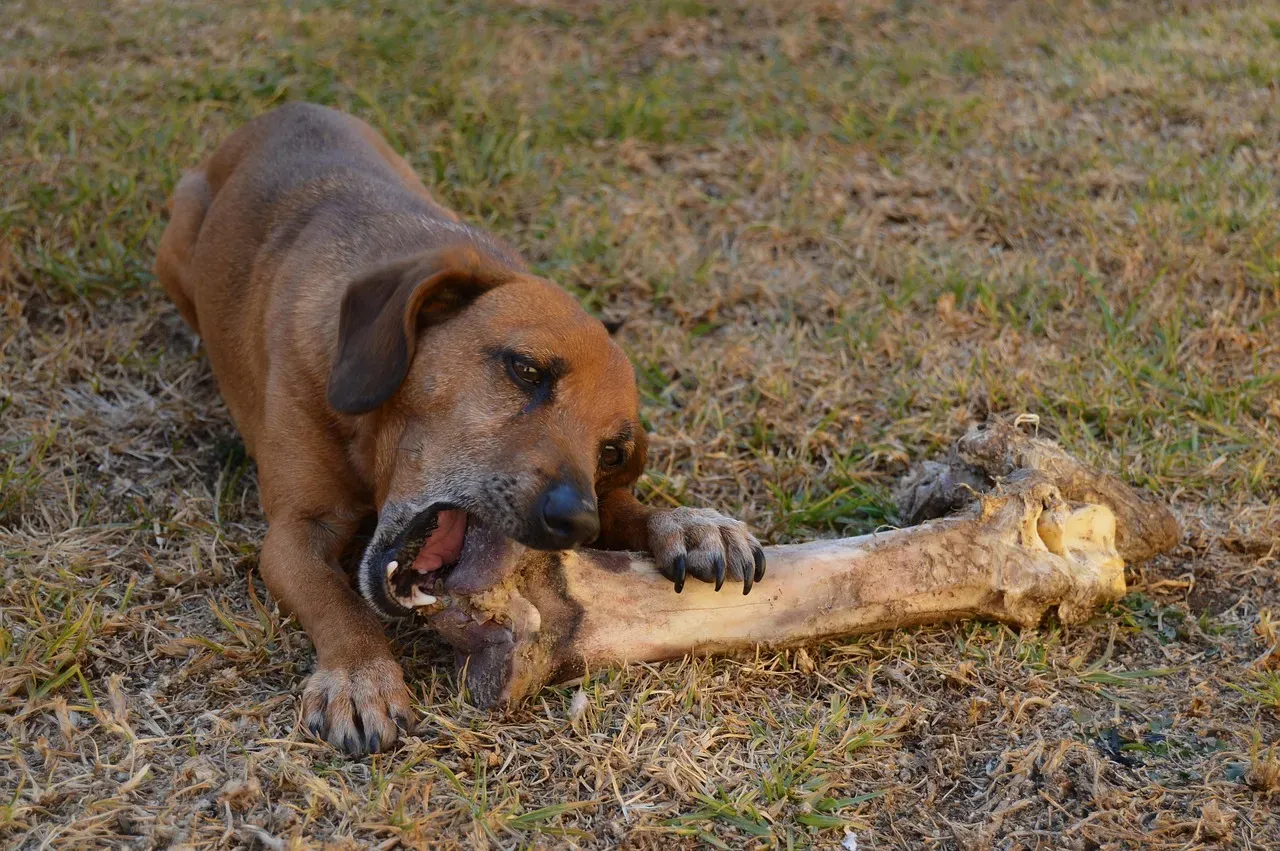
Your dog’s dinnertime stare isn’t a random quirk. This behavior has roots in their wild ancestry. Dogs evolved from wolves, who hunted in packs and followed a social hierarchy. Dominant pack members typically ate first while lower-ranking wolves had to wait for their turn.
In wolf packs and ancestral dog packs, the pack leader often ate first, and members watched, not just out of fear but as part of structure and ritual. So when your dog watches you eat, they’re not being rude or demanding. They’re participating in an ancient, instinctive ceremony of belonging.
In ethological circles, the term “affiliative food begging” describes this kind of behavior, not just “feed me” but “I’m with you.” The dog is saying, I trust you, I’m part of your circle. That changes the whole feeling of the moment, doesn’t it?
Reading the Stare: What Your Dog’s Body Language Is Really Telling You
Not every stare means the same thing, and this is where paying attention really pays off. Sometimes, your dog’s stare is simply an expression of their deep emotional bond with you. They may be showing their love and trust, especially if their gaze is soft and accompanied by a relaxed body posture.
A soft gaze, floppy ears, a relaxed tail, maybe even a gentle sigh. That’s your dog being present with you in the most sincere way they know how. Contrast that with a stiff body, a hard unblinking stare, or tension around the muzzle. A hard stare with tense body language may indicate they’re worried about what you’re doing, like if you move too close to an item they’re guarding.
More than almost any other animal on earth, dogs are in tune with humans. They sense our moods, follow our pointing gestures, and read us for information about what’s going to happen next. So while your dog is studying you at the dinner table, know that you can study them right back.
The Feedback Loop: How Your Reactions Shape the Behavior
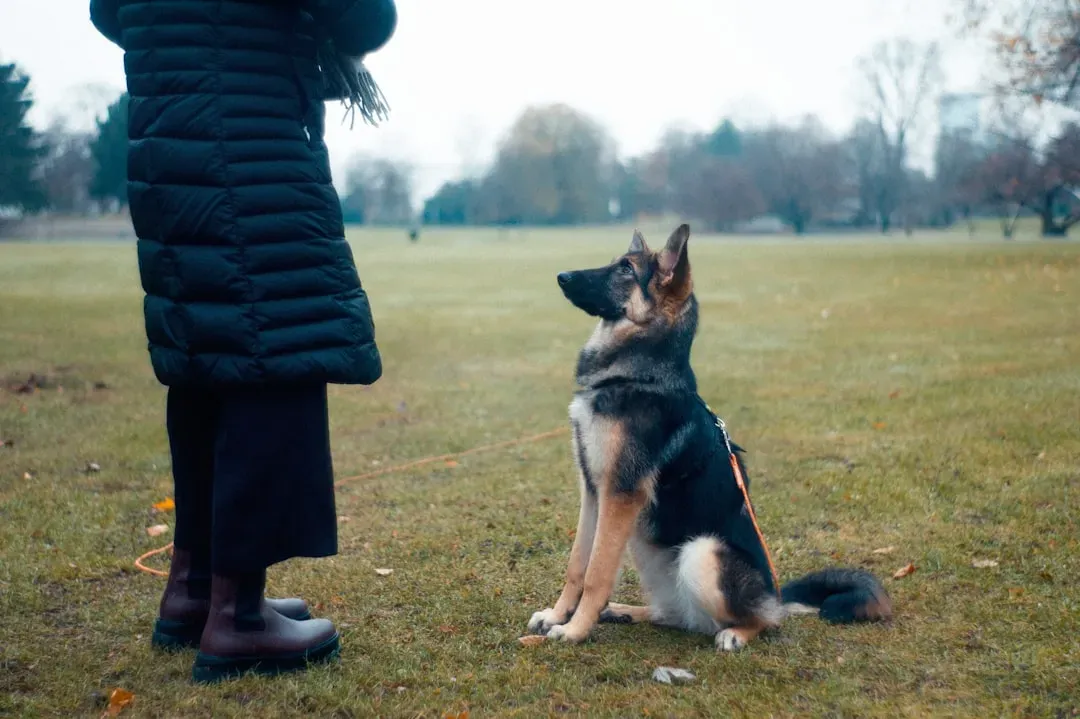
Let’s be real for a second. Many of us, at some point, have slipped our dog a piece of toast or a bit of cheese mid-meal. It feels generous, loving even. The problem is that it teaches your dog exactly which behavior produces results.
Dogs quickly learn that staring at their owners can yield rewards. If you’ve consistently responded to your dog’s stare by providing food, attention, or other desired outcomes, they’ve learned that this behavior works. Think of it like training your dog, except you were the one being trained.
Feeding your dog at the same time you eat can help curb begging and staring. It keeps them occupied with their own meal and reinforces that food comes from their bowl, not yours. You can also use a command like “place” to direct your dog to a mat or bed during meals. Reward with praise for staying quietly in their spot. If they remain calm, give them a dog treat after you finish your meal. Simple, clear, and kind.
Mealtime as Connection Time: How to Embrace the Ritual Mindfully
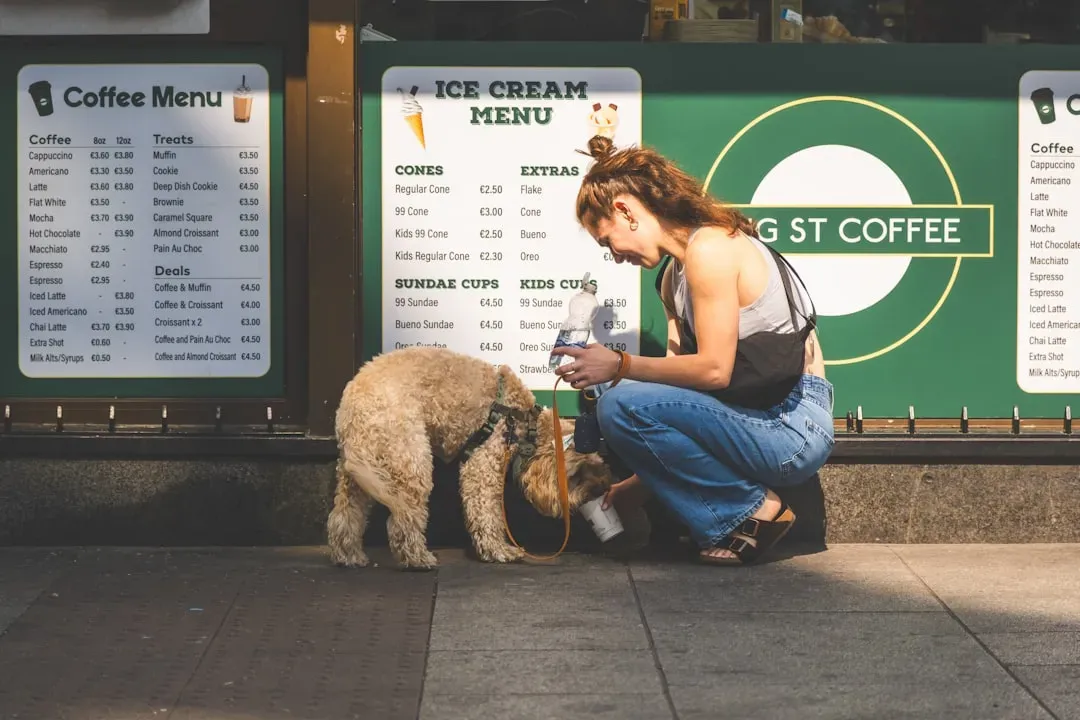
Once you understand that your dog’s stare during your meals is largely about love and belonging, you get a genuine opportunity to deepen that bond deliberately. You don’t have to feed your dog scraps to honor the moment.
Research supports the existence of an interspecies oxytocin-mediated positive loop facilitated and modulated by gazing, which may have supported the coevolution of human-dog bonding by engaging common modes of communicating social attachment. Simply making soft, brief eye contact with your dog during a meal is enough to activate this loop.
Dining together creates opportunities for bonding. When your dog maintains focus while holding a steady gaze toward you, it’s a moment where trust is built, because they know they can rely on you. This connection strengthens as you reward their calm behavior with praise or attention without always resorting to food. A gentle word, a soft glance, even just acknowledging their presence quietly, these things matter enormously to a dog.
Conclusion: Those Eyes Are Saying Something Beautiful
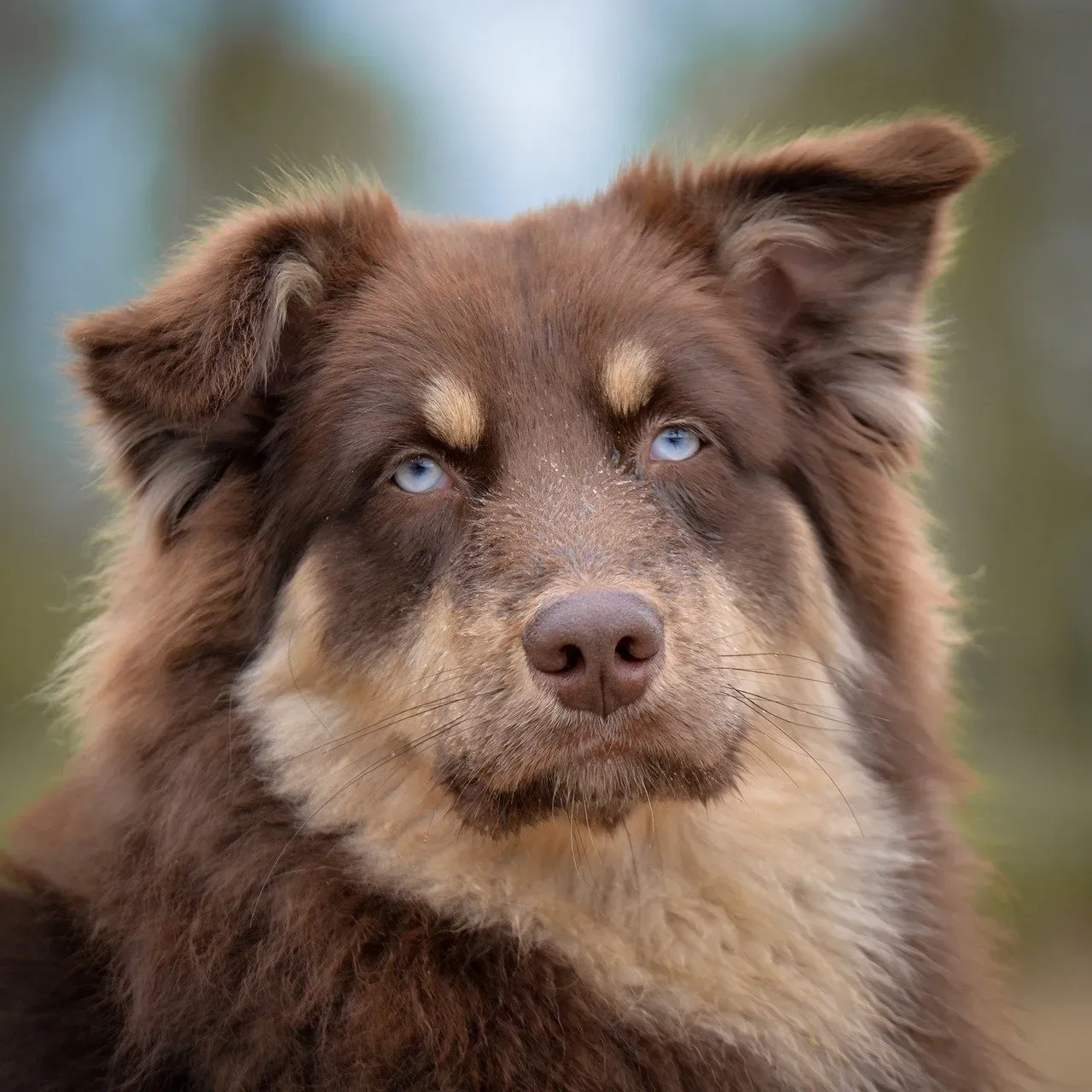
The next time your dog parks themselves beside your chair at dinner and gazes up at you with that steady, unwavering stare, take a breath before you feel guilty or annoyed. What you’re witnessing isn’t manipulation. It isn’t just hunger.
The stare your dog gives you while you eat is backed by science. It’s more than manipulation. It’s a silent ritual of emotional connection. Thousands of years of evolution shaped your dog to look to you, to bond with you through the simple act of sharing space during a meal.
You are your dog’s whole world. The dinner table is just one more place they want to share it with you. So look back at them sometimes, smile, and let the love hormone do its quiet, beautiful work. What’s the one moment at the table when your dog’s eyes have made you feel truly, completely seen? Tell us in the comments.


