

There is a very specific kind of heartbreak that hits you the moment that leash transfers hands. The dog you bottle-fed back to health, the one who slept curled against your legs during thunderstorms, is trotting away with someone else. Your chest feels hollow. Your house feels eerily quiet. If you have ever fostered a dog, you know this feeling in your bones.
Is it hard to let go of a foster dog, a scared soul who arrives lacking trust and skills, who you care for, comfort, and train? Absolutely, yes. The good news is that seasoned foster parents have walked this road many times before, and they have learned things that make the goodbye not easier, exactly, but more bearable. More meaningful. Let’s dive in.
1. Let Yourself Feel It All Without Apology
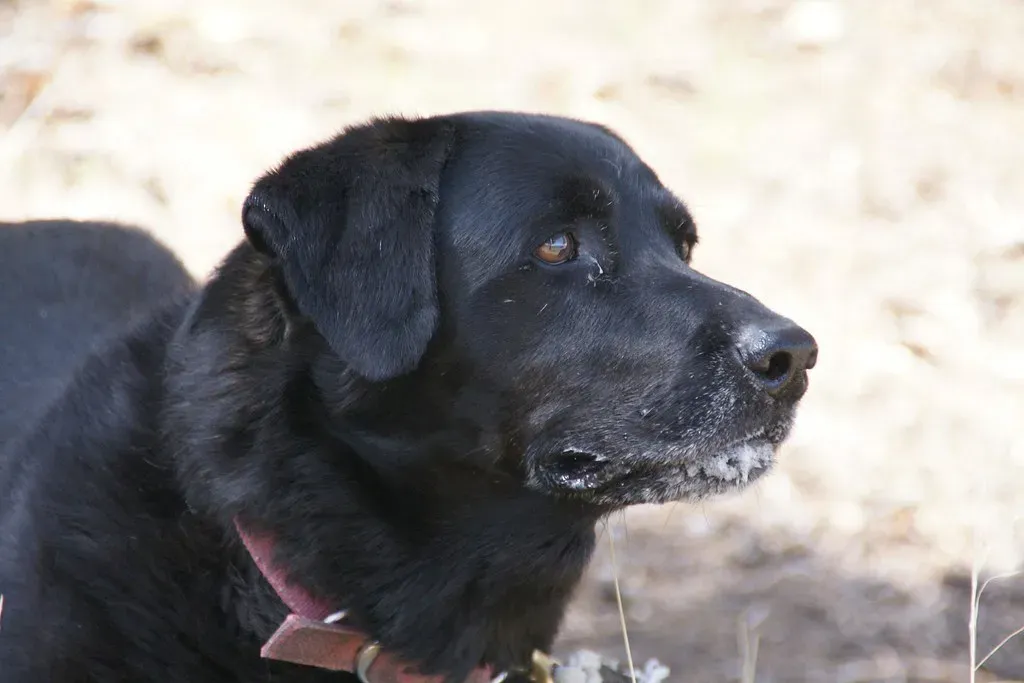
Grief after handing off a foster dog is real, and it deserves to be treated as such. Grief is a natural response to a loss. It is the emotional suffering that you feel when something or someone you love is taken away. Pretending you are fine does not make you stronger. It just delays the healing.
You can try to suppress your grief, but you cannot avoid it forever. In order to heal, you have to acknowledge the pain. So go ahead. Sit on the floor where their bed used to be. Cry those ugly, noisy tears. You earned every single one of them.
2. Remember That Dogs Are Remarkably Resilient

One of the biggest fears foster parents carry is the worry that their dog will feel abandoned all over again. Honestly, this one kept me up at night too. The truth, though, is more hopeful than that. Dogs are resilient, and once they have bonded with one person, it is easier to bond with someone else. It is also easier for them to go from a good place to another good place than it is to go from a bad place to a good place.
Many seasoned fosters even have their former fosters come back to visit, and when it is time to go home after a play date, they all happily trot off with their people and do not look back. They are not pining. It is slightly insulting but also really nice. Your dog is going to be just fine. Possibly better than fine.
3. Start Thinking of Yourself as a Bridge, Not a Destination
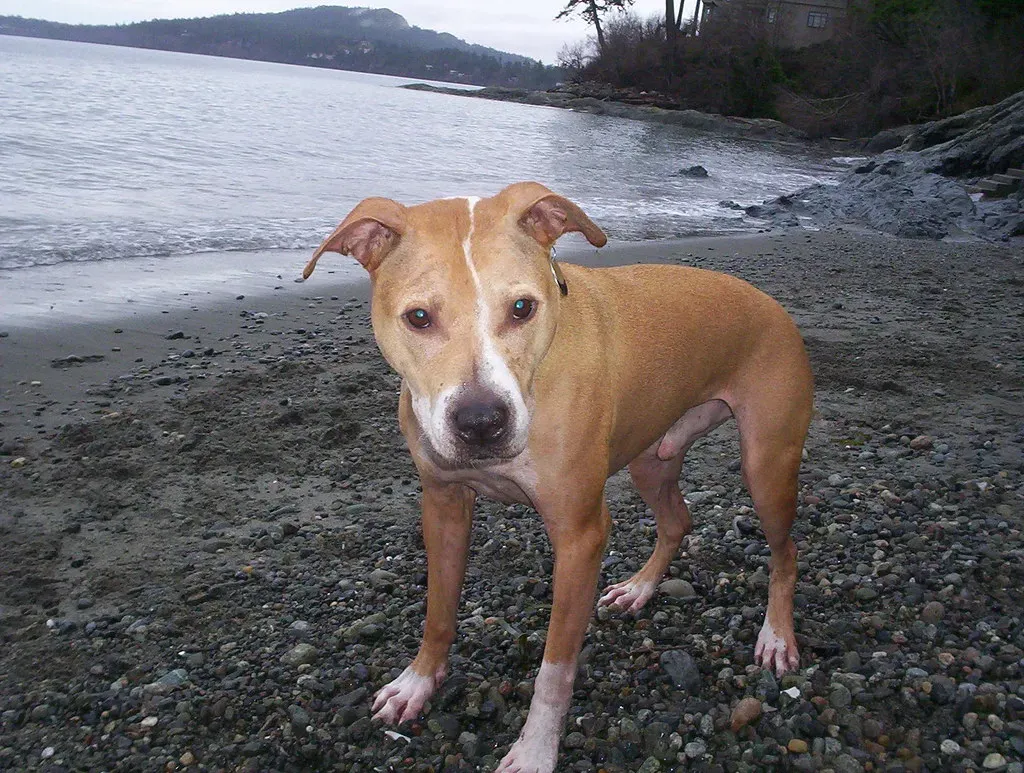
Here is a reframe that can genuinely change how you experience fostering. It helps to remind yourself from the beginning that this is temporary. You are there to bridge this dog to the next step of the rest of their life. Some foster parents even call themselves the dog’s “nanny” to keep emotions at bay when the time comes to leave. It is a small shift in language, but it carries enormous psychological power.
Think of it like being a gifted teacher. The best teachers pour everything into their students, not to keep them, but to launch them. When fostering, you run a school in your home where lost dogs learn how to be lovable family pets again. The graduation ceremony just happens to involve a leash and someone else’s car.
4. Write a “Go Home Letter” to Set Your Dog Up for Success
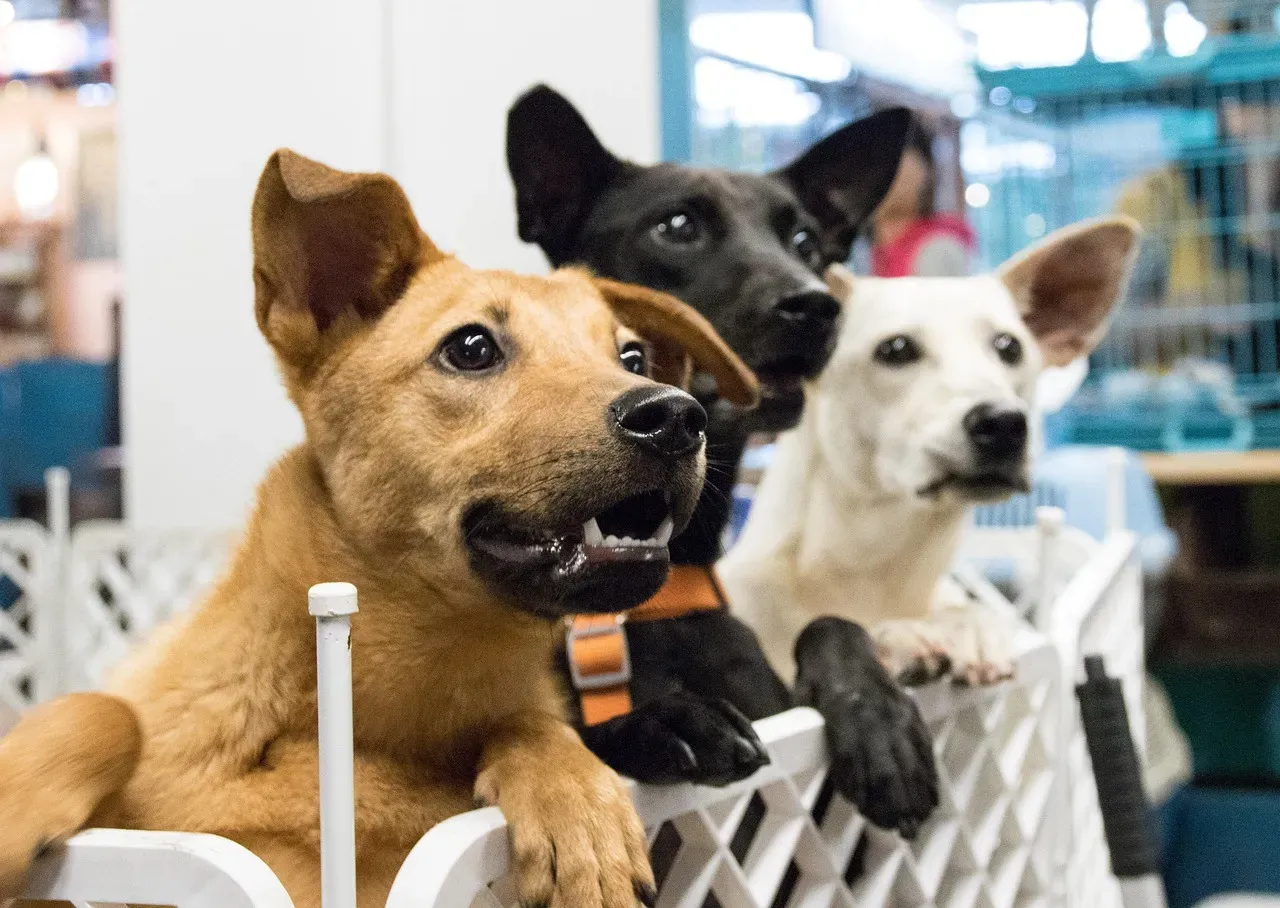
One of the most practical and emotionally grounding things you can do before adoption day is write a detailed “go home letter” for the new family. This is a letter that explains everything about your foster dog and how you think the adopter can best integrate the dog into their home. Ideally, you send this ahead of time so that the adopter can ask questions and clarifications before the dog arrives. It gives you something constructive to channel all that love into.
Include all history of the dog you know, including where they came from, the date they arrived in your home, and anything else relevant, as well as food, medication, and supplements. You can also send a familiar-smelling blanket or a favorite toy. Sending a little piece of yourself and your time with your foster dog is a simple way to stay part of their new life. Your foster pup’s favorite toy or a familiar-smelling blanket could make their new home feel homier from the start.
5. Stay Involved in Finding the Right Home
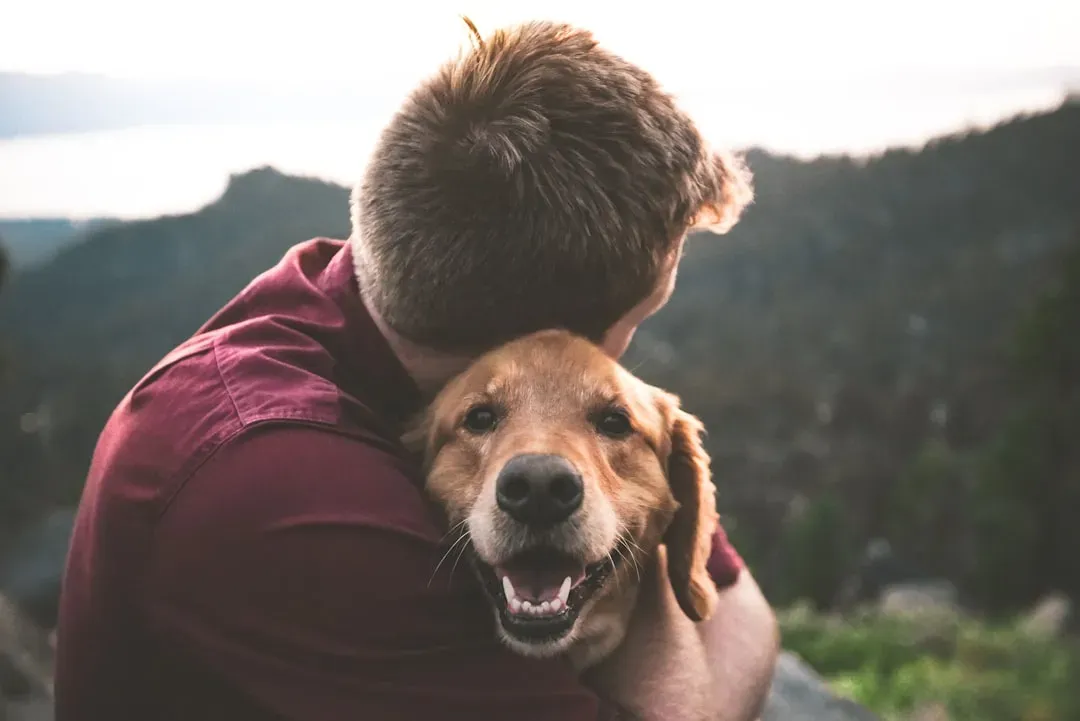
Saying goodbye hurts a whole lot less when you have had a hand in choosing where your dog lands. Helping your foster dog find a new home will keep you in the mindset that he will not be with you for good. Ask the shelter or rescue group how you can help. Even writing a heartfelt adoption bio or taking great photos gives you agency in the process.
You will feel more comfortable saying goodbye when you know your foster dog is going to a great forever home, and your efforts increase the chances that they will find that home. Think of it this way: you are not handing them off. You are personally curating their future. That is a completely different feeling.
6. Allow the New Family to Stay in Touch
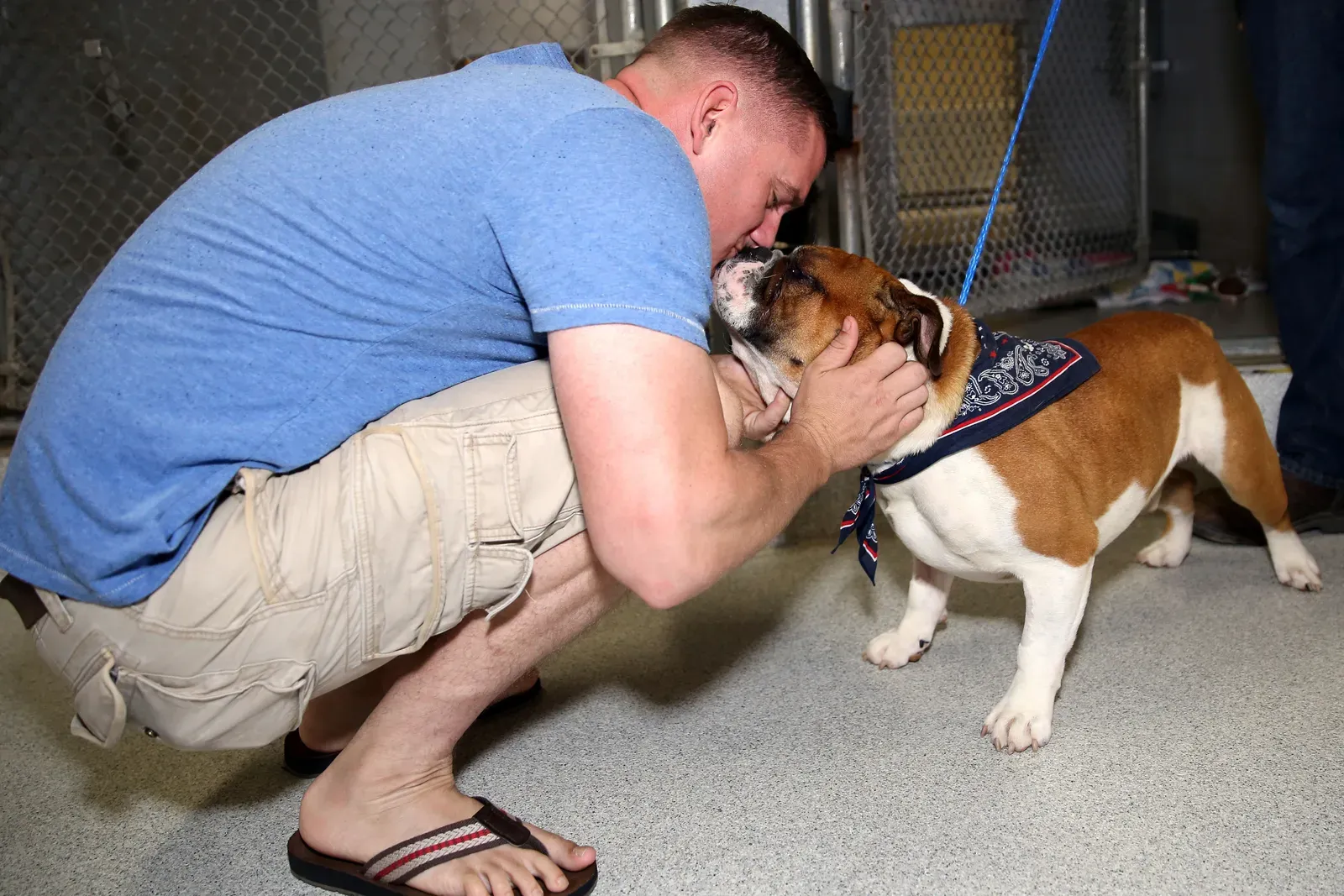
The goodbye does not have to be a hard full stop. Many adopters are genuinely thrilled to keep in touch, and following the journey of a dog you helped raise can be one of the most healing things you do. If you get to meet your foster dog’s new family, take the opportunity to exchange contact information. Goodbye does not have to mean never seeing each other again. Let them know how much you would love to keep in touch, and take advantage of social media. If the new family is on Instagram or Facebook, ask if you can follow them so you can watch the dog blossom in their new home.
It becomes a bit of a high when you are able to watch the adoptive family fall in love with the dog you knew was so great and adoptable. Watching a once-frightened rescue dog sprint joyfully across someone’s backyard? That is worth every tear you cried.
7. Understand That Letting Go Saves Another Life

Let’s be real about the math here. Every time you open your door to a new foster, you are saving more than one animal. Fosters say it helps to keep the big picture in mind. You saved that dog’s life, and without your efforts, the dog would have been in serious danger. When you foster, you are really saving two lives: the dog in your care and the dog who took that one’s spot in the shelter.
A great foster parent can save many lives by socializing and rehabilitating dogs who might not find homes while living in a shelter. Holding on, as tempting as it is, closes the door to the next dog waiting for exactly what you have to offer. Letting go is not a loss. It is an act of profound, multiplying generosity.
8. Celebrate, Then Open the Door Again

Your foster dog just got adopted. That is not a tragedy. That is the entire point. Your foster dog is going home. This is a wonderful, amazing achievement. You have reached your goal. So mark the moment. Do something that feels like a celebration, even if your eyes are still a little puffy.
If you ask a seasoned dog foster parent the trick to healing a broken heart, you are likely to hear one answer above all the rest: do it again. The best medicine is to get another foster pup. Saying goodbye to a foster pet is not the end. It is the start of another cycle of loving and caring for a new family friend. After sending off a foster to their new owner, tell yourself that goodbyes are beginnings. Because they truly are.
Conclusion: You Are Not Losing a Dog. You Are Launching One.

Fostering is not for everyone, and that is okay. It takes a very particular kind of courage to love something fully while knowing it was never truly yours to keep. It might be an emotional roller coaster, but it is also an amazing opportunity to realize that loving and letting go can be the best thing that has ever happened to a homeless dog.
Fostering is a skill. As with any craft, learning from those with more experience is incredibly helpful. Every goodbye teaches you something. Every dog shapes you. And somewhere out there, a dog that once trembled in the corner of a shelter is now sprawled across a couch, loved completely, because you chose to open your door.
That is not heartbreak. That is a legacy. So the next time adoption day rolls around and the tears come, let them. Then wipe your face, fluff the dog bed, and make room for the next one who needs you. What would the world look like if more people were brave enough to love like that?


