
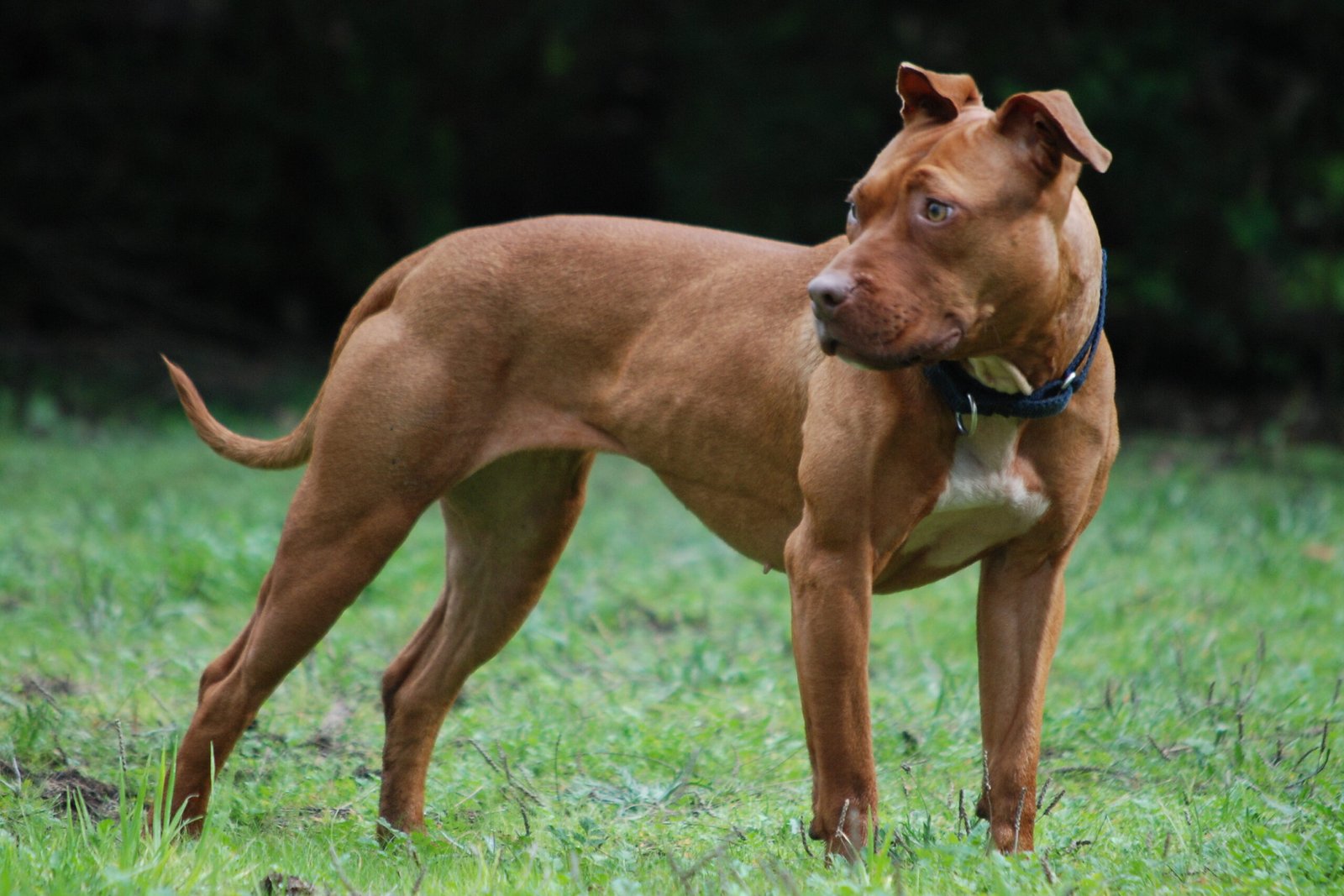
Dog owners planning overseas trips face a patchwork of breed-specific import laws that turn dream vacations into border standoffs.
Global Scope of Breed Restrictions
Authorities in at least 84 countries enacted measures targeting dangerous dog breeds, with national laws in 74 of them. These rules often prohibited ownership, breeding, or importation of pit bull types and fighting breeds. Pet relocators reported frequent denials at customs for non-compliant animals.
Pit bull breeds appeared in restrictions across every country with national laws, while mastiff and fighting breeds followed closely in 91 percent of cases. Travelers encountered surprises in popular destinations, where even mixes triggered scrutiny based on appearance or pedigree.
Notable Bans Targeting Popular Breeds
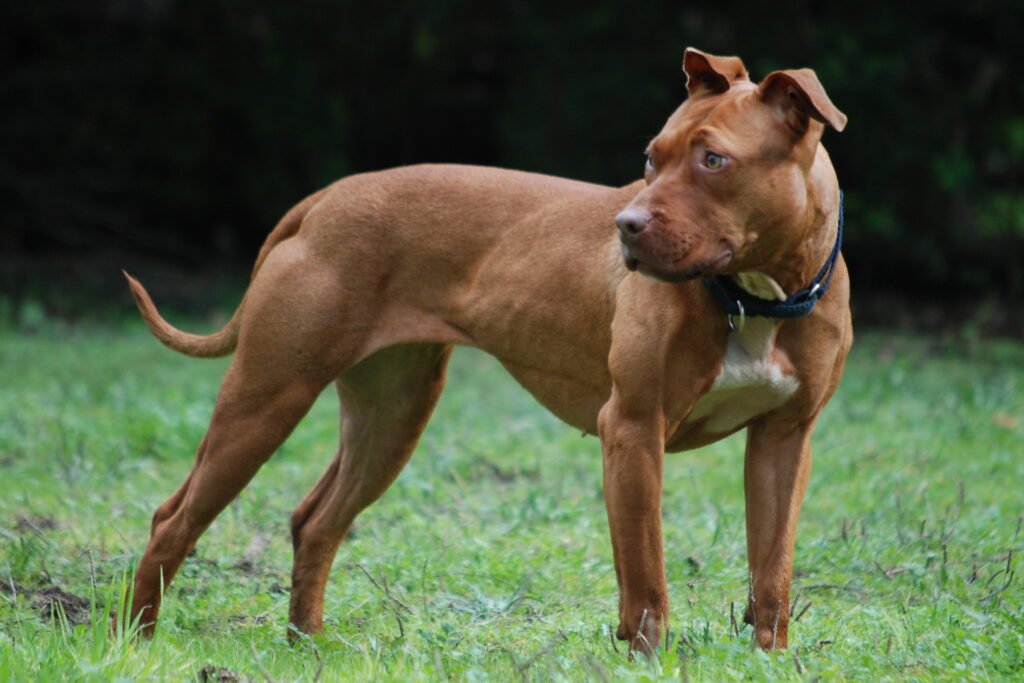
The United Kingdom prohibited ownership and import of Pit Bull Terrier, Japanese Tosa, Dogo Argentino, and Fila Brasileiro without special exemptions. Denmark extended its list to 13 breeds, including American Staffordshire Terrier, Boerboel, and several shepherd dogs, barring breeding, sales, and new imports. Australia maintained a federal import ban on American Pit Bull Terrier, Presa Canario, and similar types since 2010.
Germany classified Pit Bull Terrier and crosses as dangerous in most states, demanding character certificates for temporary tourist stays. France outlawed “Category 1” dogs like American Pit Bull Terrier lacking proper papers, while allowing restricted Category 2 breeds under strict conditions.
Surprising Restrictions in Unexpected Places
| Country | Banned or Restricted Breeds | Travel Notes |
|---|---|---|
| Singapore | Pit Bull Terrier, American Staffordshire Terrier, Akita, Boerboel, Dogo Argentino | Requires $100,000 insurance and sterilization for existing dogs; import prohibited. |
| Bermuda | American Pit Bull Terrier, Dogo Argentino, Cane Corso, Tosa Inu, wolf hybrids | 11 breeds fully prohibited; restricted list needs permits. |
| Hong Kong | Pit Bull Terrier, Japanese Tosa, Fila Brasileiro | No import or breeding; Staffordshire requires declaration. |
| Qatar | American Staffordshire Terrier, Boston Terrier, Boxer, Bulldog, Rottweiler | Bans extend to non-fighting breeds like Boston Terrier. |
| Israel | Pit Bull Terrier, Dogo Argentino, Rottweiler | License mandates sterilization and 18-month ownership proof. |
These examples highlighted how even family-friendly breeds like Boxers landed on restricted lists in the Middle East. Customs officials relied on visual identification, complicating matters for mixed breeds.
Steps to Avoid Travel Pitfalls
Owners checked official government websites or pet relocation services before booking flights. Required documents included rabies vaccinations, microchips, and breed certifications from kennel clubs. Some destinations allowed transit without unloading but banned permanent entry.
- Verify breed lists via embassy sites or veterinary authorities.
- Obtain pedigree papers to prove non-restricted status.
- Consider professional pet shippers familiar with customs.
- Plan for alternatives like boarding if bans apply.
- Monitor updates, as laws evolved post-2023 with new additions like UK XL Bully.
Key Takeaways
- Pit bull types topped bans in 100 percent of national laws worldwide.[1]
- Popular spots like the UK and Australia enforced outright import prohibitions.
- Always cross-check with current sources – restrictions changed frequently.
One overlooked check spelled disaster for countless pet trips, but preparation ensured smooth borders. What breed restrictions surprised you most? Share in the comments.


