
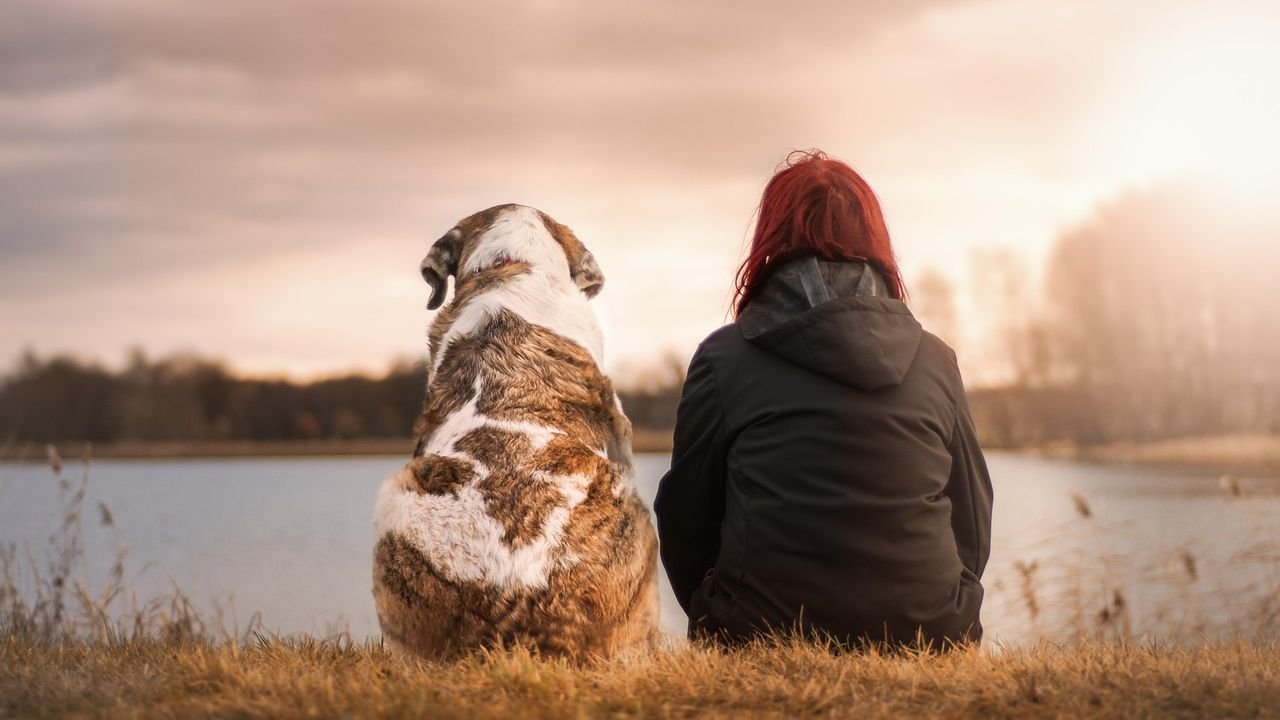
You walk through the front door after a long, exhausting day. All you want is that wagging tail, those excited eyes, and maybe a slobbery kiss. Instead, your dog barely looks up from their spot on the couch. Ouch. That tiny moment can sting more than most people are willing to admit out loud.
Here’s the thing – you are not being dramatic. The bond between a dog and their owner runs incredibly deep, rooted in thousands of years of shared evolution and emotional co-regulation. So when that bond feels one-sided, even for just a moment, the human brain notices. It hurts because it’s supposed to matter. Let’s dive into why, and what’s really going on.
Your Brain Is Wired to Need Your Dog’s Approval
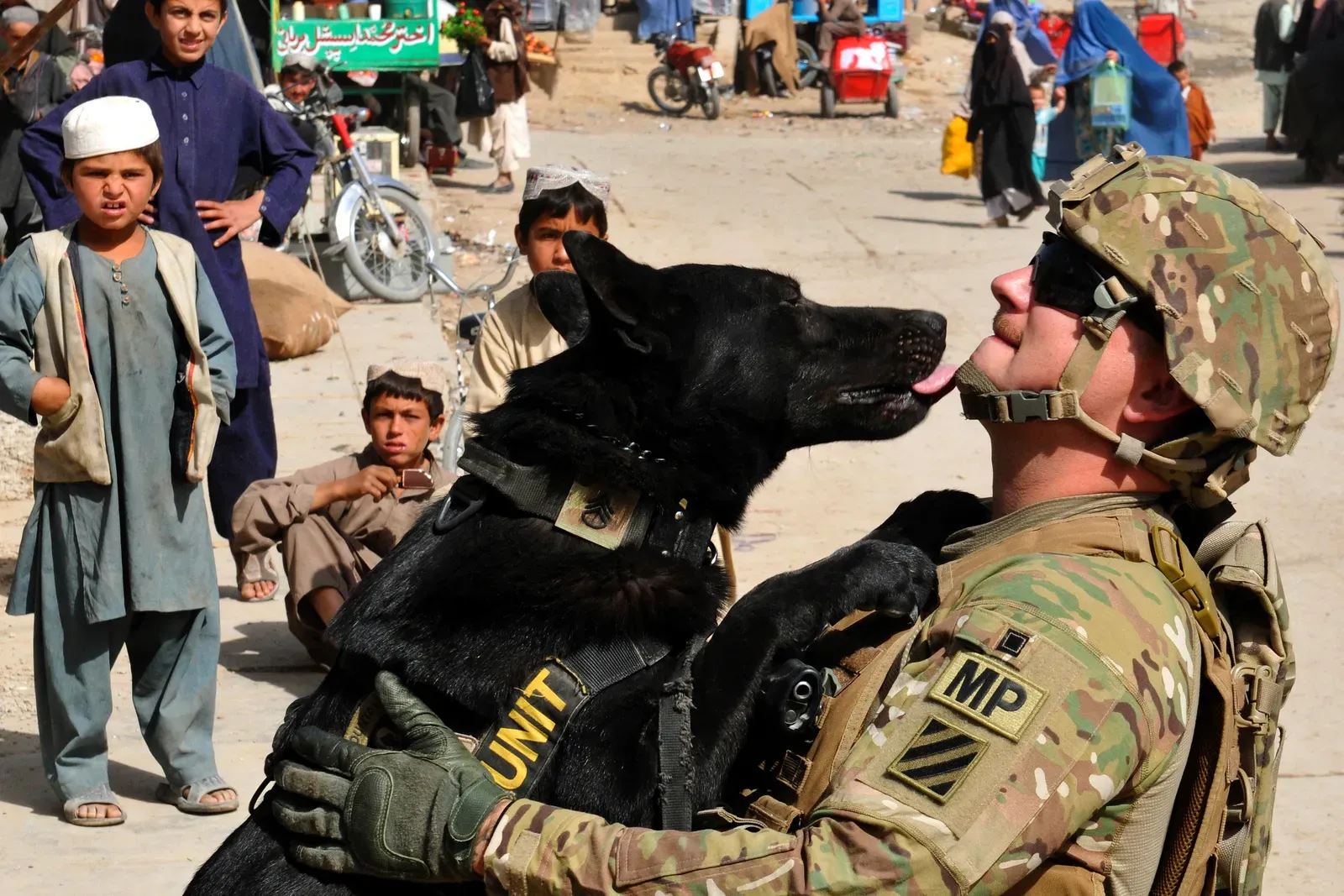
According to self-psychology, an animal can be a “self-object” – something that gives a sense of cohesion and support to a person’s sense of self. This explains why some animals become so crucial to our emotional well-being. Your dog isn’t just a pet. For many people, they are a mirror of self-worth and emotional safety.
Eye contact with your dog can create the same emotional feedback loop seen between a mother and her children, including the release of high levels of oxytocin. So when your dog turns away instead of meeting your gaze, your brain registers a gap where that chemical warmth should have been. It’s almost physiological.
Dog companionship helps people develop a daily routine and gives them something to look forward to. Studies also show owning a dog reduces stress, alleviates anxiety, and can even prolong a human’s lifespan. That level of dependency makes emotional sensitivity to your dog’s behavior completely natural. You’re not needy. You’re bonded.
The Science of Attachment: Why Dogs Feel Like Family
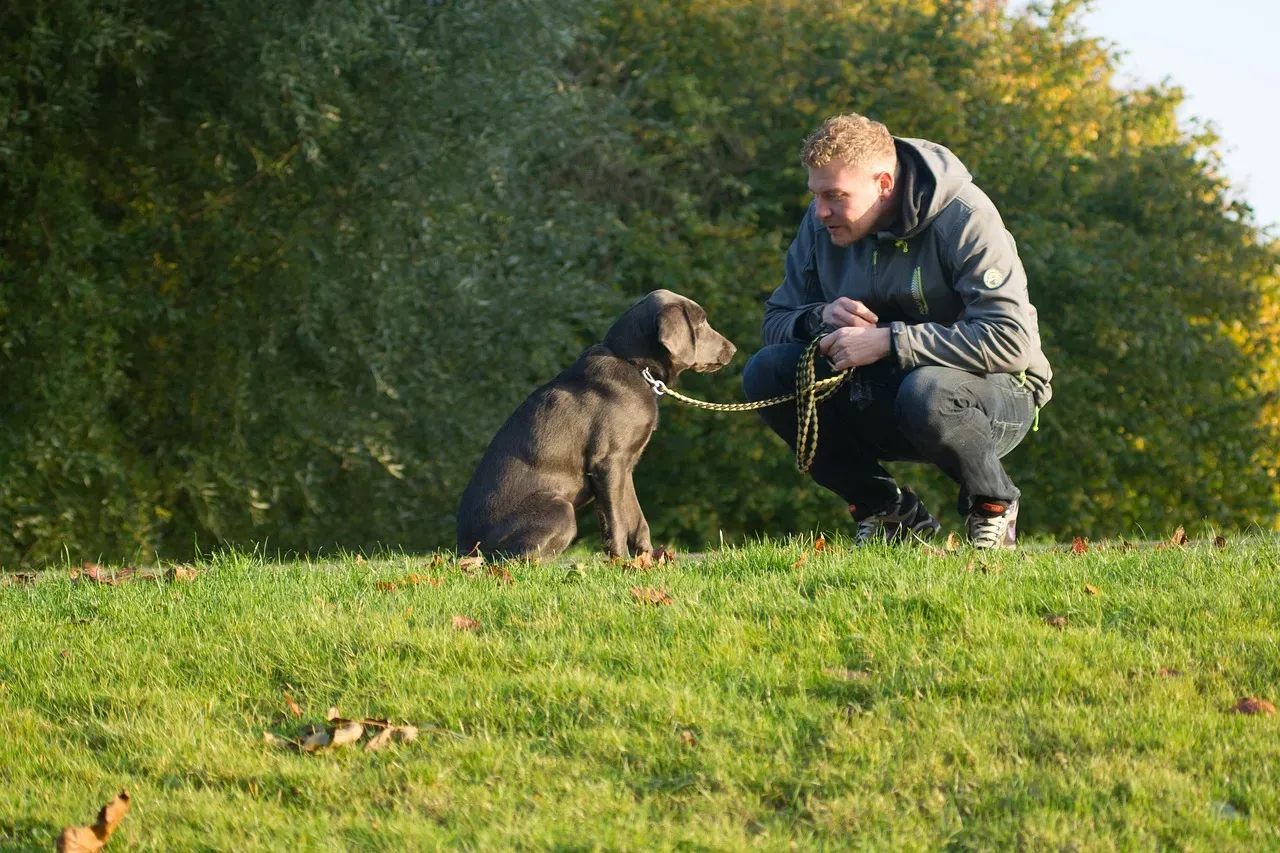
Psychologists believe the relationship between humans and canines is a bidirectional attachment bond, closely resembling the typical human caretaker and infant relationship. One key behavior that supports this is proximity seeking, where the dog seeks out their caretaker as a means of coping with stress. Think about that for a second. Your dog needs you like a child needs a parent.
The dog and owner relationship shows clear similarities to the human caregiver and infant relationship. Dogs display similar behaviors of attachment, such as approaching, following, clinging, and vocalizing toward their owners. So when that flow of connection suddenly goes quiet, it disrupts something deeply primal in both of you.
Research from Azabu University in Japan showed that when dogs and their owners gazed into each other’s eyes, both experienced a significant increase in oxytocin levels. This oxytocin release was less pronounced in interactions with unfamiliar dogs, suggesting the bond is not just about proximity but an emotional connection that mirrors love. No wonder a cold shoulder from your dog cuts so deep.
Your Dog Isn’t Being Mean – Here’s What’s Really Going On
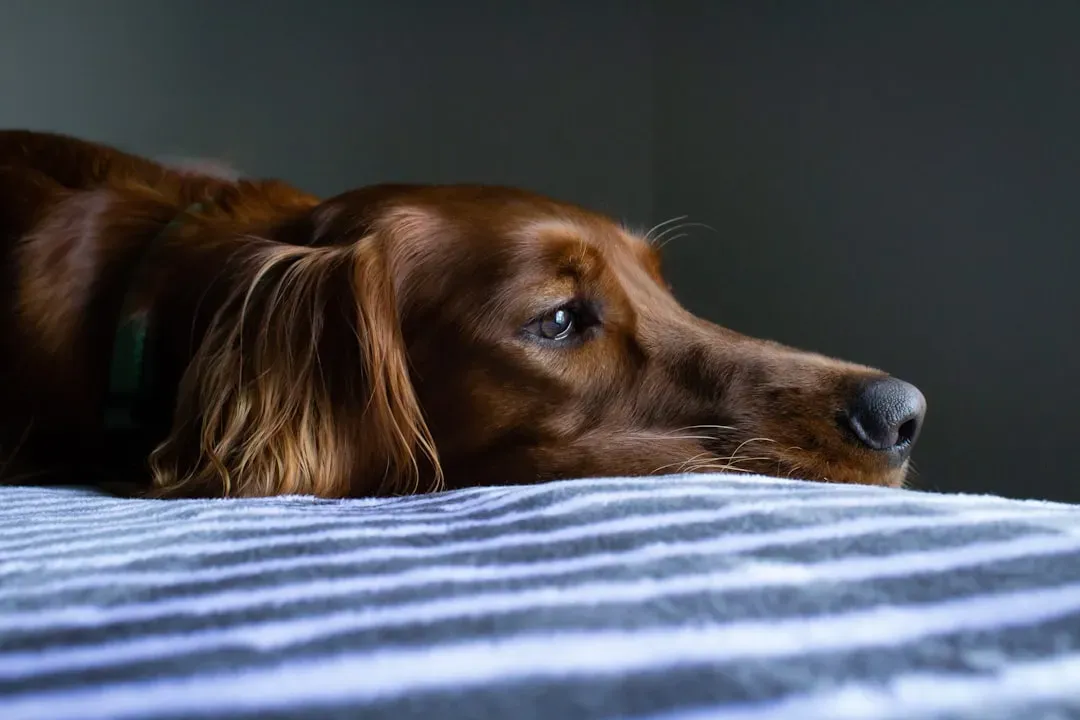
Dogs ignoring owners is rarely personal but often signals health issues, training gaps, distractions, anxiety, or what’s known as learned irrelevance. Let that sink in. It’s almost never about you. Your dog has a reason, even if they can’t tell you what it is.
Dogs might withdraw or refuse interaction when they’re in pain. Conditions like arthritis, dental disease, or internal injuries aren’t visible at a glance, so your pet might seem to be ignoring you when they’re actually hurting. A dog in discomfort retreats inward, just like humans do. It’s self-protection, not rejection.
Loss of sight or hearing, especially in senior dogs, can affect their responsiveness – they aren’t ignoring you, they simply can’t perceive your cues. Canine Cognitive Dysfunction, which is similar to Alzheimer’s in humans, can cause older dogs to develop confusion, sleep disturbances, and a withdrawn demeanor. They’re not snubbing you; they’re trying to navigate their foggy cognition. Always rule out health before assuming behavior.
Emotional Distance: When Your Dog Picks Up on Your Energy
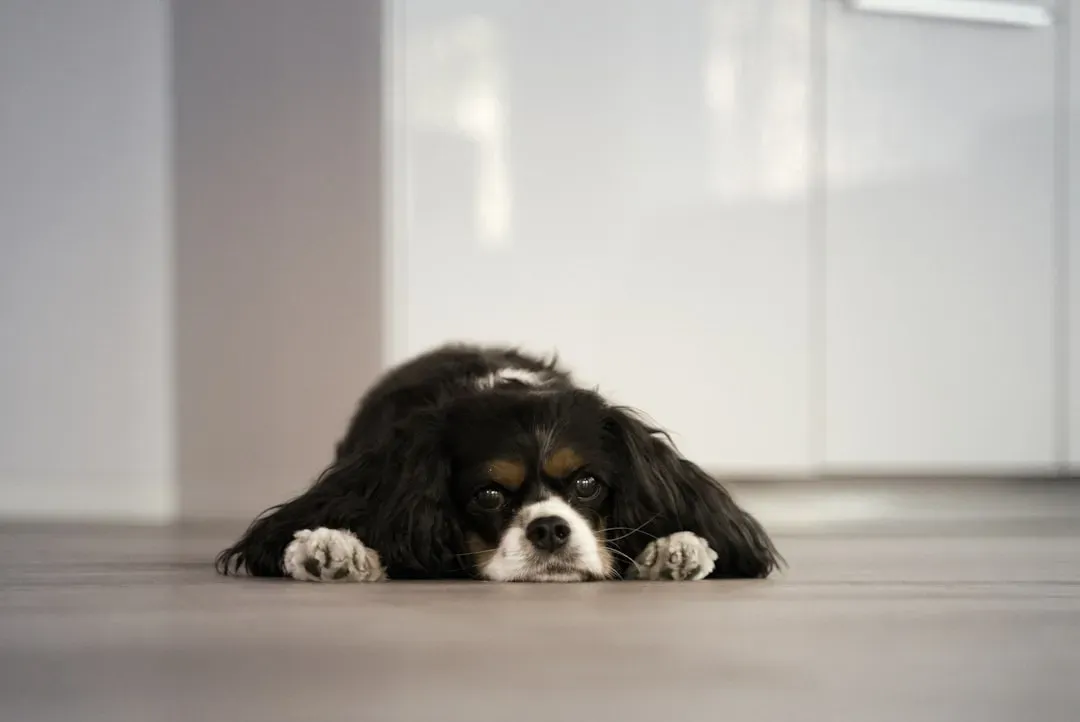
Dogs are highly sensitive to the emotional environment around them. Your personal stress, a tense atmosphere, or emotional disturbances within the home can affect them deeply. A dog’s cold shoulder could be their reaction to these undetectable nuances, making them anxious or withdrawn. In other words, your dog might be pulling back because they’re overwhelmed by what they’re sensing from you.
Yes, dogs can get depressed. Causes vary from changes in their living situation to the loss of an animal or human companion, or trauma. Dogs with depression often exhibit low energy, withdrawal, and changes in sleep and appetite. Anxiety too makes them appear distant, as they are too caught up in their internal stressors to interact as usual. Honestly, this one hits close to home for any empathetic dog parent.
Training Gaps and Environmental Distractions Are Bigger Culprits Than You Think
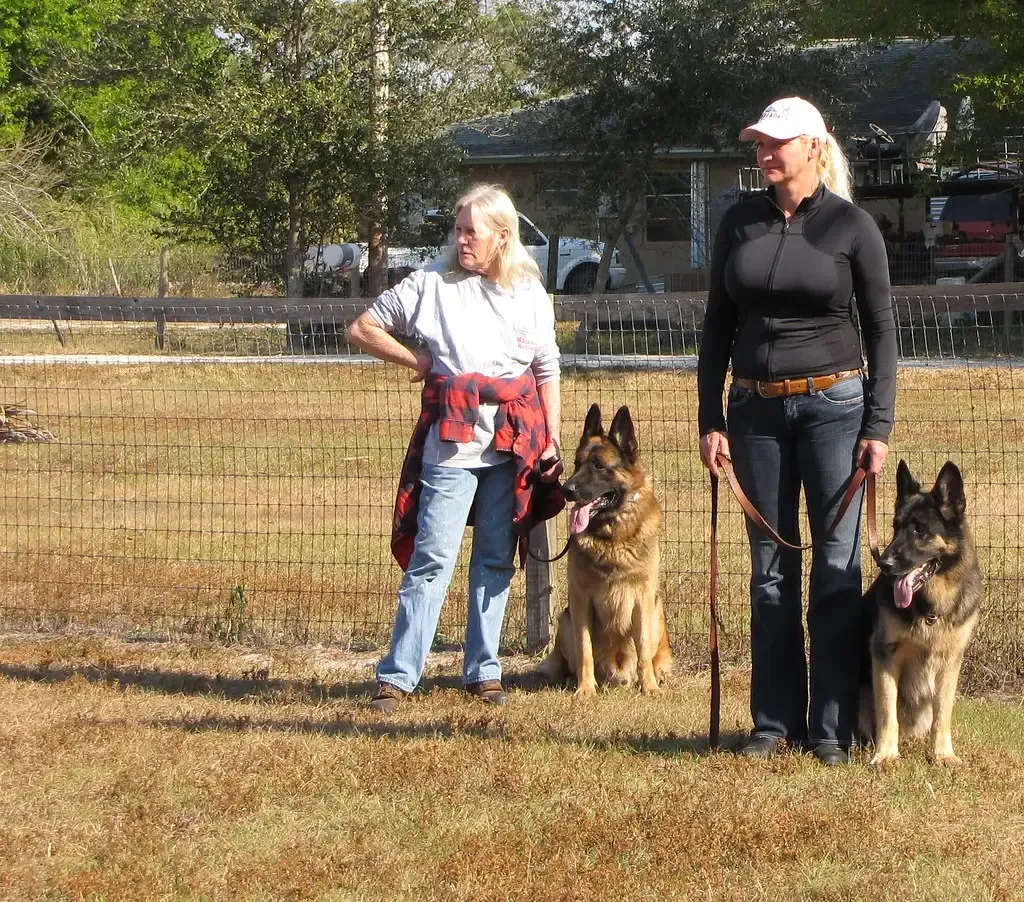
Dogs don’t ignore their owners out of spite. If your dog regularly tunes you out, there’s a reason behind it – and the good news is, you can address it. This framing is genuinely liberating. Replacing frustration with curiosity changes everything.
Most people believe distractions are the problem, but they’re actually just a symptom of a deeper issue. Your dog isn’t ignoring you because they’re stubborn or untrainable – they’re ignoring you because they haven’t been taught how to prioritize you over distractions. Think of it like this: if a song at a concert is louder than your voice, it’s not that no one cares about you. You’re just competing with the speakers.
When commands are repeated too often without follow-through, dogs learn they mean nothing. Repeating “sit, sit, sit” loses meaning without consistent action, resulting in tuned-out ears. Less really is more when it comes to communicating with your dog. Clarity, not volume, is the key.
How to Rebuild the Bond and Feel That Warm Reconnection Again
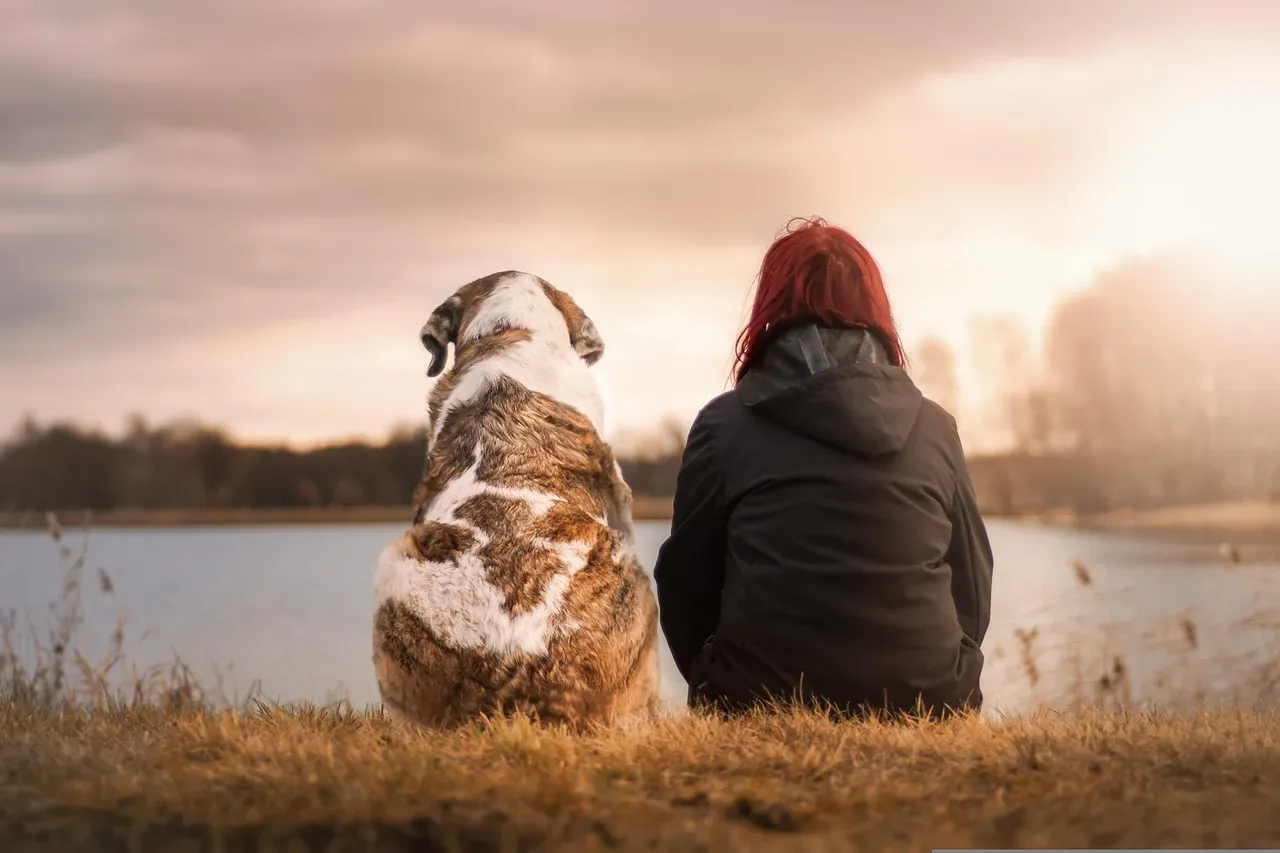
The human-canine bond is strengthened or diminished depending on the quantity and quality of time spent with your dog, and through activities such as routine walking, feeding, grooming, and play. Small, consistent moments build the bridge far better than occasional grand gestures. Think daily walks over weekend marathons.
Human interventions such as positive reinforcement and affiliative interactions are likely to produce a positive emotional state in a dog, leading to more favorable behavioral responses. Reward what you want to see more of. It really is that elegant. A dog who associates your presence with good things will choose you, even over distractions.
Restoring your dog’s confidence doesn’t require grand gestures – consistency and patience do more than sporadic overcompensation. Every interaction shapes the bond you share. Small, consistent acts of presence – eye contact, a soothing tone, a well-timed treat – signal safety and belonging. The reconnection starts with you showing up, quietly and reliably, every single day.
Conclusion: It Was Never Really About Rejection
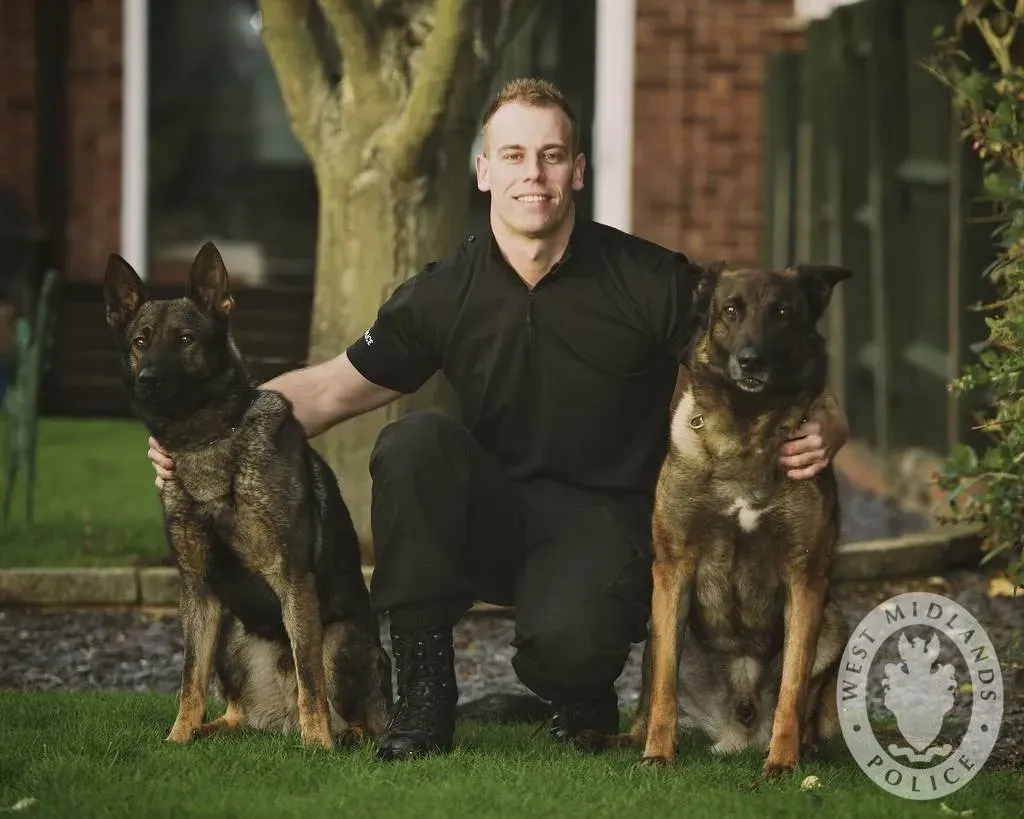
Here’s what I want you to take away from all of this. When your dog ignores you, your feelings are real, your bond is real, and your longing for connection is one of the most human things about you. The science backs up everything you feel. That sting? It exists because you love deeply.
Feeling snubbed by your fur baby is hard. But this behavior is rarely about you. It’s about changes, needs, or health issues they are facing. Your dog isn’t filing for emotional divorce. They’re sending you a message in the only language they have.
So the next time your pup gives you the cold tail, take a breath. Check in with their health. Look at your own energy. Review your training consistency. Love develops with time, but a bond takes work. It requires attention, engagement, and time to grow and mature. That bond is absolutely worth the effort, and honestly, your dog is already counting on you to figure it out.
What’s one moment your dog surprised you with unexpected affection? We’d love to hear your story in the comments below.


