
IUCN Declares Emperor Penguin as ‘Endangered Species’ as Numbers Dwindle Due to Drowning Deaths
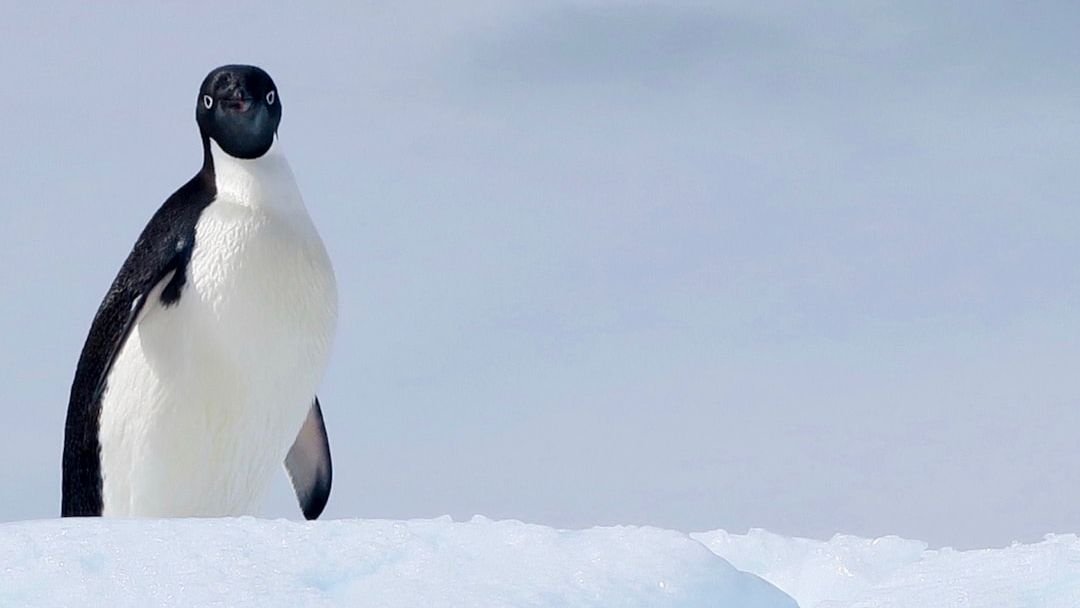
Emperor penguins, the iconic birds of Antarctica, have long symbolized resilience in one of Earth’s harshest environments. Recent assessments reveal a troubling shift, as climate-driven changes threaten their survival on an unprecedented scale. The news hits hard, especially with vivid reports of entire colonies vanishing into unstable seas.
This development underscores broader ecological warnings from the polar regions. Stable sea ice, crucial for breeding and chick-rearing, now fails them repeatedly. Understanding the details reveals why immediate attention matters.
The IUCN’s Historic Reclassification
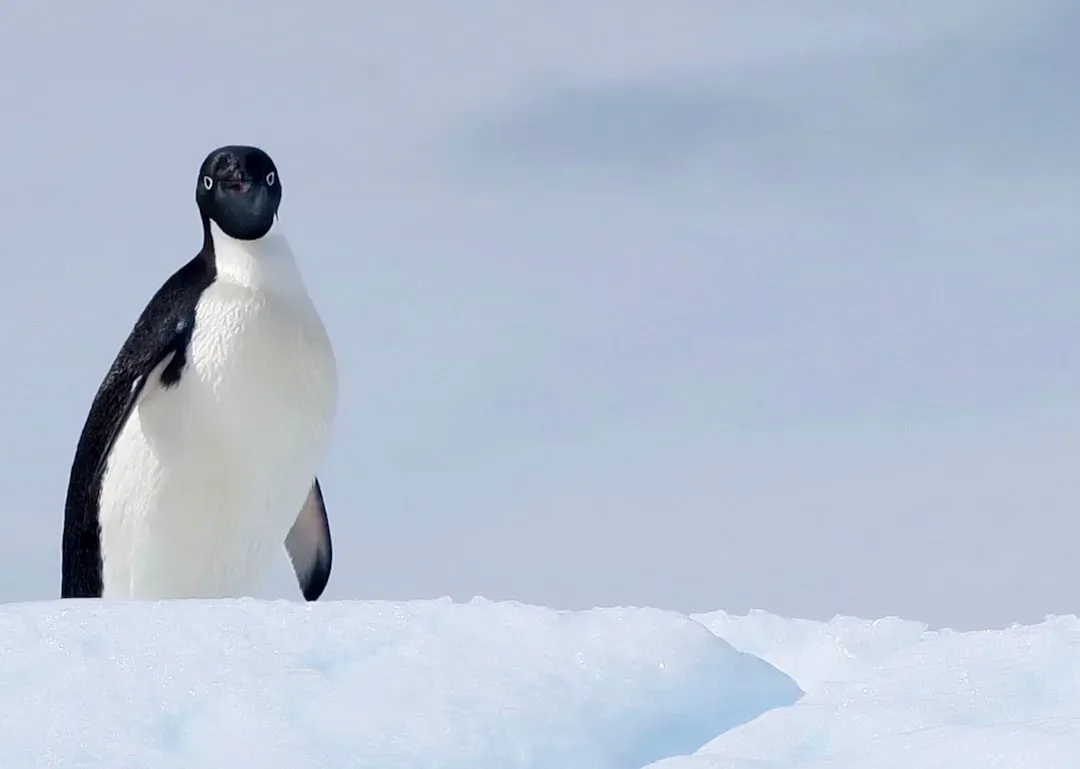
The International Union for Conservation of Nature updated its Red List in early April 2026, elevating emperor penguins from Near Threatened to Endangered.[1][2] This two-step jump reflects accelerating threats observed over the past decade. Previously assessed in 2019, the species now faces a high risk of extinction in the wild.
Experts point to climate change as the primary driver, with sea ice loss disrupting life cycles. The decision also affected other Antarctic species, like the fur seal moving to Endangered status.[1] Such changes signal systemic pressures across the ecosystem.
Sea Ice Collapse in Antarctica
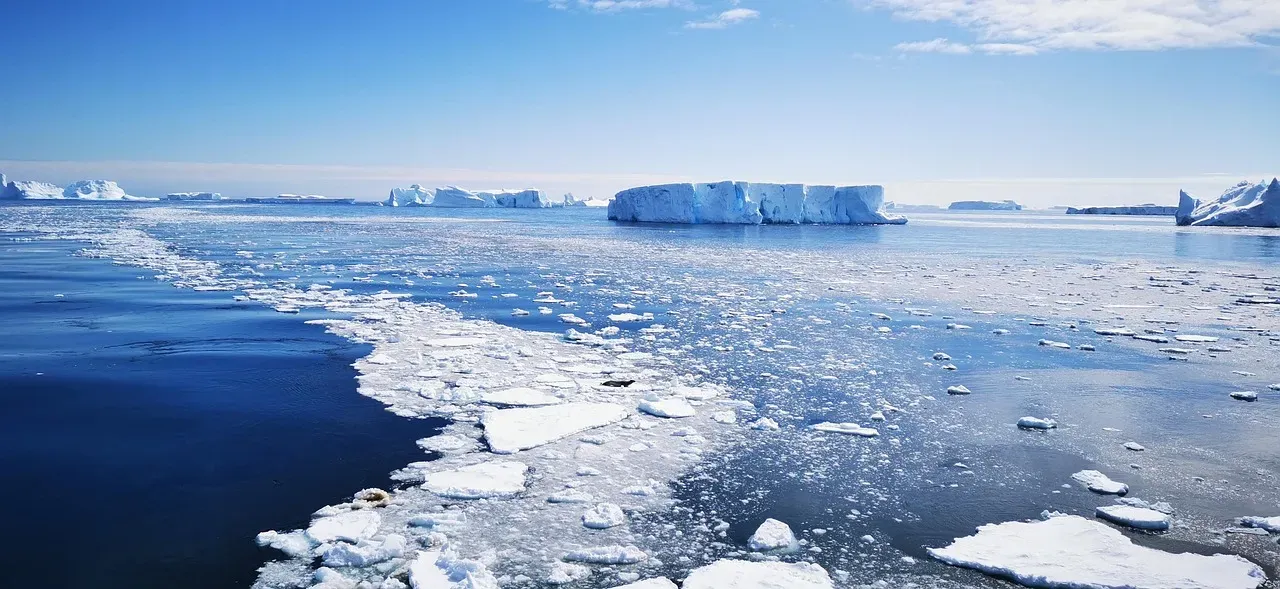
Antarctic sea ice has hit record lows since 2016, shattering the stable platforms emperor penguins rely on for nine months yearly.[3][4] These birds breed on fast ice during winter darkness, where females lay eggs and males incubate them through brutal cold. Early breakups now expose vulnerable chicks to open water.
Global heating accelerates this melt, with 2022 marking a particularly grim year in the Bellingshausen Sea region. Four of five known breeding sites there collapsed entirely. The trend shows no signs of reversal without drastic emission reductions.
Mass Drownings Devastate Colonies
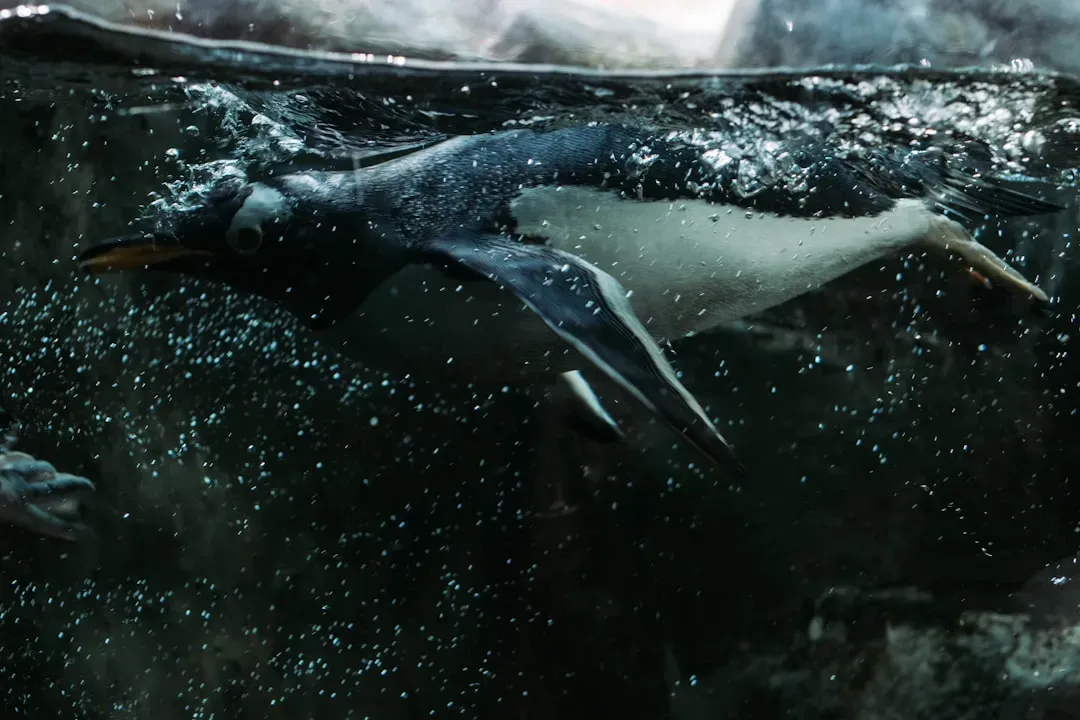
Chicks, not yet waterproof, drown when ice platforms crumble prematurely, pulling entire colonies into the ocean.[3][5] Survivors often freeze after getting soaked, as their downy feathers fail against frigid waters. Thousands perished in recent events, turning hopeful breeding seasons into tragedies.
In the Bellingshausen Sea alone, satellite imagery captured these catastrophes in 2022. Similar incidents struck multiple sites, highlighting a pattern tied directly to ice instability. Penguins’ dependence on this habitat leaves little room for adaptation.
Shrinking Population Numbers
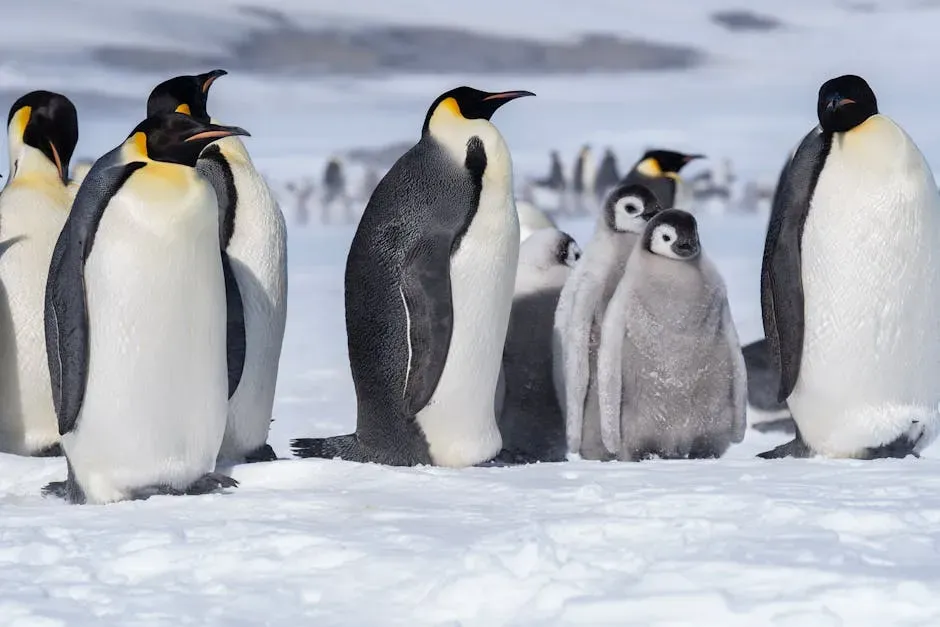
Current estimates place adult emperor penguins at around 595,000, a roughly 10% drop from 2009 to 2018 levels.[3][6] This decline predates the latest drownings but compounds with them. Fewer than 600,000 breeding adults now struggle to sustain the species.
Breeding failures amplify the losses, as disrupted colonies produce far fewer survivors. Observations confirm widespread impacts across Antarctic colonies. The trajectory points to further erosion without intervention.
Projections and a Call for Bold Action
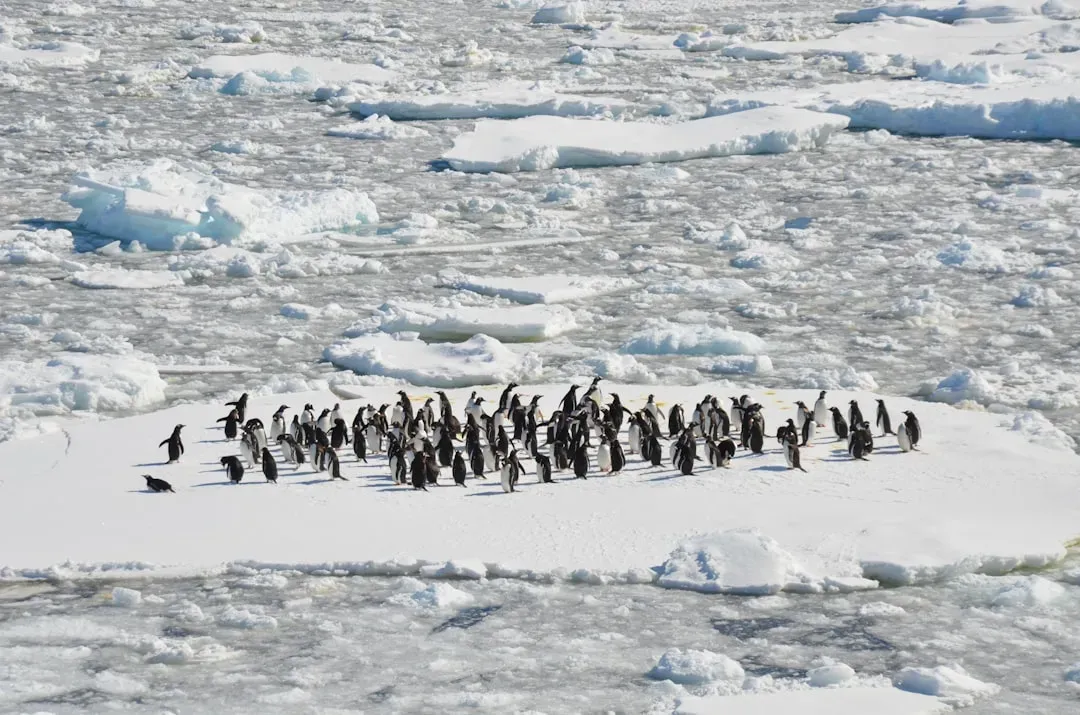
Models predict emperor penguin numbers could halve by the 2080s under moderate emissions scenarios, or sooner with continued warming.[7][8] Urgent global cuts to greenhouse gases offer the only realistic path forward. Conservation groups emphasize protecting Antarctic waters from overfishing and pollution too.
This Endangered status demands more than sympathy; it requires aggressive policy shifts today. Governments must prioritize emission reductions and marine protections. Failing that risks losing these remarkable birds forever, a needless casualty of inaction. The emperor penguin’s plight boldly indicts our collective delay on climate fronts, urging a fiercer commitment before the ice vanishes entirely.