
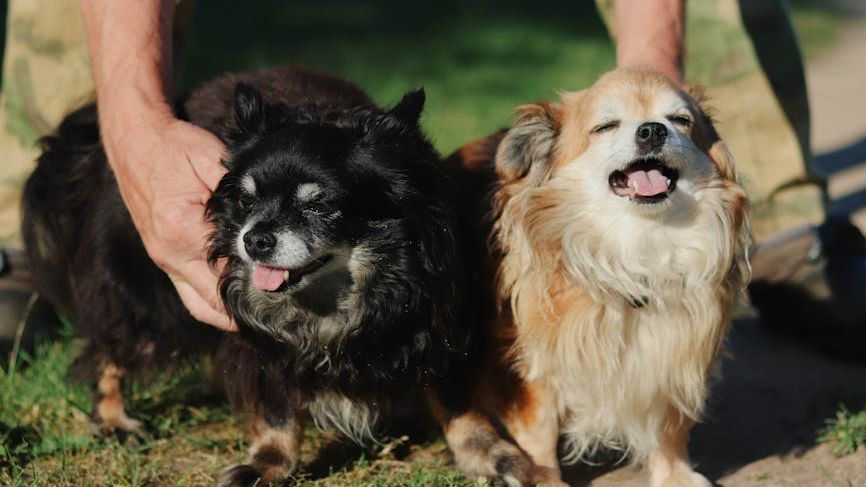
#1. Cavalier King Charles Spaniel

If there’s one breed that practically defines the word “companion,” it’s the Cavalier King Charles Spaniel. These charming dogs are renowned for their incredibly soft temperament and unwavering devotion, often described as “love in a fur coat,” which perfectly captures their affectionate nature. Their small size and gentle demeanor make them ideal for seniors who want a close companion without demanding intense physical activity.
Cavalier King Charles Spaniels have a remarkable ability to adapt to their owner’s lifestyle. Whether you live in a small apartment or a spacious home, they are content with short walks and indoor playtime. Their exercise needs are modest, which is perfect for seniors who might have limited mobility. A few gentle strolls and some cuddling time will keep these dogs happy and healthy. They’re also deeply intuitive dogs. Psychologically, these dogs are like emotional therapists on four legs, seeming to have an intuitive sense of their owner’s mood and willingly providing comfort during quiet moments.
#2. Shih Tzu
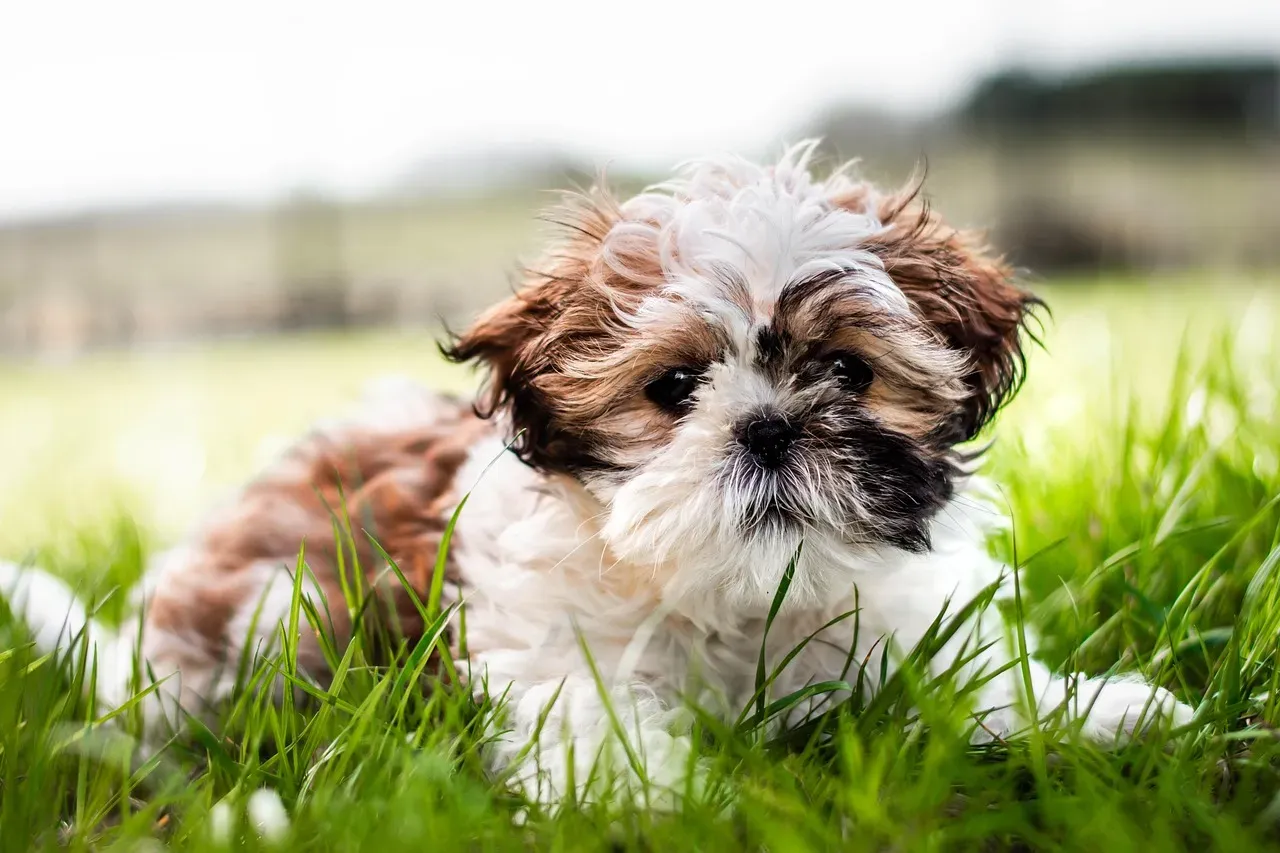
The Shih Tzu has been a beloved companion for centuries, and for good reason. According to the AKC, the Shih Tzu is known for being playful and affectionate. Favored by Chinese royalty for centuries, this breed’s charming personality and majestic coat have long made it a beloved companion, typically weighing between 9 and 16 pounds. That compact size makes them easy to manage, easy to transport, and comfortable in smaller living spaces.
With a lifespan of up to 18 years, they offer seniors long-term, devoted companionship. Their flowing coat, gentle demeanor, and lovable underbite make them especially appealing for those seeking a calm, cuddly presence at home. Shih Tzus are moderately active and content with short walks or gentle indoor play, ideal for seniors with lower mobility. Known as “little lions,” Shih Tzus are sweet-natured, calm, and full of grace. Seniors love their affectionate personalities and gentle temperament, which offer unconditional love without excessive activity.
#3. Maltese
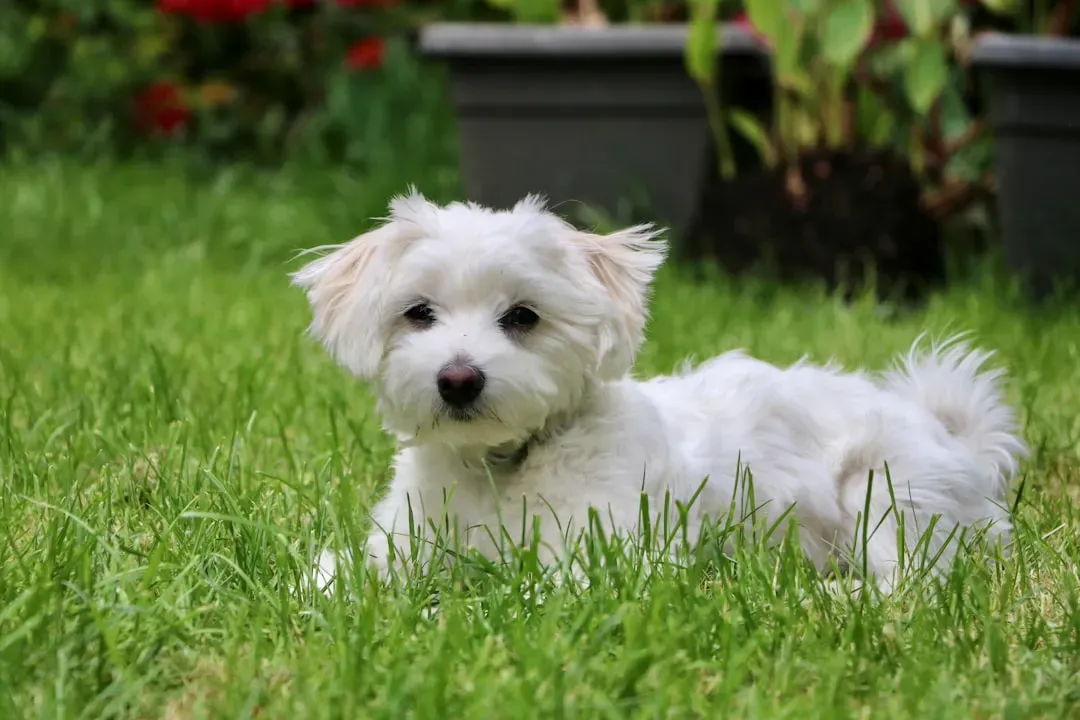
Don’t let their delicate appearance fool you. The Maltese is a resilient, cheerful little dog with a surprisingly bold personality. Weighing in at just four to seven pounds, the tiny Maltese is widely regarded as the quintessential lap dog. Bright, gentle, and playful, these dogs get along well with other pets and are extremely attentive to their owners’ moods, and they are frequently used as therapy dogs.
One remarkable characteristic of Maltese dogs is their long lifespan. They often live between 12 to 15 years, providing consistent companionship during a senior’s golden years. Their affectionate nature means they form deep emotional bonds with their owners, becoming more than just pets but true family members who provide constant emotional support and unconditional love. For a senior living alone, a Maltese offers something deeply reassuring: a presence that notices you, needs you, and is simply glad to be near you.
#4. Toy Poodle
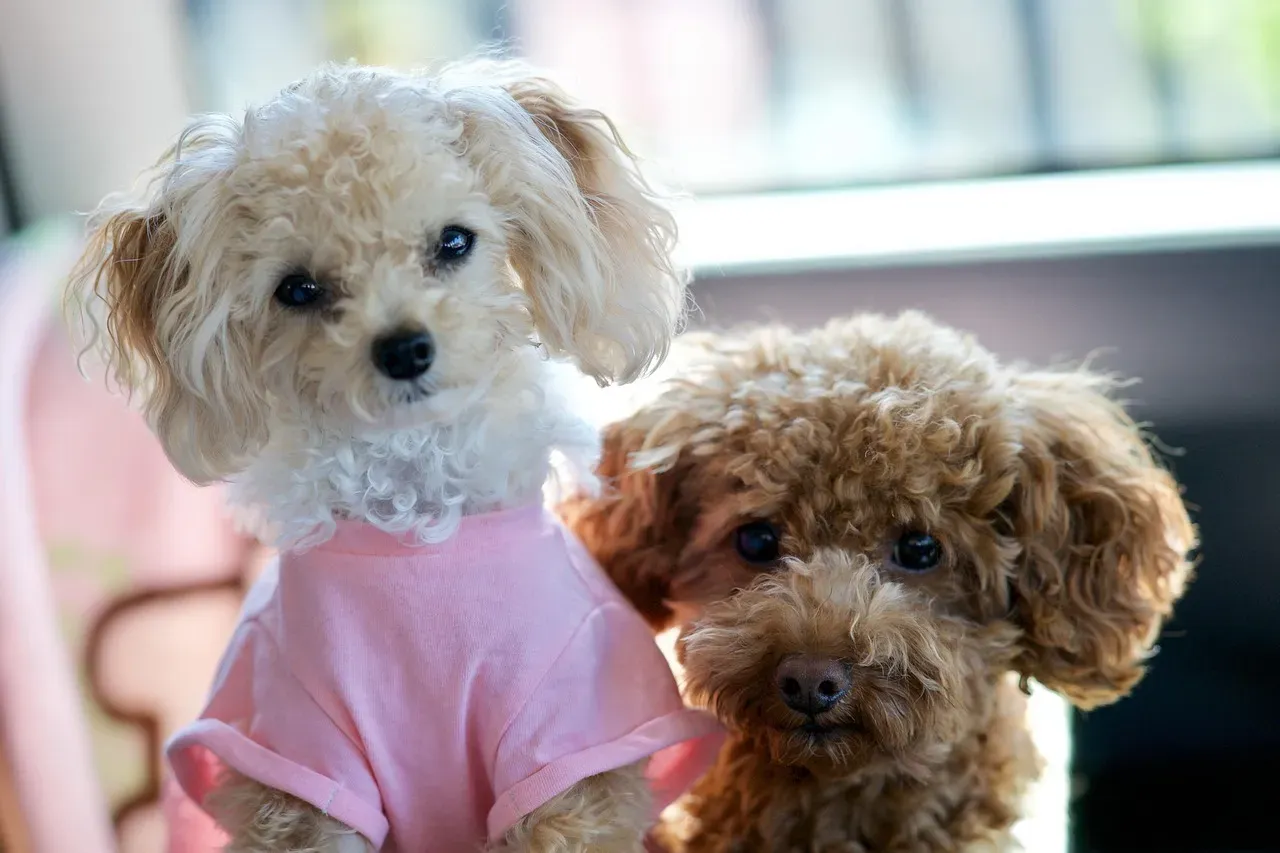
The Toy Poodle is one of the most thoughtfully suited breeds for senior life, combining intelligence with gentle companionship in a small, manageable frame. Toy Poodles are brilliant, adaptable, and incredibly affectionate. They thrive on companionship and are eager to please. Toy Poodles are hypoallergenic and relatively easy to train, making them perfect for seniors with allergies or those who want a more obedient pet. While they enjoy a little mental stimulation, they are equally happy relaxing by your side.
The hypoallergenic quality matters more than people often realize. Poodles, Bichon Frises, and Miniature Schnauzers are top picks for seniors with respiratory issues or allergies. Poodles are fast learners, easy to train, and loyal and affectionate, which means even a senior with no prior dog experience can build a confident, trusting relationship with one fairly quickly. They respond well to routine, and that predictability is quietly comforting for both owner and dog.
#5. Pomeranian
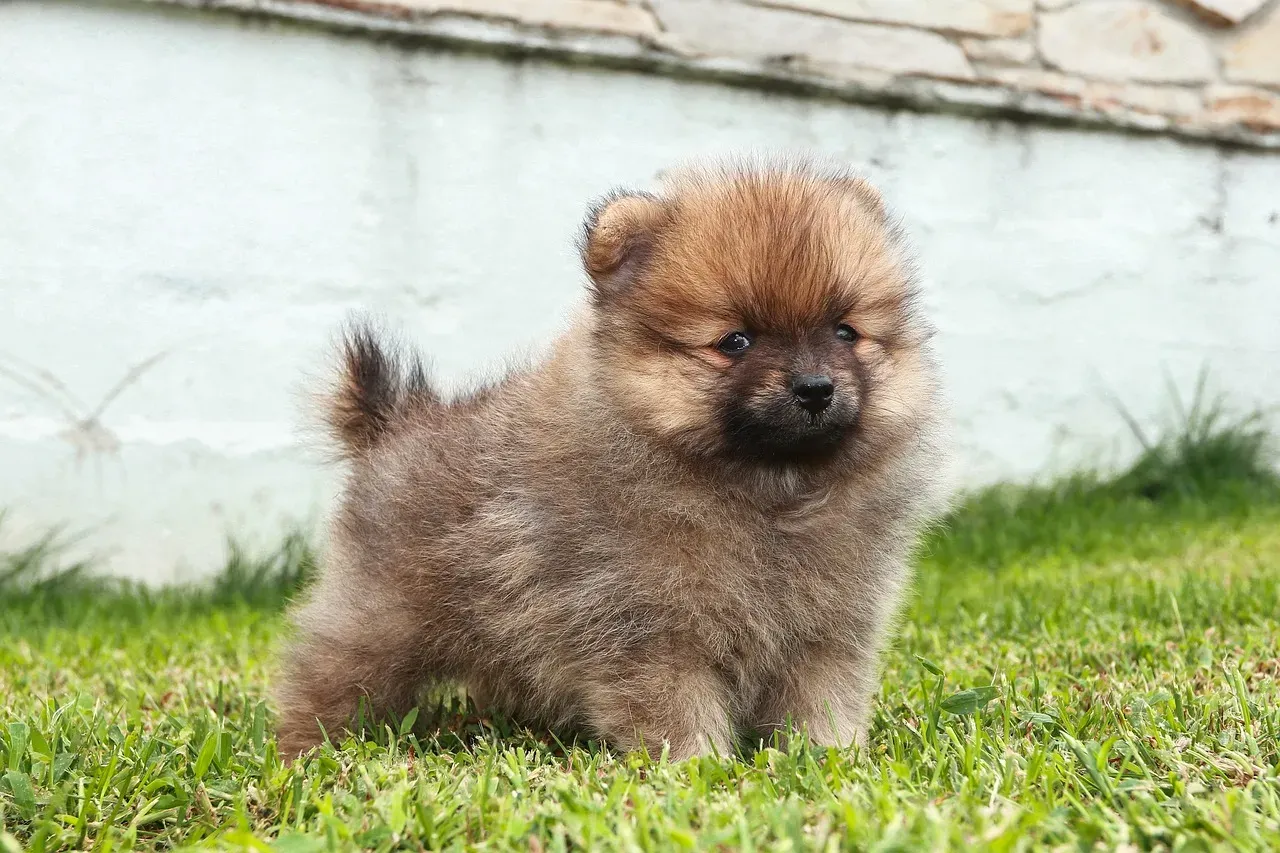
The Pomeranian is a tiny dog with a personality that fills a room. If a tiny dog is up your alley, the Pomeranian may be the right fit. Weighing roughly 3 to 6 pounds, Pomeranians are affectionate, good-natured dogs that are easy to handle. They enjoy attention from their owner and playing with toys, and you can feed off their energy to keep yourself upbeat.
Beyond the playfulness, Pomeranians carry a practical advantage for seniors living alone. Pomeranians serve as gentle alert dogs. Their natural watchfulness provides a meaningful sense of security for seniors who live alone, without the fall risk of a large guard dog. A Pomeranian may only weigh 7 pounds maximum, but that doesn’t stop them from having a bold personality. These fluffy dogs are affectionate with their owners, and they are more likely to bark to alert than other breeds. That little voice can mean a great deal when you’re on your own.
#6. Bichon Frise
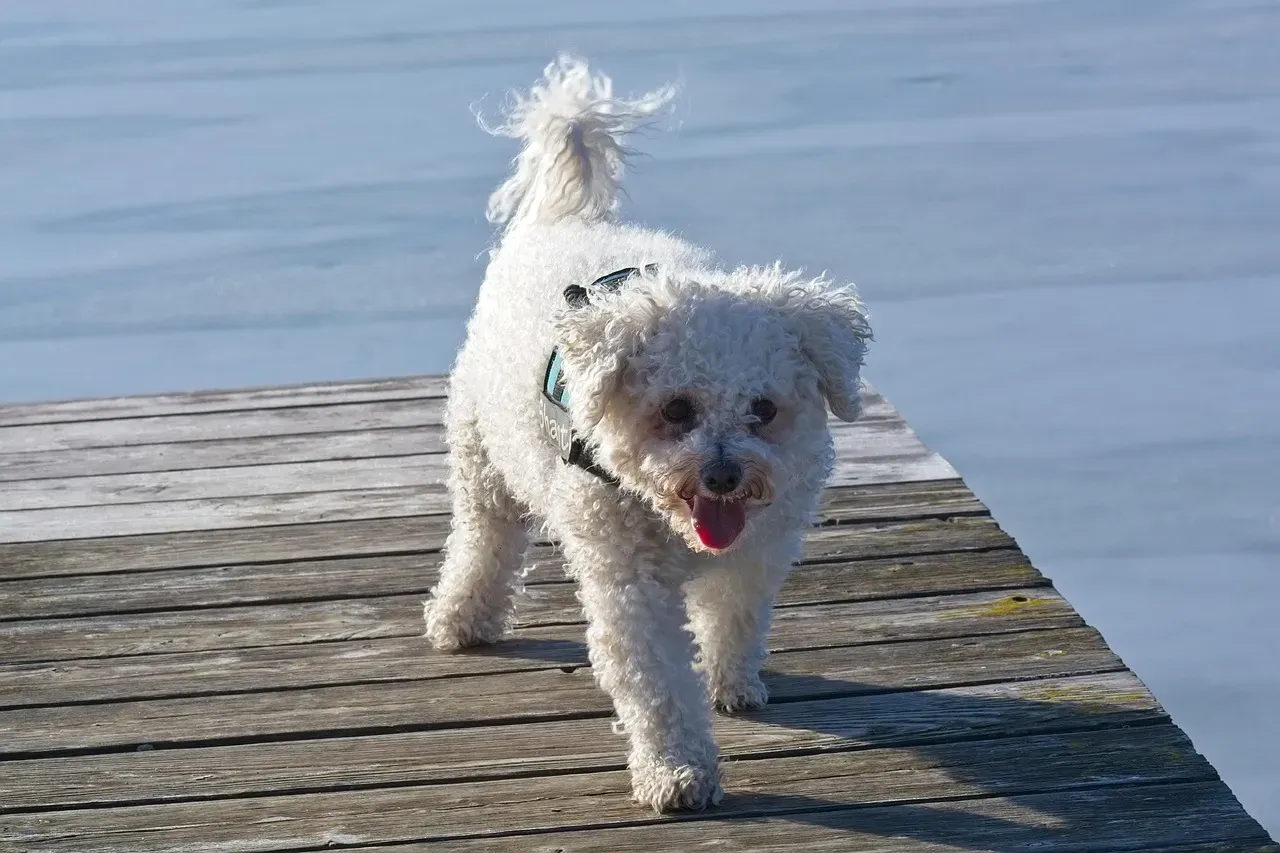
The Bichon Frise brings a kind of cheerful constancy to daily life that seniors often find genuinely uplifting. The Bichon Frise is a cloud of fluff with a heart of gold. These dogs are cheerful, adaptable, and incredibly friendly. Their hypoallergenic coats make them an excellent option for allergy-sensitive seniors. Bichons love to entertain and often behave more like people than pets. While their coats require regular grooming, their small size and sweet disposition make them one of the best choices for older individuals looking for a lively, loving companion.
This breed blossoms in calm, loving homes where human interaction is abundant. Whether lounging on the couch or strolling through the garden, the Bichon remains happy as long as its favorite person is near. With moderate daily exercise and periodic grooming, Bichons will make happy, healthy pets for retirees. There’s something almost therapeutic about a dog that seems permanently delighted by your company.
#7. Miniature Schnauzer
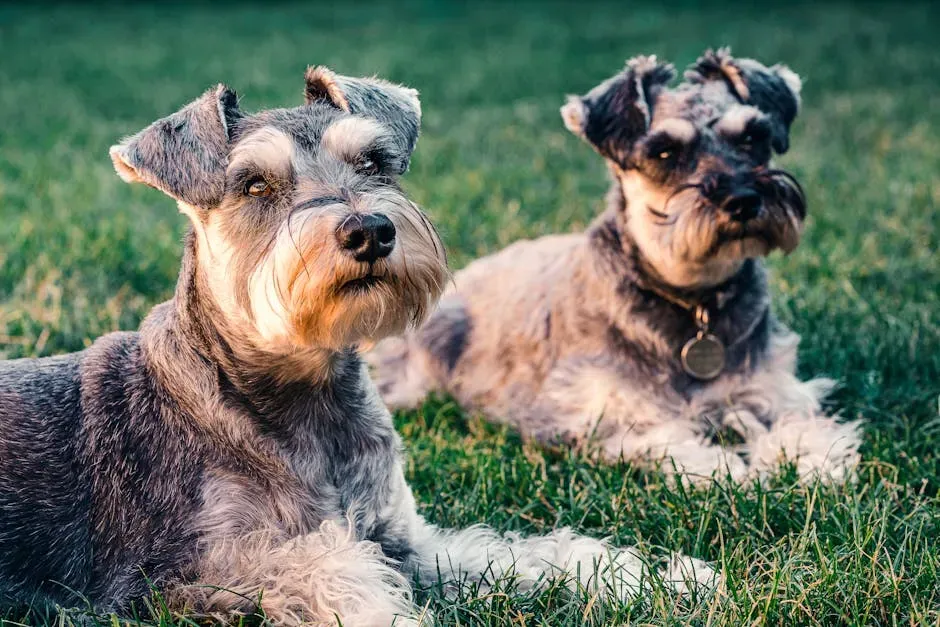
The Miniature Schnauzer occupies a particularly useful spot in the companion dog world: small enough to be manageable, confident enough to make you feel protected. If you want a dog that’s equal parts companion, protector, and entertainer without the physical demands of a larger breed, the Miniature Schnauzer is an extraordinary fit. Weighing 11 to 20 pounds with a sturdy, well-proportioned build, these dogs combine the alertness of a terrier with the trainability of a working breed. The AKC describes them as “friendly, smart, and obedient,” and they’re excellent watchdogs, alert enough to bark at the doorbell but small enough that their protective instincts never create a physical control issue. For seniors living alone who want a sense of security alongside companionship, this breed hits an unusually satisfying balance.
With their expressive eyebrows and distinguished beards, Miniature Schnauzers bring both personality and charm. They are intelligent, obedient, and respond well to training, which makes them ideal for seniors who want a dog that listens. They are energetic but not overwhelming, enjoying moderate walks and interactive play. Schnauzers are protective without being aggressive, making them loyal companions who offer both friendship and a subtle sense of security.
#8. Pug
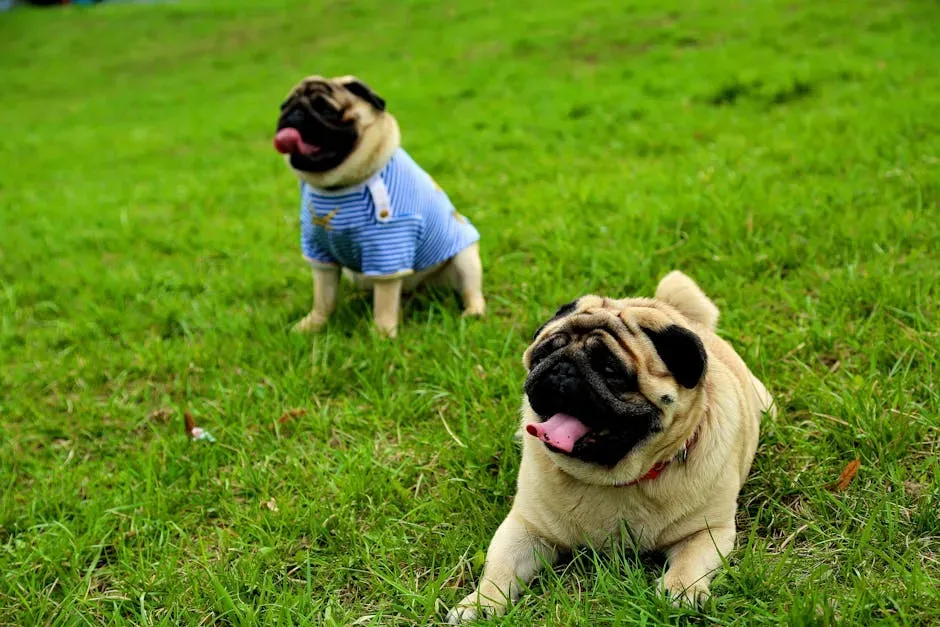
The Pug has been making people feel better about their day for more than two thousand years. There’s a reason Pugs have been beloved companions for over 2,000 years. These 14 to 18 pound packages of personality combine almost comically low exercise needs with an emotional attunement that makes them feel like genuine family members rather than pets. Pugs actively prefer sleep over exercise. A brief daily walk and some indoor playtime satisfies their physical needs completely. Their short coat requires minimal grooming.
Pugs do not need much exercise, and their love of naps makes them excellent couch buddies. They are known for forming strong attachments and providing consistent affection. Their sturdy little build means they are easy to handle but not too fragile. One practical note worth mentioning: Pugs are sensitive to heat and humidity, so climate-controlled living is genuinely beneficial for this breed. For seniors who worry about the physical demands of dog ownership, Pugs are about as low-maintenance as a dog can possibly be.
#9. Havanese
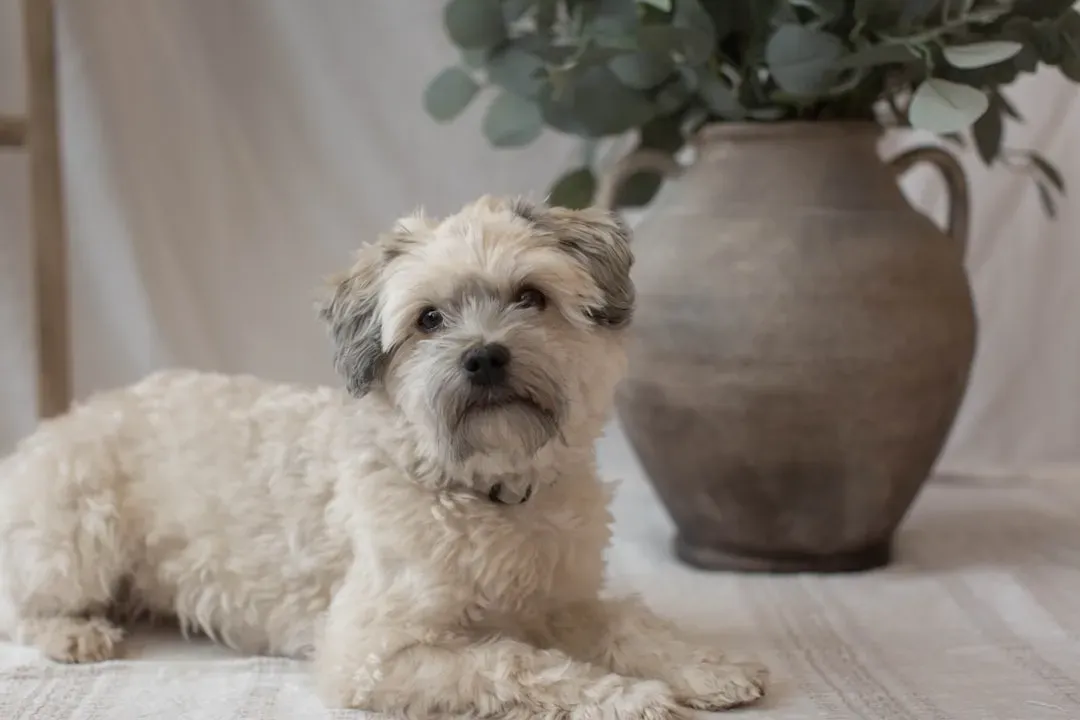
The Havanese tends to surprise people. Charming, social, and unexpectedly intuitive, this breed forms bonds that go beyond simple attachment. Havanese dogs are sociable, trainable, and genuinely enjoy being around people of all ages. They adjust well to smaller living spaces and are often described as naturally intuitive to their owner’s emotional state, which makes them particularly well-suited dogs for older adults.
These even-tempered, intelligent dogs form deep bonds with their owners and thrive on companionship, making them an ideal pick for seniors who enjoy having a loyal sidekick nearby. Havanese are hypoallergenic and don’t shed, making them suitable for seniors with allergies. Two daily walks, even if brief, help maintain their health and energy. Regular grooming visits every couple of months are recommended, and they should not be left alone for long stretches, as they can develop separation anxiety. For seniors who are home most of the day, that need for closeness becomes less a limitation and more a natural fit.
#10. Pembroke Welsh Corgi
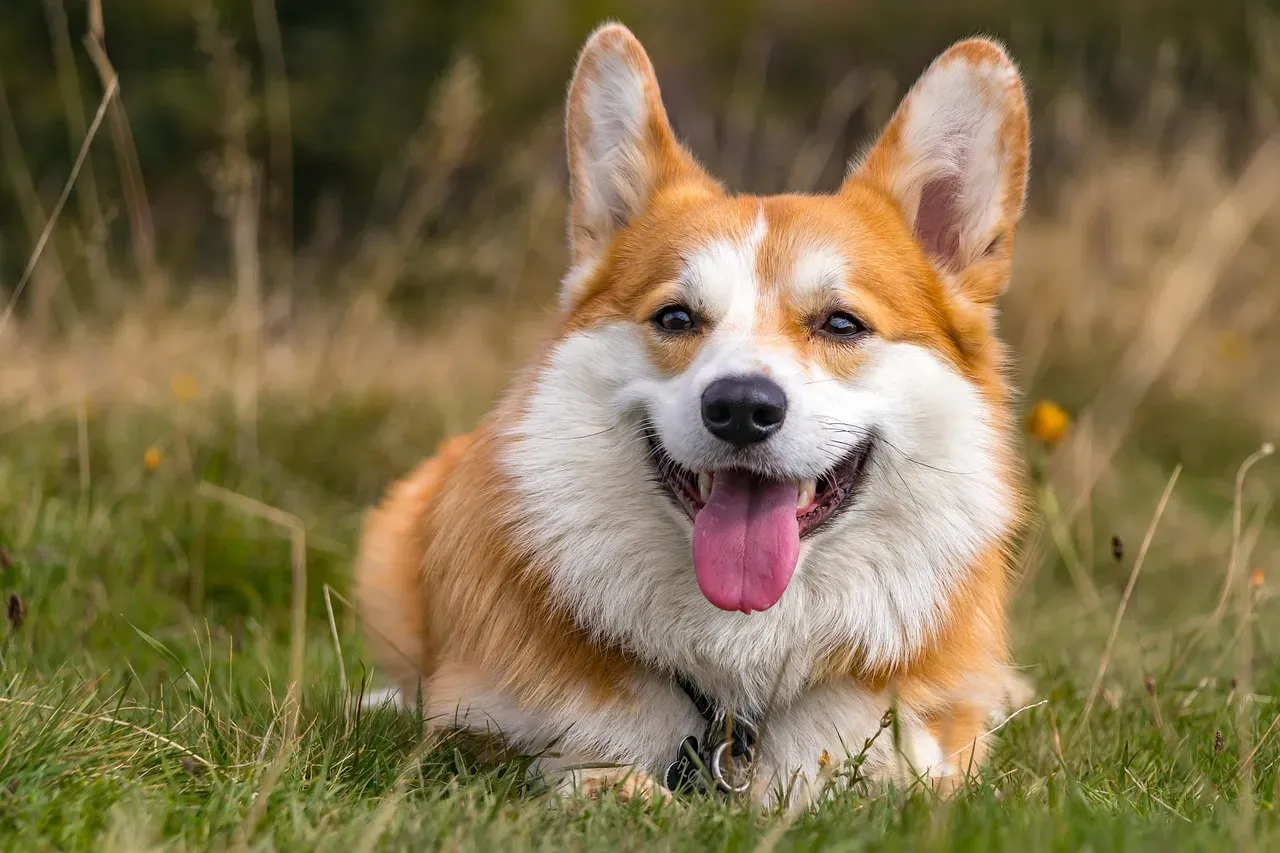
Corgis carry a kind of alert, purposeful energy that makes their owner feel less alone in a very specific way. Short in stature but massive in personality, the Pembroke Welsh Corgi represents an extraordinary companion for seniors seeking an intelligent and adaptable dog. These adorable dogs combine compact size with an alert and supportive temperament that makes them perfect for older adults.
Naturally inclined to herd, Corgis require regular exercise, but a combination of daily walks and visits to the dog park usually suffices to keep them happy and healthy. Corgis are intelligent, low-maintenance, and enjoy occasional cuddles. Despite their small size, they’re protective and excel as guard dogs. While small, Corgis are protective and will bark to alert you of any strangers. A herding dog at heart, the Corgi can get up to 30 pounds, but fortunately they are trainable, so you’ll have them comfortable on a leash in no time. That combination of warmth and alertness is genuinely reassuring when you’re living on your own.
#11. Chihuahua
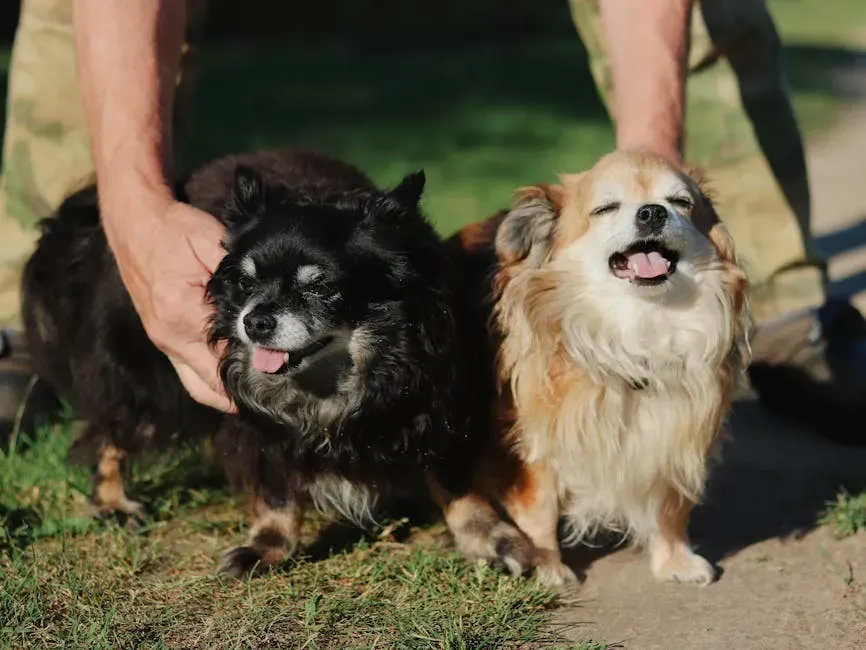
The Chihuahua is frequently underestimated, dismissed as a celebrity accessory or a nervous little creature with too much attitude. The reality is quite different, especially for seniors. Small in size but big in personality, Chihuahuas are fiercely loyal and deeply devoted. Their tiny frames make them easy to manage, and their exercise needs are modest. Chihuahuas tend to bond very closely with one or two people, making them ideal for seniors living alone or with a partner. They are alert, loving, and often happy to spend hours just snuggled under a blanket.
That singular devotion is one of the most meaningful things about this breed. A Chihuahua doesn’t spread its loyalty thin. It picks its person and commits. Small breeds adapt well to smaller living spaces, which are common among elderly individuals. They don’t need large yards and can comfortably live in confined spaces. Their ease of transport is another significant benefit, allowing seniors to take their small dog along when traveling or visiting family. Additionally, small dogs make good lap dogs for seniors, providing warmth and comfort. Their affectionate nature can help alleviate feelings of loneliness and depression.
#12. Retired Greyhound
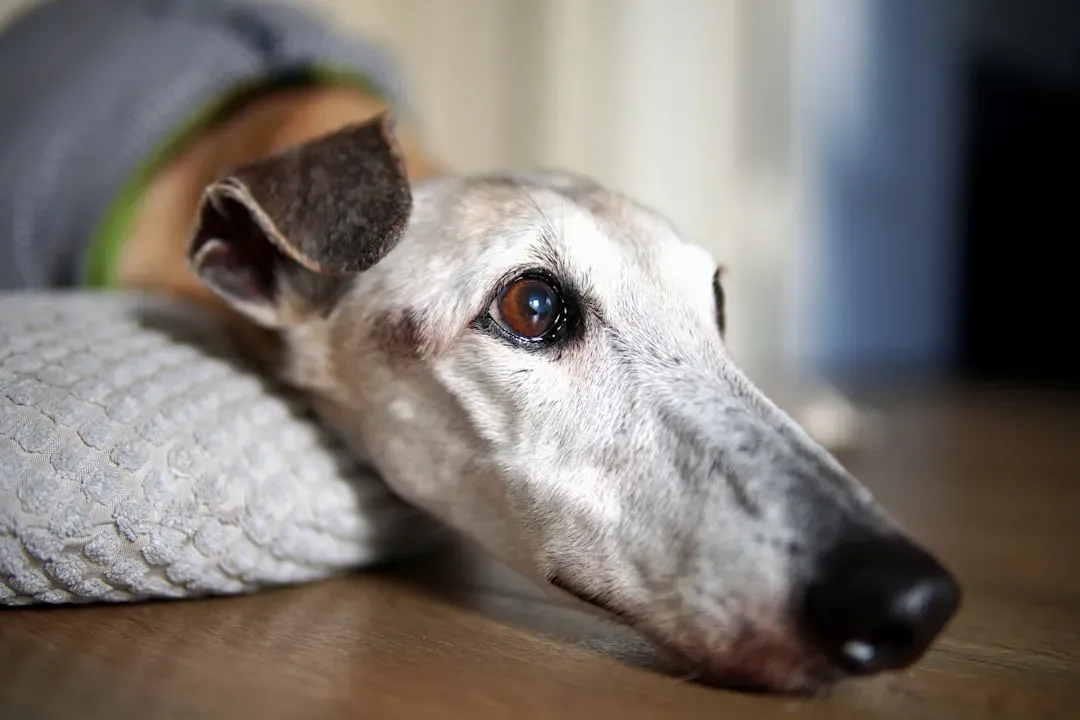
This one genuinely surprises most people who hear it for the first time. A racing dog, for a senior living alone? Despite their size and athletic history, retired greyhounds are among the calmest, most low-maintenance dogs available for adoption. They sleep for the majority of the day, require only one or two short daily walks, and are known for their quiet, gentle temperament. They are large enough to offer a reassuring physical presence, yet calm enough to spend entire afternoons simply resting beside you on the couch.
Adopting a retired greyhound also carries its own kind of meaning. These dogs come already trained, accustomed to human handling, and deeply grateful for a settled, quiet home. Italian greyhounds and retired greyhounds love company and are quite emotional about it. They are perfect for retirees and seniors who are at home most of the time and can give them lots of love and attention. For a senior who wants a calm, large-bodied companion with a quiet soul, the retired greyhound is an unexpectedly perfect fit and one of the more rewarding adoptions a person can make.
Why the Right Dog Makes Such a Real Difference
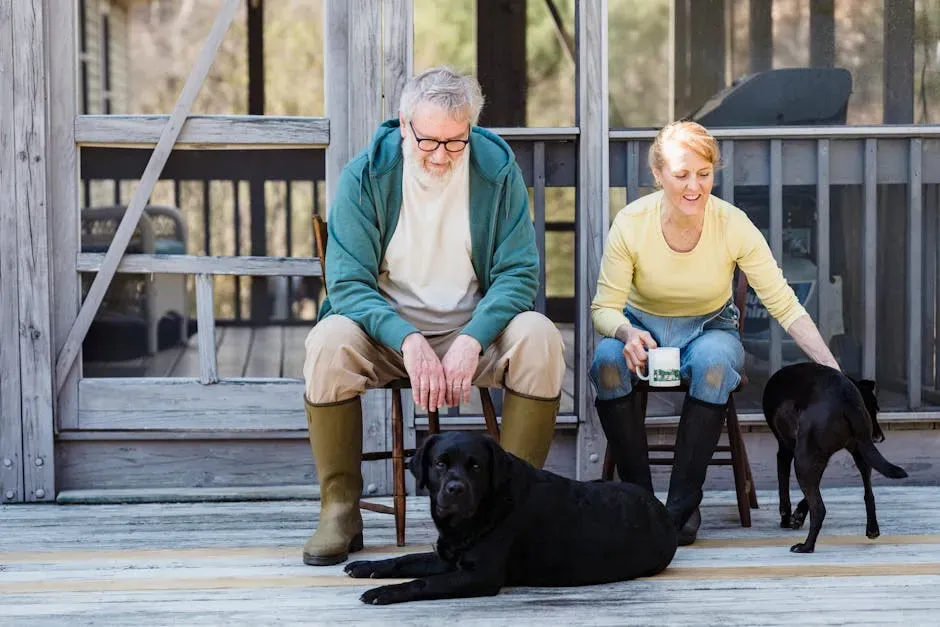
The simple act of petting a furry friend can help reduce stress by lowering blood pressure levels and triggering the release of endorphins, the body’s natural feel-good chemicals. For seniors managing heart conditions, these benefits can be particularly valuable. Petting a dog causes your body to release oxytocin, which is often called the “love hormone.” This interaction reduces stress, improving one’s mental health, and dogs can help alleviate negative feelings including depression, grief, and anxiety, providing a calming presence that softens the emotional challenges many seniors face.
Pets offer more than simple companionship. They provide a sense of purpose and routine that’s particularly valuable for seniors who may be facing feelings of loneliness and isolation. Research shows that strong attachment to pets is associated with less depression among older adults, especially those living alone. Taking care of a pet involves various tasks that help keep the senior mind active. From feeding schedules to health care appointments, managing these responsibilities provides mental stimulation that’s vital for brain health.
Senior dog owners walk an average of 22 more minutes per day, or about 2,760 more steps, compared to seniors who do not own dogs. Recent research suggests that older adults who walk their dogs experience fewer symptoms of loneliness than those who do not walk their dogs. Those extra steps, that daily rhythm, the simple fact of having something waiting for you at home. It’s not a small thing. It’s the kind of daily anchor that quietly shapes how a person feels about their life.
Conclusion: More Than Just a Pet
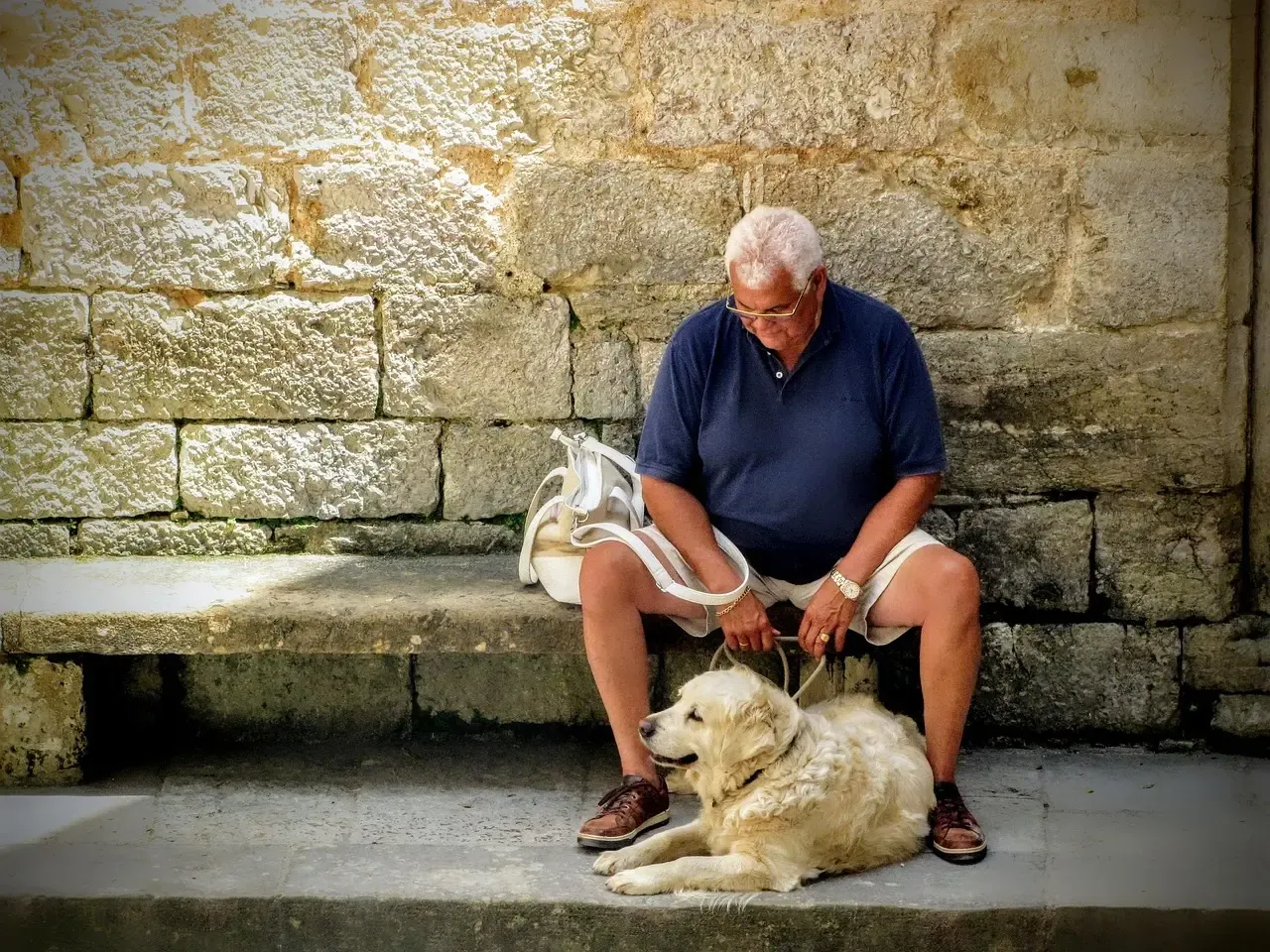
The dogs on this list aren’t here to perform a function or fulfill a checklist. They’re here because they genuinely change what it feels like to be at home alone. A dog doesn’t just fill the silence. It adds joy to everyday routines, encourages light activity, and even helps improve mental well-being. From snuggling on the couch during quiet afternoons to gently nudging you out for a peaceful walk, the right dog can offer a wonderful blend of calm companionship and mild motivation. Whether you’re living independently or with some support, having a pet can transform your day-to-day life in meaningful ways.
The decision to adopt a companion dog in your later years is, in my opinion, one of the most self-aware and courageous things a senior can choose to do. It acknowledges the need for connection without apology. It says: I want company. I want warmth. I want purpose in my mornings. Research shows roughly four in five pet owners report their pets make them feel less lonely, and this effect may be particularly strong in older adults living alone. That’s not a statistic to brush past lightly.
Living alone doesn’t have to mean being alone. The right companion animal doesn’t have to be a specific breed or come from a specific place. It has to be the right fit for the life being lived right now. For many older adults, that friend is already at the local shelter, patient, unhurried, and ready for exactly the kind of home only a senior can offer. Sometimes the dog that changes your life is simply the one that needed you first.


