
#1. The Vizsla – The Original Velcro Dog

Vizslas are often referred to as the ultimate velcro dog, developed in Hungary as hunting companions and bred to work closely with humans, which resulted in an instinctual need to be at their owner’s side at all times. This isn’t just a personality quirk. It’s centuries of selective breeding made physical.
A Vizsla doesn’t just want to be in the same room as you – they need to touch you. If you’re standing, they will lean against your leg. If you’re sitting, they want to be in your lap. When that person disappears, they are highly susceptible to separation anxiety, which often results in destructive chewing or incessant whining, along with pacing, howling, and emotional withdrawal when their owner is gone.
#2. The German Shepherd – The One-Person Protector
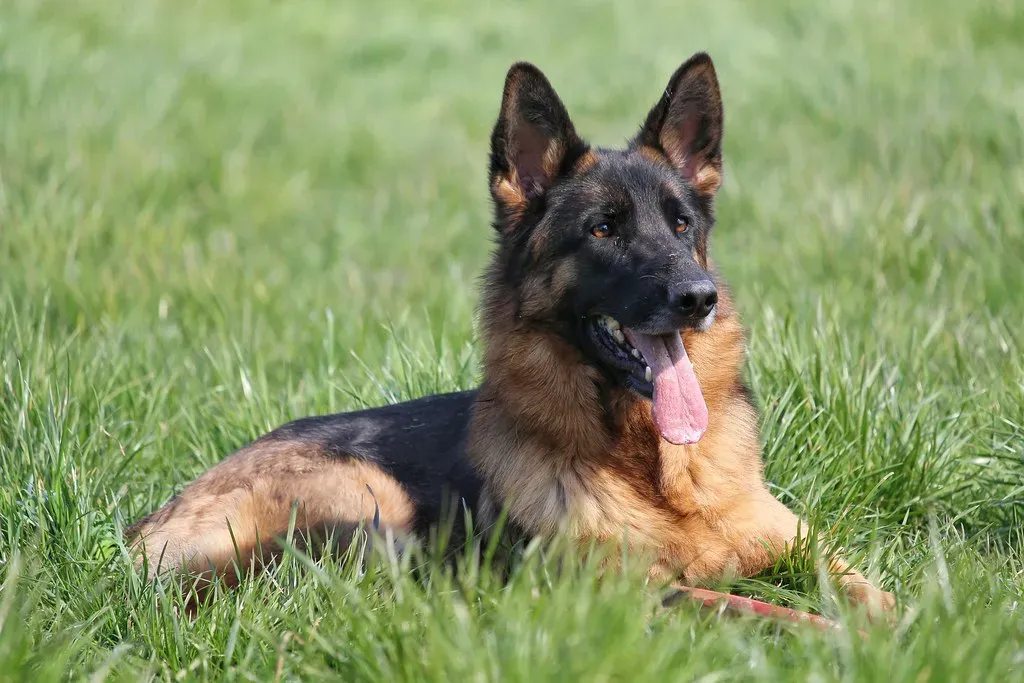
Many think of the German Shepherd as a stoic worker, but their emotional attachment is among the strongest in the canine world. Their bond is deeply rooted in loyalty and protection, and a German Shepherd always views itself as your partner and protector – often a one-person dog who forms a soul-deep connection with a primary caregiver.
German Shepherds are remarkably sensitive and emotionally tuned in with their families, craving routine and work, and often forming an exclusive bond with one handler. They can get deeply distressed by the absence of their main person, which leads to separation anxiety and anxiety-related destruction, with pacing, door-scratching, and visible apathy being the most common behavioral signs when the owner is absent.
#3. The Cavalier King Charles Spaniel – Born to Be Someone’s Everything
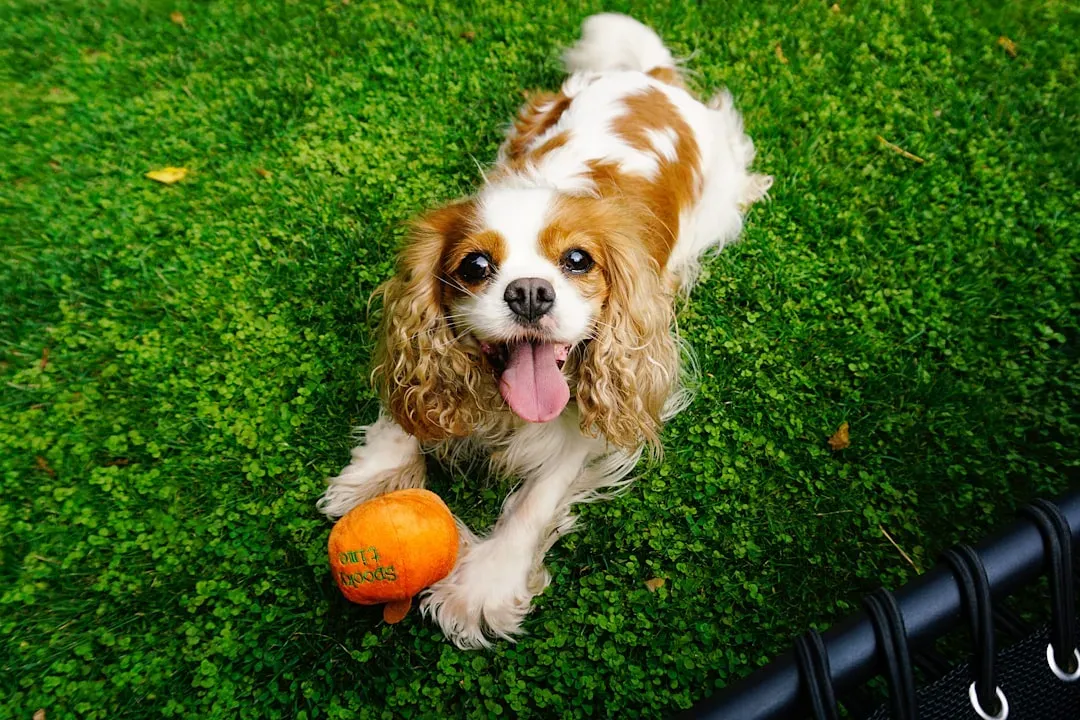
Cavalier King Charles Spaniels form exceptionally close attachments and love to cuddle, rest their head on their owner’s lap, and maintain eye contact – and these dogs were literally bred for companionship, developed as lap dogs for royalty, and they take their job seriously. That history is woven into every inch of who they are.
Cavaliers do not tolerate being left alone for long periods of time, often following owners everywhere and showing signs of stress, developing separation anxiety when isolated, and in some cases losing their appetite. They love predictability and ritual, integrating themselves into your daily rhythms until they become an essential part of your life – though this intensity of attachment can lead to separation anxiety if not managed properly, as these aren’t dogs who do well being left alone for long periods.
#4. The Border Collie – When Intelligence Turns Into Obsession
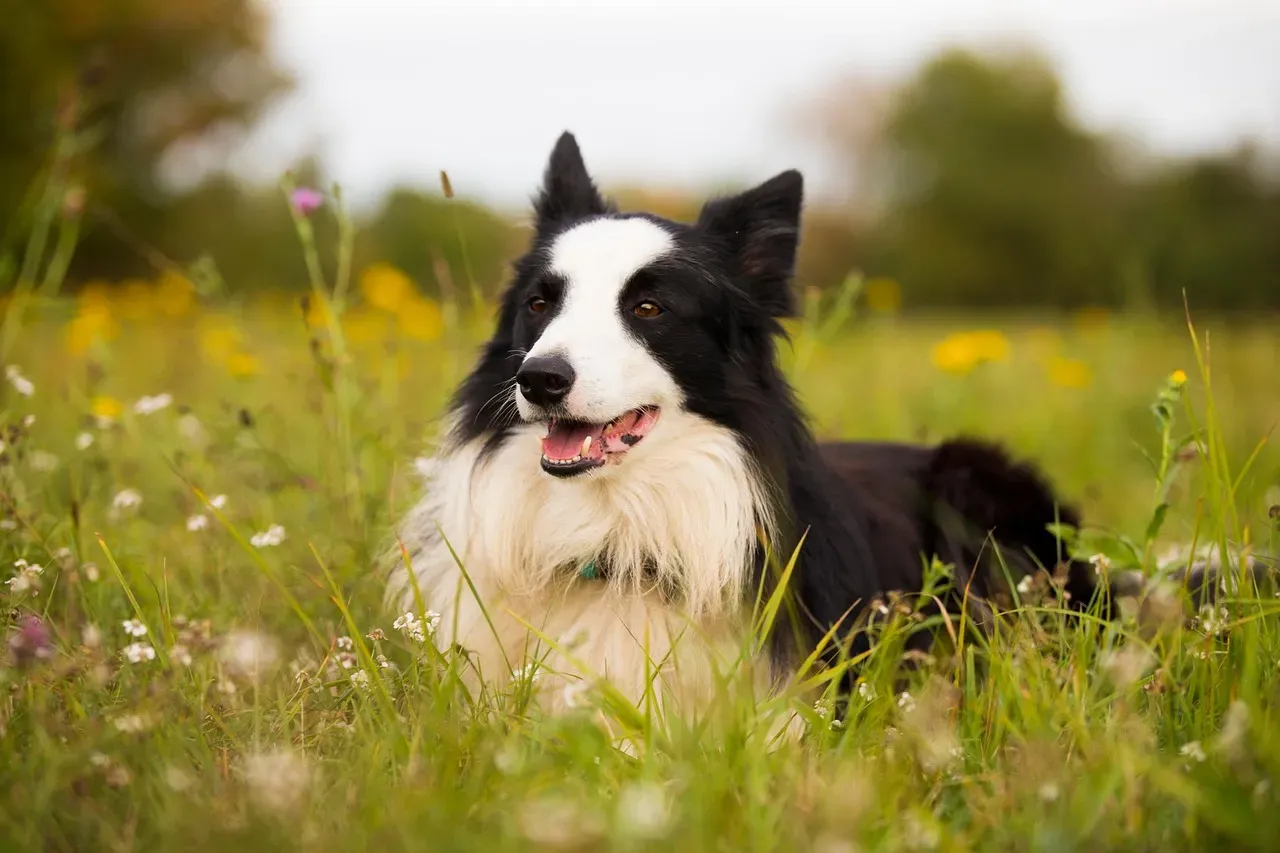
Widely regarded as one of the world’s smartest dog breeds, the Border Collie usually prefers to bond with one person. Like the Australian Shepherd, the Border Collie was bred to work with one person as a team, and as a pet, it is loyal, devoted, and tends to be a one-person or one-family dog, with obsessive and relatively insecure natures that can lead them to become fixated on their owners.
Because they were bred to work in perfect sync with a shepherd, they are masters at reading human body language, and in a home environment, this dog anticipates your next move before you even make it – they don’t just want cuddles; they want a shared mental life. They can get bored easily and may indulge in destructive behaviors, and are highly prone to suffering from separation anxiety – if ignored for long, they can suffer from depression, which is equal to no more tricks, training, and love from your pooch’s side.
#5. The Chihuahua – Small Dog, Singular Devotion
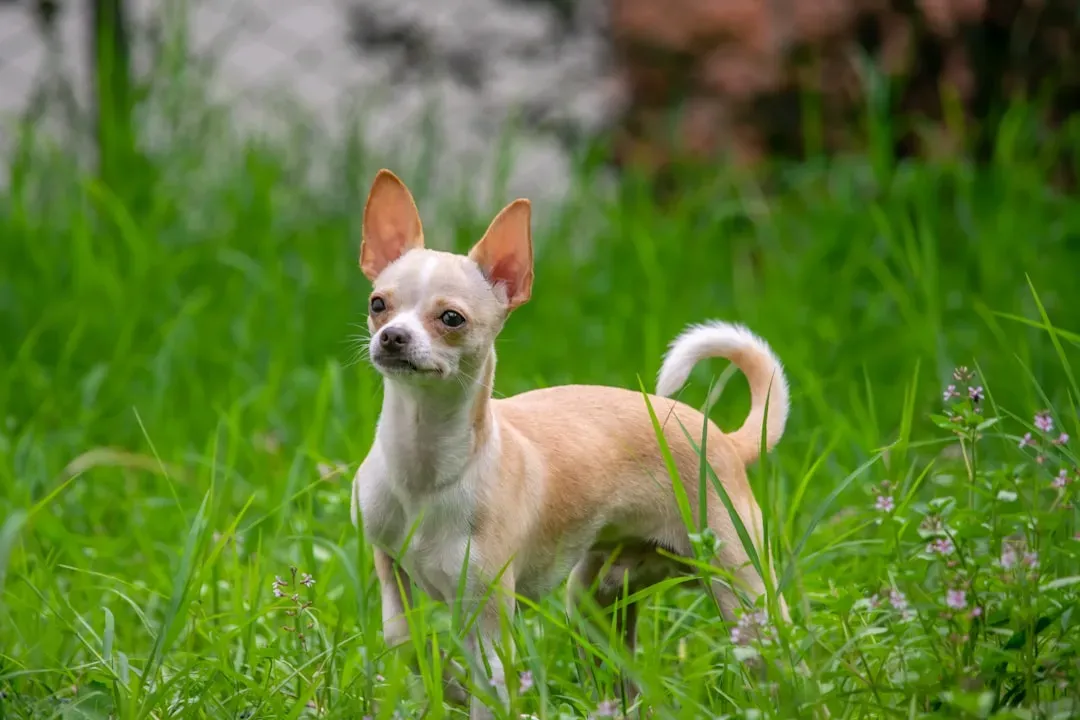
The Chihuahua is living proof that emotional attachment isn’t about size. These tiny dogs can fixate on one specific person and gradually become their “person’s” shadow, with an attachment so fierce it can even lean toward jealousy if not properly socialized. It’s an intensity few other breeds can match.
Chihuahuas are known for their fierce loyalty to their owners and often bond closely with one person, becoming quite protective. Separation anxiety is common in the breed – they might be perfectly behaved when their human is around but tend to resort to howling, whining, and destructive behavior when they feel lonely. The contrast between their calm when accompanied and their distress when alone is genuinely striking.
#6. The Australian Shepherd – The Herder Without a Job Is a Heartbroken Dog
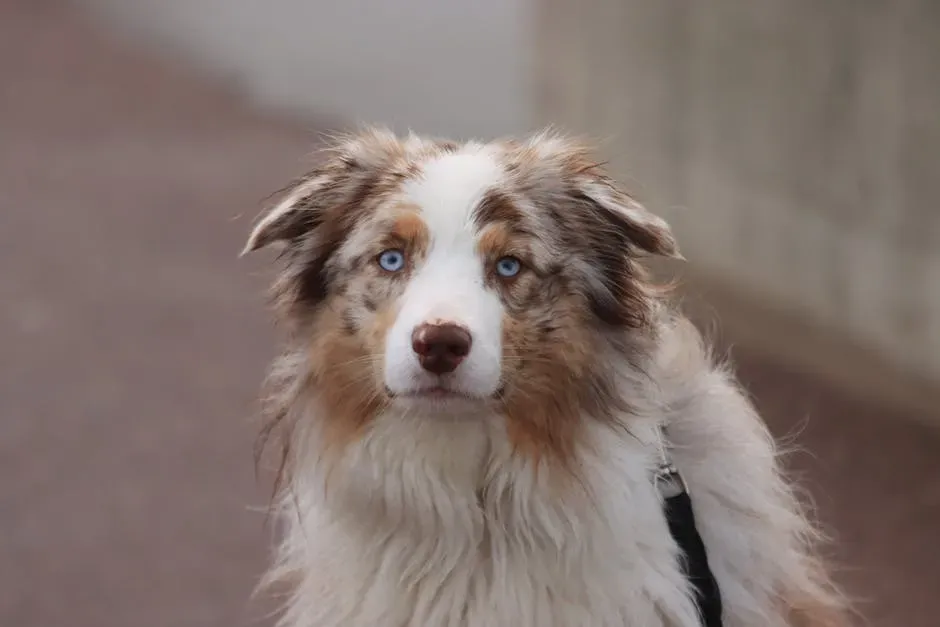
Australian Shepherds are known for their intelligence and loyalty, prefer to be in the presence of their humans, and can struggle if left alone for long periods – their strong bond with their owners makes them excellent working dogs and loving pets. The problem is that the same traits that make them exceptional also make them vulnerable.
Aussies are designed for constant, high-energy work, originally bred for herding cattle or sheep, and lacking a job or human interaction, their high intelligence turns boredom into anxiety and depression. Some dog breeds are naturally inclined to form strong bonds with their people and stay highly attentive to what is happening around them, which can make alone time more challenging even in a loving, familiar home. For an Aussie, that challenge can quickly become a genuine mental health crisis.
#7. The Bichon Frise – All Sunshine Until You Leave
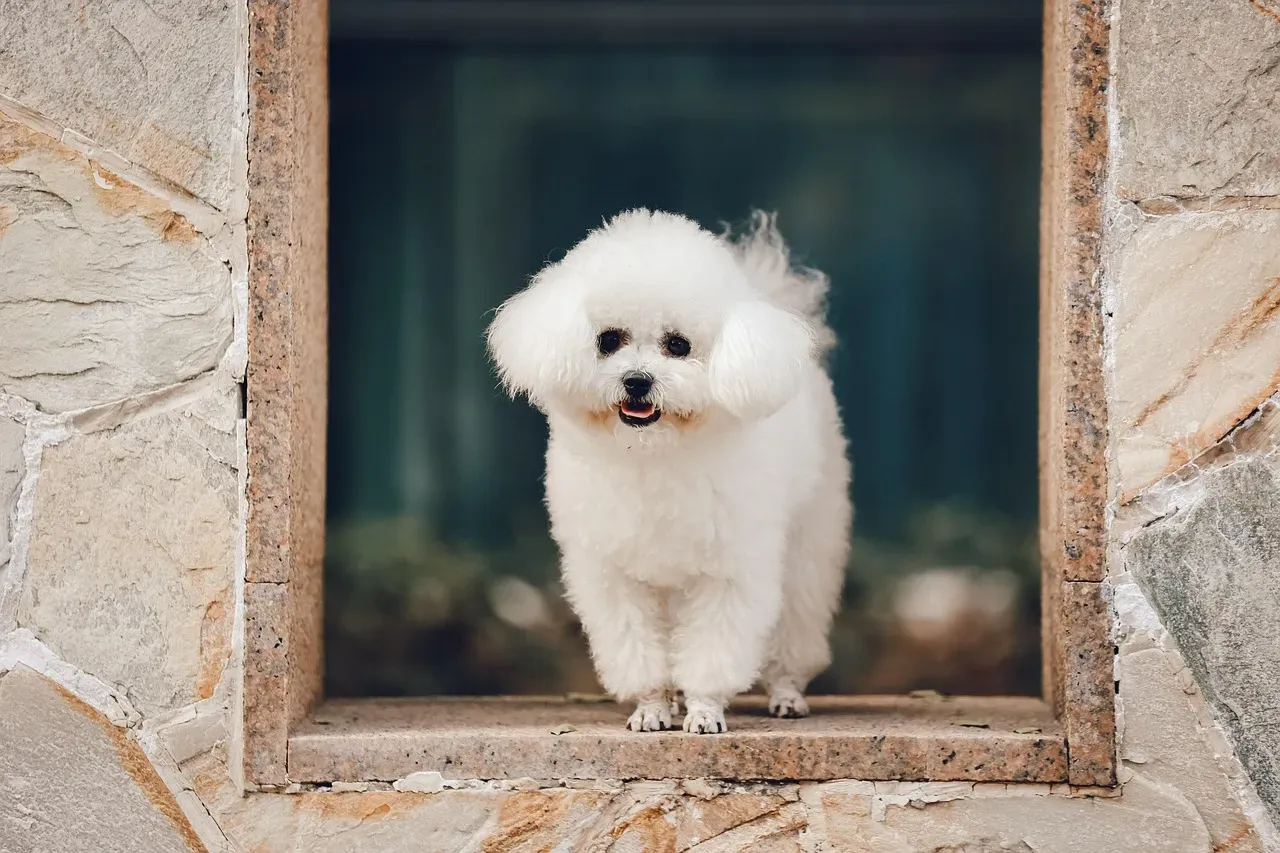
Bichons had been bred almost exclusively to be companion animals, and therefore they thrive on human affection and attention. These fluffy, cheerful dogs often form intense attachments to one person and act as a four-legged shadow. Their buoyancy is real, but it is entirely dependent on having their person close.
Bichon Frise is a perfect companion that loves to cuddle and is a happy-go-lucky dog that loves to be the center of attention – however, as soon as you leave them alone, they can become aggressive and destructive, and their anxiety, when overlooked, can quickly change into depression. The bichon frise thrives when they are with humans, as intended in their breeding, and can quickly become bored and suffer separation anxiety if left to fend for themselves for too long.
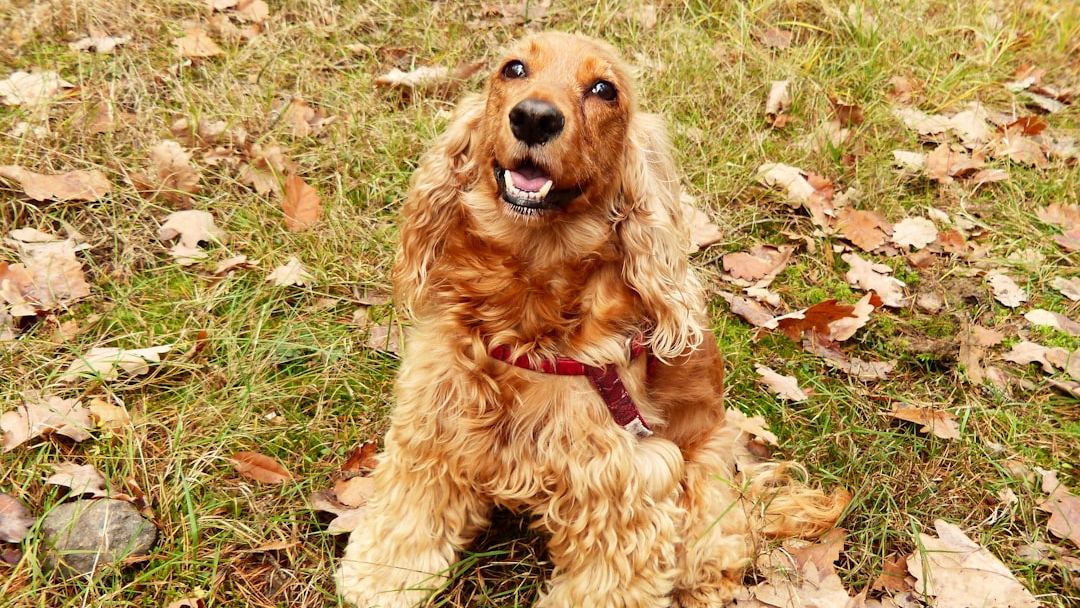
#8. The Cocker Spaniel – Gentle, Devoted, and Quietly Devastated
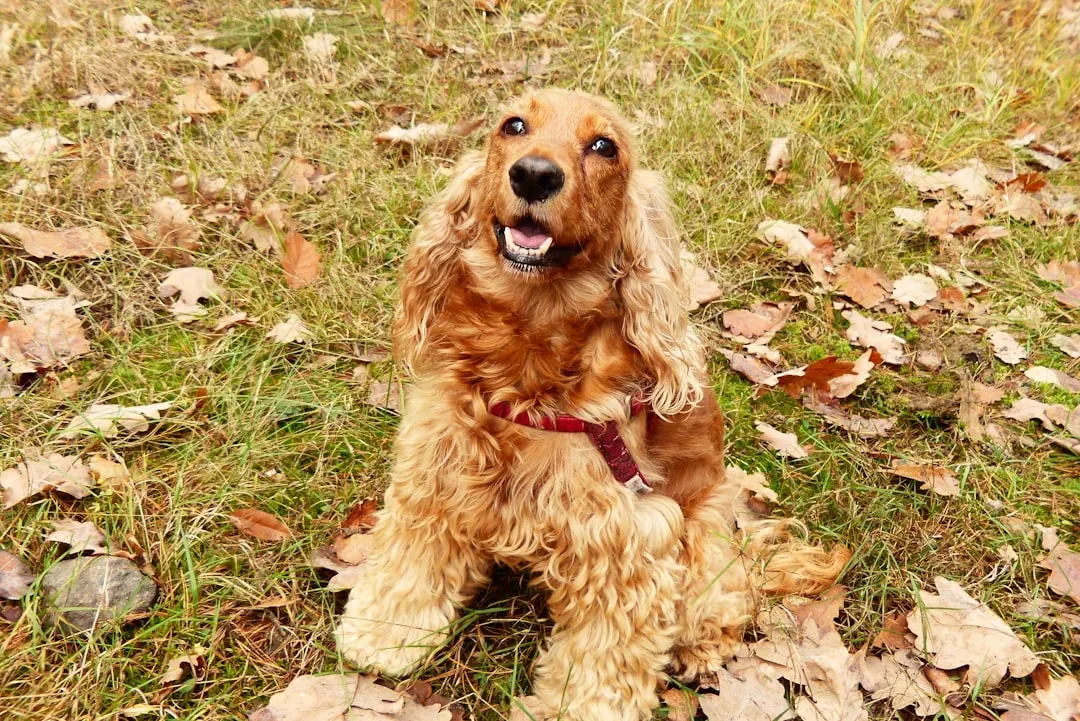
Cocker Spaniels are compassionate, resilient, friendly, and intelligent, but they do not like being left alone and may develop hyper-attachment disorder, as they love to be around their owner. Their emotional needs run deep beneath that easygoing exterior.
Cocker Spaniels are devoted family pets known to be prone to separation anxiety if left alone. Because they are naturally such a friendly, rewarding dog in response to people’s attention, they seem to feel aggrieved when they don’t get enough of it. Affectionate and routine-based, a long time alone may trigger barking or chewing – but the quieter signs are often the most telling. A Cocker Spaniel that stops eating, stops playing, or simply lies still by the door is one that’s not coping. That stillness speaks volumes.
What Owning a One-Person Dog Really Means
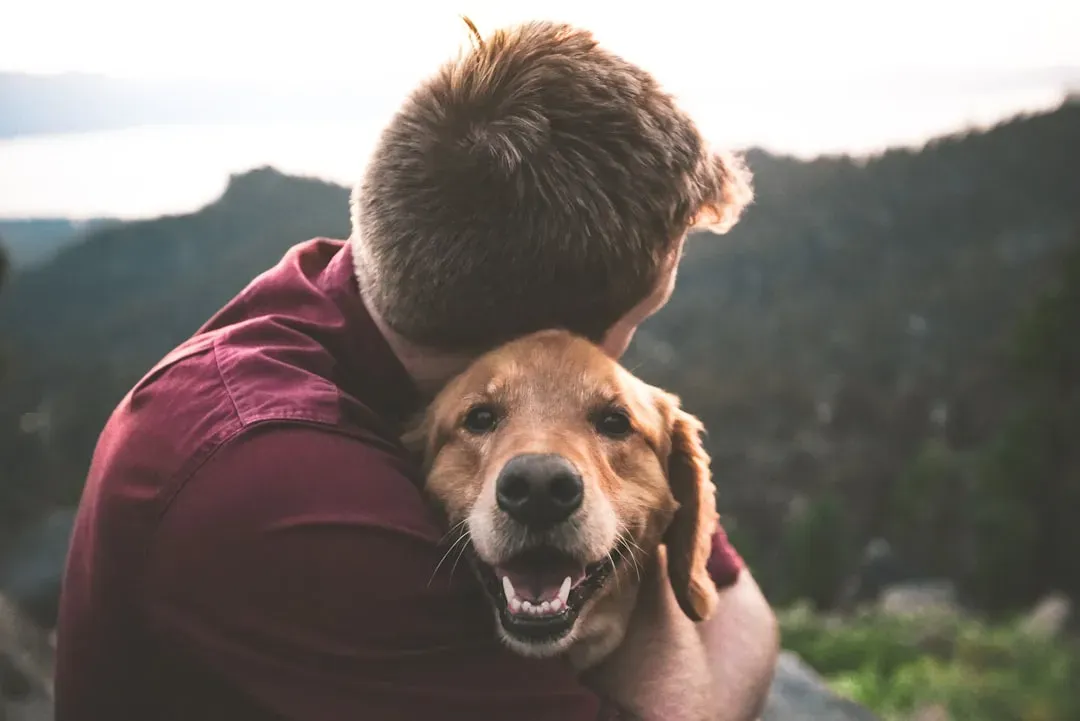
There is something genuinely moving about a dog that chooses you so completely. Some dog breeds are naturally inclined to form strong bonds with their people and stay highly attentive to what is happening around them. That attentiveness is what makes these breeds extraordinary companions – but it comes with real responsibility.
Separation anxiety may affect roughly one in five dogs, according to estimates by the American Veterinary Medical Association. For the breeds on this list, that risk is considerably higher, and the emotional cost of neglecting it is real. Some dog breeds are naturally inclined to choose one person as the center of their world, and while this can be endearing and rewarding, it also requires mindful care to ensure the dog develops confidence and independence.
In the end, choosing one of these breeds is less like adopting a pet and more like entering a relationship. They give everything. The honest, and perhaps uncomfortable, truth is that they need you to do the same. A dog capable of forming an unbreakable bond is also capable of having that bond break them – and that is something every prospective owner deserves to know before falling in love with a pair of eyes that will follow them everywhere they go.


