
#1: Dogs Are Emotionally Bonded to Human Behavior Patterns in Ways Science Can Now Measure
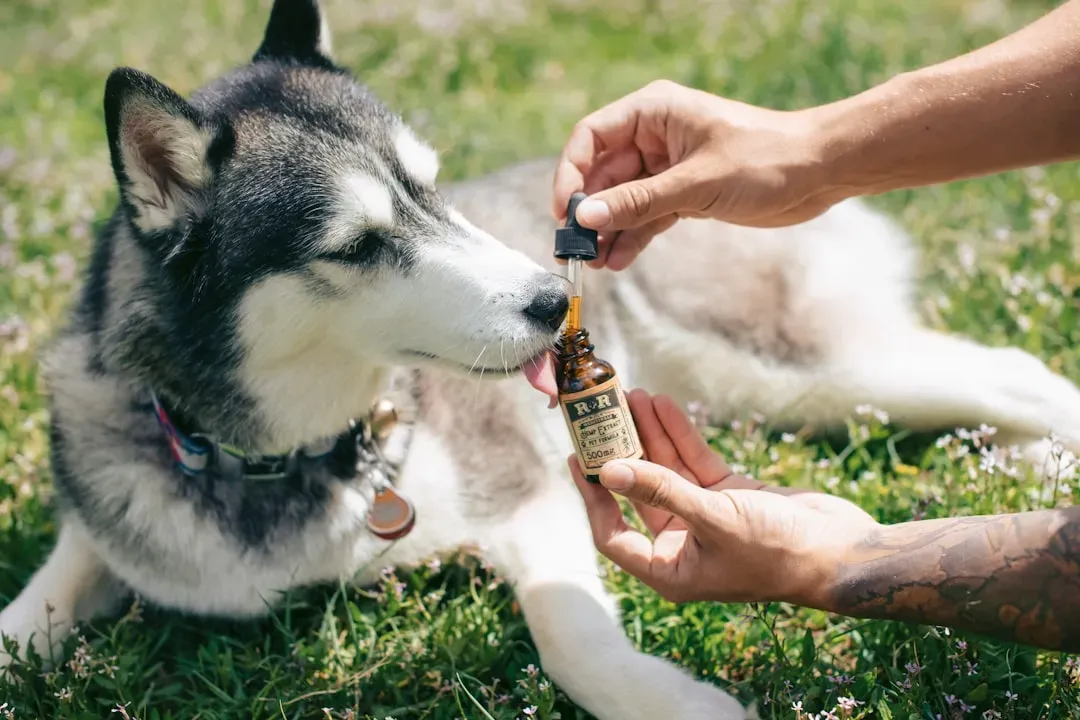
The idea of dogs feeling rejected may seem far-fetched to some, but behavioral observations and scientific research suggest otherwise. Dogs form strong emotional bonds with their human companions, and any disruption in these bonds can lead to feelings of jealousy or hurt feelings, which may be akin to feelings of rejection. This isn’t simply pet owner sentiment. It’s a finding that behavioral scientists have been building a case for across multiple studies.
The dog-owner relationship is directly reflected in the dog’s emotional reactions. A close emotional bond with the owner appears to decrease the arousal and stress levels in dogs. Which means the inverse is also true: when that bond is disrupted or suddenly altered, a dog’s emotional and physiological state can shift in measurable ways. The security they feel is tightly tied to the consistency of human behavior toward them.
When dogs and humans look at each other, oxytocin levels increase. Studies have found evidence that dogs can sense emotions and their interactions with humans can increase oxytocin levels – a hormone associated with signs of trust and affection. When that interaction is abruptly withdrawn or changes tone, the hormonal baseline shifts too. For a dog, this isn’t abstract. It’s felt in the body.
#2: Dogs Can Detect the Subtlest Emotional Shifts – Including Ones You Don’t Realize You’re Sending

Dogs have an extraordinary knack for reading human emotions. They use their acute sense of smell to detect hormonal changes in us, which helps them understand how we’re feeling. For example, when we’re stressed, we release cortisol, and dogs can sense this. It’s not metaphorical. Dogs are literally reading biochemical signals that humans can’t perceive at all, which gives them an almost unsettling accuracy when it comes to detecting mood.
In one study, dog owners were prompted to genuinely experience emotions of happiness, sadness, and neutrality. Researchers then measured how dogs responded to their owners’ authentic emotions in natural situations. The findings showed that dogs behaved differently depending on the owner’s emotional state: they gazed and jumped less at owners when they were sad, and their compliance with commands was also diminished. The dogs weren’t trained to respond that way. They simply read their person and adjusted.
Dogs can distinguish between attentive and inattentive human partners and not only recognize human facial expressions, but they also use facial changes in response to the changing attention of their human audience. So when a person suddenly becomes cold, distracted, or emotionally unavailable, the dog doesn’t just notice the behavioral change. They interpret it. They assign meaning to it. That meaning, research suggests, can feel like something close to rejection.
#3: The Physical and Behavioral Signs of Canine Rejection Are Real and Recognizable
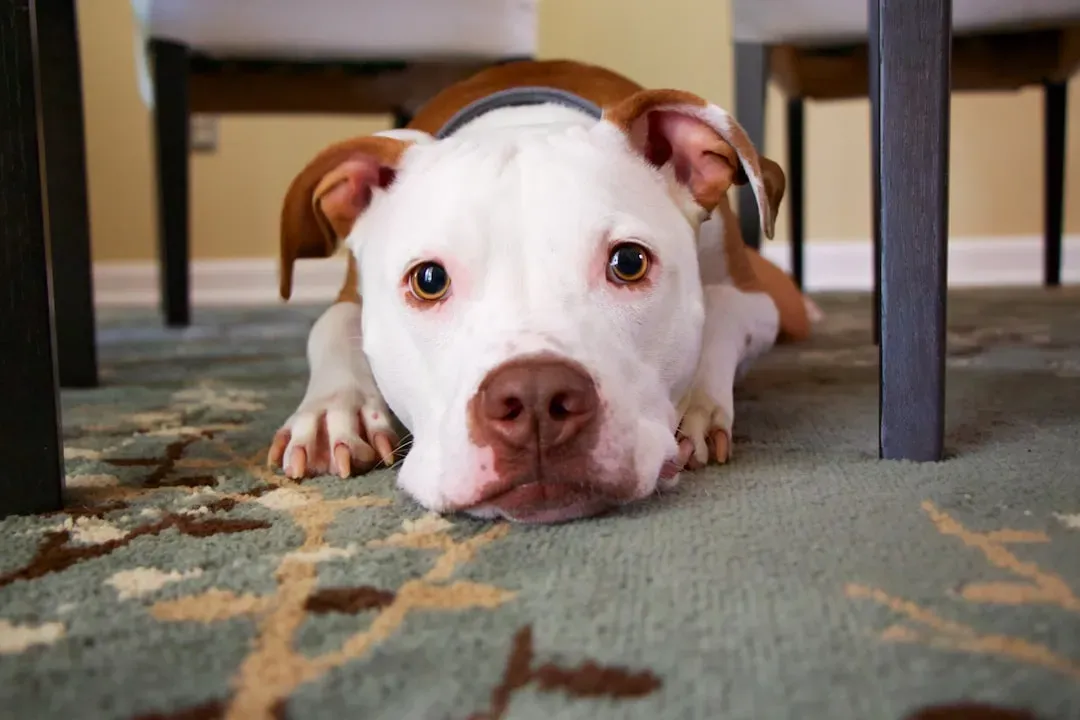
Signs that a dog might be feeling rejected include changes in behavior such as withdrawal or aggression, changes in eating habits, and altered interaction with humans and other pets. These aren’t vague indicators. They’re consistent enough across dogs that animal behaviorists treat them as a recognizable pattern with its own causes and care responses.
When a dog is feeling rejected or unloved, they will try to do everything in their power to make up for it. If they find that nothing is working, there is a good chance that they will become depressed and feel down. When this happens, they will begin to tuck their tail in between their legs. Some dogs take the opposite route and become clingier, nudging, pawing, or shadowing their owner from room to room in an attempt to reestablish connection.
Signs can include social withdrawal, hiding in secluded areas or behind furniture, excessive licking or chewing of paws as a self-soothing behavior, unusual clinginess or increased need for attention and comfort, decreased energy levels and general lethargy, and uncharacteristic vocalizations such as whining, howling, or excessive barking. Not every dog will show every sign, but the underlying dynamic is the same: a dog trying to make sense of why their human suddenly feels like a stranger.
#4: Routine Changes Are Among the Most Quietly Damaging Forms of Behavioral Shift for Dogs

Major changes in a dog’s life could lead to periods of depression. Those include moving into a new home, a new spouse or baby in the household, or adding another pet. Even a change in the dog’s schedule – for instance a stay-at-home owner who takes a job – can cause a dog to get down. What’s striking here is how ordinary these scenarios are. These aren’t dramatic traumas. They’re just life, rearranging itself.
Dogs feel secure when they can predict daily activities. When the rhythm they’ve come to rely on disappears without explanation, that predictability collapses. Major changes to routine – such as a move, a new baby, or a schedule shift – can leave dogs feeling unsettled and potentially depressed. They’re not being dramatic. They’re responding exactly as their emotional architecture was built to respond: with distress when the social anchor moves.
If a dog’s home life lacks emotional stability or consistent routine, it can create chronic stress that leads to an emotional shutdown. Owners who rely on aversive training, yelling, or withholding affection can inadvertently produce a state of learned helplessness, where the dog gives up trying to change its situation or express its needs. That last part is particularly sobering. A dog that stops trying to reconnect isn’t being independent. They may have simply given up.
#5: What Psychology Says Owners Can Actually Do About It
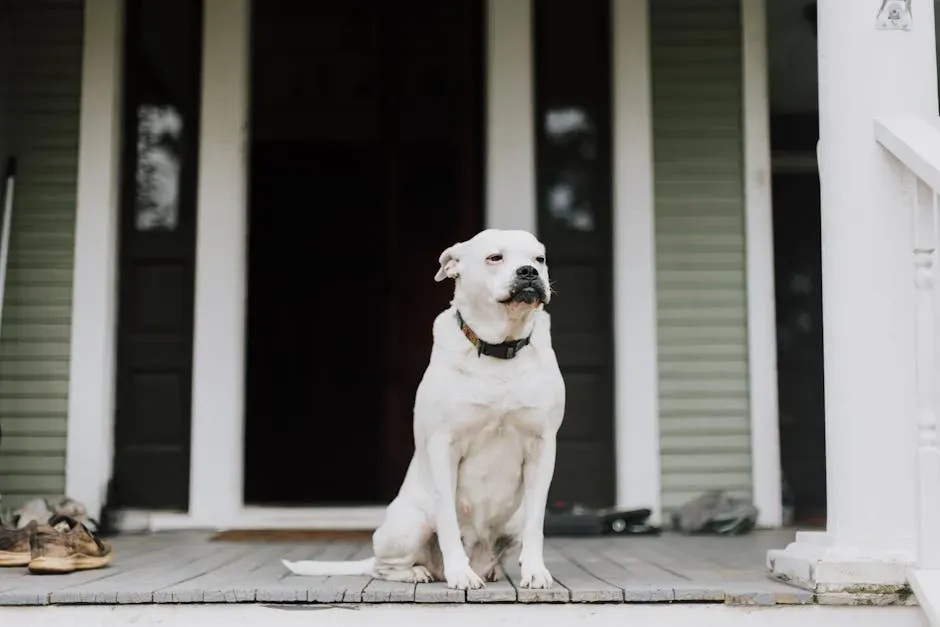
Understanding the emotional life of dogs can significantly enhance the human-dog bond. While dogs might indeed experience complex feelings such as rejection, responsible pet owners can take steps to minimize these feelings and ensure their dogs feel loved and secure. The good news is that most dogs are resilient enough to recover when the relational environment improves – often surprisingly quickly once a person becomes more consistent and attentive again.
Most dogs bounce back from depression within a few days to a few months with just a little extra care and attention. Keeping them engaged, doing more of the things they like to do, and getting them a little more exercise can often be enough. Veterinary behaviorists also recommend maintaining predictable daily rhythms, since dogs love routine. As much as possible, keeping a dog’s daily schedule the same helps significantly – when a dog knows what to expect and when, they are less likely to feel stressed or depressed.
Mental stimulation is equally important for alleviating the emotional effects of behavioral disruption. Interactive puzzle toys, scent games, and training sessions that teach new commands challenge a dog’s mind while rebuilding confidence. Beyond specific activities, the most consistent advice from animal behaviorists comes down to something simple: show up. Be present. Let your dog know through behavior, not just proximity, that the relationship is still intact.
Conclusion: We Owe Our Dogs More Emotional Awareness Than We Usually Give Them